Pickled Carrots
These pickled carrots are the kind of simple recipe I reach for when I want bright, crunchy flavor with almost no fuss. They take ordinary carrots and transform them into a snap‑happy condiment that livens sandwiches, salads, and snack plates. The method is straightforward: a measured brine, quick simmer, and a short chill before you dig in.
I like this recipe because it balances speed and reliability. You don’t need special canning equipment or long fermentation windows. The flavors are clean — a touch of sugar, a pop of allspice and peppercorns, and an optional garlic note — and the carrots stay crisp when you follow the steps. Little effort. Big payoff.
Below I walk through what each ingredient is doing, the exact steps to follow (kept true to the original directions), common mistakes to avoid, and a few smart swaps if you need them. If you want a pickled carrot you can make tonight and serve tomorrow, you’re in the right place.
Ingredient Breakdown
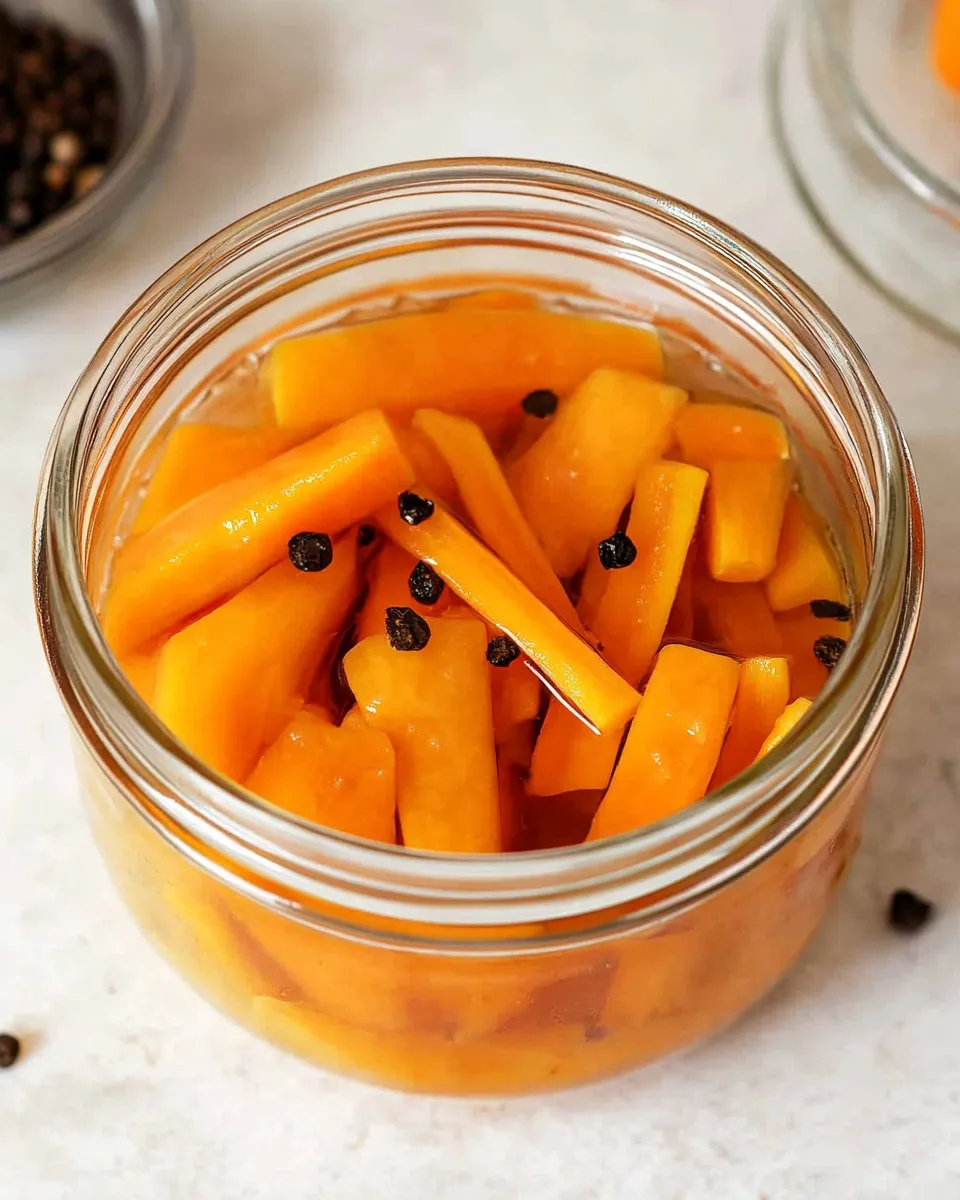
Understanding the role of each ingredient helps you reach the texture and taste you want. The ratios here are intentional: equal parts white vinegar and water give tang while avoiding an overly acidic bite; a small amount of sugar softens the edge and balances the vinegar; a tablespoon of coarse salt seasons the carrots through brining; and whole spices add aromatic interest without clouding the brine.
Carrots are the star and also the texture challenge. Cutting them into sticks gives a satisfying crunch and lets the brine penetrate quickly. The short simmer for the brine dissolves sugar and salt and briefly infuses the spice flavors; it’s not meant to cook the carrots. Cooling the jar to room temperature before sealing keeps condensation and excess heat from affecting the final texture.
Ingredients
- 1 pound carrots — peeled and cut into sticks; uniform sticks pickle evenly and stay crisp.
- 1 cup white vinegar — provides the acidic base for preservation and bright flavor.
- 1 cup water — balances the vinegar so the brine isn’t overpowering.
- 1/4 cup sugar — softens the vinegar’s edge and rounds the flavor.
- 1 tablespoon sea salt — seasons the carrots and helps with texture during pickling.
- 1 clove garlic — minced (optional); adds a subtle savory note if you like garlic.
- 4 whole allspice berries — warm, slightly peppery aromatic; low quantity keeps them from dominating.
- 1/4 teaspoon black peppercorns — a gentle background pepperiness that complements the allspice.
Pickled Carrots Cooking Guide
- If not already done, peel and cut 1 pound carrots into sticks. Pack the carrots tightly into a clean, sealable glass jar, leaving about 1/2 inch of space from the top.
- In a small saucepan combine 1 cup white vinegar, 1 cup water, 1/4 cup sugar, 1 tablespoon sea salt, 1 clove garlic (minced, optional), 4 whole allspice berries, and 1/4 teaspoon black peppercorns.
- Bring the mixture to a boil over medium-high heat, stirring so the sugar and salt dissolve. Once boiling, reduce heat and simmer for 2 minutes.
- Pour the hot brine over the packed carrots so they are fully submerged, keeping about 1/2 inch of headspace at the top of the jar. Use a clean utensil or chopstick to release any trapped air bubbles and press the carrots down if needed.
- Let the jar cool to room temperature, then seal and refrigerate.
- Refrigerate at least 24 hours before eating. The pickled carrots will keep in the refrigerator for up to one month.
Why This Recipe Belongs in Your Rotation
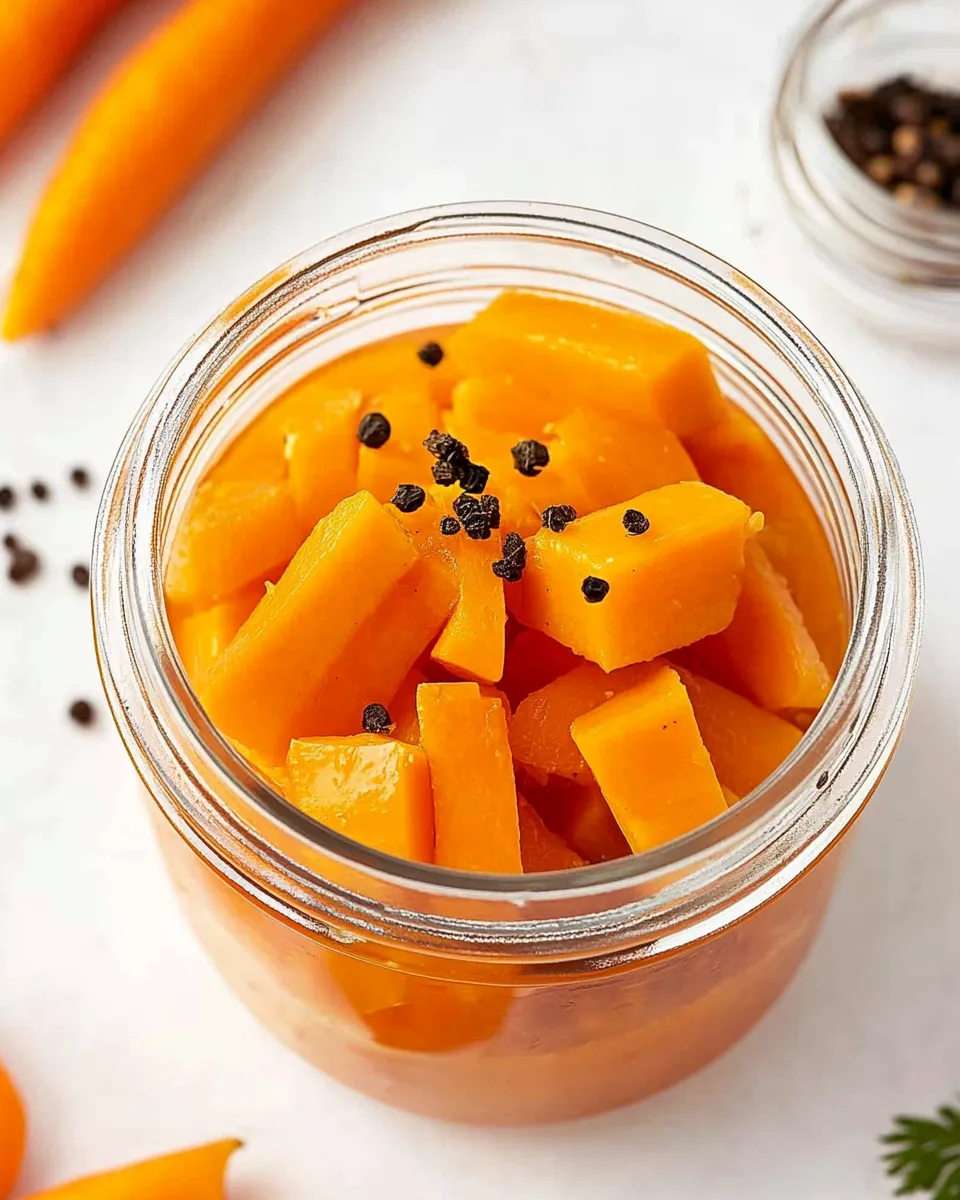
This pickled carrot recipe is reliable and fast. You can make it with pantry staples and a single jar, and it reaches good flavor within 24 hours. That means you can decide after lunch that you want crunchy, tangy carrots with dinner — and actually have them ready.
It’s versatile. Use these carrots to add acidity and crunch to sandwiches, fold them into grain bowls for textural lift, or serve them alongside roasted meats for contrast. They also keep well in the fridge, so when you do make a jar you get several days of easy snacking and quick garnishes.
Finally, the method is forgiving. The 1:1 vinegar-to-water ratio is steady; a short simmer sets the flavors without softening the carrots too much; and the whole spices are scaled low so nothing overwhelms. It’s a dependable way to add brightness to weeknight meals.
Low-Carb/Keto Alternatives
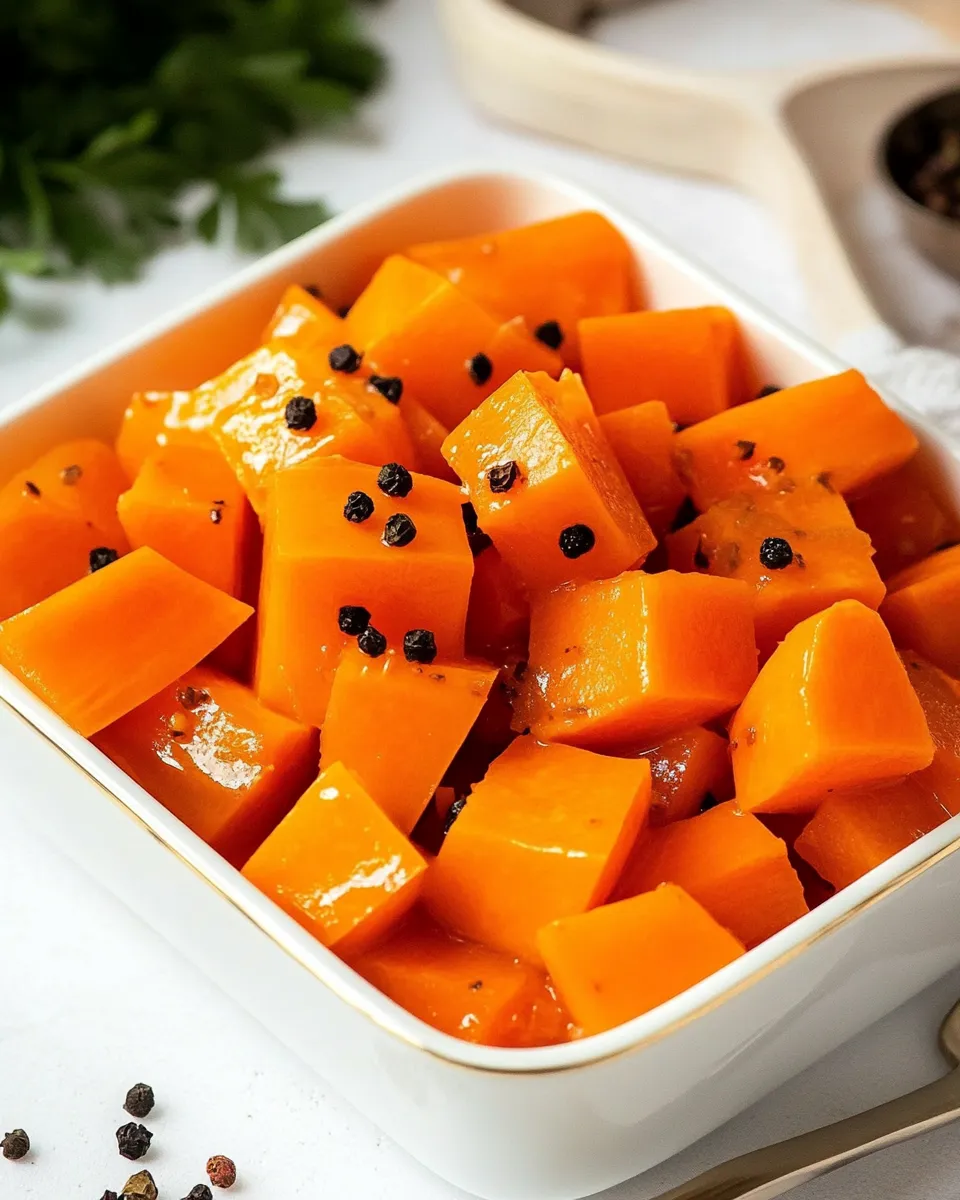
Carrots are naturally higher in carbs than some other pickled vegetables, so if you’re following a strict low-carb or keto plan, you have two practical options:
- Reduce or omit the 1/4 cup sugar. The brine will be sharper without it, but acidity and spice still make a flavorful pickle. If you omit sugar entirely, taste the brine before pouring it over the carrots and add a small pinch more salt if needed.
- Make smaller portions and use these carrots sparingly as a garnish rather than a main snack. A few sticks provide plenty of flavor without a large carb hit.
If you prefer a no-sugar route but still want some sweetness, choose a sweetener you’re comfortable with and follow its conversion guidance — but note that will change both flavor and texture slightly.
What You’ll Need (Gear)
- Clean, sealable glass jar (one-pint size works well) — for packing the carrots and storing in the fridge.
- Small saucepan — to make and simmer the brine.
- Cutting board and sharp knife — to cut carrots into even sticks.
- Peeler — to remove carrot skins if desired.
- Utensil or chopstick — to release air bubbles after pouring the brine.
- Measuring cups and spoons — for dependable proportions.
Easy-to-Miss Gotchas
- Headspace matters: leaving about 1/2 inch of space at the top of the jar avoids overflow and allows a good seal.
- Dissolve the sugar and salt fully. Bring the brine to a boil and stir so nothing settles on the bottom; undissolved salt or sugar will create uneven seasoning.
- Don’t overcook the spices. A short simmer (2 minutes after boiling) is enough to extract aroma; extended simmering can flatten bright vinegar notes.
- Release air bubbles. Trapped air will reduce contact between brine and carrots and can mar texture over time.
- Cool before sealing. Sealing while the jar is still hot can create extra condensation and a softer carrot texture.
- Keep it refrigerated. This recipe is a quick refrigerator pickle, not a shelf‑stable canned product. Follow the refrigeration guideline.
Smart Substitutions
If you need to adapt, do so conservatively so you preserve texture and safety:
- If you don’t have white vinegar, swap in another vinegar of similar strength and acidity, keeping the same 1 cup amount. The overall tang will remain reliable if the acidity is roughly equal.
- If you want less sweet, reduce the 1/4 cup sugar or omit it. The brine will be tarter; give it a taste before jarring and adjust only if needed.
- If you don’t have allspice berries, use a small pinch of other whole warm spices you like; keep quantities low so the carrots stay bright rather than spiced through.
- For different aromatics, you can skip the garlic or add a second clove if you want a more pronounced garlicky note — remember it’s optional in the base recipe.
Chef’s Rationale
I approach quick pickles with an eye toward balance and texture. The 1 cup vinegar to 1 cup water ratio keeps the acidity pronounced but not punishing. The sugar is modest; it’s there to round sharp edges, not to make the carrots candy. One tablespoon of sea salt seasons the whole jar consistently, and using coarse or flakey salt helps distribute flavor without oversalting when you measure correctly.
Short heating of the brine (a boil then a two‑minute simmer) accomplishes three things: it dissolves solids, extracts a controlled amount of volatile spice flavor from the allspice and peppercorns, and slightly warms the jar and carrots so they accept the brine more quickly. But it’s intentionally brief — you want the carrots to remain crisp, not cooked.
The pickling is finished in the refrigerator. Quick cold pickling like this encourages penetration of flavor without enzymatic changes that come with longer fermentations. It’s a reliable method for immediate use and predictable texture.
Save It for Later
Store the sealed jar in the refrigerator. The recipe’s guidance is clear: refrigerate at least 24 hours before eating for the best flavor, and use within one month. I recommend labeling the jar with the date you made it so you know when that month is up.
A quick tip: keep the carrots submerged under the brine. If you use the jar frequently, press them back down with a clean utensil so they stay covered. If you see any off smells or mold, discard — this is a fridge‑pickled product, not a shelf‑stable canned item.
FAQ
How long do these pickled carrots last?
They keep in the refrigerator for up to one month. Labeling the jar with the date helps you track freshness.
Will the carrots stay crisp?
Yes, if you cut them into firm, even sticks and avoid overcooking the brine. Packing them tightly and not leaving them in hot brine for long helps maintain crunch.
Can I make these shelf-stable?
This recipe is written as a refrigerator pickle. To make shelf-stable pickles you must follow an approved canning process designed for safety; do not assume this same method will be safe for room-temperature storage.
Can I change the spices?
Yes. The recipe uses a modest amount of allspice and black peppercorns. You can adjust to taste, but keep whole spices light so the carrots remain the focus.
Do I have to peel the carrots?
Peeling is optional. I peel when I want a clean appearance; if carrots are fresh and well scrubbed, leaving the skin on is fine and saves time.
Let’s Eat
After 24 hours in the fridge you’ll have bright, crunchy pickled carrots ready to lift ordinary meals. Slide a few into a sandwich for acidity, toss them into a salad for textural contrast, or arrange them on a snacking plate. They brighten everything they touch.
Make a jar, keep it in the fridge, and use it to add a quick pop of flavor whenever you need it. Simple, fast, and dependable — that’s why I keep this recipe handy.
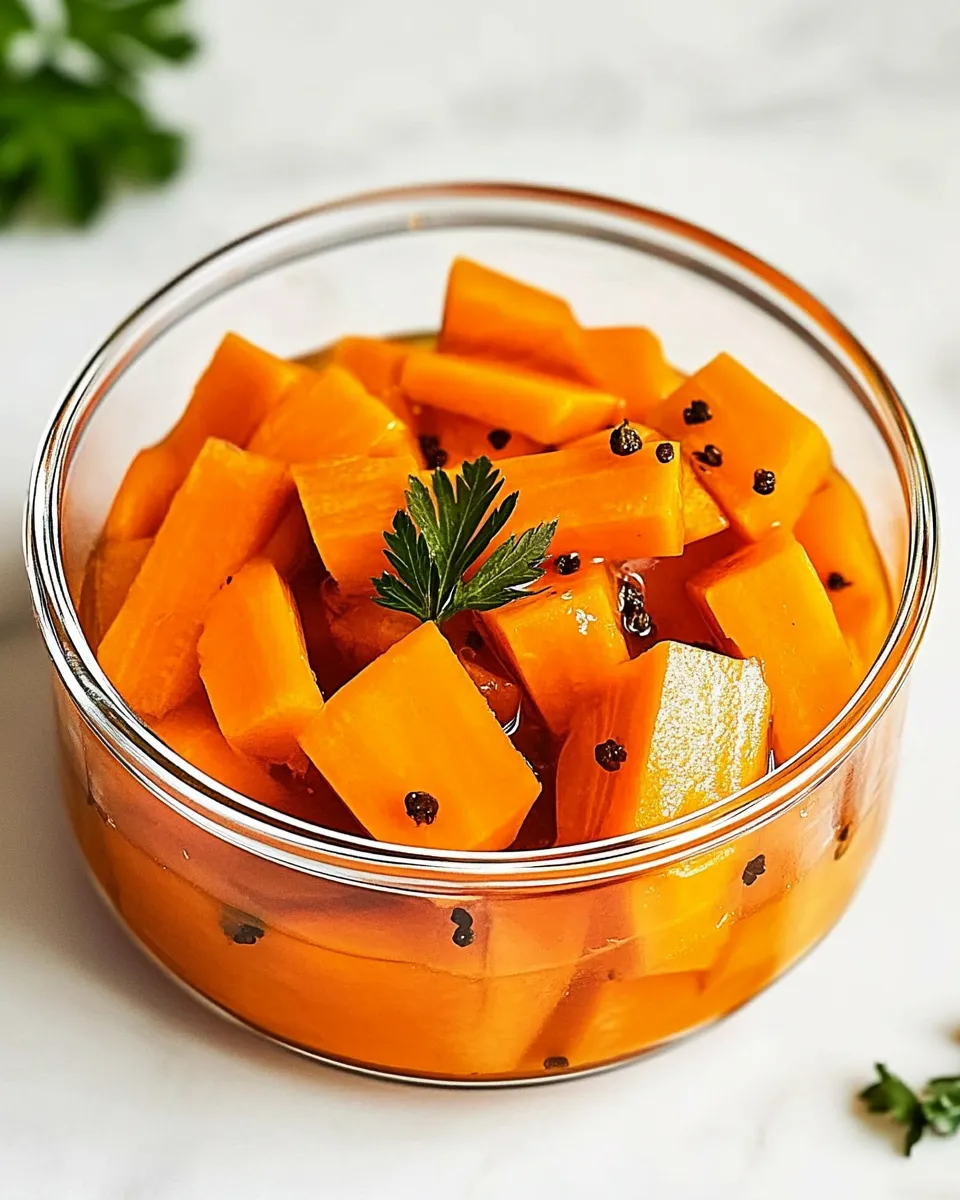
Pickled Carrots
Ingredients
Equipment
Method
- If not already done, peel and cut 1 pound carrots into sticks. Pack the carrots tightly into a clean, sealable glass jar, leaving about 1/2 inch of space from the top.
- In a small saucepan combine 1 cup white vinegar, 1 cup water, 1/4 cup sugar, 1 tablespoon sea salt, 1 clove garlic (minced, optional), 4 whole allspice berries, and 1/4 teaspoon black peppercorns.
- Bring the mixture to a boil over medium-high heat, stirring so the sugar and salt dissolve. Once boiling, reduce heat and simmer for 2 minutes.
- Pour the hot brine over the packed carrots so they are fully submerged, keeping about 1/2 inch of headspace at the top of the jar. Use a clean utensil or chopstick to release any trapped air bubbles and press the carrots down if needed.
- Let the jar cool to room temperature, then seal and refrigerate.
- Refrigerate at least 24 hours before eating. The pickled carrots will keep in the refrigerator for up to one month.