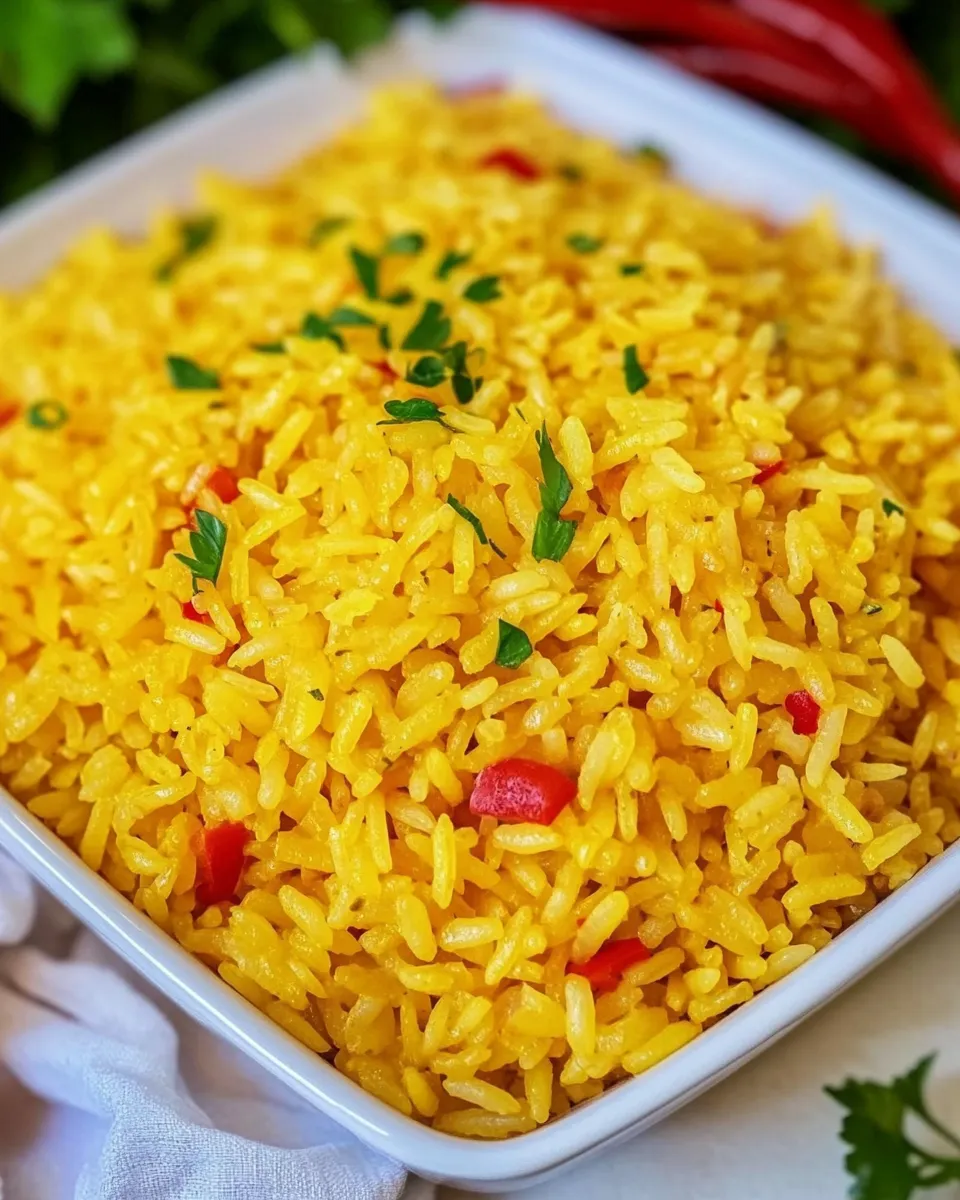
Portuguese Rice
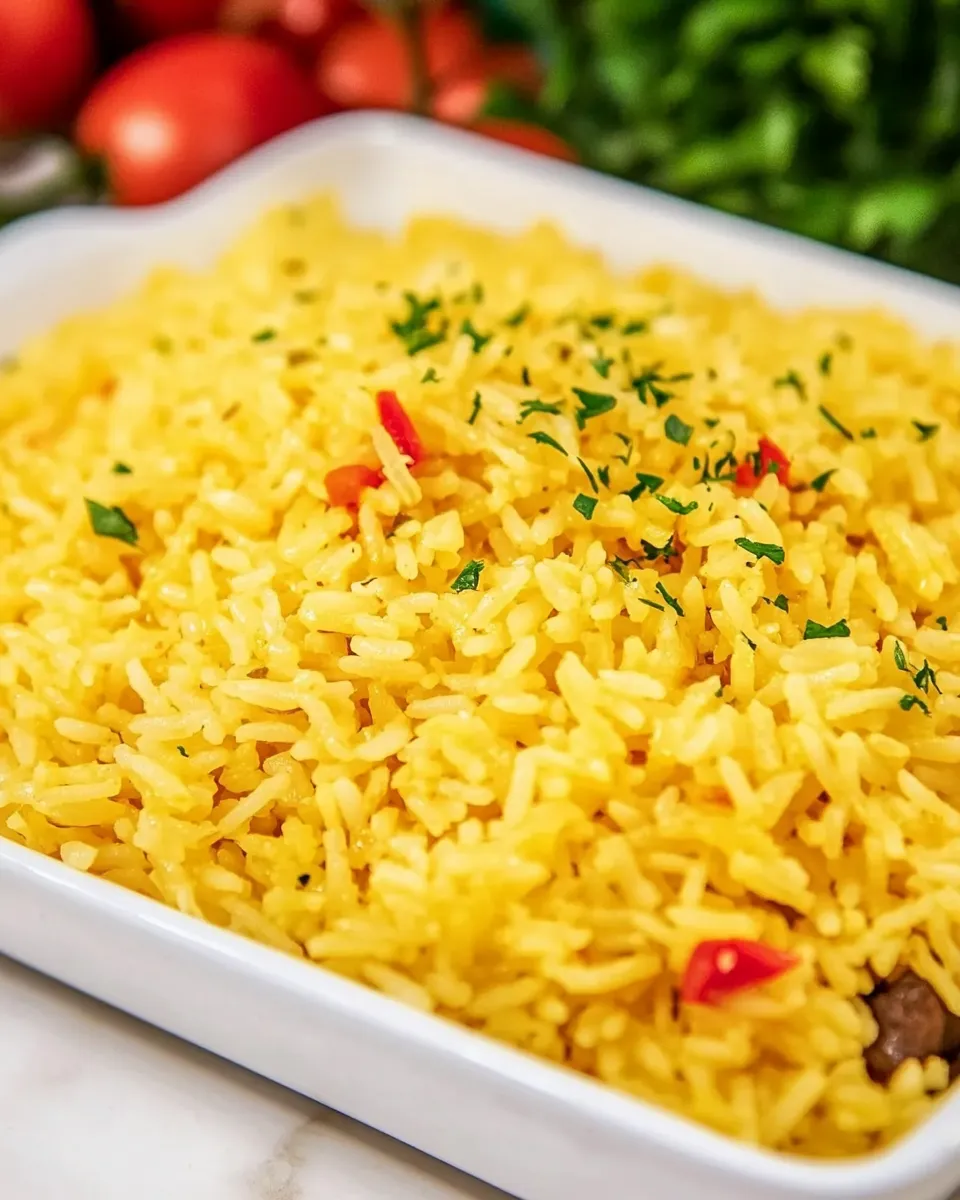
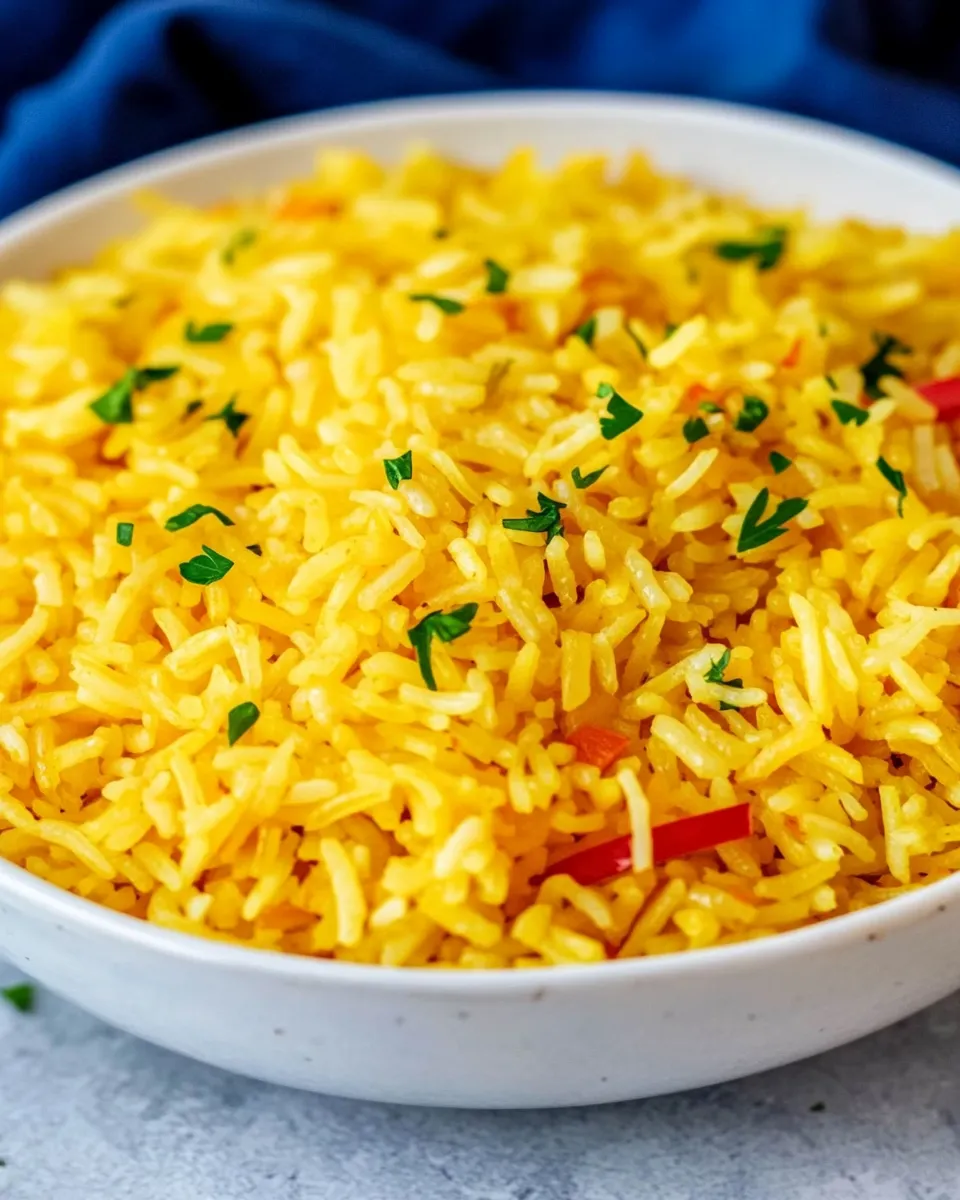
I make this Portuguese Rice when I want a dish that’s comforting, bright, and reliably delicious. It’s the kind of recipe that turns humble pantry staples into a fragrant, colorful side that pairs with grilled fish, roasted chicken, or a simple salad. The spices here are modest but purposeful: paprika, smoked paprika, turmeric, and cumin build warmth and color without overpowering the rice.
No fuss, no last-minute scrambling. The method relies on a few intentional steps—rinsing the rice, toasting it lightly in oil with aromatics, and a precise simmer—so the result is fluffy grains with distinct texture and a whisper of citrus at the end. If you follow the sequence, you’ll get consistent results every time.
Below I’ve broken everything into clear parts: the ingredient checklist with quick tips, the exact cooking steps, troubleshooting pointers, and a few ways to vary the flavors by season. It’s written for home cooks who want practical guidance, not fluff.
Ingredient Checklist
Ingredients
- 1½ cups long-grain white rice — Rinsing removes surface starch so the grains cook up separate and fluffy.
- 4 tablespoons olive oil — Warming and coating the grains; use a good-quality oil for flavor.
- 1 small onion, finely chopped — Builds a savory base; cook until soft but not browned.
- ½ red bell pepper, finely chopped — Adds sweetness, color, and texture to the rice.
- 4 cloves garlic, minced — Adds aromatic depth; add late so it doesn’t burn.
- ½ teaspoon paprika — Brings color and mild sweetness.
- ½ teaspoon smoked paprika — Adds smoky complexity; balance with regular paprika to avoid overpowering.
- ½ teaspoon cumin powder — Warms the flavor profile and pairs well with paprika.
- ½ teaspoon turmeric powder — Gives a golden hue and a gentle earthy note.
- ½ teaspoon dried coriander leaves — Lightly floral finish; crush between your fingers before adding if whole flakes are large.
- 1 teaspoon salt — Seasoning during cooking ensures the rice is evenly flavored.
- 2¼ cups broth/stock — The cooking liquid; use chicken or vegetable stock for the best flavor.
- ½ tablespoon lemon juice — Brightens the finished rice; add at the end to preserve fresh acidity.
Portuguese Rice Cooking Guide
- Place 1½ cups long-grain white rice in a bowl and cover with water. Use your hand to gently turn the rice in the bowl, then carefully drain the water. Repeat this rinsing process two more times (three rinses total).
- Transfer the rinsed rice to a fine-mesh sieve and hold it under the flow of running water for 10–15 seconds to remove as much surface starch as possible. Let the rice drain.
- Heat 4 tablespoons olive oil in a saucepan with a well-fitting lid over medium heat.
- Add 1 small onion (finely chopped) and ½ red bell pepper (finely chopped). Cook, stirring occasionally, for about 5 minutes until softened.
- Add 4 cloves garlic (minced) and cook, stirring, for 30 seconds.
- Add the drained rice to the pan and stir to coat all the grains with the oil.
- Add ½ teaspoon paprika, ½ teaspoon smoked paprika, ½ teaspoon cumin powder, ½ teaspoon turmeric powder, ½ teaspoon dried coriander leaves, and 1 teaspoon salt. Mix so the spices evenly coat the rice.
- Pour in 2¼ cups broth/stock and stir very gently to ensure the rice is evenly covered with liquid.
- Bring the pan to a simmer over medium-high heat (large, gentle bubbles on the surface). As soon as it simmers, cover with the lid and reduce the heat to low.
- Cook undisturbed (do not lift the lid) for 14 minutes.
- Remove the pan from the heat and keep the lid on; let the rice stand, covered, for 10 minutes.
- Remove the lid, sprinkle ½ tablespoon lemon juice over the rice, then gently turn or fluff the rice with a rubber spatula or rice paddle to combine.
Why This Recipe is a Keeper
This Portuguese Rice is reliable and bright. It converts pantry basics—rice, onion, pepper, garlic, simple spices—into something that feels composed and intentional. The toasted rice step is small but critical: it lets oil and aromatics cling to each grain so you get flavor in every bite, not just on the surface.
The timing is short. From start to table you can have this rice in under 40 minutes, including rinsing and resting time. It’s flexible enough to be a weeknight side yet composed enough for guests. The final squeeze of lemon juice cuts through the oil and spices and keeps the dish from feeling heavy.
International Equivalents
- Spain: Paella-style preparations use saffron and more vegetables or seafood; technique is similar but saffron and socarrat (toasted bottom) are distinctive.
- Brazil: Arroz à grega often includes peas and carrots and is finished with parsley; the spice profile is milder and sweeter.
- Morocco: A pilaf-style rice might include cumin and turmeric, similar to this recipe, but often adds toasted nuts and dried fruit for contrast.
- India: Tempered rice dishes use whole spices (cumin seeds, cardamom) and ghee; for a closer match, swap ground cumin for seeds and add a bay leaf during cooking.
Tools of the Trade
- Heavy-bottomed saucepan with a well-fitting lid — Keeps heat even and traps steam for consistent cooking.
- Fine-mesh sieve — Essential for thorough rinsing to remove surface starch.
- Rubber spatula or rice paddle — Gentle for fluffing without crushing grains.
- Measuring cups and spoons — Accurate liquid-to-rice ratio matters; use the exact amounts listed.
Easy-to-Miss Gotchas
- Skimping on rinsing — If you skip the rinses or don’t run the rice under a sieve, the rice can become gummy because of excess surface starch.
- Lifting the lid during the 14-minute cook — Every time you lift the lid you lose steam and the timing will be off; resist the urge to peek.
- Using a loose-fitting lid — Steam will escape and the rice won’t absorb evenly; a well-fitting lid is crucial.
- Over-high heat before covering — You want to bring the pot to a simmer then immediately reduce to low; leaving it too hot may scorch the bottom.
- Adding lemon too early — Acid slows starch gelatinization; add lemon only after the rice has rested.
In-Season Flavor Ideas
Portuguese Rice is a great blank slate that benefits from seasonal add-ins. In spring, fold in fresh peas and chopped green onion after fluffing for a sweet, crisp finish. Summer brings ripe tomatoes—chop and fold in raw or briefly sauté halves with the onion before adding rice. In autumn and winter, stir in chopped roasted squash or sautéed kale for heartier fare. Fresh herbs—parsley, cilantro, or chopped chives—sprinkle on right before serving to preserve brightness.
Little Things that Matter
- Chop uniformly — Small, evenly chopped onion and pepper soften at the same rate for balanced texture.
- Toast the rice briefly — That coating step makes a big difference in mouthfeel and prevents clumping.
- Use warm stock if possible — Cold stock lowers the pot temperature and lengthens cooking time; room-temp or warm stock keeps timing accurate.
- Let it rest — The 10-minute covered rest finishes steaming and firms the grains so they don’t break when you fluff.
Save for Later: Storage Tips
- Refrigerate within two hours — Transfer cooled rice to an airtight container and refrigerate for up to 4 days.
- Reheat gently — Use a microwave with a splash of water or reheat in a pan with a little oil or stock over low heat to revive moisture.
- Freeze for longer storage — Cool completely, portion into freezer bags, and freeze up to 2 months. Thaw overnight in the fridge before reheating.
- Revive texture — If reheated rice feels dry, stir in a teaspoon or two of broth and cover for a minute to steam and rehydrate the grains.
Frequently Asked Questions
- Can I use a different type of rice? Short-grain or medium-grain rice will cook differently and likely be stickier. This recipe is scaled for long-grain white rice; if you swap rice types, use their recommended water ratios and adjust cooking time.
- What kind of stock should I use? Chicken or vegetable stock works best. Use a flavorful stock—water will work but the rice will be much blander.
- Is smoked paprika necessary? It adds a subtle smoky note that’s characteristic here. If you don’t have it, use regular paprika only, but consider a pinch of chipotle powder or a small drizzle of smoked oil if you want that flavor.
- Can I make this in a rice cooker? You can try, but follow the rinse and spice step in a skillet first to coat the rice, then transfer with the 2¼ cups broth to the rice cooker and let it run its cycle.
Bring It Home
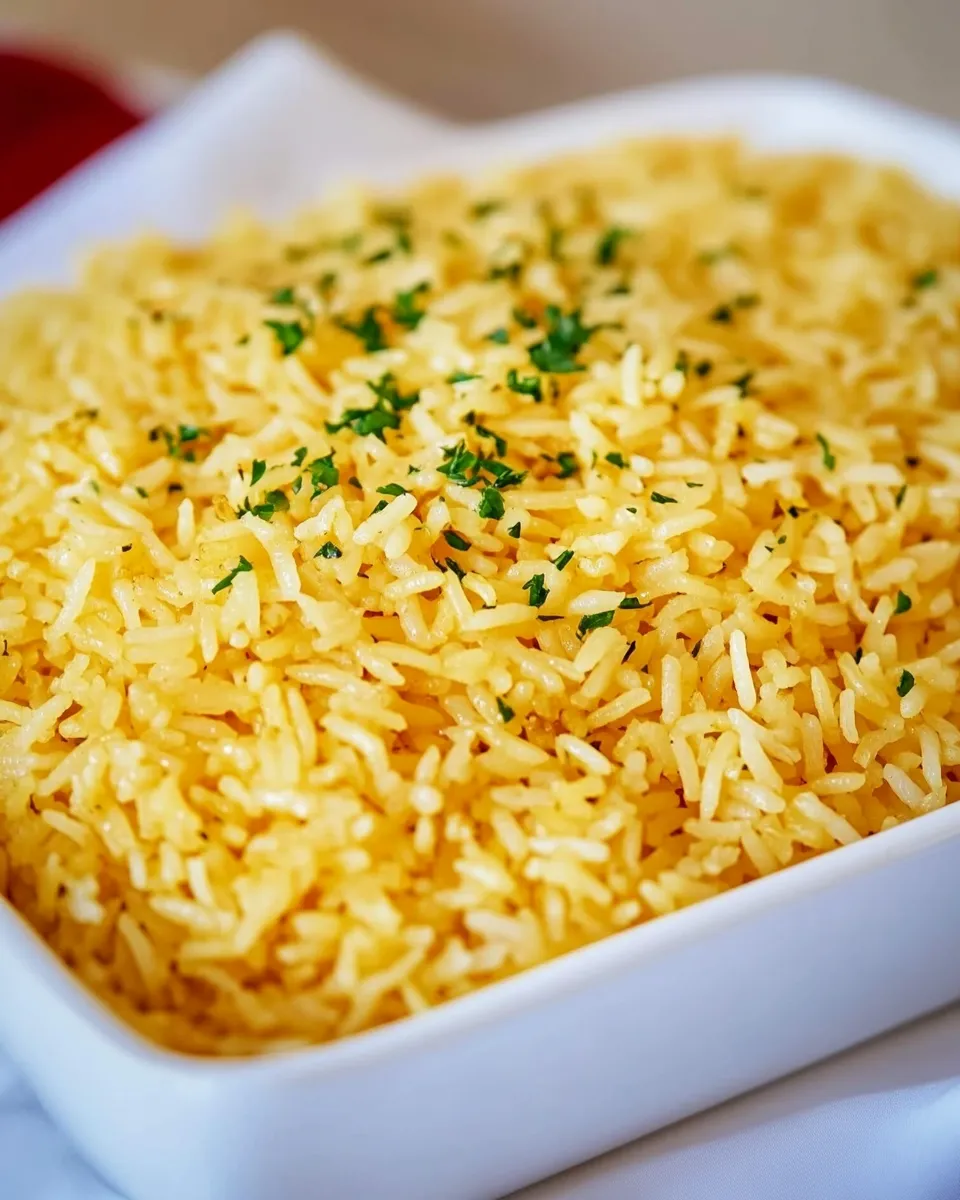
Portuguese Rice is one of those dependable recipes you’ll reach for whenever you want a straightforward, flavorful side. Follow the rinsing, toasting, simmering, and resting steps and the rice will come out light, separate, and nicely seasoned. A last-minute lemon squeeze adds the lift that makes the whole dish feel finished and fresh.
Serve it alongside grilled protein, braised beans, or a crisp salad. Store leftovers for quick lunches or use them as a base for bowls. Keep this method in your rotation and you’ll find small variations—seasonal vegetables, herbs, or proteins—only make it better.
Ingredients
Equipment
Method
- Place 1½ cups long-grain white rice in a bowl and cover with water. Use your hand to gently turn the rice in the bowl, then carefully drain the water. Repeat this rinsing process two more times (three rinses total).
- Transfer the rinsed rice to a fine-mesh sieve and hold it under the flow of running water for 10–15 seconds to remove as much surface starch as possible. Let the rice drain.
- Heat 4 tablespoons olive oil in a saucepan with a well-fitting lid over medium heat.
- Add 1 small onion (finely chopped) and ½ red bell pepper (finely chopped). Cook, stirring occasionally, for about 5 minutes until softened.
- Add 4 cloves garlic (minced) and cook, stirring, for 30 seconds.
- Add the drained rice to the pan and stir to coat all the grains with the oil.
- Add ½ teaspoon paprika, ½ teaspoon smoked paprika, ½ teaspoon cumin powder, ½ teaspoon turmeric powder, ½ teaspoon dried coriander leaves, and 1 teaspoon salt. Mix so the spices evenly coat the rice.
- Pour in 2¼ cups broth/stock and stir very gently to ensure the rice is evenly covered with liquid.
- Bring the pan to a simmer over medium-high heat (large, gentle bubbles on the surface). As soon as it simmers, cover with the lid and reduce the heat to low.
- Cook undisturbed (do not lift the lid) for 14 minutes.
- Remove the pan from the heat and keep the lid on; let the rice stand, covered, for 10 minutes.
- Remove the lid, sprinkle ½ tablespoon lemon juice over the rice, then gently turn or fluff the rice with a rubber spatula or rice paddle to combine.
Notes
You can use any onion that you have available. I use a regular brown onion. But white or red works fine.
You can use green, orange, or yellow bell peppers instead or red.
You can find dried cilantro/coriander leaf with the jars of dried herbs and spices at the grocery store. If you can't stand the taste, you can leave them out.
I use low-sodium chicken stock, but feel free to use vegetable stock if you prefer to keep the dish vegetarian. Be sure to use a low-sodium or reduced-salt broth/stock; otherwise, the finished dish will be too salty.
Lemon juice adds a bright freshness to the rice. I am sure they add a little lemon at Nando's. But you can leave it out if you prefer.
Rinsing the rice helps it retain a little extra moisture. For this recipe, rinsing is essential because the cooking liquid is measured with that extra moisture in mind, ensuring the rice cooks perfectly.