Quick 10 Minute Shrimp Teriyaki Stir-Fry
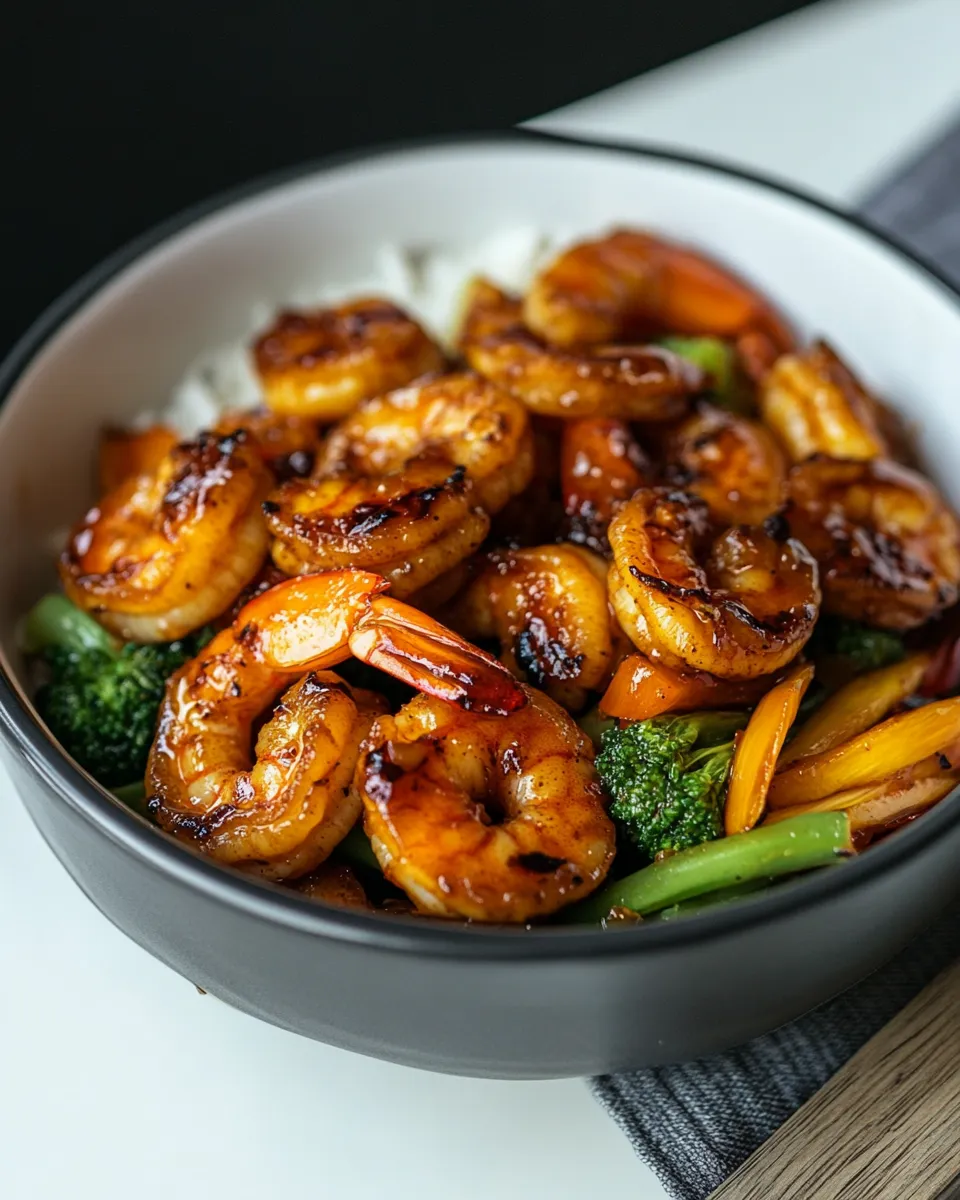
This is the kind of weeknight recipe I reach for when the fridge is sparse and my stomach is loud. It’s fast, bright, and honest: shrimp cooks in minutes, a simple teriyaki-style sauce comes together on the stovetop, and a little blanched broccoli brings color and texture. No long marinades, no complicated steps—just straightforward cooking that rewards you with real dinner in about ten minutes.
I like to keep pantry-friendly ingredients on hand so a meal like this can happen on a busy evening. The sauce uses pantry staples—soy sauce, a splash of sesame oil if you have it, honey for balance—and cornstarch to thicken. Shrimp is forgiving and quick; it’s the star, but the sauce is what pulls everything together.
Below I’ll walk you through ingredient notes, exact steps (kept true to the recipe), gear, common mistakes, substitutions, and storage tips. This post is practical: simple directions, honest tips, and a few little tweaks you can use without slowing things down.
Ingredient Notes
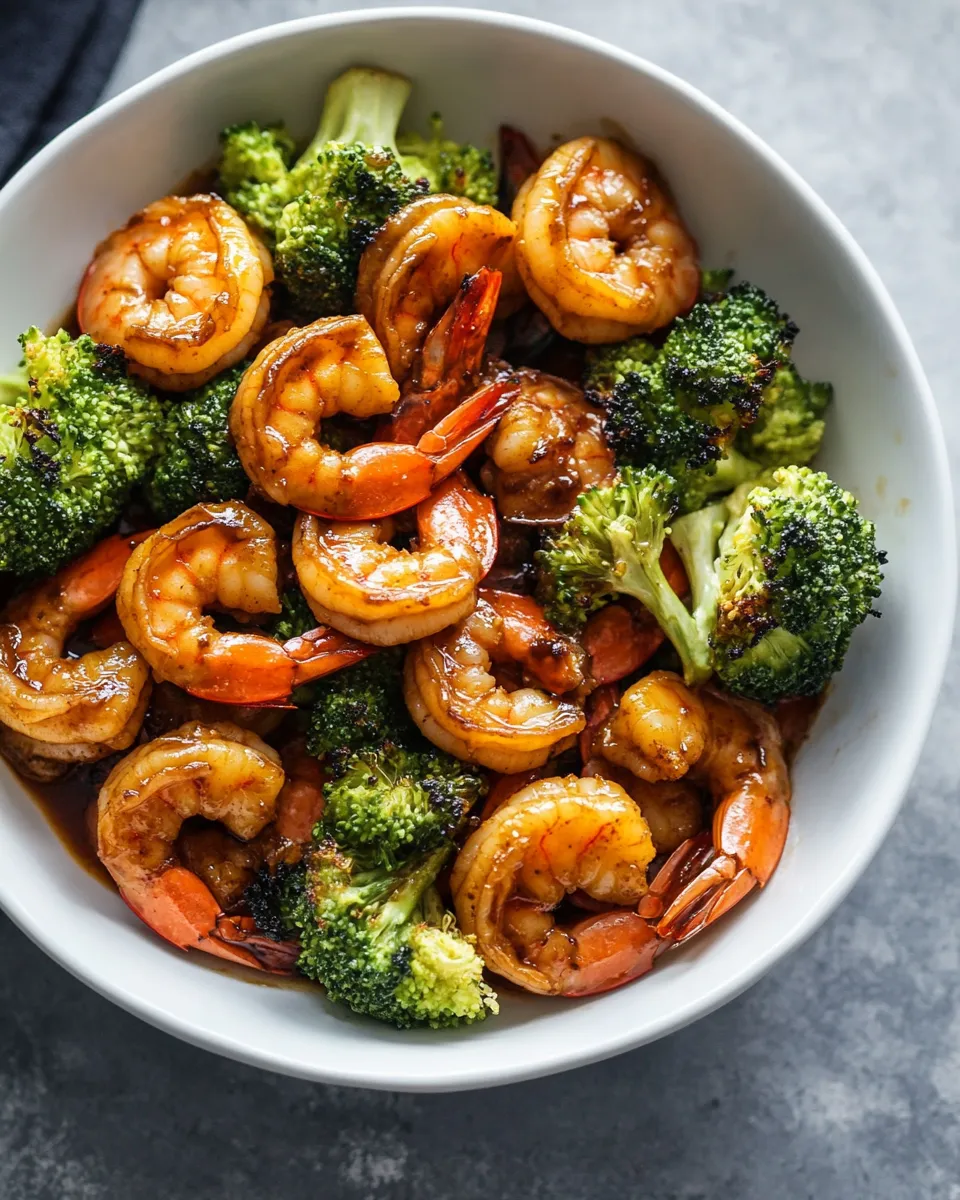
Before you start, a few quick notes on the ingredients so you know what changes are safe and which ones will alter the texture or timing. I’ll follow with the exact ingredients list from the recipe so you can check what you have against what the recipe calls for.
Ingredients
- 1 lb. medium shrimp, peeled and deveined — Quick-cooking protein; thaw fully if frozen and pat dry so they sear, not steam.
- 1 teaspoon oil — Neutral oil for pan‑searing the shrimp; a high smoke-point oil like canola or vegetable works best.
- 1/2 cup water, divided — Used both in the sauce base and to mix with cornstarch for thickening.
- 1/4 cup low-sodium soy sauce — Salty, savory backbone of the sauce; low-sodium helps control overall salt.
- 2 tablespoons honey, or sugar of choice — Sweetener to balance the soy; honey gives a rounder flavor but white or brown sugar will work.
- 1 clove garlic, minced — Aromatic—fresh is best; avoid garlic powder here for the same punch.
- 1 teaspoon sesame oil, optional — Adds toasted, nutty aroma; add sparingly since it’s potent.
- 1/2 teaspoon ground ginger — Warm, slightly spicy note; ground is fine for this quick sauce.
- 1 tablespoon cornstarch — Thickener; creates that glossy teriyaki viscosity when mixed with water.
- 1 cup blanched broccoli florets — Quick-cooking vegetable; blanched first so it reheats in the pan without overcooking.
- Steamed white rice or noodles, for serving — The starch to serve the saucy shrimp over; use what you prefer or have on hand.
Cook 10 Minute Shrimp Teriyaki Stir-Fry Like This
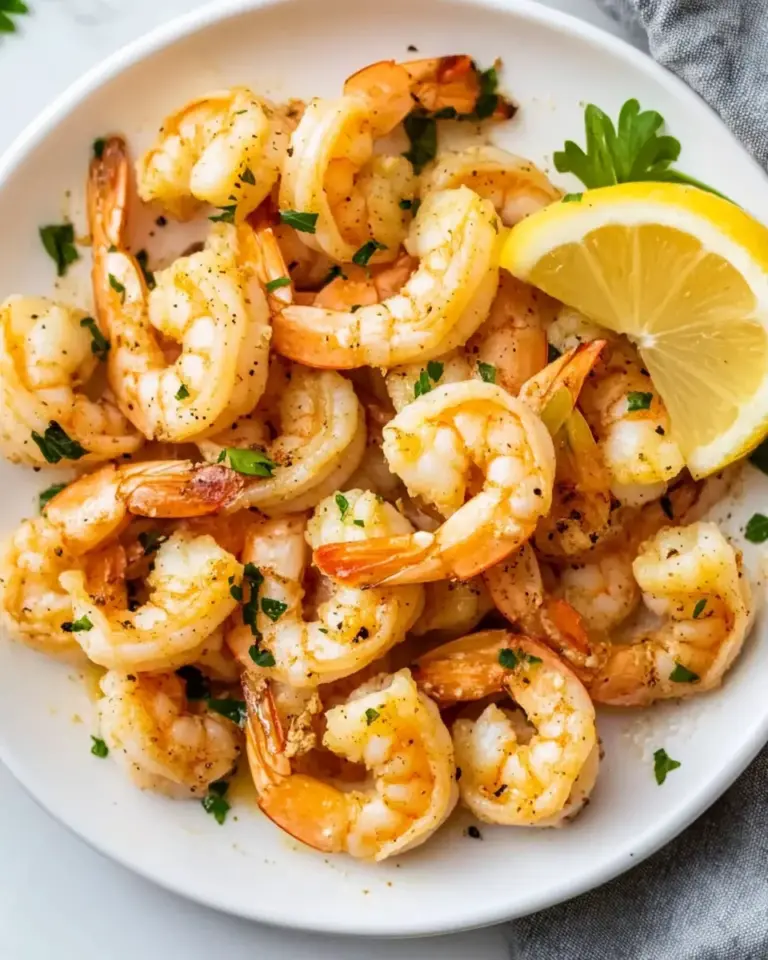
- Heat a large skillet over medium-high heat. Add 1 teaspoon oil and the 1 lb medium shrimp (peeled and deveined). Cook shrimp 2–3 minutes per side, or until pink and opaque. Transfer shrimp to a plate and set aside.
- Reduce heat to medium. Add 1/4 cup water, 1/4 cup low-sodium soy sauce, 2 tablespoons honey (or sugar of choice), 1 clove minced garlic, 1 teaspoon sesame oil (optional), and 1/2 teaspoon ground ginger to the skillet; whisk to combine and bring the mixture to a boil.
- In a small bowl, whisk together 1 tablespoon cornstarch and the remaining 1/4 cup water until smooth.
- Slowly whisk the cornstarch mixture into the boiling sauce. Reduce heat to medium-low and simmer, stirring occasionally, for 3–4 minutes or until the sauce thickens.
- Return the cooked shrimp to the skillet along with 1 cup blanched broccoli florets. Stir to coat everything evenly in the sauce and cook 1–2 minutes more to heat through.
- Remove from heat and serve immediately over steamed white rice or noodles.
The Upside of 10 Minute Shrimp Teriyaki Stir-Fry
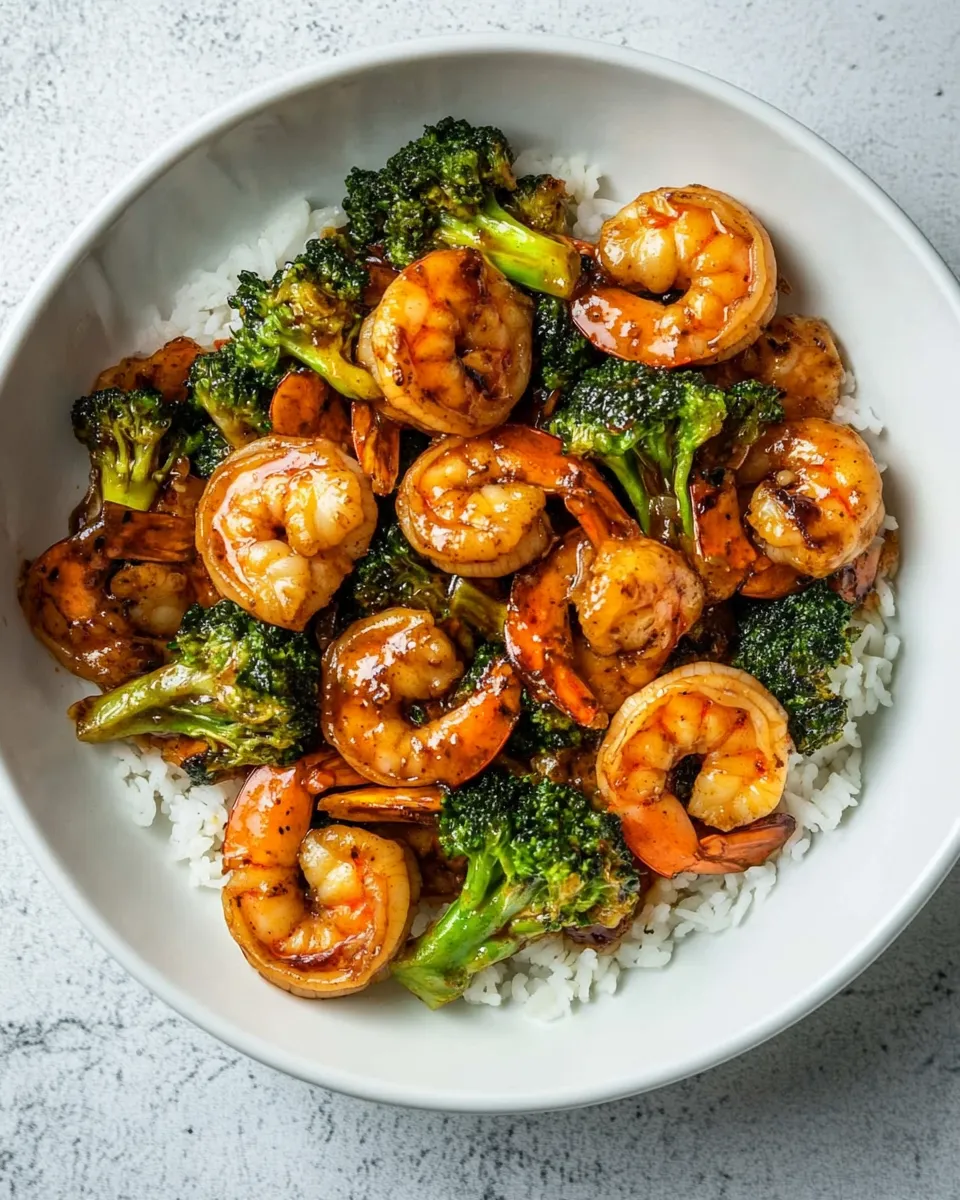
Speed is the obvious advantage: from pan to plate in roughly ten minutes of active cooking. That makes this dish perfect for evenings when you want something homemade but don’t have time for long prep. Shrimp cooks quickly and takes on flavors fast, so the sauce penetrates without extra marination time.
Another upside is flexibility. The recipe leans on pantry staples and one vegetable; you can easily stretch it with whatever quick-cooking veg you have—snap peas, thinly sliced bell pepper, or baby bok choy are all good additions. Also, the sauce is balanced: salty, sweet, and slightly aromatic. It clings to shrimp and broccoli and makes a modest portion feel indulgent.
If You’re Out Of…
Short on a single ingredient? Here are quick swaps that won’t derail the dish.
- Out of shrimp: substitute bite-sized cooked chicken, tofu, or thinly sliced pork—adjust cooking time accordingly.
- Out of low-sodium soy sauce: use regular soy sauce but use a touch less, or dilute with a splash more water.
- No honey: use white or brown sugar, maple syrup, or another sweetener in equal measure.
- No cornstarch: substitute arrowroot powder (same amount) or simmer longer to reduce the sauce (it’ll take more time).
- No blanched broccoli: use thinly sliced bell pepper, snap peas, or frozen mixed vegetables (just add them straight to the pan and cook until warmed).
What You’ll Need (Gear)
- Large skillet or sauté pan — big enough to hold shrimp and broccoli comfortably.
- Tongs or spatula — for turning shrimp and stirring the sauce.
- Small bowl and whisk or fork — for mixing cornstarch with water.
- Cutting board and knife — for mincing the garlic and prepping any extras.
- Measuring spoons and cups — to measure sauce ingredients accurately.
Mistakes Even Pros Make
Even experienced cooks can trip up on a quick dish like this because speed exposes small errors. Here are a few common missteps and how to avoid them.
- Overcrowding the pan — adding too many shrimp at once drops the pan temperature and leads to steaming instead of searing. Cook in batches if needed.
- Not drying shrimp first — moisture prevents proper browning. Pat the shrimp dry with paper towels before adding oil.
- Adding cornstarch mix too fast — dump it in slowly while whisking so the sauce doesn’t clump. If lumps form, remove the pan from heat and whisk vigorously until smooth.
- Cooking the shrimp twice — the shrimp cooks quickly. Return it to the sauce just long enough to heat through to avoid rubberiness.
- Using too much sesame oil — it’s strong; a teaspoon is enough for flavor. Add at the end if you prefer a brighter aroma.
Substitutions by Diet
Use these swaps to adapt the recipe to common dietary needs. Quantities remain the same unless otherwise noted.
- Gluten-free: replace low-sodium soy sauce with tamari or a certified gluten-free soy sauce.
- Low-sodium: use a reduced-sodium tamari or dilute the soy sauce with a little extra water and taste before serving.
- Vegan/Vegetarian: swap shrimp for firm tofu (press and pan-sear for a minute per side) or tempeh; use maple syrup instead of honey if avoiding honey.
- Lower-carb: serve the dish over cauliflower rice or a bed of sautéed greens instead of steamed white rice or noodles.
- Keto-friendly: replace honey with a keto sweetener that measures like sugar and use a low-carb noodle or cauliflower rice.
Cook’s Commentary
I keep this recipe in heavy rotation because it’s reliably fast and forgiving. Two little points I always follow: dry the shrimp, and don’t overcook it. Shrimp turns from perfect to tough in a minute, so watch the color change to opaque pink and pull it off the heat. Bringing the sauce to a boil before thickening with cornstarch ensures the starch cooks and the sauce sets properly.
Another small habit: I make the sauce in the same pan I seared the shrimp in. That fond—the browned bits left behind—adds flavor. Deglazing with the 1/4 cup water called for in the sauce step pulls those flavors into the sauce base and boosts the umami of the finished dish.
Make-Ahead & Storage
Because shrimp is delicate, I don’t recommend cooking it far in advance. If you want to prep ahead:
- Make the sauce and keep it refrigerated for up to 2 days. Reheat gently and add cooked shrimp at the end.
- Blanch broccoli and store separately in an airtight container for up to 3 days.
- Cooked shrimp will keep in the fridge for up to 2 days; stored with the sauce it will become softer, so reheat briefly to avoid overcooking.
- Freeze cooked shrimp only if necessary; texture will change. It’s better to freeze raw shrimp and cook fresh when ready.
Handy Q&A
Q: Can I use frozen shrimp? A: Yes—thaw completely, pat dry, and proceed. Thawing reduces cooking time, so keep an eye on doneness.
Q: My sauce didn’t thicken. What happened? A: Either the cornstarch wasn’t fully dissolved before adding, or the sauce didn’t return to a simmer after adding the cornstarch mixture. Whisk cornstarch with cold water until smooth and add slowly while boiling, then simmer until glossy.
Q: Can I double the recipe? A: Yes, but use a larger pan and cook the shrimp in batches so you don’t overcrowd and steam them. Sauce quantities can be doubled directly.
Q: Is ground ginger OK instead of fresh? A: The recipe calls for 1/2 teaspoon ground ginger—use that as written. Fresh ginger would need a different quantity and prep, so stick with ground if you want to keep timing exact.
Final Thoughts
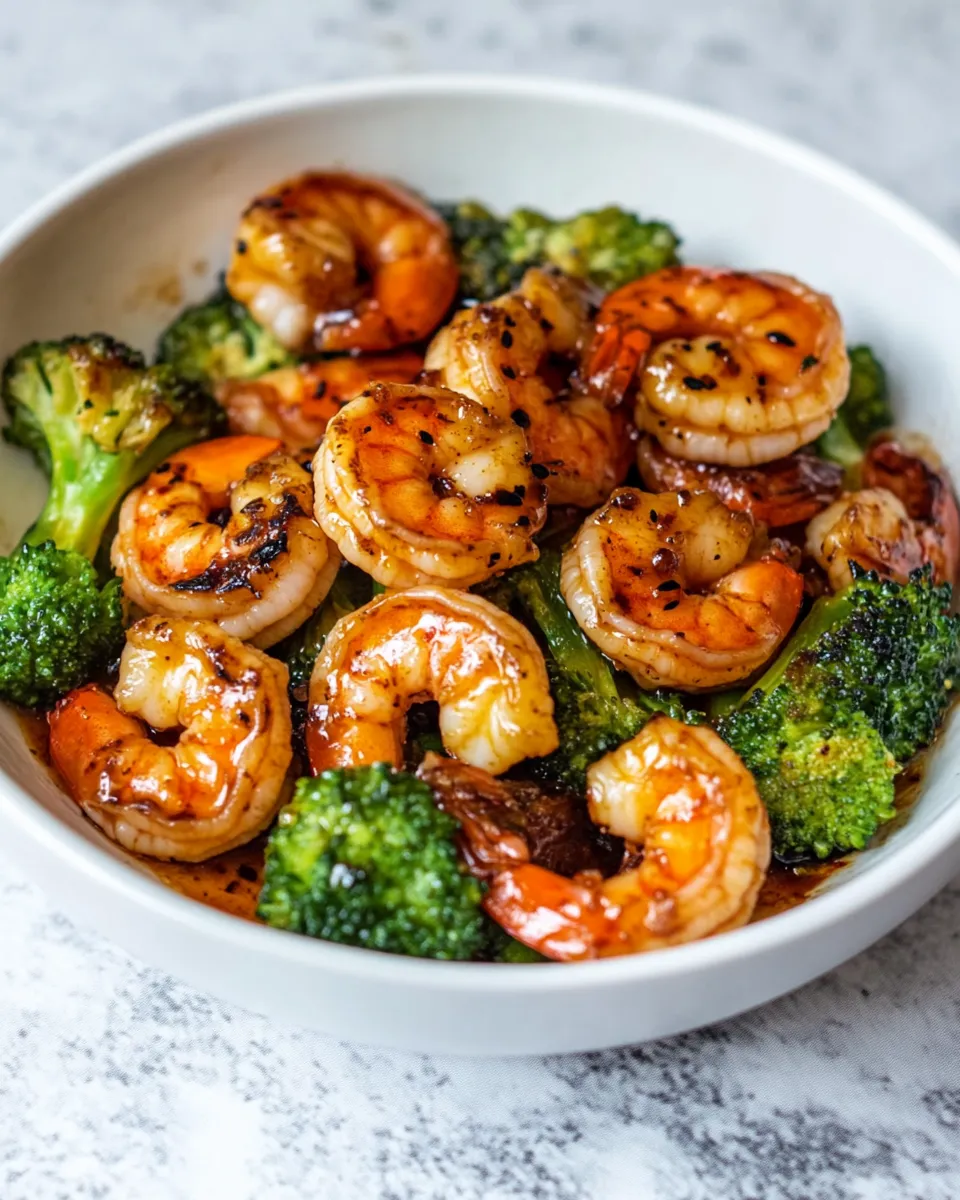
This 10 Minute Shrimp Teriyaki Stir-Fry is one of those dependable recipes that makes weeknights calmer. It’s quick without feeling rushed, and it’s flexible enough to handle whatever’s in your pantry. Keep the shrimp cold and dry before cooking, whisk the cornstarch slurry smooth, and you’ll have glossy sauce and tender shrimp every time.
Make it exactly as written the first time to learn the timing, then tweak—add chiles, swap vegetables, or dust with sesame seeds—once you know the rhythm. Dinner doesn’t have to be complicated to be satisfying. This one proves that in ten minutes.
Quick 10 Minute Shrimp Teriyaki Stir-Fry
Ingredients
Equipment
Method
- Heat a large skillet over medium-high heat. Add 1 teaspoon oil and the 1 lb medium shrimp (peeled and deveined). Cook shrimp 2–3 minutes per side, or until pink and opaque. Transfer shrimp to a plate and set aside.
- Reduce heat to medium. Add 1/4 cup water, 1/4 cup low-sodium soy sauce, 2 tablespoons honey (or sugar of choice), 1 clove minced garlic, 1 teaspoon sesame oil (optional), and 1/2 teaspoon ground ginger to the skillet; whisk to combine and bring the mixture to a boil.
- In a small bowl, whisk together 1 tablespoon cornstarch and the remaining 1/4 cup water until smooth.
- Slowly whisk the cornstarch mixture into the boiling sauce. Reduce heat to medium-low and simmer, stirring occasionally, for 3–4 minutes or until the sauce thickens.
- Return the cooked shrimp to the skillet along with 1 cup blanched broccoli florets. Stir to coat everything evenly in the sauce and cook 1–2 minutes more to heat through.
- Remove from heat and serve immediately over steamed white rice or noodles.