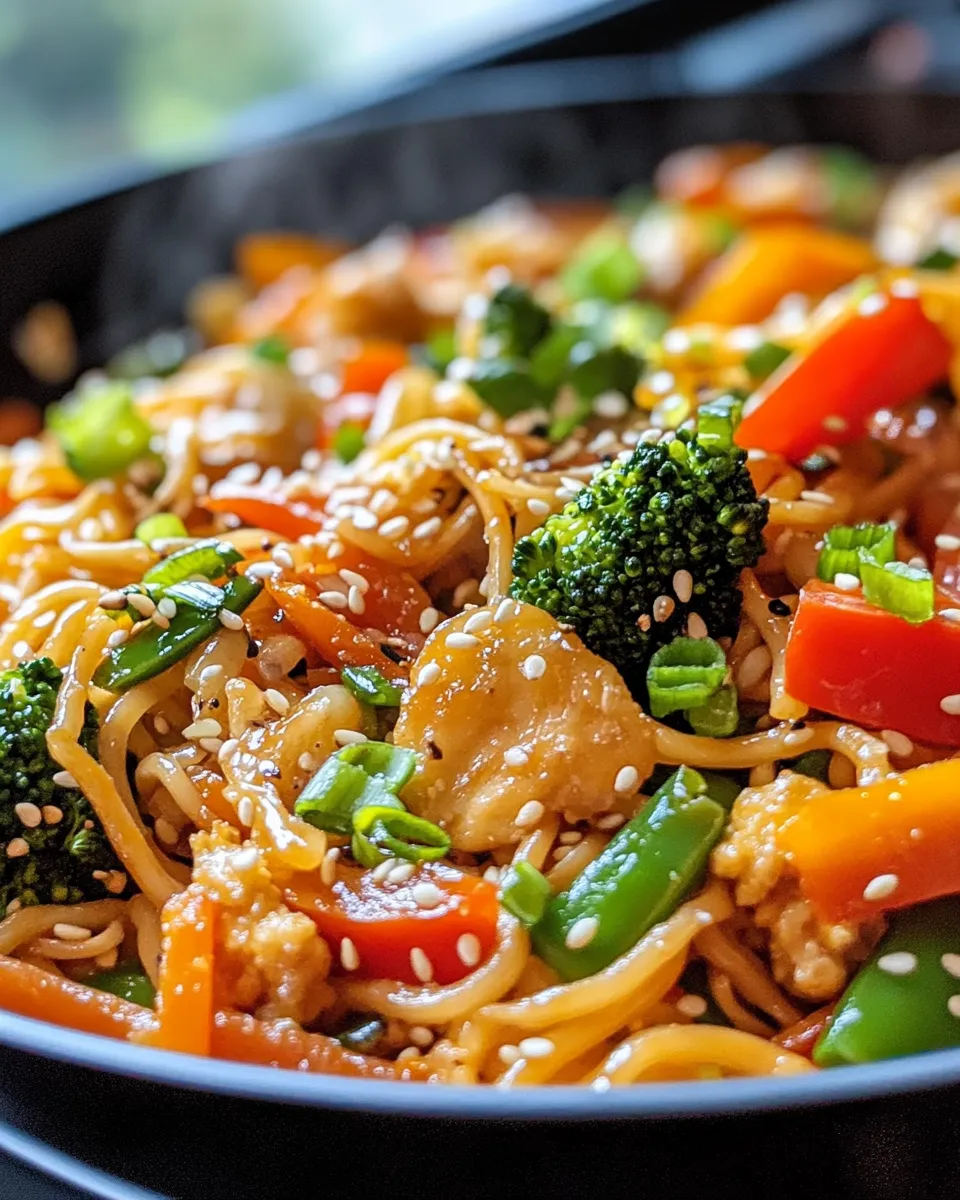
Quick Veggie Lo Mein
This is a weekday favorite that’s fast, forgiving, and full of texture. It comes together in one skillet once the noodles are cooked, which keeps dinner simple and the cleanup minimal. The flavors are balanced — sweet, tangy, a little toasty from sesame — and the veg stays bright and crisp if you don’t overcook it.
I love this for nights when I want something green and satisfying without a long list of steps. Prep the vegetables while the pasta cooks, whisk the sauce in a minute, and the whole meal is done in about the time it takes to set the table. It works as a solo dinner or as an easy vegetarian main to share.
Ingredient List
- 8 oz spaghetti pasta, whole-wheat, dry — the base; provides chew and whole-grain texture.
- 1 tablespoon olive oil — for sautéing the vegetables and preventing sticking.
- 3 cloves garlic — adds aromatics and savory depth; mince fine so it releases flavor quickly.
- 1 cup snow peas — bright, crunchy green element; cooks quickly and keeps color.
- 2 medium carrots — add sweetness and bite; julienne for quick, even cooking.
- 1 medium bell pepper, red — color and sweetness; julienne to match the carrots.
- 4 tablespoons soy sauce, gluten free — the salty, umami backbone of the sauce.
- 1 teaspoon sesame oil — finishing oil for a toasty, nutty note; use sparingly.
- 1 tablespoon brown sugar — balances acidity and salt with mild sweetness.
- 1/4 teaspoon dried ginger — warm, subtle spice that layers under the garlic.
- 2 tablespoons rice vinegar — brightens and cuts through the savory sauce.
- 1 teaspoon sesame seeds for garnish — visual finish and little crunch on top.
Veggie Lo Mein: Step-by-Step Guide
- Cook 8 oz whole-wheat spaghetti according to package instructions; drain and set aside.
- In a small bowl, whisk together 4 tablespoons gluten-free soy sauce, 1 teaspoon sesame oil, 1 tablespoon brown sugar, 1/4 teaspoon dried ginger, and 2 tablespoons rice vinegar. Set the sauce aside.
- Prep the vegetables: julienne 1 medium red bell pepper and 2 medium carrots; mince 3 cloves garlic.
- Heat 1 tablespoon olive oil in a large skillet over medium-high heat until shimmering.
- Add the julienned bell pepper and carrots to the skillet and sauté until they begin to soften, about 5 minutes.
- Add the minced garlic and 1 cup snow peas; cook for 1 minute more, until the garlic is fragrant and the peas are bright green and tender-crisp.
- Add the cooked noodles to the skillet, pour the prepared sauce over everything, and toss (using tongs or a spatula) until the noodles and vegetables are evenly coated and heated through.
- Serve immediately, garnished with 1 teaspoon sesame seeds.
Why This Recipe Belongs in Your Rotation
This recipe is reliable: it uses pantry staples and a short list of fresh veg that you can swap based on what’s in the fridge. It’s quick without feeling rushed — cook the noodles while you prep, sauté vegetables until tender-crisp, toss, and serve. That rhythm makes weeknights less frantic.
The balance of textures is strong here. Whole-wheat spaghetti brings a satisfying chew, snow peas keep brightness, and the julienned carrots and pepper add sweetness and color. The sauce is simple but layered: salty soy, a touch of sweet from brown sugar, acid from rice vinegar, and a whisper of sesame. Together they make a dish that tastes thoughtful but takes very little time.
Allergy-Friendly Substitutes
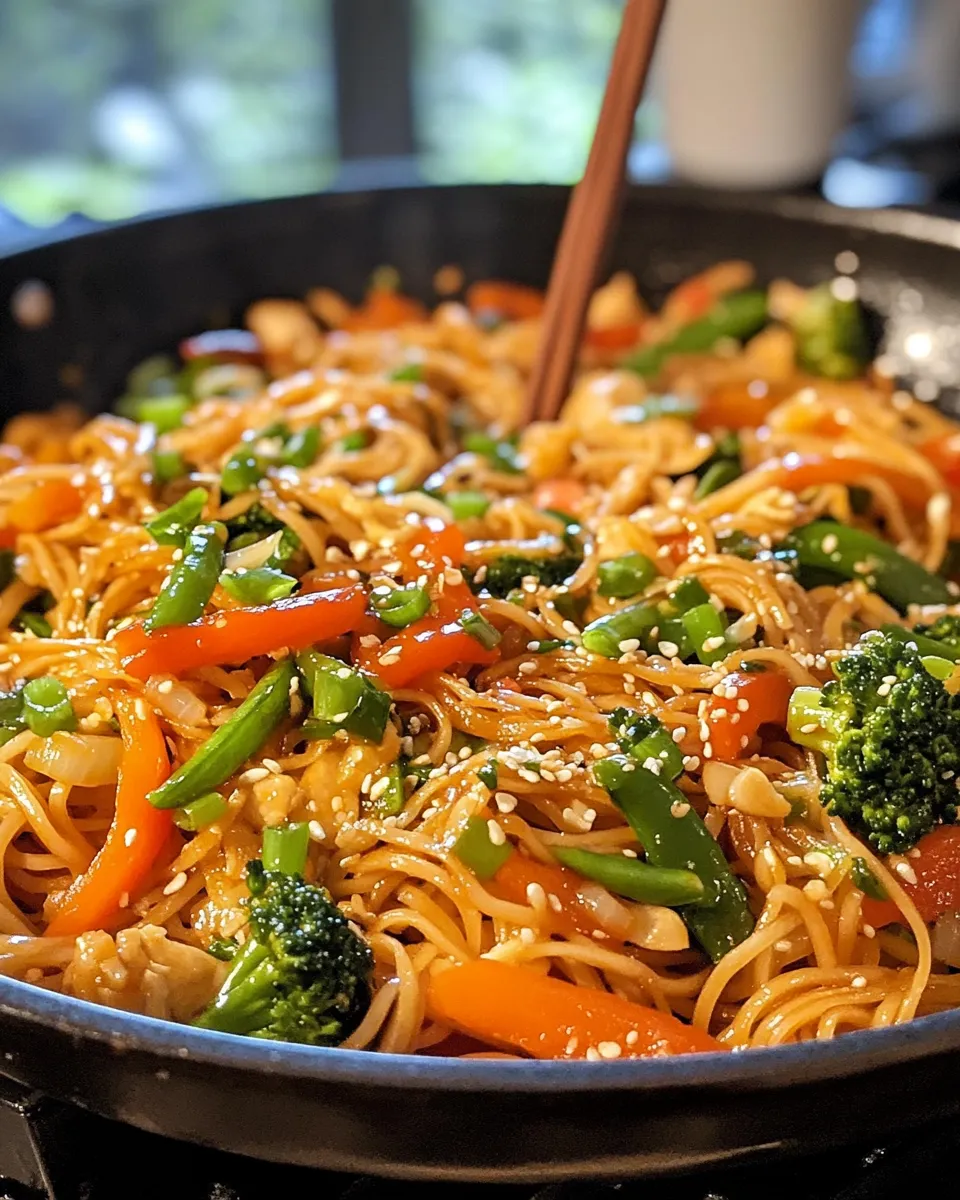
Built into the recipe are a couple of sensible swaps and omissions to accommodate common concerns without reinventing the dish.
- Gluten sensitivity: the soy sauce listed is gluten free; however, the whole-wheat spaghetti contains gluten. If you need a gluten-free meal, use a gluten-free pasta in place of the whole-wheat noodles.
- Sesame allergy: omit the 1 teaspoon sesame oil and skip the 1 teaspoon sesame seeds for garnish. The sauce will still be flavorful from the soy, brown sugar, rice vinegar, and dried ginger.
- Low-sodium needs: reduce the 4 tablespoons of soy sauce slightly and compensate by adding a touch more rice vinegar and brown sugar to keep balance; taste as you go.
- Garlic sensitivity: skip the 3 cloves of garlic, or use a very small amount if you tolerate it lightly. The dried ginger and brown sugar still provide aromatic interest.
Setup & Equipment
Minimal equipment is required and that’s part of why this works so well on busy nights.
- Large pot to cook the spaghetti.
- Large skillet (nonstick or stainless steel) — you want enough surface area to toss noodles and vegetables without overcrowding.
- Tongs or a wide spatula to toss the noodles and coat them evenly with sauce.
- Small bowl and whisk or fork for the sauce.
- Cutting board and a sharp knife for quick julienne and mincing.
Troubleshooting Tips
Soggy or clumped noodles
- If the noodles become soft and clumpy, drain well and toss them with a little olive oil before adding to the skillet. That creates a barrier and prevents sticking.
- Don’t overcook the pasta. Cook according to package directions and pull it a minute before you think it’s done if you plan to finish it in the skillet.
Vegetables lost color or went limp
- Cook the peppers and carrots only until they begin to soften, then add snow peas and garlic. Snow peas cook much faster and will lose their snap if left too long.
- High heat and quick movement through the pan preserve color. Make sure the skillet is hot and shimmering before you add the vegetables.
Flavor seems flat
- Taste the sauce before you toss it in. You can adjust with a touch more rice vinegar if it’s too sweet, or an extra splash of soy sauce if it needs saltiness.
- If the sesame flavor is too faint, add the sesame oil at the end off heat to keep the aroma bright.
Spring to Winter: Ideas
This recipe is fundamentally flexible. Stick to the cooking rhythm — noodles cooked separately, vegetables sautéed until tender-crisp, quick sauce whisked together — and you can adapt it to the season without changing technique.
- Spring: favor quick-cooking, tender greens and crisp, light vegetables; keep the sauté short so everything stays bright.
- Summer: use very ripe, sweet bell pepper and lighter seasoning, finish with sesame seeds for crunch rather than extra oil.
- Autumn and winter: extend the sauté time slightly for heartier root vegetables, aiming for tenderness rather than crunch, and rely on the sauce to tie the denser textures together.
Cook’s Notes
Little details matter when you want consistently good results. Mince the garlic fine so it releases flavor fast and doesn’t leave raw bites. Julienne the carrots and pepper so they cook in the same time frame. Toss the noodles quickly and confidently so the sauce coats evenly — gentle but thorough movement in the skillet keeps everything cohesive.
Make the sauce in a small bowl ahead of time and taste it. Adjust the balance to suit you: more rice vinegar for brightness, more brown sugar for a sweeter finish. Adding the sesame oil at the end preserves its aroma, which dissipates if cooked too long.
How to Store & Reheat
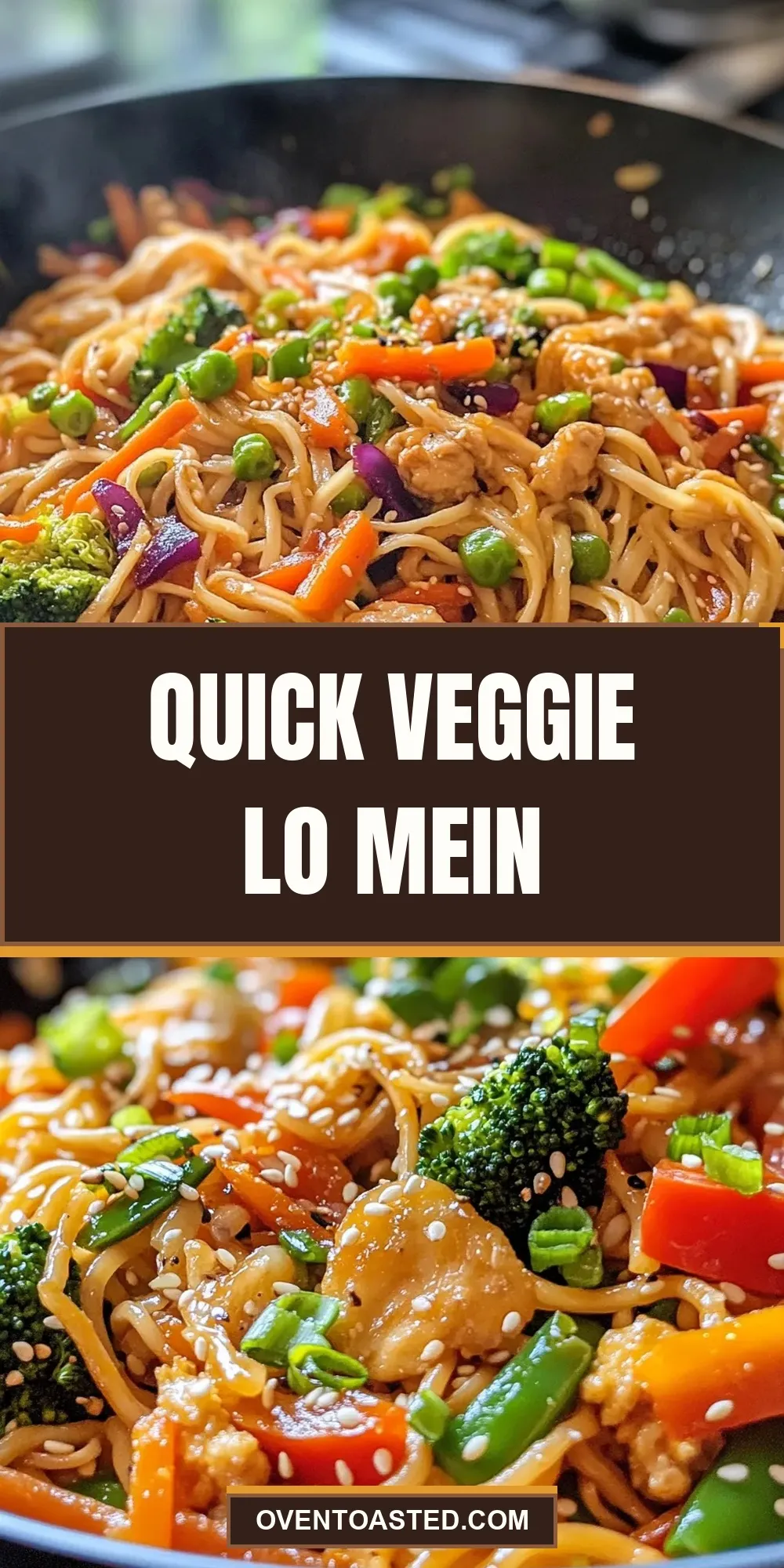
Store leftovers in an airtight container in the refrigerator for up to 3 days. Because the whole-wheat spaghetti and vegetables continue to soften over time, the texture will be best within the first day.
Reheat gently: warm in a skillet over medium-low heat with a splash of water or a tiny drizzle of olive oil to loosen the sauce and revive the noodles. Stir frequently until heated through. Microwaving works in a pinch — cover lightly and heat in short intervals, stirring between bursts to keep the veg from going mushy.
Popular Questions
Is this recipe vegetarian?
Yes. As written the dish contains no meat or animal-based ingredients beyond common pantry items. It relies on simple plant-based components for flavor and texture.
Can I make this gluten-free?
Not as written, because the whole-wheat spaghetti contains gluten. The soy sauce in the recipe is gluten free; to make the whole dish gluten-free, replace the whole-wheat spaghetti with a certified gluten-free pasta.
Can I prep anything ahead?
Yes. Julienne the carrots and pepper and blanch or trim the snow peas ahead of time; store them in the fridge until you’re ready to sauté. The sauce can be whisked and kept in a covered container for a day or two.
How do I scale this recipe up or down?
The method scales easily. Keep the ratio of noodles to sauce and vegetables roughly the same; for larger quantities, cook in batches or use a larger skillet to maintain high heat and proper tossing space.
Serve & Enjoy
Serve immediately while the noodles are warm and the vegetables still have their snap. Garnish with the teaspoon of sesame seeds for a small crunch and a pretty finish. This plate is ready to eat straight from the skillet or divided onto plates for a simple family-style meal.
It’s a dependable, unfussy weeknight recipe that rewards good prep and quick, confident cooking. Keep the sauce simple, respect the cooking times, and you’ll have a balanced, satisfying Veggie Lo Mein on the table in under 30 minutes.
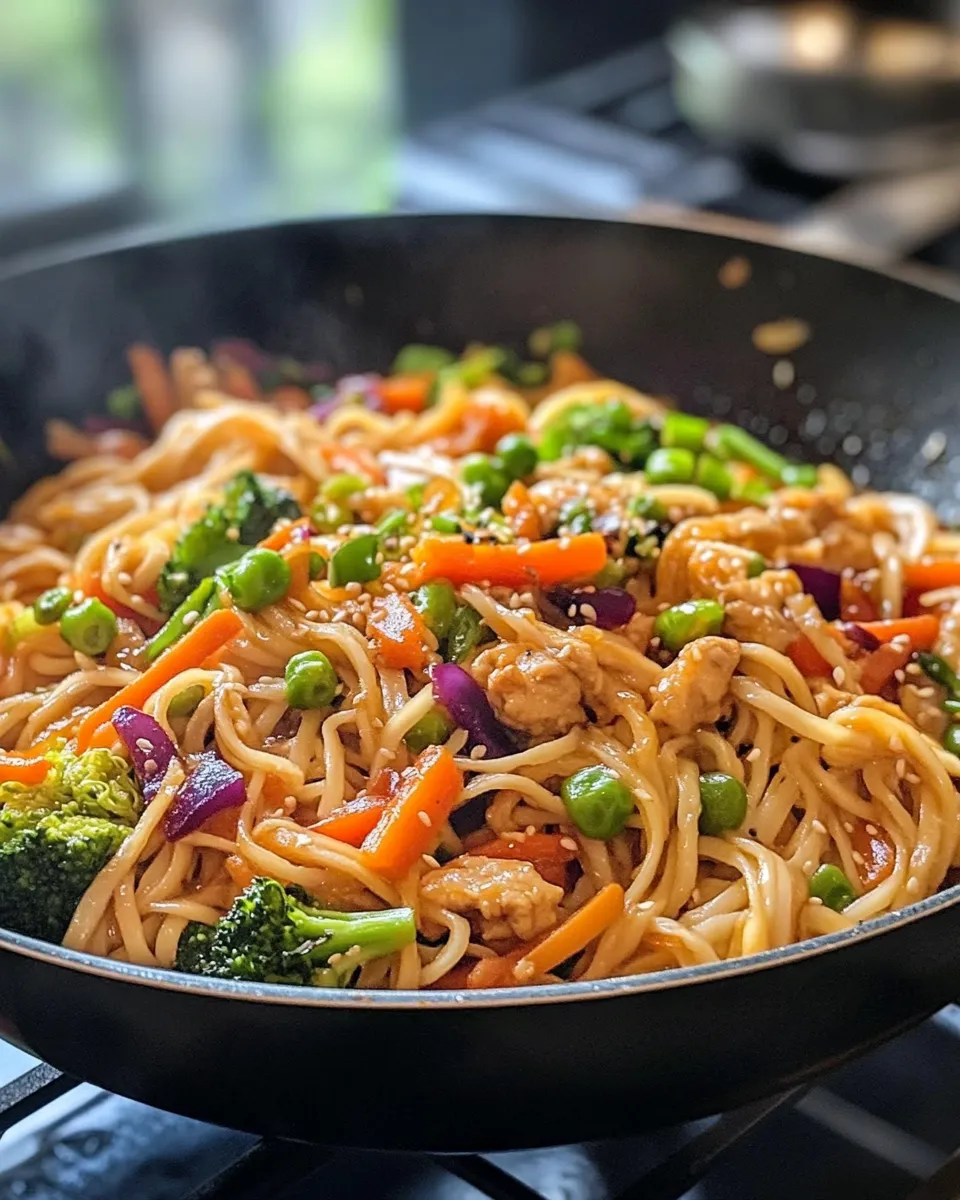
Quick Veggie Lo Mein
Ingredients
Equipment
Method
- Cook 8 oz whole-wheat spaghetti according to package instructions; drain and set aside.
- In a small bowl, whisk together 4 tablespoons gluten-free soy sauce, 1 teaspoon sesame oil, 1 tablespoon brown sugar, 1/4 teaspoon dried ginger, and 2 tablespoons rice vinegar. Set the sauce aside.
- Prep the vegetables: julienne 1 medium red bell pepper and 2 medium carrots; mince 3 cloves garlic.
- Heat 1 tablespoon olive oil in a large skillet over medium-high heat until shimmering.
- Add the julienned bell pepper and carrots to the skillet and sauté until they begin to soften, about 5 minutes.
- Add the minced garlic and 1 cup snow peas; cook for 1 minute more, until the garlic is fragrant and the peas are bright green and tender-crisp.
- Add the cooked noodles to the skillet, pour the prepared sauce over everything, and toss (using tongs or a spatula) until the noodles and vegetables are evenly coated and heated through.
- Serve immediately, garnished with 1 teaspoon sesame seeds.
Notes
*If you’re adding extra ingredients like chicken, steak, or tofu, or if you’re upping the amount of pasta and veg, you may wish to double the sauce!