Quinoa Pilaf
I make quinoa pilaf more times than I can count. It’s one of those weekday cooks that behaves like a treat on the table: simple, reliable, and forgiving. With a handful of pantry items and a couple of fresh vegetables, it comes together quickly and stores beautifully for lunches and dinners through the week.
This version leans on sautéed mushrooms, onion, celery and garlic for savory depth, then finishes with light seasoning so the quinoa’s nutty texture shines. It’s vegetarian, adaptable, and bright enough to pair with a crisp salad or slide under roasted fish or chicken.
If you want a one-pot side that doubles as a light main, this pilaf is practical and honest. Below I walk you through ingredient notes, the step-by-step build using the recipe as written, smart swaps, equipment, and common mistakes to avoid so your quinoa always turns out fluffy and flavorful.
Ingredient Notes

Quinoa is the star here and pre-rinsed quinoa is called for. Rinsing removes the natural saponins that can make quinoa taste bitter; the recipe specifies pre-rinsed to save a step. Using either white or red quinoa will slightly change texture—white becomes airier, red holds shape and offers more bite.
Mushrooms, onion, celery and garlic form the classic aromatic base. They add moisture and umami so you don’t need heavy fats or complicated sauces. Extra virgin olive oil is used for sautéing; it browns gently and lifts the aromatics without overpowering them.
The recipe uses low-sodium vegetable stock. That keeps the dish vegetarian-friendly and gives you control over final seasoning. Crushed red pepper flakes and black pepper supply warm background heat; salt is left “to taste” so you can adjust based on the stock’s sodium level and your preference.
Ingredients
- 1/2 cup onions — diced; provides sweetness and a savory base.
- 1 cup white mushrooms — chopped; add umami and texture.
- 1 celery stalk — diced; gives crunch and aromatic depth.
- 2 garlic cloves — minced; brightens and lifts flavors.
- 2 tablespoons extra virgin olive oil — for sautéing; use a good-quality oil for flavor.
- 1 cup quinoa — pre-rinsed (white or red); the grain base—pre-rinsed prevents bitterness.
- 2 cups vegetable stock — low sodium; cooks the quinoa and seasons it.
- 1/4 teaspoon crushed red pepper flakes — for a gentle kick; adjust to taste.
- 1/2 teaspoon black pepper — freshly ground is best for aroma.
- salt to taste — add at the end if needed; stock sodium varies.
Build (Quinoa Pilaf) Step by Step
- Heat 2 tablespoons extra virgin olive oil in a large saucepan over medium heat.
- Add 1 cup chopped white mushrooms and sauté about 3 minutes, stirring occasionally, until they begin to soften.
- Add 1/2 cup diced onion, 2 minced garlic cloves, and 1 diced celery stalk; continue cooking, stirring occasionally, until the onion and celery are tender, about 4 minutes.
- Add 1 cup pre-rinsed quinoa, 1/4 teaspoon crushed red pepper flakes, 1/2 teaspoon black pepper, and salt to taste; stir to combine.
- Pour in 2 cups low-sodium vegetable stock, stir, bring to a simmer, then reduce heat to low. Cover and cook 15 minutes or until the liquid is absorbed.
- Remove from heat, fluff the quinoa with a fork, taste and adjust salt if needed, then serve.
What Sets This Recipe Apart

This pilaf stands out because it balances simplicity with savory depth. Many quinoa recipes either over-season or try to compensate for blandness with heavy sauces. Here, mushrooms and aromatics build layers of flavor early in the pan so the cooking liquid becomes infused rather than relying solely on broth or butter.
Another difference is the restraint with spice. Just a touch of crushed red pepper and black pepper keeps the profile subtle and versatile. You can pair the finished pilaf with proteins, toss in roasted vegetables, or eat it as a warm bowl with a fried egg and a squeeze of lemon for brightness.
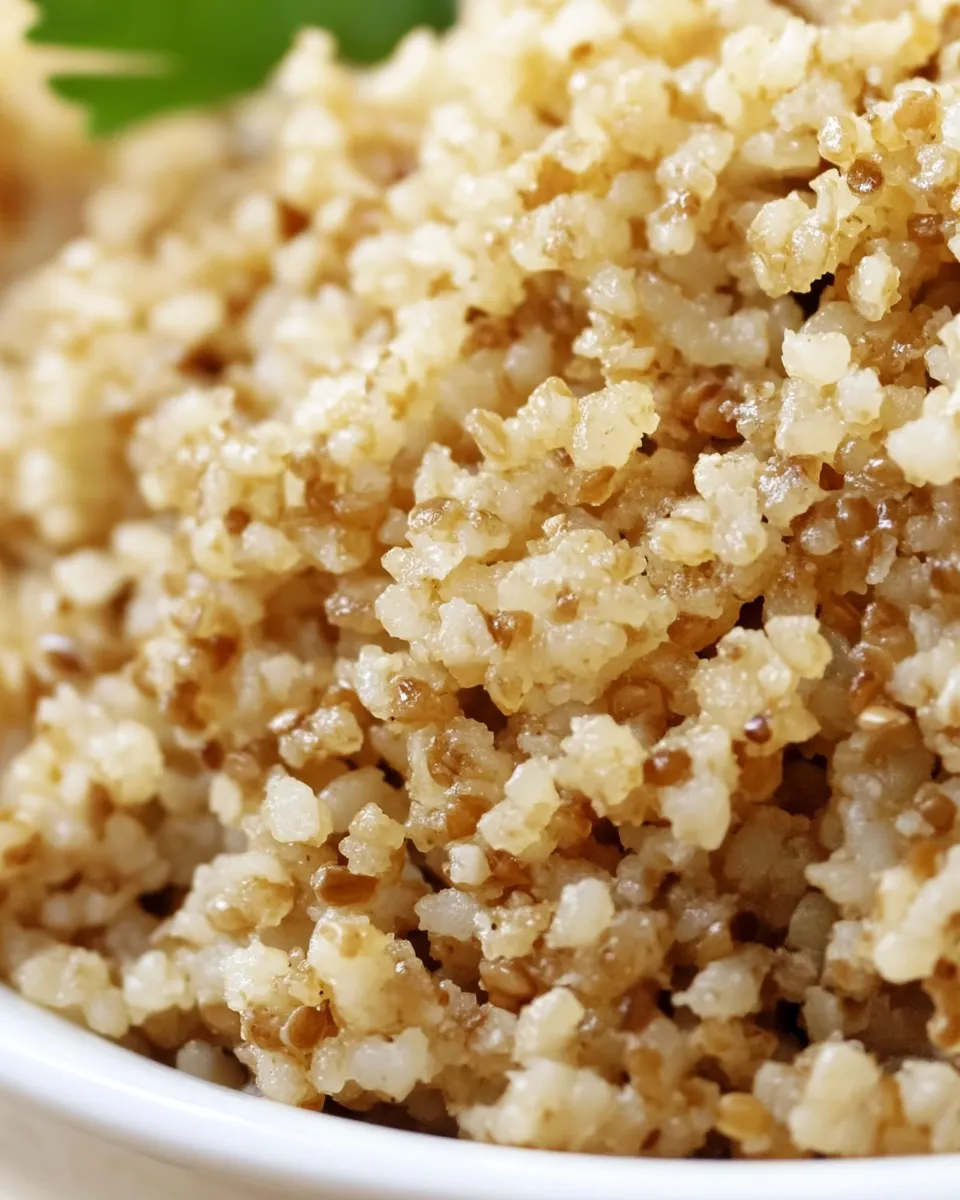
Finally, the method emphasizes texture. Sautéing the mushrooms first concentrates their juices and creates a caramelized note that complements the quinoa’s nutty bite once it’s fluffed. The 15-minute covered cook time locks in steam while preventing the grains from getting mushy when you follow the water-to-quinoa ratio precisely.
Ingredient Flex Options
- Swap mushrooms: use cremini or baby bella for a deeper, earthier taste; shiitake works well too for a woodsy flavor.
- Grain swap: substitute the quinoa with the same volume of bulgur or couscous in other recipes, but note the cook times and liquid ratios will change.
- Protein add-ins: fold in canned chickpeas, toasted walnuts, or cooked shredded chicken after fluffing to make it a main dish.
- Herbs: stir in chopped parsley, cilantro, or dill at the end for freshness; a handful of chopped scallions adds brightness.
- Heat: increase crushed red pepper flakes, or add a pinch of smoked paprika for a smoky touch.
- Stock swaps: if you prefer, use low-sodium chicken stock for a non-vegetarian option—keep salt testing to a minimum.
Equipment & Tools
- Large saucepan with a tight-fitting lid — key for even steaming and preventing evaporation.
- Spoon or spatula — for sautéing the mushrooms and aromatics without tearing them.
- Measuring cups and spoons — accurate liquid-to-grain ratio matters for texture.
- Fork — use to fluff the quinoa gently after cooking.
- Fine-mesh strainer (optional) — if your quinoa isn’t labeled pre-rinsed, rinse it here to remove saponins.
Avoid These Mistakes
- Skipping the rinse: If your quinoa isn’t pre-rinsed and you don’t rinse it, you may get a bitter coating from saponins. Rinse under cold water until it runs clear.
- High heat during simmer: Once you bring the pot to a simmer, reduce to low and cover. High heat will evaporate liquid too quickly and can leave undercooked quinoa or scorch the bottom.
- Overcooking or stirring while covered: Resist the urge to lift the lid constantly. Let it cook the full 15 minutes undisturbed so steam does the work.
- Add salt too early: If your stock already contains salt, add salt conservatively at first and adjust after cooking—it’s easier to add more than to fix over-salting.
- Not sautéing the aromatics properly: Mushrooms should release juices and brown slightly so they add depth. Sauté until they soften before adding the other aromatics.
Nutrition-Minded Tweaks
If you’re watching sodium, starting with low-sodium vegetable stock is already a good step—this recipe specifies it. To reduce it further, use homemade stock with controlled salt or dilute store-bought stock with a little water, then compensate with herbs and acid (lemon juice or a splash of vinegar) for flavor.
To increase protein without changing the recipe’s structure, stir in a can of rinsed chickpeas or a cup of cooked lentils after fluffing. For healthy fats, top each serving with a drizzle of extra virgin olive oil or a tablespoon of toasted seeds (pumpkin or sunflower) right before serving.
For more fiber and bulk, toss in a cup of roasted root vegetables or a handful of chopped kale wilted into the warm pilaf. These additions improve satiety and provide vitamins and minerals without altering the base cooking method.
Chef’s Notes
Timing matters: prep your vegetables first so the pan is ready when the oil heats. That quick start helps the mushrooms brown rather than steam, which changes the flavor profile. Use medium heat for sautéing; it’s hot enough to encourage browning but gentle enough to avoid burning the garlic when you add it.
Flavor layering: taste at the end. Because vegetable stock sodium can vary widely, final salt adjustments ensure the dish isn’t over-salted. A squeeze of lemon or a few drops of good vinegar right before serving brightens the whole dish without extra salt.
Serving ideas: serve with grilled halloumi, roasted salmon, or alongside a bean salad. For a Mediterranean twist, fold in chopped sun-dried tomatoes and olives. For a lighter meal, pile the pilaf onto a bed of mixed greens and top with cucumber and fresh herbs.
Refrigerate, Freeze, Reheat
Refrigerate: Cool leftovers to room temperature within two hours, then store in an airtight container for up to 4 days. The quinoa will soften further as it sits, but reheating restores texture well.
Freeze: Spread cooled pilaf on a baking sheet to chill quickly, then portion into freezer-safe containers or bags. Freeze up to 2 months. Thaw overnight in the refrigerator before reheating.
Reheat: For best texture, reheat gently on the stovetop with a splash of water or stock and cover until warmed through, then fluff with a fork. Microwave reheating works too—add a tablespoon of water per cup, cover loosely, and heat in 30–45 second intervals, stirring in between to distribute heat.
FAQ
Q: Can I use un-rinsed quinoa? A: The recipe calls for pre-rinsed quinoa. If yours is not pre-rinsed, rinse it in a fine-mesh strainer under cold water to remove any bitterness before cooking.
Q: My quinoa turned out soggy—what happened? A: Soggy quinoa usually means too much liquid or overcooking. Make sure you use the specified 2 cups of stock for 1 cup of quinoa and don’t extend the covered cook time beyond the instructed 15 minutes. After cooking, remove from heat and fluff—letting it sit uncovered a minute helps excess moisture evaporate.
Q: Can I double the recipe? A: Yes. If you double quantities, use a wider, larger pot so heat distributes evenly. Keep the same liquid-to-quinoa ratio and check doneness at the recommended time; larger volumes sometimes need a couple extra minutes but should not be drastically different.
Q: Is red quinoa interchangeable? A: Yes. The recipe lists white or red pre-rinsed quinoa. Red will hold its shape and offer slightly firmer texture and nuttier taste; white tends to be fluffier.
Ready, Set, Cook
This Quinoa Pilaf is straightforward, flexible, and designed for real-weeknight cooking. Follow the build steps exactly for reliable results, then personalize with herbs, proteins, or a squeeze of lemon. It stores well, reheats cleanly, and makes a dependable base for multiple meals.
Grab your saucepan, warm the oil, and enjoy the simple rhythm of sauté, simmer, and fluff. When you taste the finished pilaf, notice the mushroom warmth and the grain’s pleasant bite—that balance is the reason this recipe comes back into my rotation again and again. Happy cooking.

Quinoa Pilaf
Ingredients
Equipment
Method
- Heat 2 tablespoons extra virgin olive oil in a large saucepan over medium heat.
- Add 1 cup chopped white mushrooms and sauté about 3 minutes, stirring occasionally, until they begin to soften.
- Add 1/2 cup diced onion, 2 minced garlic cloves, and 1 diced celery stalk; continue cooking, stirring occasionally, until the onion and celery are tender, about 4 minutes.
- Add 1 cup pre-rinsed quinoa, 1/4 teaspoon crushed red pepper flakes, 1/2 teaspoon black pepper, and salt to taste; stir to combine.
- Pour in 2 cups low-sodium vegetable stock, stir, bring to a simmer, then reduce heat to low. Cover and cook 15 minutes or until the liquid is absorbed.
- Remove from heat, fluff the quinoa with a fork, taste and adjust salt if needed, then serve.