Ricotta Olive Oil Cake Recipe
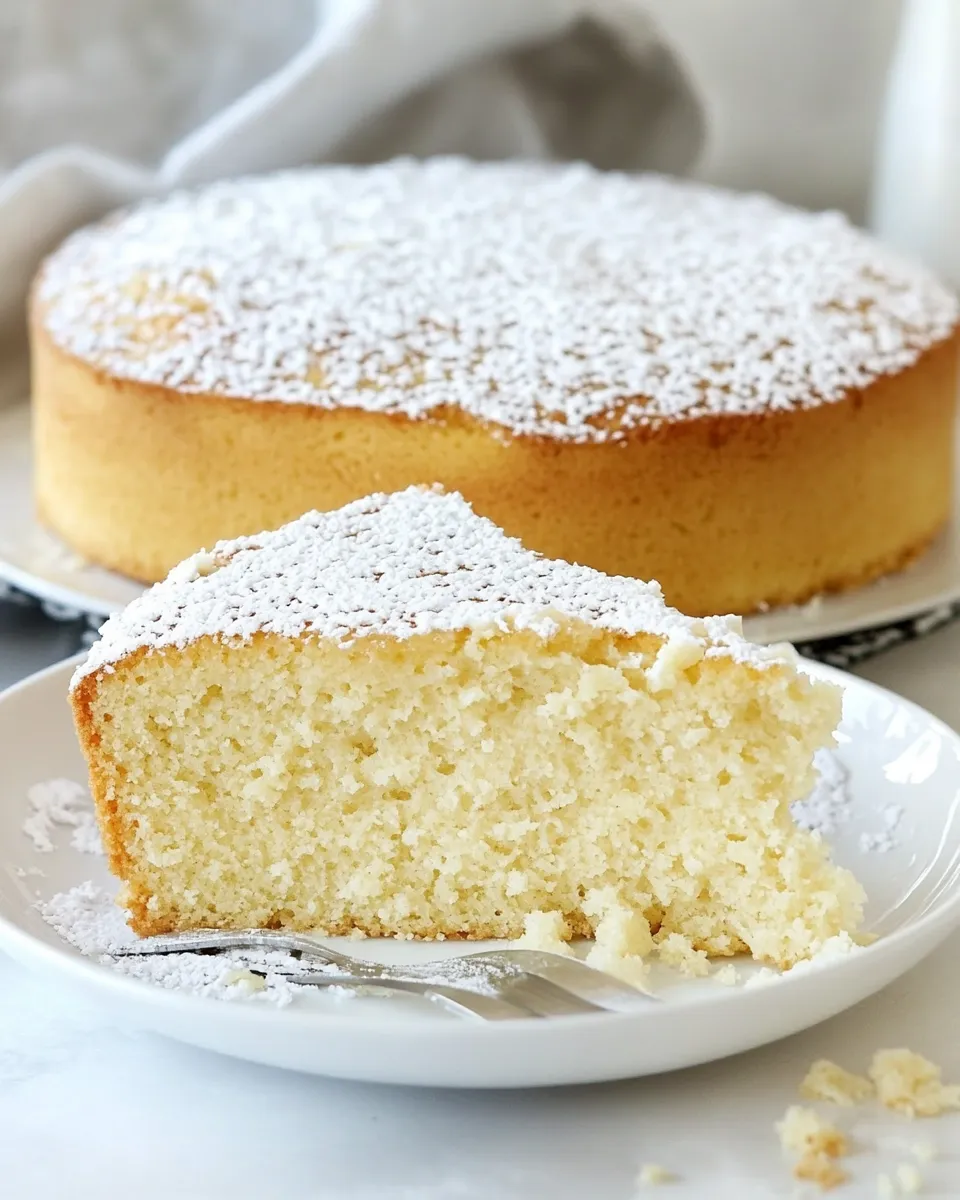
I make this cake when I want something that feels elegant but doesn’t take over the afternoon. It’s the kind of cake that arrives at the table looking like effort and tasting like comfort: tender, bright with lemon, and silkier than a typical butter-based cake thanks to ricotta and olive oil. You get crumb, moisture, and a single pan to wash.
There’s a quiet confidence to this recipe. It asks for basic technique rather than tricks — whisk, fold, bake — and rewards you with a cake that holds up well for a few days and adapts to small swaps without collapsing. If you bake this once, you’ll notice how forgiving it is and how the texture differs from other loaf or layer cakes.
Below I walk you through every element: the exact ingredients, step-by-step directions straight from the recipe, sensible swaps, tools worth having, common missteps to avoid, and storage advice so the cake stays its best. Read the ingredients closely, follow the ordered steps, and the result will be a simple, deeply satisfying Ricotta Olive Oil Cake.
What You’ll Need
Basic pantry staples and one small piece of equipment — a 9-inch springform pan — are all you need. The batter comes together in two bowls: one for wet ingredients and one for dry. A spatula, whisk, and a reliable oven will take you the rest of the way.
Ingredients
- 1 ½ cups of ricotta — provides moisture and a tender, slightly tangy crumb.
- 2/3 cup of olive oil — keeps the cake moist; choose a mild extra-virgin for balance.
- 1 ½ cups of sugar — sweetens and helps create a golden-brown top.
- zest of 1 lemon — adds bright citrus aroma; zest, don’t juice.
- 3 eggs — add structure and richness; room temperature helps them combine smoothly.
- 1 ½ cups all-purpose flour — the main structure builder; whisked with the leaveners to stay clump-free.
- 3/4 cup of almond meal — contributes nutty flavor and tender texture.
- 1 tablespoon baking powder — primary leavener for rise.
- 1/3 teaspoon baking soda — helps lift and works with the ricotta’s acidity.
- 3/4 teaspoon salt — balances sweetness and enhances flavor.
Make Ricotta Olive Oil Cake Recipe: A Simple Method
- Preheat the oven to 350°F (175°C). Place a rack in the middle position.
- Lightly grease a 9-inch springform pan with a little of the olive oil.
- In a large bowl, whisk together the ricotta, olive oil, sugar, and lemon zest until smooth and fully combined.
- Add the eggs one at a time, whisking each egg into the ricotta mixture until fully incorporated before adding the next.
- In a separate large bowl, whisk together the all-purpose flour, almond meal, baking powder, baking soda, and salt until uniform and clump-free.
- Pour the dry ingredients into the wet ingredients and gently whisk or fold until just combined and no streaks of flour remain. Do not overmix.
- Transfer the batter to the prepared springform pan and smooth the top with a spatula.
- Bake for 60–70 minutes, until the top is golden-brown and a toothpick inserted in the center comes out with a few moist crumbs or the center feels set.
- Cool the cake in the pan on a wire rack for about 15 minutes, then release and remove the springform ring. Let the cake cool completely to room temperature on the rack before decorating or serving.
Why Cooks Rave About It
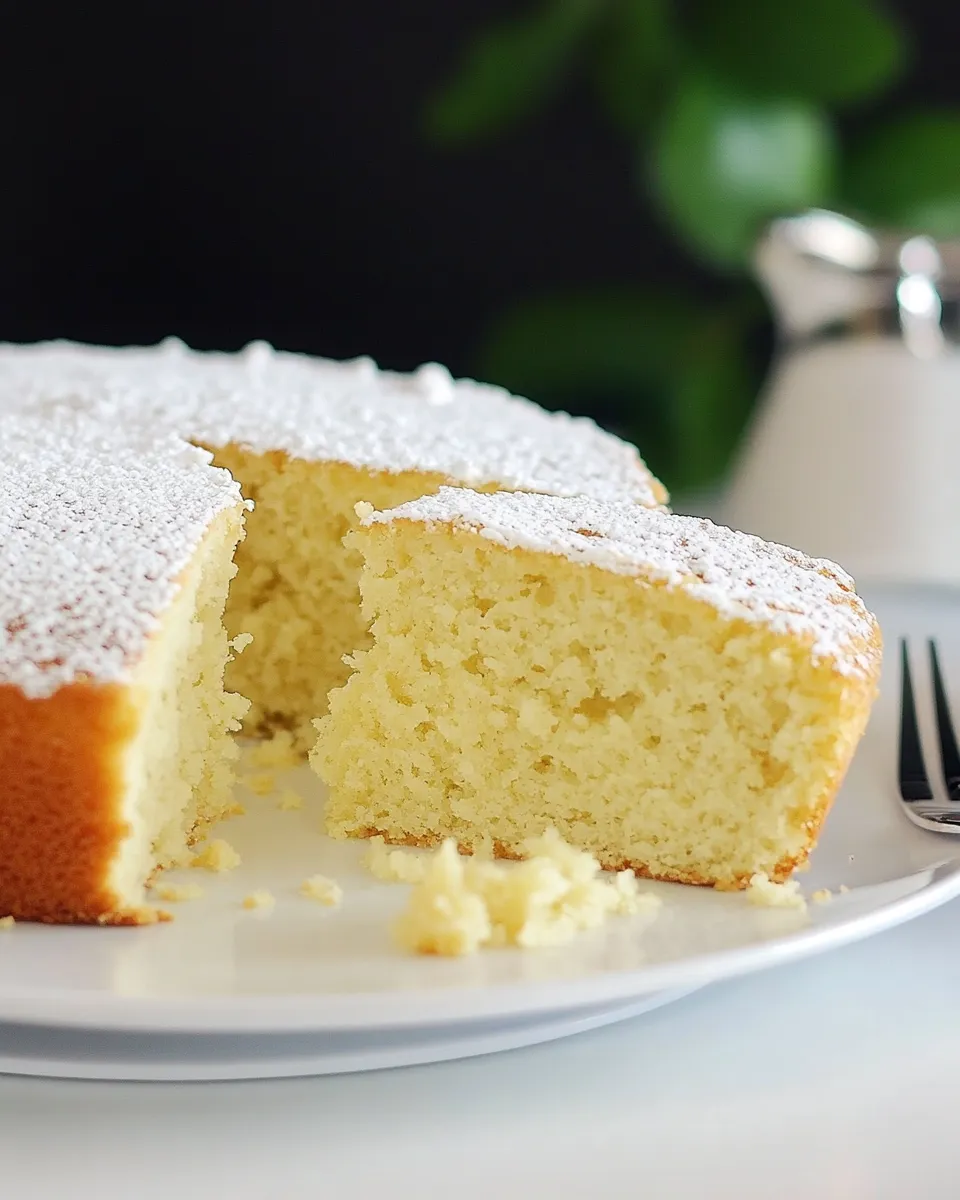
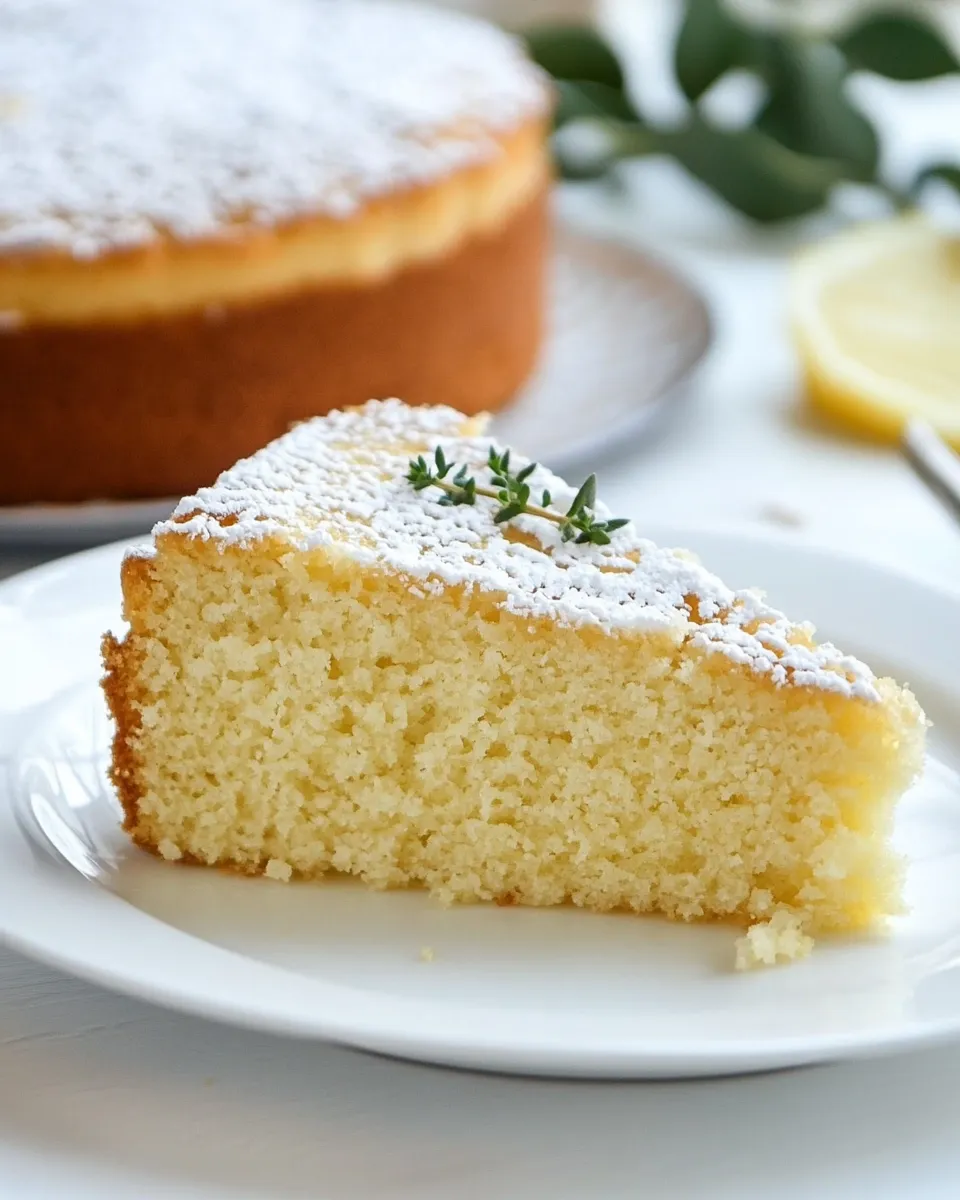
This cake balances simplicity and sophistication. The ricotta keeps the crumb moist without greasiness and contributes a subtle tang that plays beautifully against lemon zest. Olive oil replaces butter and keeps the texture silky; it also produces a tender crumb that stays moist for days.
It’s adaptable. Almond meal adds a gentle nuttiness and structure that flour alone would not provide. The limited number of steps — whisk wet, whisk dry, fold, bake — makes it approachable for impatient bakers and those who prefer technique over appliance-heavy recipes. Finally, the flavor is straightforward and crowd-pleasing: citrus, a hint of olive oil fruitiness, and a cake that slices cleanly for serving.
Ingredient Flex Options
- Ricotta — whole-milk ricotta is ideal. If yours is very wet, drain it briefly in a fine sieve to avoid thinning the batter.
- Olive oil — use a mild, fruity extra-virgin. A strongly peppery oil will overpower the delicate lemon notes.
- Sugar — granulated sugar is called for; you can sub part with fine cane sugar, but avoid coarse crystals unless you adjust texture expectations.
- Almond meal — you can swap for finely ground hazelnut meal for a different nutty profile; do not use coarse almond flour without adjusting the ratio.
- Lemon zest — orange zest works well. If you prefer a stronger citrus punch, add 1 tablespoon of fresh lemon juice, but be cautious: additional liquid can affect bake time.
Tools & Equipment Needed
- 9-inch springform pan — the recipe specifies this size; it makes releasing the cake easy and protects the crumb when inverted.
- Wire rack — for cooling the cake completely and preventing soggy bottoms.
- Two mixing bowls — one for wet, one for dry; a single large bowl will do if you’re careful.
- Whisk and spatula — the whisk gets the wet batter smooth; the spatula folds without overworking the gluten.
- Oven thermometer (optional) — useful if your oven runs hot or cool; correct temperature matters for the 60–70 minute bake window.
Avoid These Mistakes
There are a few predictable errors that will change the outcome. Stay mindful about each one.
Common pitfalls
- Overmixing — once you add the dry to the wet, mix only until no streaks remain. Overworking develops gluten and yields a dense, tough crumb.
- Using very wet ricotta — if your ricotta is watery, the batter will be too loose and the center may not set properly. Drain it for 10–15 minutes if necessary.
- Ignoring oven position — place the cake on the middle rack. Too close to the top gives a burnt crown; too low extends baking time and can underbake the center.
- Rushing the cooling — releasing the springform too early can cause the cake to collapse; wait the recommended 15 minutes before removing the ring and cool fully before decorating.
Seasonal Spins
This cake is a terrific base for seasonal additions. Think of the batter as a neutral platform that benefits from small, confident tweaks rather than heavy-handed changes.
- Spring — fold in 1/2 cup of finely chopped fresh strawberries or a tablespoon of finely chopped mint with the dry ingredients for a fresh lift.
- Summer — add a light glaze of lemon and honey once the cake has cooled, or scatter thinly sliced peaches across the top before serving.
- Autumn — swap the lemon zest for orange and fold in a teaspoon of warm spices (cinnamon + nutmeg) in the dry mix for cozy depth.
- Winter — add 1/4 cup of finely chopped candied citrus peel to the batter and serve with a dusting of powdered sugar or a spoonful of mascarpone.
Pro Tips & Notes
Batter & Mixing
Whisk the ricotta, oil, sugar, and lemon zest until smooth; this step gives the batter a uniform texture so eggs incorporate evenly. When adding eggs one at a time, fully incorporate each to maintain an emulsion and better rise.
Baking & Doneness
Start checking at 60 minutes. The toothpick test should return a few moist crumbs — not completely dry. The center should feel set but not rock-hard. If the top is browning too quickly, tent loosely with foil for the final 10–15 minutes.
Decoration
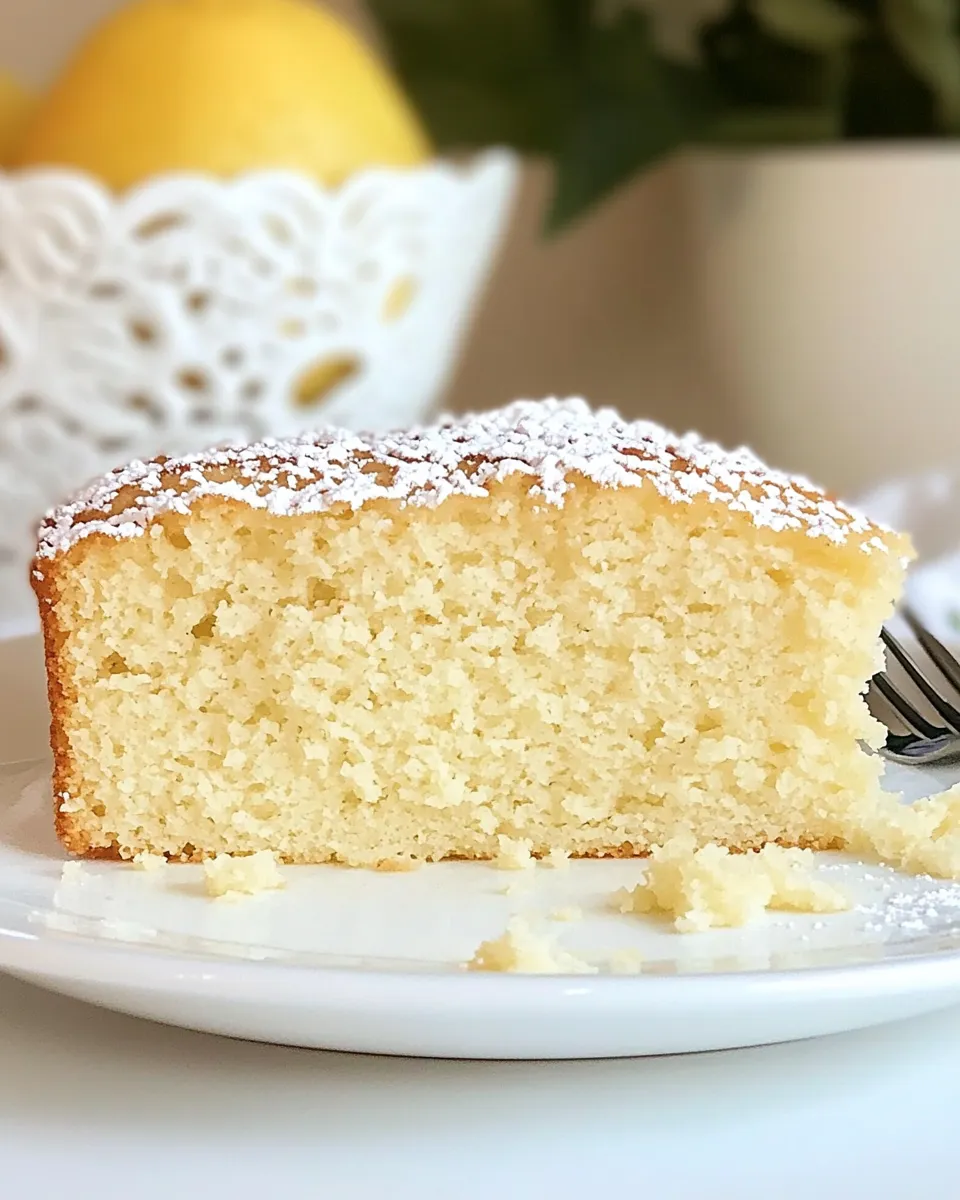
Keep it simple. A light dusting of powdered sugar, a thin lemon glaze, or a scattering of toasted sliced almonds is all you need. Heavy frostings will mask the delicate olive oil and ricotta character.
Keep-It-Fresh Plan
Store this cake at room temperature, covered, for up to 2 days. Because it contains ricotta, refrigeration will extend the life safely to 4–5 days; wrap it with plastic or place in an airtight container to prevent drying.
To freeze: wrap individual slices tightly in plastic wrap and place in a freezer bag for up to 2 months. Thaw in the refrigerator overnight and bring to room temperature before serving for best texture. Reheat briefly in a low oven (300°F / 150°C) for 6–8 minutes if you prefer the cake warm.
Ricotta Olive Oil Cake Recipe Q&A
Q: Can I use low-fat ricotta? A: You can, but expect a slightly drier crumb and less richness. If you only have low-fat, consider reducing oven time slightly and checking for doneness earlier.
Q: Can I replace almond meal with more flour? A: Yes, but almond meal contributes fat and tenderness. If you omit it entirely, the cake will be less tender and the flavor will shift. Consider replacing with an equal amount of finely ground oats for a different texture.
Q: My cake is browned on top but raw in the center. What happened? A: Likely the oven temperature is uneven or the cake was too close to the top rack. Reduce the oven temperature by 10–15°F next time, move the rack to the middle, or tent the top with foil during the last third of baking.
Q: Do I need a springform pan? A: The springform pan makes removing the cake easier and minimizes handling. You can use a 9-inch cake pan, but you’ll need to line it with parchment and invert carefully after cooling.
Q: How does olive oil affect flavor? A: Olive oil lends a subtle fruitiness and silky mouthfeel. Use a mild extra-virgin if you want citrus to be the leading note; use a more robust oil if you like a pronounced olive character.
Final Bite
This Ricotta Olive Oil Cake is one of those home-bakery staples: uncomplicated to make, generous in flavor, and forgiving of small hiccups. Follow the ingredient list and the exact method above, mind the doneness tests, and you’ll have a cake that slices neatly and tastes like you spent more time on it than you did.
Serve it plain with coffee, dressed with a light glaze for afternoon company, or alongside fresh fruit for a simple dessert. Keep a jar of ricotta in the fridge and your olive oil on hand — this cake will become a dependable favorite.
Ricotta Olive Oil Cake Recipe
Ingredients
Equipment
Method
- Preheat the oven to 350°F (175°C). Place a rack in the middle position.
- Lightly grease a 9-inch springform pan with a little of the olive oil.
- In a large bowl, whisk together the ricotta, olive oil, sugar, and lemon zest until smooth and fully combined.
- Add the eggs one at a time, whisking each egg into the ricotta mixture until fully incorporated before adding the next.
- In a separate large bowl, whisk together the all-purpose flour, almond meal, baking powder, baking soda, and salt until uniform and clump-free.
- Pour the dry ingredients into the wet ingredients and gently whisk or fold until just combined and no streaks of flour remain. Do not overmix.
- Transfer the batter to the prepared springform pan and smooth the top with a spatula.
- Bake for 60–70 minutes, until the top is golden-brown and a toothpick inserted in the center comes out with a few moist crumbs or the center feels set.
- Cool the cake in the pan on a wire rack for about 15 minutes, then release and remove the springform ring. Let the cake cool completely to room temperature on the rack before decorating or serving.
Notes
Make-Ahead:
You can make this cake up to 1 day ahead of time.
How to Store:
Cover and keep at room temperature for up to 3 days. Place it in the refrigerator and cover for up to 5 days. You can freeze this covered for up to 3 months and thaw it in the refrigerator for 1 day before reheating.
How to Serve:
Pull the cake out and let it sit for 1 hour at room temperature before serving.
Use finely
ground almond flour. This is also known as almond meal.
There are
a few ways that you can finish off this cake. You can do it by simply sprinkling on some powdered sugar, or you can decorate it with some whipped cream, lemon slices, and fresh mint.