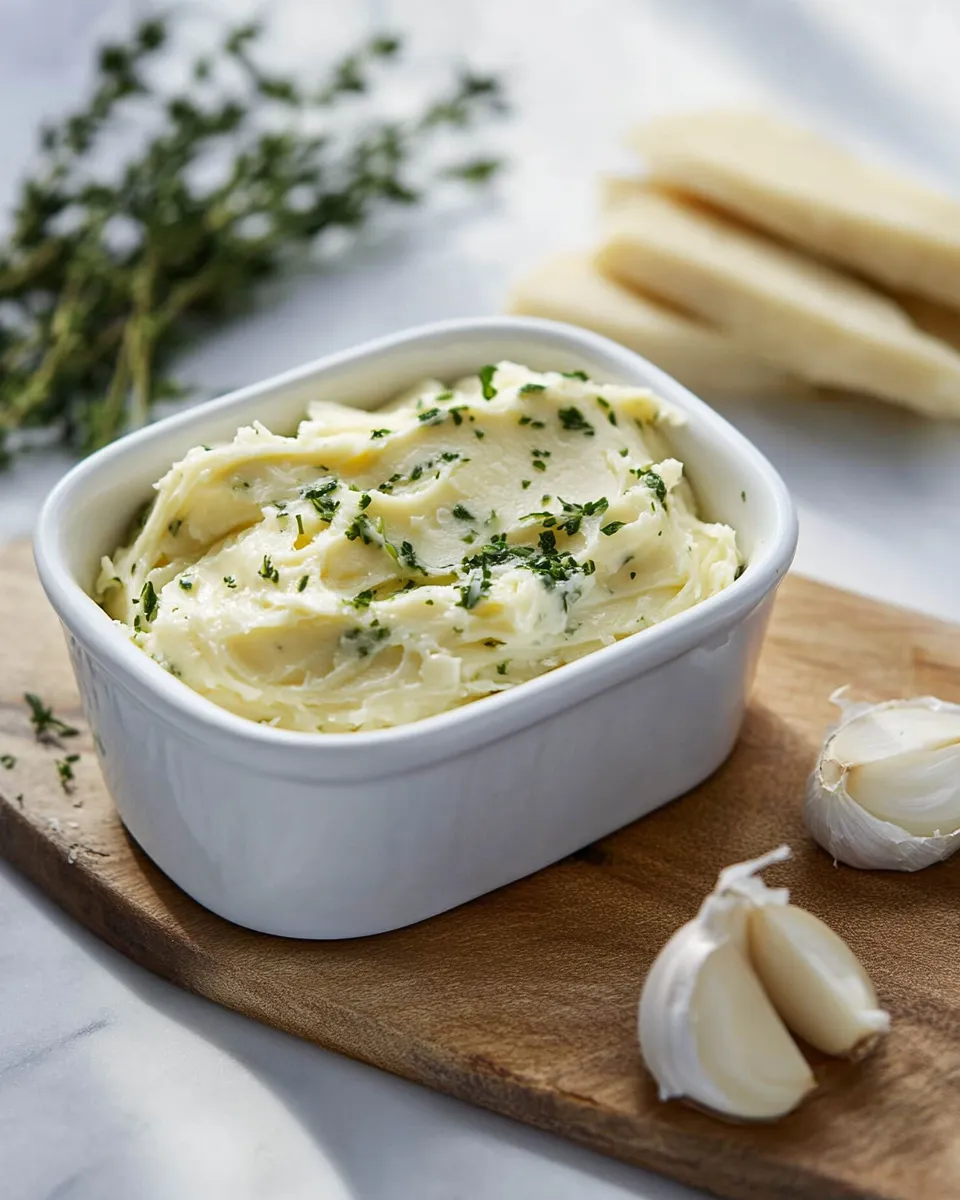
Roasted Garlic Butter
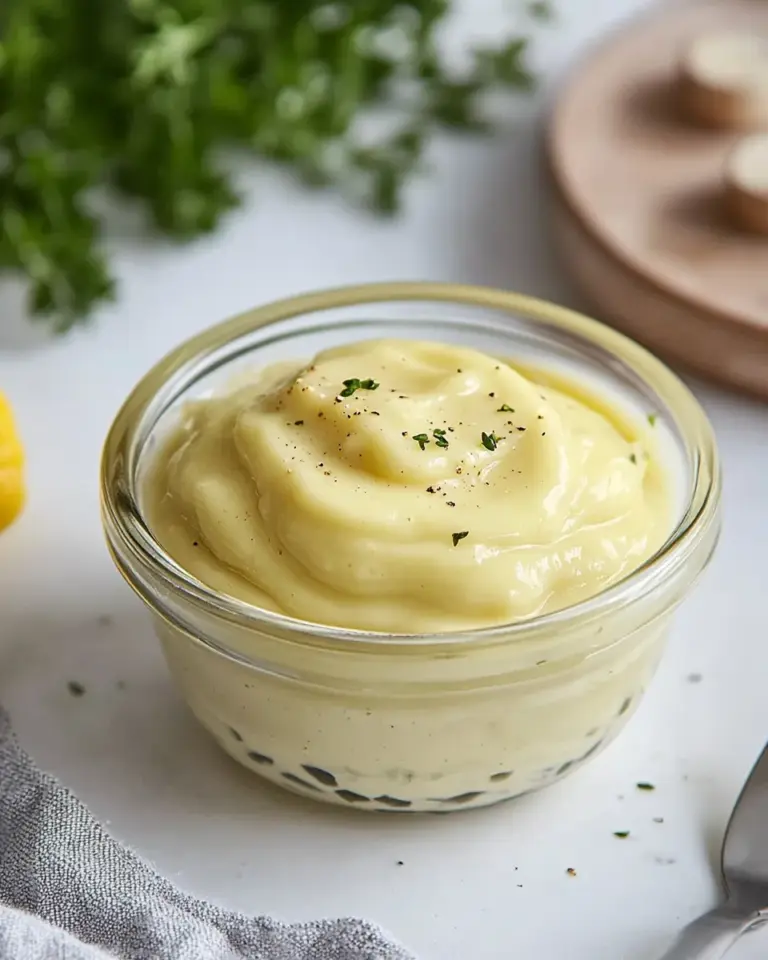
I make this Roasted Garlic Butter on repeat because it turns ordinary bread, steamed vegetables, or a simple steak into something worth writing home about. The steps are short and the payoff is huge: deep, caramelized garlic folded into creamy butter with a fresh lift from parsley. It’s the kind of condiment that sits in the fridge and quietly upgrades everything you touch it to.
There’s nothing fancy here — just an oven, a head of garlic, and a little patience. Roast the garlic, mash it, mix with softened butter, and you’ve got a spread that’s savory, mellow, and very forgiving. I’ll walk you through the method, equipment to use, traps to avoid, and how to adapt it for different diets.
Ingredient Checklist
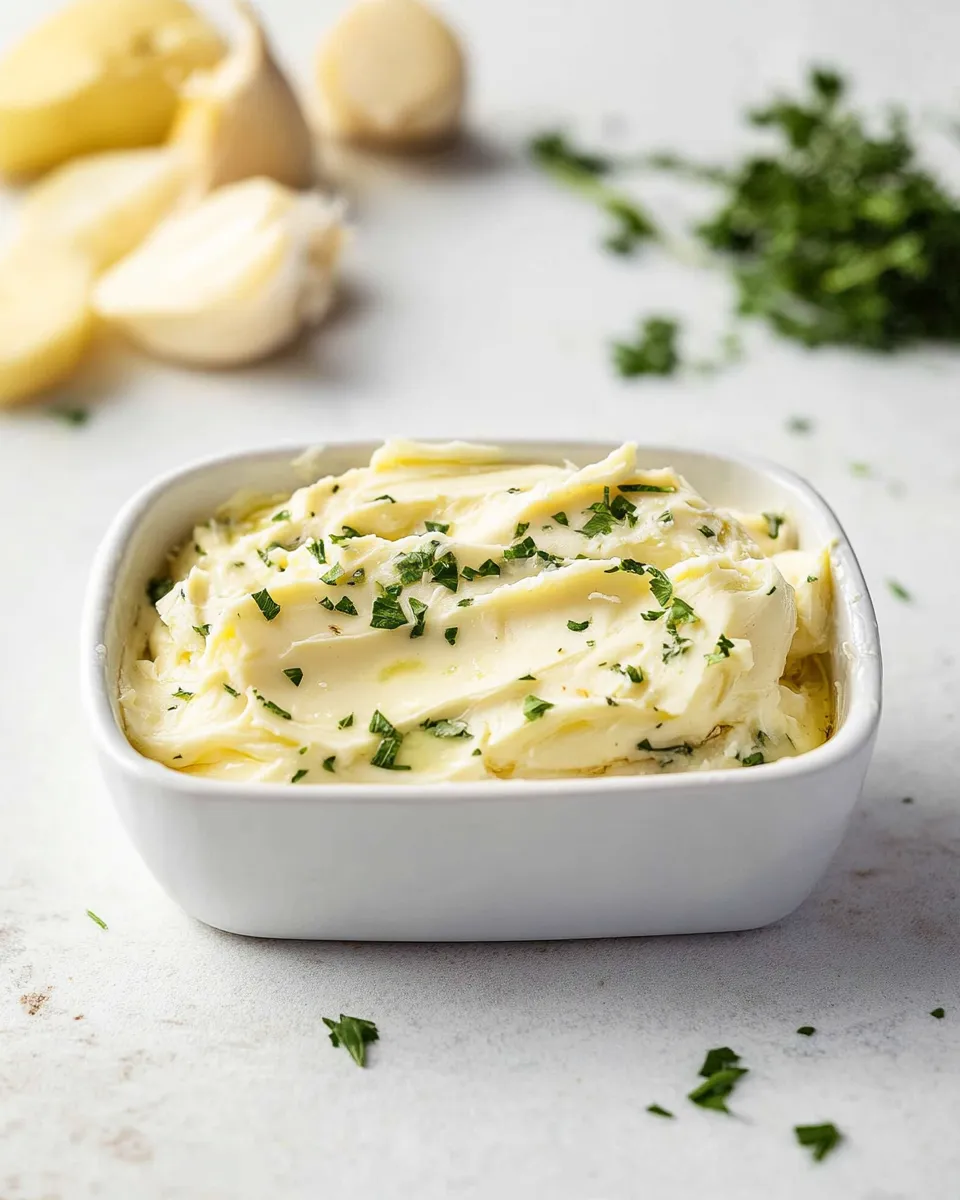
- 1 head garlic — the star. Roasting tames the raw bite and brings out a sweet, caramelized flavor.
- 1 teaspoon olive oil — helps the garlic roast evenly and prevents drying; a light coating is enough.
- 1 stick unsalted butter (softened) — the base. Unsalted allows you to control the final salt level.
- 1 teaspoon fresh parsley (finely chopped) — brightens the butter and adds a fresh herb note; finely chopping distributes flavor.
- 1/2 teaspoon kosher salt — seasons the mixture; adjust after tasting if you serve it with salty foods.
The Method for Roasted Garlic Butter
- Preheat the oven to 400°F (200°C).
- Trim the top off 1 head of garlic to expose the tops of the cloves and remove any loose outer papery layers.
- Place the garlic head on a sheet of foil, drizzle with 1 teaspoon olive oil over the exposed cloves, wrap the garlic tightly in the foil, and set the foil packet on a baking sheet.
- Roast in the preheated oven for 40 minutes, or until the garlic cloves are soft and caramelized.
- Remove the foil packet from the oven and allow the garlic to cool until it is cool enough to handle (about 10–15 minutes). Unwrap the garlic and squeeze the roasted cloves out of their skins into a bowl.
- Mash the roasted garlic cloves with a fork until mostly smooth.
- Add 1 stick unsalted butter (softened), 1 teaspoon fresh parsley (finely chopped), and 1/2 teaspoon kosher salt to the mashed garlic. Stir or beat until well combined.
- Use the roasted garlic butter immediately or transfer to a container and store in the refrigerator.
Why It’s Crowd-Pleasing
Roasted garlic has a sweet, mellow profile that most people like, even if they’re normally wary of raw garlic. Mixing that with butter creates an instantly familiar, comforting texture and mouthfeel. It’s versatile: slather on toast, melt over corn, toss with pasta, or use as a finishing touch on grilled meats. The flavor is bold enough to be noticeable and gentle enough to pair with many dishes.
It also performs well for entertaining. Make a batch ahead, chill it, and serve slices on a platter with warm bread or roasted vegetables. It looks and tastes impressive, but the prep is minimal. That combination — big impact with little fuss — is why guests respond so positively.
Vegan & Vegetarian Swaps
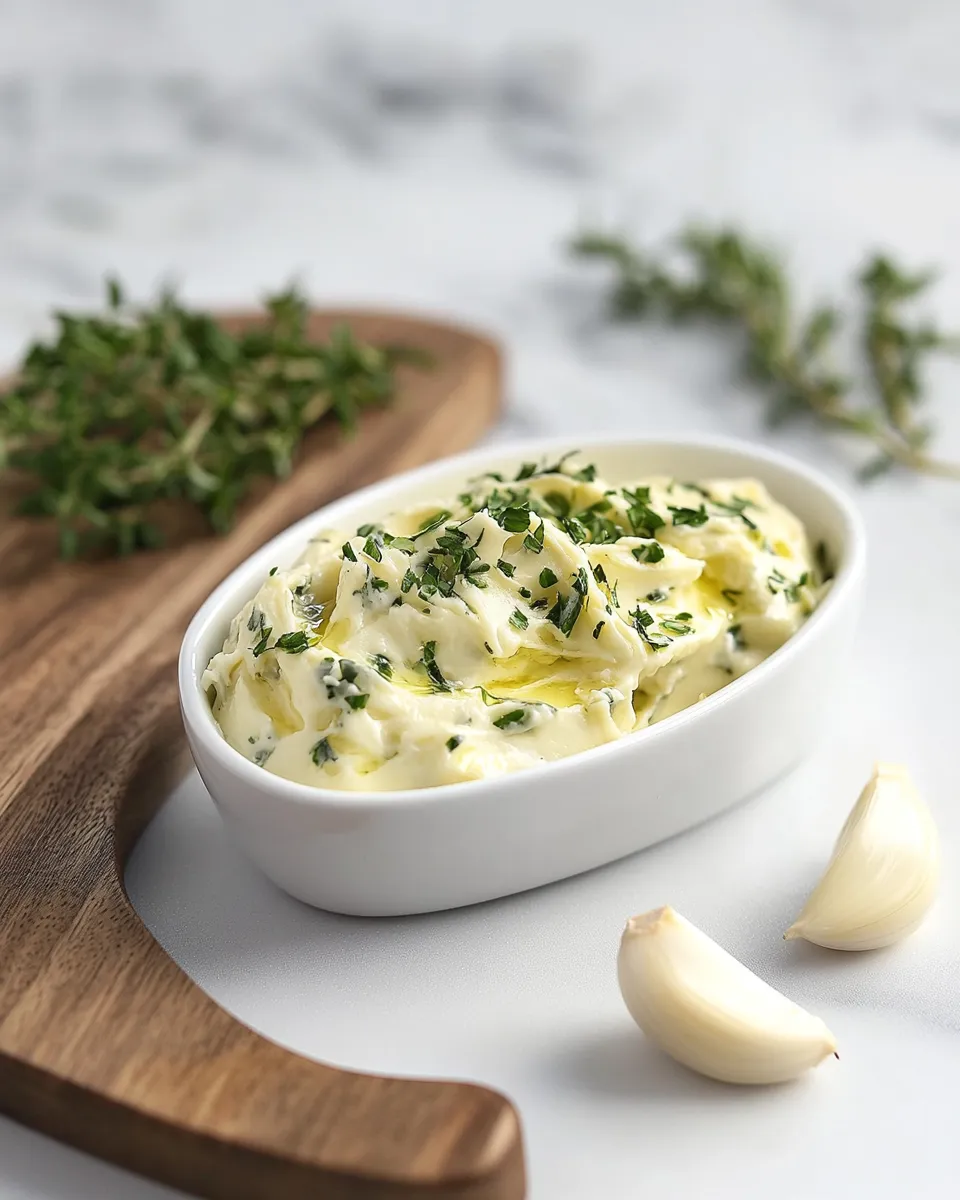
Vegetarian diets are already covered since the recipe uses no meat. For vegan diets you can swap the butter for a plant-based alternative. Choose a firm, spreadable vegan butter that’s labeled for baking and cooking; many brands are formulated to mimic the texture and richness of dairy butter.
Note: do not change other ingredient amounts. Keep the same proportion of roasted garlic, oil, parsley, and salt. Taste the vegan butter mixture before serving and adjust salt as needed, because plant-based spreads can vary in saltiness and fat content.
Before You Start: Equipment
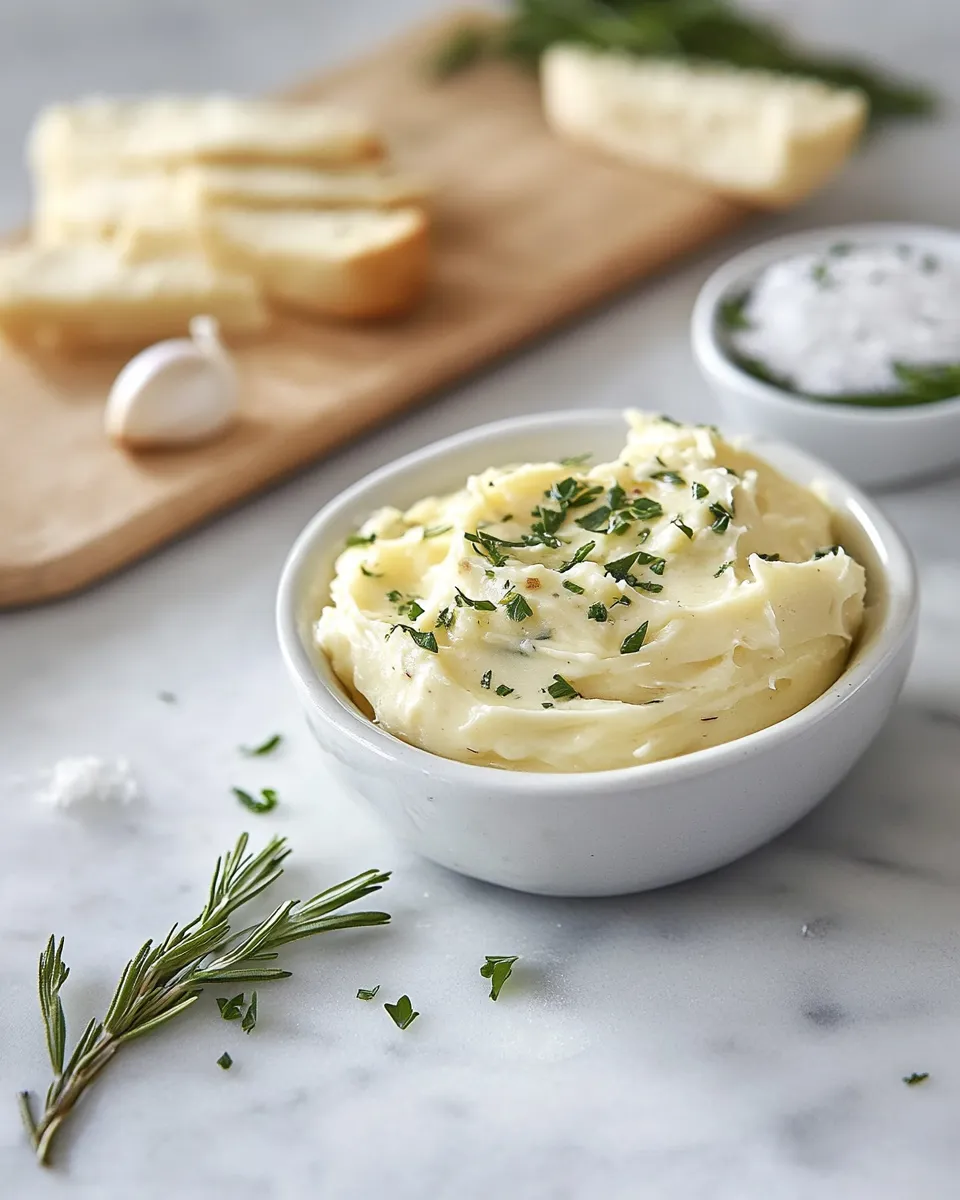
Keep the equipment list simple. You need foil, a baking sheet, a small bowl, a fork for mashing, and a knife to trim the garlic. A silicone spatula or small whisk helps integrate the butter and garlic smoothly if you prefer a whipped texture. If you want neat slices or logs for serving, a small container or a piece of parchment to roll the butter in will be helpful.
Oven racks should be centered so the garlic roasts evenly. If your oven runs hot or you’re unsure, use an oven thermometer to confirm the 400°F (200°C) setting is accurate.
Avoid These Traps
Trap: Roasting at too low a temperature or for too short a time. The garlic won’t fully caramelize and will retain a sharper bite. Follow the 400°F (200°C) and 40-minute guideline.
Trap: Overexposing the garlic before wrapping. Remove loose papery layers, but don’t peel too freely — those outer layers help protect the cloves during roasting.
Trap: Mixing cold, hard butter with hot garlic. Let the roasted garlic cool (about 10–15 minutes) and use softened butter so the ingredients combine smoothly. If the butter is too cold, lumps will remain; if it’s melted, the texture will be oily.
Make It Fit Your Plan
Meal prep: Make a double batch and store half in the refrigerator to use over a week, or freeze portions for longer storage (see storage section). It’s perfect for weeknight dinners — drop a tablespoon on steamed broccoli or stir into a pot of pasta.
For presentation: Pack soft butter into a ramekin or roll it in parchment and slice into rounds once chilled. Sprinkle a little extra chopped parsley on top for color. Serve with crusty bread, roasted veg, or as a compound butter on steak or fish.
What Could Go Wrong
If the garlic tastes sharp or uncooked, it likely wasn’t roasted long enough. Return the wrapped head to the oven for an additional 5–10 minutes and check again. If the garlic is burnt or bitter, it was overcooked; trim any charred bits and use the rest sparingly, or start a new head if the flavor is unpleasant.
If the butter mixture turns greasy or separates, the butter was probably too warm or melted when mixed. Chill briefly and re-whip to restore texture. If the mixture is grainy, that’s likely from under-mashed cloves; mash a bit more thoroughly or pulse briefly in a small food processor if you have one.
Storing, Freezing & Reheating
Refrigeration: Transfer the roasted garlic butter to an airtight container. It will keep for up to 1–2 weeks in the refrigerator. Keep the surface smooth and press plastic wrap directly on top to minimize exposure to air for longer freshness.
Freezing: Portion into a log using parchment or plastic wrap, then freeze. Wrapped logs thaw quickly in the refrigerator and can be sliced into disks for easy use. Frozen butter will keep for up to 3 months without significant loss of flavor.
Reheating: Use at room temperature for spreading, or place a disk on hot food to melt. Avoid reheating the butter directly in a microwave for long periods; brief bursts at low power work if you must, but direct heat from a pan or hot plate gives a better result.
Common Questions
How long can I keep this in the fridge?
About 1–2 weeks. Use an airtight container and press plastic directly on the surface to reduce air exposure.
Can I skip the parsley?
Yes. The parsley is a bright note and optional. The butter will still be delicious without it.
Can I use pre-roasted garlic or garlic paste?
You can, but fresh roasted is sweeter and less sharp. If you use store-bought paste, start with less and taste as you go — commercial pastes can be more concentrated and sometimes contain preservatives or oil.
Is the salt amount flexible?
The recipe uses 1/2 teaspoon kosher salt. If you prefer less salt, reduce slightly and adjust after tasting, especially if you plan to serve the butter with salty foods.
In Closing
This Roasted Garlic Butter is one of those small, reliable recipes that lifts ordinary food into something memorable. It’s straightforward: roast the garlic, mash it, mix with softened butter, parsley, and salt, and you have a versatile spread ready to enhance countless meals. Make a batch, keep it handy, and you’ll find yourself reaching for it more often than you expect.
Keep the steps simple, respect the roasting time, and serve it confidently. A little roasted garlic goes a long way — in taste, in satisfaction, and in the number of compliments you’ll get.
Roasted Garlic Butter
Ingredients
Equipment
Method
- Preheat the oven to 400°F (200°C).
- Trim the top off 1 head of garlic to expose the tops of the cloves and remove any loose outer papery layers.
- Place the garlic head on a sheet of foil, drizzle with 1 teaspoon olive oil over the exposed cloves, wrap the garlic tightly in the foil, and set the foil packet on a baking sheet.
- Roast in the preheated oven for 40 minutes, or until the garlic cloves are soft and caramelized.
- Remove the foil packet from the oven and allow the garlic to cool until it is cool enough to handle (about 10–15 minutes). Unwrap the garlic and squeeze the roasted cloves out of their skins into a bowl.
- Mash the roasted garlic cloves with a fork until mostly smooth.
- Add 1 stick unsalted butter (softened), 1 teaspoon fresh parsley (finely chopped), and 1/2 teaspoon kosher salt to the mashed garlic. Stir or beat until well combined.
- Use the roasted garlic butter immediately or transfer to a container and store in the refrigerator.