Seriously Amazing Roasted Red Pepper Pasta
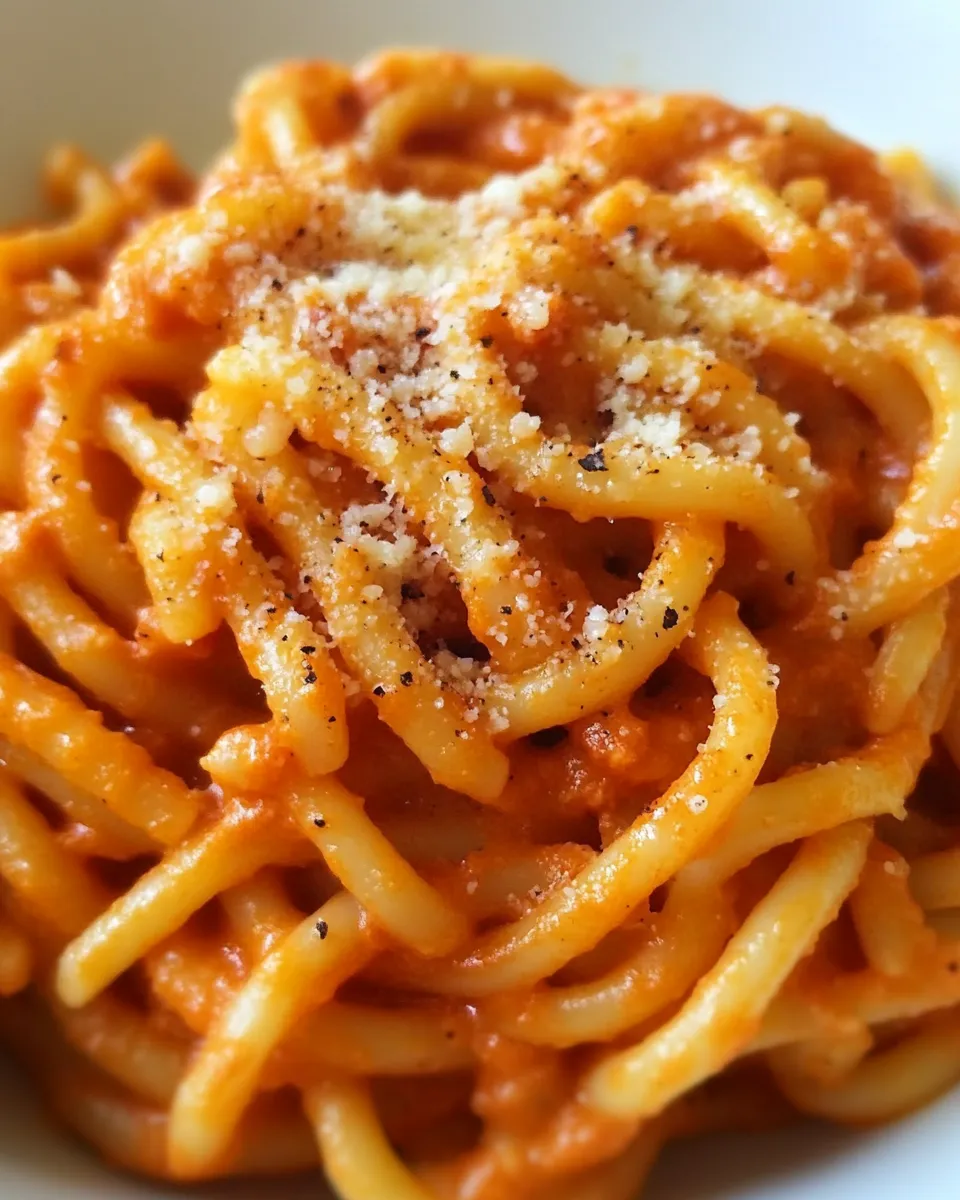
I made this sauce on a rainy evening when I wanted something that felt special but wouldn’t take over my whole night. It’s rich, bright, and utterly straightforward: roasted red peppers blended with sautéed onion and garlic, finished with cream and Parmesan. You get a silky, deeply flavorful sauce that clings to every strand of pasta without any complicated steps.
This is one of those recipes I reach for when I want a weeknight dinner that tastes like dinner out. It comes together fast if you have roasted red peppers on hand, and it stores nicely so you can make a double batch and lean on it later. The flavors are balanced — sweetness from the peppers, a little savory backbone from the stock and Parmesan, and a comforting creaminess that ties it all together.
No showboating techniques here. Just clear steps, a handful of pantry staples, and a reliably delicious result that’s great for family meals or an easy dinner for friends. Below I’ll list what you need, walk you through the exact method, and share practical tips from the test kitchen so you can make it without surprises.
What Goes In
Ingredients
- 2tablespoonsbutter — for softening the onion and building the base flavor.
- 1smalloniondiced — sweetness and aromatics; dice small so it blends and cooks evenly.
- 3clovesgarlicminced — bright savory note; add after the onion so it doesn’t burn.
- 24ozroasted red peppers2 jars, drained — the star of the sauce; drained jars avoid extra liquid.
- 1cupchicken stockor vegetable broth — adds depth and thins the puree to a silky consistency.
- salt & pepperto taste — essential for balance; add gradually and taste at the end.
- 1/4teaspoondried basil — subtle herbiness that complements the peppers without overpowering them.
- 1/2-3/4cupheavy cream — provides richness and a smooth finish; use the amount that suits your preference.
- 3/4cupgrated parmesan cheese — salty, nutty finishing cheese that helps thicken and bind the sauce to the pasta.
- 1inchcooked pasta — any shape you like; reserve some pasta cooking water if you need to loosen the sauce.
Step-by-Step: Seriously Amazing Roasted Red Pepper Pasta
- Melt 2 tablespoons butter in a large skillet over medium heat.
- Add 1 small diced onion and sauté until tender, about 5 minutes. Stir in 3 cloves minced garlic and cook until fragrant, about 1 minute.
- Remove the skillet from the heat. Transfer the cooked onion and garlic to a blender. Add 24 oz roasted red peppers (2 jars, drained), 1 cup chicken stock (or vegetable broth), salt and pepper to taste, and 1/4 teaspoon dried basil. Blend until very smooth. If the mixture is too thick to blend smoothly, add a little of the heavy cream (from the 1/2–3/4 cup) a tablespoon at a time to help it move.
- Pour the blended sauce back into the skillet and set the pan over low heat. Stir in 1/2–3/4 cup heavy cream. Warm the sauce gently, stirring occasionally, until heated through and slightly thickened. Do not let the sauce boil.
- Add the cooked pasta (see ingredient list) and 3/4 cup grated Parmesan cheese to the sauce. Toss until the pasta is evenly coated and the cheese is melted.
- Taste and adjust salt and pepper as needed.
- Serve immediately.
Why You’ll Love This Recipe
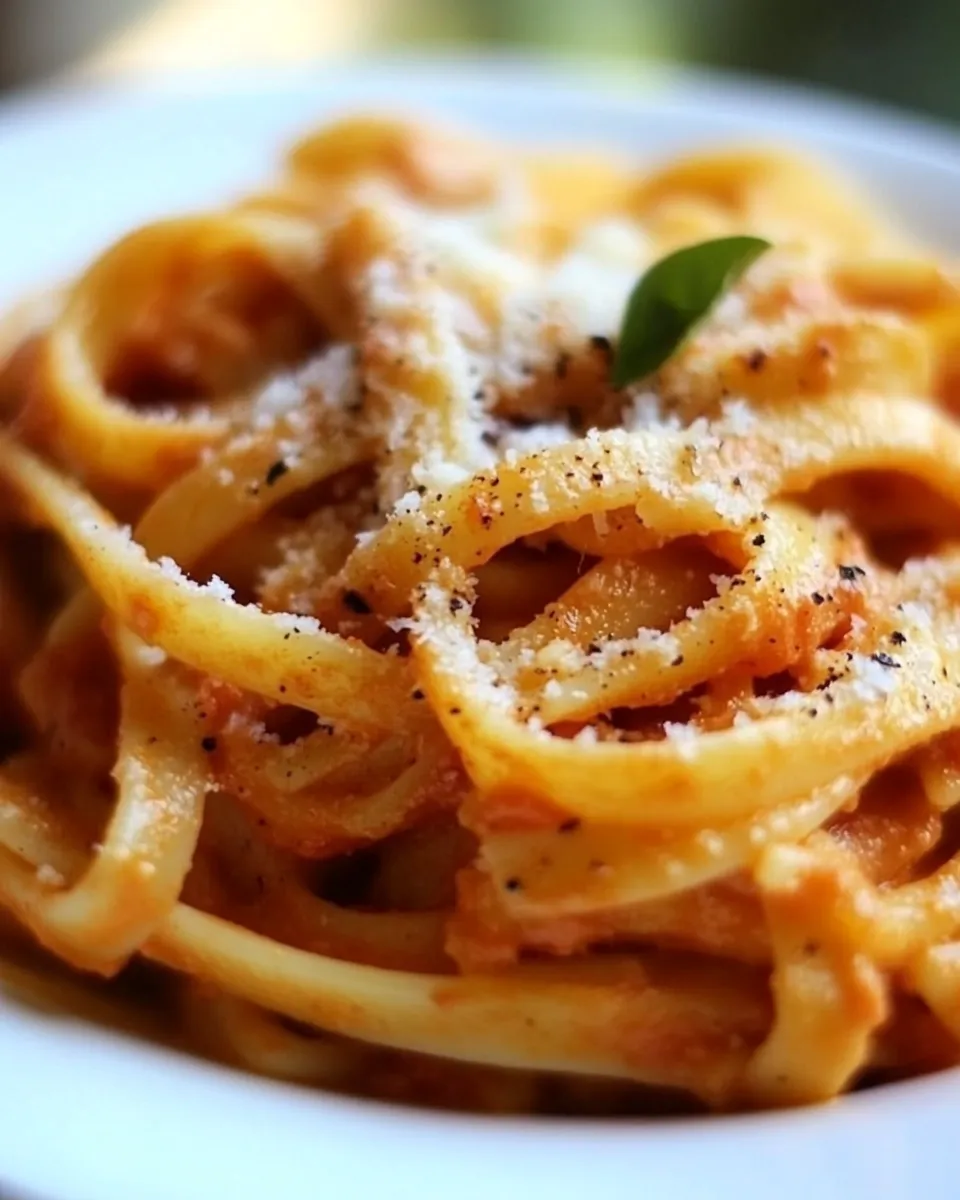
This sauce hits a rare sweet spot: bold flavor with minimal effort. Roasted red peppers bring a natural sweetness and a roasted depth that makes the sauce taste richer than the ingredient list suggests. Blending the vegetables produces a luxuriously smooth texture, so the sauce feels like something that took longer than it did.
It’s versatile. Use it with short pasta like penne or rigatoni to catch pockets of sauce, or with long strands such as linguine for an elegant plate. The sauce is forgiving with seasoning, and a quick finish with Parmesan gives it a savory lift that makes the whole dish sing.
Finally, it’s reliable for weeknights and presentable enough for guests. You can prep components ahead (roasted peppers and cooked pasta), so when it’s time to sit down you only need a few minutes on the stove to bring it together.
Healthier Substitutions
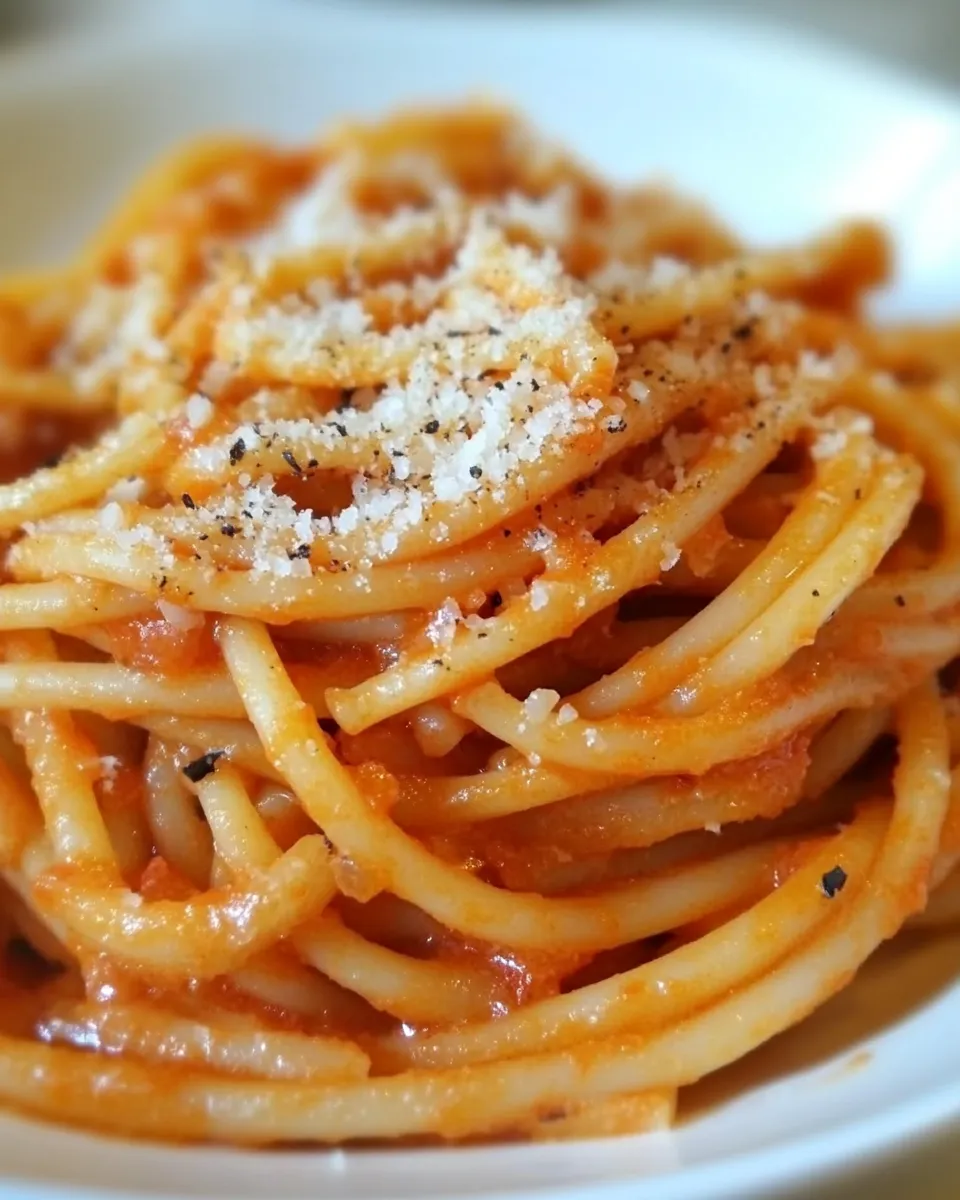
If you want to lighten the dish without losing much of its character, small changes go a long way. Swap heavy cream for a lighter alternative to reduce calories and fat, or use less cream and add a splash of milk to maintain volume. Use low-sodium broth to better control salt.
Another option is to reduce the butter slightly and finish the sauce with a teaspoon of extra-virgin olive oil instead of all the butter. Keep in mind these swaps will change texture and mouthfeel; the sauce will be lighter but won’t be quite as silky as the original.
Must-Have Equipment
There’s no fancy gear required, but a few items make the process smooth and consistent:
- Large skillet — you need room to sauté the aromatics and warm the sauce without crowding.
- Blender — a high-speed blender or even an immersion blender in a deep bowl will give the sauce that velvety texture.
- Wooden spoon or silicone spatula — for gentle stirring so you don’t separate the cream.
- Colander — to drain pasta and the jarred peppers thoroughly.
Slip-Ups to Skip
Here are the common mistakes I see and how to avoid them:
- Overheating the cream: Do not let the sauce boil after adding the cream. Boiling can cause the cream to separate and change the texture.
- Skipping the drain: If the roasted peppers aren’t drained well they can add too much liquid and thin the sauce. Drain the jars well.
- Burning the garlic: Add garlic after the onion softens and keep the heat moderate. Burnt garlic tastes bitter and will throw off the whole sauce.
- Not tasting as you go: Salt and pepper are listed “to taste” for a reason. The stock and Parmesan can add saltiness; adjust at the end.
Substitutions by Diet
Here are targeted swaps for common dietary needs without inventing new ingredients beyond what’s reasonable and listed:
- Vegetarian: Use vegetable broth in place of chicken stock; everything else in the ingredient list can stay the same.
- Lower-fat: Reduce heavy cream to the lower end of the range and use part-skim milk to make up volume, understanding texture will be lighter.
- Gluten-free: Use a gluten-free pasta that you enjoy; the sauce itself contains no gluten.
- Lactose-sensitive: Try a lactose-free cream or omit the cream and finish with a tablespoon or two of olive oil for body; note this alters the richness.
- Vegan: Use vegetable broth, a plant-based cream substitute, and a vegan grated cheese in place of Parmesan. The texture and flavor will shift, but the pepper base remains strong.
Notes from the Test Kitchen
I tested this recipe twice with small tweaks to find the most consistent approach. Two things matter most: the texture of your blended pepper mixture and how gently you warm the finished sauce. If the puree is too thick coming out of the blender, it can clump or seize when you add the cheese. Thin it slightly with cream (as the recipe notes) before reheating.
Timing is forgiving: you can blend the sauce and keep it warm on the lowest heat, but don’t leave it unattended. Stir occasionally and watch for small bubbles — that’s when it’s getting too hot. When tossing with pasta, do it off high heat to let the cheese melt gently into the sauce and coat the pasta rather than clumping.
One practical tip: reserve a small cup of the pasta cooking water if your sauce seems tight. A splash of hot starchy water loosens the sauce and helps it adhere to the pasta without watering it down.
Leftovers & Meal Prep
This sauce stores well in the refrigerator for up to 3–4 days in an airtight container. Reheat gently over low heat, stirring in a splash of milk or broth if it has thickened. The texture will tighten a bit after chilling; take your time warming it back up to avoid breaking the sauce.
For meal prep, cook pasta al dente and toss with a little olive oil before refrigerating to keep strands from sticking. Reheat pasta and sauce together for best results. You can also freeze the sauce (without pasta) for up to 2 months — thaw overnight in the fridge and rewarm slowly.
Popular Questions
Can I use fresh roasted peppers instead of jarred? Yes. If you roast and peel your own peppers, make sure they’re well-drained and not overly watery. The flavor will be fantastic, but check texture before blending.
What pasta shape is best? Short tubular pastas like penne, rigatoni, and cavatappi catch the sauce well. Long pastas work beautifully too; just toss gently.
Is the chicken stock necessary? You can use vegetable broth instead. The stock adds depth, but the peppers and Parmesan do most of the heavy lifting flavor-wise.
Can I make this dairy-free? Yes, by using a plant-based cream alternative and a vegan Parmesan substitute. Expect a difference in mouthfeel, but the pepper flavor will still shine.
Final Thoughts
Seriously Amazing Roasted Red Pepper Pasta is honestly what it promises — bright, comforting, and simple to execute. Keep a couple jars of roasted red peppers in the pantry, and you’ll have a restaurant-worthy sauce ready in under 30 minutes. The technique is straightforward, and the results are reliably delicious.
Make it as written the first time so you can learn how the flavors come together. After that, tweak cream level, pasta shape, and seasoning to fit your preferences. It’s a flexible, dependable recipe that I return to again and again.
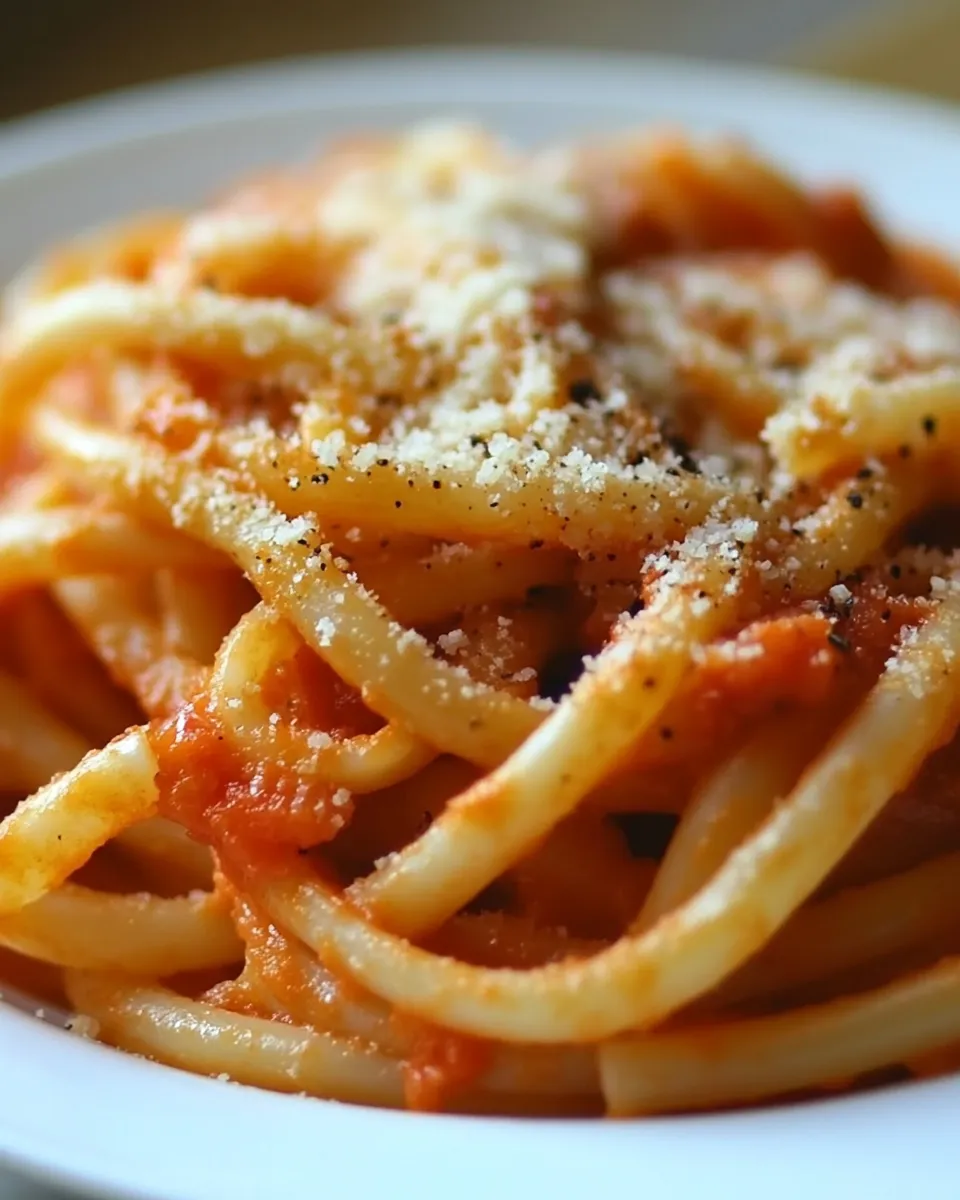
Seriously Amazing Roasted Red Pepper Pasta
Ingredients
Equipment
Method
- Melt 2 tablespoons butter in a large skillet over medium heat.
- Add 1 small diced onion and sauté until tender, about 5 minutes. Stir in 3 cloves minced garlic and cook until fragrant, about 1 minute.
- Remove the skillet from the heat. Transfer the cooked onion and garlic to a blender. Add 24 oz roasted red peppers (2 jars, drained), 1 cup chicken stock (or vegetable broth), salt and pepper to taste, and 1/4 teaspoon dried basil. Blend until very smooth. If the mixture is too thick to blend smoothly, add a little of the heavy cream (from the 1/2–3/4 cup) a tablespoon at a time to help it move.
- Pour the blended sauce back into the skillet and set the pan over low heat. Stir in 1/2–3/4 cup heavy cream. Warm the sauce gently, stirring occasionally, until heated through and slightly thickened. Do not let the sauce boil.
- Add the cooked pasta (see ingredient list) and 3/4 cup grated Parmesan cheese to the sauce. Toss until the pasta is evenly coated and the cheese is melted.
- Taste and adjust salt and pepper as needed.
- Serve immediately.