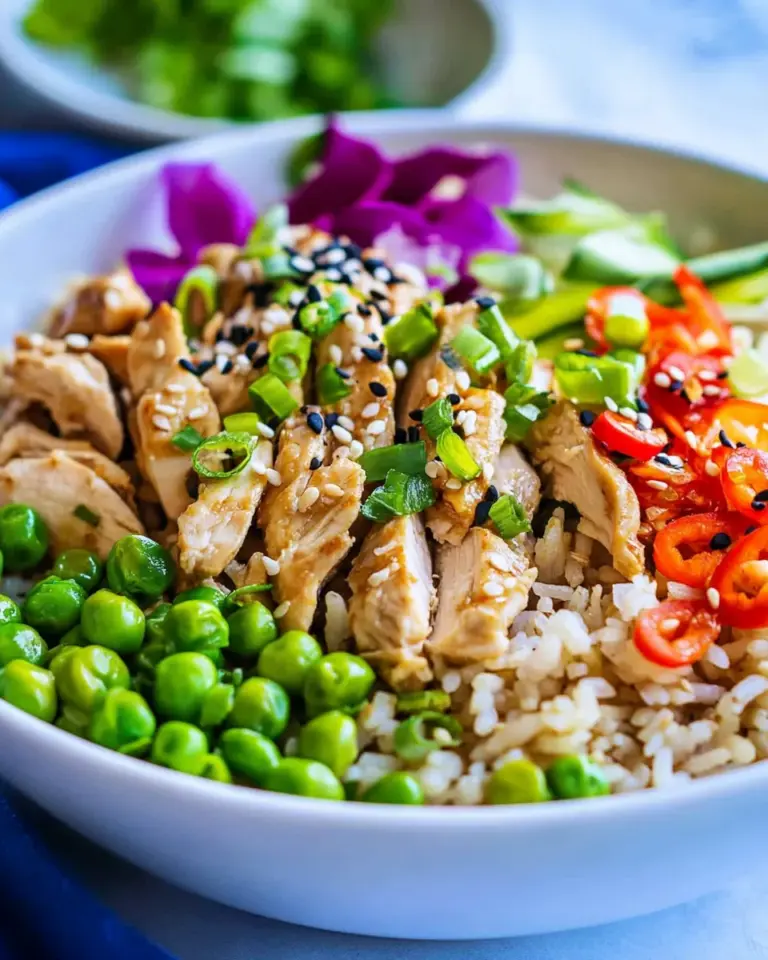
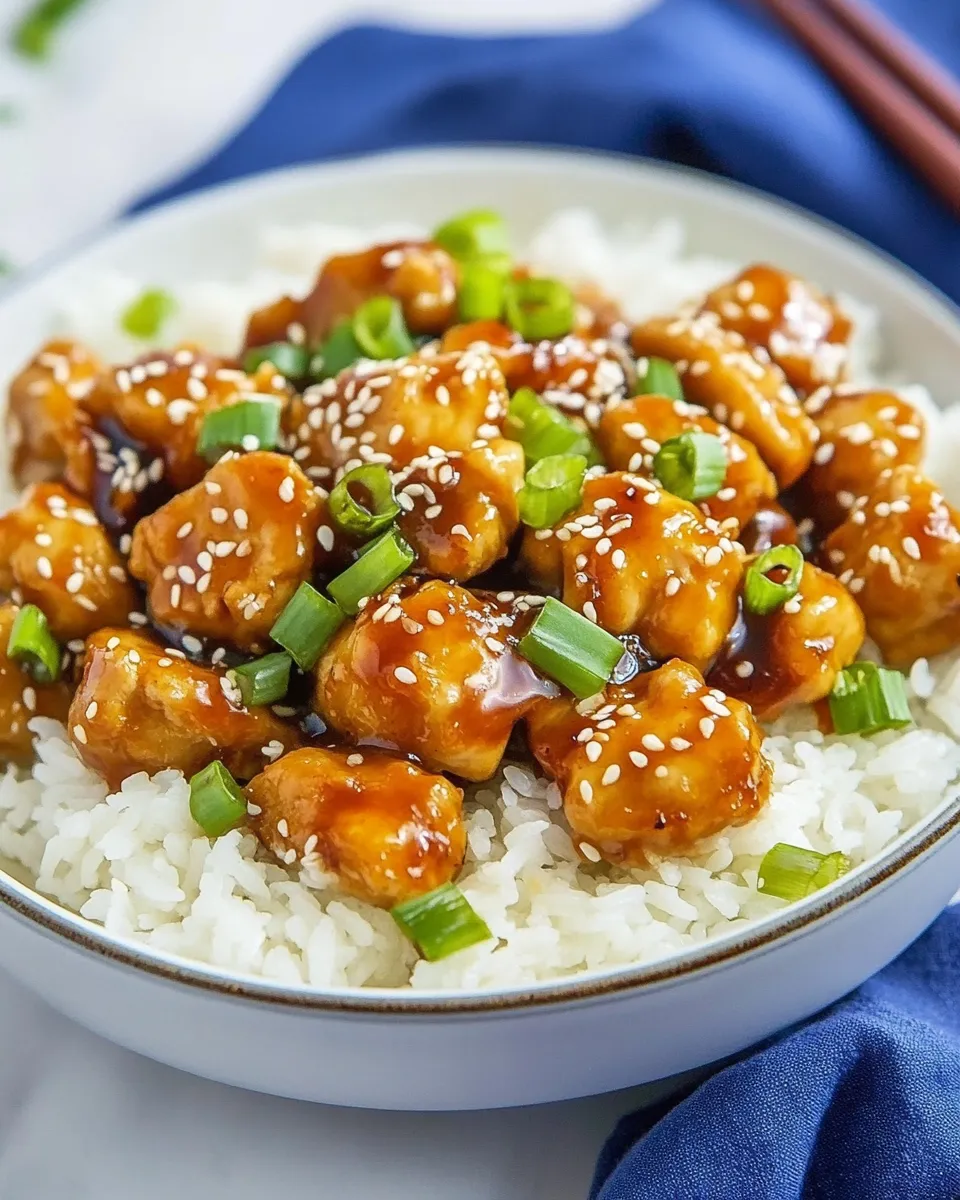
Sesame Chicken
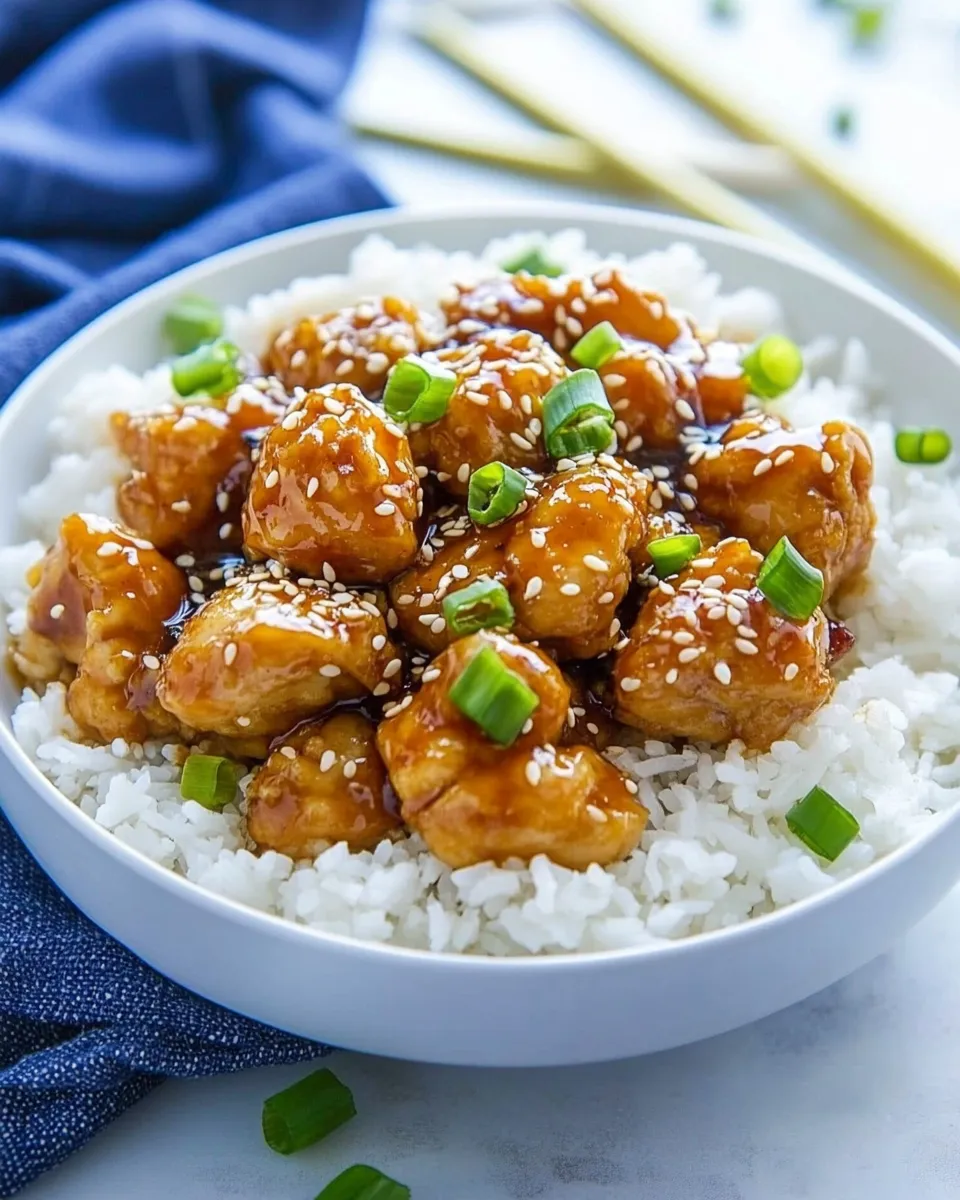
This sesame chicken recipe is the kind of weeknight winner I turn to when I want something that tastes like takeout but comes together in a home kitchen. It balances sweet honey, savory soy, and a clean sesame aroma, and the sauce clings to browned pieces of chicken for maximum flavor in every bite. There’s no deep frying here—just a quick pan-sear that keeps the process straightforward and the cleanup minimal.
I like to treat this as a modular recipe: follow the steps exactly for reliably good results, but feel free to tweak the garnish or the side to suit your household. The method emphasizes a glossy, thickened sauce and bite-sized chicken so it’s easy to serve over rice or with steamed vegetables. Read through the ingredients and directions once, then work steadily through each stage.
Below you’ll find the ingredient list (with quick notes), the step-by-step directions verbatim from the tested method, and practical sections on gear, troubleshooting, and useful swaps. No fluff—just what you need to get a restaurant-style sesame chicken on the table.
Ingredients at a Glance
- 2 1/2 tsp toasted sesame oil — provides a concentrated sesame aroma to start the sauce.
- 1 Tbsp finely minced garlic — adds sharp savory depth; mince fine so it releases quickly.
- 1 Tbsp finely minced, peeled fresh ginger — gives brightness and slight bite to the sauce.
- 1/2 cup low-sodium chicken broth, divided — used partly in the sauce and partly for the cornstarch slurry.
- 1/3 cup honey — the primary sweetener; creates the glossy finish for the sauce.
- 2 1/2 Tbsp soy sauce — brings salt and umami; low-sodium broth keeps the overall salt balanced.
- 1 tsp rice vinegar — adds a touch of acidity to brighten the sauce.
- 1 Tbsp cornstarch — for the sauce slurry to thicken the glaze.
- 1 1/2 lbs boneless skinless chicken breasts, diced into 1-inch pieces — bite-sized chicken cooks quickly and picks up the sauce evenly.
- 1/4 cup cornstarch — coats the chicken for a lightly crisp exterior when pan-seared.
- 2 large egg whites — helps the cornstarch adhere and creates a light coating on the chicken.
- 1/4 tsp each salt and white or black pepper — seasons the coating; white pepper works if you want a cleaner look.
- 3 Tbsp extra-light olive oil or vegetable oil — used in two batches to cook the chicken without burning the sauce.
- 1 Tbsp white sesame seeds — garnish for nuttiness and texture.
- 3 green onions, sliced — fresh garnish to finish the dish with color and mild bite.
Directions: (Sesame Chicken)
- Make the sauce: In a small saucepan, heat 2 1/2 tsp toasted sesame oil over medium heat. Add 1 Tbsp finely minced garlic and 1 Tbsp finely minced, peeled fresh ginger; sauté about 30 seconds until fragrant (do not let brown).
- Stir in 1/4 cup of the low-sodium chicken broth, 1/3 cup honey, 2 1/2 Tbsp soy sauce, and 1 tsp rice vinegar. Bring the mixture to a boil.
- In a liquid measuring cup, whisk the remaining 1/4 cup chicken broth with 1 Tbsp cornstarch until smooth. Pour this slurry into the simmering sauce, stir constantly, and allow the sauce to boil for 1 minute until thickened. Remove from heat and set aside.
- Prepare the chicken coating: In a medium bowl, whisk together 1/4 cup cornstarch, 2 large egg whites, 1/4 tsp salt, and 1/4 tsp white or black pepper until well blended and slightly frothy. Add 1 1/2 lbs diced chicken breasts and toss to coat evenly.
- Cook the chicken (first batch): Heat 1 1/2 Tbsp extra-light olive oil or vegetable oil in a 10-inch nonstick skillet over medium-high heat. Add about half the coated chicken in a single layer (do not overcrowd); tilt the pan as needed to distribute oil. Cook, turning pieces occasionally, until golden on the outside and cooked through, about 7 minutes (reduce heat to medium if browning too quickly). Transfer cooked chicken to a plate.
- Cook the chicken (second batch): Add the remaining 1 1/2 Tbsp oil to the skillet and cook the remaining chicken the same way; transfer to the plate with the first batch when done.
- Combine and finish: Return all cooked chicken to the skillet, pour the reserved sauce over the chicken, and toss to coat and heat through for 1–2 minutes.
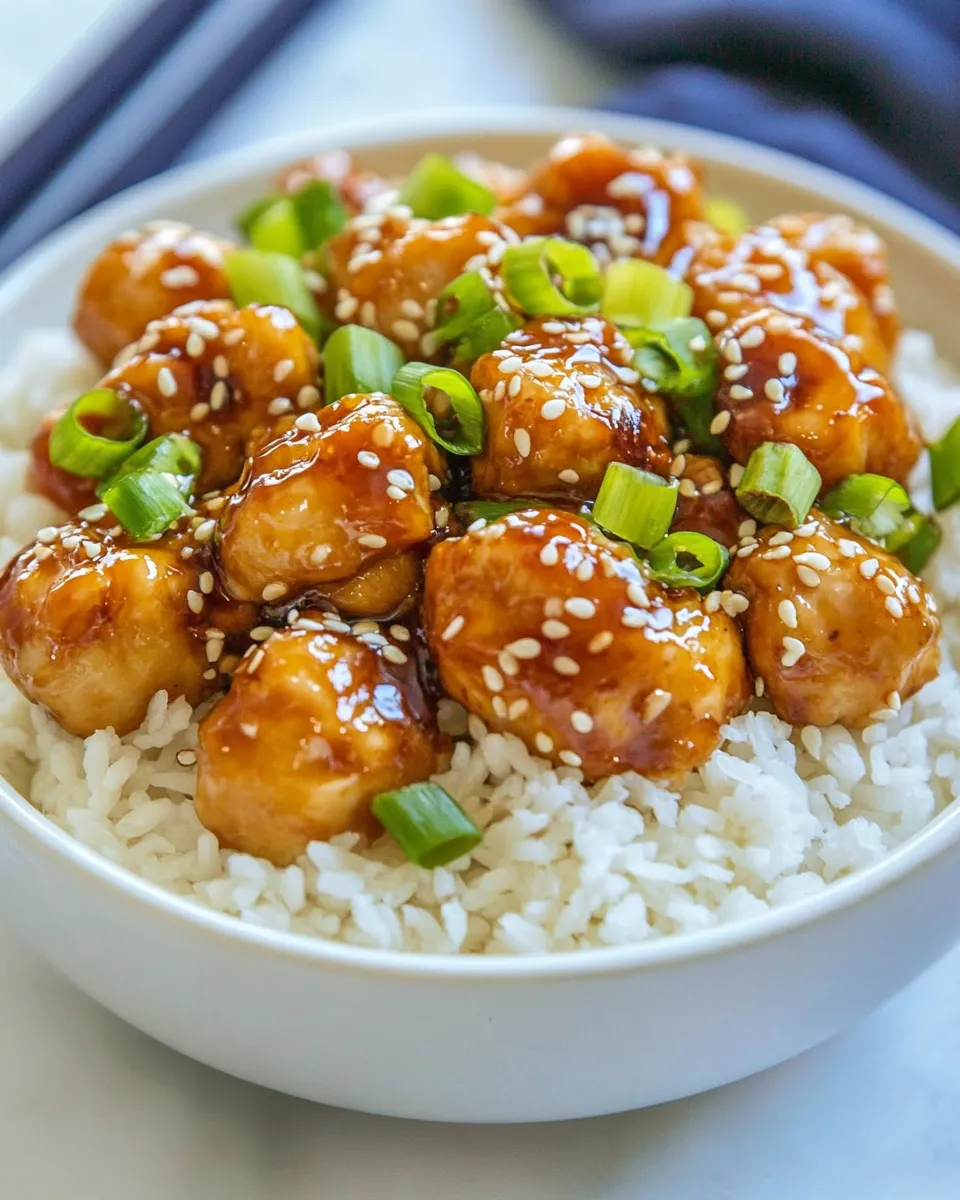
- Garnish and serve: Sprinkle with 1 Tbsp white sesame seeds and 3 sliced green onions. Serve warm.
Why It’s Crowd-Pleasing
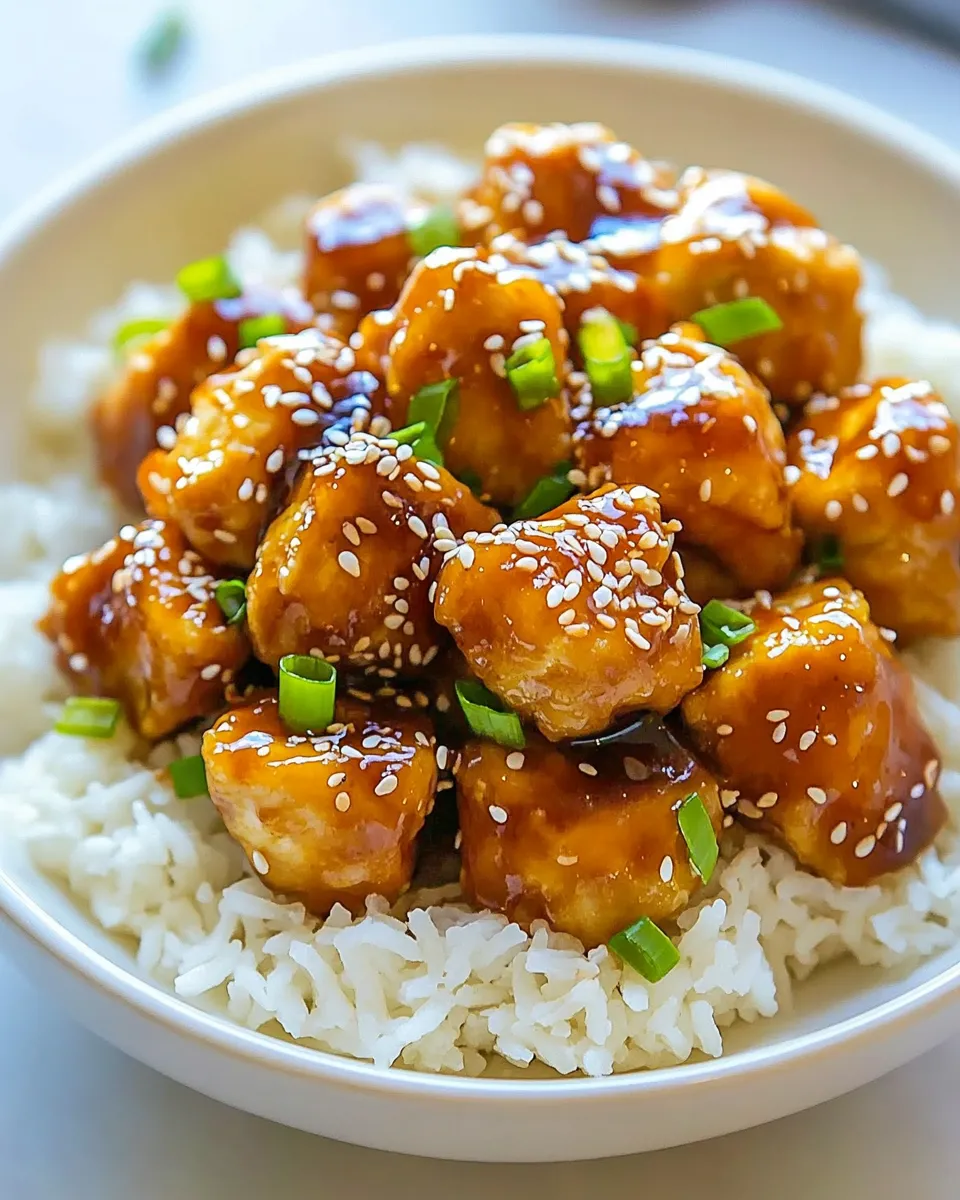
Sesame Chicken hits familiar flavor notes—sweet, salty, nutty—and presents them in a glossy, saucy form that clings to each piece. That texture contrast between the lightly coated exterior and tender chicken is what most people expect from a good sesame-chicken dish. The sauce is sweet without being cloying because the soy and vinegar balance it.
It’s also easy to scale and to serve family-style. Bite-sized chicken is finger-friendly and works well over steamed rice, fried rice, or with simple steamed broccoli on the side. The garnishes—sesame seeds and green onions—add both visual pop and a layer of fresh flavor that signals “finished” to the diner.
Vegan & Vegetarian Swaps
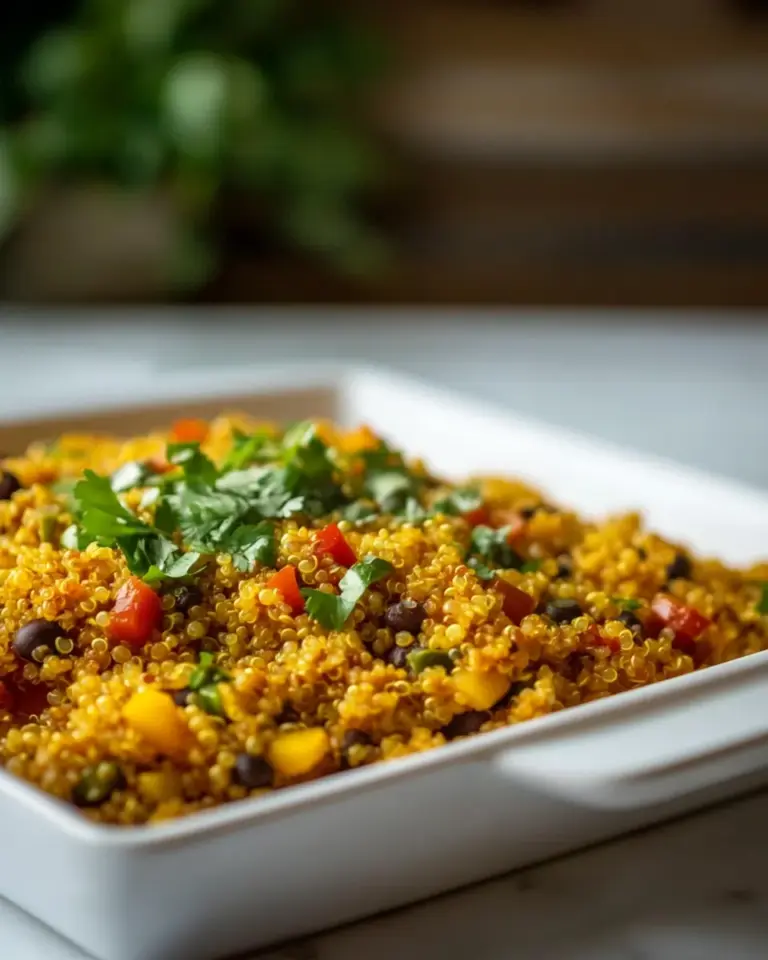
If you want to keep the same flavor profile without using chicken, use firm tofu or a meaty plant protein as the base. Press the tofu well so it browns and develops a similar texture when coated and pan-seared. You can also use mushrooms (thick slices or large-diced varieties like king oyster) for an earthy option that soaks up the sauce.
Keep the sauce components the same to maintain the sesame-honey-soy balance. For a fully vegan version, swap the egg whites with a neutral binder like a light aquafaba rinse (no quantities given here) or simply dust the tofu lightly with cornstarch before searing—this will still create a nice outer texture that the sauce can cling to.
What You’ll Need (Gear)
- Small saucepan — to make and thicken the sauce.
- 10-inch nonstick skillet — perfect size for cooking the chicken in two batches.
- Medium mixing bowl — to whisk the cornstarch and egg whites and coat the chicken.
- Liquid measuring cup — for mixing the cornstarch slurry smoothly.
- Tongs or a slotted spatula — to turn chicken pieces and drain excess oil when transferring.
- Sharp chef’s knife and cutting board — for dicing the chicken into 1-inch pieces and slicing green onions.
Watch Outs & How to Fix
Common problems and quick fixes
If the garlic or ginger starts to brown during the initial sauté, immediately lower the heat. Browned garlic tastes bitter and will throw off the sauce; if it’s gone too far, start the sauce over so the final glaze isn’t bitter.
If the sauce doesn’t thicken after you add the cornstarch slurry, simmer it a little longer while stirring constantly. Cornstarch takes a minute or so of boiling to fully activate. If it still won’t thicken, mix a tiny pinch more cornstarch with a splash of cold broth and add it, stirring briskly, until you reach the desired consistency.
If the chicken browns too fast on the outside and isn’t cooked through inside, reduce the heat to medium and continue cooking a bit longer; small dice should cook through in the time listed, but pan temperature and stove power vary. Cutting pieces evenly helps ensure uniform cooking.
Fresh Seasonal Changes
In spring and summer, serve this with a simple cucumber salad or snap peas to add a crisp, cooling element. In fall and winter, a side of roasted root vegetables or sautéed greens pairs nicely and adds heartiness to the meal.
You can also add small seasonal vegetables directly to the skillet near the end—thinly sliced bell peppers, snow peas, or shredded carrots will heat through in the 1–2 minutes while the sauce finishes coating the chicken. Just be mindful not to overload the pan; you want the sauce to stay glossy, not watery.
Little Things that Matter
Use toasted sesame oil rather than plain sesame oil; toasted has a deeper, nutty flavor that defines this dish. Mince the garlic and ginger very fine so their flavors release quickly without needing long sauté time. When coating the chicken, make sure each piece is evenly covered so the cornstarch creates a consistent crust.
Work in two batches when searing the chicken. Overcrowding the pan lowers the oil temperature and prevents even browning. Finally, toss the chicken in the sauce off-heat for a moment after it’s thickened to avoid overcooking the chicken and to keep the sauce shiny instead of breaking down.
Save for Later: Storage Tips
Store leftovers in an airtight container in the refrigerator. Reheat gently in a skillet over low heat with a splash of water or broth to refresh the sauce and keep the chicken from drying out. Microwaving works in a pinch, but short bursts at medium power with a cover will preserve texture better than blasting it.
For longer storage, you can freeze cooked chicken without the green onions and sesame seeds; thaw overnight in the refrigerator and reheat as above. If you freeze with the sauce, the texture changes slightly—reheating slowly will help restore the gloss.
Quick Questions
- Can I use dark meat like thighs? — Yes. Thighs stay juicier and tolerate higher heat, though cooking times may vary slightly.
- Why two different cornstarch amounts? — One tablespoon thickens the sauce when mixed into broth as a slurry; the larger 1/4 cup coats the chicken to give it a light crust for searing.
- Can I make the sauce ahead? — Yes. Make it, cool it, and refrigerate. Reheat gently and add to the chicken when warm.
- Is honey interchangeable? — Honey gives a particular flavor and gloss. You can substitute another liquid sweetener if needed, but the flavor will change.
Ready, Set, Cook
Set up your mise en place: garlic, ginger, chicken diced, cornstarch measured, and sauce ingredients at hand. Heat the pan and follow the steps in order. The method is straightforward—sauté aromatics, build and thicken the sauce, coat and sear the chicken in two batches, then combine and finish with sesame seeds and green onions. Work efficiently and you’ll have a glossy, crowd-pleasing sesame chicken on the table in under an hour.
If you try it, take note of what you change—swap a vegetable, use thighs, or test a vegan protein—and treat those notes like little experiments for the next time. This recipe rewards small adjustments and you’ll soon have a personal best version that your family will request again and again.
Sesame Chicken
Ingredients
Equipment
Method
- Make the sauce: In a small saucepan, heat 2 1/2 tsp toasted sesame oil over medium heat. Add 1 Tbsp finely minced garlic and 1 Tbsp finely minced, peeled fresh ginger; sauté about 30 seconds until fragrant (do not let brown).
- Stir in 1/4 cup of the low-sodium chicken broth, 1/3 cup honey, 2 1/2 Tbsp soy sauce, and 1 tsp rice vinegar. Bring the mixture to a boil.
- In a liquid measuring cup, whisk the remaining 1/4 cup chicken broth with 1 Tbsp cornstarch until smooth. Pour this slurry into the simmering sauce, stir constantly, and allow the sauce to boil for 1 minute until thickened. Remove from heat and set aside.
- Prepare the chicken coating: In a medium bowl, whisk together 1/4 cup cornstarch, 2 large egg whites, 1/4 tsp salt, and 1/4 tsp white or black pepper until well blended and slightly frothy. Add 1 1/2 lbs diced chicken breasts and toss to coat evenly.
- Cook the chicken (first batch): Heat 1 1/2 Tbsp extra-light olive oil or vegetable oil in a 10-inch nonstick skillet over medium-high heat. Add about half the coated chicken in a single layer (do not overcrowd); tilt the pan as needed to distribute oil. Cook, turning pieces occasionally, until golden on the outside and cooked through, about 7 minutes (reduce heat to medium if browning too quickly). Transfer cooked chicken to a plate.
- Cook the chicken (second batch): Add the remaining 1 1/2 Tbsp oil to the skillet and cook the remaining chicken the same way; transfer to the plate with the first batch when done.
- Combine and finish: Return all cooked chicken to the skillet, pour the reserved sauce over the chicken, and toss to coat and heat through for 1–2 minutes.
- Garnish and serve: Sprinkle with 1 Tbsp white sesame seeds and 3 sliced green onions. Serve warm.