Sheet Pan Sticky Gochujang Chicken Meatballs.
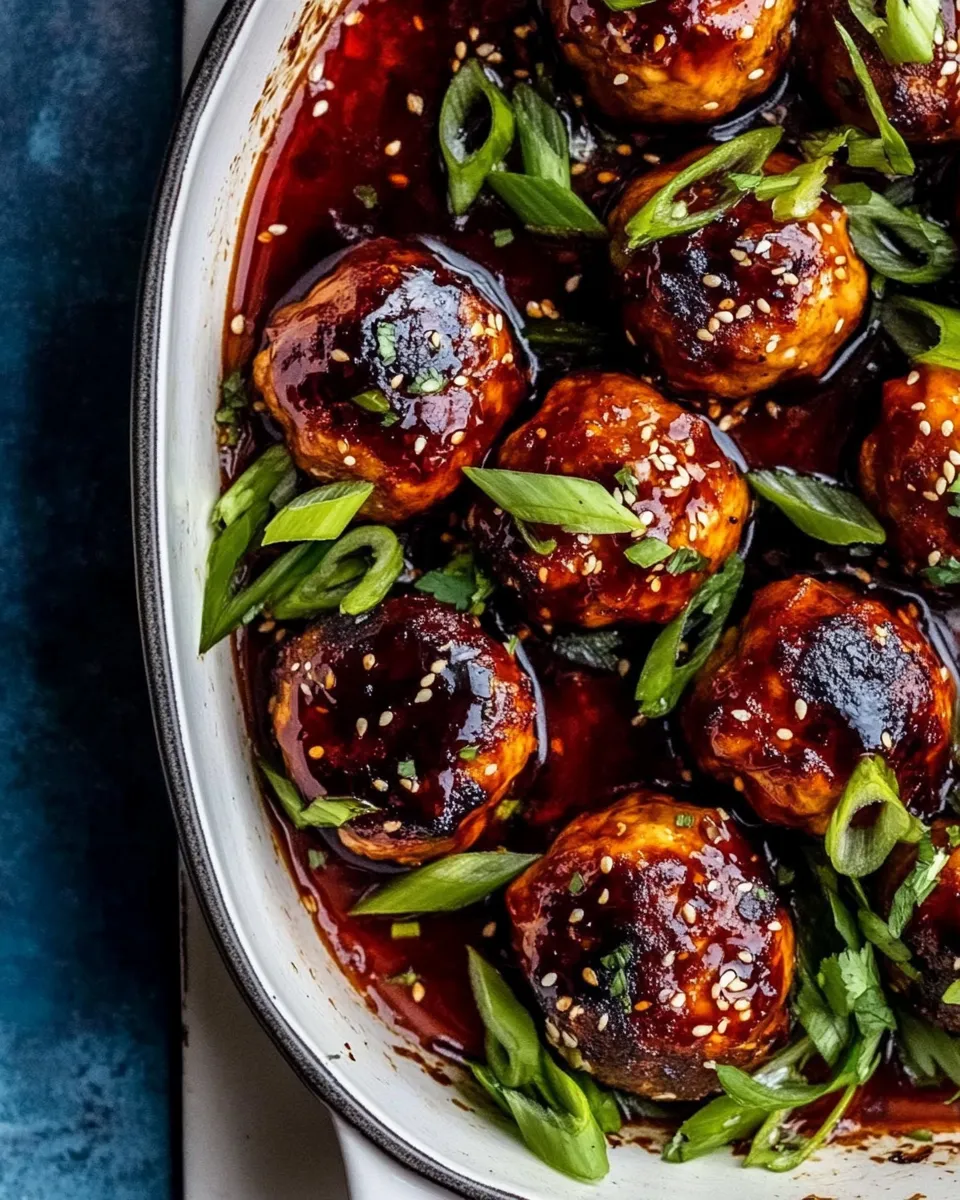
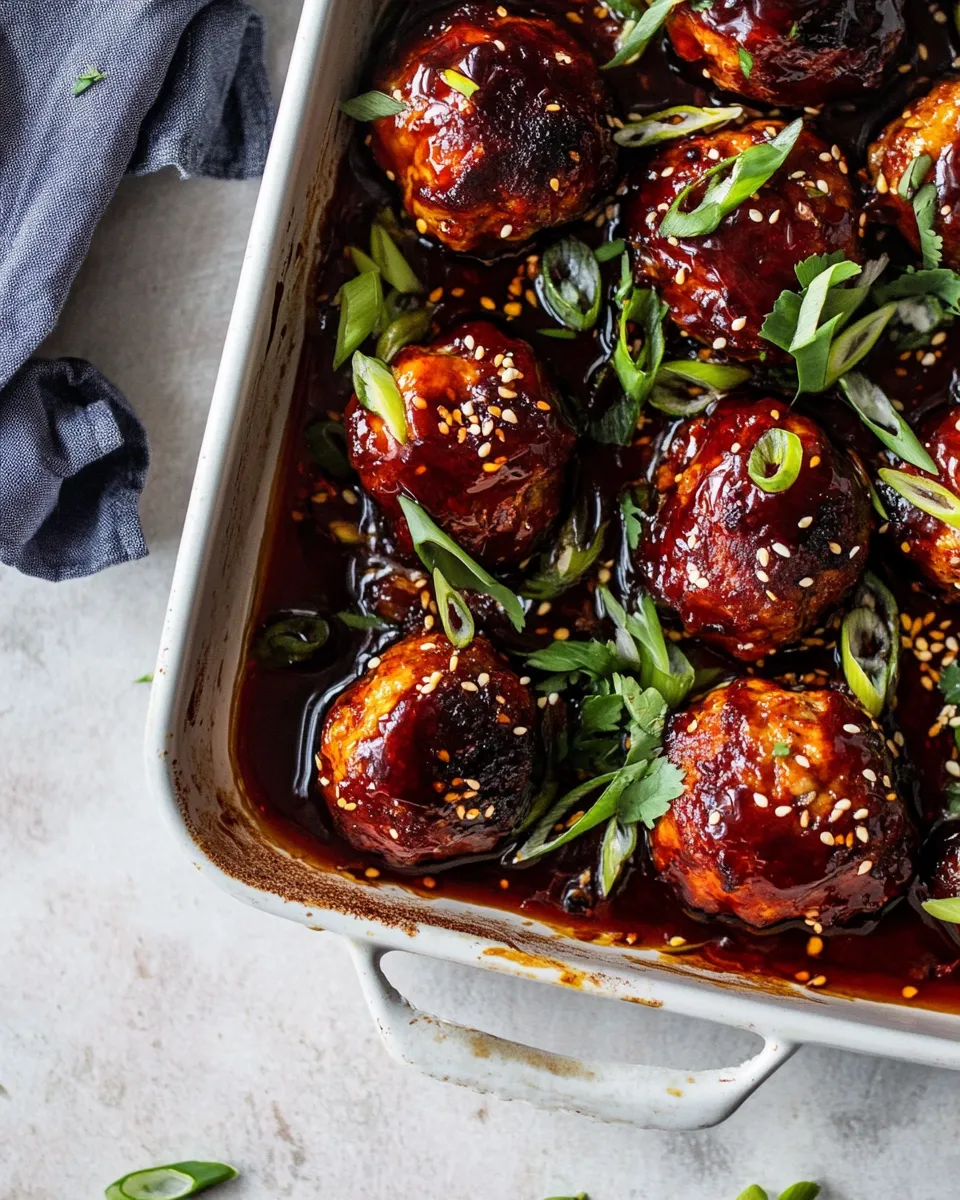
I love recipes that feel like a small miracle: minimal hands-on work, big flavor payoff, and a clean sheet pan at the end. These Sheet Pan Sticky Gochujang Chicken Meatballs do exactly that. They deliver sweet, savory, and spicy in one tidy roast, and the sauce clings to each little meatball like it was meant to be there.
There’s a rhythm to making this dish that I enjoy: mix, roll, roast, glaze, and finish. The broccoli roasts alongside the meatballs so you get caramelized green goodness without babysitting another pan. Serve everything over a bowl of rice, add a creamy drizzle, and you have a weeknight dinner that feels special but is shockingly simple.
Below I’ll walk through the ingredients, the exact steps, and the small choices that make this dish sing. If you like cooking that’s practical and satisfying, you’ll want to bookmark this one.
Ingredient Breakdown
Ingredients
- 1 pound ground turkey or chicken — lean, quick-cooking base for tender meatballs.
- 2 tablespoons low sodium soy sauce or tamari — salt and umami inside the meatballs.
- 1–2 tablespoons Gochujang (Korean chili paste) — brings heat and fermented depth; adjust the amount to taste.
- 3 green onions, finely chopped — freshness and mild onion flavor throughout the meat.
- 1 inch fresh ginger, grated — bright, warming spice for the meatballs and sauce.
- 1 clove garlic, minced or grated — savory backbone in the meat mixture.
- 1 large head broccoli, cut into florets — roastable vegetable that crisps and caramelizes in the oven.
- 2 tablespoons sesame oil or extra virgin olive oil — oil for rolling hands and tossing broccoli; sesame oil adds nuttiness.
- 1/3 cup low sodium soy sauce or tamari — base for the sticky Gochujang sauce.
- 2 tablespoons honey — balances heat with sweetness and helps the glaze set.
- 2 tablespoons rice vinegar — brightens the sauce and cuts through the richness.
- 1–2 tablespoons Gochujang (Korean chili paste) — additional gochujang for the glaze; match heat level to the meatball mix.
- 1 inch fresh ginger, grated — repeated in the sauce for continuity of flavor.
- 2 cloves garlic, grated — adds a stronger garlic presence in the glaze.
- 1 tablespoon toasted sesame oil — finishing fat for nutty aroma in the sauce.
- 1/4 cup plain Greek yogurt or avocado oil mayo — base for the creamy sauce to temper the glaze; pick yogurt for tang, mayo for richness.
- rice, sesame seeds, chiles, and Kimchi, for serving — rice is the neutral bed, sesame seeds add crunch, chiles add heat, and Kimchi provides bright, fermented contrast.
Make Sheet Pan Sticky Gochujang Chicken Meatballs: A Simple Method
- Preheat the oven to 450°F. Line a baking sheet with parchment paper.
- In a bowl, combine 1 pound ground turkey or chicken, 2 tablespoons low sodium soy sauce or tamari, 1–2 tablespoons Gochujang, 3 finely chopped green onions, 1 inch grated fresh ginger, and 1 clove minced or grated garlic. Mix until just combined.
- Lightly oil your hands with a little of the 2 tablespoons sesame oil or extra virgin olive oil, then roll the meat mixture into rounded tablespoon-size meatballs (about 15–16). Place the meatballs on one side of the prepared baking sheet.
- Add the large head of broccoli florets to the other side of the baking sheet and toss the broccoli with the 2 tablespoons sesame oil or extra virgin olive oil.
- Roast the meatballs and broccoli in the preheated oven for 15 minutes, until the meatballs are cooked through and the broccoli is roasted to your liking.
- While the sheet is in the oven, make the sticky Gochujang sauce: in a small pot combine 1/3 cup low sodium soy sauce or tamari, 2 tablespoons honey, 2 tablespoons rice vinegar, 1–2 tablespoons Gochujang, 1 inch grated fresh ginger, 2 cloves grated garlic, and 1 tablespoon toasted sesame oil. Bring to a boil, then reduce heat and simmer until the sauce thickens slightly, about 4–5 minutes. Remove from heat.
- Remove the baking sheet from the oven. Transfer the broccoli to a plate or bowl and set aside.
- Pour about half of the sticky Gochujang sauce over the meatballs on the baking sheet and toss or spoon to coat evenly. Return the meatballs to the oven for 2–3 minutes to set the glaze.
- In a small bowl, stir 2–3 tablespoons of the remaining sticky Gochujang sauce into 1/4 cup plain Greek yogurt or avocado oil mayo to make a creamy sauce.
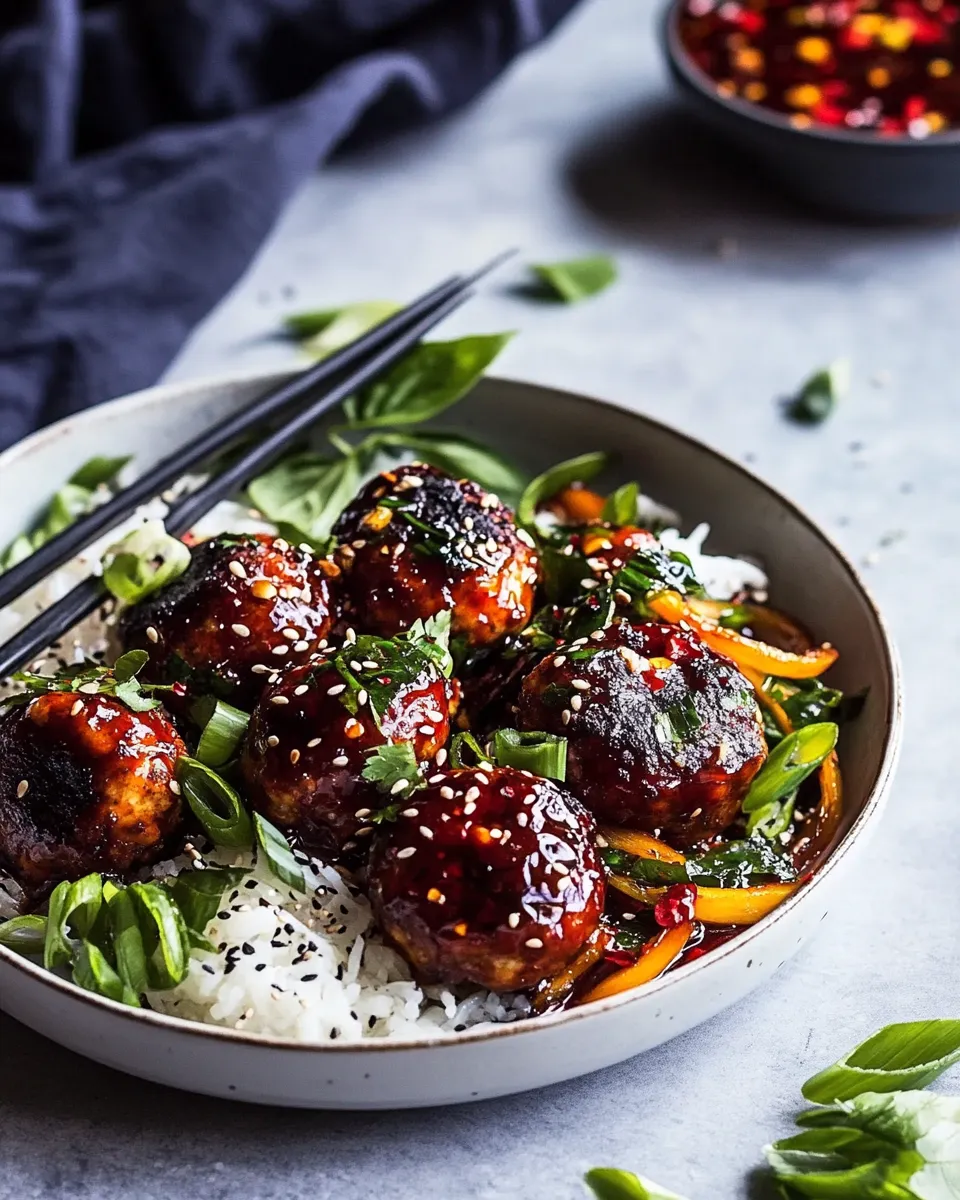
- Serve the glazed meatballs over rice, spoon any extra glaze from the sheet over them, and garnish with sesame seeds and chiles as desired. Serve the roasted broccoli and Kimchi on the side.
Why This Recipe is a Keeper
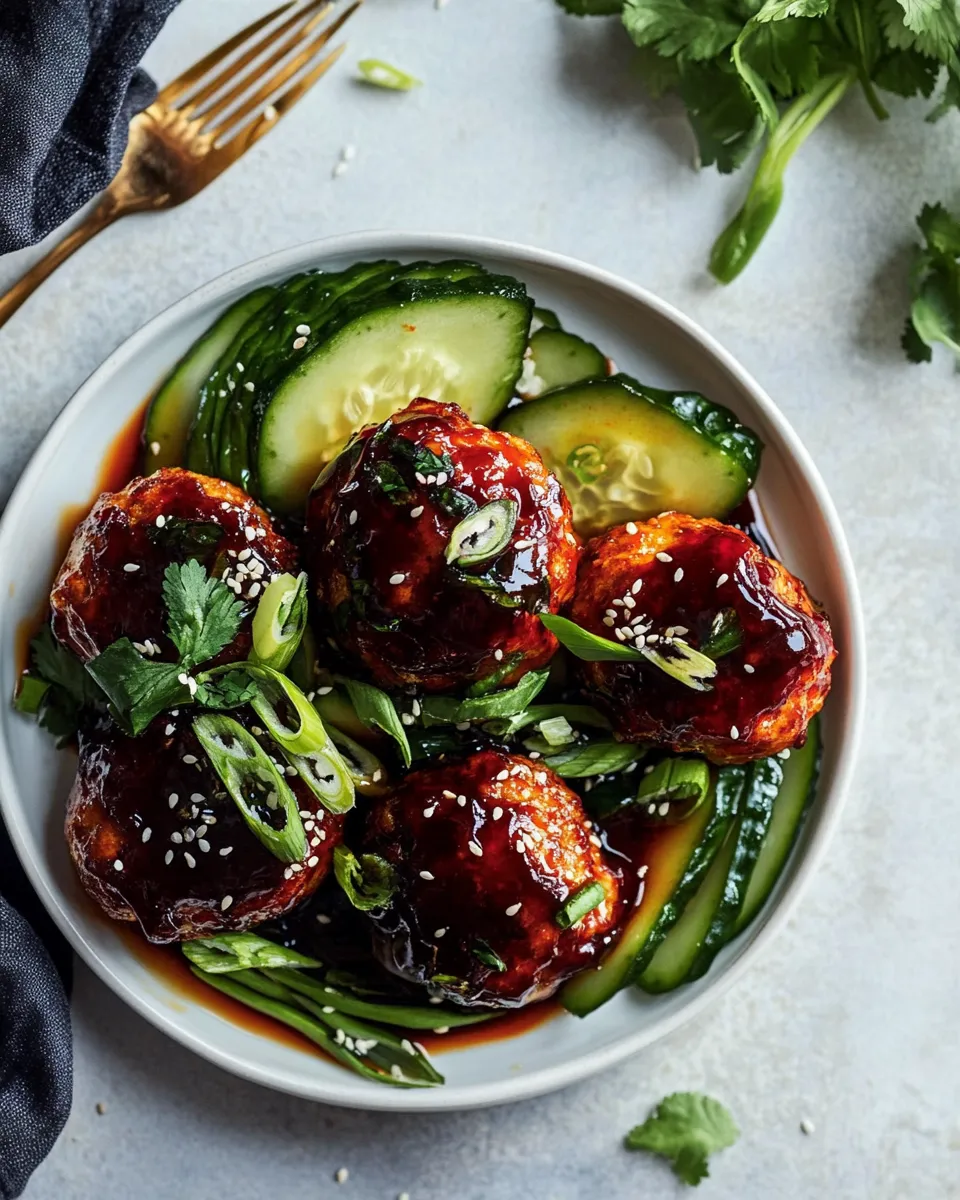
It’s efficient without feeling cheap. Ground poultry cooks quickly and stays moist when you use the glaze and a short roasting time. The sauce is bold enough to carry the dish, so you don’t need complicated seasonings in the meat. Gochujang gives fermented complexity—it’s spicy, sweet, and savory all at once—so five or six pantry ingredients turn into something that tastes like you spent more time on it than you did.
Texture matters here. The little roasted meatballs pick up color on the outside while staying tender inside. The florets get crisped edges and a slightly sweet char. The glaze sets up quickly in the hot oven so you get that sticky coating that makes bowls irresistible. And because most of the work can be done while the meat is roasting, this easily fits into busy evenings.
Quick Replacement Ideas
- Ground poultry swap — use either type listed: the recipe allows turkey or chicken. No need to change quantities.
- Oils — use sesame oil for nuttiness; extra virgin olive oil works for a neutral roast if you don’t have sesame.
- Yogurt or mayo — use the 1/4 cup option listed depending on whether you want tang (Greek yogurt) or creaminess (avocado oil mayo).
- Soy sauce — low sodium soy sauce or tamari are both specified; pick tamari for gluten-free.
- Serving sides — rice is listed; cauliflower rice could be used in place of rice if you need lower carbs.
Must-Have Equipment
- Baking sheet — one sturdy sheet large enough to keep meatballs and broccoli separated.
- Parchment paper — for easy cleanup and to prevent sticking.
- Mixing bowl — to gently combine meatball ingredients without overworking.
- Small pot — to reduce and thicken the sticky Gochujang sauce.
- Measuring spoons and cups — accurate quantities make sure the balance of sweet, salty, and spicy is right.
- Grater or microplane — for the ginger (and garlic if you prefer grating).
Avoid These Traps
Overmixing the meat will make dense meatballs. Mix just until the ingredients come together. Use light hands when rolling so they stay tender.
Don’t skip the parchment or a well-oiled sheet. The glaze is sticky by design; it sets up better on a clean, non-stick surface and keeps cleanup simple.
Be careful with Gochujang amounts. It’s bold and fermented—start with the lower amount (1 tablespoon) if you’re unsure and taste the sauce before glazing. You can always add more but you can’t take it away once mixed into the meat.
Adaptations for Special Diets
Gluten-free: Use tamari in place of low sodium soy sauce. Tamari is listed as an option in the recipe.
Dairy-free: Use avocado oil mayo (the recipe lists this as an option) instead of Greek yogurt for the creamy sauce.
Low-carb: Serve over cauliflower rice instead of regular rice. All other ingredients stay the same.
Milder heat: Use 1 tablespoon of Gochujang in the meat and sauce, and taste before adding more. The honey and rice vinegar help balance heat, so small adjustments work well.
Cook’s Notes
Rolling the meatballs
Lightly oiling your hands with the same oil you’ll toss the broccoli in keeps the mixture from sticking and adds a little flavor without adding liquid to the meat.
Sauce consistency
When simmering the sauce, you want it to thicken slightly—not into a paste. It should coat the back of a spoon. It continues to reduce a bit while you glaze and reheat the meatballs in the oven, so stop when it’s slightly glossy and loose.
Finishes and garnishes
The recipe calls for sesame seeds and chiles as garnishes. Toast sesame seeds briefly in a dry pan to deepen flavor. Thinly sliced chiles add a fresh pop of heat—if you have them on hand, they look lovely on top.
Shelf Life & Storage
Refrigerate any leftovers in an airtight container for up to 3 days. Reheat gently in a 325°F oven until warmed through, spooning any extra sauce over the meatballs to keep them moist. The sauce will thicken and intensify in the fridge; thin with a splash of water or rice vinegar when reheating if needed.
For longer storage, freeze cooked meatballs and sauce separately in freezer-safe containers for up to 2 months. Thaw in the refrigerator overnight before reheating.
Ask the Chef
Q: Can I make these ahead?
A: Yes. Form the meatballs and keep them uncooked, covered in the fridge for up to a day before roasting. You can also roast everything, cool, and then reheat with fresh sauce for service.
Q: What if I don’t have Gochujang?
A: The recipe relies on gochujang’s particular sweet-fermented heat. You could experiment by combining miso, chili paste, and a touch of sugar, but results will differ. If you plan substitutions, taste and adjust the honey and vinegar to balance flavors.
Q: My meatballs fall apart in the oven. Why?
A: Overworking the meat, using too little binder (not an issue in this recipe), or rolling them too loosely can cause breakage. Press them gently and keep them compact but not squashed.
Time to Try It
Make a plan: it’s a 20–25 minute hands-on evening with a quick glaze to finish. Preheat your oven, gather the ingredients laid out above, and let the oven do most of the work. The result is saucy, slightly sticky meatballs with roasted broccoli and a creamy, cooling drizzle—simple, bold, and reliably satisfying.
Try it tonight and tell me how you adjusted the heat or which side you served with rice. I’m always excited to hear small tweaks that become permanent favorites.
Sheet Pan Sticky Gochujang Chicken Meatballs.
Ingredients
Equipment
Method
- Preheat the oven to 450°F. Line a baking sheet with parchment paper.
- In a bowl, combine 1 pound ground turkey or chicken, 2 tablespoons low sodium soy sauce or tamari, 1–2 tablespoons Gochujang, 3 finely chopped green onions, 1 inch grated fresh ginger, and 1 clove minced or grated garlic. Mix until just combined.
- Lightly oil your hands with a little of the 2 tablespoons sesame oil or extra virgin olive oil, then roll the meat mixture into rounded tablespoon-size meatballs (about 15–16). Place the meatballs on one side of the prepared baking sheet.
- Add the large head of broccoli florets to the other side of the baking sheet and toss the broccoli with the 2 tablespoons sesame oil or extra virgin olive oil.
- Roast the meatballs and broccoli in the preheated oven for 15 minutes, until the meatballs are cooked through and the broccoli is roasted to your liking.
- While the sheet is in the oven, make the sticky Gochujang sauce: in a small pot combine 1/3 cup low sodium soy sauce or tamari, 2 tablespoons honey, 2 tablespoons rice vinegar, 1–2 tablespoons Gochujang, 1 inch grated fresh ginger, 2 cloves grated garlic, and 1 tablespoon toasted sesame oil. Bring to a boil, then reduce heat and simmer until the sauce thickens slightly, about 4–5 minutes. Remove from heat.
- Remove the baking sheet from the oven. Transfer the broccoli to a plate or bowl and set aside.
- Pour about half of the sticky Gochujang sauce over the meatballs on the baking sheet and toss or spoon to coat evenly. Return the meatballs to the oven for 2–3 minutes to set the glaze.
- In a small bowl, stir 2–3 tablespoons of the remaining sticky Gochujang sauce into 1/4 cup plain Greek yogurt or avocado oil mayo to make a creamy sauce.
- Serve the glazed meatballs over rice, spoon any extra glaze from the sheet over them, and garnish with sesame seeds and chiles as desired. Serve the roasted broccoli and Kimchi on the side.