Shrimp Fried Rice Recipe
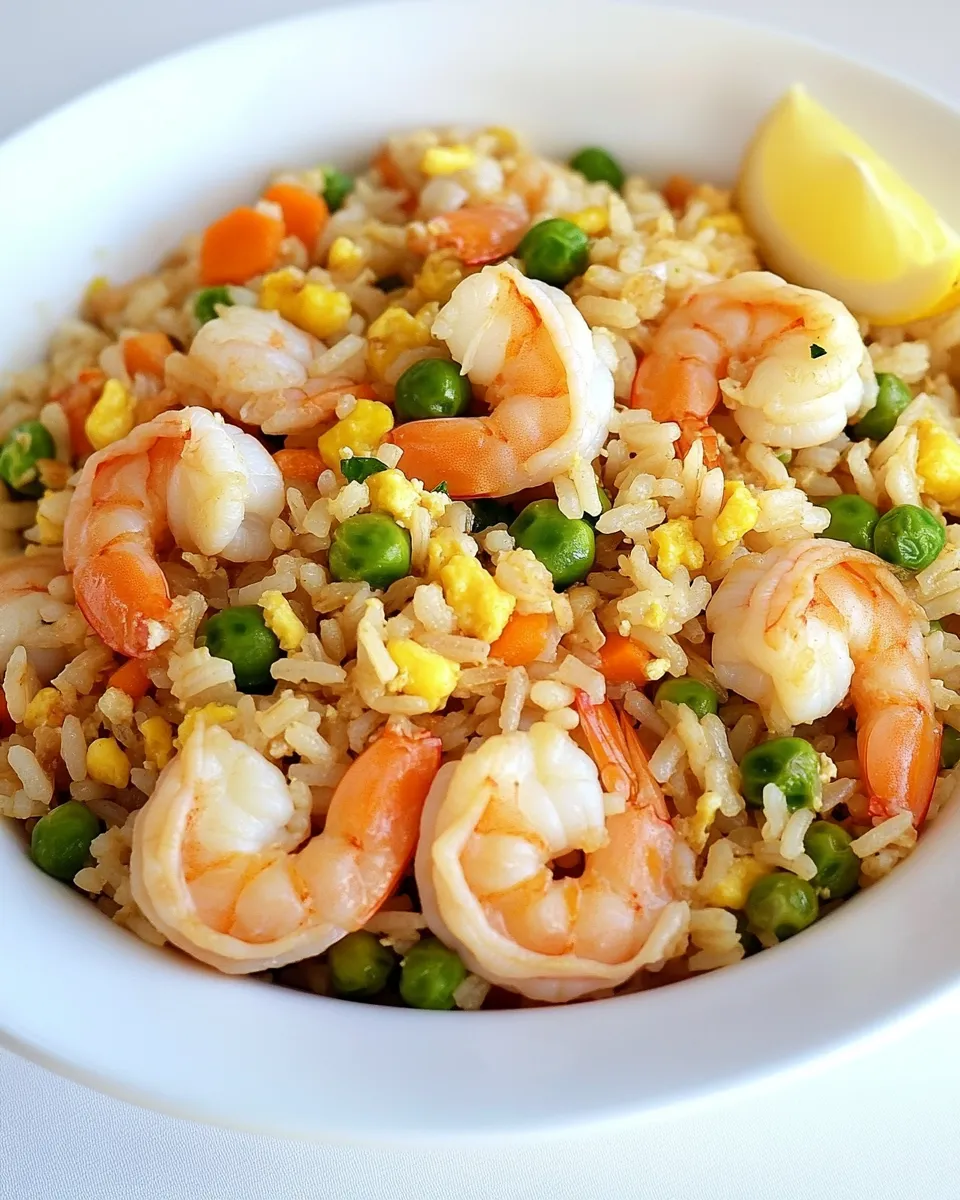
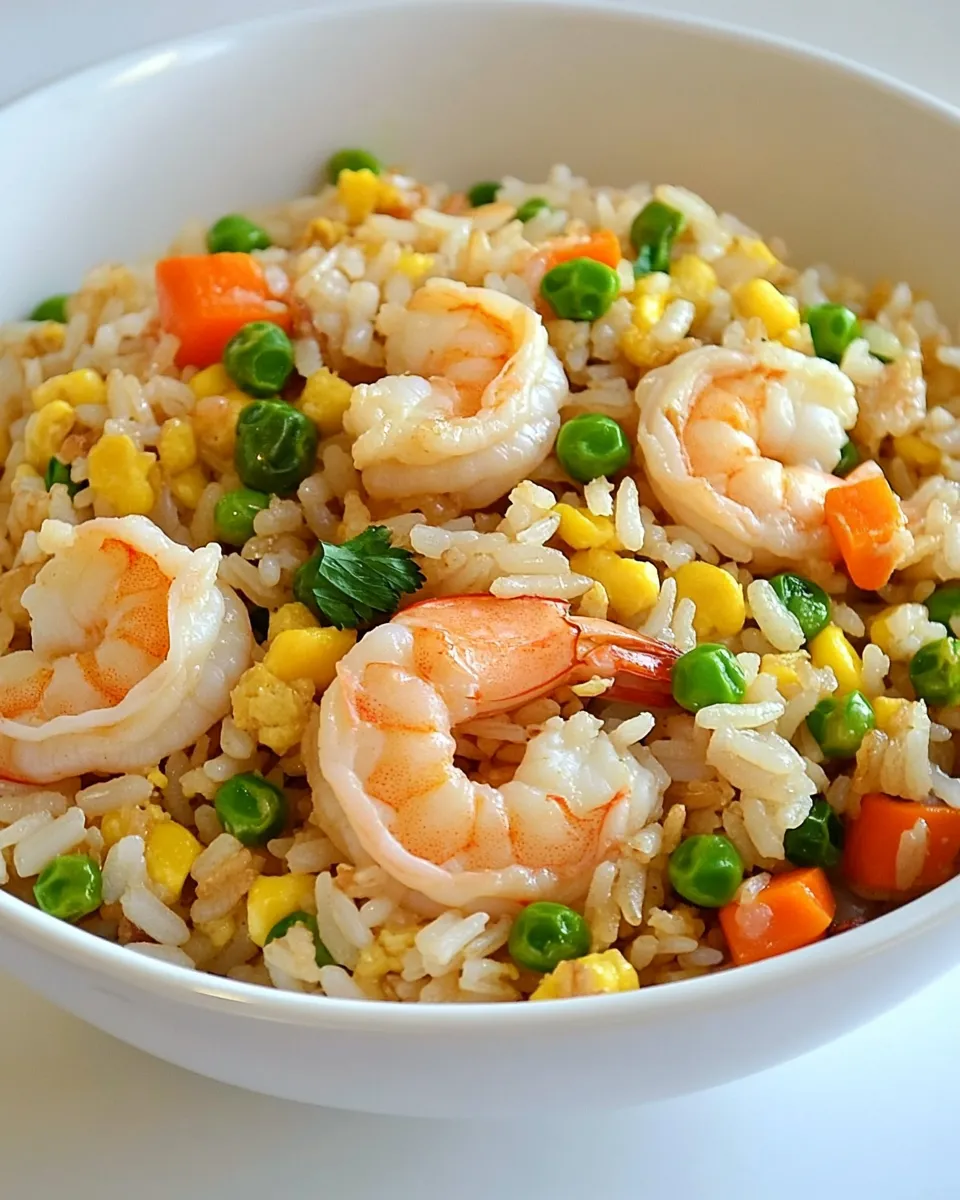
This shrimp fried rice is the kind of weekday magic I keep in my back pocket. It turns leftover rice into a full meal with just a few pantry staples and a quick minute at the stove. The shrimp get a light cornstarch coating and a short, hot sear so they stay tender. Eggs and scallions fold in for color and texture, and a finishing splash of sesame oil gives everything a warm, savory lift.
I make this when I want dinner on the table fast but not sloppy. The method is straightforward: marinate the shrimp briefly, scramble the eggs, then stir-fry rice on high heat so the grains separate and get a little crisp. The recipe was designed to use what you already cooked earlier—so no special shopping required if you keep some rice in the fridge.
Below is a clear ingredients breakdown and the step-by-step directions you can follow exactly. I also keep notes on common mistakes, equipment that saves time, and simple adjustments you can make if something’s off. Read through once, then follow the steps and you’ll have a bowl of hot, balanced fried rice in about 20 minutes.
What Goes Into Shrimp Fried Rice
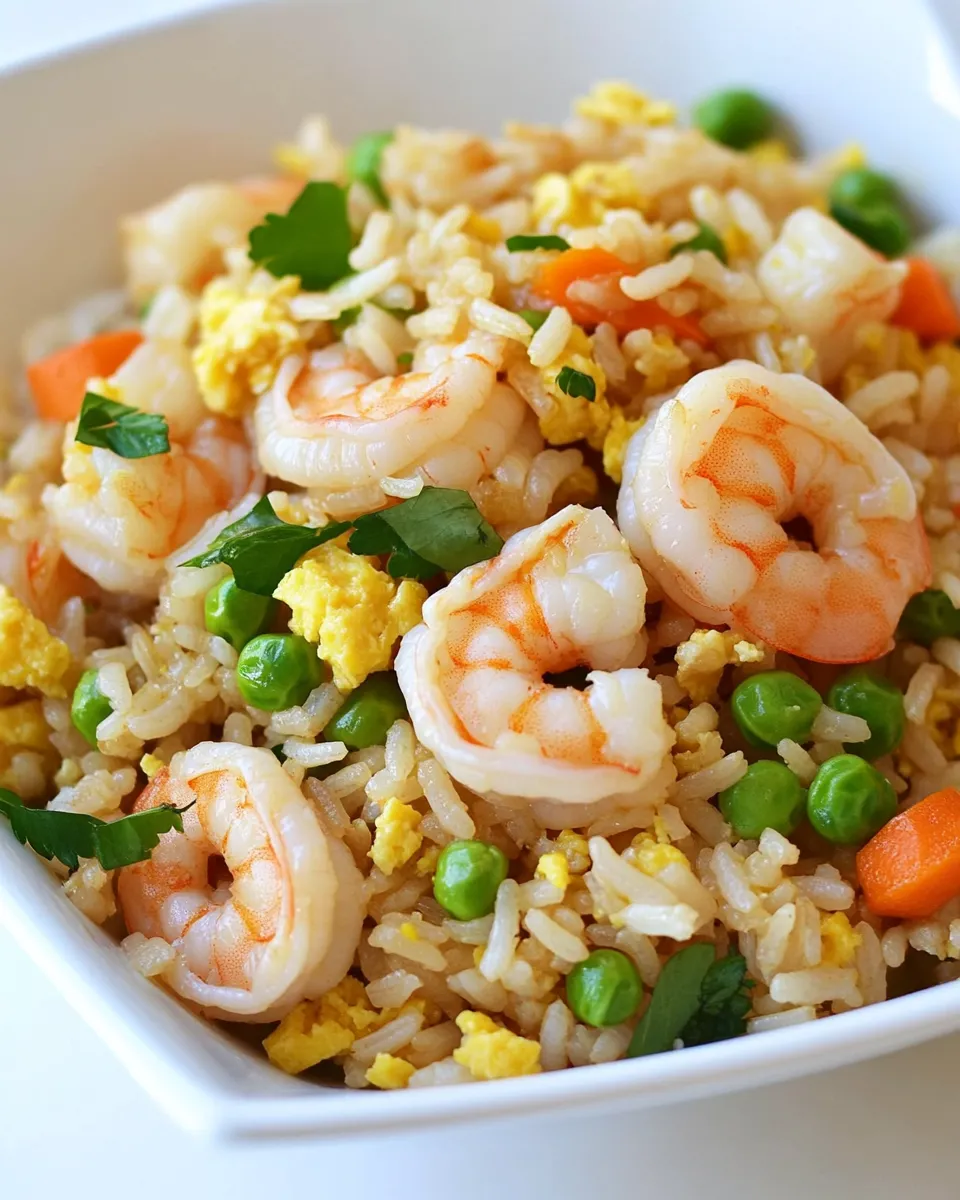
- 8ouncessmall uncooked shrimp, shelled and deveined — the main protein; pat dry before marinating so they sear instead of steam.
- 1/4teaspoonsalt (or 1/2 tsp kosher salt) — seasons the shrimp during the short marinate so they’re flavorful without over-salting.
- freshly ground black pepper — adds mild heat and aroma; adjust to taste at the end as well.
- 1/2teaspooncornstarch — helps the shrimp develop a silky exterior and hold moisture under high heat.
- 2tablespoonscooking oil (divided) — divided so you can use some for the shrimp and some for the rice; neutral oil with a high smoke point works best.
- 3eggs, beaten in a small bowl — scrambled in the pan for pockets of soft, savory curds that mix through the rice.
- 2stalksscallion or green onion, minced — aromatic and bright; add near the start of the rice cooking so their flavor softens without burning.
- 4cupspreviously cooked leftover rice, grains separated well — day-old or well-cooled rice is ideal because the grains are drier and separate when stir-fried.
- 3/4cupfrozen carrots and peas, defrosted — a quick way to add color, texture, and a touch of sweetness; thaw fully so they don’t cool the pan.
- 1tablespoonsoy sauce (use gluten-free soy sauce if you are making a gluten-free version) — provides the umami backbone; drizzle around the rice so it distributes evenly.
- 1teaspoonsesame oil — used at the end for fragrance; a little goes a long way.
Shrimp Fried Rice — Do This Next
- In a bowl, combine 8 ounces small uncooked shrimp (shelled and deveined) with 1/4 teaspoon salt (or 1/2 tsp kosher salt), freshly ground black pepper (to taste), and 1/2 teaspoon cornstarch. Toss to coat and let marinate at room temperature for 10 minutes.
- Beat 3 eggs in a small bowl and set aside. Mince 2 stalks scallion or green onion and set aside. Make sure 4 cups previously cooked leftover rice are separated so the grains are loose (break up any clumps). Defrost 3/4 cup frozen carrots and peas if not already defrosted.
- Heat a wok or large sauté pan over high heat. When a bead of water sizzles and evaporates on contact, add 1 tablespoon of the 2 tablespoons cooking oil and swirl to coat the pan.
- Add the shrimp in a single layer, spreading them so they do not overlap. Let them cook untouched 30 seconds, flip each shrimp, and cook another 30 seconds, or until about 80% cooked through. Remove the shrimp to a plate, leaving as much oil in the pan as possible.
- Reduce the heat to medium. Add the beaten eggs to the pan and stir quickly to scramble into small curds. When the eggs are almost cooked but still slightly runny in places, transfer them to the same plate as the shrimp.
- Use a paper towel to wipe the pan clean (no need to wash), then return the pan to high heat. Add the remaining 1 tablespoon cooking oil and swirl to coat.
- When the oil is very hot, add the minced scallions/green onions and stir-fry about 15 seconds, until fragrant.
- Add the 4 cups separated rice and stir to mix with the green onions. Spread the rice out over the surface of the wok or pan and let it sit, undisturbed, until you hear the grains sizzle on the bottom, about 1–2 minutes. Use a spatula to toss and spread the rice again so it heats evenly.
- Drizzle 1 tablespoon soy sauce evenly around the rice and toss to distribute. Add the 3/4 cup defrosted carrots and peas, the scrambled eggs, the cooked shrimp, and 1 teaspoon sesame oil. Toss everything together until evenly combined and heated through.
- Taste and adjust seasoning with additional freshly ground black pepper and, if needed, a small pinch more salt. Serve immediately.
Why This Shrimp Fried Rice Stands Out
This recipe follows a classic, reliability-first approach: quick shrimp sear, separate egg scramble, then a high-heat finish with rice. That sequence keeps textures distinct—tender shrimp, soft egg curds, and individual rice grains that have a little sizzle on their edges. It’s efficient, so you’re not doing multiple pans at once, and each ingredient plays a clear role.
The half-teaspoon of cornstarch in the shrimp marinade is a small technical touch that matters. It forms a thin protective layer that locks in juices and gives the shrimp a silky bite instead of a rubbery one. Likewise, using previously cooked rice (and breaking up clumps) prevents steam from making the dish gummy. Finally, the sesame oil finish is about aroma: a teaspoon at the end lifts the whole pan without overpowering the soy sauce.
No-Store Runs Needed
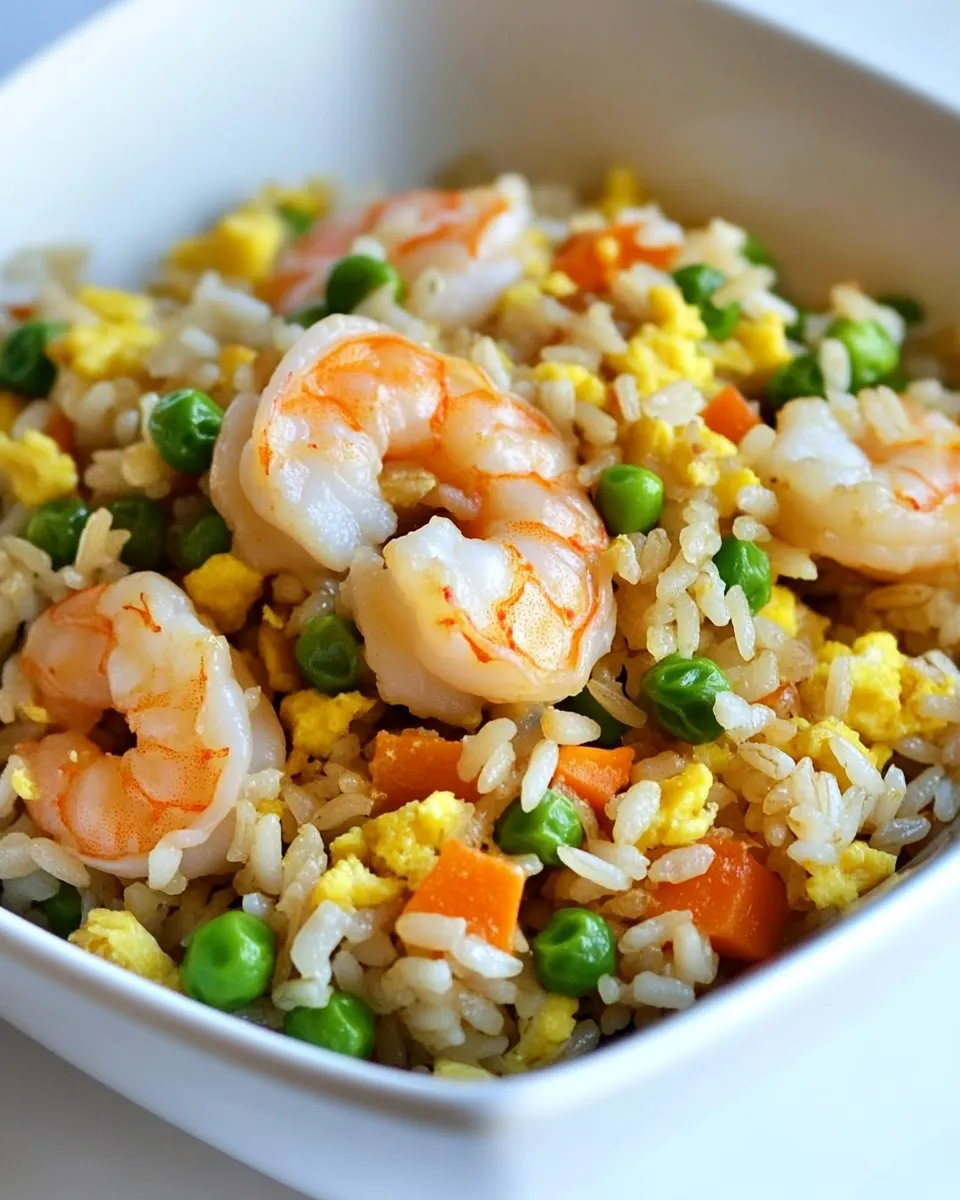
This recipe is built to work with what’s likely already in your fridge and freezer. If you keep leftover rice and a small bag of frozen vegetables on hand, you’re set. The eggs and scallions are common staples, and most kitchens have neutral oil, salt, and pepper. If you’re making it gluten-free, the ingredient list already notes the soy sauce swap—so you don’t have to make a special trip.
Must-Have Equipment
- Wok or large sauté pan — wide surface and high sides let you move rice around and get a good sizzle.
- Spatula or wok spatula — for tossing and scraping without smashing the rice.
- Small bowl — for beating the eggs and keeping them ready to pour into the hot pan.
- Plate — to rest cooked shrimp and eggs while you clean and reheat the pan.
- Paper towel — quick wipe between stages keeps flavors clean and prevents burning bits from carrying over.
Pitfalls & How to Prevent Them
Here are common missteps and the fixes that keep this recipe straightforward:
- Clumpy rice: Break any clumps before you begin or press the rice through a fork. Spread it out in the pan so moisture evaporates and grains separate.
- Overcooked shrimp: Shrimp cook fast. The instructions call for searing 30 seconds per side until about 80% done—finish them in the final toss to avoid toughness.
- Soggy vegetables: Make sure frozen carrots and peas are defrosted and drained so they don’t cool the pan or add excess water.
- Flat flavor: Taste at the end and adjust with freshly ground black pepper and a tiny extra pinch of salt if needed. The soy and sesame oil should be balanced, not dominant.
In-Season Swaps
Work with what’s fresh and available, while keeping the method intact. If you have fresh peas and diced carrots, use them in place of frozen—just add them a touch earlier so they cook through. If your rice is short-grain but well-cooled, the method still works; just be gentler when tossing so the grains don’t mash.
What Could Go Wrong
When things don’t turn out, it’s almost always a texture or timing issue. If the rice is mushy, it likely had too much moisture—either from freshly cooked rice or from icy vegetables. Let rice cool fully next time and make sure frozen veggies are completely thawed. If the shrimp are rubbery, they were overcooked; shorten the sear or pull them earlier.
If you get burnt bits in the pan, wipe it cleaner between protein and rice as the recipe instructs. That small paper towel wipe prevents smoky flavors from taking over. And if the final dish tastes flat, try a tiny pinch more salt or an extra crack of black pepper before serving—small adjustments make a big difference.
Freezer-Friendly Notes
You can freeze cooked shrimp fried rice, but expect a slight shift in texture. Cool it completely, then spread it in a shallow container or freezer-safe bag and press flat so it freezes evenly. It will keep for 1–2 months.
To reheat, thaw in the refrigerator overnight if possible, then reheat in a hot pan with a splash of oil or a teaspoon of water to loosen the grains. Reheat quickly on medium-high until the rice is hot through. Avoid the microwave if you want to preserve grain separation; a hot pan will revive some of the original texture.
Shrimp Fried Rice Q&A
- Can I use freshly made rice? You can, but freshly cooked rice tends to be too moist and clump. If you must, spread it on a tray to cool and dry briefly before stir-frying.
- How do I know when the shrimp are done? They should turn opaque and curl slightly. The recipe sears until 80% cooked, then finishes them in the final toss so they stay tender.
- Can I make this gluten-free? Yes—use the gluten-free soy sauce option noted in the ingredients list.
- What if my rice is cold from the fridge? Cold rice is actually ideal. Break up any clumps and add it straight to the hot pan as directed.
- Do I have to use sesame oil? Sesame oil is used here as a finishing flavor. If you don’t have it, you can omit it, but the nutty aroma will be missing.
Serve & Enjoy
Serve this shrimp fried rice hot right out of the pan. Give it a final taste and, if you like, crack more black pepper over the top and scatter any reserved scallion greens. The dish stands on its own as a complete meal, but it also pairs well with a simple side if you want to round things out.
Follow the steps as written and pace the stages: shrimp, eggs, wipe, high heat for the rice. Keep ingredients prepped and within reach. That rhythm—the short marinate, quick sear, gentle scramble, and hot final toss—delivers a reliably balanced bowl every time. Enjoy.
Shrimp Fried Rice Recipe
Ingredients
Equipment
Method
- In a bowl, combine 8 ounces small uncooked shrimp (shelled and deveined) with 1/4 teaspoon salt (or 1/2 tsp kosher salt), freshly ground black pepper (to taste), and 1/2 teaspoon cornstarch. Toss to coat and let marinate at room temperature for 10 minutes.
- Beat 3 eggs in a small bowl and set aside. Mince 2 stalks scallion or green onion and set aside. Make sure 4 cups previously cooked leftover rice are separated so the grains are loose (break up any clumps). Defrost 3/4 cup frozen carrots and peas if not already defrosted.
- Heat a wok or large sauté pan over high heat. When a bead of water sizzles and evaporates on contact, add 1 tablespoon of the 2 tablespoons cooking oil and swirl to coat the pan.
- Add the shrimp in a single layer, spreading them so they do not overlap. Let them cook untouched 30 seconds, flip each shrimp, and cook another 30 seconds, or until about 80% cooked through. Remove the shrimp to a plate, leaving as much oil in the pan as possible.
- Reduce the heat to medium. Add the beaten eggs to the pan and stir quickly to scramble into small curds. When the eggs are almost cooked but still slightly runny in places, transfer them to the same plate as the shrimp.
- Use a paper towel to wipe the pan clean (no need to wash), then return the pan to high heat. Add the remaining 1 tablespoon cooking oil and swirl to coat.
- When the oil is very hot, add the minced scallions/green onions and stir-fry about 15 seconds, until fragrant.
- Add the 4 cups separated rice and stir to mix with the green onions. Spread the rice out over the surface of the wok or pan and let it sit, undisturbed, until you hear the grains sizzle on the bottom, about 1–2 minutes. Use a spatula to toss and spread the rice again so it heats evenly.
- Drizzle 1 tablespoon soy sauce evenly around the rice and toss to distribute. Add the 3/4 cup defrosted carrots and peas, the scrambled eggs, the cooked shrimp, and 1 teaspoon sesame oil. Toss everything together until evenly combined and heated through.
- Taste and adjust seasoning with additional freshly ground black pepper and, if needed, a small pinch more salt. Serve immediately.