Shrimp in Coconut Sauce
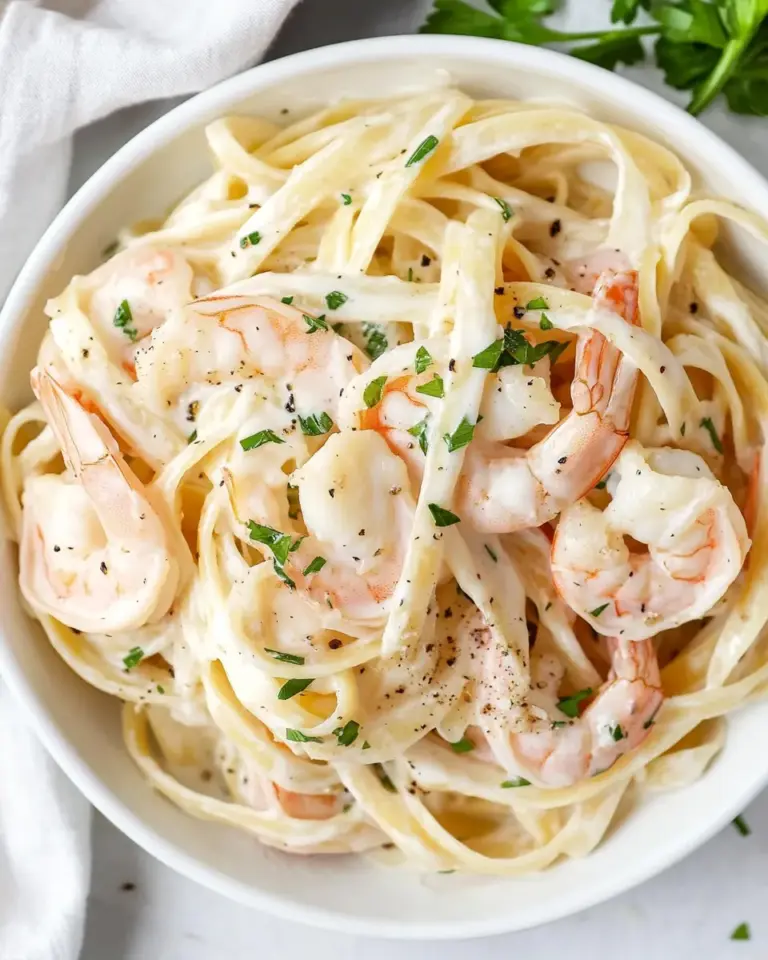
This is the kind of weeknight dish I turn to when I want something bright, comforting, and fast. Sweet coconut milk softens the heat of red chile flakes and wraps around tender shrimp. It’s simpler than it sounds: a quick sauté, a gentle simmer, and dinner is ready in under 20 minutes.
I like recipes that respect ingredients and time. This one relies on a short ingredient list and a clear order of steps so every component arrives at the table at its best: crisp-tender carrots, translucent onion, and plump pink shrimp in a silky coconut broth. Serve it over sticky rice or with crusty bread to soak up the sauce.
Below you’ll find exactly what to gather, the step-by-step method straight from the pan, and practical notes for swapping or storing. No fuss, just clear guidance so your dinner comes together confidently.
What You’ll Gather
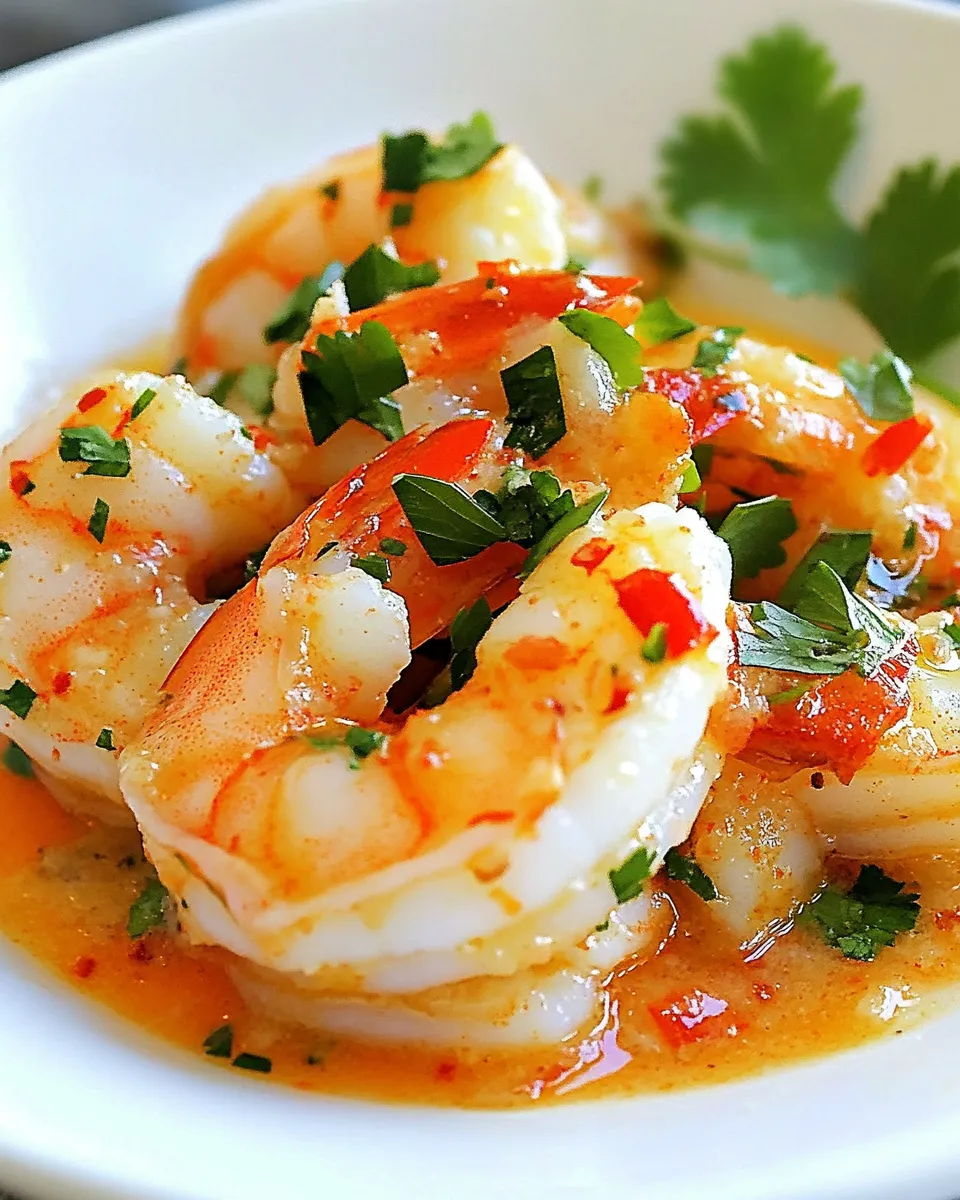
Gather basic pantry items and a few fresh produce elements. You don’t need fancy equipment — a sturdy skillet and a reliable spatula will do the job. Prep your aromatics and vegetables before you heat the pan so the cooking moves smoothly.
Ingredients
- 1 pound Shrimp, shelled and deveined — the main protein; cooks quickly so add late to avoid rubbery texture.
- 2 tablespoons oil (olive, avocado or canola) — for sautéing; choose a neutral oil for higher heat, or olive oil for more flavor.
- 1/2 medium onion, chopped — builds the sweet, savory base; chop evenly for uniform cooking.
- 1 cup matchstick carrots — add color and a little crunch; matchsticks soften quickly but retain texture.
- 1 garlic clove, chopped — a small amount goes a long way; add toward the end of the sauté to avoid burning.
- 1 teaspoon red chile flakes — brings heat and a little brightness; adjust to taste.
- 1 can (15 ounce) coconut milk – I used light — creates the sauce; light coconut milk will make a thinner, less rich broth.
- 1 large tomato, diced — provides acidity and freshness; dice into bite-sized pieces so they soften in the simmer.
- cilantro for garnishing and sticky rice (optional) — cilantro adds fresh herbal notes; sticky rice soaks up the sauce if you want a heartier meal.
Shrimp in Coconut Sauce: Step-by-Step Guide
- Heat 2 tablespoons oil in a large skillet over medium-high heat until the oil shimmers.
- Add 1/2 medium onion (chopped) and 1 cup matchstick carrots; cook, stirring occasionally, until the onion is translucent and the carrots begin to soften, about 4–5 minutes.
- Stir in 1 garlic clove (chopped) and 1 teaspoon red chile flakes; cook, stirring, for about 30 seconds until fragrant.
- Pour in 1 can (15 ounce) coconut milk and add 1 large tomato (diced); bring the mixture to a gentle simmer.
- Add 1 pound Shrimp, shelled and deveined; simmer, stirring once or twice, until the shrimp are opaque and light pink, about 4–5 minutes.
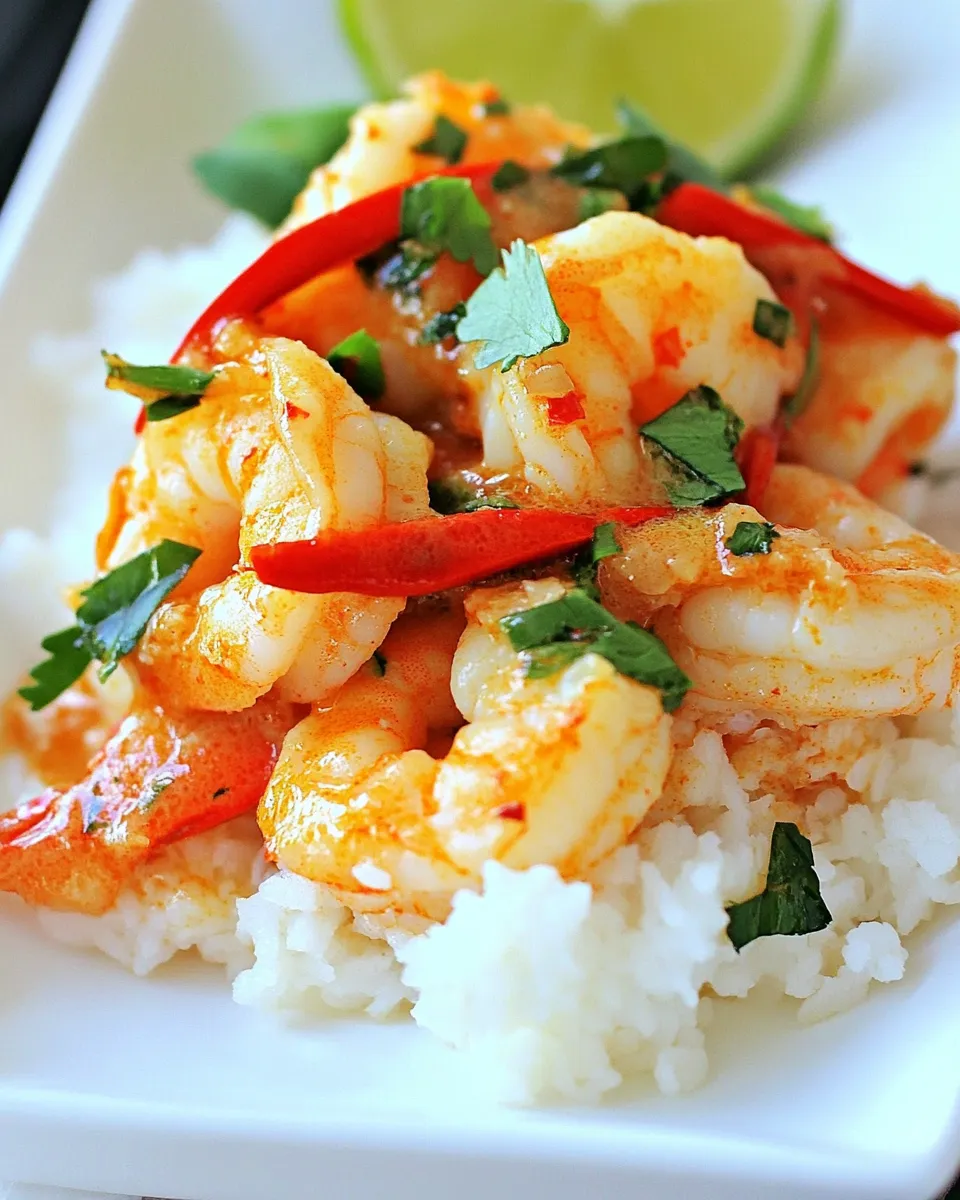
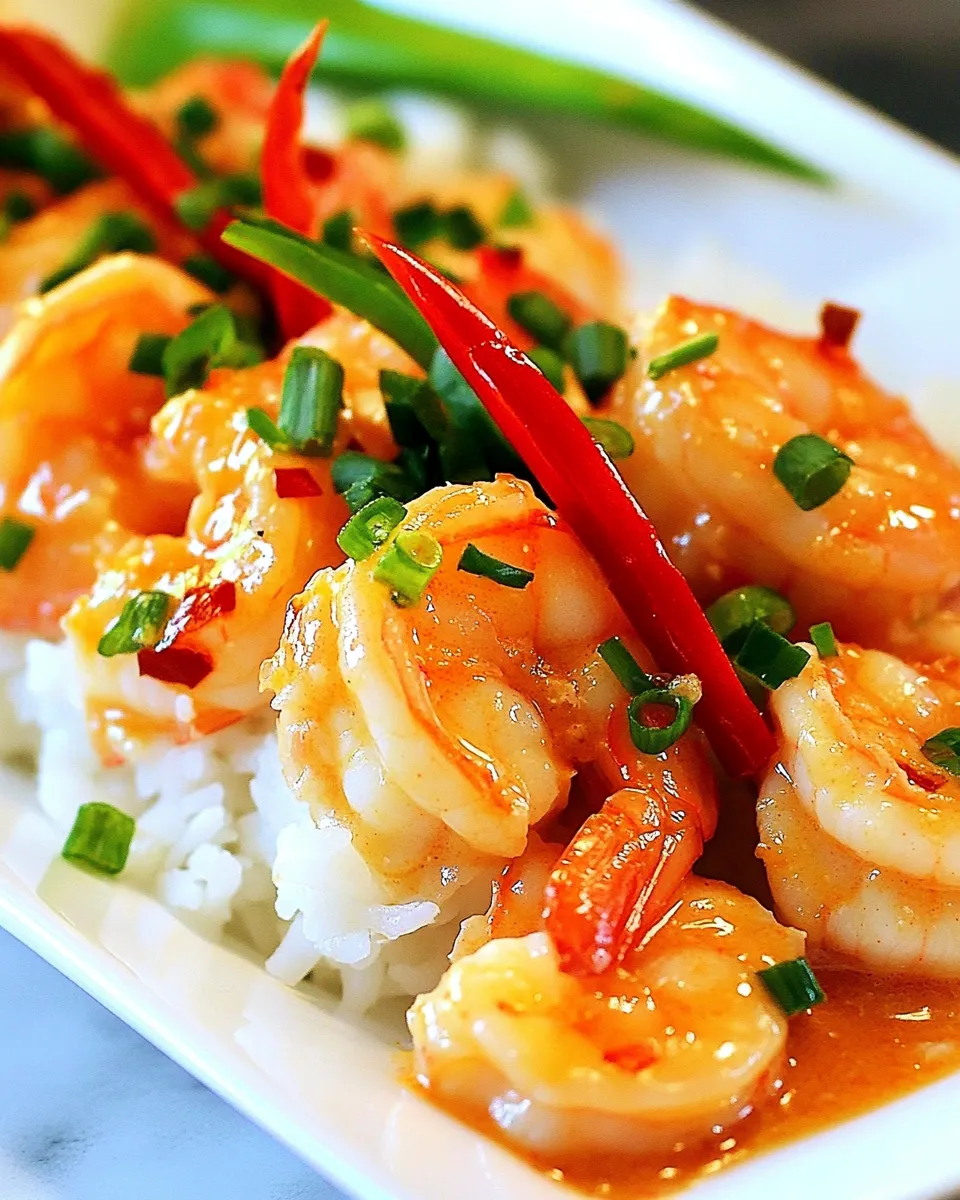
- Remove from heat. Spoon over sticky rice (optional) and garnish with cilantro (optional) before serving.
Why This Recipe Works
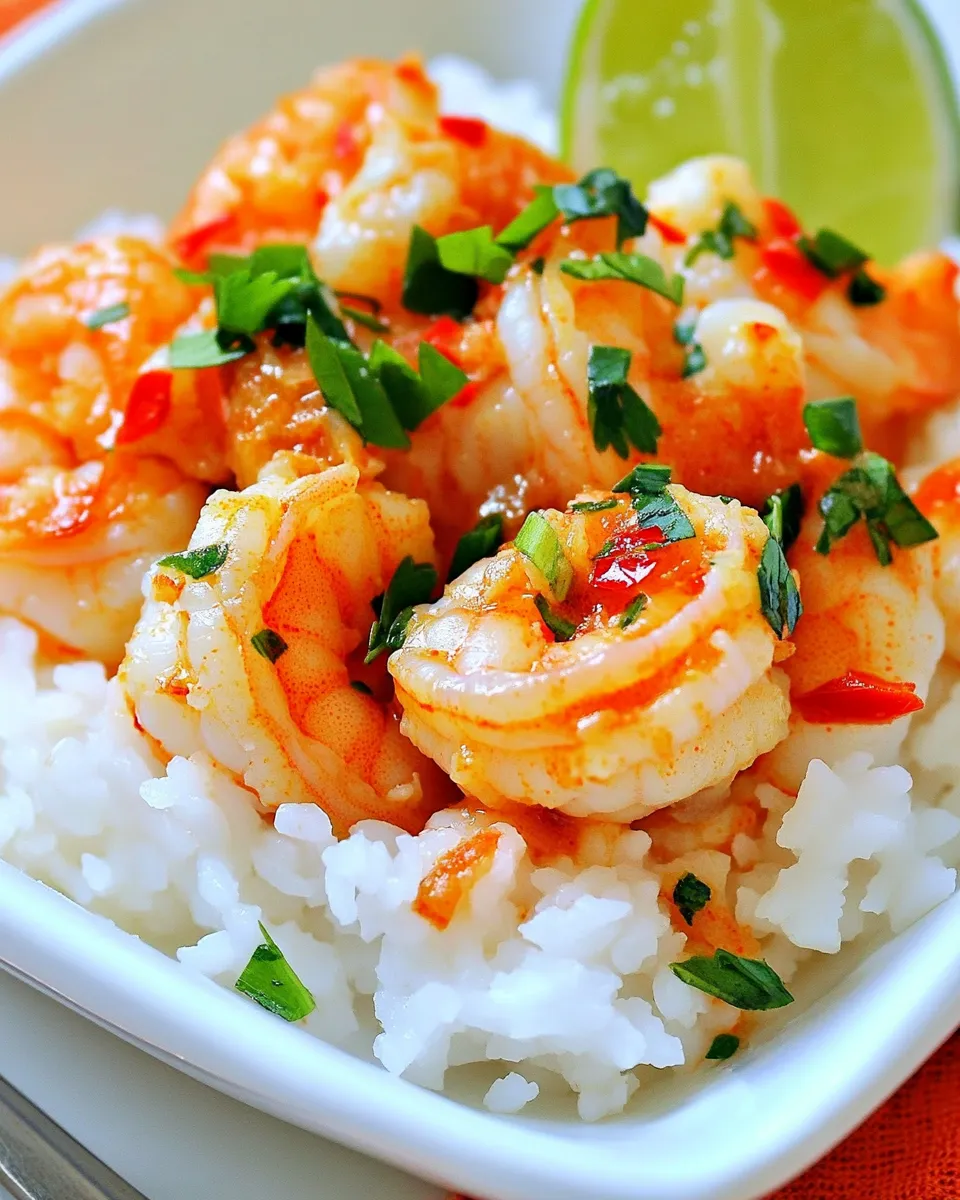
Timing and temperature are the recipe’s backbone. Onions and carrots softening first create a sweet, slightly firm base that contrasts nicely with tender shrimp. Garlic and chile flakes get only a brief hit of heat so they release aroma without becoming bitter.
Coconut milk acts as both flavor carrier and texture agent. It mellows the chile flakes and embraces the tomato’s acidity, giving you a round, balanced sauce. Shrimp are added last because they cook very quickly; overheating them would ruin the texture.
The result is a bright, layered dish where each element keeps its identity: the carrot’s bite, the tomato’s tang, and the shrimp’s delicate sweetness, all tied together by silky coconut.
Quick Replacement Ideas
- Swap oil: use avocado or canola if you prefer a neutral palette; coconut oil will amplify the coconut flavor.
- Protein swap: firm white fish fillets or scallops can work if you adjust cooking time — cook until just opaque.
- Vegan option: replace shrimp with firm tofu, pressed and cubed; brown it first for texture, then simmer gently in the sauce.
- Coconut milk alternatives: light coconut milk keeps calories lower; full-fat gives a richer sauce. For a non-coconut option, try unsweetened almond milk plus a tablespoon of tahini for body (flavor changes accordingly).
- Heat level: reduce red chile flakes for milder heat or add a splash of sriracha or chopped fresh chiles for more kick.
Cook’s Kit
Keep these tools handy to make the process smooth:
- A large skillet — wide enough so shrimp cook in one layer.
- Sharp knife and cutting board — for quick, even chopping.
- Spatula or wooden spoon — for stirring and gentle folding.
- Measuring spoons and can opener — for accuracy and speed.
- A small bowl for prepped garlic and chile flakes — mise en place saves time.
Frequent Missteps to Avoid
Overcooking the shrimp is the most common pitfall. Shrimp go from perfectly tender to rubbery very quickly. Watch for opaque, rosy flesh and remove the pan from heat promptly.
Another misstep is burning the garlic. Add garlic only after the onion has softened and cook it briefly; burnt garlic tastes bitter and will dominate the delicate sauce.
Finally, don’t rush the simmer. Bring the coconut and tomato mixture to a gentle simmer so flavors meld. Too vigorous a boil can break the coconut milk and thin the sauce unevenly.
Seasonal Serving Ideas
Spring and summer: serve this dish with a vibrant cucumber and mango salad for brightness. Add a squeeze of lime at the table for extra freshness.
Fall and winter: pair with sticky rice and a side of roasted sweet potatoes or sautéed greens to round out the meal. A warm, toasted baguette also works for scooping up the sauce.
For warm-weather entertaining, scale up the recipe and serve over chilled jasmine rice in shallow bowls, garnished with cilantro and thinly sliced scallions for color and crunch.
Chef’s Rationale
I sequence steps to protect delicate textures and maximize flavor. Onions and carrots go in first because they need time to soften and develop sweetness. Garlic and chile flakes are added later so the garlic stays fragrant rather than charred. Adding coconut milk and tomato next gives you a hot but gentle bath to cook the shrimp in, and placing the shrimp in last ensures they cook just until opaque.
This approach keeps the dish lively. You get layered aromatics, balanced heat, comforting fat from coconut milk, and perfectly cooked shrimp. It’s efficient and forgiving, which is ideal for home cooks.
Storing, Freezing & Reheating
Store leftovers in an airtight container in the refrigerator for up to 2 days. Shrimp texture degrades if held too long, so consume promptly.
Freezing is possible but not ideal for shrimp in coconut sauce because the shrimp can become rubbery and the coconut milk may separate after thawing. If you must freeze, cool completely, transfer to a freezer-safe container, and use within one month. Thaw slowly in the refrigerator overnight.
To reheat, warm gently on the stovetop over low heat, stirring frequently. If the sauce looks split or thin, whisk in a tablespoon of coconut milk or a splash of cream and warm slowly until it comes back together. Avoid high heat, which overcooks the shrimp.
Frequently Asked Questions
- Can I use frozen shrimp? — Yes. Thaw fully and pat dry before cooking. If shrimp are still slightly frozen, add a minute or two to the cooking time but watch closely to avoid overcooking.
- Can I make this spicier or milder? — Absolutely. Increase or decrease the red chile flakes to taste. For more complex heat, add sliced fresh chiles or a dash of hot sauce.
- Is sticky rice necessary? — No. Sticky rice is optional and excellent at soaking up the sauce. Serve over jasmine rice, brown rice, or with crusty bread — whatever you prefer.
- What if my coconut milk splits? — If it separates during reheating, remove from heat and whisk in a small amount of warm water or additional coconut milk off heat; then gently warm again.
- Can I prep elements ahead? — Yes. Chop the onion, carrots, and tomato up to a day ahead and keep refrigerated. Don’t cook the shrimp until you’re ready to serve.
Save & Share
If this Shrimp in Coconut Sauce gave you a quick, satisfying dinner, bookmark the page or save a photo for later. Share it with a friend who loves simple seafood dinners — and leave a comment about your swaps or timing tips so others can learn from your experience.
Made a tweak that worked? I’d love to hear about it. Snap a photo, tag it, and keep a small note in your recipe app so next week’s dinner is even better.
Shrimp in Coconut Sauce
Ingredients
Equipment
Method
- Heat 2 tablespoons oil in a large skillet over medium-high heat until the oil shimmers.
- Add 1/2 medium onion (chopped) and 1 cup matchstick carrots; cook, stirring occasionally, until the onion is translucent and the carrots begin to soften, about 4–5 minutes.
- Stir in 1 garlic clove (chopped) and 1 teaspoon red chile flakes; cook, stirring, for about 30 seconds until fragrant.
- Pour in 1 can (15 ounce) coconut milk and add 1 large tomato (diced); bring the mixture to a gentle simmer.
- Add 1 pound Shrimp, shelled and deveined; simmer, stirring once or twice, until the shrimp are opaque and light pink, about 4–5 minutes.
- Remove from heat. Spoon over sticky rice (optional) and garnish with cilantro (optional) before serving.