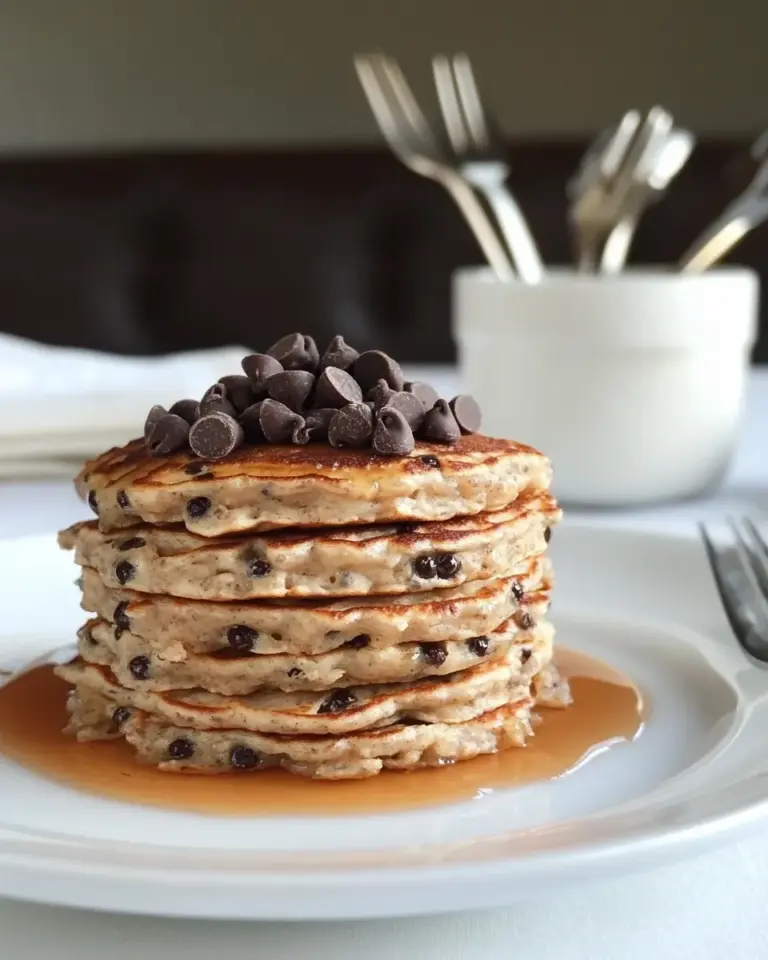
Silver Dollar Pancakes
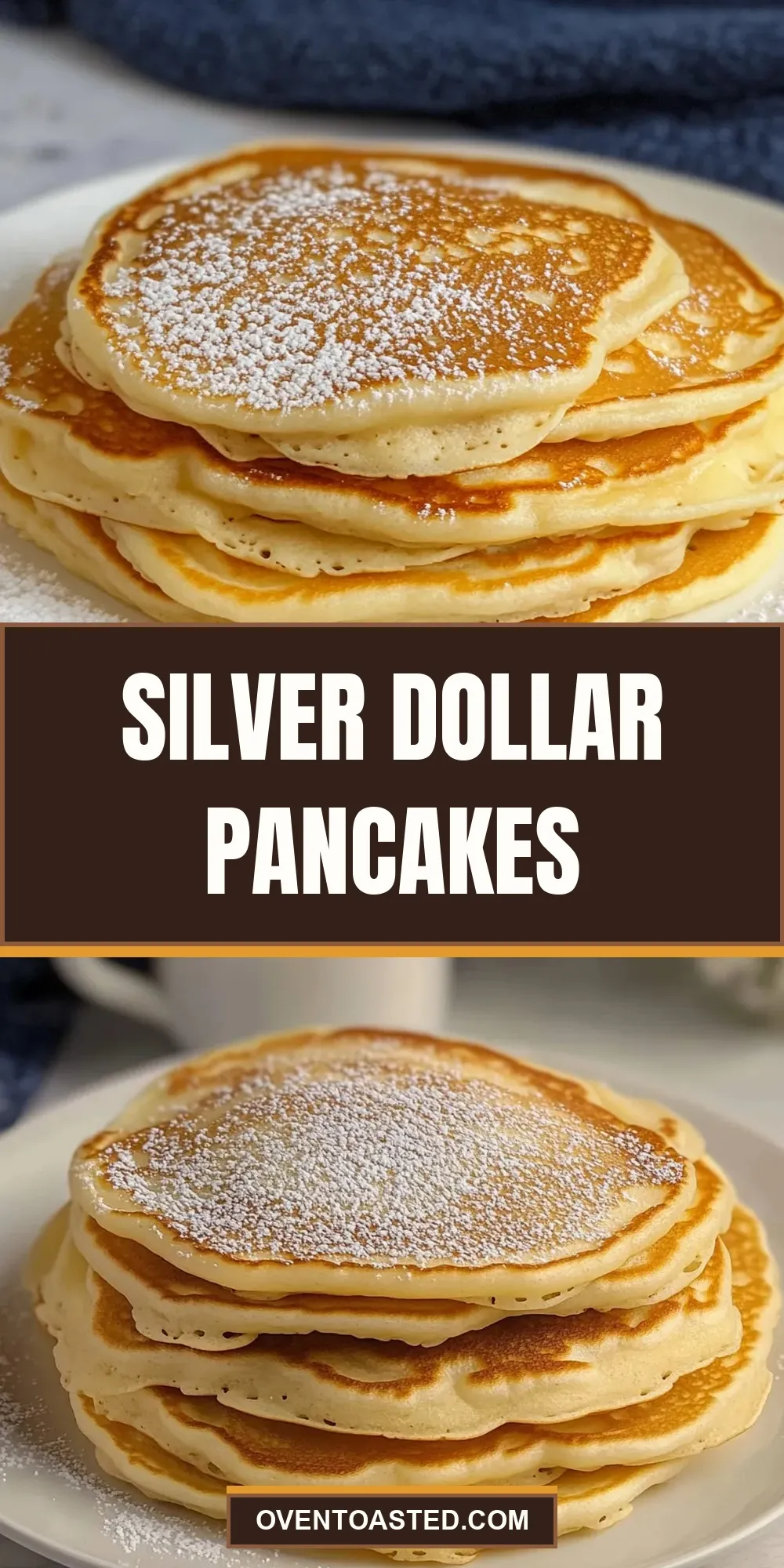
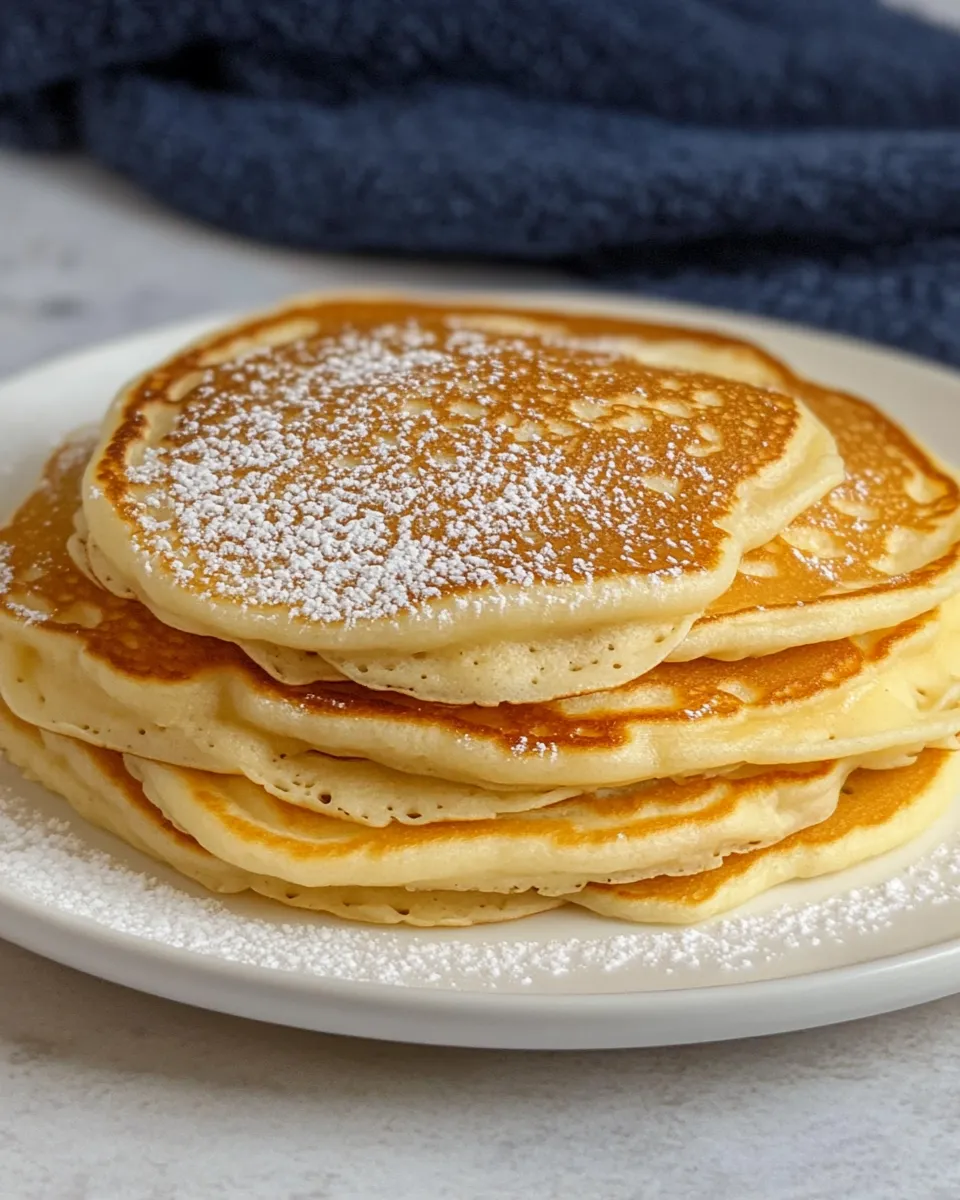
These little pancakes are one of my go-to weekend treats — small, quick to make, and endlessly forgiving. They cook fast, stack beautifully, and are the perfect size for little hands or for grazing while you plan the rest of breakfast. I love them for the crisp edges and soft centers that only tiny, well-bubbled pancakes can deliver.
What I share here is a straightforward, no-surprises recipe that leans on pantry staples and a short ingredient list. The technique is simple: mix, don’t overmix, and manage the heat. Follow those three rules and you’ll have uniform, golden coins of batter in no time.
I’ll walk you through the ingredient lineup, the exact step-by-step method, smart swaps for dietary preferences, and practical tips to keep every batch consistent. No fluff—just reliable pancake-making that fits into a real morning.
The Ingredient Lineup
- 1 1/2 cups all-purpose flour — the base that gives structure; spoon into the cup and level for accuracy.
- 2 tablespoons granulated sugar — adds a touch of sweetness and helps with browning.
- 1 1/2 teaspoons baking powder — the primary leavener for lift and lightness.
- 1/2 teaspoon baking soda — works with the wet ingredients for extra lift and a tender crumb.
- 1/4 teaspoon salt — balances flavor and brightens the other ingredients.
- 1 1/2 cups low-fat milk — thins the batter and hydrates the flour; low-fat keeps them lighter but whole milk works too.
- 2 large eggs — binders that add richness and help with structure.
- 2 1/2 tablespoons unsalted butter (melted) — adds flavor and tenderness; melt and cool slightly before mixing.
- 3/4 teaspoon pure vanilla extract — simple flavor lift; use good quality vanilla for a nicer aroma.
- Cooking spray or additional butter for greasing — prevents sticking and helps build a golden surface.
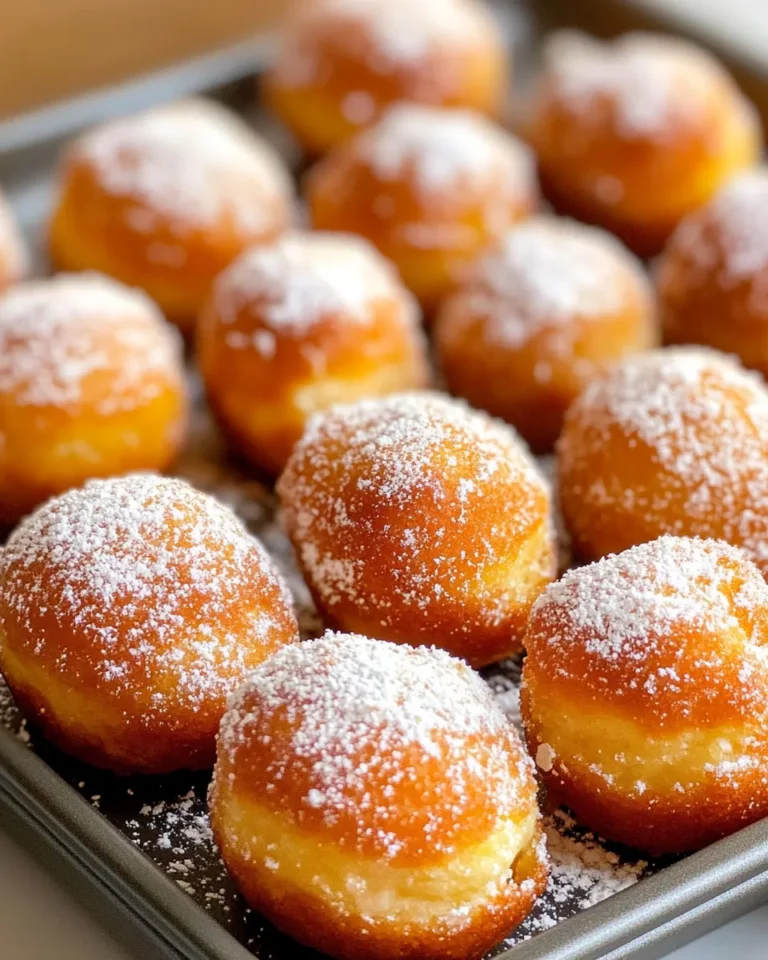
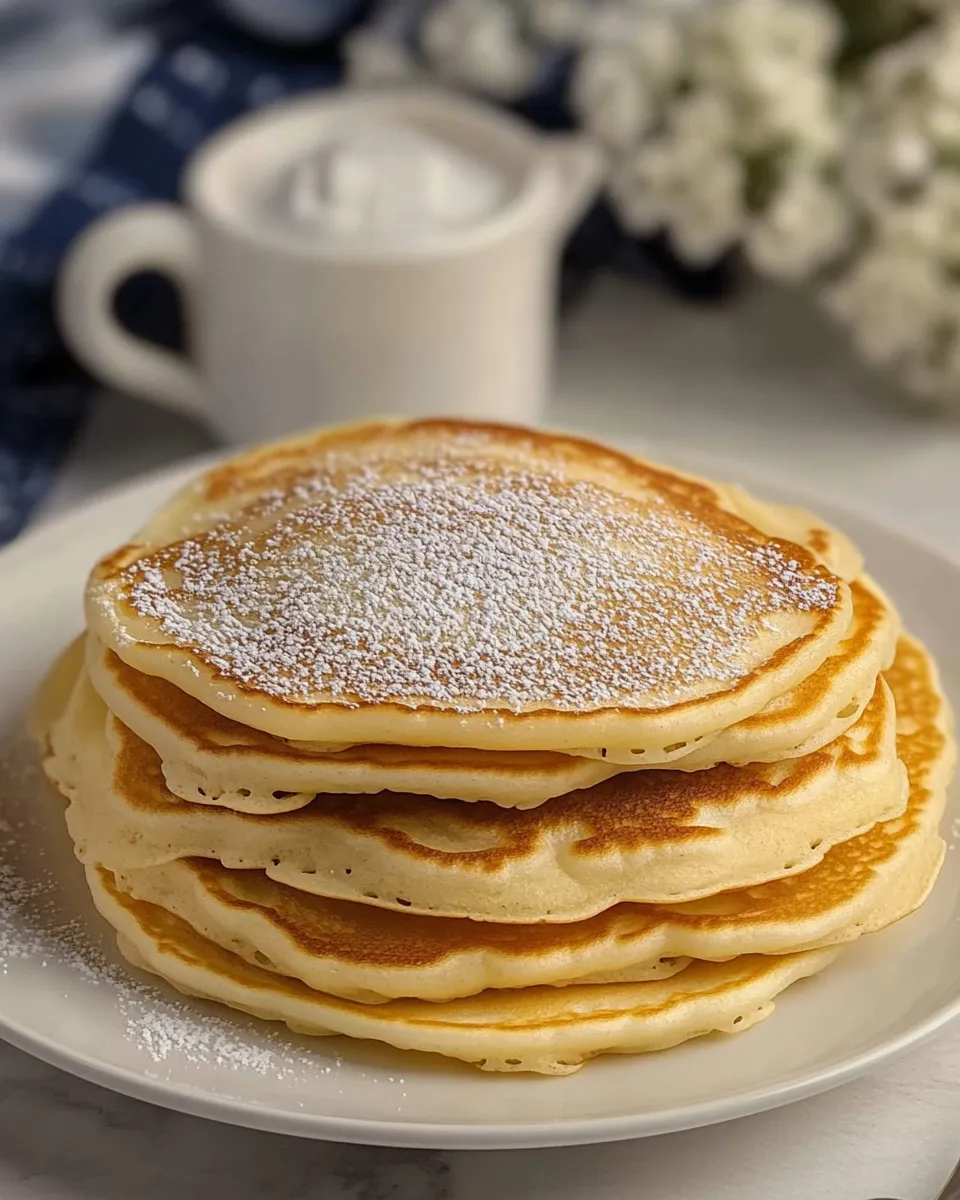
- Preferred toppings such as fresh fruit, maple syrup, or powdered sugar — finishing touches that personalize each stack.
Silver Dollar Pancakes in Steps
- In a large bowl, whisk together 1 1/2 cups all-purpose flour, 2 tablespoons granulated sugar, 1 1/2 teaspoons baking powder, 1/2 teaspoon baking soda, and 1/4 teaspoon salt until evenly combined.
- In a separate bowl, thoroughly whisk 1 1/2 cups low-fat milk, 2 large eggs, 2 1/2 tablespoons unsalted butter (melted), and 3/4 teaspoon pure vanilla extract until the mixture is smooth.
- Pour the wet ingredients into the dry ingredients. Stir gently with a spatula or spoon until just combined; it’s okay if the batter remains slightly lumpy. Do not overmix.
- Heat a nonstick skillet over medium heat and lightly grease the surface with cooking spray or additional butter.
- For each pancake, pour about 1 tablespoon of batter onto the preheated skillet, leaving space between pancakes. Cook until bubbles form on the surface and the edges look set, about 1–2 minutes.
- Flip each pancake and cook the other side until golden brown, about 1 minute. Adjust heat as needed so pancakes cook through without burning.
- Transfer cooked pancakes to a plate and repeat with the remaining batter, greasing the skillet as needed. Serve warm with your preferred toppings such as fresh fruit, maple syrup, or powdered sugar.
Why Cooks Rave About It
Silver Dollar Pancakes are beloved because they’re fast, portion-friendly, and endlessly adaptable. The small size means you can test heat and timing on a few pancakes before committing the whole batch. That tiny test-run saves a lot of troubleshooting.
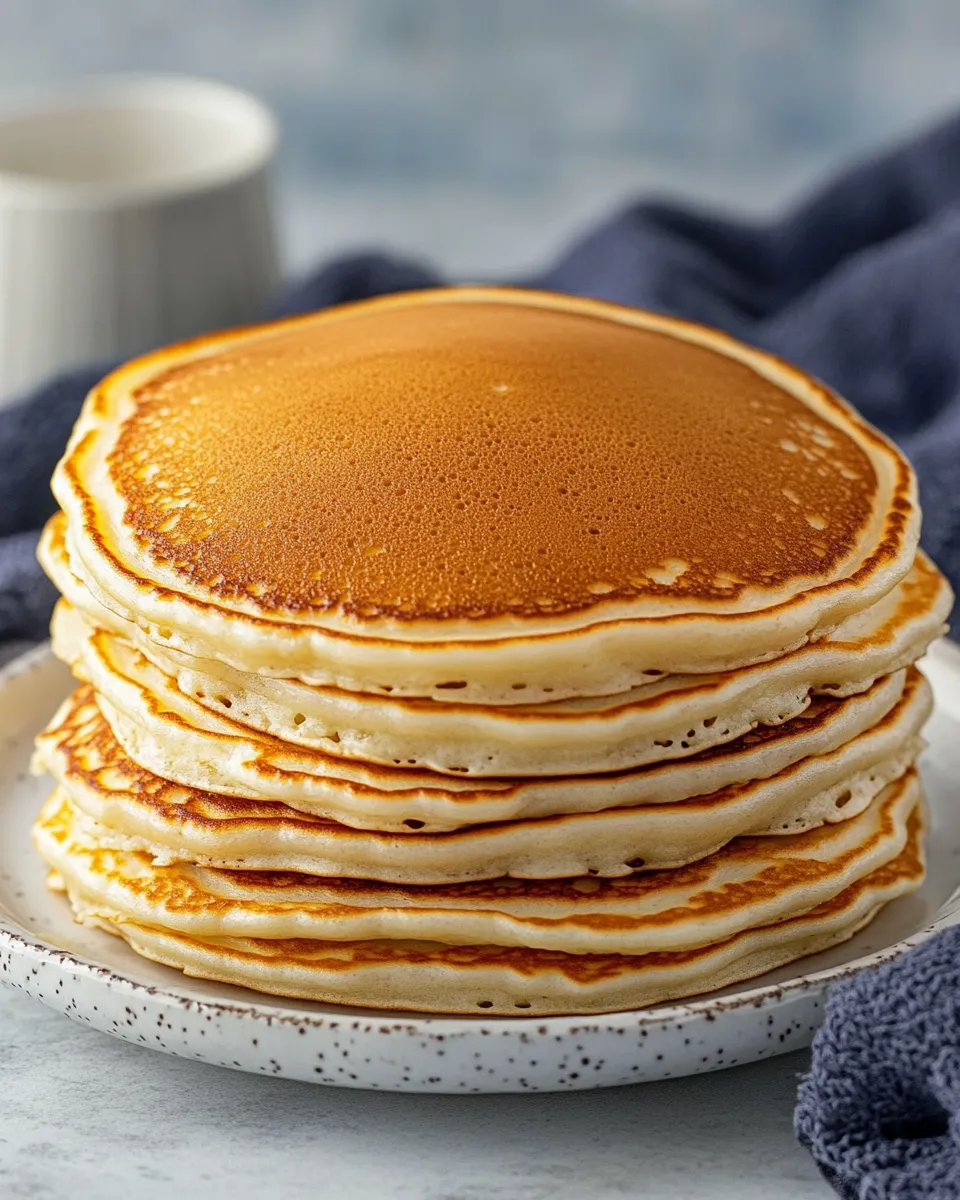
They crisp up at the edges while staying tender inside — a contrast that many people find more satisfying than a single oversized pancake. Because the batter uses common pantry items, it’s accessible to almost any home cook. Serve them stacked, scattered on a platter for sharing, or tucked into a lunchbox with syrup on the side.
Healthier Substitutions
- Milk: Swap low-fat milk for unsweetened almond milk or oat milk 1:1 to reduce dairy; keep the same volume so the batter consistency stays predictable.
- Flour: Use half whole wheat pastry flour and half all-purpose to add fiber without making the pancakes dense; don’t replace all the flour at once or they’ll be heavy.
- Sugar: Cut the granulated sugar to 1 tablespoon for less sweetness, or use a granular sweetener with a 1:1 conversion.
- Butter: Replace melted unsalted butter with a neutral oil like canola or avocado oil (same amount) for fewer saturated fats.
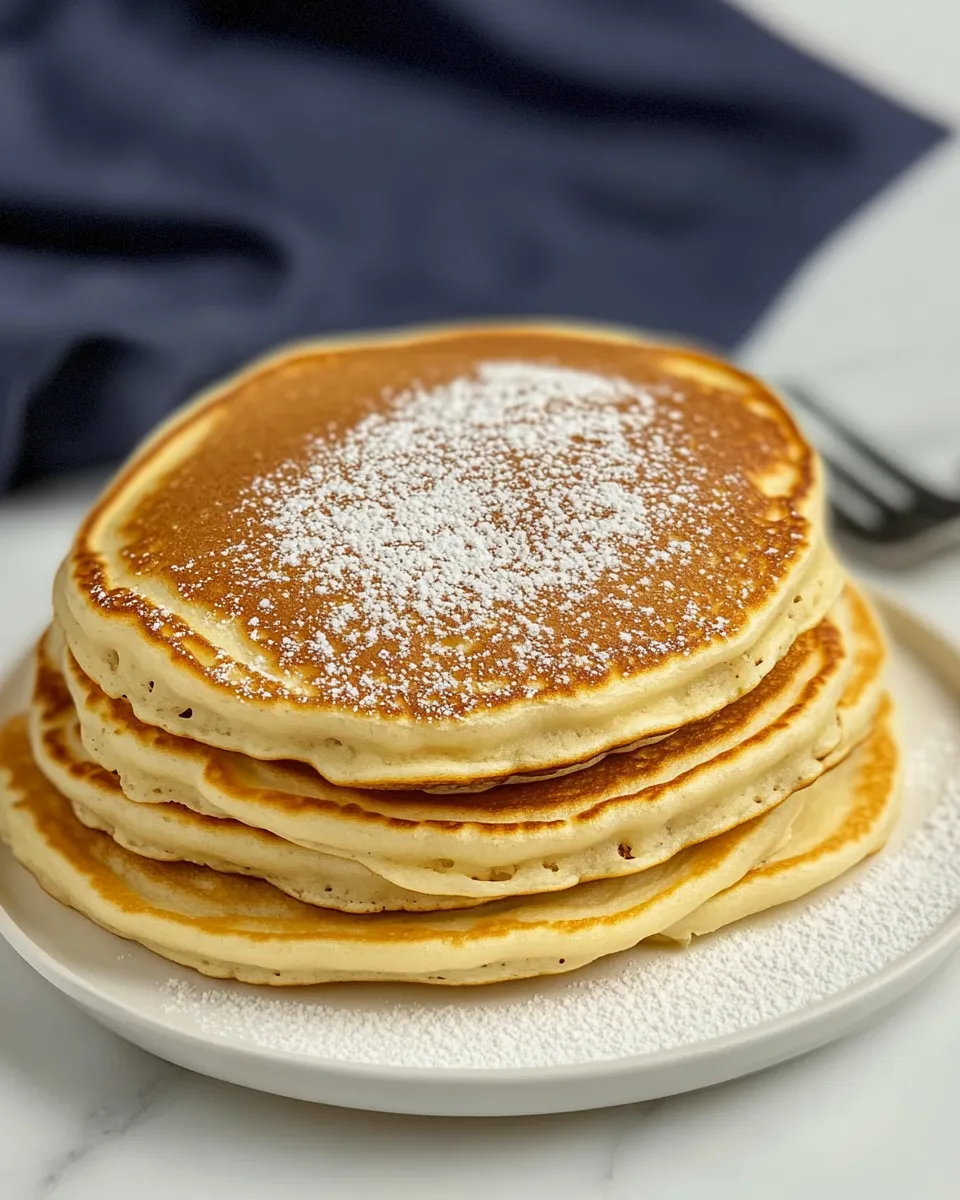
- Toppings: Favor fresh fruit, plain Greek yogurt, or a light drizzle of pure maple syrup instead of heavy syrups and whipped cream.
Prep & Cook Tools
You need only a few things to get consistent, tiny pancakes every time.
- Large mixing bowl: room to whisk dry ingredients without spills.
- Smaller bowl: for whisking the wet ingredients separately.
- Whisk or fork: to blend wet ingredients smoothly.
- Spatula or spoon: for gentle folding so you don’t overwork the batter.
- Nonstick skillet or griddle: a flat, even-heating surface is key; electric griddles work great for large batches.
- Measuring cups and spoons: accurate measuring avoids batter that’s too thick or thin.
- Tablespoon or small scoop: to portion the roughly 1 tablespoon pancakes evenly.
Easy-to-Miss Gotchas
Small pancakes magnify mistakes. Here are the things I see trip people up:
- Overmixing: Stir just until the dry streaks disappear. Overworking creates gluten and makes the pancakes tough.
- Pan temperature: Too hot and the outsides burn before the centers cook; too cool and they won’t brown. Medium heat is the starting point—adjust as you go.
- Portion size: If you pour too much batter, the pancakes will take longer to cook and lose their crisp edge. Stick close to 1 tablespoon per cake.
- Crowding the pan: Leave room for turning. Small pancakes cook quickly and need space so you can flip without smooshing them together.
- Not greasing between batches: A dry skillet will cause sticking after a few pancakes. Wipe or lightly re-grease as needed.
How to Make It Lighter
If you want an even lighter bite, a couple of small adjustments help without compromising texture:
- Whip the eggs slightly: Whisking the eggs until just frothy before adding to the wet mix introduces tiny air pockets and lifts the crumbs.
- Lower the butter: Cut melted butter by half and replace the rest with milk or a neutral oil to keep tenderness but reduce richness.
- Use baking powder carefully: Don’t skimp entirely—the 1 1/2 teaspoons in this recipe are balanced for lightness. Reducing it will yield flatter cakes.
Chef’s Notes
Batter rest and consistency
Resting the batter 5–10 minutes allows baking powder and soda to start working and the flour to hydrate. If the batter thickens too much, thin with a tablespoon of milk at a time. The batter should flow slowly off the tablespoon but still hold a slight mound.
Keeping pancakes warm
Use a low oven (about 200°F / 95°C) and place cooked pancakes on a baking sheet in a single layer while you finish the batch. This keeps them warm and prevents sogginess from stacking too early.
Flavor variations
Add-ins like fresh blueberries or mini chocolate chips are welcome—drop a couple onto each pancake after you pour the batter so they stay small and evenly distributed. For cinnamon lovers, add 1/4 teaspoon cinnamon to the dry mix.
Keep It Fresh: Storage Guide
Silver Dollar Pancakes store well, making them great for make-ahead breakfasts.
- Room temperature: Not recommended for more than a couple of hours; they dry out.
- Fridge: Cool completely, then stack with parchment between layers in an airtight container for up to 3 days.
- Freezer: Freeze in a single layer on a sheet tray, then transfer to a freezer bag. Keep for up to 2 months. Reheat from frozen in a toaster oven or oven at 350°F (175°C) for 8–10 minutes.
Handy Q&A
- Q: Can I make the batter ahead?
A: You can mix the batter and keep it in the fridge for up to 24 hours, but expect a little more puff from a fresh mix. Gently stir before scooping. - Q: My pancakes are flat—why?
A: Likely overmixed batter, old baking powder, or not enough leavening activation. Check your baking powder for freshness and mix until just combined. - Q: Why do some pancakes brown more than others?
A: Hot spots in the pan or uneven greasing. Rotate the pan and keep the heat steady. Wipe excess butter between batches if it smokes. - Q: Can I use gluten-free flour?
A: Yes—use a 1:1 gluten-free baking blend and expect a slightly different texture. You may need a teaspoon more liquid depending on the blend.
Ready to Cook?
These Silver Dollar Pancakes are a small-commitment breakfast that rewards you with lots of stackable joy. Follow the steps, respect the batter, and adjust heat as you cook. Portion with a tablespoon, test the first one, then crank out the rest. Top with berries, syrup, a dusting of powdered sugar, or keep them plain for dunking—either way, they’re ready to brighten any morning.
Happy cooking—go make a stack and enjoy the crisp edges and tender middles that make this little recipe a permanent fixture at my table.
Silver Dollar Pancakes
Ingredients
Equipment
Method
- In a large bowl, whisk together 1 1/2 cups all-purpose flour, 2 tablespoons granulated sugar, 1 1/2 teaspoons baking powder, 1/2 teaspoon baking soda, and 1/4 teaspoon salt until evenly combined.
- In a separate bowl, thoroughly whisk 1 1/2 cups low-fat milk, 2 large eggs, 2 1/2 tablespoons unsalted butter (melted), and 3/4 teaspoon pure vanilla extract until the mixture is smooth.
- Pour the wet ingredients into the dry ingredients. Stir gently with a spatula or spoon until just combined; it’s okay if the batter remains slightly lumpy. Do not overmix.
- Heat a nonstick skillet over medium heat and lightly grease the surface with cooking spray or additional butter.
- For each pancake, pour about 1 tablespoon of batter onto the preheated skillet, leaving space between pancakes. Cook until bubbles form on the surface and the edges look set, about 1–2 minutes.
- Flip each pancake and cook the other side until golden brown, about 1 minute. Adjust heat as needed so pancakes cook through without burning.
- Transfer cooked pancakes to a plate and repeat with the remaining batter, greasing the skillet as needed. Serve warm with your preferred toppings such as fresh fruit, maple syrup, or powdered sugar.