Simple Chicken Noodle Stir Fry
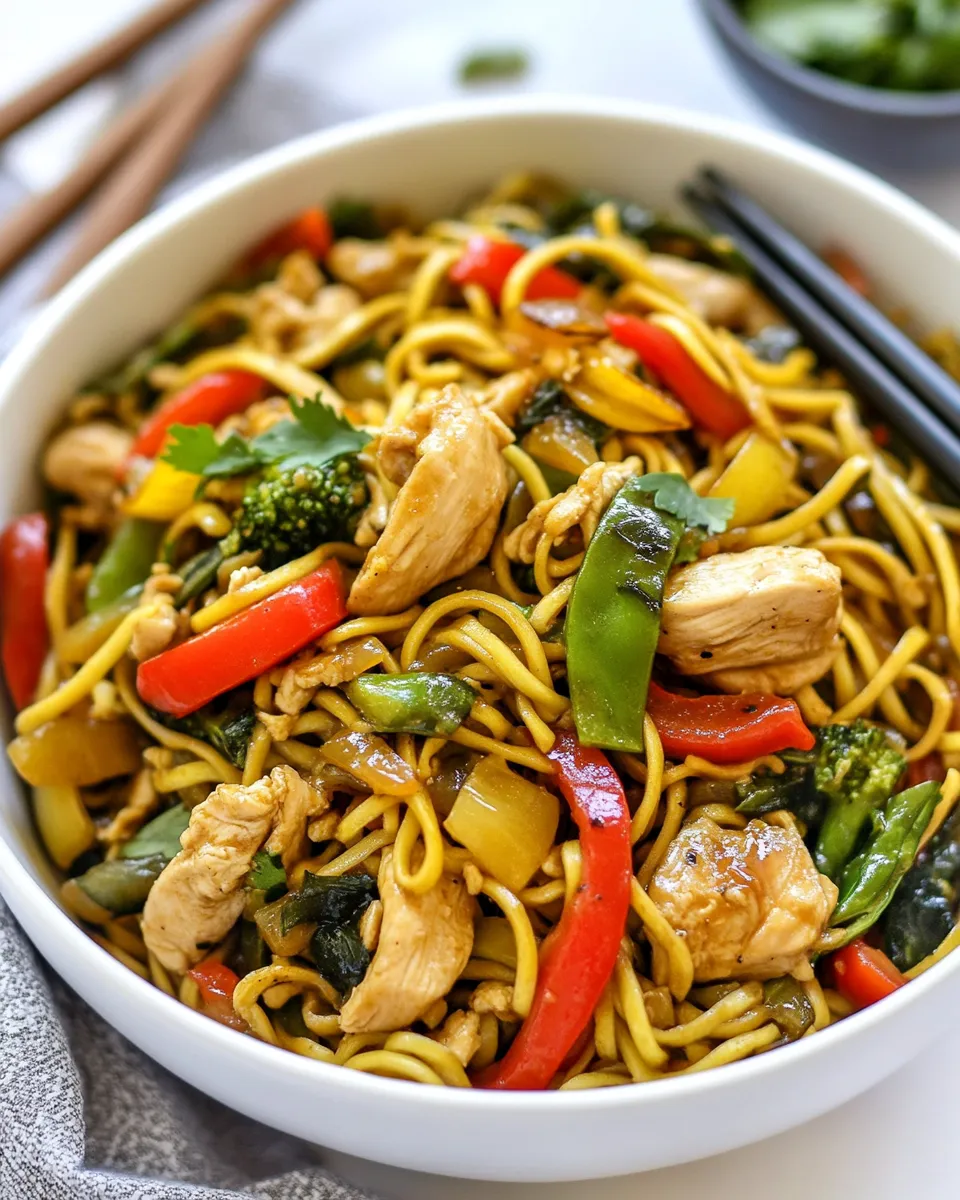
Quick dinners are my bread and butter on weeknights, and this stir fry is a dependable favorite. It comes together fast, uses straightforward pantry sauces, and gives you that bright, crunchy-tender vegetable texture alongside rich, caramelized chicken and slippery noodles. No fuss—just a pan, a packet of Hokkien noodles, and good timing.
I like this one because it’s forgiving. The recipe lists clear steps so nothing gets soggy or overcooked, but you can also adapt it based on what’s in your fridge. It hits savory-sweet notes from oyster sauce and brown sugar while keeping all the fresh vegetable color and bite.
Below you’ll find a shopping guide, the exact ingredients and the step-by-step method I use every time. I also share practical swaps, common mistakes and fixes, and storage tips so you can cook this again and again with confidence.
Your Shopping Guide
Before you head to the store, scan the ingredient list so you don’t double up on sauces or noodles. The recipes leans on oyster sauce and soy sauce for most of its flavor, so buy a small bottle if you don’t have it—these jars keep for months and are useful in many Asian-inspired dishes.
Choose fresh vegetables that look crisp and vibrant: bright snow peas, firm green beans, and an unblemished red capsicum. For broccoli, pick a tight head with dark green florets. The baby corn can be fresh or canned; canned is fine and saves time.
For protein, the recipe calls for boneless, skinless chicken thighs. Thighs stay juicier than breast when stir-frying quickly. If you only have breast, trim and slice it thinly and reduce the cooking time slightly. Finally, get a 15 oz packet of Hokkien noodles (or your preferred thick noodle) so they’re ready to add at the end.
Ingredients
- 1 tablespoon sesame/peanut oil — hot oil for stir-frying, gives flavor and prevents sticking.
- 8 boneless and skinless chicken thighs — cut into 2-inch pieces or strips; thighs stay moist under high heat.
- 1 large brown onion — sliced; adds sweetness and a little texture when softened.
- 1 head whole broccoli — quartered; provides bulk and crunch.
- 1 cup fresh snow peas — washed and string removed; keeps bright color and snap.
- 1/2 cup green beans — washed; another crunchy green element.
- 1 large red capsicum/bell pepper — de-seeded and diced; adds sweetness and color.
- 12 spears baby corn — fresh or canned; quick to heat and mildly sweet.
- 2 teaspoons minced garlic — fragrant aromatics to finish the veg base.
- 3 tablespoons oyster sauce — the primary savory-sweet backbone of the sauce.
- 2 tablespoons soy sauce — salt and umami, balances the oyster sauce.
- 1 tablespoon brown sugar — rounds the sauce and helps caramelize flavors.
- 15 oz packet Hokkien Noodles — prepared to package instructions prior to cooking or any other noodle: Udon; Singapore: etc; the noodles go in at the end to warm through.
The Method for Chicken Noodle Stir Fry
- Cook the 15oz packet Hokkien Noodles according to the package instructions, drain, and set aside.
- Prepare the ingredients: cut the 8 boneless and skinless chicken thighs into 2-inch pieces or strips; slice the 1 large brown onion; quarter the 1 head whole broccoli; wash the 1 cup fresh snow peas and remove strings; wash the 1/2 cup green beans; de-seed and dice the 1 large red capsicum/bell pepper; have the 12 spears baby corn ready; measure 2 teaspoons minced garlic, 3 tablespoons oyster sauce, 2 tablespoons soy sauce, and 1 tablespoon brown sugar.
- Heat a large frying pan or wok over medium-high heat. Add 1 tablespoon sesame or peanut oil and heat until shimmering.
- Add the chicken in a single layer and cook in small batches (to avoid crowding) until golden and cooked through, about 3–5 minutes per batch depending on size. Transfer each cooked batch to a plate and keep warm.
- With the pan still hot, add the sliced onion and stir-fry 1–2 minutes until it begins to soften.
- Add the quartered broccoli, snow peas, green beans, diced red capsicum/bell pepper and the 12 spears baby corn. Stir-fry the vegetables, tossing frequently, until they are bright in color and crisp-tender, about 3–4 minutes.
- Push the vegetables to the side of the pan, add the 2 teaspoons minced garlic to the cleared space, and stir 20–30 seconds until fragrant.
- Pour in the 3 tablespoons oyster sauce, 2 tablespoons soy sauce and 1 tablespoon brown sugar. Stir everything together so the sauce evenly coats the vegetables.
- Return the cooked chicken to the pan and add the prepared noodles. Toss or stir to combine thoroughly, and simmer, stirring occasionally, for 2–3 minutes until the noodles are heated through and the vegetables remain bright and slightly crisp.
- Remove from heat and serve immediately.
Why This Recipe Works
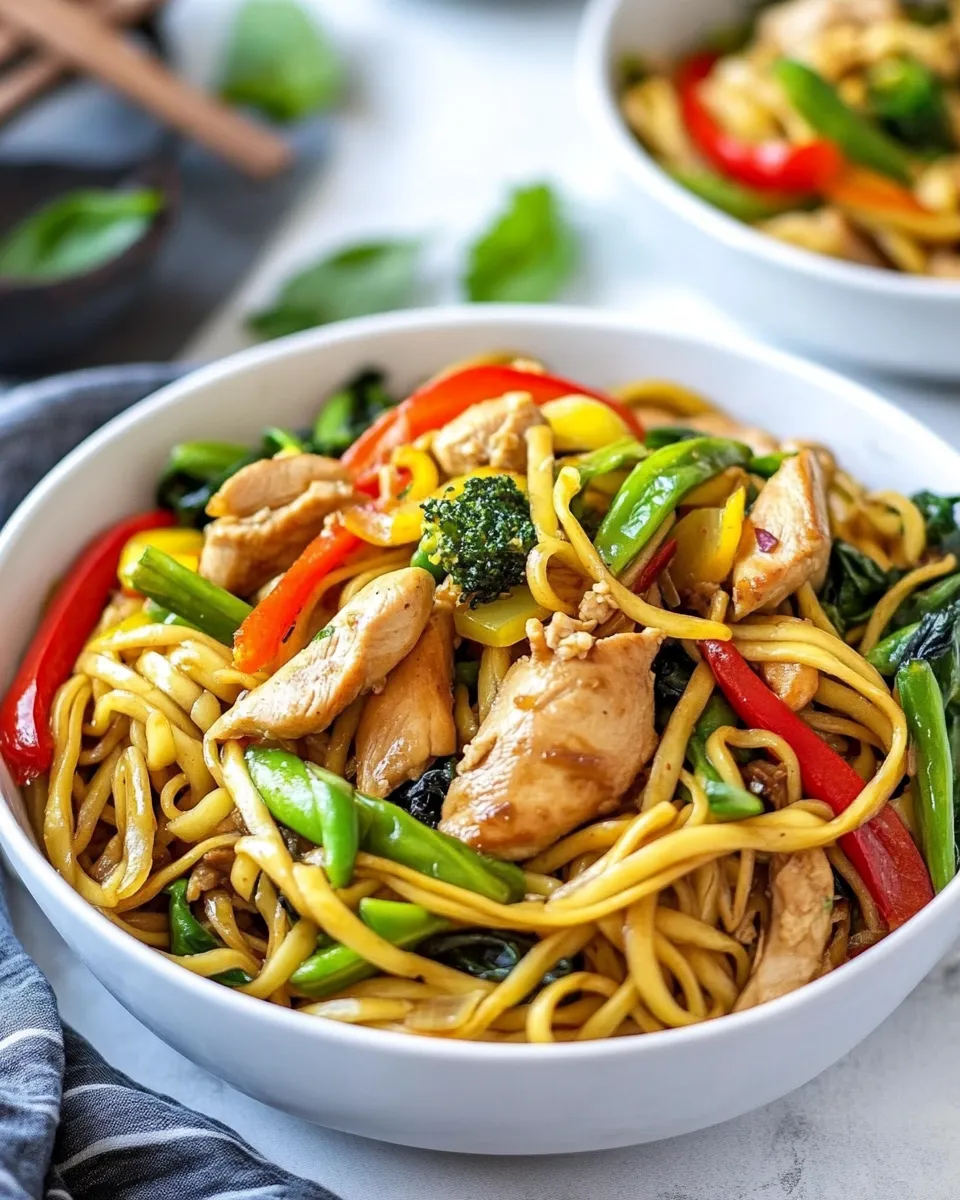
This dish balances fast, high-heat cooking with short ingredient prep. Each element has a job: the oil provides a hot surface and flavor, the chicken brings richness, the vegetables add texture and color, and the sauces tie everything together. Cooking the chicken in batches prevents steaming and ensures a golden exterior.
The timing is deliberate. Noodles are cooked ahead and added at the end so they don’t over-soak in sauce. Vegetables are added in an order that gets everything to the same crisp-tender doneness. Finally, the quick simmer with the sauce for just a few minutes lets the flavors coat the noodles while keeping the veg bright.
Flavor-Forward Alternatives
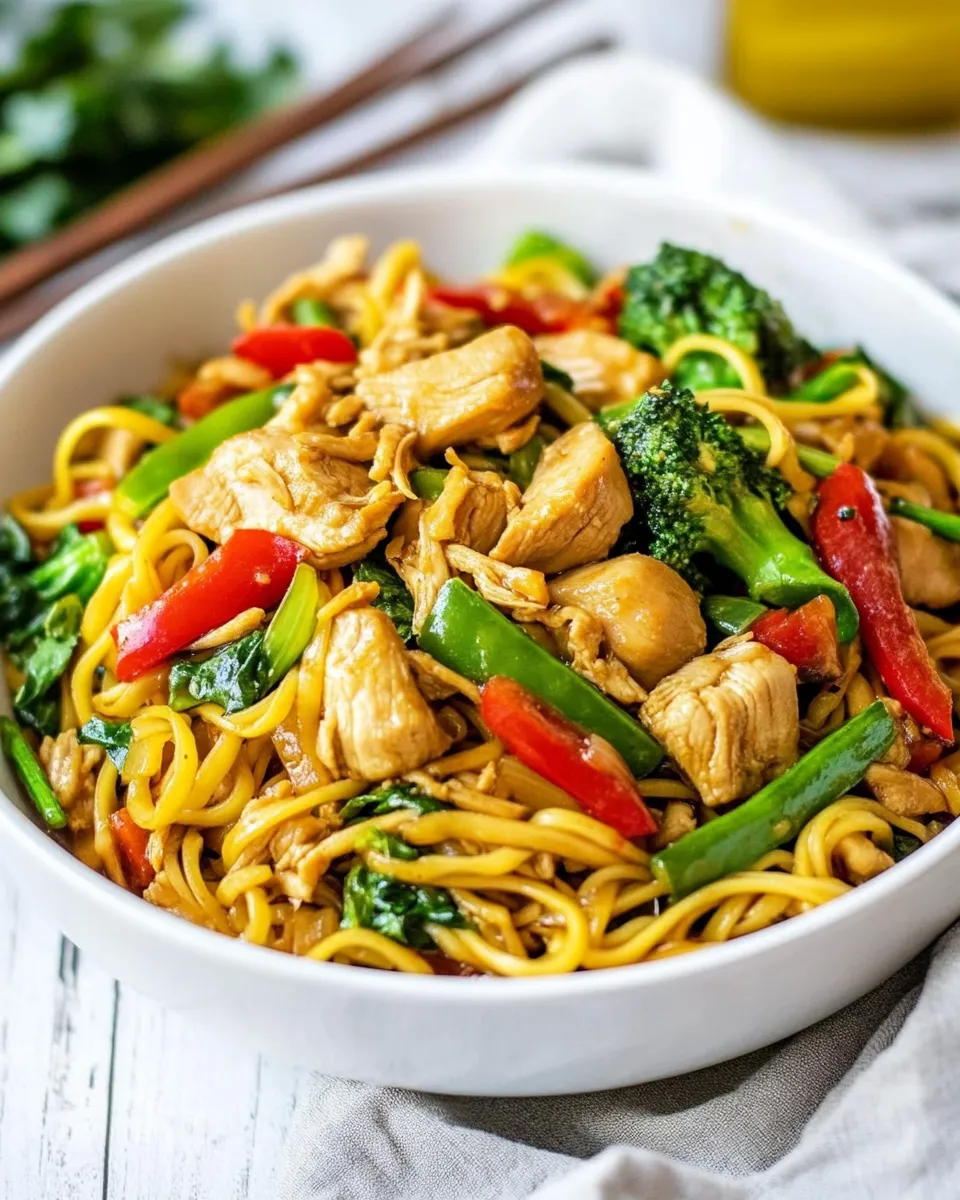
If you want to change the profile, small adjustments go a long way. A splash of toasted sesame oil at the end adds nuttiness. A pinch of chili flakes or a drizzle of chili oil gives heat. Swap oyster sauce for hoisin for a sweeter, thicker glaze if you prefer. A handful of chopped fresh herbs—cilantro or Thai basil—added off heat will lift the whole dish.
For a brighter finish, squeeze a little lime over the plated stir fry. For crunch, scatter toasted peanuts or roasted cashews just before serving. None of these steps are required, but they let you steer the dish toward what your family likes.
Equipment at a Glance
- Wok or large frying pan — big enough to toss noodles and vegetables without overcrowding.
- Sharp knife — for quick, even cuts on the chicken and vegetables.
- Colander — to drain the noodles after boiling.
- Spatula or tongs — for tossing and stirring without breaking the noodles.
Common Errors (and Fixes)
Error: soggy vegetables. Fix: make sure your pan is very hot and keep the stir times short. Don’t crowd the pan; cook in two batches if necessary so ingredients sear instead of steam.
Error: dry or tough chicken. Fix: slice uniformly and don’t overcook. Thighs are more forgiving than breasts, and cooking in small batches helps maintain heat without overcooking pieces sitting in the pan.
Error: bland sauce. Fix: taste before serving. If it needs brightness, add a touch more soy or a half teaspoon of brown sugar; if it’s too salty, a splash of water or a squeeze of lime can balance it.
Allergy-Friendly Swaps
Shellfish allergy: oyster sauce contains shellfish derivatives. Substitute with a soy-based or mushroom-based vegetarian stir-fry sauce. You may need to add a touch of brown sugar to mimic the oyster sauce’s sweetness.
Peanut allergy: use sesame oil only and ensure any packaged sauces are peanut-free. If you typically use peanut oil, swap to vegetable or canola oil for frying.
Gluten-free: use tamari or a certified gluten-free soy sauce and ensure your oyster sauce is gluten-free (some brands offer GF versions). Check the noodle packet, too—some Hokkien noodles contain wheat; choose a rice-based noodle or a GF udon alternative if needed.
Pro Perspective
Heat management is the single most important technique here. A screaming-hot pan gives the quick sear and caramelization you want. Work systematically: have everything prepped, measured and within reach before you heat the wok. That mise en place keeps you moving and prevents overcooking.
Also, think in layers of texture and temperature. Cook meat first and rest it off to keep juices inside. Toss vegetables in order of density—onions first, then heartier broccoli and beans, finishing with snow peas—so everything finishes at the same time.
Shelf Life & Storage
Store leftovers in an airtight container in the refrigerator for up to 3 days. Reheat gently in a skillet over medium heat, adding a splash of water or broth to loosen the noodles if they’ve absorbed the sauce and tightened up. Avoid microwaving for best texture—stir-frying briefly brings the noodles and vegetables back to life.
Do not freeze this stir fry. The vegetables will become mushy and the texture of the noodles will degrade when thawed.
Common Qs About Chicken Noodle Stir Fry
Q: Can I use chicken breast instead of thighs?
A: Yes. Slice thinly and reduce the cooking time so the breast stays tender.
Q: What if I only have other noodles?
A: Udon, Singapore-style rice noodles, or even thick egg noodles will work. Cook them according to package directions and add them at the end just to warm through.
Q: Is oyster sauce essential?
A: Oyster sauce brings a unique umami and slightly sweet depth. If you can’t use it, substitute with hoisin or a mushroom-based sauce for a similar effect, then taste and adjust the brown sugar to balance.
Q: Can I make this vegetarian?
A: Omit the chicken and add firm tofu or extra vegetables (mushrooms are a good meaty substitute). Use a vegetarian oyster sauce or hoisin to maintain depth.
Before You Go
This stir fry is about speed and balance. Prep the night before if it helps—slice the chicken and vegetables and store them covered; the noodles can even be cooked that morning and refrigerated. When it’s time to cook, heat the pan properly and move swiftly.
If you make it, I’d love to know what you swapped in or how you plated it. Little adjustments—extra chili, a squeeze of citrus, a handful of herbs—can make it feel like a new meal each time. Happy cooking and enjoy that clean, savory-sweet bite of Chicken Noodle Stir Fry.
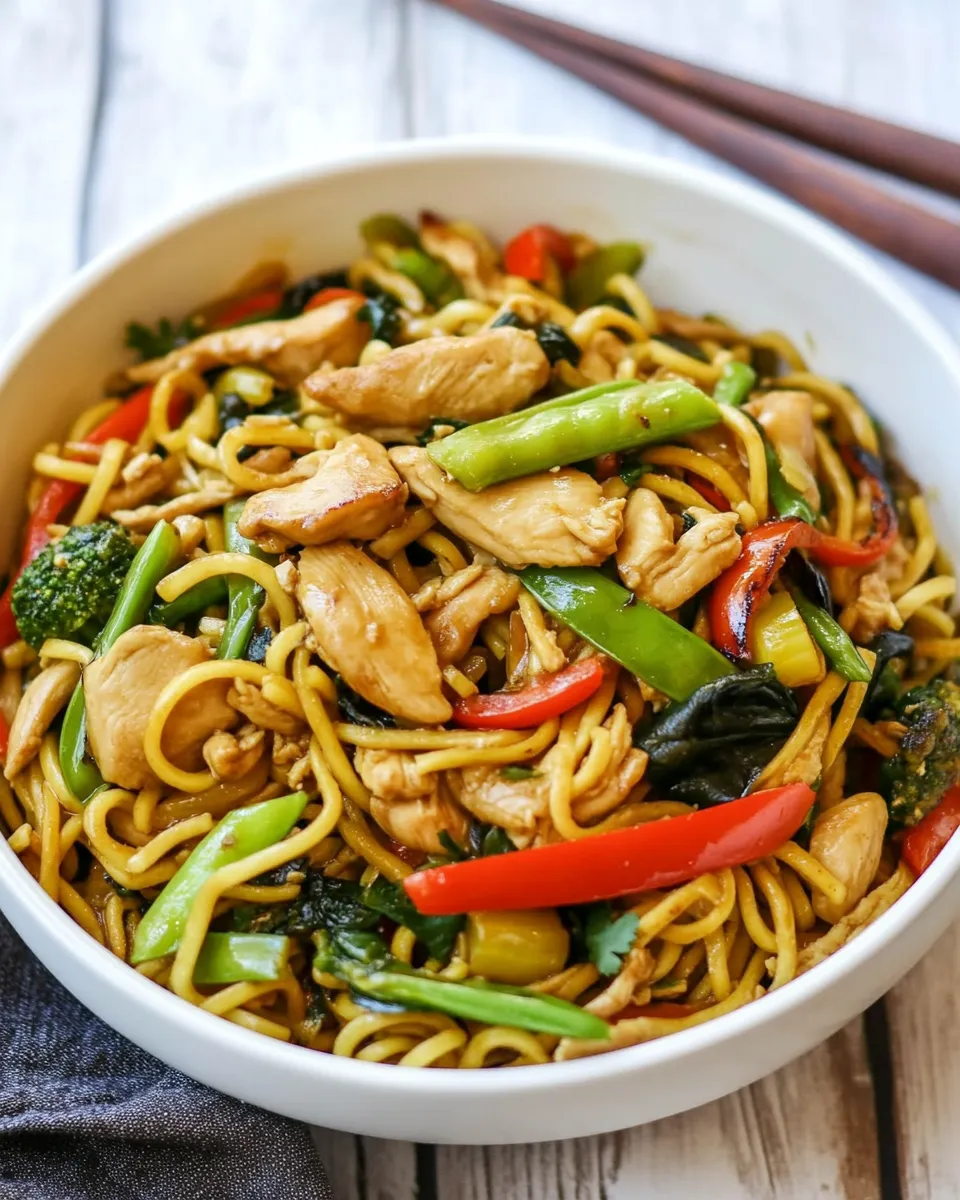
Simple Chicken Noodle Stir Fry
Ingredients
Equipment
Method
- Cook the 15oz packet Hokkien Noodles according to the package instructions, drain, and set aside.
- Prepare the ingredients: cut the 8 boneless and skinless chicken thighs into 2-inch pieces or strips; slice the 1 large brown onion; quarter the 1 head whole broccoli; wash the 1 cup fresh snow peas and remove strings; wash the 1/2 cup green beans; de-seed and dice the 1 large red capsicum/bell pepper; have the 12 spears baby corn ready; measure 2 teaspoons minced garlic, 3 tablespoons oyster sauce, 2 tablespoons soy sauce, and 1 tablespoon brown sugar.
- Heat a large frying pan or wok over medium-high heat. Add 1 tablespoon sesame or peanut oil and heat until shimmering.
- Add the chicken in a single layer and cook in small batches (to avoid crowding) until golden and cooked through, about 3–5 minutes per batch depending on size. Transfer each cooked batch to a plate and keep warm.
- With the pan still hot, add the sliced onion and stir-fry 1–2 minutes until it begins to soften.
- Add the quartered broccoli, snow peas, green beans, diced red capsicum/bell pepper and the 12 spears baby corn. Stir-fry the vegetables, tossing frequently, until they are bright in color and crisp-tender, about 3–4 minutes.
- Push the vegetables to the side of the pan, add the 2 teaspoons minced garlic to the cleared space, and stir 20–30 seconds until fragrant.
- Pour in the 3 tablespoons oyster sauce, 2 tablespoons soy sauce and 1 tablespoon brown sugar. Stir everything together so the sauce evenly coats the vegetables.
- Return the cooked chicken to the pan and add the prepared noodles. Toss or stir to combine thoroughly, and simmer, stirring occasionally, for 2–3 minutes until the noodles are heated through and the vegetables remain bright and slightly crisp.
- Remove from heat and serve immediately.
Notes
If there is leftovers, store in the fridge for up to 4 days and reheat in the microwave.