Skinny Alfredo Sauce
I started making this skinny Alfredo sauce on a weeknight because I wanted something indulgent without the heavy cream hangover. The trick is simple: replace most of the cream with pureed cauliflower and a good chicken or vegetable stock. You get that silky mouthfeel and the signature Parmesan tang, but with a fraction of the calories and the same comfort factor.
This version is practical. It comes together on the stovetop in one skillet and finishes in a blender, so cleanup is minimal. The garlic is sautéed gently to perfume the oil, the cauliflower simmers until very tender, and the blender does the rest — turning humble ingredients into a lush, spoonable sauce.
Whether you’re spooning this over pasta, folding it into cooked chicken, or tossing it with roasted vegetables, it’s flexible. I’ll walk you through the exact ingredient notes, the step-by-step process (using the recipe as written), helpful equipment, common mistakes, and a few smart swaps to fit different diets.
Ingredient Checklist
- 1 tablespoon olive oil — for sautéing garlic and adding a bit of mouthfeel without heavy cream.
- 3 garlic cloves (minced) — builds the savory backbone; mince finely so it distributes evenly.
- 3 cups chicken stock or vegetable stock — the primary liquid; use low-sodium if you’ll be adding extra salt later.
- 3 cups cauliflower florets — the creamy base when blended; steam-simmer until very tender for the smoothest texture.
- 1/2 cup parmesan cheese — provides the cheesy, nutty flavor that makes this a true Alfredo-style sauce.
- salt and pepper (to taste) — finish and balance; add gradually and taste as you go.
Cooking (Skinny Alfredo Sauce): The Process
- Heat 1 tablespoon olive oil in a skillet over medium heat. Add 3 garlic cloves (minced) and sauté 1–2 minutes, until fragrant but not browned.
- Pour in 3 cups chicken stock or vegetable stock and bring to a boil. Add 3 cups cauliflower florets, cover, reduce heat to maintain a simmer, and cook 5–6 minutes, until the cauliflower is tender.
- Remove the skillet from the heat. Carefully transfer the cauliflower and cooking liquid to a blender (work in batches if necessary). Let the contents cool briefly, secure the lid, and blend until smooth.
- Add 1/2 cup parmesan cheese to the blender and blend until fully incorporated. If the sauce is too thick, add a little of the cooking liquid from the pot/blender a small amount at a time and blend again until you reach your desired consistency.
- Taste and season with salt and pepper to taste. Serve immediately.
Why I Love This Recipe
This sauce nails a comforting, creamy finish without relying on heavy cream or large amounts of butter. Cauliflower is the unsung hero: when cooked until very tender and blitzed with stock, it becomes impossibly smooth and takes on whatever flavors you pair with it. Garlic and Parmesan make it familiar and comforting, while the stock keeps the sauce light and flavorful.
It’s forgiving, too. If your blender isn’t high-speed, a little extra simmering makes the cauliflower softer and easier to purée. If you like it thinner for pasta, add a touch of the reserved cooking liquid. It gives you control over texture and salt — two things that matter more than people think in a simple sauce.
Healthier Substitutions
If you want to trim calories or sodium further, there are a few small swaps that keep flavor intact:
- Use low-sodium chicken or vegetable stock — maintains depth while letting you control salt at the end.
- Reduce the parmesan to 1/3 cup if you want fewer calories and less sodium; you’ll lose a touch of sharpness but keep creaminess.
- For an even lighter oil profile, use a teaspoon less olive oil or use a nonstick skillet and reduce the oil to 2 teaspoons — the garlic still needs just enough fat to bloom its flavors.
Setup & Equipment
Essential
- Skillet with a lid — wide enough to hold 3 cups cauliflower florets comfortably so they cook evenly.
- Measuring spoons and cups — to keep the ratios consistent (especially the stock to cauliflower).
- Sharp knife and cutting board — for prepping garlic and trimming cauliflower if using a head instead of pre-cut florets.
- Blender — a standard blender makes this incredibly smooth. Work in batches if your blender is small or if the hot liquid comes close to the rim.
Helpful
- Spider/skimmer or slotted spoon — to transfer cauliflower if you prefer spooning rather than pouring liquid into the blender.
- Rubber spatula — to scrape down the blender and ensure all cauliflower gets pureed.
Frequent Missteps to Avoid
There are a few easy mistakes that will affect texture or flavor, but all are simple to prevent.
- Over-browning the garlic — cook just until fragrant. Burnt garlic turns bitter and will throw off the sauce’s balance.
- Blending while the mixture is too hot without venting — always let the skillet cool very briefly and remove the lid before transferring. Hot liquids expand; a tight-lidded blender can trap steam and risk splatter.
- Undercooking the cauliflower — if it’s not tender, the blender won’t get a silky result and you’ll feel tiny bits in the sauce. Cook until you can easily pierce florets with a fork.
- Adding the parmesan too early — it blends best after the cauliflower is fully pureed so it incorporates evenly and doesn’t clump.
Dietary Customizations
With a couple of tweaks, this sauce can work for many eating styles.
- Vegetarian: Use vegetable stock instead of chicken stock. The parmesan still keeps it vegetarian but not vegan.
- Vegan: Swap the parmesan for a combination of nutritional yeast and a pinch of salt, and use vegetable stock. The flavor will be different — more savory than tangy — but still rich.
- Gluten-free: This recipe is naturally gluten-free as written; just confirm your stock is certified gluten-free if needed.
- Lower sodium: Choose low-sodium stock and reduce or omit added salt; finish with freshly cracked pepper and a squeeze of lemon if you want brightness without extra salt.
Little Things that Matter
Small choices elevate this straightforward sauce:
- Use freshly grated Parmesan rather than pre-grated. It melts and blends more smoothly and avoids anti-caking additives that can affect texture.
- Don’t rush the garlic stage. Even though it’s just 1–2 minutes, that brief step creates a foundation of flavor that carries through the entire sauce.
- Reserve a little of the cooking liquid before you transfer everything to the blender. It’s the best way to thin the sauce without changing flavor.
- Season gradually. Because Parmesan adds salt, taste the blended sauce before adding any extra salt. Pepper can be adjusted to bring a bit of bite at the end.
Leftovers & Meal Prep
This sauce stores well and is useful beyond pasta. Let it cool to room temperature, then transfer to an airtight container and refrigerate for up to 3–4 days. Reheat gently on the stovetop over low heat, stirring and adding a splash of stock or water to loosen the sauce if it thickens.
It also freezes decently: portion into freezer-safe containers and freeze for up to 2 months. Thaw overnight in the fridge, then reheat slowly. Because cauliflower can change texture after freezing, a quick whisk or brief re-blend helps restore creaminess.
Reader Questions
Will frozen cauliflower work? Yes — frozen florets are convenient. Thaw slightly or increase simmer time by a minute or two so they get fully tender. Expect a little more cooking liquid from thawed cauliflower; reserve and adjust consistency as you blend.
Can I make this ahead for guests? Absolutely. Make it, chill, and reheat gently before serving. Keep extra warm stock on hand to adjust texture right before you serve so it’s silky and pourable.
Is this thick enough for pasta? It depends on your preference. The recipe yields a saucy, spoonable consistency that clings to noodles. If you want a looser sauce, add small amounts of the reserved cooking liquid while blending until you reach the desired pourability.
Serve & Enjoy
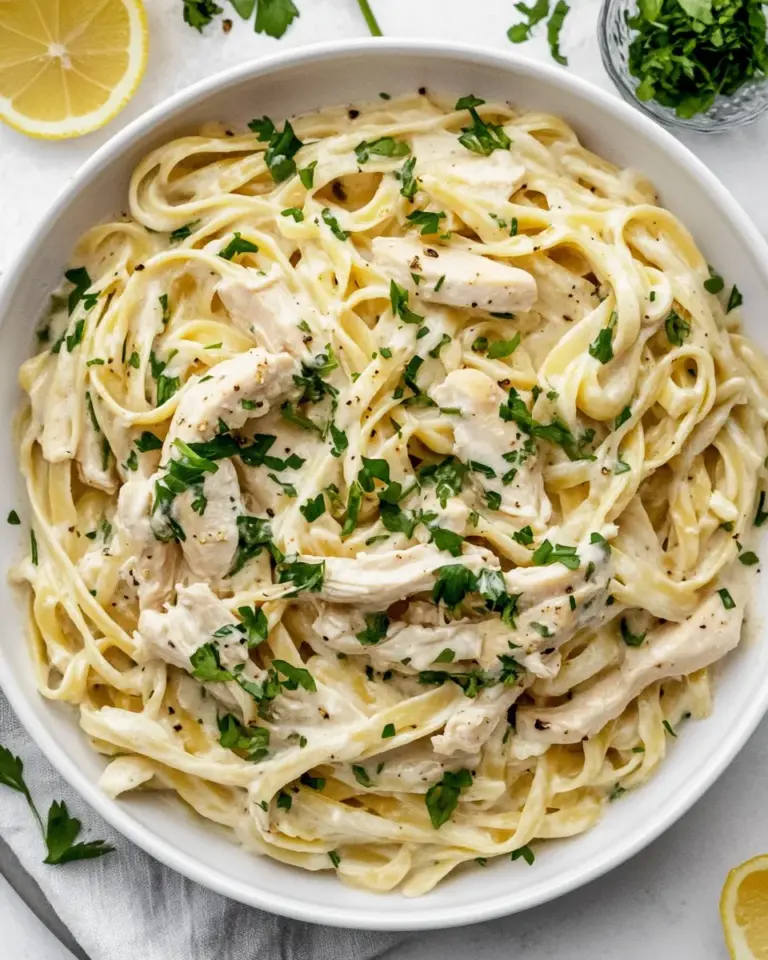
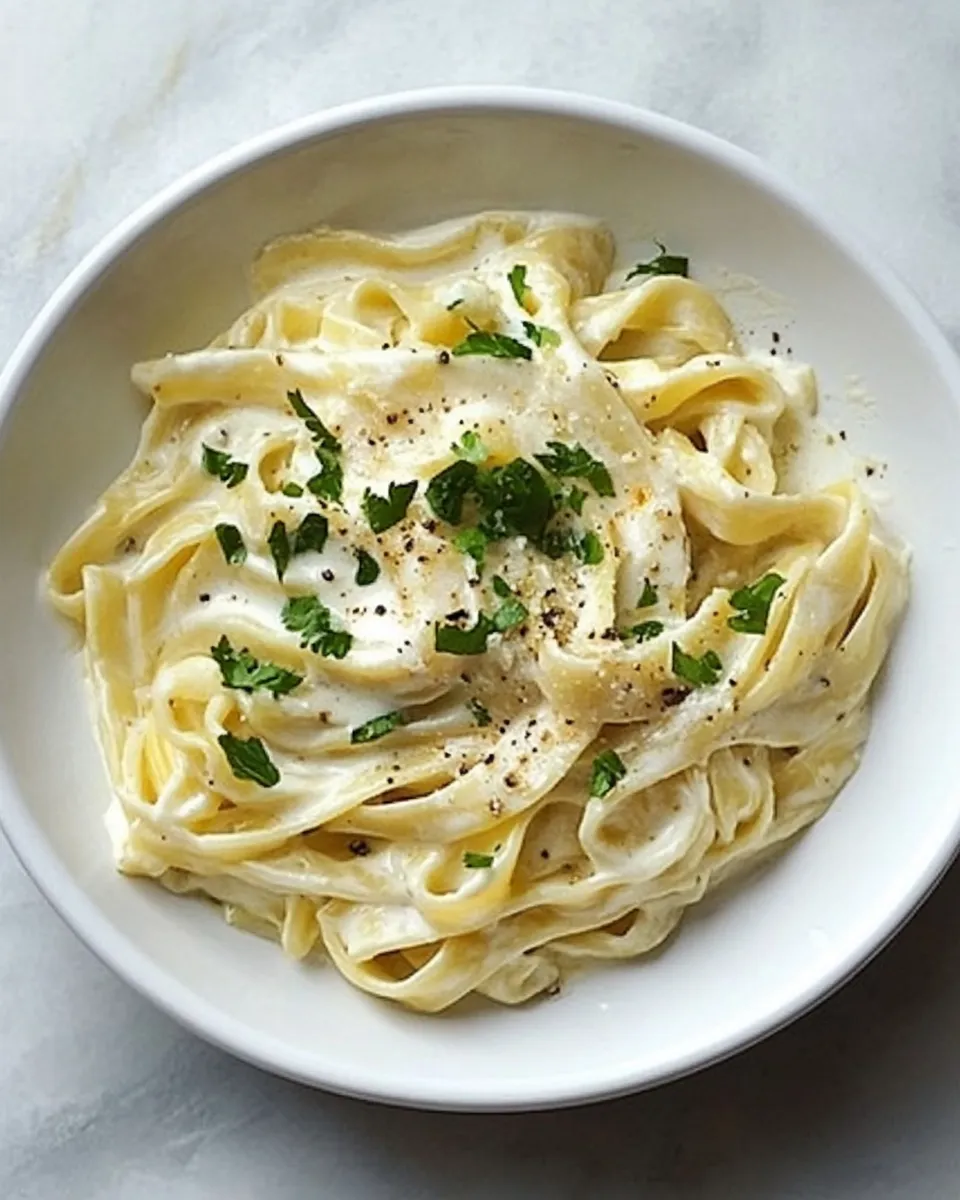
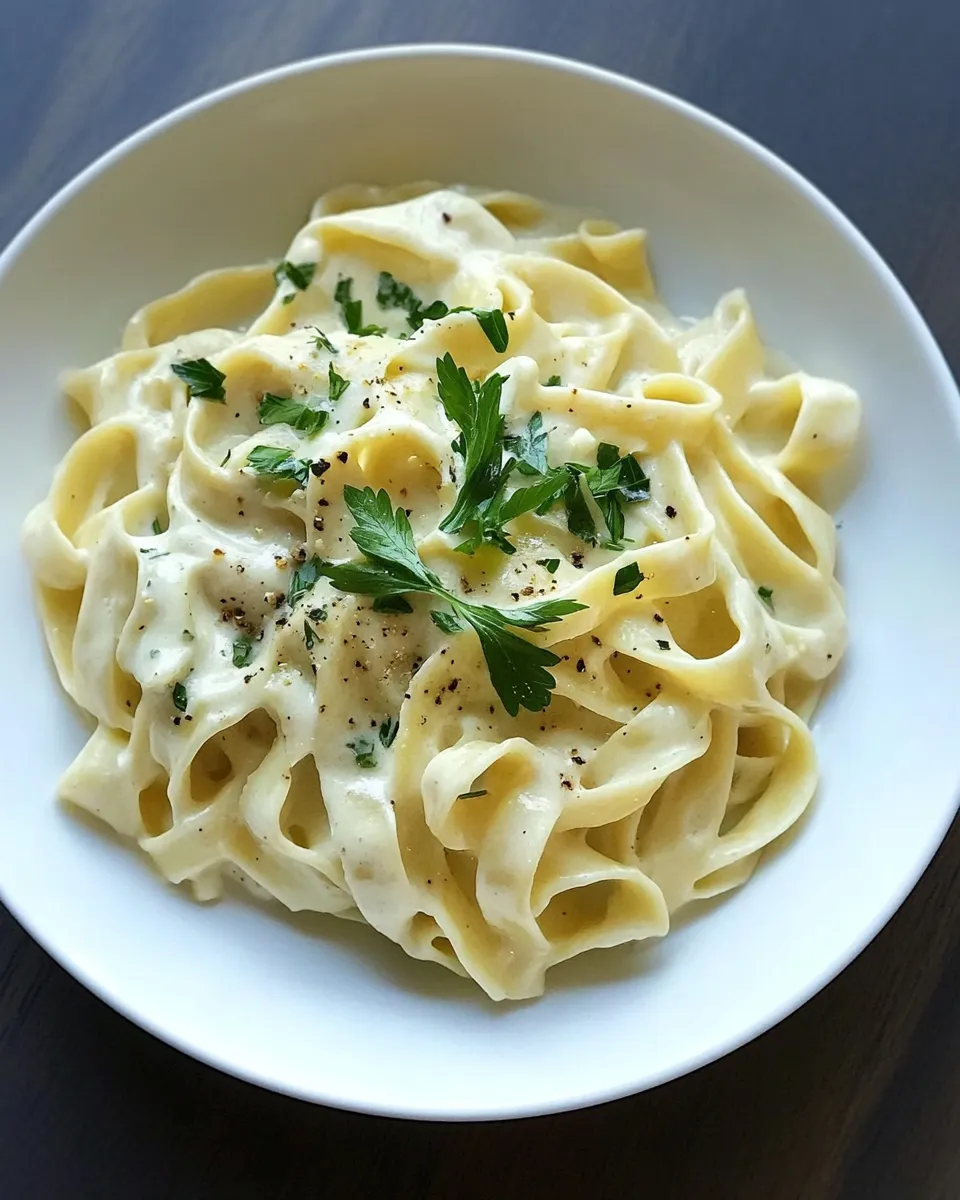
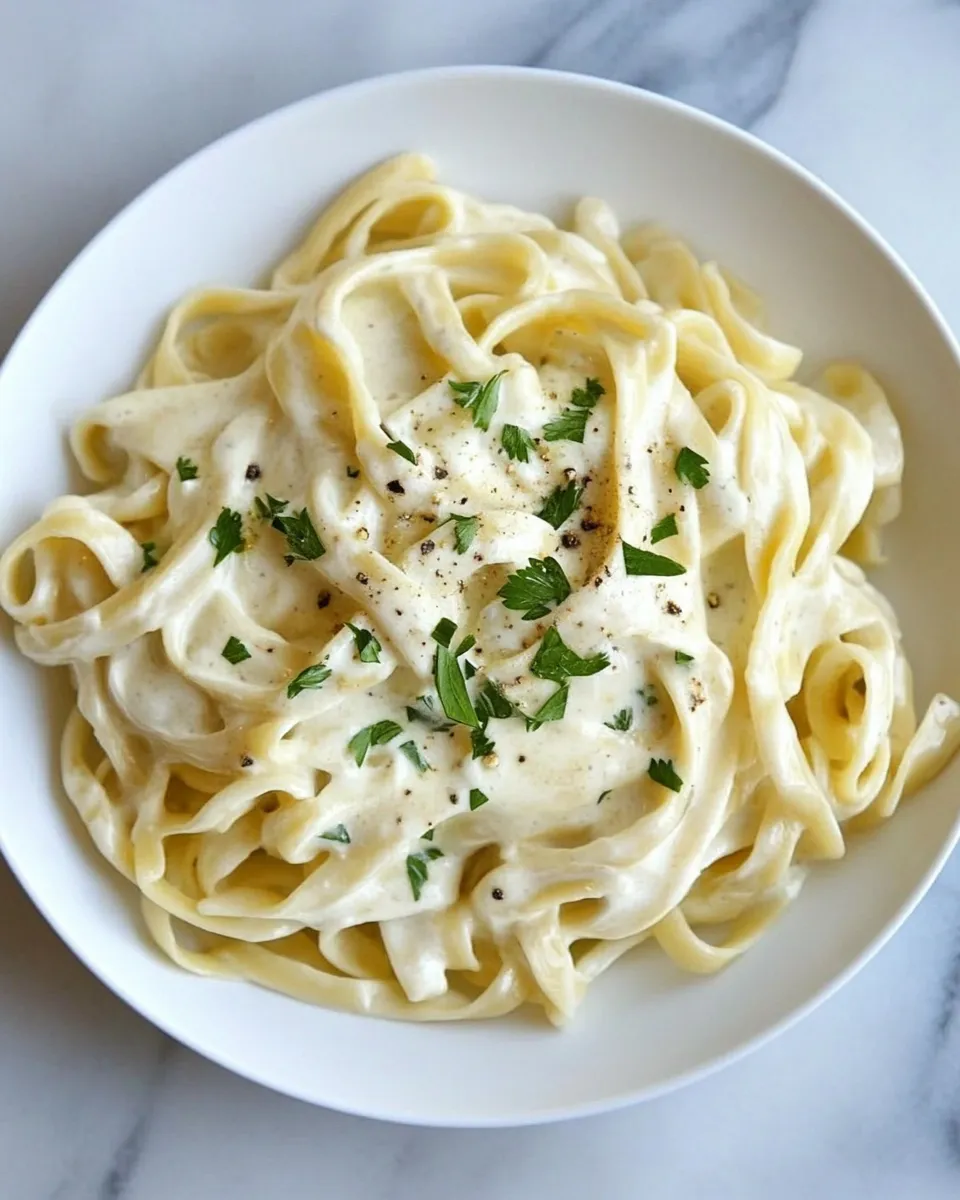
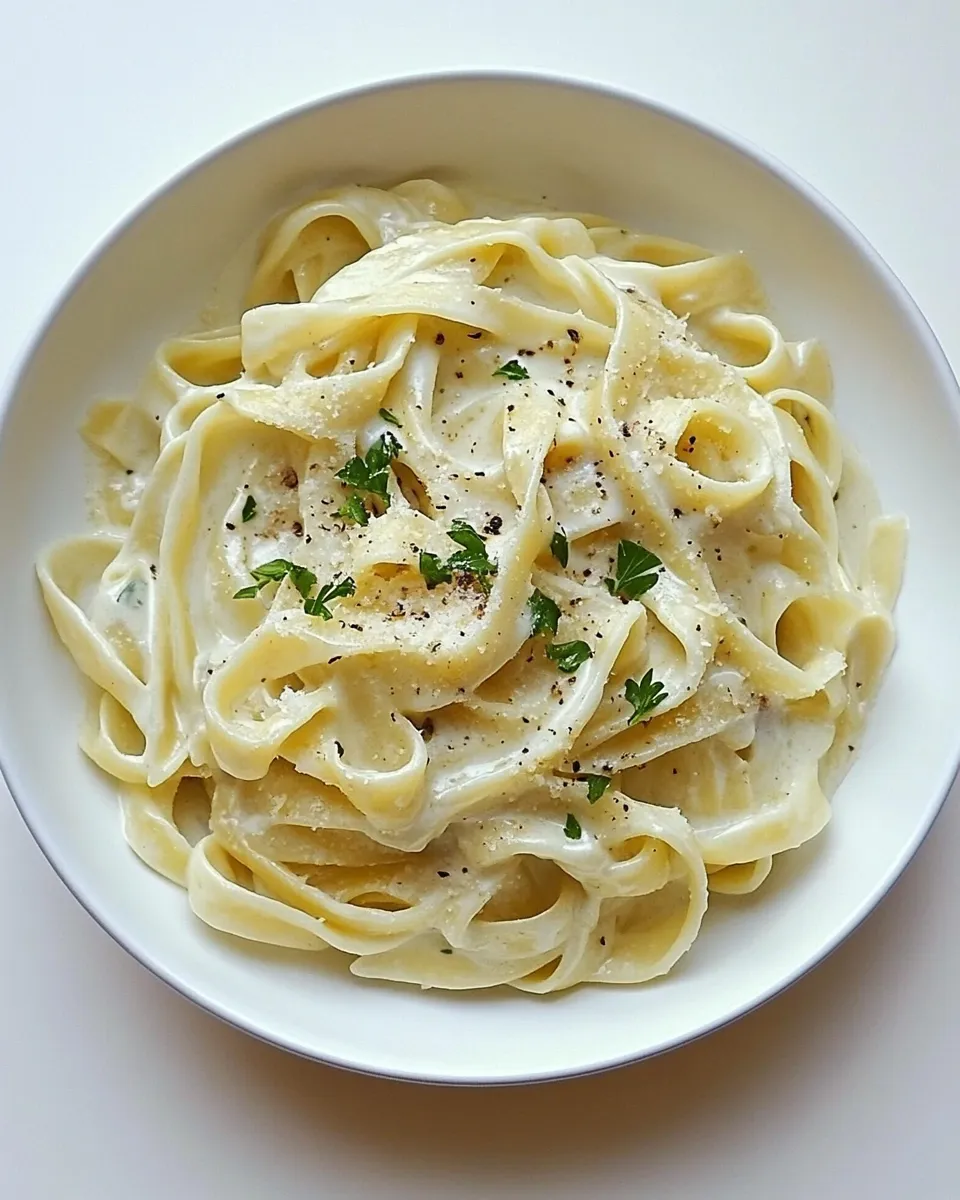
Toss this skinny Alfredo with hot pasta and a splash of reserved pasta water for the classic finish. For lighter options, spoon it over spiralized zucchini, roasted vegetables, or grilled chicken. Finish with extra grated Parmesan, a crack of black pepper, and a scattering of chopped parsley or chives if you like a fresh note.
It’s one of those sauces that feels indulgent but allows you to eat more of what you love without the heaviness. Simple technique, straightforward ingredients, and reliable results — that’s what keeps this in my weeknight rotation.
Skinny Alfredo Sauce
Ingredients
Equipment
Method
- Heat 1 tablespoon olive oil in a skillet over medium heat. Add 3 garlic cloves (minced) and sauté 1–2 minutes, until fragrant but not browned.
- Pour in 3 cups chicken stock or vegetable stock and bring to a boil. Add 3 cups cauliflower florets, cover, reduce heat to maintain a simmer, and cook 5–6 minutes, until the cauliflower is tender.
- Remove the skillet from the heat. Carefully transfer the cauliflower and cooking liquid to a blender (work in batches if necessary). Let the contents cool briefly, secure the lid, and blend until smooth.
- Add 1/2 cup parmesan cheese to the blender and blend until fully incorporated. If the sauce is too thick, add a little of the cooking liquid from the pot/blender a small amount at a time and blend again until you reach your desired consistency.
- Taste and season with salt and pepper to taste. Serve immediately.