Soft Snickerdoodles
These soft snickerdoodles are the kind of cookies you make when you want something classic, forgiving, and reliably delicious. They come out with a tender interior, a faint crackle on top, and that warming cinnamon-sugar kiss that makes them impossible to resist. I keep this version in rotation because it’s straightforward and flexible, and because the dough plays well with a handful of chocolate chips if you want a little extra indulgence.
What I love about this recipe is how consistent it is. The method leans on a simple creaming technique, a tiny lift from baking soda and cream of tartar, and the easy ritual of rolling dough in cinnamon-sugar. You don’t need special skills — just a mixer, a scoop, and attention to baking time if you want them extra soft.
Below you’ll find ingredient notes, the exact step-by-step directions, sensible swaps, and storage advice so you can bake these on repeat without wondering what to tweak. Follow the measurements and steps closely for best results, then make small adjustments once you’re comfortable with the dough’s feel and the oven’s particularities.
Ingredient Notes
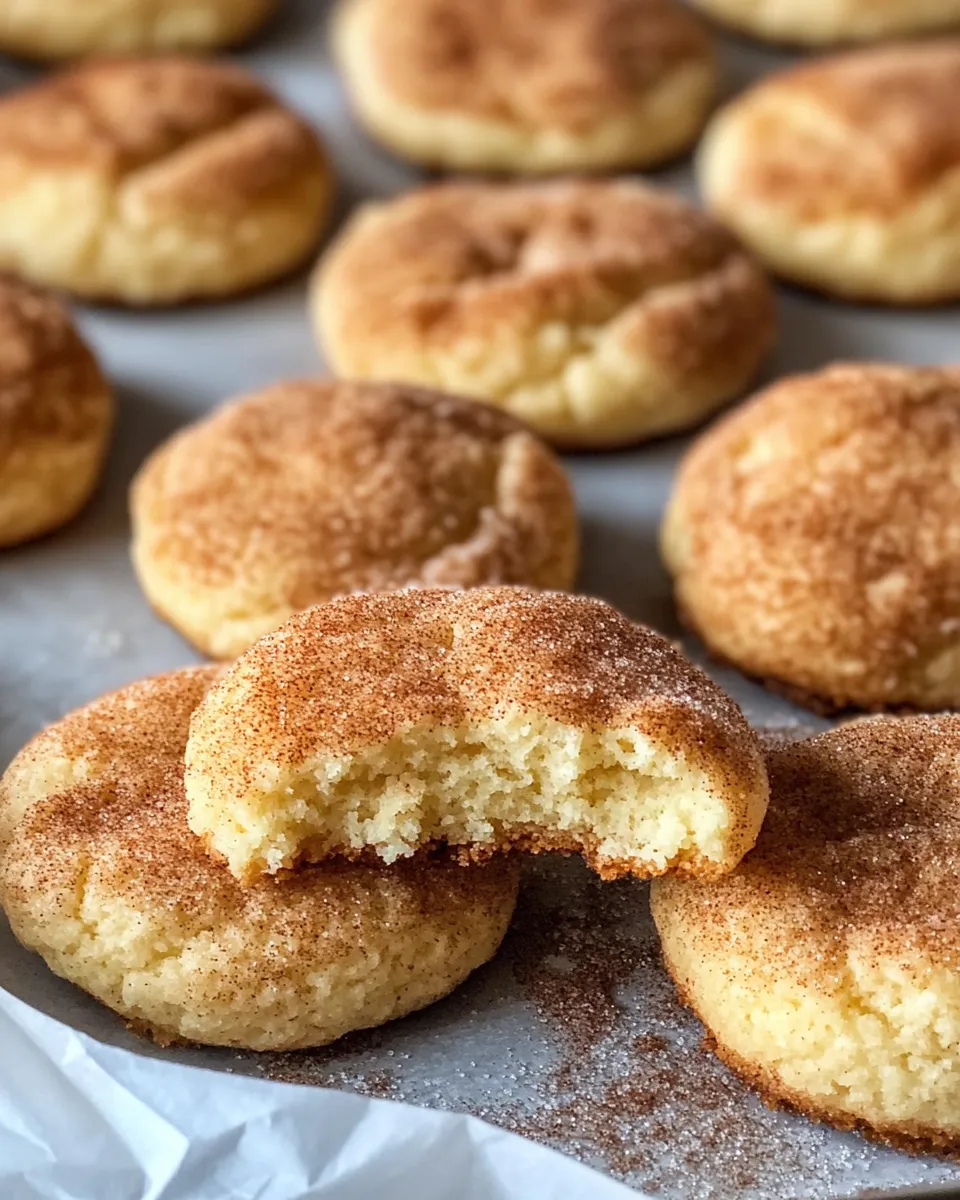
I keep this section short and practical: these ingredients are the recipe’s backbone. Small details — like butter temperature, sifting for a smoother flour incorporation, or the cinnamon-sugar ratio — matter more than dramatic techniques. Read the notes, then follow the steps below in the order given.
Ingredients
- 3/4 cup (170 g) unsalted butter — softened to room temperature for proper creaming; provides fat and tenderness.
- 3/4 cup (150 g) granulated sugar — sweetens and helps create a slight crisp at the cookie edge.
- 1 large egg — binds the dough and adds moisture.
- 1 tablespoon vanilla extract — flavor booster; use pure vanilla if you have it.
- 1/2 teaspoon baking soda — the leavening agent that gives a gentle lift.
- 1/2 teaspoon cream of tartar — classic snickerdoodle acid for that tang and chew.
- 1/2 teaspoon salt — balances sweetness and enhances flavor.
- 2 cups (248 g) all-purpose flour — structure; spoon and level if measuring by volume.
- 1 cup (170 g) chocolate chips (optional) — adds melty pockets of chocolate when desired; fold in by hand.
- 2 teaspoons ground cinnamon — for the coating; use fresh for best flavor.
- 1/3 cup (67 g) granulated sugar — mixed with cinnamon to coat the dough balls.
Soft Snickerdoodles: How It’s Done
- Preheat oven to 350°F. Line two cookie sheets with parchment paper or Silpat baking mats.
- In a stand mixer fitted with the paddle attachment (or with a hand mixer), cream 3/4 cup (170 g) unsalted butter and 3/4 cup (150 g) granulated sugar on medium speed until light and fluffy, about 2–3 minutes.
- Add 1 large egg and 1 tablespoon vanilla extract; mix until smooth and fully incorporated.
- Add 1/2 teaspoon baking soda, 1/2 teaspoon cream of tartar, and 1/2 teaspoon salt; mix briefly just to combine.
- With the mixer on low, slowly add 2 cups (248 g) all-purpose flour and mix until the dough is just combined. Do not overmix.
- If using, fold in 1 cup (170 g) chocolate chips with a spatula until evenly distributed.
- In a small bowl, stir together 1/3 cup (67 g) granulated sugar and 2 teaspoons ground cinnamon to make the cinnamon-sugar coating.
- Scoop dough into 2-tablespoon portions (use a 2-T scoop or two spoons), roll each portion into a ball, then roll the ball in the cinnamon-sugar to coat.
- Place the coated dough balls 2 inches apart on the prepared cookie sheets.
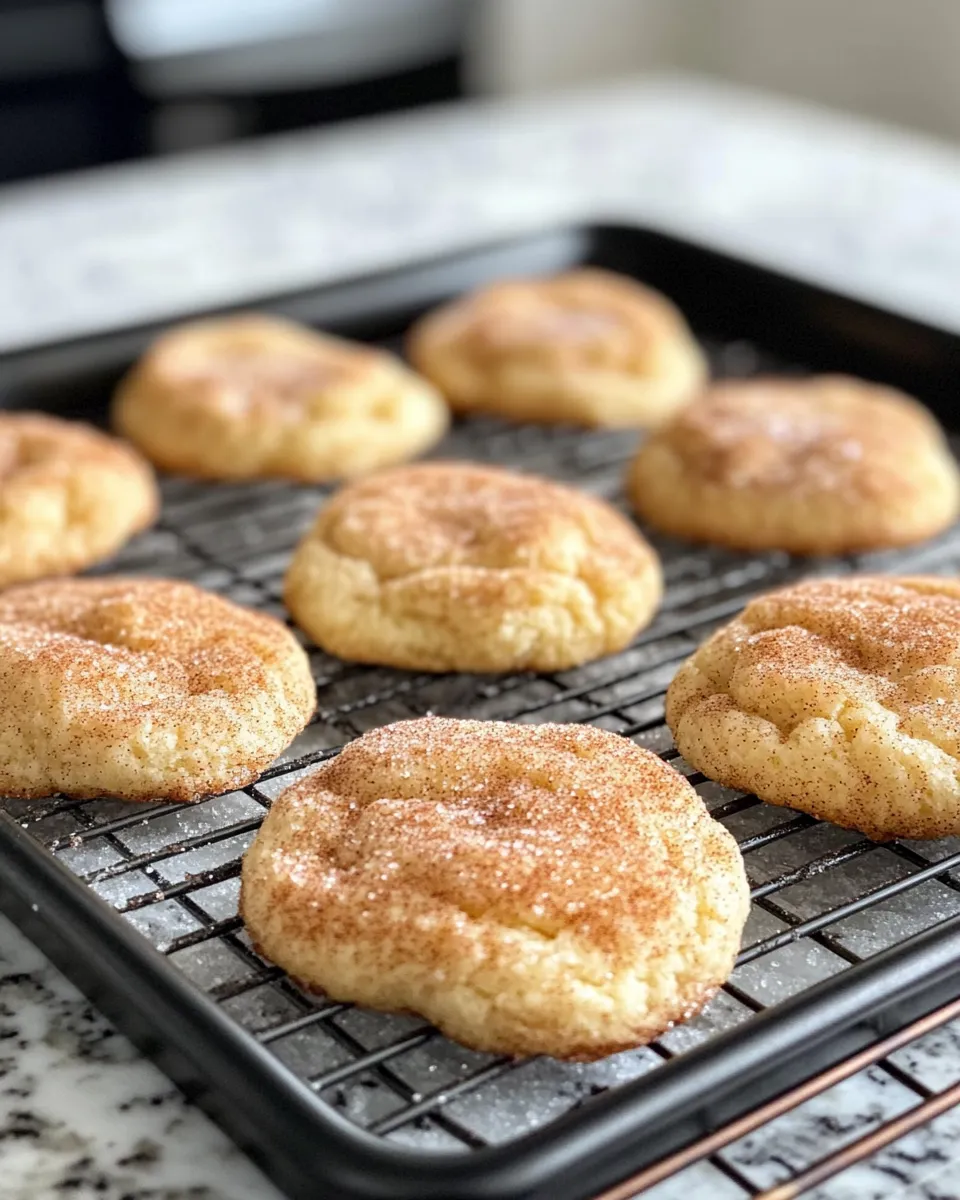
- Bake 9–11 minutes, until the bottoms just start to turn golden brown. For softer cookies, err on the side of the shorter baking time.
- Cool the cookies on the baking sheet for at least 5 minutes before transferring to a rack or plate to finish cooling.
- Store cooled cookies in an airtight container for up to 3 days, or freeze for up to 1 month.
Why This Recipe is a Keeper
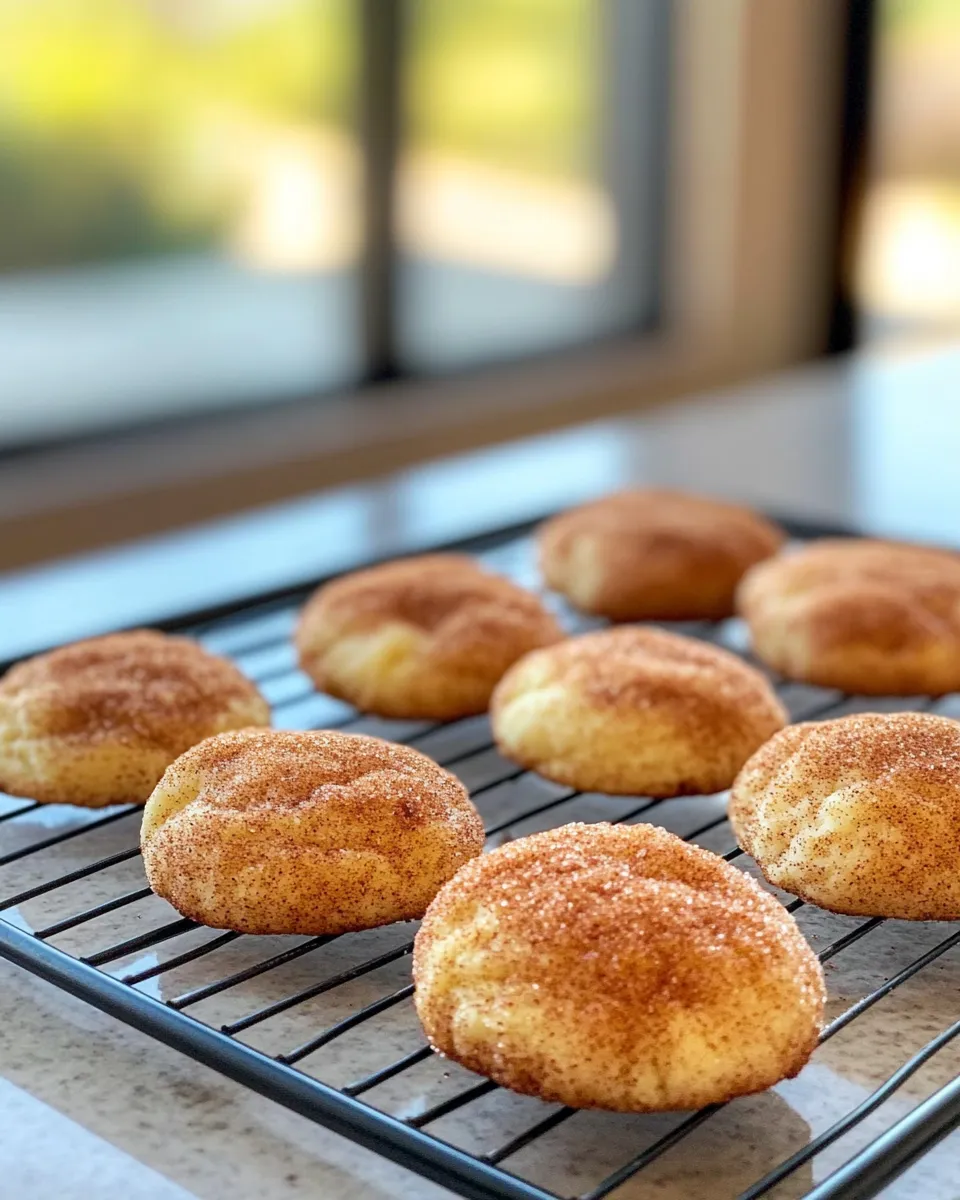
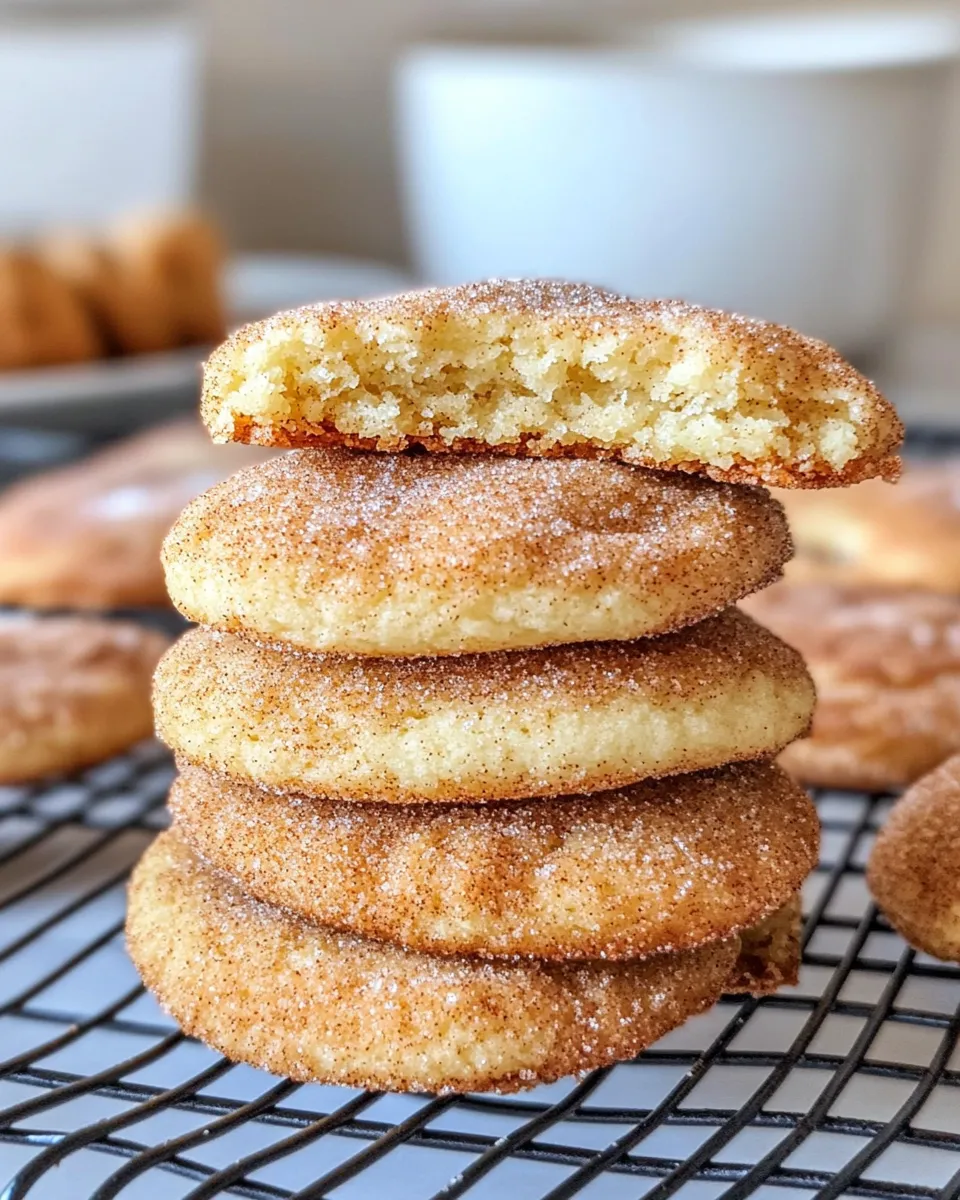
This version hits the sweet spot between simplicity and clear structure. The ingredient list is short and pantry-friendly. The cream of tartar plus baking soda combo gives the characteristic snickerdoodle texture and flavor — the tang and chew you expect — without complicated steps. The dough is forgiving: slightly underbake for softness, and the cookies will finish setting as they cool.
I also appreciate the adaptability. Want plain snickerdoodles? Skip the chips. Craving chocolate? Stir them in. Need a predictable yield for cookie swaps or a bake sale? This makes uniform cookies when you use the 2-tablespoon portioning method. It’s a dependable template that rewards consistent technique more than culinary bravado.
Substitutions by Category
Fats & Dairy
- Butter: You can use salted butter, but reduce added salt slightly or omit it. Unsalted gives you control.
- Non-butter options: I don’t recommend margarine for best texture; stick with butter for flavor and structure.
Sweeteners
- Granulated sugar: You can try part granulated and part light brown sugar for a touch of chew and caramel notes, but the recipe’s original texture prefers granulated.
Flavoring & Add-ins
- Vanilla: If you don’t have vanilla extract, the cookie will still work but will be less aromatic.
- Chocolate chips: Optional; fold them in by hand as directed. Nuts, if used, can be added the same way but will change texture.
Flour & Leavening
- All-purpose flour: Using higher-protein flours will make cookies firmer. If using a different flour, expect texture changes and consider small adjustments later.
- Baking soda/cream of tartar: Both are part of the cookie’s chemistry. Omitting cream of tartar will make them less tangy and snickerdoodle-like.
When substituting, proceed conservatively. Small tweaks are fine; wholesale swaps will require more testing.
Equipment Breakdown
- Stand mixer with paddle attachment or hand mixer — for reliable, even creaming of butter and sugar.
- Mixing bowls — at least two: one for dough, one for cinnamon-sugar.
- 2-T tablespoon scoop (or two spoons) — helps make even cookies so they bake consistently.
- Parchment paper or Silpat baking mats — prevents sticking and ensures even bottoms.
- Baking sheets — a couple so you can swap racks while baking multiple batches.
- Cooling rack — important to avoid soggy bottoms; cookies finish setting as they cool on a rack.
Frequent Missteps to Avoid
Don’t skimp on creaming. The butter and sugar need to aerate for 2–3 minutes; that air gives the cookies lift and lightness. Under-creamed butter can yield dense cookies.
Overmixing after adding flour is a common error. Mix just until the flour disappears. Overworking develops gluten and makes cookies tough.
Baking too long is the quickest way to lose the “soft” in soft snickerdoodles. Pull them at the lower end of the time range if you want a tender center. They’ll continue to set on the sheet.
Better Choices & Swaps
Use room-temperature butter for easier creaming and a better texture. If your kitchen is cold, cut the butter into chunks and let it sit for 20–30 minutes rather than microwaving it; melted butter ruins the creaming process.
If you have excellent quality vanilla, use it. It’s a small change that noticeably uplifts the cookie. For the cinnamon, fresh-ground from whole sticks or a recently opened jar will taste brighter than an older container.
Behind-the-Scenes Notes

The cream of tartar is what gives snickerdoodles their signature tang and chew — it’s not interchangeable without affecting flavor and texture. The baking soda works in tandem with that acid to provide a balanced rise. Historically, that tiny bit of tang is what differentiates a snickerdoodle from a plain sugar cookie.
As the cookies bake, the exterior sets first while the interior holds moisture. That’s why removing them a touch early guarantees a soft center. The cooling step on the baking sheet lets the bottoms finish browning without overbaking the edges.
Storing Tips & Timelines
- Room temperature: Store cooled cookies in an airtight container for up to 3 days. Place a piece of parchment between layers to prevent sticking.
- Freezing: Freeze baked cookies flat in a single layer on a sheet pan, then transfer to a freezer bag for up to 1 month. Thaw at room temperature for 20–30 minutes before serving.
- Dough freezing: You can freeze rolled, coated dough balls on a sheet pan until solid, then move them to a bag. Bake from frozen but add a minute or two to the bake time.
Common Qs About Soft Snickerdoodles
Q: How can I keep these cookies soft longer?
A: Store them in an airtight container with a slice of bread or a slightly dampened paper towel wrapped in plastic (not touching cookies directly). The cookies will absorb small amounts of moisture and stay tender for a couple of days. Don’t leave them exposed to air.
Q: Can I make the dough ahead?
A: Yes. Refrigerate the dough for up to 48 hours; allow it to warm slightly before scooping so it rolls cleanly. You can also freeze individual dough balls as noted above.
Q: My cookies spread too much. Why?
A: Spreading commonly results from too-soft butter (or melted butter), under-measured flour, or warm baking sheets. Use room-temperature, not melted, butter, measure flour accurately by spooning into the cup and leveling, and rotate pans if you notice uneven baking.
Q: The cookies come out flat and oily. What’s wrong?
A: That usually means the butter was too warm or overworked. Chill the dough briefly before baking if your kitchen is warm. Also ensure you used the correct ratios; follow the recipe amounts exactly.
Q: Can I omit the cream of tartar?
A: You can, but the cookies will lose the classic snickerdoodle tang and chew. If you omit it, expect a cookie closer to a sugar cookie in flavor and texture.
Next Steps
Heat the oven, line a couple of baking sheets, and measure your ingredients. If you like, make half the batch with chocolate chips and half without to please different tastes. Bake a test sheet first to dial in your oven’s timing. Once you’ve nailed the 9–11 minute window for your oven, you’ll have a reliable cookie you can make again and again.
These are the kind of cookies that reward small, consistent techniques. Stick to the measurements and order above the first time. With each bake you’ll learn your oven and tweak slightly to reach the perfect soft snickerdoodle for your household.
Soft Snickerdoodles
Ingredients
Equipment
Method
- Preheat oven to 350°F. Line two cookie sheets with parchment paper or Silpat baking mats.
- In a stand mixer fitted with the paddle attachment (or with a hand mixer), cream 3/4 cup (170 g) unsalted butter and 3/4 cup (150 g) granulated sugar on medium speed until light and fluffy, about 2–3 minutes.
- Add 1 large egg and 1 tablespoon vanilla extract; mix until smooth and fully incorporated.
- Add 1/2 teaspoon baking soda, 1/2 teaspoon cream of tartar, and 1/2 teaspoon salt; mix briefly just to combine.
- With the mixer on low, slowly add 2 cups (248 g) all-purpose flour and mix until the dough is just combined. Do not overmix.
- If using, fold in 1 cup (170 g) chocolate chips with a spatula until evenly distributed.
- In a small bowl, stir together 1/3 cup (67 g) granulated sugar and 2 teaspoons ground cinnamon to make the cinnamon-sugar coating.
- Scoop dough into 2-tablespoon portions (use a 2-T scoop or two spoons), roll each portion into a ball, then roll the ball in the cinnamon-sugar to coat.
- Place the coated dough balls 2 inches apart on the prepared cookie sheets.
- Bake 9–11 minutes, until the bottoms just start to turn golden brown. For softer cookies, err on the side of the shorter baking time.
- Cool the cookies on the baking sheet for at least 5 minutes before transferring to a rack or plate to finish cooling.
- Store cooled cookies in an airtight container for up to 3 days, or freeze for up to 1 month.
Notes
You can double or triple this recipe by multiplying all ingredients by 2 or 3, respectively.