Sourdough Pizza Dough Recipe
I love a pizza night that starts with real sourdough — the kind where the crust is tangy, blistered, and chewy in all the right places. This dough is forgiving but deliberate: it asks for patience up front and rewards you with texture and flavor that supermarket dough can’t touch. I’ll walk you through the practical steps so you can do this at home without unnecessary fuss.
There are only a handful of ingredients, a few simple techniques, and a reliable timeline. Measure, fold, proof, and chill. The method below keeps the dough versatile — thin-crust or slightly puffier edges, depending on how you shape it. Expect a lively crust that crisps quickly at high heat.
Shopping List
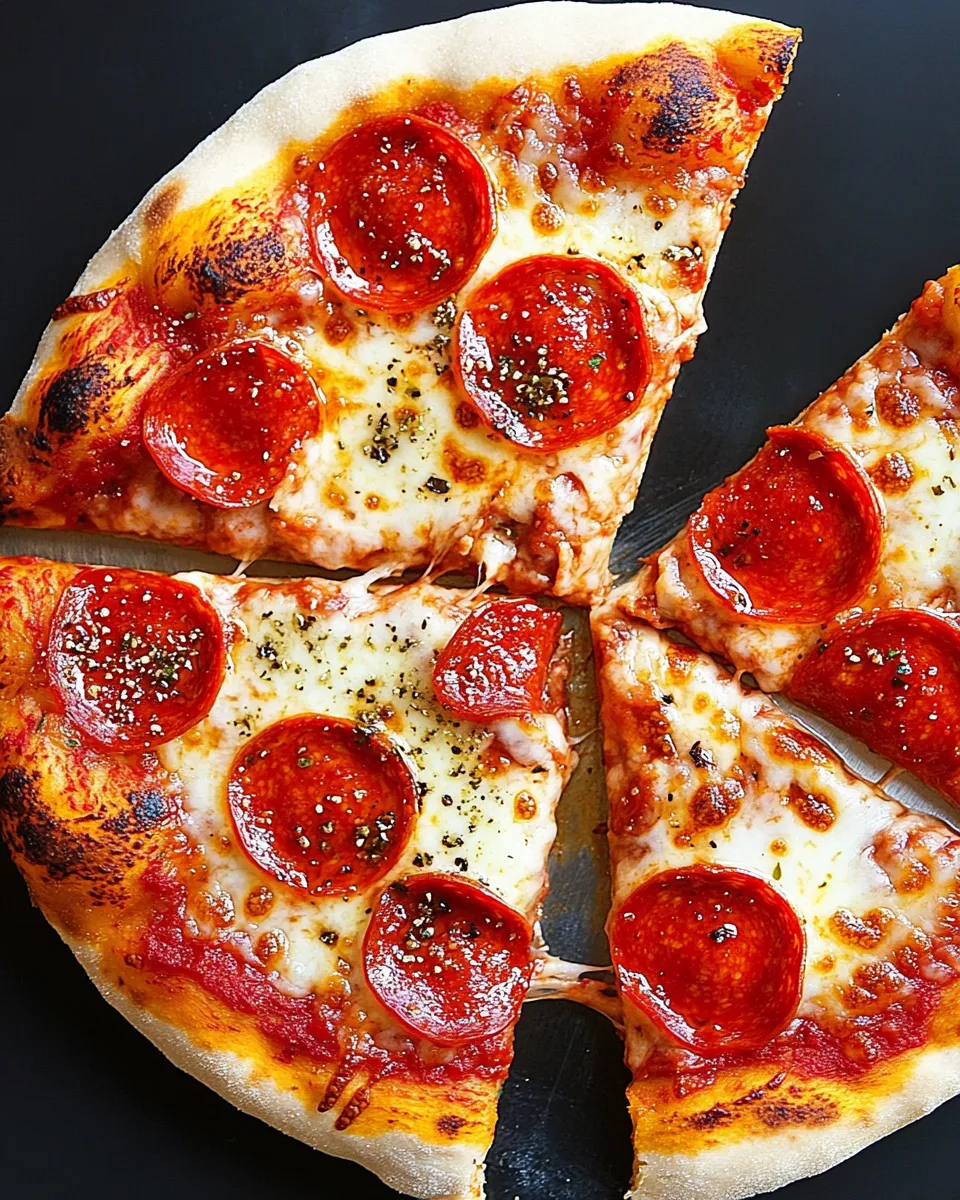
- 500 grams flour — the base; use all-purpose or bread flour as you prefer, plus a bit extra for dusting.
- 12 grams fine sea salt — seasons the dough evenly.
- 335 grams water — filtered, room temperature; hydrates the flour and activates the starter.
- 100 grams active sourdough starter — your leavening and flavor; must be fed and bubbly.
- Semolina flour — for dusting the pizza peel so the dough slides easily.
Sourdough Pizza Dough: From Prep to Plate
Ingredients
- 500grams00 flour,(500gr=4.17 cups), or all-purpose or bread flour, plus more for dusting — the structure of the crust; bread flour gives more chew, AP is more tender.
- 12gramsfine sea salt,or 2 tsp — balances flavor and tightens gluten.
- 335gramswater,(335gr=1.4 cups), filtered, room temperature — hydrates the dough; room temp helps fermentation predictability.
- 100gramsactive sourdough starter,(100gr=1/2 cup) — the only leavening; must be active and bubbly.
- Semolina flour,to dust the pizza peel — prevents sticking and adds a nice slight crunch under the crust.
Instructions
- Feed your sourdough starter 4–6 hours before you begin so it is active, bubbly, and has at least doubled in size; you will use 100 grams of this active starter in the dough.
- In a large bowl, whisk together 500 grams flour and 12 grams fine sea salt until evenly combined.
- Add 335 grams room-temperature water and 100 grams active starter to the flour. Mix with a firm spatula until the ingredients start to come together, then use your hands to pinch and fold the dough until it is fully combined and there are no dry pockets.
- Cover the bowl (plastic wrap or a clean, damp kitchen towel) and let the dough rest for 30 minutes.
- After the rest, knead the dough for about 2 minutes in the bowl or on a clean work surface until it becomes slightly smoother. Transfer the dough to a clean bowl lightly dusted with flour, cover, and proof at room temperature (70–75°F) for 4–5 hours, or until the dough has increased by about 50% in volume.
- Turn the proofed dough out onto a lightly floured surface. Use a bench scraper to divide it into 4 equal pieces.
- For each piece: fold the dough in half, then repeat folding (pulling the sides over the center like closing a book and turning the dough between folds) until you have completed a total of 8 folds. Shape each piece into a tight ball by cupping it in your hands and rolling gently. Place each ball seam-side-down in a clean, lightly floured bowl or container, cover, and refrigerate overnight (about 18 hours) or up to 1 week.
- When ready to bake, remove the dough from the refrigerator 15–30 minutes before you plan to shape it to allow it to relax while you preheat the oven. Place a pizza stone or an inverted baking sheet on the center rack and preheat the oven to 550°F. Lightly dust a pizza peel with semolina flour and prepare your toppings.
- Shape one dough ball at a time on a lightly floured surface: flatten gently with your fingertips, pushing larger air bubbles toward the edge while avoiding popping them. Lift the dough onto the backs of your hands and stretch it by rolling your knuckles under the center and working outward, rotating as you go, until the dough is about 10–12 inches in diameter with a slightly thicker edge. Place the shaped dough onto the semolina-dusted peel and give the peel a small shake to ensure the dough slides freely.
- Add a light coating of sauce and your chosen toppings. Shake the peel again to confirm the pizza will slide off cleanly.
- Slide the pizza onto the preheated pizza stone and bake at 550°F for 8–10 minutes, or until the crust is golden brown and some of the larger bubbles show light charring. Remove from the oven and let rest briefly before serving.
Why This Recipe is a Keeper

This dough is reliably textured and flavorful because it leans on predictable hydration and fermentation. The combination of a short initial rest, a short knead, and a long cold ferment develops flavor without demanding a lot of hands-on time. The high oven temperature and semolina-dusted peel produce a crisp bottom and a nicely blistered edge.
It’s flexible. You can make the dough a day ahead and bake the pizzas the next night, or stretch the refrigerator time to fit your schedule (up to a week). That kind of convenience, plus the noticeable sourdough tang, is why I keep this recipe in heavy rotation.
Swap Guide

Small swaps can personalize the dough without breaking the method.
- Flour: Swap between bread flour for more chew or all-purpose for a softer bite. Don’t change the weight — use 500 grams regardless.
- Starter: If your starter is extra active, you may not see much difference; if it’s sluggish, make sure it’s fed and bubbly before using. Do not change the 100-gram amount; adjust maturation time instead.
- Semolina: If you don’t have semolina, cornmeal works as an alternative for dusting, though semolina provides a finer texture.
Essential Tools for Success
- Digital kitchen scale — weigh flour, water, and starter precisely.
- Large mixing bowl — for combining and proofing the dough.
- Bench scraper — dividing and folding dough is faster and cleaner with one.
- Pizza stone or inverted baking sheet — hot, heavy surface for crisp bottoms.
- Pizza peel dusted with semolina — for moving pizzas in and out of the oven.
- Clean kitchen towel or plastic wrap — for resting and proofing without crust formation.
Don’t Do This
Don’t skip feeding your starter. Using a starter that isn’t active will result in dense, underproofed dough.
Don’t rush the proof. The dough needs the 4–5 hour room-temperature proof to develop gluten and lift by about 50% before you divide and cold-proof. Shortcutting this stage changes texture and rise.
Don’t overload toppings. Too many wet toppings will weigh the crust down and prevent good oven spring. Keep sauce light and toppings balanced.
In-Season Swaps
The dough itself doesn’t change with seasons, but topping choices do. In summer, use ripe tomatoes, fresh basil, and burrata for a bright pie. In winter, roast root vegetables, caramelized onions, and fontina make a warm, comforting pizza. The dough’s tang and chew pair well with both fresh and roasted ingredients.
What I Learned Testing
I tested this across several starters, flours, and ovens. Three consistent findings:
- Starter activity matters more than starter age. A fed, bubbly starter at 4–6 hours after feeding gave the most predictable rise.
- Cold fermentation gives the best flavor. Even a single night in the fridge deepens the tang and improves texture.
- Shaping technique preserves bubbles. Gently coaxing bubbles toward the edge, rather than pressing them out, yields larger blistered pockets after baking.
Also: the oven temperature is critical. If your oven won’t reach 550°F, preheat as hot as possible and give the dough a head start with a well-heated stone or steel. Results will differ, but the core method still works.
Storing Tips & Timelines
Follow the recipe’s refrigeration guidance: after forming dough balls and doing the 8 folds, refrigerate overnight (about 18 hours) or up to 1 week. The dough will continue to develop flavor in the fridge; the longer it chills, the tangier it becomes.
- Short-term (same day): If you need to bake the same day, you can skip the long chill, but expect less depth of flavor and different handling characteristics.
- Overnight to 1 week: Keep the dough balls covered and in a lightly floured container. Allow 15–30 minutes at room temperature before shaping.
- Longer storage: Freezing formed dough balls is possible, but it’s not covered in the source instructions; follow the provided refrigeration window for best results.
Ask & Learn
If your dough feels sticky after mixing, lightly dust the surface with flour when folding — don’t add a lot at once; you want the dough to stay hydrated. If your dough doesn’t rise much during the room-temperature proof, check starter activity and room temperature; a cooler kitchen slows fermentation significantly.
Common troubleshooting: dense pizza often comes from underproofing or a starter that wasn’t active. Overly wet topping mixtures will also affect the final texture. If you want help diagnosing a specific problem, tell me your starter schedule, kitchen temperature, and how the dough looked during each stage.
Let’s Eat
When the pizza comes out of the oven, let it rest for a couple of minutes so the cheese sets and the crust finishes crisping. Slice and serve while it’s still warm. This dough lets you customize: a simple Margherita to show off the crust, or a loaded pie for a crowd. Either way, you’ll taste the difference that proper fermentation and a hot oven make.
Make the dough the night before, keep a few balls in the fridge, and you’ll have pizza on demand for several nights. That convenience, plus the lovely sourdough character, is why this recipe sits in my regular rotation. Now preheat the oven, dust that peel with semolina, and enjoy your best homemade pie yet.
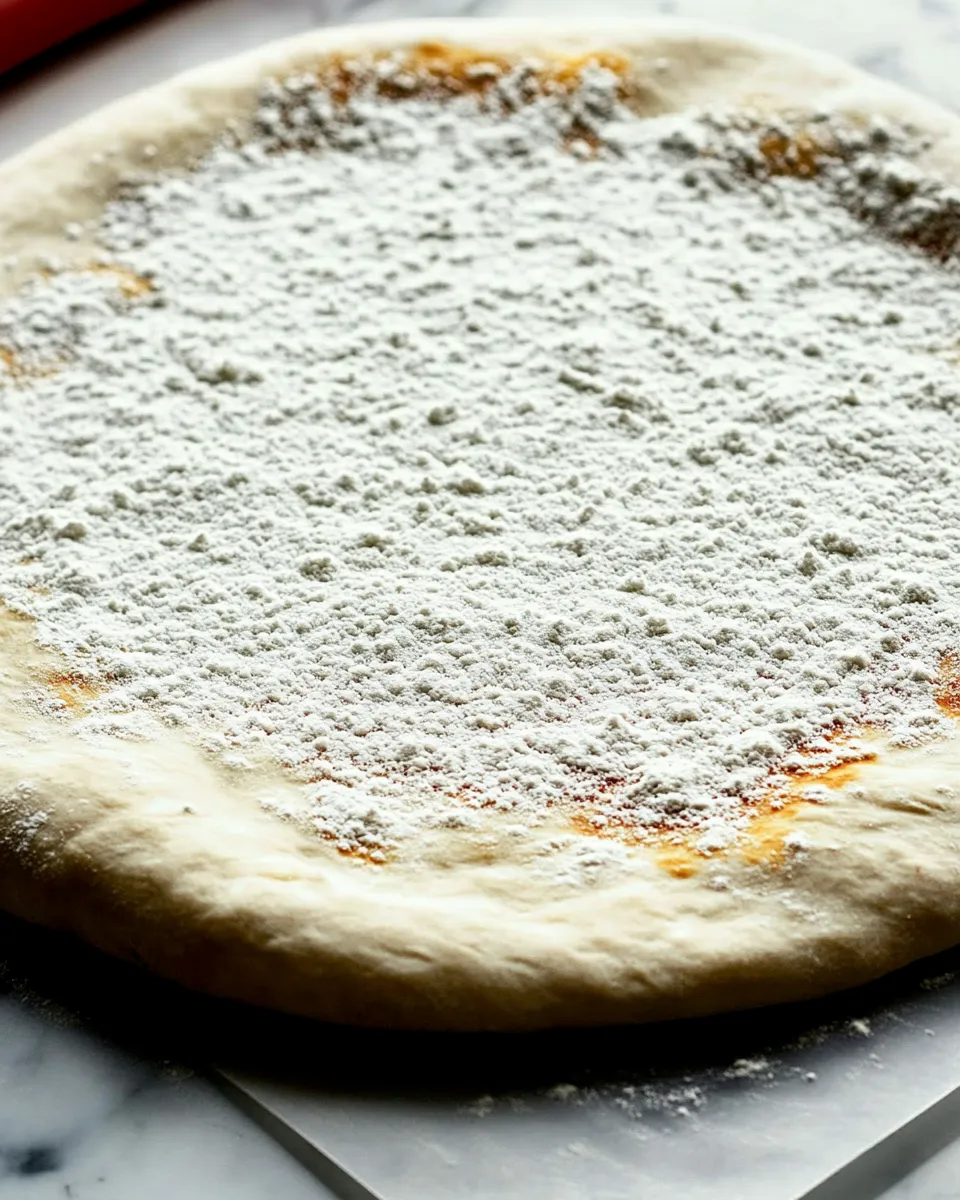
Sourdough Pizza Dough Recipe
Ingredients
Equipment
Method
- Feed your sourdough starter 4–6 hours before you begin so it is active, bubbly, and has at least doubled in size; you will use 100 grams of this active starter in the dough.
- In a large bowl, whisk together 500 grams flour and 12 grams fine sea salt until evenly combined.
- Add 335 grams room-temperature water and 100 grams active starter to the flour. Mix with a firm spatula until the ingredients start to come together, then use your hands to pinch and fold the dough until it is fully combined and there are no dry pockets.
- Cover the bowl (plastic wrap or a clean, damp kitchen towel) and let the dough rest for 30 minutes.
- After the rest, knead the dough for about 2 minutes in the bowl or on a clean work surface until it becomes slightly smoother. Transfer the dough to a clean bowl lightly dusted with flour, cover, and proof at room temperature (70–75°F) for 4–5 hours, or until the dough has increased by about 50% in volume.
- Turn the proofed dough out onto a lightly floured surface. Use a bench scraper to divide it into 4 equal pieces.
- For each piece: fold the dough in half, then repeat folding (pulling the sides over the center like closing a book and turning the dough between folds) until you have completed a total of 8 folds. Shape each piece into a tight ball by cupping it in your hands and rolling gently. Place each ball seam-side-down in a clean, lightly floured bowl or container, cover, and refrigerate overnight (about 18 hours) or up to 1 week.
- When ready to bake, remove the dough from the refrigerator 15–30 minutes before you plan to shape it to allow it to relax while you preheat the oven. Place a pizza stone or an inverted baking sheet on the center rack and preheat the oven to 550°F. Lightly dust a pizza peel with semolina flour and prepare your toppings.
- Shape one dough ball at a time on a lightly floured surface: flatten gently with your fingertips, pushing larger air bubbles toward the edge while avoiding popping them. Lift the dough onto the backs of your hands and stretch it by rolling your knuckles under the center and working outward, rotating as you go, until the dough is about 10–12 inches in diameter with a slightly thicker edge. Place the shaped dough onto the semolina-dusted peel and give the peel a small shake to ensure the dough slides freely.
- Add a light coating of sauce and your chosen toppings. Shake the peel again to confirm the pizza will slide off cleanly.
- Slide the pizza onto the preheated pizza stone and bake at 550°F for 8–10 minutes, or until the crust is golden brown and some of the larger bubbles show light charring. Remove from the oven and let rest briefly before serving.
Notes
Semolinais best for keeping the pizza dough from sticking to the peel, but you can substitute with 00 Flour, All-purpose, or bread flour.
Baking in the Oven –If your oven only heats to 500, that’s ok, just bake slightly longer.
Measuring Tip:To make this process easier and more precise, weigh your pizza ingredients into the bowl over akitchen scale.If you don’t have a scale, see our post onHow to Measure Ingredients.
Don’t overloadwith toppingsand sauce to be sure it cooks properly in the center.
To Freeze –After the cold ferment for at least 18 hours in the refrigerator, you can place freezer-safe containers of dough into the freezer to store for up to 3 months. SeeHow to Freeze Pizza Dough.