Southern Buttermilk Biscuits Recipe
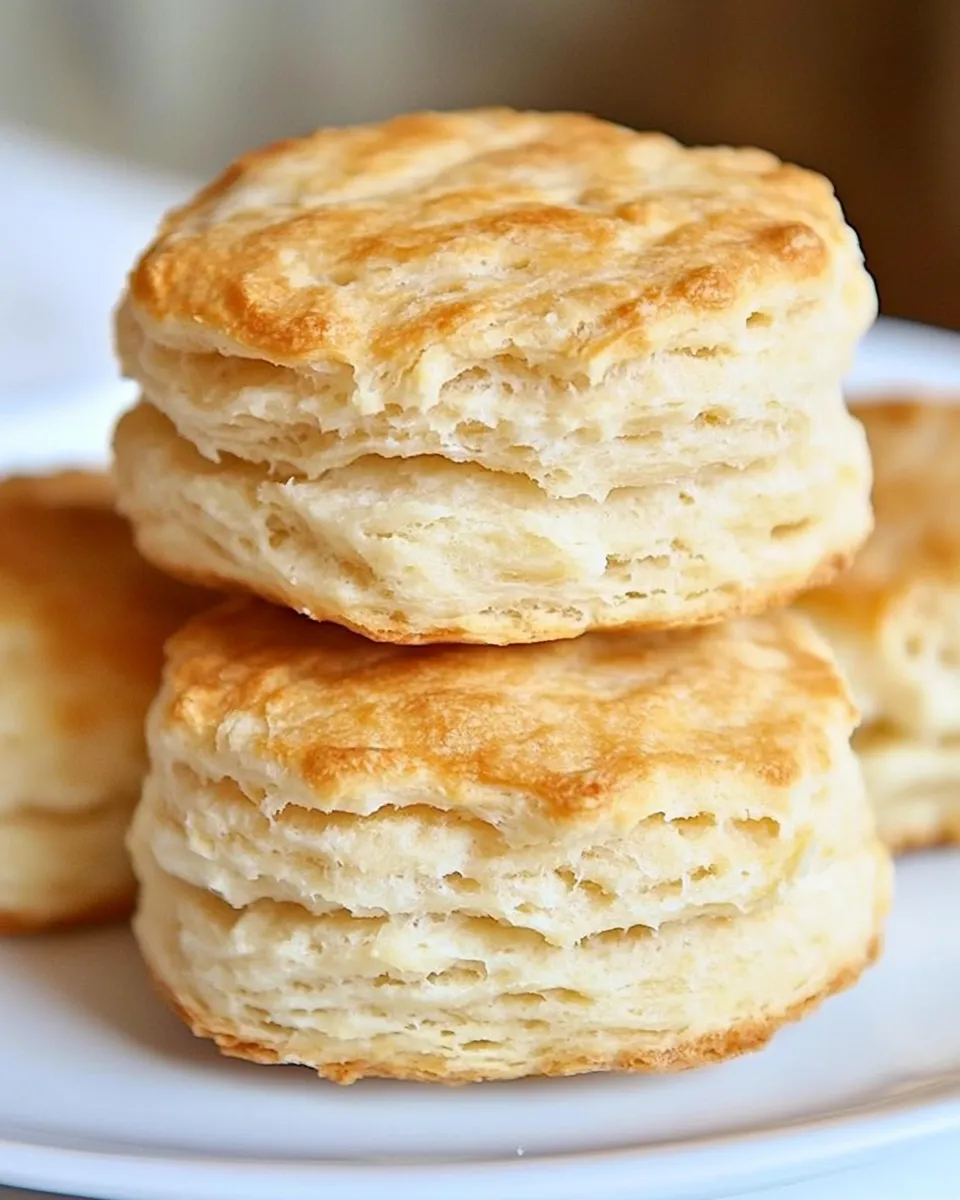
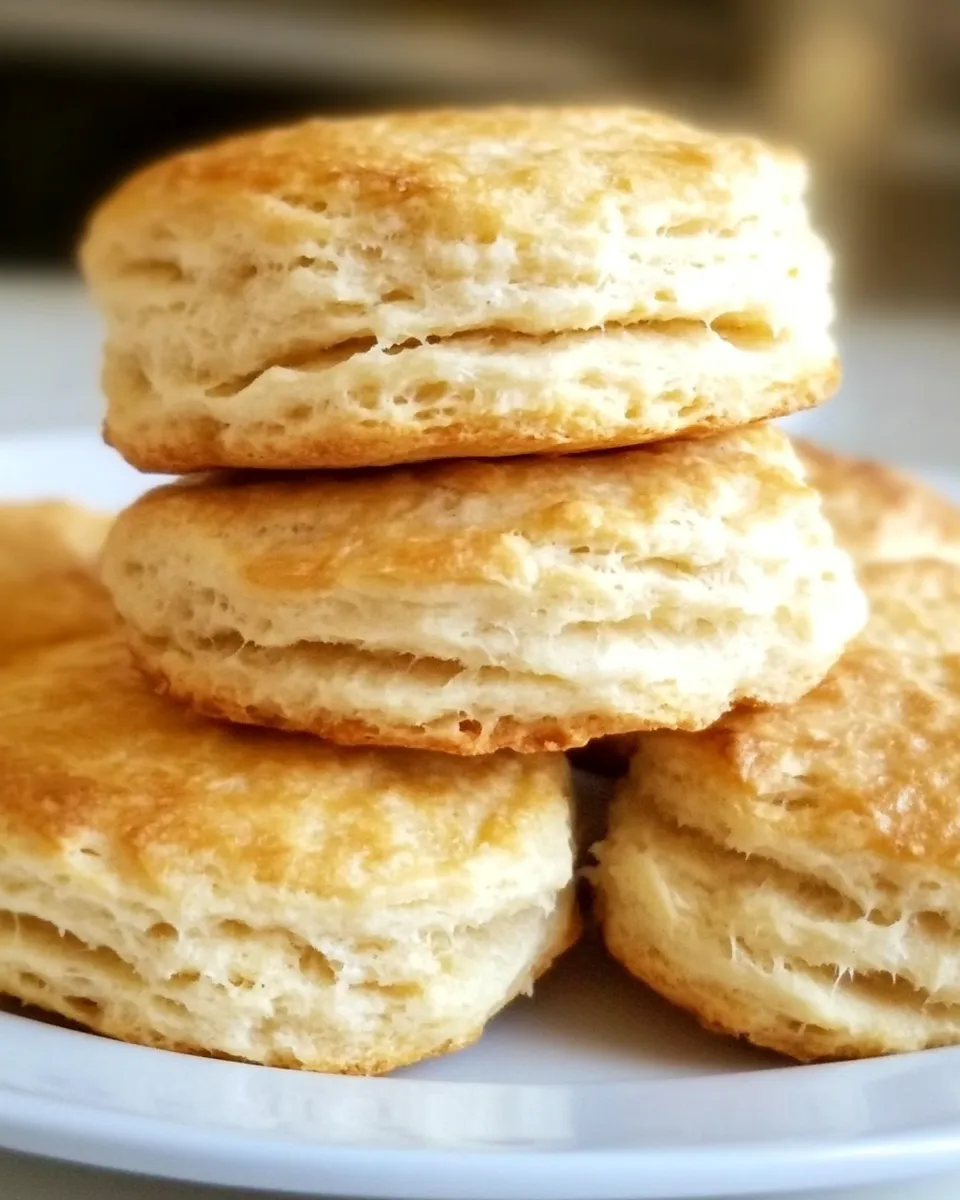
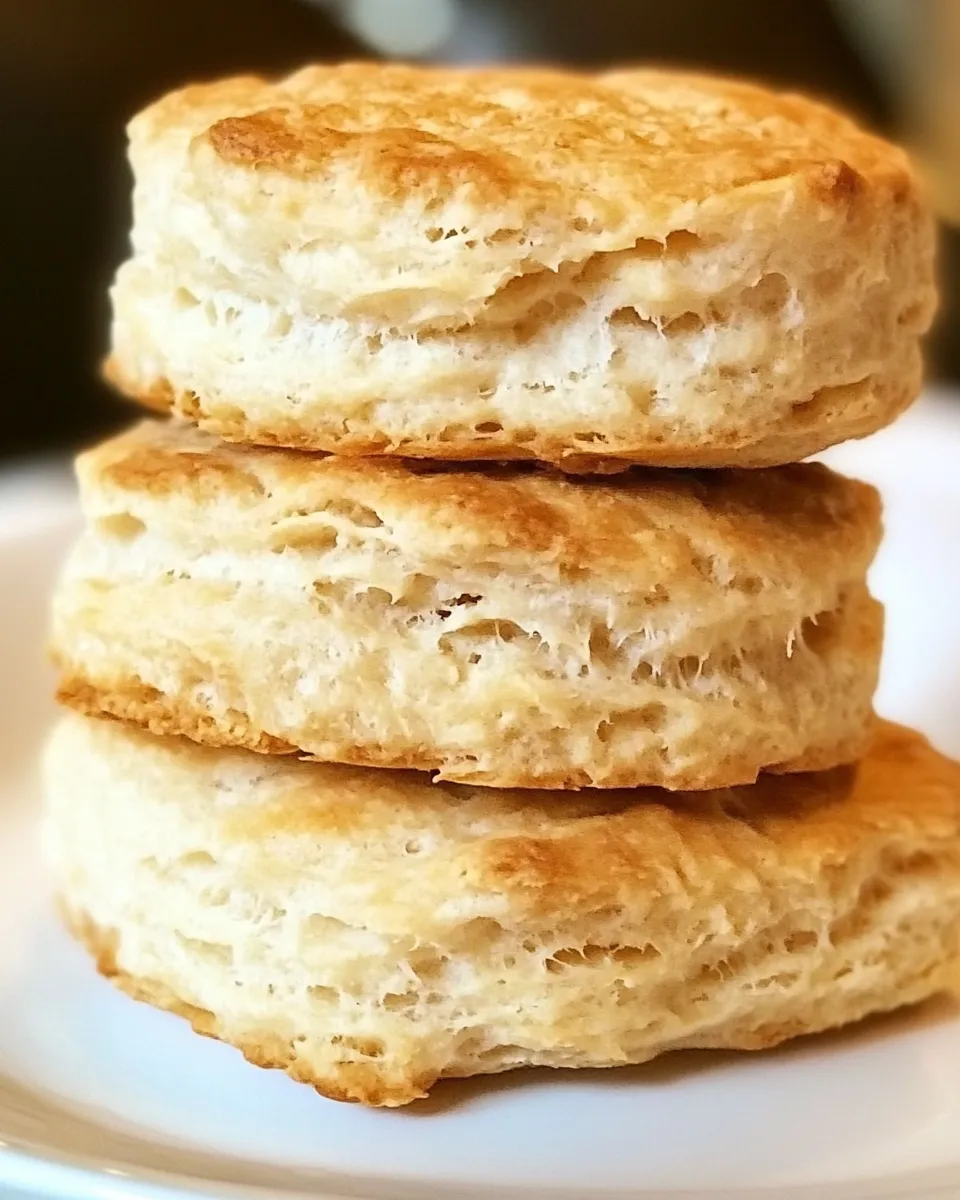
I grew up on biscuits that puffed up in the oven and soaked up gravy like tiny, buttery sponges. These Southern buttermilk biscuits are the closest thing to that memory — simple ingredients, fast technique, and a forgiving dough that anyone can work with. They come together in under 30 minutes and deliver the flaky layers and tender crumb you want with breakfast, weekend brunch, or a quick dinner side.
There’s no need for elaborate equipment. The trick is cold fat, minimal handling, and a hot oven. Follow the steps, keep your hands cool and light, and you’ll be rewarded with golden tops and soft interiors. They’re straightforward, practical, and exactly the kind of recipe I return to again and again.
I’ll walk you through what to buy, how to make them step by step, common mistakes to avoid, and a few small tweaks that change the result without complicating the process. Ready to bake? Let’s get into it.
Ingredients
- 2 cups (226 g) self-rising flour — provides structure and the leavening you need without measuring baking powder separately.
- 2 pinches (1 g) kosher salt — balances the flavor; don’t skip it.
- 3 tablespoons (35 g) shortening — creates flakiness and a tender texture; keep it cold.
- 1 tablespoon (14 g) butter, very cold — a little butter adds flavor and helps with browning; keep it chilled.
- 1 cup (245 g) buttermilk — the acid reacts with the self-rising flour to give lift and tender crumb; use cold.
- 1 tablespoon (14 g) butter, melted (optional) — for brushing the tops to add shine and extra butter flavor.
What to Buy
Stick to the ingredients listed above for the most reliable result. Self-rising flour is the easiest route; buy a fresh bag if possible. Shortening and cold butter are easy to find but make sure your butter is firm and cold — that matters for texture. Buttermilk should be cold straight from the fridge.
For tools: a biscuit cutter, a pastry cutter or two knives, and a cast-iron skillet or a baking dish are all you need. Those staples live in my kitchen and pay off every time I make biscuits.
Make (Southern Buttermilk Biscuits): A Simple Method
- Preheat oven to 475ºF (246ºC). Lightly grease a baking dish or cast-iron skillet.
- In a large bowl, combine 2 cups (226 g) self-rising flour and 2 pinches (1 g) kosher salt.
- Cut 3 tablespoons (35 g) shortening and 1 tablespoon (14 g) very cold butter into the flour mixture with a pastry cutter or two knives until the mixture resembles coarse crumbs with some pea-sized pieces.
- Make a well in the center, then slowly pour in 1 cup (245 g) buttermilk while stirring gently with a fork or spatula until the dough just comes together. Do not overmix.
- Turn the dough onto a lightly floured surface and gently pat it into a round about 1/2 inch thick. If sticky, dust your hands and the surface lightly with flour.
- Use a sharp metal or glass cutter to cut the biscuits straight down (do not twist). Gather the scraps, press gently (no more than one or two light pats), and cut remaining biscuits.
- Place the biscuits upright in the prepared baking dish or skillet, leaving a little space between them if you want crisp sides or placing them touching for softer sides.
- Brush the tops lightly with 1 tablespoon (14 g) melted butter, if using.
- Bake in the preheated oven for 10–12 minutes, until the tops are golden brown.
- Remove from the oven and let the biscuits cool briefly in the pan for a few minutes before serving.
Why You’ll Keep Making It
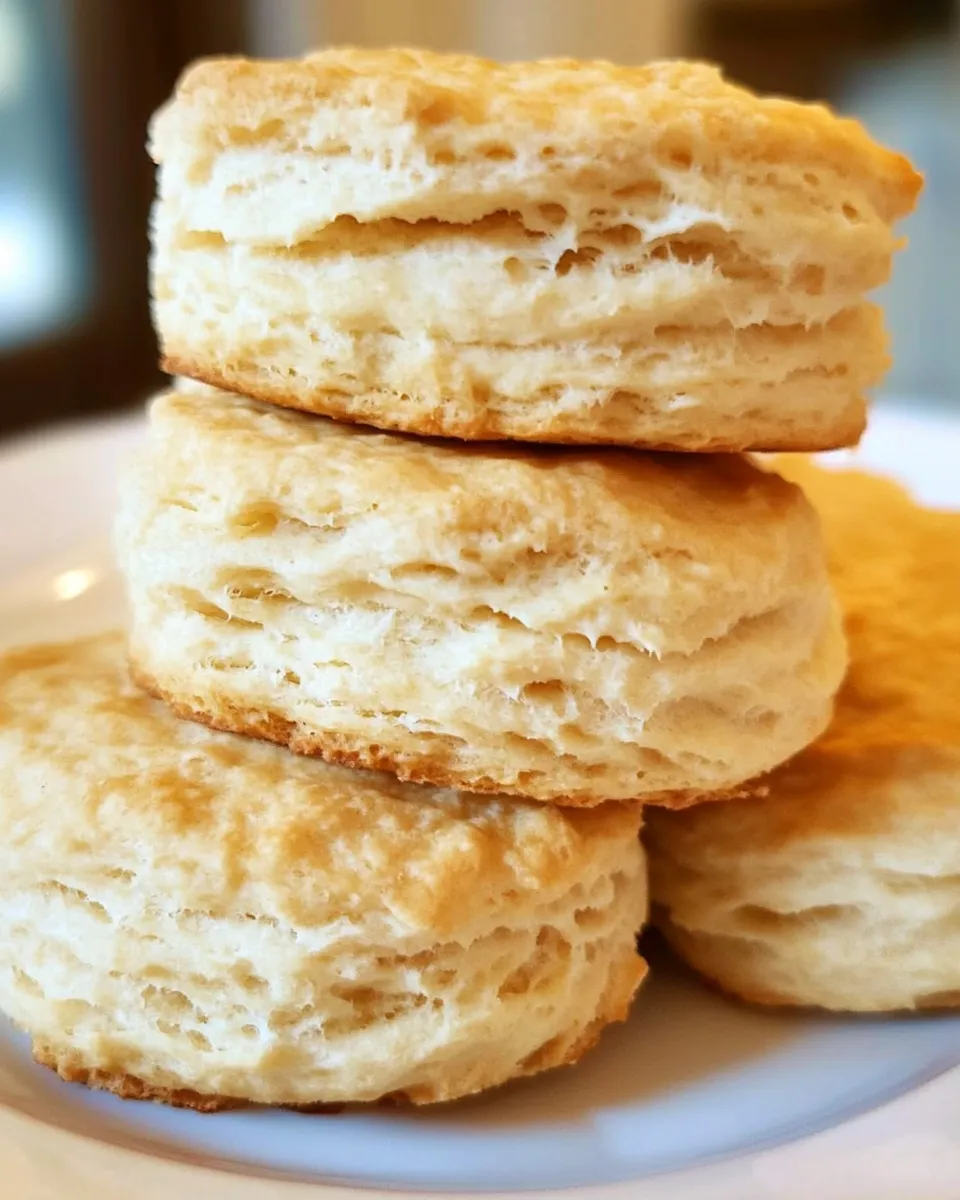
These biscuits hit the sweet spot of simplicity and reliability. The ingredient list is short and pantry-friendly. The dough is forgiving — a little overworking won’t ruin the whole batch if you keep it light. And the payoff is immediate: warm biscuits with flaky layers that work for breakfasts, sandwiches, and sides.
They also scale easily. Make a double batch for a crowd, or cut the recipe in half for one or two people. Because the process is quick, this becomes a go-to when you want something homemade without hours of effort.
Ingredient Flex Options
If you prefer all-butter flavor, cut cold butter into the flour in place of shortening. Keep the butter very cold and treat it like the shortening in the recipe. For a slightly richer crumb, use the optional melted butter on top — it’s a small step with a noticeable payoff.
If you don’t have self-rising flour on hand, buy it next time for convenience. (If you must substitute, you’ll need to compensate with leavening, but this recipe is written for self-rising flour.) Keep the rest of the ingredients and quantities the same; the balance is already tuned for best results.
Prep & Cook Tools
- Large bowl — to mix the flour and cut in fat without spilling.
- Pastry cutter or two knives — for cutting shortening and butter into the flour to create flakes.
- Sharp metal or glass biscuit cutter — for clean edges and better rise; press straight down.
- Lightly floured surface — not a tool you buy, but essential for shaping the dough.
- Cast-iron skillet or baking dish — both hold heat well; skillet gives a slightly crisper bottom.
- Oven preheated to 475ºF (246ºC) — high heat is important for immediate oven spring.
Mistakes That Ruin Southern Buttermilk Biscuits
Here are the common mistakes I see and how to avoid them:
- Using warm fat: If the shortening or butter is too warm, you lose the pockets of fat that create flaky layers. Keep everything cold.
- Overmixing the dough: Stir until the dough just comes together. Excess mixing develops gluten and yields tough biscuits.
- Twisting the cutter: Twisting seals the edges and prevents rise. Cut straight down and lift the cutter straight up.
- Pressing scraps too much: Repeatedly reworking the scraps compresses them. Gather and press only once or twice.
- Oven not hot enough: A lower temperature prevents proper oven spring. Preheat fully to 475ºF (246ºC).
Season-by-Season Upgrades
Spring: Keep it bright. Serve biscuits with a smear of softened butter and a side of fresh fruit or a light yogurt-honey drizzle.
Summer: Make quick biscuit sandwiches with cold-sliced tomatoes and a bit of mayo or white gravy on the side for dipping. Warm biscuits pair beautifully with summer preserves.
Fall: Add a warm topping like sausage gravy or roasted apple butter. The biscuits stand up well to rich, savory sauces.
Winter: Turn these into a cozy side for soups and stews. Brush the tops with melted butter and a sprinkle of flaky salt for extra indulgence.
Insider Tips
Keep everything cold. That includes the bowl if your kitchen is warm. Use a wide, shallow mixing bowl so you can cut in the fat quickly and evenly.
When patting the dough, handle it gently. The goal is to preserve visible pea-sized bits of fat in the dough. Those pockets steam in the oven and make the layers you want.
Cut straight down with a sharp cutter. If your cutter drags, dip it in flour between cuts. Arrange the biscuits close together if you prefer softer sides; space them apart for crisper edges.
Storage Pro Tips
Store cooled biscuits in an airtight container at room temperature for up to two days. For longer storage, freeze them in a sealable bag for up to one month. Reheat frozen biscuits in a 350ºF (177ºC) oven for 10–12 minutes straight from frozen, or thaw and reheat briefly to refresh.
If you want next-day freshness, split biscuits and warm them in a skillet with a little butter. That revives the crust and softens the crumb without drying them out.
Frequently Asked Questions
Q: Can I use all-purpose flour instead of self-rising?
A: This recipe is written for self-rising flour because it simplifies the process. If you must use all-purpose, you’ll need to add leavening (baking powder and a pinch of salt) — but I recommend using self-rising for reliable results here.
Q: Why did my biscuits come out flat?
A: Most likely reasons are warm fat, overworking the dough, or cutting the biscuits with a twisted motion. Keep ingredients cold, handle the dough gently, and cut straight down.
Q: Can I make these ahead and bake later?
A: Yes. After cutting, place the pan in the fridge for up to a day, covered, then bake from cold — you may need an extra minute or two. For longer storage, freeze unbaked biscuits on a tray, then transfer to a bag; bake from frozen with a few extra minutes in the oven.
Time to Try It
Gather the ingredients and preheat your oven. The process is quick once you start: mix, cut, bake, and enjoy. These Southern buttermilk biscuits are forgiving, fast, and delicious right out of the oven. Make a batch, practice the light hand when you pat and cut, and notice how a small change — cold fat or straight cuts — transforms texture.
When you get the first golden batch out, tear one open and imagine the possibilities: shortcakes, gravy, breakfast sandwiches, or a simple butter-and-honey finish. Then go make another batch — you’ll want to.
Southern Buttermilk Biscuits Recipe
Ingredients
Equipment
Method
- Preheat oven to 475ºF (246ºC). Lightly grease a baking dish or cast-iron skillet.
- In a large bowl, combine 2 cups (226 g) self-rising flour and 2 pinches (1 g) kosher salt.
- Cut 3 tablespoons (35 g) shortening and 1 tablespoon (14 g) very cold butter into the flour mixture with a pastry cutter or two knives until the mixture resembles coarse crumbs with some pea-sized pieces.
- Make a well in the center, then slowly pour in 1 cup (245 g) buttermilk while stirring gently with a fork or spatula until the dough just comes together. Do not overmix.
- Turn the dough onto a lightly floured surface and gently pat it into a round about 1/2 inch thick. If sticky, dust your hands and the surface lightly with flour.
- Use a sharp metal or glass cutter to cut the biscuits straight down (do not twist). Gather the scraps, press gently (no more than one or two light pats), and cut remaining biscuits.
- Place the biscuits upright in the prepared baking dish or skillet, leaving a little space between them if you want crisp sides or placing them touching for softer sides.
- Brush the tops lightly with 1 tablespoon (14 g) melted butter, if using.
- Bake in the preheated oven for 10–12 minutes, until the tops are golden brown.
- Remove from the oven and let the biscuits cool briefly in the pan for a few minutes before serving.