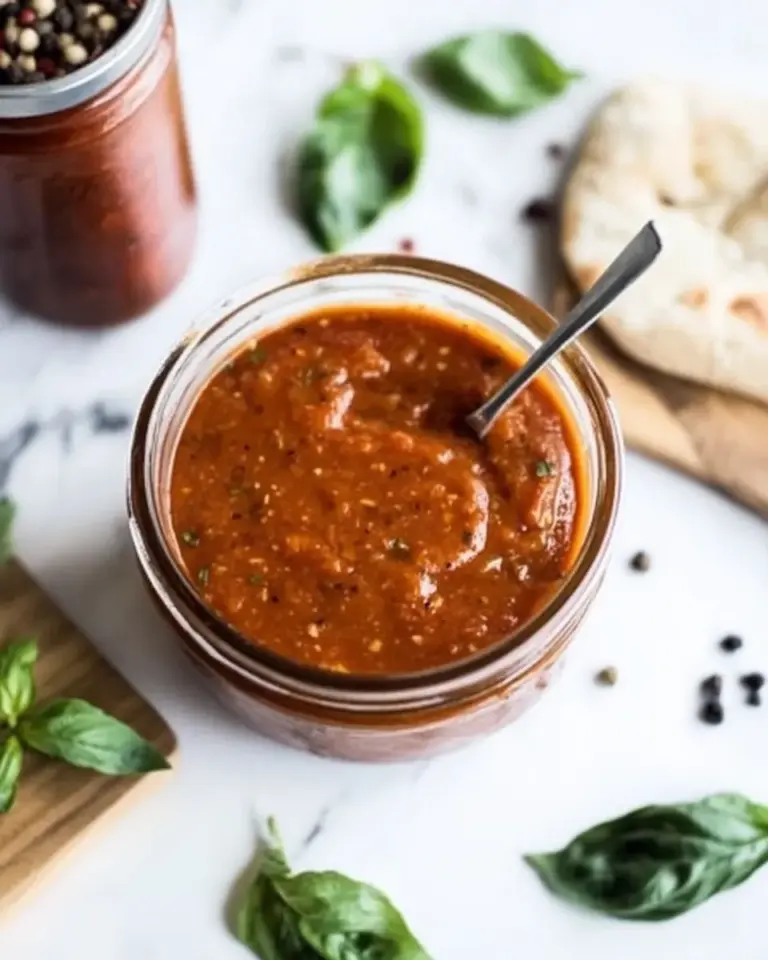
Southern Pepper Sauce Recipe
This is the kind of pantry staple I reach for when I want heat, bright acid, and something to wake up a plate. Southern pepper sauce is straightforward, forgiving, and honest — no long fermenting required, no special equipment. You get a clean, sharp tang from distilled white vinegar, a touch of sweetness, and the real star: the peppers themselves.
Over the years I’ve kept a jar of this sauce in my fridge and pantry. It jazzed up eggs, slathered on sandwiches, and turned a bland bowl of grits into dinner. The method below is simple enough for a weeknight but reliable enough to preserve jars that last. Read the short shopping guide, follow the directions as written, and you’ll have shelf-stable jars that deepen in flavor over time.
I write clearly and practically because you don’t need fluff to make a great pepper sauce. Clean jars, a hot brine, and about 30 small peppers are all you need. There are a few small tricks — keeping jars warm, removing air bubbles, testing the seal — that make the difference between a good batch and one you worry about. I’ll walk you through each step and share troubleshooting tips so your jars seal and your sauce keeps well.
Your Shopping Guide
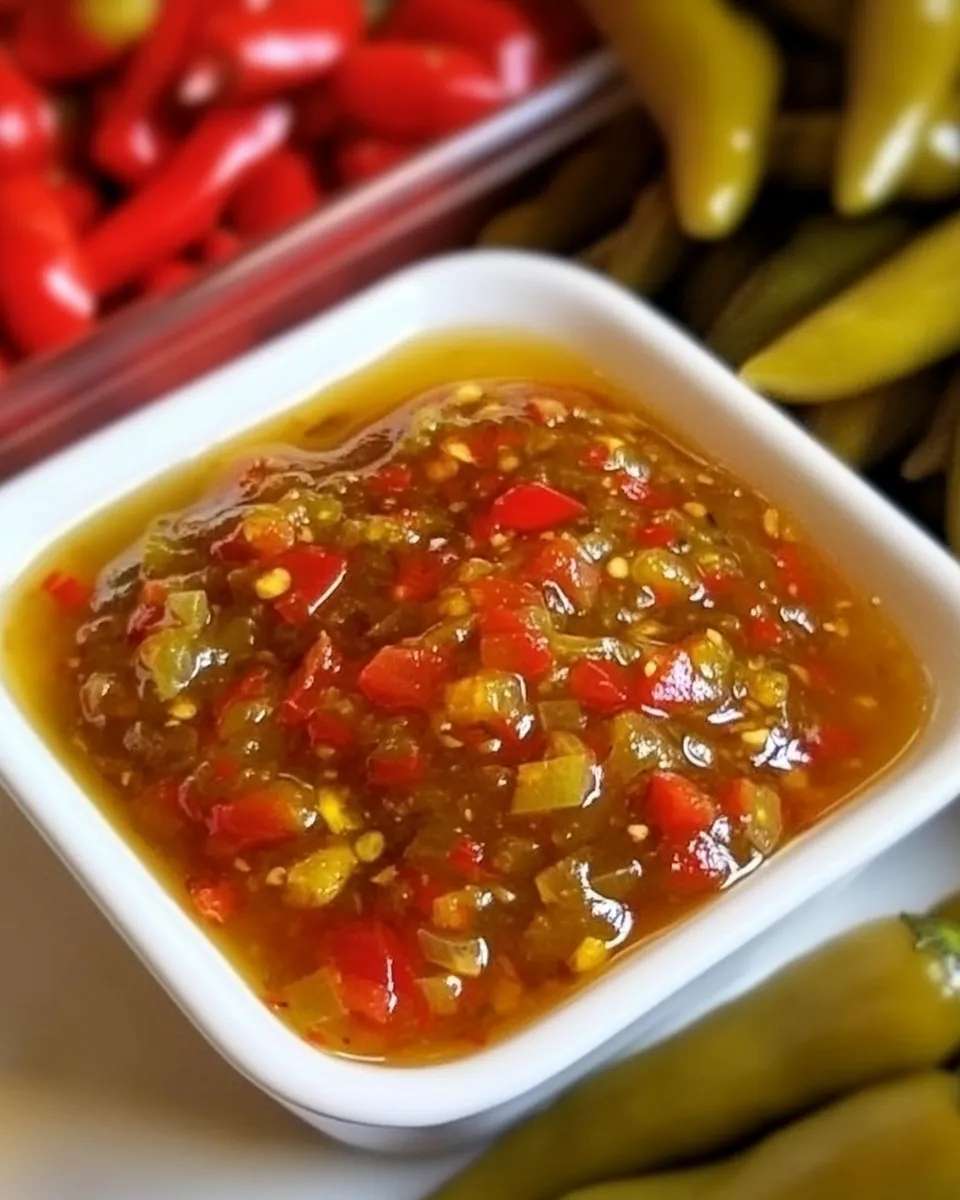
Keep your shopping list focused and buy the freshest peppers you can find. Small peppers pack great heat and a lot of flavor; if you buy local, the peppers will taste brighter and more alive. Distilled white vinegar is the acid that preserves and balances heat. You’ll also want kosher or pickling salt and a touch of sugar to round out the brine. Olive oil is optional, included in the original method to slightly mellow the bite and add a rounded mouthfeel.
Look for clean, undented peppers and check jars for chips or cracks if you plan to store the sauce for a while. If you prefer milder heat, pick peppers on the larger side or remove some seeds. If you want a hotter result, choose smaller, thinner-walled peppers or pack them in tightly. The method works with many small pepper varieties — keep this in mind when you shop.
Ingredients
- 1 cup distilled white vinegar — provides acidity for pickling and brightens the peppers.
- 1 tablespoons sugar — balances the vinegar’s sharpness.
- 1 teaspoon kosher salt, or pickling salt — seasons and aids preservation; use pickling salt if you prefer.
- 1 teaspoon olive oil, optional for extra hot pepper sauce — softens the bite and adds a slight richness.
- about 30 small peppers — the main flavor and heat source; pack them into the jar.
Directions: Southern Pepper Sauce
- Clean the jar, lid, and band; rinse well. Keep them warm while you prepare the brine (for example, set them in hot water or near the stove).
- In a stainless steel saucepan, combine 1 cup distilled white vinegar, 1 tablespoon sugar, 1 teaspoon kosher salt (or pickling salt), and 1 teaspoon olive oil (optional).
- Heat the mixture over medium heat until it comes to a boil. Remove from heat.
- Pack about 30 small peppers into the warm jar, leaving about 1 inch of headspace from the top of the jar.
- Carefully pour the hot vinegar mixture over the peppers, maintaining about 1 inch of headspace.
- Remove any air bubbles by tilting the jar slightly and pressing the peppers against the opposite side of the jar to allow trapped air to escape.
- Wipe the jar rim clean. Place the lid on the jar and tighten the band until it is snug (fingertip-tight).
- Set the jar on the countertop to cool with about 1 inch of space between jars. Allow jars to cool and seal.
- After about 12 hours, test the seal by pressing the center of the lid: a sealed lid will not pop back. If a jar is not sealed, refrigerate it and use.
- Store sealed jars in a dark, cool cabinet or pantry for up to a year.
Why This Recipe is a Keeper
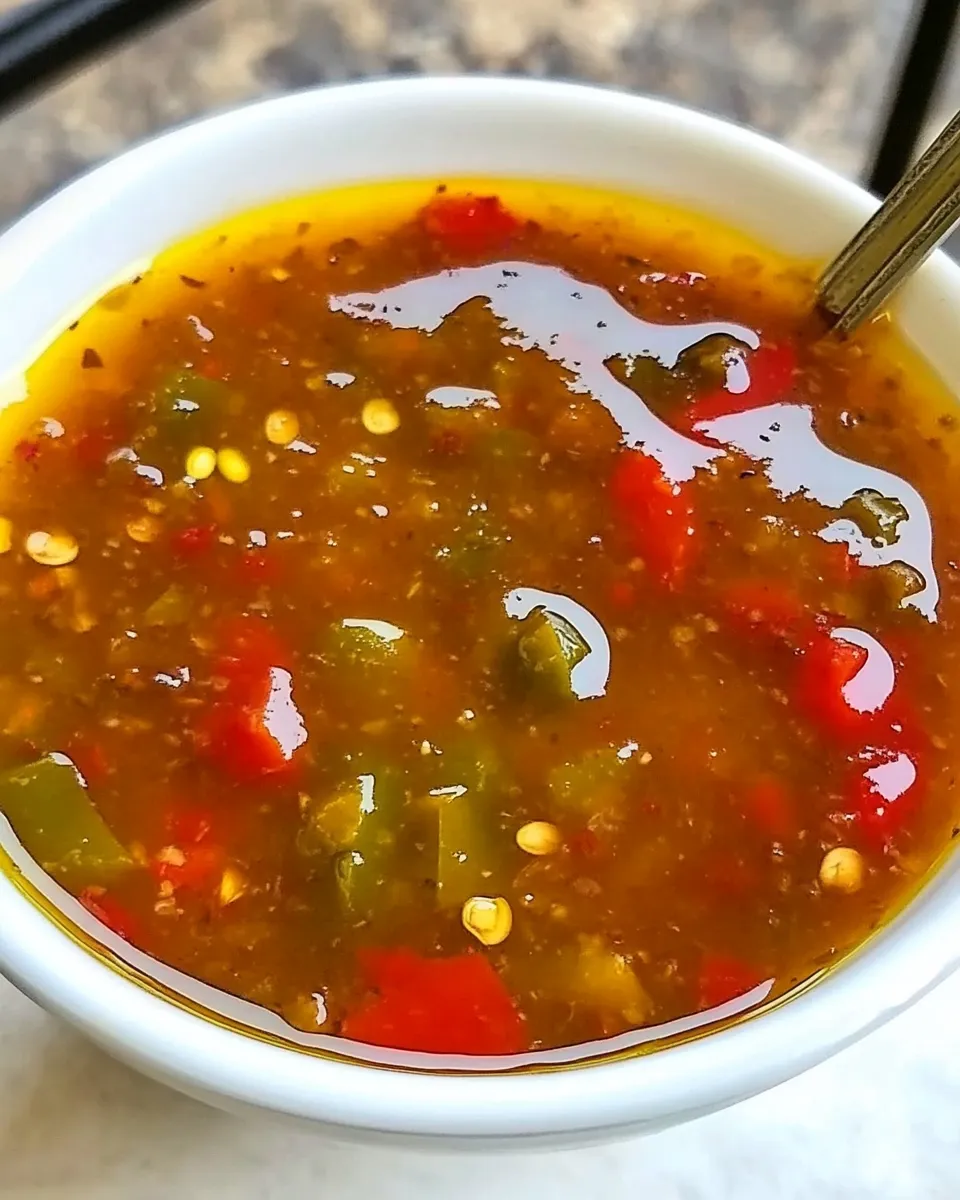
Simple recipes survive because they do more than one job well, and this pepper sauce does several. It’s a quick way to preserve heat and brightness from fresh peppers without a long fermentation. The vinegar brine arrests fresh flavor while the sugar rounds acidity just enough to be pleasant on the tongue. The method produces a clean, reliable result every time.
Another reason this recipe stays in my rotation is versatility. Use it as a finishing sauce, a marinade ingredient, or a bright counterpoint to rich foods. It keeps well when sealed, so once you get comfortable with the basic method you’ll feel confident making several jars at a time. That ease — clean jars, hot brine, a tight seal — makes this my go-to when peppers are in season.
Flavor-Forward Alternatives
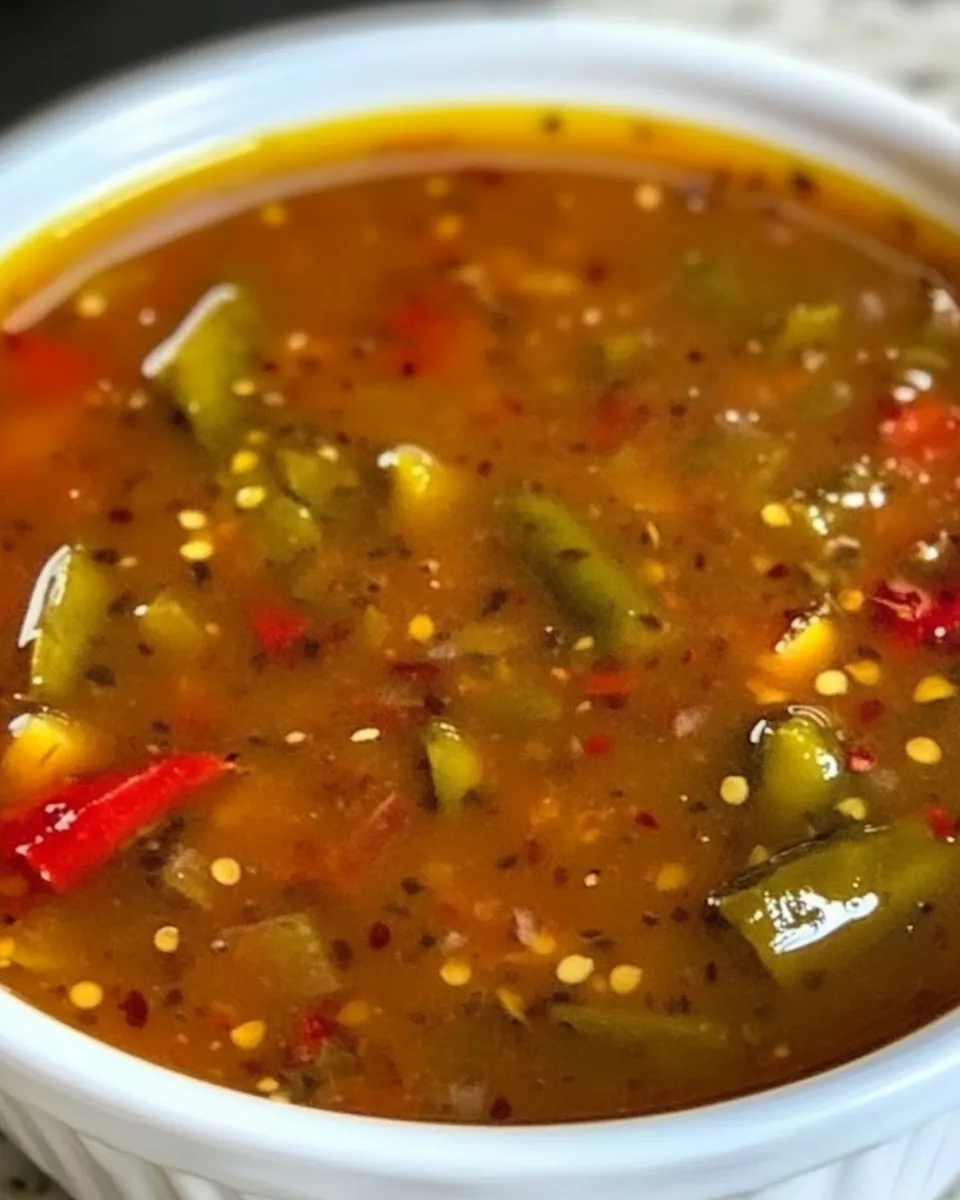
If you want to push flavor without changing the structure of this recipe, do it through technique rather than extra ingredients. Char the peppers briefly over an open flame or in a hot skillet before packing them to add a subtle smoky note while using the same peppers noted in the ingredients. Lightly crush some peppers in the jar with the handle of a spoon to release more juices for a looser, more infused sauce.
For a milder sauce, remove some of the seeds and membranes from the peppers before packing. For a brighter, punchier sauce, use the peppers raw and pack them tightly to squeeze more fresh oils into the brine. Keep the vinegar the same; it’s the anchor of both safety and flavor here.
Recommended Tools
Keep your tool list short and effective. You’ll want:
- Clean canning jars, lids, and bands — any standard mason jar works here.
- Stainless steel saucepan — for heating the brine without off flavors.
- Tongs or a jar lifter — helpful if you warm jars in hot water.
- Spoon or bubble remover — to release trapped air after packing.
- Clean towel — for wiping rims and handling hot jars safely.
Avoid These Mistakes
Several small mistakes can undo an otherwise perfect batch. First: don’t skip warming the jars or rinsing them thoroughly. Cold jars filled with hot brine can crack, and residue on the rim prevents a good seal. Second: don’t overfill the jar. Leave the specified headspace—about 1 inch—so the brine can circulate and the lid can seal properly.
Another common error is failing to remove air bubbles. Trapped air can prevent a seal and cause uneven preservation. Tilt the jar and press the peppers gently to let bubbles escape as instructed. Finally, don’t tighten the band too hard when sealing; the lid needs to form a vacuum as the jar cools, so fingertip-tight is the correct approach.
Seasonal Twists
Peppers change character as the season moves on. Early-season peppers are bright and crisp. Late-season peppers can be sweeter and more concentrated. Adjust your approach to match. In early season, consider lightly crushing some peppers in the jar to release their fresh juices. Later in the season, pack them more tightly to contain that concentrated flavor.
If you harvest your own peppers, pack them at peak freshness and follow the warm-jar, hot-brine routine quickly to lock in the best flavor. When peppers are abundant, make multiple jars and rotate them: use the most recently made first and let older jars mellow in the pantry for a few weeks before opening.
What Could Go Wrong
There are a few predictable failures: jars that don’t seal, cloudy brine, and jars that develop off-odors. A jar that doesn’t seal typically results from a dirty rim, a warped lid, or insufficient headspace. If a jar fails to seal after cooling, refrigerate it and use the contents within a few weeks rather than attempting to reprocess it without proper canning procedures.
Cloudiness in the brine can come from pepper debris or natural solids; this isn’t always harmful, but it’s a sign the jars weren’t cleaned thoroughly or that small bits of pepper were left in the brine when poured. If you detect an off-smell, discard the jar. Trust your senses: when in doubt, throw it out.
Storing, Freezing & Reheating
Store sealed jars in a dark, cool cabinet or pantry for up to a year, as the directions specify. Once a jar is opened or if a jar did not seal, keep it refrigerated and use within a few weeks for best flavor. The vinegar base is shelf-stable when the seal is good, but refrigeration after opening preserves the freshest taste.
Freezing isn’t necessary and isn’t ideal for jars, but you can transfer sauce to a freezer-safe container if you want to keep it for longer in liquid form; thaw in the fridge and use within a few months. There’s no reheating required to enjoy this sauce — it’s ready to use as-is — but if you want to warm it gently for a glaze or to coax oils out, do so over low heat and do not boil the jarred sauce.
Your Top Questions
How long before I can eat this?
You can technically taste the peppers once the brine cools and the jar is sealed. The flavor will mellow and integrate after a few days. For the best rounded flavor, wait a week if you can.
Can I reuse the brine?
Reusing brine is not recommended for preservation purposes. If you pour brine back into a new jar, you risk introducing contaminants. It’s safer to make a fresh brine for each batch.
Can I double or halve the recipe?
Yes. The method scales, but keep the ratios and the packing technique the same. If you double, work with multiple warm jars and the same headspace and sealing approach.
What if a jar doesn’t seal?
If a jar doesn’t seal after cooling, refrigerate it and use the contents within a few weeks. Do not store an unsealed jar in the pantry long-term.
Wrap-Up
Southern pepper sauce is uncomplicated and dependable. Follow the steps, pay attention to jar cleanliness and headspace, and you’ll have a bright, punchy condiment that lifts everything from breakfast to late-night snacks. Keep some jars in the pantry and one open in the fridge for immediate use. The process is small and manageable, and the payoff is a sauce you’ll reach for again and again.
Make a batch this week when peppers are available. Once you’ve sealed your first jar successfully, you’ll see how little time and effort it takes to preserve fresh heat and vivid flavor. Tight seal, cool pantry, and good meals ahead.
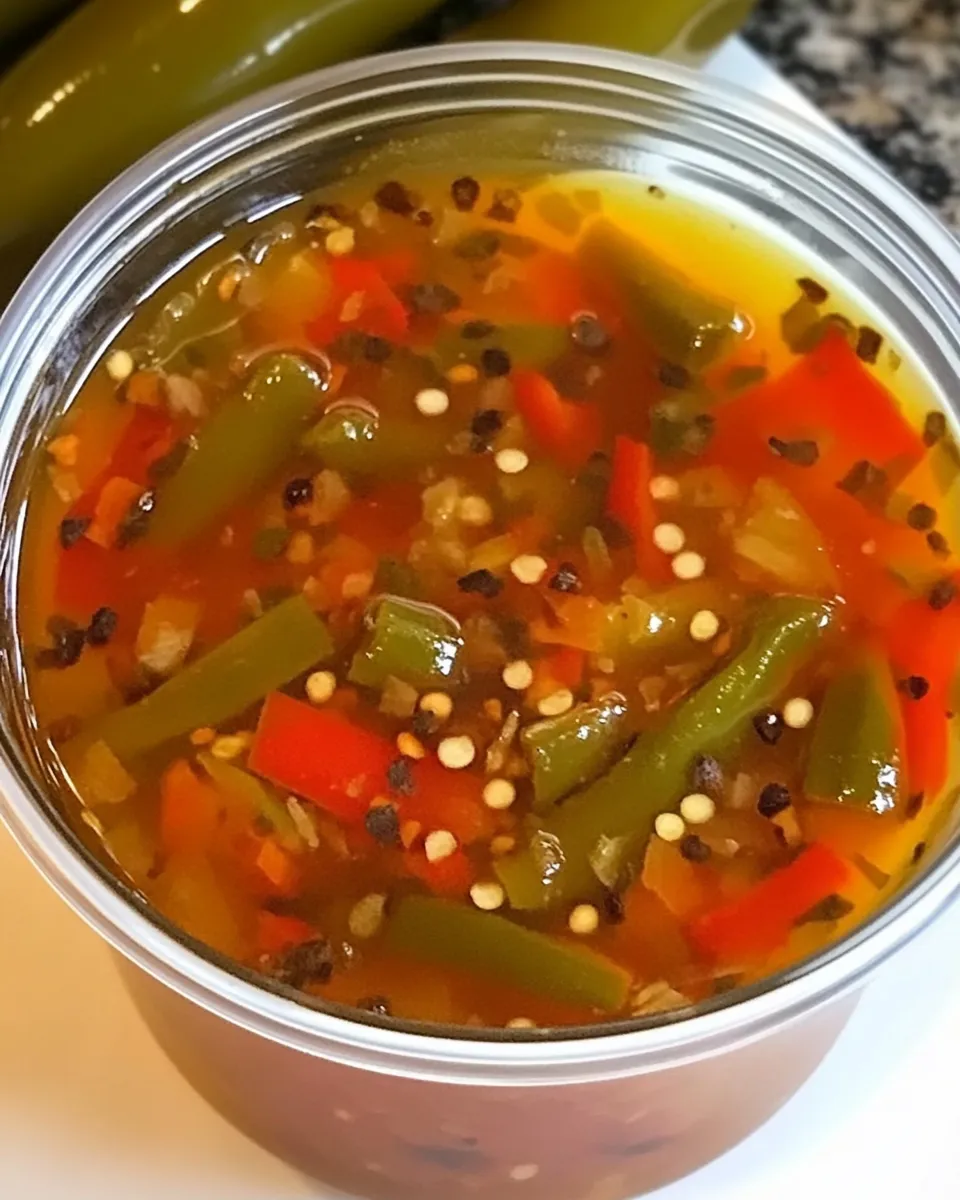
Southern Pepper Sauce Recipe
Ingredients
Equipment
Method
- Clean the jar, lid, and band; rinse well. Keep them warm while you prepare the brine (for example, set them in hot water or near the stove).
- In a stainless steel saucepan, combine 1 cup distilled white vinegar, 1 tablespoon sugar, 1 teaspoon kosher salt (or pickling salt), and 1 teaspoon olive oil (optional).
- Heat the mixture over medium heat until it comes to a boil. Remove from heat.
- Pack about 30 small peppers into the warm jar, leaving about 1 inch of headspace from the top of the jar.
- Carefully pour the hot vinegar mixture over the peppers, maintaining about 1 inch of headspace.
- Remove any air bubbles by tilting the jar slightly and pressing the peppers against the opposite side of the jar to allow trapped air to escape.
- Wipe the jar rim clean. Place the lid on the jar and tighten the band until it is snug (fingertip-tight).
- Set the jar on the countertop to cool with about 1 inch of space between jars. Allow jars to cool and seal.
- After about 12 hours, test the seal by pressing the center of the lid: a sealed lid will not pop back. If a jar is not sealed, refrigerate it and use.
- Store sealed jars in a dark, cool cabinet or pantry for up to a year.
Notes
Makes 1 pint.