Soy Glazed Salmon
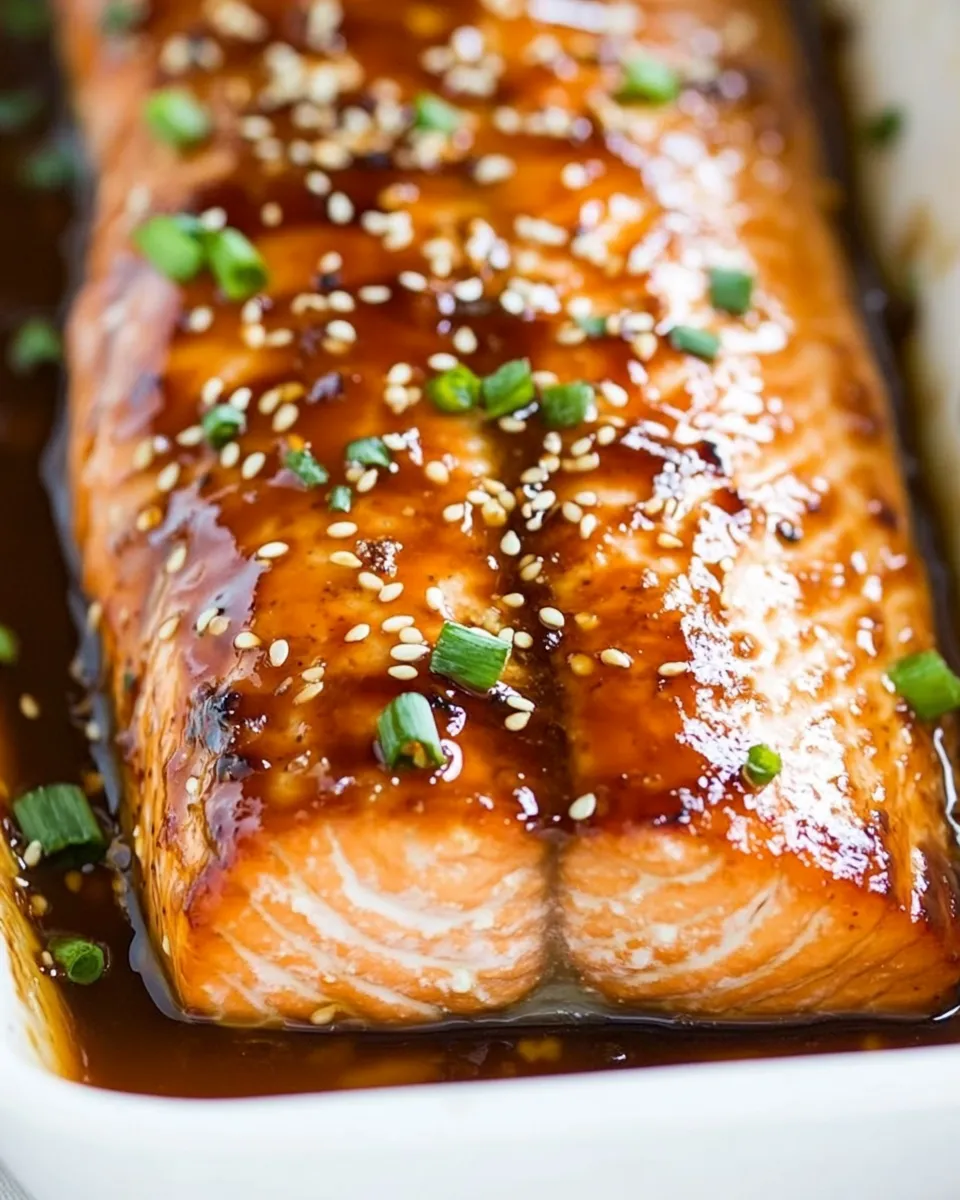
I make this soy-glazed salmon on repeat because it hits the sweet-salty umami spot without fuss. It’s one of those weeknight wins that feels elevated enough for guests but quick enough for Tuesday dinner. The glaze caramelizes just enough in the oven and gives the salmon a glossy, savory finish.
You don’t need a long ingredient list or advanced technique. A handful of pantry staples and one sheet pan will get you to a flaky, flavorful piece of fish in about 25 minutes. The recipe below is straightforward and forgiving, with a few practical tips to make it even better.
If you’re looking for a dependable, fast main that pairs with rice, greens, or a simple salad, this is it. Read through the swaps and toolbox if you want variations, then follow the exact steps for consistent results.
What Goes Into Soy Glazed Salmon
Ingredients
- 1 1/2 lbs. salmon fillet — the star of the dish; pick a center-cut piece for even cooking.
- 1 tablespoon soy sauce — provides the salty, savory base for the glaze.
- 1 tablespoon oyster sauce — adds depth and a slight sweetness; it’s key for that glossy finish.
- 1 tablespoon brown sugar — helps the glaze caramelize and balance the salty notes.
- 1 teaspoon sesame oil — a little goes a long way for toasty aroma and flavor.
- 1/4 teaspoon red pepper flakes — brings a gentle heat; adjust to taste.
- white sesame, for garnishing — gives texture and a visual lift.
- chopped parsley, for garnishing — brightens the finished plate and adds color.
Soy Glazed Salmon — Do This Next
- Preheat the oven to 375°F (190°C).
- Rinse the salmon with cold water and pat dry with paper towels. If the 1 1/2 lbs. salmon fillet is too large for your baking sheet, cut it into two pieces.
- Line a baking sheet with parchment paper or aluminum foil and place the salmon pieces skin side down on the lined sheet.
- In a small bowl, combine 1 tablespoon soy sauce, 1 tablespoon oyster sauce, 1 tablespoon brown sugar, 1 teaspoon sesame oil, and 1/4 teaspoon red pepper flakes. Stir until the brown sugar is mostly dissolved and the mixture is well combined.
- Brush the sauce mixture evenly over the top of the salmon fillets.
- Bake in the preheated oven for 20 minutes, or until the salmon flakes easily with a fork and is cooked through.
- Remove from the oven and sprinkle with white sesame and chopped parsley for garnishing. Serve immediately.
Why Soy Glazed Salmon is Worth Your Time
This recipe rewards minimal effort with maximum flavor. The glaze components are pantry-friendly and require no extra cooking time; you mix, brush, and bake. Salmon cooks quickly and reliably at 375°F, which means you get a tender, flaky fillet without hovering over the stove.
The balance of brown sugar, soy, and oyster sauce brings both caramelized sweetness and umami depth. A touch of sesame oil and red pepper flakes rounds it with toasty aroma and a subtle kick. The garnishes—white sesame and parsley—take seconds but lift texture and brightness.
It’s also extremely adaptable. Swap a few elements and you can shift this from weeknight comfort to dinner-party chic without losing the simple workflow. If you want a dependable, fast, and flavorful main, this is a go-to.
Swap Guide
- Soy sauce — low-sodium soy is an easy swap if you’re watching salt. Do not invent a replacement quantity; use 1 tablespoon low-sodium soy sauce instead of regular to keep the balance.
- Oyster sauce — if you don’t have oyster sauce, a tablespoon of hoisin mixed with a splash of soy can approximate the sweet-savory body, but expect a slightly different flavor profile.
- Brown sugar — you can use light or dark brown sugar as written; they both caramelize well. Do not change the amount.
- Sesame oil — toasted sesame oil gives the best aroma. If you only have plain sesame oil, use what you have but expect less pronounced nuttiness.
- Red pepper flakes — swap for a pinch of cayenne if you prefer a smoother heat; keep the amount modest to preserve balance.
Toolbox for This Recipe
Keep things simple: a rimmed baking sheet, parchment or foil, a small bowl, and a pastry brush or spoon are all you need. A good kitchen thermometer is handy if you like to check doneness (salmon is done at about 125–130°F for medium; higher if you prefer well-done).
Paper towels matter. Drying the salmon before glazing helps the sauce stick and reduces steam in the oven, promoting better caramelization. Line the sheet pan for easy cleanup and to protect the pan from sticky glaze.
Optional but useful: a small offset spatula for spreading the glaze evenly, and a fine microplane or zester if you want to finish with a little lemon zest (not required by the recipe, but it’s a common personal preference).
Mistakes That Ruin Soy Glazed Salmon
1) Skipping the pat-dry step. Excess surface moisture prevents the glaze from adhering and getting that slightly sticky caramelized finish. Always pat the salmon dry.
2) Overcooking. Salmon goes from perfect to dry quickly. The recipe’s 20-minute bake time at 375°F is tuned for a 1 1/2 lb. fillet. Check at 18 minutes if your fillet is thinner.
3) Using too much heat. Cranking the oven up to broil without watching will burn the sugar in the glaze. If you want a deeper char, broil for the last 1–2 minutes while watching closely—but do so intentionally.
4) Brushing on an uneven glaze. The sauce should be spread evenly so every bite has the same balance of sweet and salty. Stir the mixture so the sugar is dissolved, then brush in a single even layer.
Warm & Cool Weather Spins
Warm-weather approach: Keep it light and bright. Serve the salmon atop fridge-cold cucumber ribbons, snap peas, or a quick cucumber-mint salad. The glaze is still the same; the sides are what change. Lighter salads and chilled grains complement the savory glaze and keep the meal refreshing.
Cool-weather approach: Pair the salmon with warm, comforting sides—roasted root vegetables, buttered new potatoes, or a cozy bowl of miso-glazed roasted squash. A saucier side, like steamed rice mixed with a spoon of the leftover glaze (if you reserve some before brushing), adds warmth and comfort.
Method to the Madness
There’s a simple rhythm to this recipe: prep the fish, mix the glaze, apply, and bake. The key technical points are drying the fillet and making sure the sugar is mostly dissolved in the glaze so it spreads smoothly. That’s the “madness” — nothing mysterious, just a few small steps that make a big difference.
Timing & Temperature
Preheat to 375°F (190°C) and bake for 20 minutes. If your oven runs hot or your fillet is thin, check at 16–18 minutes. Look for flakes that separate easily with a fork and an opaque center. For a slightly rarer center, remove a touch earlier.
Finishing Touches
After the oven, garnish immediately with white sesame and chopped parsley. The seeds add crunch; the parsley adds color and a hint of freshness that balances the glaze.
Keep-It-Fresh Plan
Store leftover salmon in an airtight container in the refrigerator for up to 3 days. Reheat gently: a low oven (about 275–300°F) for 8–10 minutes will warm the fillet without drying it. Microwaving is faster but risks overcooking; if you must, use short bursts at medium power and cover the fish to retain moisture.
If you want to reuse the fish cold, flake it over salads or toss with warm rice and steamed vegetables. The glaze holds up well, and cold leftovers make a quick lunch without losing too much texture.
Reader Questions
Q: Can I use frozen salmon?
A: Yes. Thaw completely in the refrigerator, pat dry thoroughly, and proceed as written. Patience during thawing prevents excess moisture, which would interfere with the glaze.
Q: Can I double the glaze?
A: You can prepare more glaze, but brush only the amount called for in the recipe so the flavor balance stays right. Extra glaze can be reserved and warmed briefly to spoon over the cooked salmon at serving—do not reuse sauce that has touched raw fish unless you set aside some before brushing.
Q: Is it safe to bake salmon at higher temps for shorter time?
A: You can, but watch carefully. Higher temps can caramelize faster but risk drying the interior. The provided 375°F for 20 minutes is a reliable middle ground for a 1 1/2 lb. fillet.
See You at the Table
Make this soy-glazed salmon when you want something fast but impressive. It holds up for casual weeknights and simple dinner parties alike. The glaze is straightforward, the method is dependable, and the result is a glossy, flaky fillet that tastes like you spent more time on it than you did.
Use the swaps and toolbox above to make it your own, but follow the steps in the recipe for consistent success. Serve with rice, a green, or roasted vegetables, sprinkle with sesame and parsley, and enjoy—I’ll see you at the table.
Ingredients
Equipment
Method
- Preheat the oven to 375°F (190°C).
- Rinse the salmon with cold water and pat dry with paper towels. If the 1 1/2 lbs. salmon fillet is too large for your baking sheet, cut it into two pieces.
- Line a baking sheet with parchment paper or aluminum foil and place the salmon pieces skin side down on the lined sheet.
- In a small bowl, combine 1 tablespoon soy sauce, 1 tablespoon oyster sauce, 1 tablespoon brown sugar, 1 teaspoon sesame oil, and 1/4 teaspoon red pepper flakes. Stir until the brown sugar is mostly dissolved and the mixture is well combined.
- Brush the sauce mixture evenly over the top of the salmon fillets.
- Bake in the preheated oven for 20 minutes, or until the salmon flakes easily with a fork and is cooked through.
- Remove from the oven and sprinkle with white sesame and chopped parsley for garnishing. Serve immediately.
Notes
I don’t cover the salmon while baking because the glaze needs time to thicken and caramelize. Covering it would prevent that from happening in just 20 minutes.
I’m careful not to overcook the salmon—it should be tender and flaky, not dry. I take it out of the oven when the internal temperature is close to 145°F.
Another way I check for doneness is by gently flaking the salmon with a fork. If it flakes easily, it’s ready to come out of the oven.