St Louis gooey butter cake
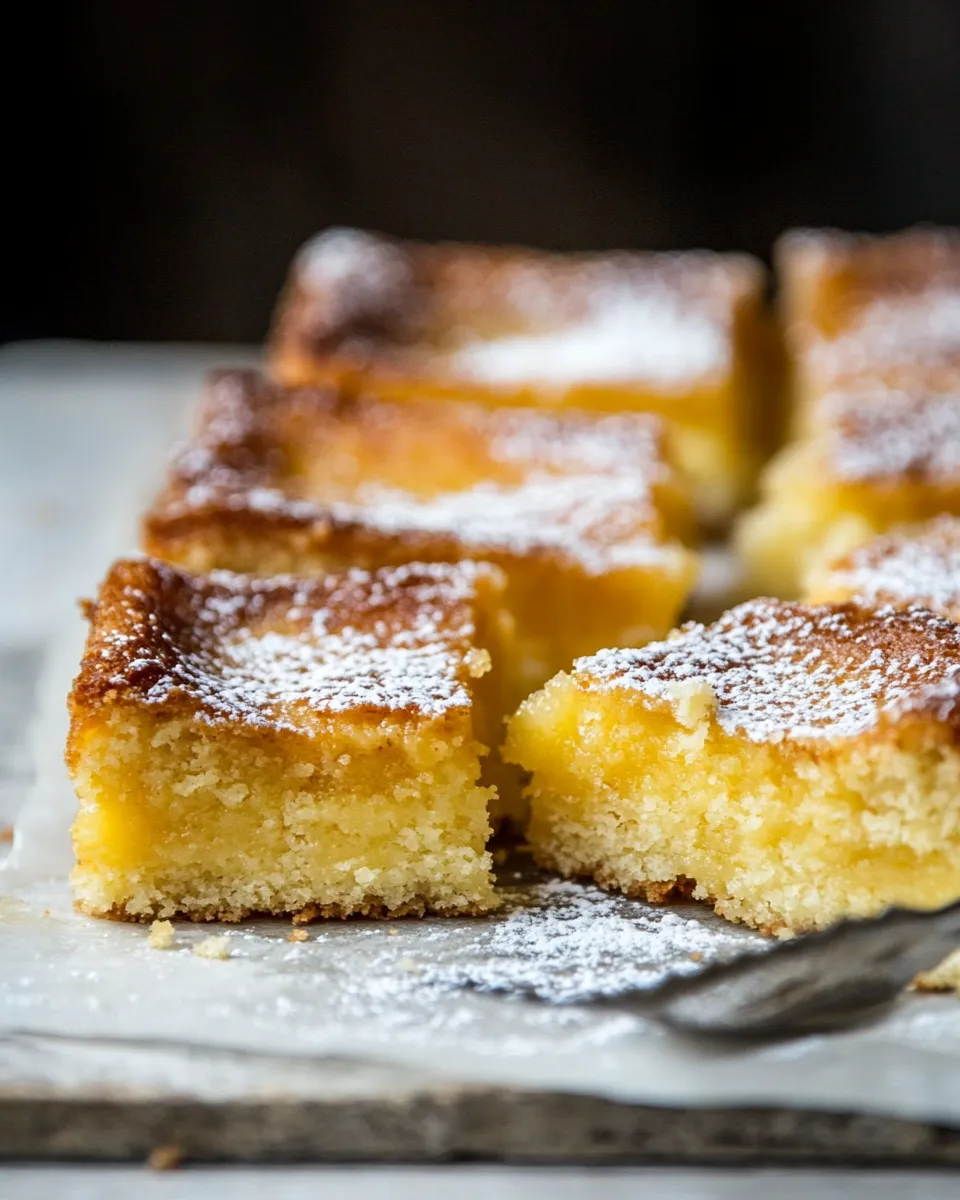
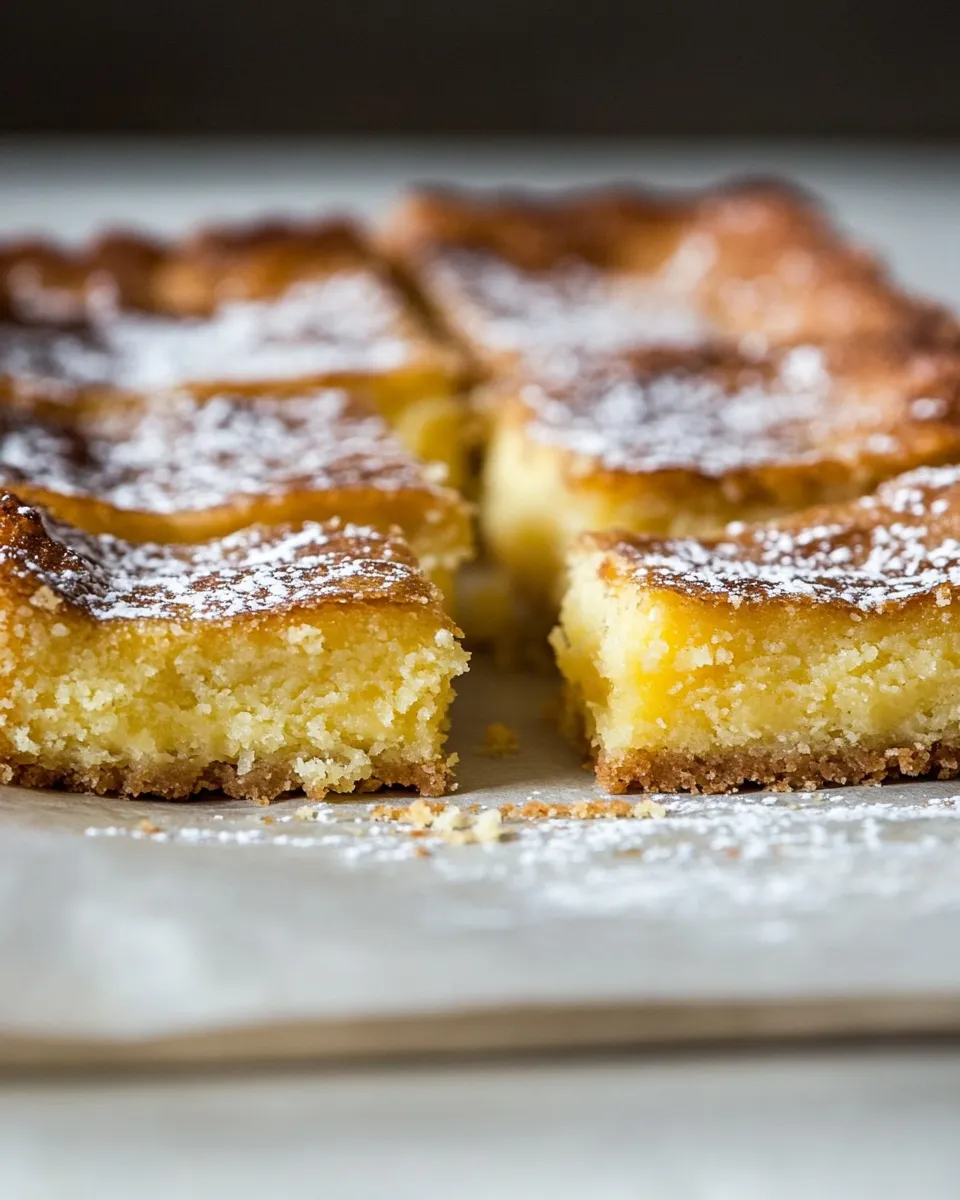
This cake is the kind that makes a kitchen smell like Saturday and invites guests before you know it. It’s rich, dense, and branded by that silky, slightly crackled top with a tender, almost custardy interior. The contrast between the crumbly base and the gooey filling is what gives St Louis gooey butter cake its cult following.
I test recipes until they perform reliably, then I strip away anything nonessential. This version follows a clear two-part method: a loose, crumbly base and a smooth cream cheese-sweet filling. The steps fit into one pan and one reasonable afternoon of baking and cooling.
If you like desserts that are simple to assemble yet impressive on the plate, this is for you. I’ll walk through the essentials, exact ingredients, the step-by-step bake, swaps, troubleshooting, storage, and answers to the questions I get the most when I bring this to a potluck.
The Essentials
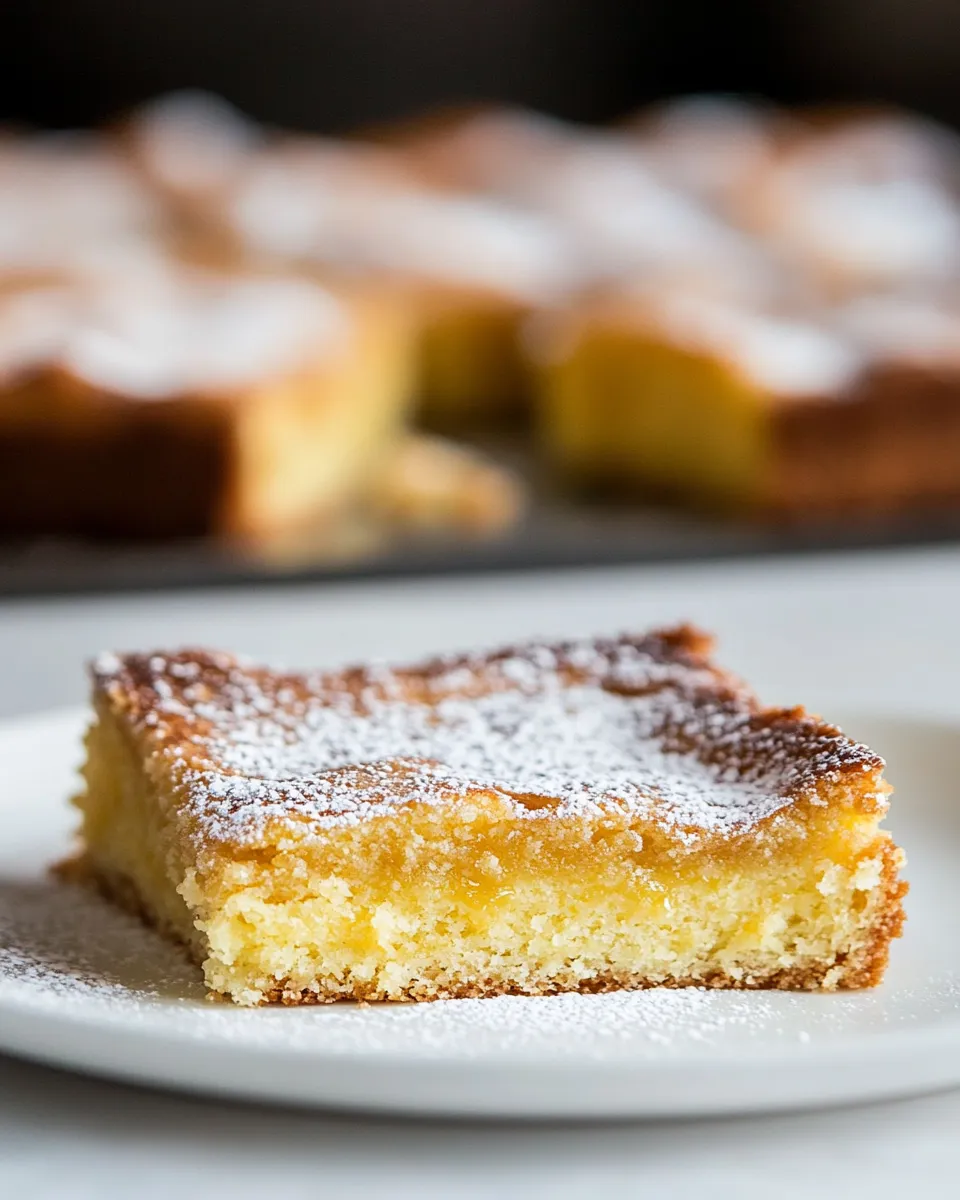
Quick overview: you make a loose crumb base from flour, sugar, almond flour, butter and eggs, then pour a cream cheese, powdered sugar and egg filling over that base. Bake until the top is golden and slightly cracked but the center still jiggles a bit. Cool fully before slicing; chilling helps the filling set.
Texture notes: the base should be a soft, crumbly dough that barely holds when pressed. The filling should be silky and smooth before baking and finish with a thin lightly-firm top and a pillowy interior.
Ingredients
- 2 1/2 cups flour — provides the structure for the crumb base.
- 1 1/2 cups sugar — sweetens and helps tenderize the base.
- 1/2 cup almond flour (ground almonds) — adds a touch of richness and a subtle nutty flavor to the crumbs.
- 1 tablespoon baking powder — gives a little lift to the base so it isn’t too dense.
- 1/2 teaspoon salt — balances sweetness and enhances flavor.
- 2 large eggs — bind and enrich the crumb mixture.
- 170 g melted butter (12 tablespoons) — provides fat for a tender, slightly crisp crumb; use melted for even mixing.
- 250 g (8 ounces) cream cheese — the backbone of the gooey filling; it should be softened for a lump-free mix.
- 3 large free-range eggs — enrich and help the filling set to the correct custardy texture.
- 550 g (4 cups) icing / powdered sugar — sweetens and creates the glossy, thick filling.
- 2 teaspoons vanilla extract — principal flavoring for the filling.
- 1/4 teaspoon almond extract (optional) — optional: adds a subtle almond note if you like that warm lift.
Mastering St Louis gooey butter cake: How-To
- Preheat the oven to 180°C / 350°F. Line a 23 x 32 cm (9 x 13 inch) baking dish with baking paper, letting the paper hang over the edges for easy removal.
- Combine 2 1/2 cups flour, 1 1/2 cups sugar, 1/2 cup almond flour (ground almonds), 1 tablespoon baking powder, and 1/2 teaspoon salt in a food processor and pulse briefly to mix evenly. (If you don’t have a food processor, whisk these dry ingredients together in a large bowl.)
- Add 2 large eggs and 170 g melted butter to the dry ingredients. Pulse or mix until the mixture forms a soft, crumbly dough that holds together when pressed.
- Tip the crumbly dough into the prepared pan and spread it into an even layer across the bottom. Do not press down firmly — just lightly cover the surface so the crumbs form a loose base.
- Wipe the food processor bowl clean (or use a separate large bowl). Add 250 g cream cheese and beat until smooth and softened.
- Add 3 large eggs, 550 g (4 cups) icing/powdered sugar, 2 teaspoons vanilla extract, and 1/4 teaspoon almond extract (optional) to the cream cheese. Blend or beat until the mixture is smooth and lump-free, stopping occasionally to scrape down the bowl.
- Pour the cream cheese mixture evenly over the crumb base in the pan and smooth the top with a spatula.
- Place the pan on the middle oven rack and bake for 50–60 minutes. Check at 50 minutes — the cake is done when the top is golden with a few cracks, the edges are set, and the center is slightly jiggly but not wet. If the top is browning too quickly, loosely cover the pan with foil from about halfway through baking or when it starts to brown.
- Remove the cake from the oven and allow it to cool completely in the pan on a wire rack. To firm the cake for easier slicing, you may chill it in the fridge or briefly in the freezer once it has cooled to room temperature.
- If you want a dusting of powdered sugar on top, reserve a small amount of the 550 g icing sugar before mixing and sift it over the cooled cake. Use the overhanging baking paper to lift the cake from the pan, then slice and serve.
Why I Love This Recipe
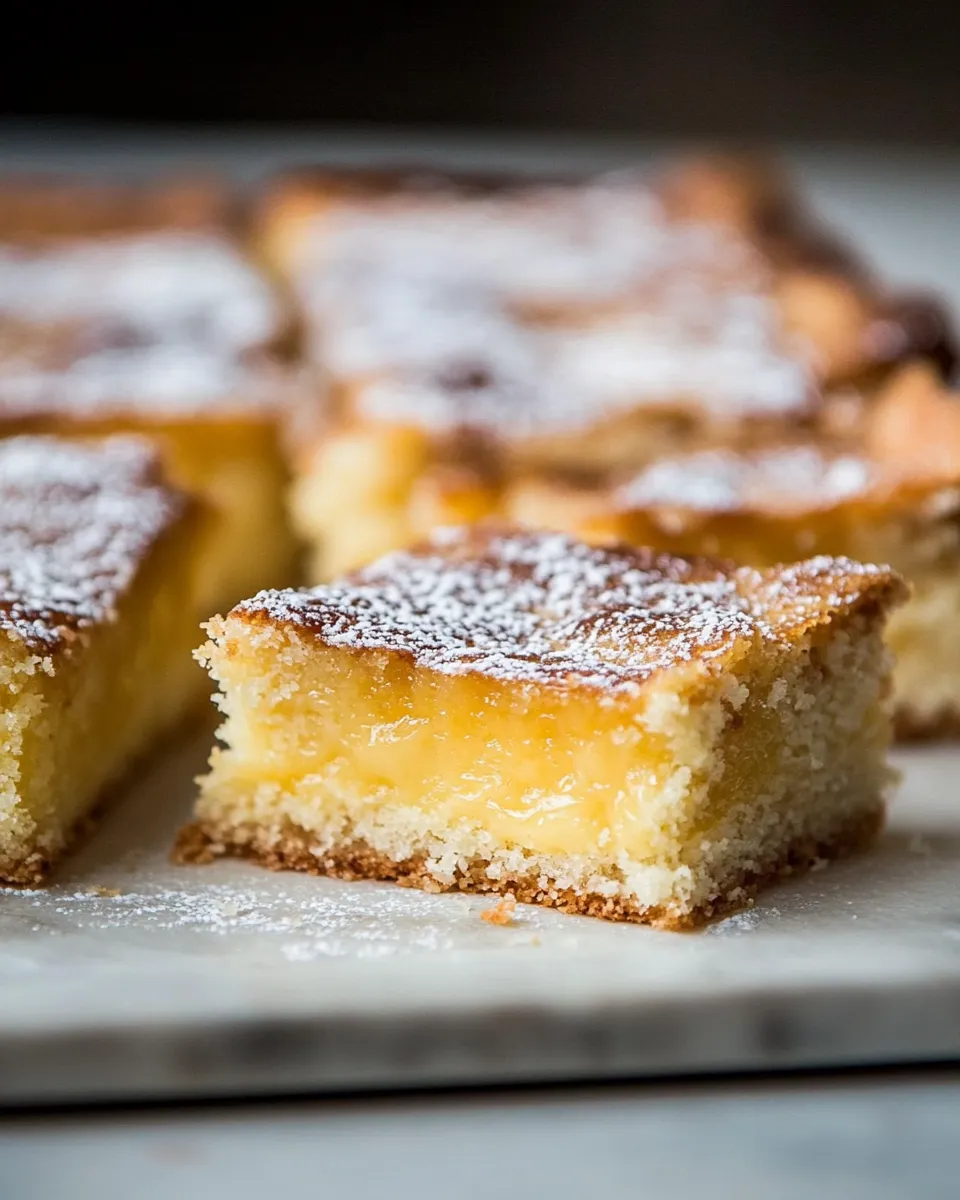
It’s straightforward to build but dramatic on the plate. The base and filling are different textures working together — flaky crumb meets creamy interior. That contrast is the point.
It also travels well. Baked in a single pan, it’s easy to lift, slice, and bring to a gathering. And because the cake benefits from chilling, it often tastes even better the next day once the filling has relaxed.
Vegan & Vegetarian Swaps
Vegetarian: This recipe is already friendly to vegetarians who eat dairy and eggs. Use your usual butter and cream cheese and follow the method as written.
Vegan swaps require more adjustment. Swap butter for a firm vegan baking butter at the same weight and use a full-fat vegan cream cheese for the filling. Replace eggs with commercial egg replacer or a well-tested flax/applesauce combo (note: texture will shift). Use powdered sugar that is certified vegan. Expect a denser, slightly different set and be prepared to test baking time — the filling may need less or more time depending on the replacements.
Tools of the Trade
- 9 x 13 inch (23 x 32 cm) baking dish — the cake bakes best in this size and depth.
- Food processor — speeds the crumb mixing and is ideal for getting a smooth cream cheese filling; a hand mixer works too.
- Mixing bowls — at least one large for the filling if you don’t clean the processor in between.
- Spatula — for smoothing the filling and scraping the bowl.
- Wire rack — cools the pan evenly to prevent soggy bottoms.
- Baking paper — lets you lift the whole cake out for easy slicing.
Troubles You Can Avoid
Top browning too fast: cover loosely with foil when the surface becomes too brown midway through baking.
Filling too wet after baking: you want a slight jiggle in the center when you pull the cake at 50 minutes. If it looks wet and glossy, bake a little longer in short increments. Remember the cake firms substantially as it cools.
Crust too compact: don’t press the crumb dough firmly into the pan. The base should remain a loose layer so the filling sits in and around crumbs, creating that signature texture.
Seasonal Ingredient Swaps
Autumn/Winter: stir 1/2–1 teaspoon ground cinnamon or a pinch of nutmeg into the filling for warmth. Fold in a small handful of finely chopped pecans to the crumb if you like added texture.
Spring/Summer: zest a lemon or orange into the filling (start with 1 teaspoon) for a bright lift — add to the vanilla, not the powdered sugar. Fresh berries make a nice garnish on slices but avoid mixing them into the filling before baking; they add moisture.
What I Learned Testing
Small changes in the crumb’s compacting dramatically change texture. Press lightly. I tested pressing firmly (result: tight, short base) versus very loose (result: base that melds into the filling) — the ideal is a gently spread layer.
Chilling matters. This cake is easier to slice cleanly after at least an hour in the fridge. I tested slicing warm and it looked ragged; chilled slices hold shape and have cleaner layers.
Storing, Freezing & Reheating
Storage: store covered in the refrigerator for up to 5 days. The flavor develops after a day and the filling firms slightly, improving sliceability.
Freezing: wrap individual slices tightly in plastic wrap and store in a freezer-safe container up to 2 months. Thaw in the refrigerator overnight.
Reheating: bring slices to room temperature or give them a 15–30 second zap in the microwave to soften the interior if you prefer it warm. Avoid prolonged heating; the filling can become oily if overheated.
Frequently Asked Questions
- Can I make this in a different sized pan? — You can, but baking time will change. If you use a smaller pan, expect a longer bake; a larger pan will bake faster. Watch the jiggle at 50 minutes as your guide.
- Why do I need almond flour? — It adds a touch of richness and a softer crumb. You can omit it if you must, but the texture will be slightly less tender.
- Do I have to use powdered sugar in the filling? — Yes. Powdered sugar creates the filling’s smooth texture; granulated sugar will feel gritty and won’t dissolve the same way.
- How do I get clean slices? — Chill the cake until the filling firms, then use a sharp knife wiped clean between cuts.
Ready, Set, Cook
Gather your ingredients, line the pan, and set the oven to 180°C / 350°F. Follow the two-stage method — crumb base, then silky filling. Watch the 50–60 minute bake closely; look for a golden top with a slight jiggle. Cool fully and slice after chilling for the neatest pieces.
This cake rewards patience more than talent. Make it for a crowd, or keep it all to yourself. Either way, you’ll have a dense, buttery, gooey slice that tastes like a quiet, indulgent moment you can repeat.
St Louis gooey butter cake
Ingredients
Equipment
Method
- Preheat the oven to 180°C / 350°F. Line a 23 x 32 cm (9 x 13 inch) baking dish with baking paper, letting the paper hang over the edges for easy removal.
- Combine 2 1/2 cups flour, 1 1/2 cups sugar, 1/2 cup almond flour (ground almonds), 1 tablespoon baking powder, and 1/2 teaspoon salt in a food processor and pulse briefly to mix evenly. (If you don’t have a food processor, whisk these dry ingredients together in a large bowl.)
- Add 2 large eggs and 170 g melted butter to the dry ingredients. Pulse or mix until the mixture forms a soft, crumbly dough that holds together when pressed.
- Tip the crumbly dough into the prepared pan and spread it into an even layer across the bottom. Do not press down firmly — just lightly cover the surface so the crumbs form a loose base.
- Wipe the food processor bowl clean (or use a separate large bowl). Add 250 g cream cheese and beat until smooth and softened.
- Add 3 large eggs, 550 g (4 cups) icing/powdered sugar, 2 teaspoons vanilla extract, and 1/4 teaspoon almond extract (optional) to the cream cheese. Blend or beat until the mixture is smooth and lump-free, stopping occasionally to scrape down the bowl.
- Pour the cream cheese mixture evenly over the crumb base in the pan and smooth the top with a spatula.
- Place the pan on the middle oven rack and bake for 50–60 minutes. Check at 50 minutes — the cake is done when the top is golden with a few cracks, the edges are set, and the center is slightly jiggly but not wet. If the top is browning too quickly, loosely cover the pan with foil from about halfway through baking or when it starts to brown.
- Remove the cake from the oven and allow it to cool completely in the pan on a wire rack. To firm the cake for easier slicing, you may chill it in the fridge or briefly in the freezer once it has cooled to room temperature.
- If you want a dusting of powdered sugar on top, reserve a small amount of the 550 g icing sugar before mixing and sift it over the cooled cake. Use the overhanging baking paper to lift the cake from the pan, then slice and serve.