Steamed Potatoes
Steamed potatoes are one of those simple dishes that somehow make weeknights feel a little kinder. They come together quickly, need almost no babysitting, and taste like comfort without the fuss. I keep this method in my back pocket for dinners, picnics, and when I need a neutral side that plays well with everything.
There’s a small, practical rhythm to steaming: bring water to a boil, arrange the potatoes, let the steam do the work, then finish with butter and herbs. No browning, no oil splatters, and the potatoes stay moist and tender. It’s the kind of recipe you can trust when you’re juggling a million other things.
Below I’ll walk you through the ingredients and every step we used in the test kitchen, plus troubleshooting, storage tips, and a few seasonal ideas. If you want a reliable, no-nonsense way to make tender potatoes every time, this is it.
What Goes In
Ingredients
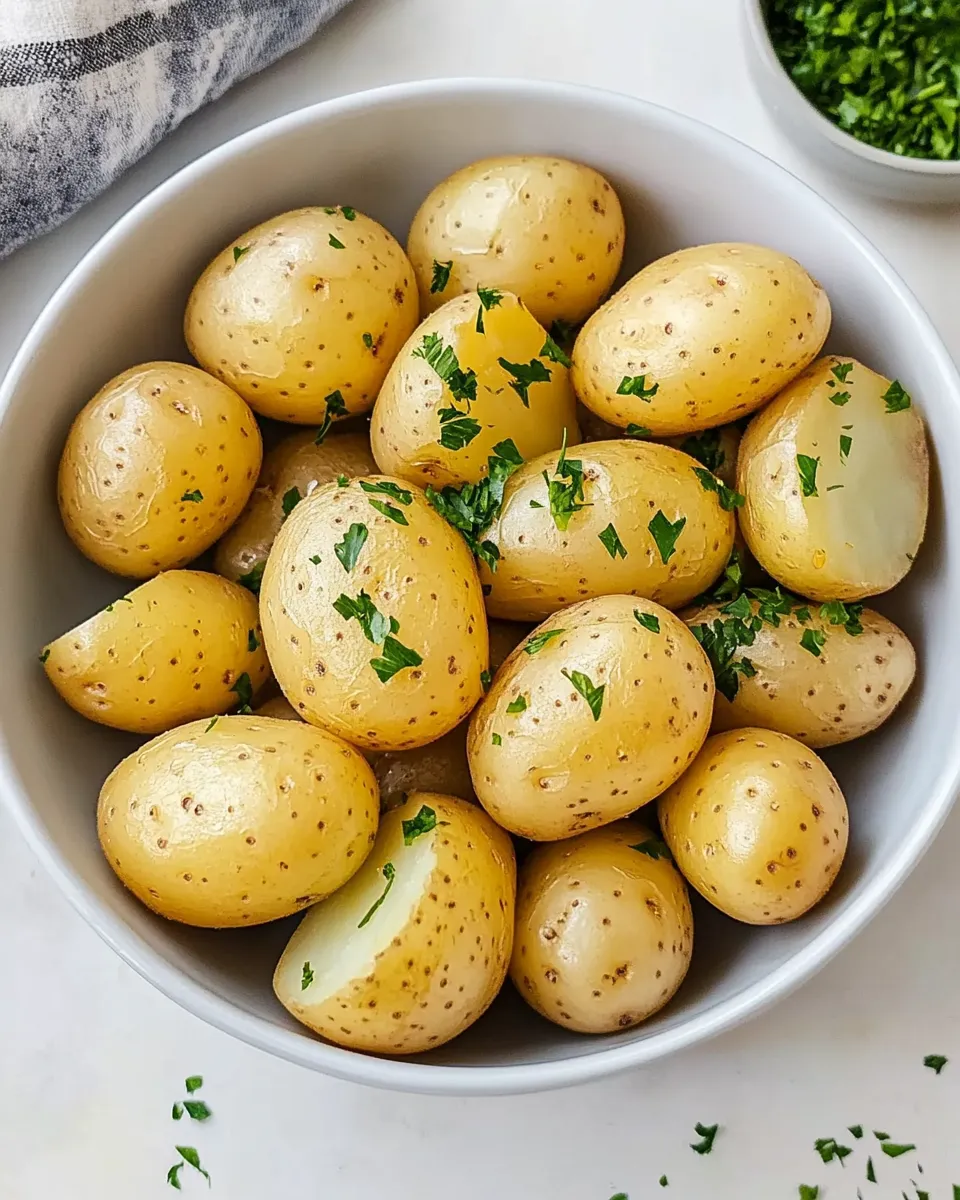
- 3 pounds baby potatoes (washed and scrubbed) — small potatoes steam quickly; keeping them similar in size helps them cook evenly.
- 3 tablespoons unsalted butter — adds richness and gloss; melts into the hot potatoes for immediate coating.
- Salt and pepper to taste — essential finishing seasoning; add gradually and taste as you go.
- 1 1/2 tablespoons fresh parsley, chopped — brightens the dish; stir in at the end so it stays fresh and green.
Step-by-Step: Steamed Potatoes
- Pour about 1 inch of water into a pot fitted with a steamer basket. Bring the water to a rolling boil over high heat.
- Place the 3 pounds baby potatoes (washed and scrubbed) in the steamer basket in a single layer if possible. Cover the pot with a tight-fitting lid, reduce heat to medium to maintain steady steam, and steam 15 to 20 minutes.
- Check for doneness by piercing the largest potatoes with a fork; they are done when a fork slides in easily. When tender, turn off the heat.
- Carefully lift the steamer basket (use oven mitts or tongs) and transfer the potatoes to a large bowl, draining any excess water back into the pot.
- Immediately add 3 tablespoons unsalted butter to the hot potatoes so it melts. Add salt and pepper to taste and 1 1/2 tablespoons chopped fresh parsley.
- Gently toss the potatoes to coat evenly with butter, seasoning, and parsley. Serve warm.
Why It’s My Go-To
This method is dependable and forgiving. Steaming preserves the potato’s natural texture without making them waterlogged, and it avoids the extra oil or fuss of roasting. For busy nights or when you need a neutral side that complements bold mains—grilled fish, roasted chicken, sautéed greens—steamed potatoes step up quietly and well.
They’re also fast. From boiling water to a finished bowl is under 30 minutes, and the hands-on time is minimal. If you want straightforward comfort with predictable results, this is the recipe I reach for again and again.
Ingredient Flex Options
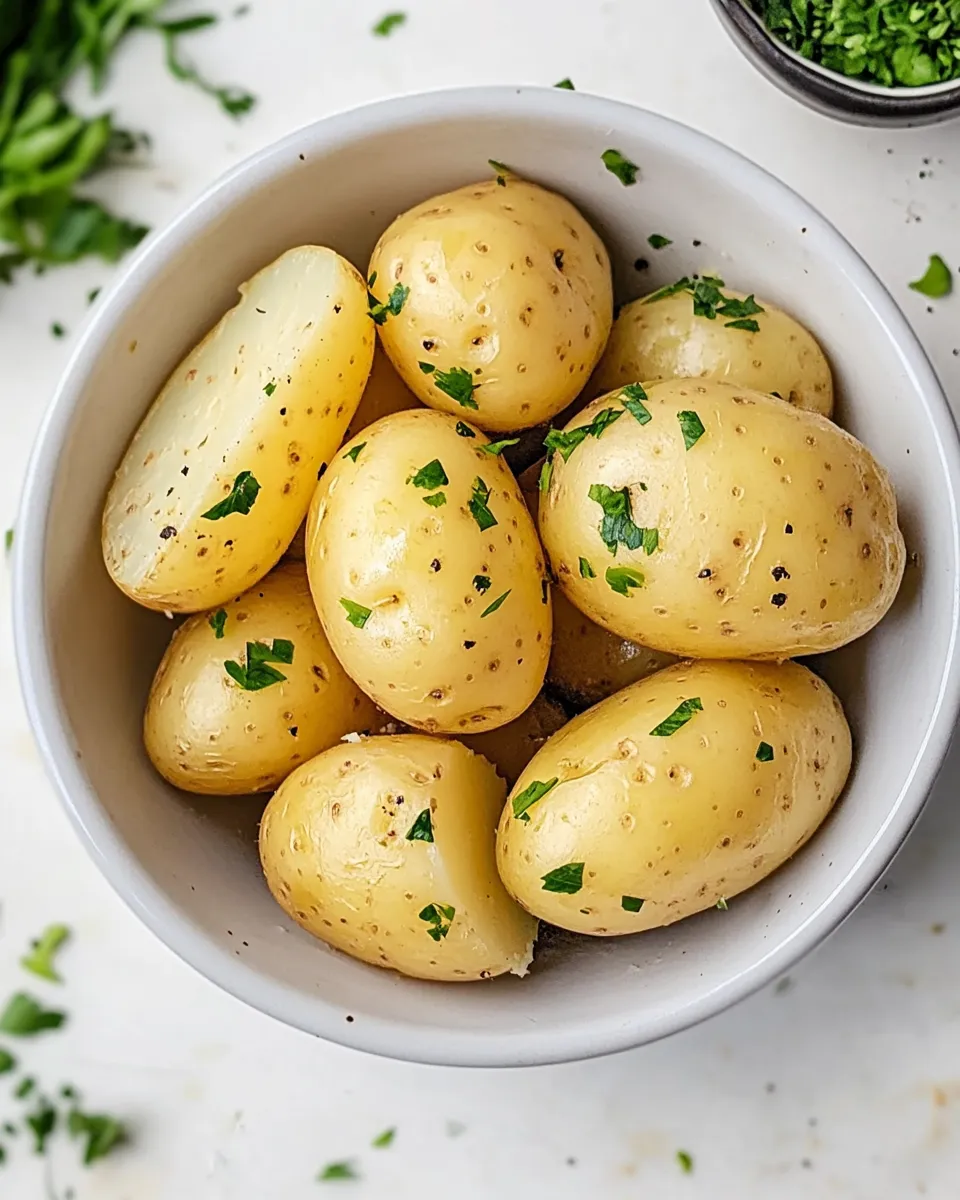
Want to tweak the finish? A small swap or addition changes the character without altering the core recipe:
- Salted butter — use in place of unsalted if that’s what you have; reduce added salt accordingly.
- Other fresh herbs — chives, dill, or tarragon work well as alternatives to parsley.
- Olive oil — drizzle a little instead of butter for a lighter finish and a different flavor profile.
- Acid — a squeeze of lemon or a splash of vinegar can brighten the potatoes just before serving.
Tools & Equipment Needed
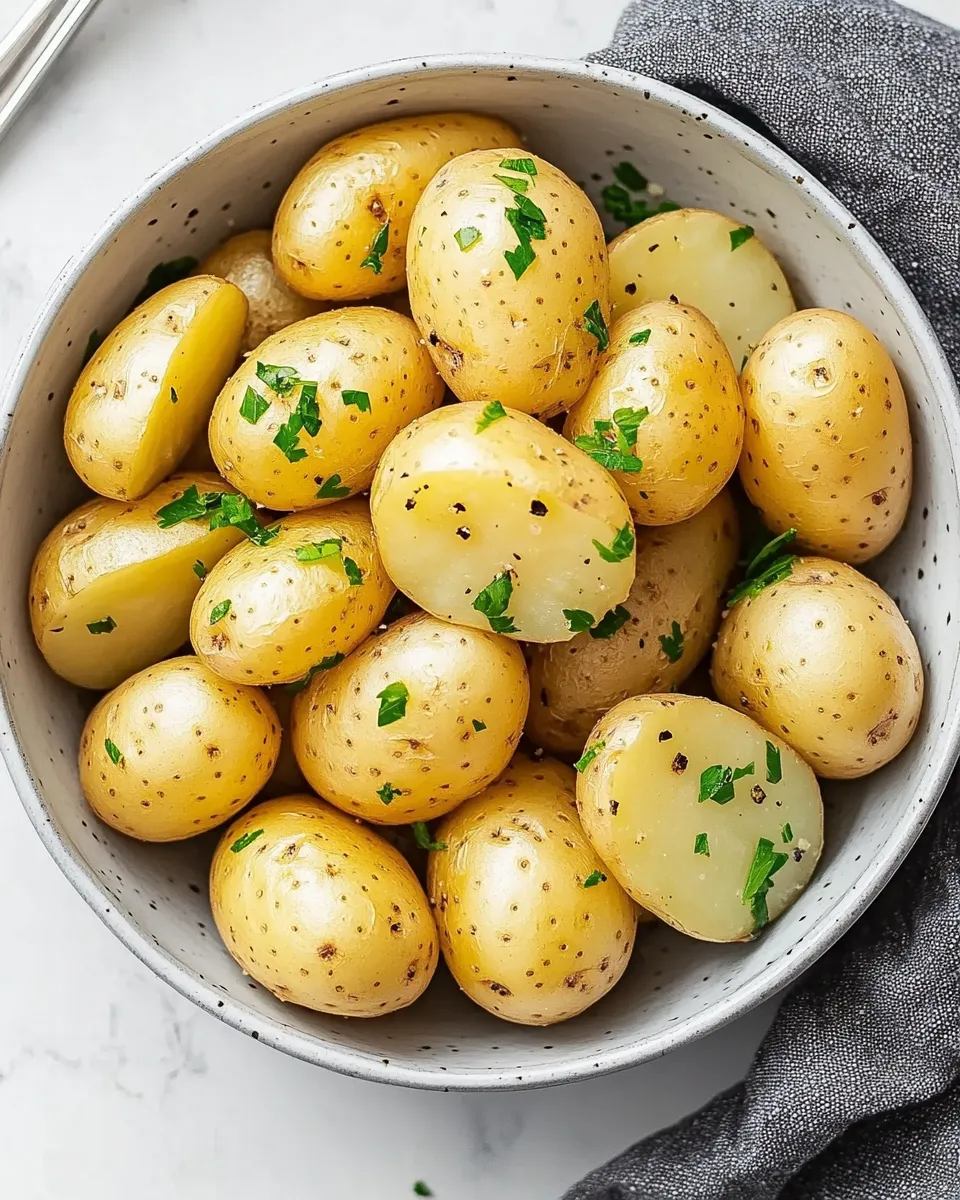
These are the small set of tools that make the process smooth:
- Medium to large pot with a tight-fitting lid.
- Steamer basket that fits inside the pot (metal or silicone).
- Fork for checking doneness.
- Large mixing bowl for finishing the potatoes.
- Oven mitts or tongs to lift the steamer basket safely.
Problems & Prevention
Here are the most common issues and how to avoid them:
- Undercooked centers: Potatoes that vary widely in size will cook unevenly. Use similarly sized baby potatoes or halve the largest ones so everything finishes together.
- Soggy or waterlogged potatoes: Don’t let the potatoes sit in the boiling water. Use a steamer basket and drain any collected water back into the pot when transferring to the bowl.
- Too dry or bland: Add the butter while the potatoes are hot so it melts and coats them. Taste and adjust salt and pepper at the end.
- Burn risk lifting the basket: Use oven mitts or tongs and lift straight up to avoid splashes of hot steam.
Fresh Takes Through the Year
Seasonal tweaks keep this simple dish feeling new:
- Spring: Stir in chopped green onions and a little lemon zest for brightness.
- Summer: Mix in halved cherry tomatoes and a handful of basil at the last minute for a light salad-style side.
- Fall: Fold in sautéed mushrooms and thyme for earthier flavors.
- Winter: Add roasted garlic and a sprinkle of smoked paprika for warmth and depth.
Notes from the Test Kitchen
We tested this several times to lock down timing and finishing technique. A single layer in the steamer speeds cooking and gives the most even results—if you must stack, expect the upper layer to finish a bit faster. Steam for 15 minutes for tender-but-firm potatoes, up to 20 minutes if you want them very soft.
Always add butter immediately after removing the potatoes from the heat. The residual heat ensures a glossy finish and better flavor distribution. Fresh parsley stirred in at the end keeps the color and fresh aroma intact.
Cooling, Storing & Rewarming
Cool cooked potatoes to room temperature within two hours, then refrigerate in an airtight container. They keep well for 3–4 days. To rewarm:
- Steamer or saucepan: Re-steam briefly or warm gently in a covered pan with a splash of water or a bit of butter over low heat.
- Oven: Spread on a sheet, cover loosely with foil, and warm at 325°F (160°C) until heated through.
- Microwave: Use short bursts and cover to retain moisture, stirring halfway through.
A quick sauté in a hot pan with a little oil will crisp the exterior if you want a roasted texture after refrigeration.
Common Qs About Steamed Potatoes
Q: Can I use larger potatoes instead of baby potatoes?
A: Yes, but cut them into uniform pieces so they cook evenly. Larger whole potatoes will take longer; test with a fork for doneness.
Q: How do I know when they’re done?
A: Piercing the largest potato with a fork is the simplest test. If the fork slides in easily, they’re done. If there’s resistance, steam a few more minutes and check again.
Q: Can I steam them in a microwave steamer?
A: You can, but timing will vary. Follow the micro-steamer manufacturer’s guidance and check often to avoid overcooking.
Q: Do I need to peel the potatoes first?
A: Not with baby potatoes. The skins are thin and flavorful when steamed. If you prefer peeled potatoes, peel them before cooking and expect slightly different texture and absorbency.
Hungry for More?
If you liked this method, try tossing steamed potatoes with a dollop of Greek yogurt and scallions for a cool side, or chop and mix them into a warm grain bowl. They’re a quiet, versatile base—reliable enough for weeknights and flexible enough for company.
Make a batch, keep it simple, and use what’s on hand. You’ll be surprised how often a bowl of well-steamed potatoes saves the meal.
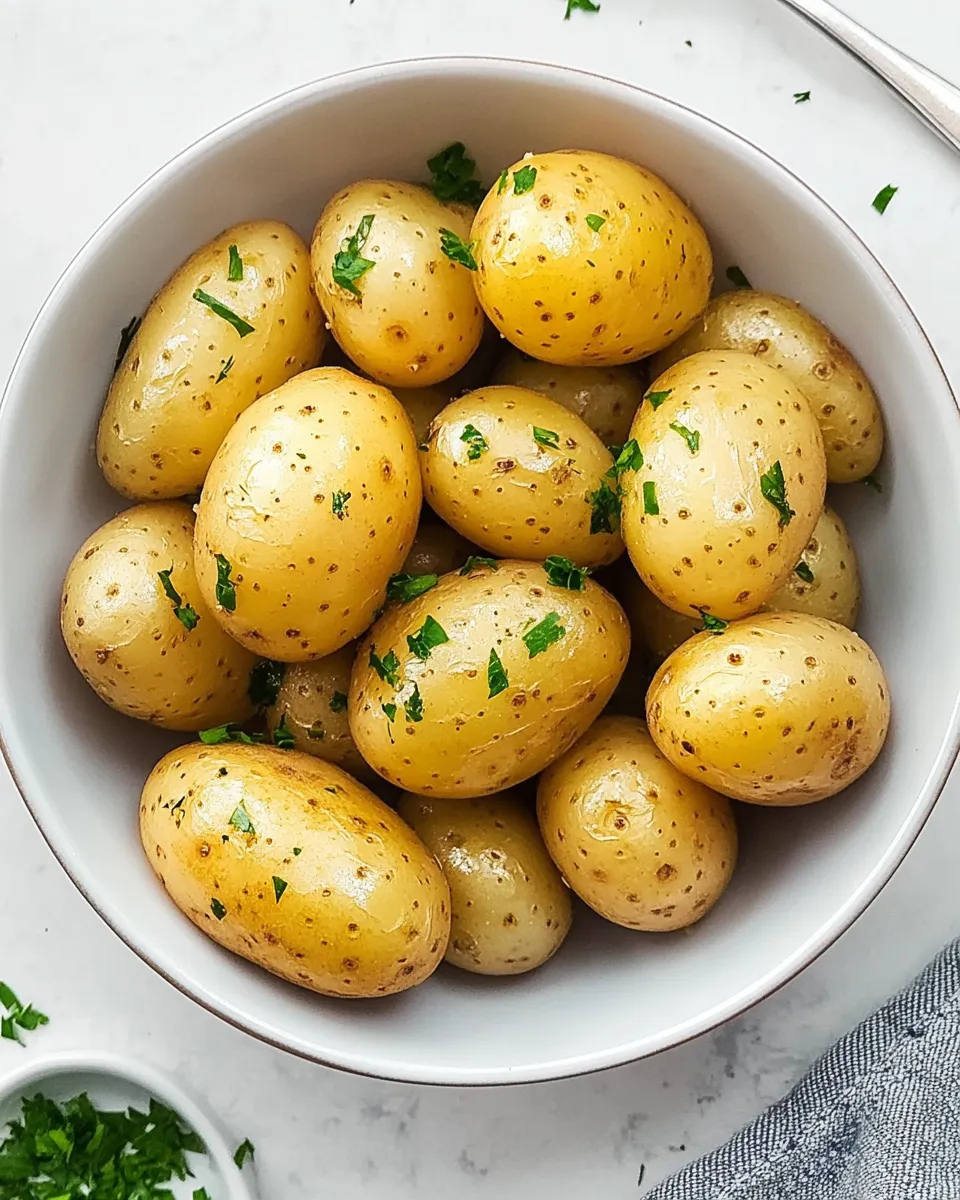
Steamed Potatoes
Ingredients
Method
- Pour about 1 inch of water into a pot fitted with a steamer basket. Bring the water to a rolling boil over high heat.
- Place the 3 pounds baby potatoes (washed and scrubbed) in the steamer basket in a single layer if possible. Cover the pot with a tight-fitting lid, reduce heat to medium to maintain steady steam, and steam 15 to 20 minutes.
- Check for doneness by piercing the largest potatoes with a fork; they are done when a fork slides in easily. When tender, turn off the heat.
- Carefully lift the steamer basket (use oven mitts or tongs) and transfer the potatoes to a large bowl, draining any excess water back into the pot.
- Immediately add 3 tablespoons unsalted butter to the hot potatoes so it melts. Add salt and pepper to taste and 1 1/2 tablespoons chopped fresh parsley.
- Gently toss the potatoes to coat evenly with butter, seasoning, and parsley. Serve warm.