Swiss Meringue Buttercream Recipe
I make Swiss Meringue Buttercream whenever I want a silky, stable frosting that isn’t overly sweet. It whips up light and glossy, holds detailed piping, and tastes clean—just butter and vanilla, with the sugar properly cooked into the egg whites. If you’ve battled cloying American buttercream or unstable whipped creams, this will quickly become your go-to.
This recipe is technique-forward: take a little care with temperature and timing and you’ll be rewarded with a smooth, silky buttercream every time. I’ll walk you through the exact steps, the small tools that make the process easier, common pitfalls and how to fix them, and options if you need to adapt for diet or flavor.
Read straight through for the method, or jump to the quick Q&A near the end if you need troubleshooting fast. Have everything prepped before you start—once the meringue is cooling, the process moves quickly.
The Ingredient Lineup

- 7 oz egg whites — from 7 large egg whites; the base of the meringue that gives structure and lightness.
- 2 cups granulated sugar — dissolves into the egg whites to stabilize and sweeten the meringue; makes the buttercream smooth when fully dissolved.
- 1 1/2 cups unsalted butter, softened — (3 sticks)*; provides richness and body. Soft but still cool is ideal so the butter incorporates without melting the meringue.
- 2 tsp vanilla extract — adds primary flavor; add later so the heat doesn’t diminish aroma.
- 1/4 tsp fine sea salt — balances sweetness and brightens the butter flavor.
Method: Swiss Meringue Buttercream
- Fill a saucepan with about 1 inch of water and bring it to a gentle simmer over medium-low heat. Thoroughly wash and fully dry a stainless-steel mixing bowl (no grease) and have your stand mixer and attachments ready. Ensure the 1 1/2 cups (3 sticks) unsalted butter is softened.
- In the clean, dry mixing bowl whisk together 7 oz egg whites (from 7 large eggs) and 2 cups granulated sugar until combined.
- Set the mixing bowl over the simmering saucepan so the bowl sits over the steam but does not touch the water (double boiler). Whisk constantly until the mixture reaches 160°F and the sugar is fully dissolved (about 3 minutes). To check dissolution, rub a small amount between your fingertips — it should feel smooth, not gritty. The mixture will be hot.
- Remove the bowl from the saucepan. Wipe any water or condensation from the bottom of the bowl with a clean towel, then place the bowl on the stand mixer fitted with the whisk attachment.
- Beat on medium-high speed until the meringue forms stiff, glossy peaks and the outside/bottom of the bowl feels completely at room temperature (about 15–20 minutes). It is important the meringue is cool; warm meringue will melt the butter.
- Switch to the paddle attachment and reduce the mixer to medium speed. Add the softened butter 1 tablespoon at a time, adding each tablespoon just as it is absorbed by the meringue.
- After all the butter is added, scrape down the bowl and beat on medium-high for about 3 minutes, until the buttercream is thick and whipped. If it looks lumpy, thin, or separated, continue beating until smooth, thick, and fully combined.
- Add 2 teaspoons vanilla extract and 1/4 teaspoon fine sea salt and mix on medium-high until fully incorporated (about 1 minute).
Why It’s Crowd-Pleasing
Swiss Meringue Buttercream hits the sweet spot between flavor and texture. It’s lighter than American buttercream because the sugar is dissolved into egg whites, and not all mixed directly into fat. That makes it less sweet on the palate and lets the butter and vanilla shine.
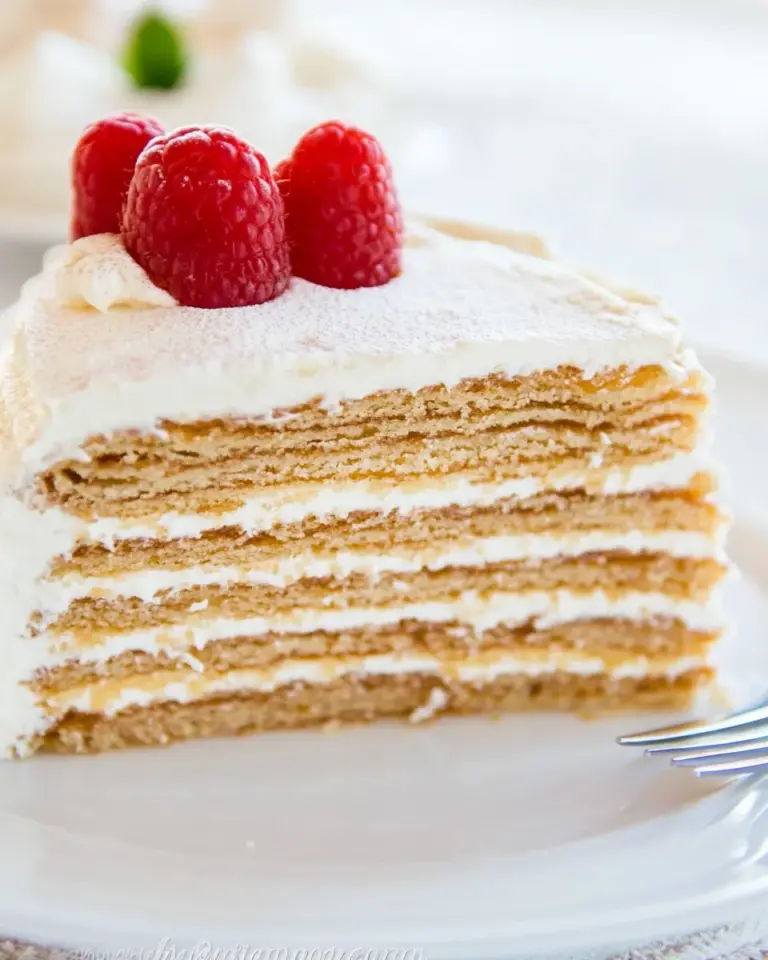
It pipes beautifully and holds shape for decorating—ideal for layered cakes, cupcakes, and detailed piping. At the same time it’s smooth enough to spread for clean cake finishes. The glossy, satiny texture feels refined, which is why it’s a favorite for weddings and special occasions as well as everyday treats.
Ingredient Flex Options

Small adjustments to ingredients can fine-tune texture and flavor without changing the recipe’s structure.
Butter handling
Keep the butter softened but cool. If it’s too soft or warm the meringue can break and the buttercream will be greasy; if too cold it won’t incorporate smoothly. The 1-tablespoon at a time method regulates this and prevents separation.
Vanilla and salt
Vanilla extract is listed at 2 teaspoons—if you prefer a more pronounced vanilla character, you can increase it slightly after tasting. The 1/4 teaspoon fine sea salt balances the sweetness; skip it only if you’re deliberately avoiding all salt.
Essential Tools for Success

- Digital thermometer — for the meringue: 160°F is the safety/texture target.
- Stainless-steel mixing bowl — retains heat efficiently over the double boiler and must be scrupulously clean and dry.
- Stand mixer with whisk and paddle attachments — whisk for the meringue, paddle for folding in butter.
- Spatula — for scraping down the bowl and smoothing the buttercream.
- Saucepan for a double boiler — deep enough for an inch of water but shallow enough the bowl sits on the steam without touching the water.
- Clean towel — to wipe condensation from the bowl before returning it to the mixer.
Pitfalls & How to Prevent Them
Swiss Meringue Buttercream can look intimidating, but common problems have straightforward fixes.
Gritty sugar
If the sugar hasn’t fully dissolved during the stovetop step the buttercream will feel grainy. Rub a small amount between your fingertips—if you feel grit, heat a bit longer. Don’t rush this step.
Meringue too warm
Adding butter before the meringue is cool will melt the butter and create a soupy or separated mix. Beat the meringue until the bowl is room temperature—this cooling time is non-negotiable. A slow, patient 15–20 minutes is normal.
Curdled or separated buttercream
If the buttercream looks thin, curdled, or separated after adding butter, don’t panic. Keep beating: often it finishes emulsifying after several more minutes. If it’s still not coming together, chill the bowl briefly (5–10 minutes) until the butter firms slightly, then beat again.
Dietary Swaps & Alternatives
When you need to adapt for allergies or preferences, there are a few options, but they change texture and technique.
- Pasteurized egg whites — You can use carton pasteurized egg whites measured to equal 7 oz. They remove the risk of raw egg while preserving the meringue’s structure.
- Salted butter — If you only have salted butter, reduce or omit the added fine sea salt. Taste and adjust the vanilla; salted butter can slightly mute sweetness.
- Flavor variations — Fold in melted, cooled chocolate or a concentrated fruit puree sparingly; too much liquid will thin the buttercream and may require more butter to stabilize.
Note: Vegan or aquafaba-based versions require a different approach and are not direct swaps for this recipe. They’ll need separate ratios and techniques to match the texture and stability of Swiss Meringue Buttercream.
Behind-the-Scenes Notes
What’s happening scientifically: heating the egg whites with sugar to 160°F denatures the proteins and dissolves sugar, creating a stable foam when whipped. Cooling the meringue prevents the butter from melting. Adding butter slowly forms an emulsion where fat droplets are suspended in the meringue, creating that silky, stable texture.
Pacing matters. Rushing the stovetop stage, skimping on whisking time, or adding butter too quickly are the usual culprits for trouble. The recipe is forgiving if you follow the core principles: dissolve sugar, cool the meringue, and add butter slowly.
Storing Tips & Timelines
Swiss Meringue Buttercream stores well, which makes it useful for advance cake work.
- Room temperature — If your kitchen is cool (below 70°F), you can keep a covered bowl out for a few hours. For longer storage, refrigerate.
- Refrigerator — Store in an airtight container for up to 5 days. Before using, let it come to room temperature and re-whip on medium speed until smooth and fluffy again.
- Freezer — Freeze in an airtight container for up to 2 months. Thaw in the fridge overnight, then bring to room temperature and re-whip thoroughly before using.
Quick Q&A
Q: Can I use salted butter?
A: Yes—reduce or omit the added 1/4 tsp fine sea salt. Taste before adding any more salt.
Q: Is the 160°F step necessary?
A: Yes. Reaching 160°F ensures sugar dissolves and heats the egg whites to a safe temperature. It also stabilizes the meringue for whipping.
Q: My buttercream is grainy—what went wrong?
A: The sugar likely wasn’t fully dissolved. Reheat the mixture briefly over the double boiler and whisk until smooth, or start over with fresh sugar and whites if the texture won’t correct.
Q: It’s greasy or separated—how do I fix it?
A: Continue beating for several minutes; often it comes together. If not, chill briefly so the butter firms, then beat again. Make sure the meringue was cool before adding butter.
Save & Share
If you bookmarked this recipe, great—this method will serve you reliably for cakes, cupcakes, and decorative piping. Try it once with the exact ingredients and steps, and you’ll understand how subtle adjustments change texture and flavor.
Made a batch? Share a photo and your favorite use for Swiss Meringue Buttercream. If you run into trouble, drop a quick note in the comments with the symptom and I’ll walk you through a fix.

Swiss Meringue Buttercream Recipe
Ingredients
Equipment
Method
- Fill a saucepan with about 1 inch of water and bring it to a gentle simmer over medium-low heat. Thoroughly wash and fully dry a stainless-steel mixing bowl (no grease) and have your stand mixer and attachments ready. Ensure the 1 1/2 cups (3 sticks) unsalted butter is softened.
- In the clean, dry mixing bowl whisk together 7 oz egg whites (from 7 large eggs) and 2 cups granulated sugar until combined.
- Set the mixing bowl over the simmering saucepan so the bowl sits over the steam but does not touch the water (double boiler). Whisk constantly until the mixture reaches 160°F and the sugar is fully dissolved (about 3 minutes). To check dissolution, rub a small amount between your fingertips — it should feel smooth, not gritty. The mixture will be hot.
- Remove the bowl from the saucepan. Wipe any water or condensation from the bottom of the bowl with a clean towel, then place the bowl on the stand mixer fitted with the whisk attachment.
- Beat on medium-high speed until the meringue forms stiff, glossy peaks and the outside/bottom of the bowl feels completely at room temperature (about 15–20 minutes). It is important the meringue is cool; warm meringue will melt the butter.
- Switch to the paddle attachment and reduce the mixer to medium speed. Add the softened butter 1 tablespoon at a time, adding each tablespoon just as it is absorbed by the meringue.
- After all the butter is added, scrape down the bowl and beat on medium-high for about 3 minutes, until the buttercream is thick and whipped. If it looks lumpy, thin, or separated, continue beating until smooth, thick, and fully combined.
- Add 2 teaspoons vanilla extract and 1/4 teaspoon fine sea salt and mix on medium-high until fully incorporated (about 1 minute).
Notes
*Butter should be softened at room temp for about 1 hour (more or less depending on your room temperature). It should be slightly cool to the touch and not overly soft or warm. If too soft, refrigerate for 10 minutes at a time.
Troubleshooting: If your frosting seems soupy, or won’t thicken up properly, this is usually due to the meringue or butter being too warm. See the Common Questions section above to troubleshoot.