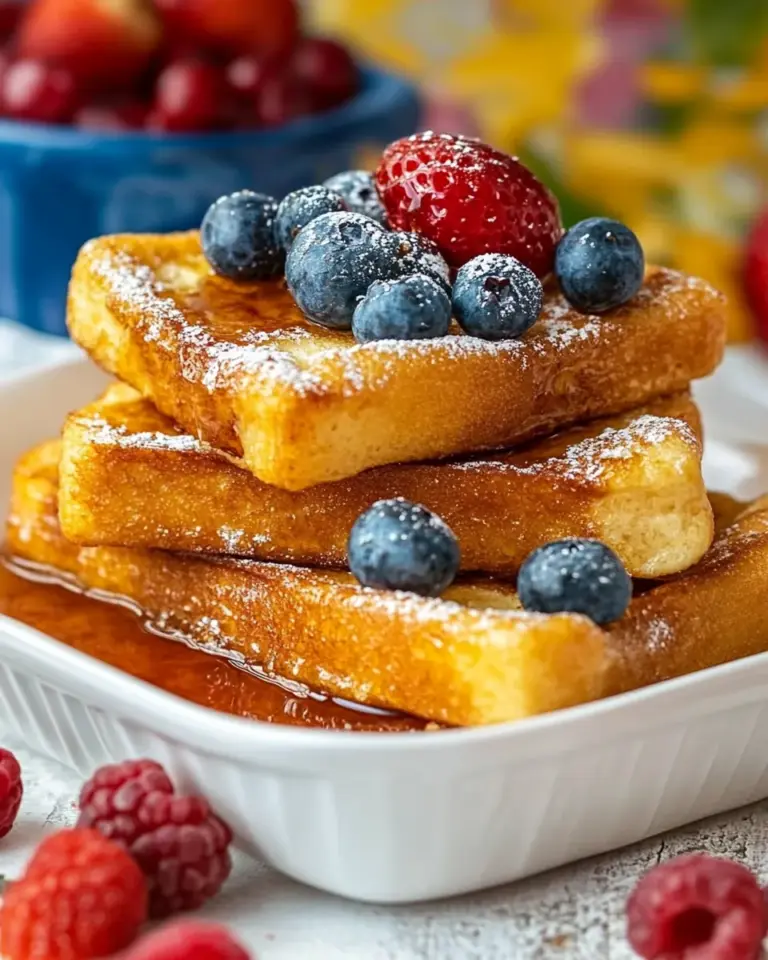
Texas Toast French Toast
There’s something unapologetically indulgent about a casserole of Texas toast transformed into French toast. This version leans on thick slices, layered custard, and a sticky brown-sugar base so every bite is soft in the middle and caramelized on the bottom. It’s not fussy, and it feeds a crowd without a lot of last-minute flipping or pan time.
I make this when I want a weekend breakfast that feels special but requires minimal babysitting. You can assemble it the night before, slide it into the oven in the morning, and spend your time pouring coffee and catching up with whoever’s at the table. The method is straightforward, and the results are reliably comforting.
Below you’ll find everything you need: the exact ingredient list, step-by-step directions taken from the original method, practical hardware notes, common mistakes and fixes, swaps for different diets, and how to store and reheat leftovers. Read once, then save this one for lazy mornings and holiday brunches alike.
The Essentials
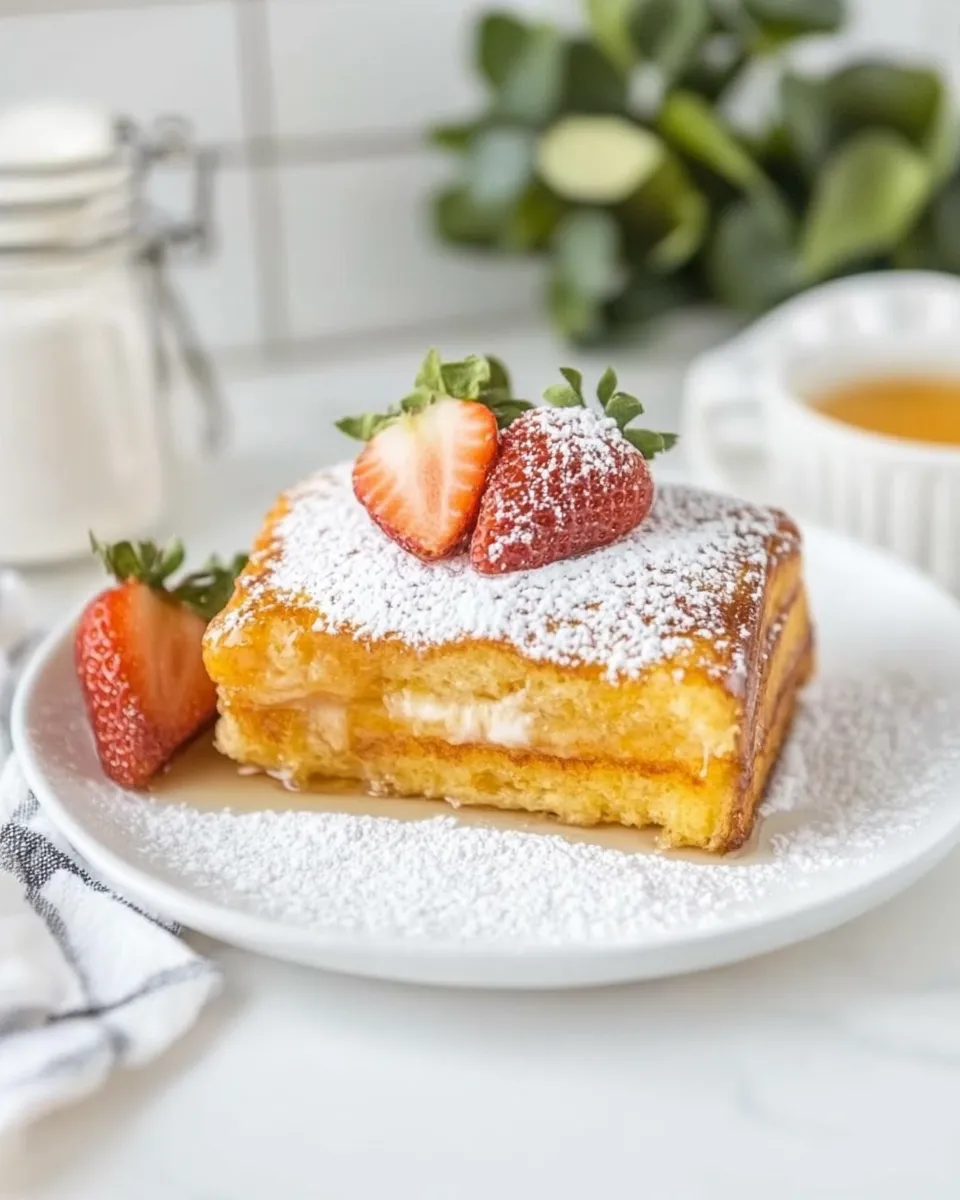
This recipe turns a 24-ounce loaf of Texas toast into a baked French toast casserole with a brown-sugar butter base and a cinnamon-sugar middle and top. It uses whole eggs, milk, and vanilla for a classic custard. The trick is letting it rest in the refrigerator at least four hours so the bread soaks up the custard evenly.
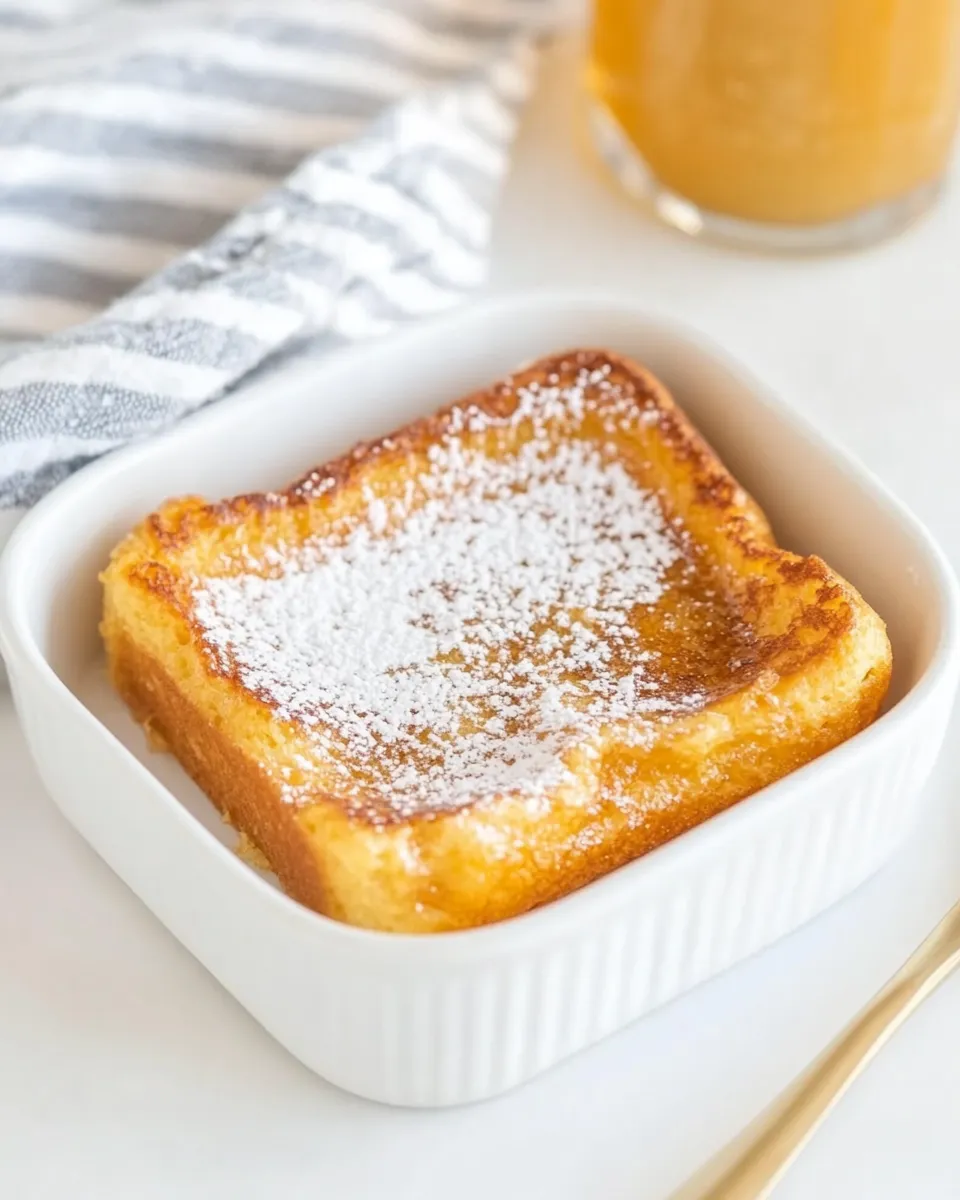
Key outcomes to expect: a soft, custardy interior; a tender yet structured bite; a caramelized bottom from the brown sugar and butter; and a golden, cinnamon-speckled top. If you want crispier edges, use slightly older or drier bread next time. If you want it richer, serve with a pat of butter or warm syrup.
Ingredients
- ½ cup butter, melted — melts into the brown sugar to create the caramel base for the bottom of the casserole.
- 1 cup brown sugar — combines with melted butter to form the sticky layer under the bread.
- 1 (24-ounce) loaf Texas toast, with crust trimmed off, optional — thick slices soak up the custard best; trimming crusts is optional and based on preference.
- 4 eggs — the structural backbone of the custard; whisk until blended for an even texture.
- 1½ cups milk — thins the eggs into custard; use any milk you prefer but whole milk yields a creamier result.
- 1 teaspoon vanilla extract — adds depth and warmth to the custard flavor.
- 4 tablespoons brown sugar — mixed with cinnamon to create pockets of sweetness between layers.
- 3 teaspoons cinnamon — pairs with brown sugar for the classic French toast spice.
- 4 tablespoons butter, softened — spread on the top layer to promote browning and rich flavor.
- powdered sugar, for sprinkling — optional finishing touch for a pretty presentation and a hint of sweetness.
Mastering Texas Toast French Toast: How-To
- Melt ½ cup butter (in a small saucepan or microwave). Stir in 1 cup brown sugar until combined. Pour this mixture into the bottom of a 9×13-inch casserole dish and spread evenly.
- Trim crusts from the Texas toast if desired and cut slices as needed to fit the pan. Arrange a single layer of Texas toast over the butter-brown sugar mixture.
- In a small bowl, combine 4 tablespoons brown sugar and 3 teaspoons cinnamon; set aside.
- In a medium bowl, whisk together 4 eggs, 1½ cups milk, and 1 teaspoon vanilla until blended.
- Pour half of the egg mixture evenly over the first layer of Texas toast. Press the bread down gently so it soaks up the custard. Sprinkle half of the cinnamon–brown sugar mixture evenly over the soaked bread.
- Add a second layer of Texas toast, trimming to fit if needed. Spread 4 tablespoons softened butter thinly and evenly over the top layer.
- Pour the remaining egg mixture evenly over the top layer. Sprinkle the remaining cinnamon–brown sugar mixture evenly over the top.
- Cover the dish and refrigerate for at least 4 hours or overnight.
- Preheat the oven to 350°F. Remove the cover and bake uncovered for 40–45 minutes, until the custard is set and the top is golden.
- Let cool slightly, then sprinkle with powdered sugar before serving.
The Upside of Texas Toast French Toast
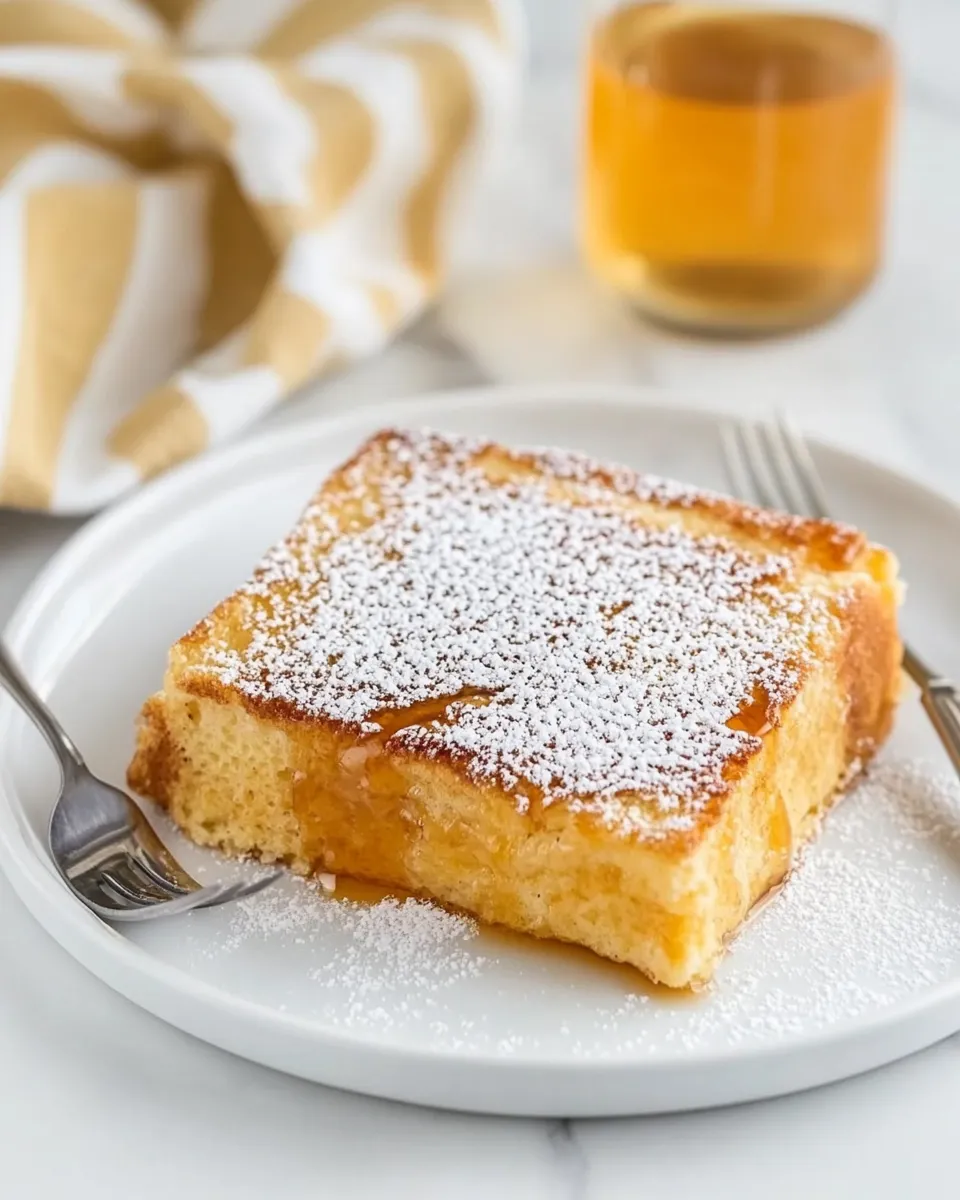
This dish is a crowd-pleaser for several practical reasons. It scales easily—use a 9×13 dish and you’ll feed a family or take a dish to a brunch. It’s hands-off once assembled: the chilling step does the work of soaking the bread, and baking is low maintenance. It stores and reheats well, so leftovers are a bonus, not a problem.
Flavor-wise, the brown-sugar base gives a deeper caramel note than plain granulated sugar, and the cinnamon ribbon adds warmth without overwhelming. The top butter layer promotes a glossy, golden finish that looks as good as it tastes. You’re essentially getting the familiar French toast flavor with less standing at the stove and more table time.
Vegan & Vegetarian Swaps
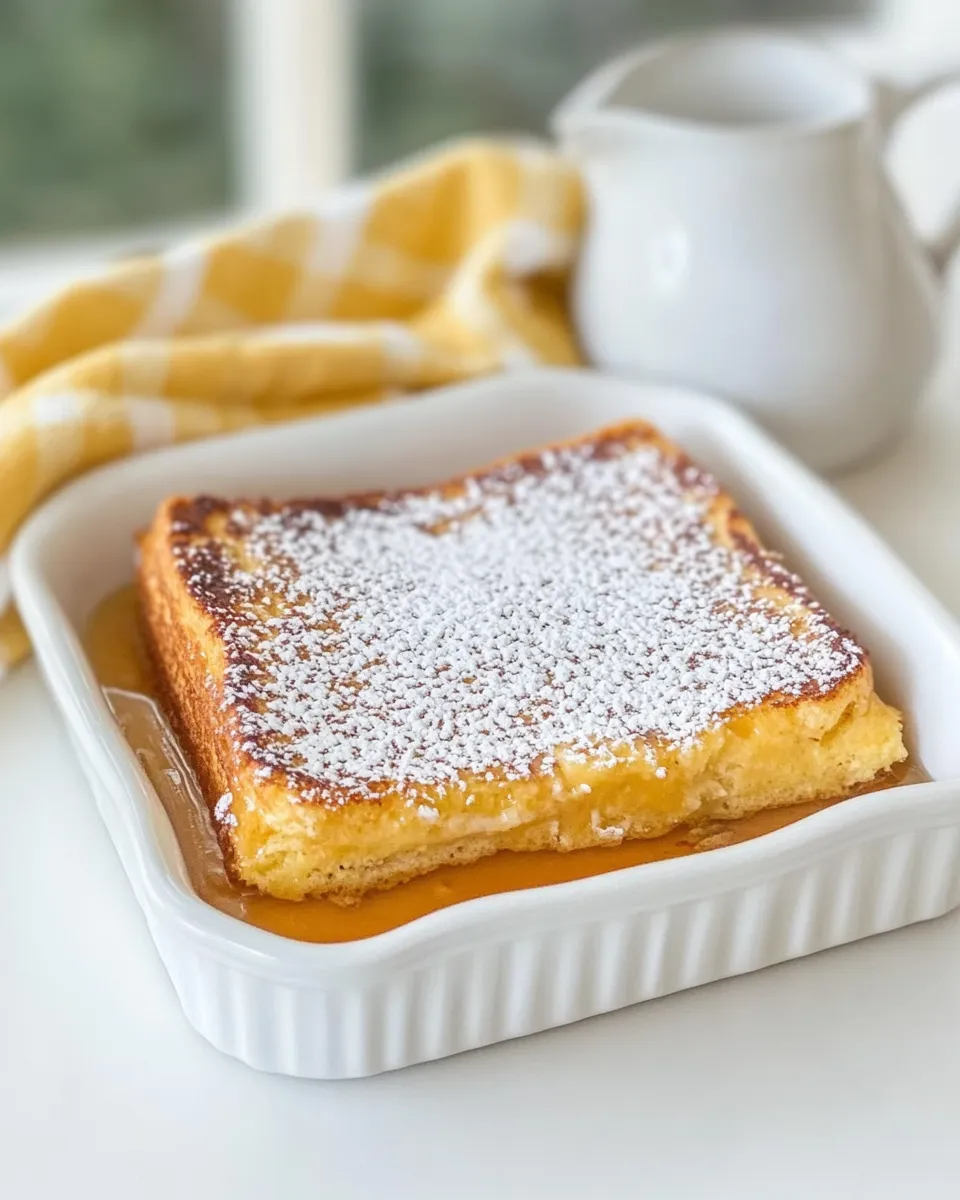
For vegetarians this recipe is already suitable as written. For vegan adaptations, choose plant-based alternatives carefully:
– Replace 4 eggs with a commercial egg replacer or a blend of silken tofu (blended until smooth) plus a little cornstarch to mimic custard structure. Use unsweetened soy or oat milk in place of dairy milk for similar body.
– Swap the butter (both ½ cup melted and 4 tablespoons softened) for a vegan butter substitute that melts and browns well. Brown sugar and cinnamon remain the same. Note: texture will change—expect a slightly softer set if you remove egg proteins entirely.
Hardware & Gadgets
You don’t need fancy equipment for this recipe. A few things make the process smoother:
– 9×13-inch casserole dish: required size in the method so the bread layers fit and the baking time stays accurate.
– Small saucepan or microwave-safe bowl: to melt the ½ cup butter safely.
– Mixing bowls and a whisk: one medium for the custard and one small for the cinnamon-sugar mixture is enough.
– Spatula or the back of a spoon: useful for pressing the bread gently into the custard so it soaks evenly.
– Plastic wrap or foil: to cover the dish while it chills overnight.
Pitfalls & How to Prevent Them
Under-soaked bread: if you skip the refrigeration step or don’t press the bread down, the interior can be dry. Prevent this by covering and refrigerating at least 4 hours, pressing the bread into the custard when you pour.
Gummy texture: over-softened or very fresh, very soft bread can become gummy. If your loaf is fresh, trim and allow slices to air-dry for 30–60 minutes before assembling so they absorb custard without turning pasty.
Burnt bottom or too-dark top: every oven bakes a little differently. If the top browns too fast while the custard is still wobbly, loosely tent with foil for the remaining bake time. If the bottom burns, use a metal baking sheet under the casserole to buffer direct heat.
Custard not set: if you recover the dish and see a lot of wobble after the recommended bake time, continue baking in 5–7 minute increments until set. A gentle jiggle is okay, but it should not be liquid.
Seasonal Ingredient Swaps
Fall: fold in a few tablespoons of unsweetened pumpkin puree to a portion of the custard and add a pinch of nutmeg for a pumpkin-spiced layer. Do not add liquid beyond what’s called for, or the set will be affected.
Winter: top with warm apple compote or stewed pears instead of syrup for a festive feel.
Spring/Summer: fresh berries make a bright contrast. Serve with macerated strawberries or a warm berry compote on the side rather than mixing into the custard.
Method to the Madness
The method is built around layering and timing. The melted butter and 1 cup brown sugar at the bottom form a caramel bed. Texas toast’s thickness ensures it soaks up custard but holds structure. The cinnamon–brown sugar mixture sandwiched between layers gives pockets of concentrated flavor and a gently spiced surface. Refrigeration is the predictable equalizer—cold time lets liquid distribute and minimizes dry spots.
When baking, you’re looking for a set custard and gentle browning. The thermal mass of the casserole and the density of the bread mean bake time is longer than pan-fried French toast. That’s intentional: the oven cooks evenly through the layers without burning the edges if you follow the schedule.
Cooling, Storing & Rewarming
Cool: let the casserole rest 10–15 minutes after baking. This short rest helps the custard finish setting and makes it easier to cut neat squares.
Store: tightly cover leftovers and refrigerate up to 3–4 days. For longer storage, freeze slices individually wrapped in plastic wrap and then foil—freeze up to 2 months.
Reheat: for a single serving, reheat in a 350°F oven for 10–15 minutes from refrigerated, or 15–20 minutes if frozen and wrapped, until warmed through. For microwave convenience, use short 20–30 second bursts and check frequently to avoid rubbery texture. To revive crispness on the edges after microwaving, a quick 3–5 minute finish under the broiler or in a hot skillet works well.
Reader Questions
Q: Can I use a different bread?
A: Yes. The recipe is written for thick Texas toast because it soaks and holds shape. If you use regular sliced bread, use two layers or slightly reduce the custard resting time to avoid a soggy interior.
Q: Can I make this ahead for a brunch?
A: Absolutely. Assemble and refrigerate overnight. Bake in the morning as instructed. It’s ideal for holiday mornings when you want to prep in advance.
Q: Is powdered sugar required?
A: No. Powdered sugar is a final flourish for presentation and a light sweetness. Serve with warm syrup, fruit compote, or a dollop of yogurt or whipped cream instead.
Ready to Cook?
If you’ve read this far, you’re set. Gather your 9×13 dish, melt ½ cup butter, and have the 1 cup brown sugar ready. Follow the steps exactly as written in the How-To, give it the recommended chill, and enjoy a crowd-pleasing, easy-to-serve breakfast. This Texas Toast French Toast is the kind of recipe that rewards a little overnight patience with a lot of morning joy. Happy baking.
Texas Toast French Toast
Ingredients
Equipment
Method
- Melt ½ cup butter (in a small saucepan or microwave). Stir in 1 cup brown sugar until combined. Pour this mixture into the bottom of a 9×13-inch casserole dish and spread evenly.
- Trim crusts from the Texas toast if desired and cut slices as needed to fit the pan. Arrange a single layer of Texas toast over the butter-brown sugar mixture.
- In a small bowl, combine 4 tablespoons brown sugar and 3 teaspoons cinnamon; set aside.
- In a medium bowl, whisk together 4 eggs, 1½ cups milk, and 1 teaspoon vanilla until blended.
- Pour half of the egg mixture evenly over the first layer of Texas toast. Press the bread down gently so it soaks up the custard. Sprinkle half of the cinnamon–brown sugar mixture evenly over the soaked bread.
- Add a second layer of Texas toast, trimming to fit if needed. Spread 4 tablespoons softened butter thinly and evenly over the top layer.
- Pour the remaining egg mixture evenly over the top layer. Sprinkle the remaining cinnamon–brown sugar mixture evenly over the top.
- Cover the dish and refrigerate for at least 4 hours or overnight.
- Preheat the oven to 350°F. Remove the cover and bake uncovered for 40–45 minutes, until the custard is set and the top is golden.
- Let cool slightly, then sprinkle with powdered sugar before serving.
Notes
Slightly stale bread absorbs the custard more evenly than fresh bread.
You can leave the crust on, but crust-free looks prettier.
You can leave the crust on, but crust-free looks prettier.
Avoid very soft or delicate breads that may fall apart during soaking or baking.
Avoid very soft or delicate breads that may fall apart during soaking or baking.
This casserole bakes best in a glass or ceramic baking dish.
This casserole bakes best in a glass or ceramic baking dish.