Thai Seafood Curry Recipe
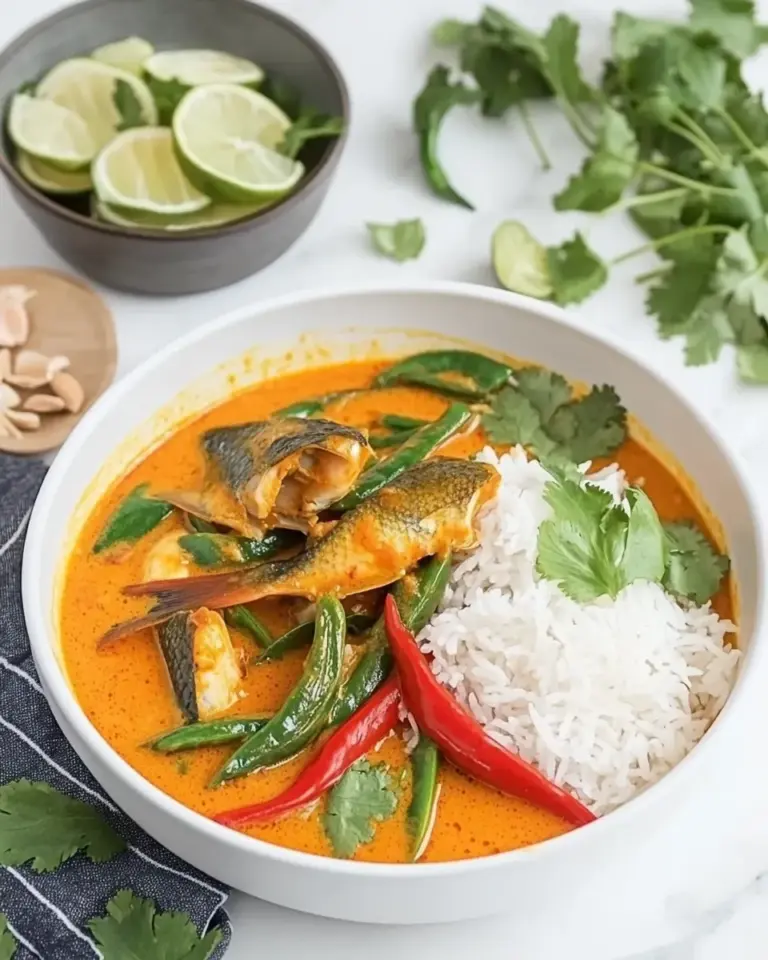
This Thai Seafood Curry is the sort of weeknight meal that feels special without asking for extra work. It comes together quickly, relies on a short ingredient list, and delivers bright, layered flavors — coconut creaminess, fragrant curry paste, a splash of fish sauce, and fresh basil at the end. If you like bold Asian flavors and tender seafood, this one will likely become a repeat in your rotation.
I test recipes to be practical: clear steps, sensible timing, and troubleshooting notes so you don’t get stuck mid-cook. The result here is flexible. Use whatever seafood you have on hand — scallops, shrimp, firm white fish — and keep the vegetables simple: bell peppers for color and snap.
Read through the ingredient list and the short technique notes before you start. The curry paste unlocks its aroma when briefly fried, coconut milk builds the sauce base, and the fish sauce is your umami anchor. Little touches — like tearing basil leaves into the hot curry — make the final dish sing.
Gather These Ingredients
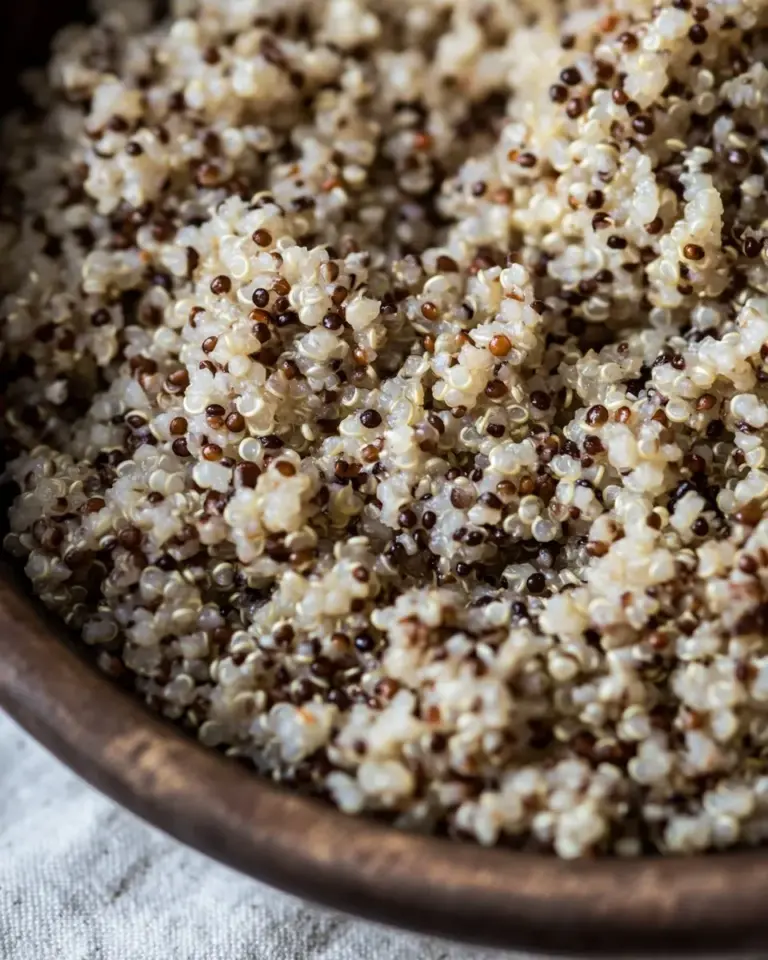
- 1 1/2cupsrice — the base for serving; cook to package directions and keep warm so everything is ready at plating.
- 1teaspooncooking oil — for blooming the curry paste; a neutral oil is fine.
- 4ouncescan of Thai curry paste — the flavor core; red or green paste will change the profile slightly but both work.
- 14ouncescan of coconut milk — creates the rich, silky sauce; shake the can and use all of it as directed.
- 1tablespoonfish sauce — adds savory depth and balance; taste and adjust as recommended in the steps.
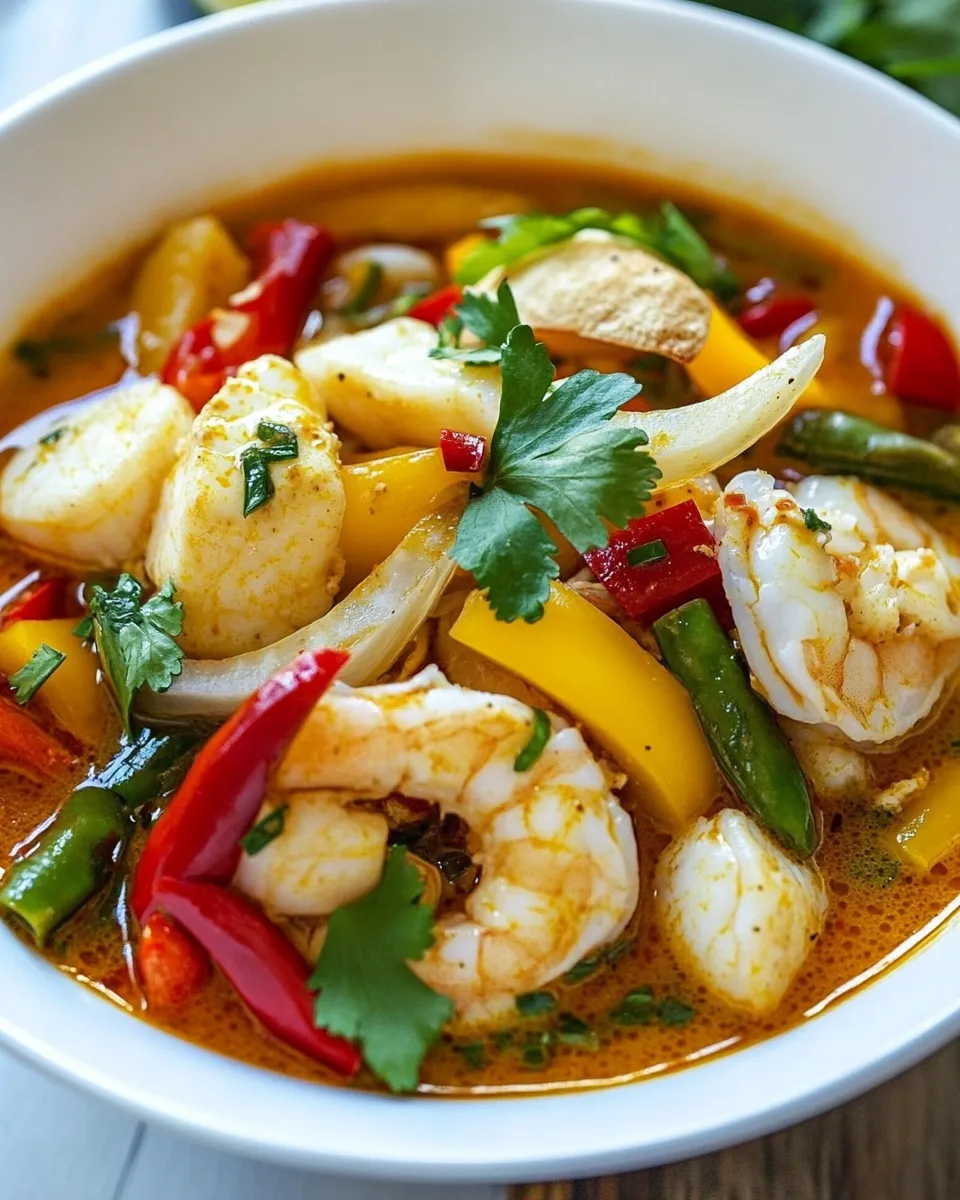
- 2bell peppers, thinly sliced — color, crunch and mild sweetness; slice thin so they cook quickly.
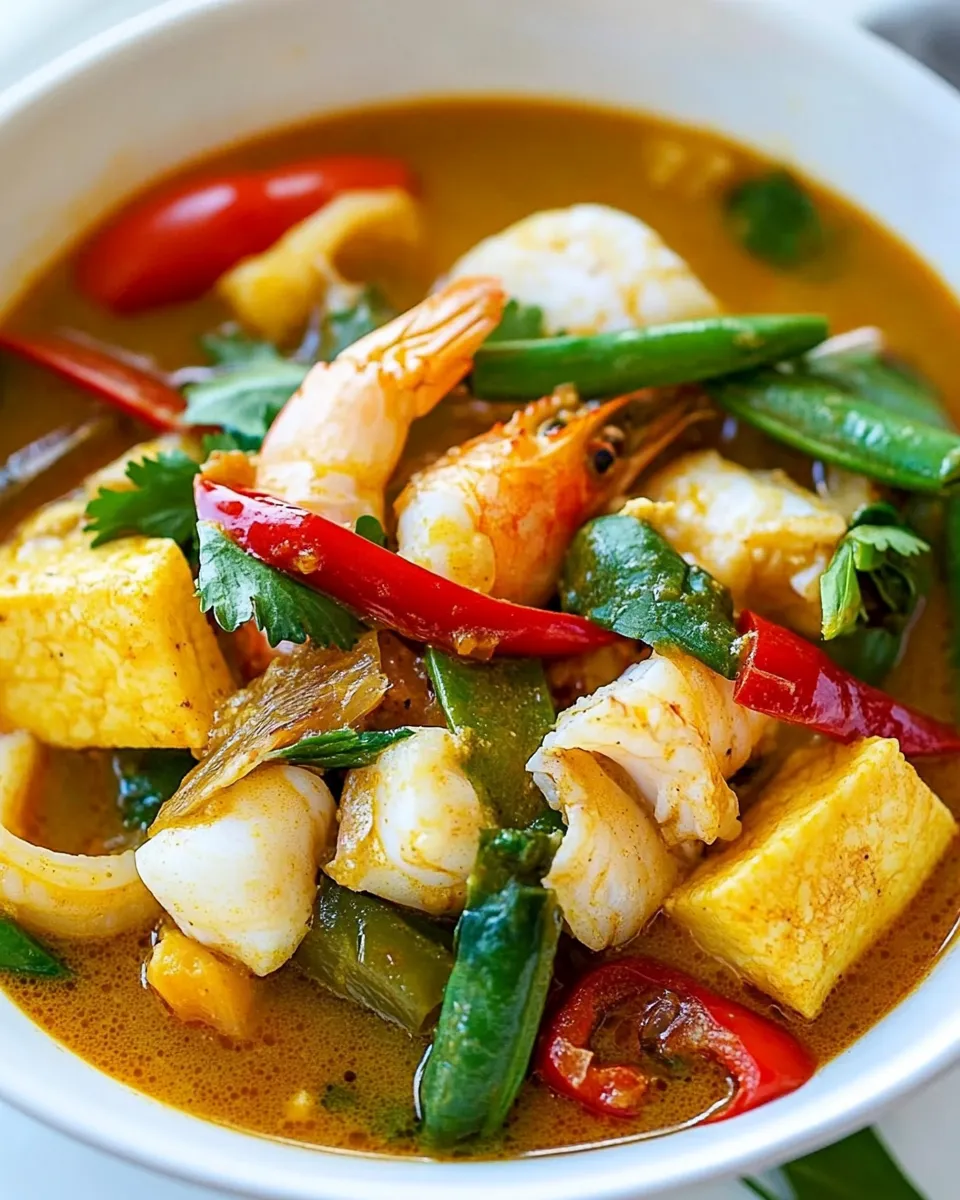
- 1poundseafood: bay scallops, shrimp, fish, etc. — pick fresh or thawed seafood; portion depends on appetite and yield.
- sprig of fresh basil, leaves torn — finish for aroma and a herbal lift; Thai basil is ideal but regular basil works if that’s what you have.
Thai Seafood Curry Recipe, Made Easy
- Cook the rice: rinse 1 1/2 cups rice if desired and cook according to package instructions; keep warm.
- In a wok or large sauté pan, heat 1 teaspoon cooking oil over medium-low until it shimmers.
- Add the 4-ounce can of Thai curry paste to the pan and stir for about 15 seconds to release its flavors.
- Pour a small amount of the 14-ounce can of coconut milk into the pan and whisk until the curry paste is fully dissolved. Add the remaining coconut milk, increase heat to medium-high, and bring the sauce to a gentle simmer.
- Whisk in 1 tablespoon fish sauce and taste.
- Add the 2 thinly sliced bell peppers and 1 pound seafood (bay scallops, shrimp, fish, etc.) to the simmering curry. Cook until the seafood is just cooked through and the peppers are tender-crisp (about 3–5 minutes, depending on the seafood).
- Turn off the heat, stir in the torn leaves from the sprig of fresh basil, and serve the curry over the cooked rice.
Why Thai Seafood Curry Recipe is Worth Your Time
This curry balances speed and impact. From stovetop to table it can be done in under 30 minutes if your rice is timed right. The technique is straightforward and forgiving: you bloom the paste, loosen it with coconut milk, season, and add seafood that cooks quickly. No long braising or complicated prep.
Flavorwise, the combo of curry paste and coconut milk provides both heat and creaminess, while fish sauce delivers the savory backbone. The peppers give texture and visual appeal. Add fresh basil at the end and you get a fragrant finish that brightens each bite.
It’s also versatile. Swap the seafood mix based on what’s fresh or on sale, and the recipe holds up. That flexibility means you can make the same basic method for different dinners without losing excitement.
Dairy-Free/Gluten-Free Swaps
The recipe is naturally dairy-free because it uses coconut milk instead of cream or milk. It’s also inherently gluten-free if you use a curry paste and fish sauce labeled gluten-free — some commercial curry pastes or fish sauce brands may include wheat, so check labels.
If you need to double-check: look for gluten-free certification or ingredient lists on the curry paste and the fish sauce. If your condiment has a gluten-containing additive, swap for a certified gluten-free brand or make a simple substitution (tamari is not a direct flavor match, but a gluten-free soy alternative can work in a pinch if fish sauce is unavailable; ideally get a gluten-free fish sauce).
Toolbox for This Recipe
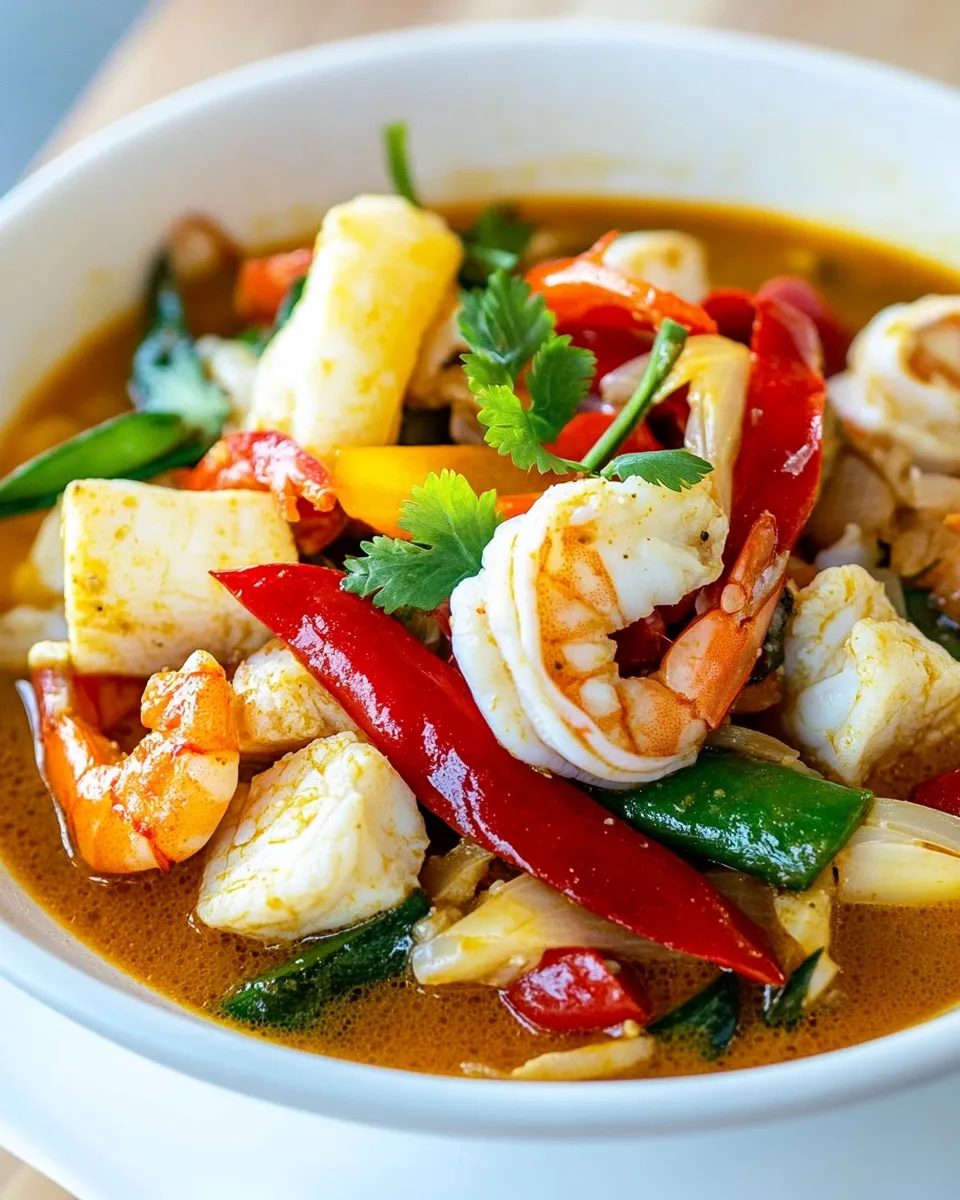
Keep these tools handy. They make the process faster and cleaner.
- Wok or large sauté pan — needed for even heat and room to stir; a deep skillet works too.
- Spatula or wooden spoon — for stirring the paste into the coconut milk.
- Whisk — helpful to break up curry paste into the coconut milk so there’s an even sauce.
- Sharp knife and cutting board — for thinly slicing the bell peppers and prepping seafood if needed.
- Rice cooker or heavy-bottomed pot — to get reliably cooked rice; timing helps coordinate the curry.
Pitfalls & How to Prevent Them
Seafood Overcooking
Pitfall: Seafood that becomes rubbery from overcooking. Prevent this by adding seafood to the simmering sauce and watching closely. Depending on size and type, most seafood will be done in 3–5 minutes. Shrimp will turn pink and opaque; scallops firm up but should still feel tender; fish flakes easily with a fork.
Sauce Separation or Too Thin
Pitfall: Coconut milk splitting or a thin, watery curry. Prevent this by whisking a small amount of coconut milk into the curry paste to form a smooth paste before adding the rest. Keep the simmer gentle — don’t boil aggressively. If the sauce is too thin after the seafood cooks, briefly simmer uncovered to reduce and concentrate flavors.
Too Salty or Too Bland
Pitfall: Over-salting with fish sauce or leaving the dish flat. Prevent this by adding 1 tablespoon of fish sauce and tasting. Fish sauce is potent; start with the stated amount and adjust only if needed. If the curry lacks brightness, the fresh basil at the end helps; if it lacks heat, consider a small pinch of curry paste (but the recipe keeps amounts fixed for consistency).
Variations for Dietary Needs
While the base recipe centers on seafood, the method adapts easily.
- Vegetarian version — omit seafood and add firmer vegetables like eggplant, sweet potato, or tofu. Use a vegetarian fish sauce alternative or extra soy/tamari for depth.
- Low-carb option — skip rice and serve over cauliflower rice or a bed of sautéed greens.
- Protein swaps — if you prefer, use only shrimp, only scallops, or firm white fish cut into 1-inch pieces. Cooking time will vary slightly, so follow the visual cues.
Pro Tips & Notes
Timing
Start the rice first so it stays warm when the curry is ready. If you’re using a rice cooker, it will likely finish right when the curry is done — perfect timing.
Bloom the Paste
Don’t skip the 15 seconds of stirring the paste in hot oil. That step wakes up the aromatics in the curry paste and deepens the final flavor.
Layer Flavors
Add coconut milk gradually as shown: dissolving a small amount first prevents clumps of paste and creates a silky sauce. Taste after whisking in fish sauce; that tiny step is essential for balance.
End with Fresh Herbs
Tossing torn basil leaves in at the end preserves their aroma. Heat will release some, but prolonged cooking will dull the herb notes.
Meal Prep & Storage Notes
Make the curry and rice and store separately if you’re prepping ahead. Stored together, rice can absorb too much sauce and lose texture.
- Refrigeration — keep curry covered in an airtight container for up to 2 days. Seafood is delicate; eat within that window for best quality and safety.
- Freezing — I don’t recommend freezing this curry with seafood; the texture suffers. If you want a freezer-friendly version, make the sauce with vegetables or a firm protein that tolerates freezing better, then freeze.
- Reheating — reheat gently on low heat so the sauce warms through without overcooking the seafood. Add a splash of water or extra coconut milk if it seems thick.
Reader Q&A
Q: Can I use canned seafood? A: Canned seafood will change texture and flavor. This recipe is designed for fresh or thawed raw seafood. If you must use canned, add it at the end and gently warm through, but expect a different mouthfeel.
Q: What curry paste should I buy? A: Choose a reputable brand that lists simple ingredients. Red curry paste gives a warm, slightly sweet heat. Green is brighter and herbaceous. Both work; flavor will vary.
Q: Is there a vegetarian substitute for fish sauce? A: Yes — look for vegan fish sauces made from seaweed or use a combination of tamari and a little mushroom or soy-based umami concentrate. Taste and adjust slowly.
Q: Can I make the curry spicier or milder? A: Yes. Spicier: add a spoon of extra curry paste or a fresh chopped chili. Milder: reduce the paste slightly, but bear in mind the amounts in the recipe are balanced for a typical level of heat.
Save & Share
If you try this Thai Seafood Curry Recipe, save the post for future weeknights and share a photo with friends who appreciate bold, quick dinners. Tag a fellow home cook who loves seafood or Asian flavors — they’ll thank you. And if you made a smart swap or timing trick that worked well, pass it along in the comments so others can benefit.
Happy cooking. Keep the ingredients simple, respect cooking times for seafood, and finish with fresh basil for the best result.
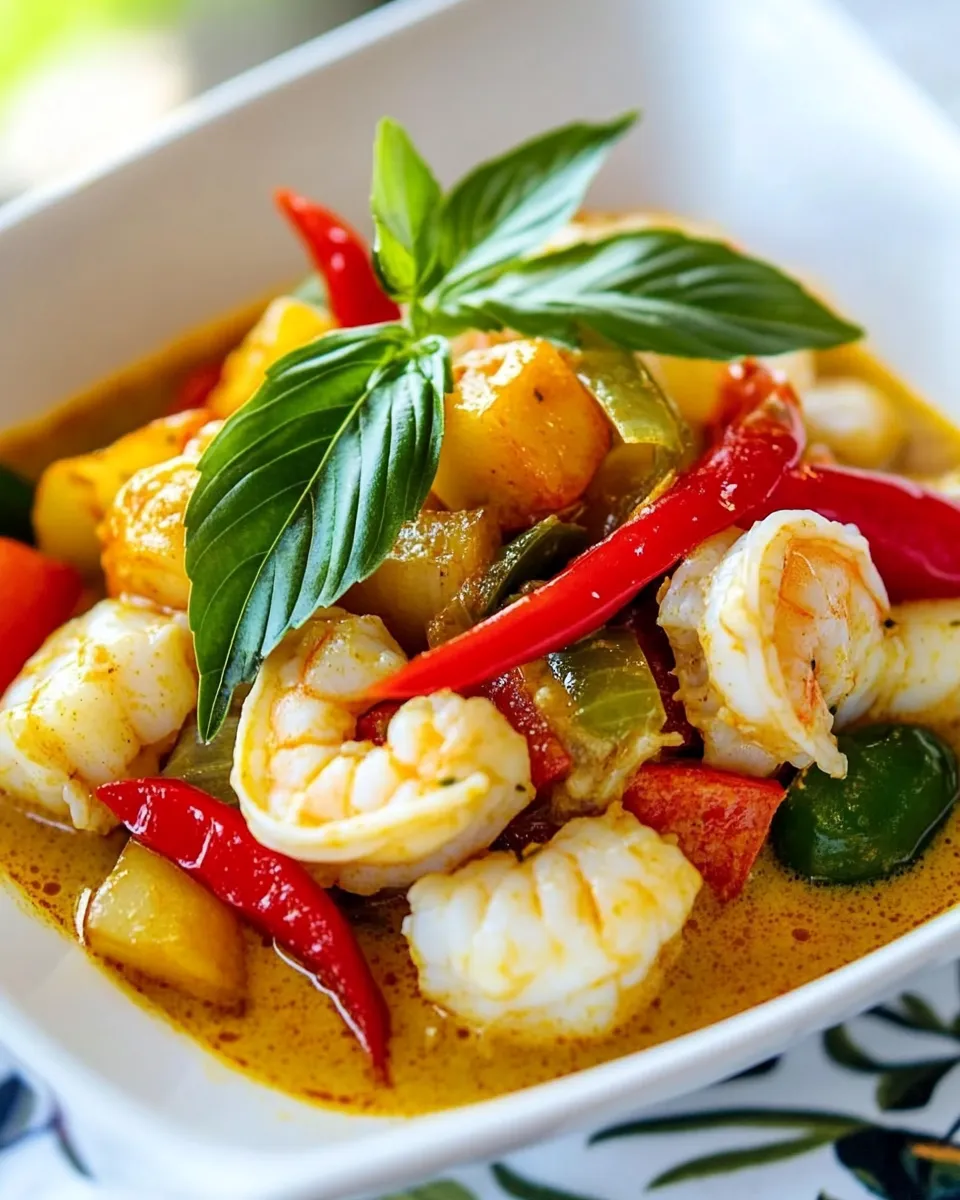
Thai Seafood Curry Recipe
Ingredients
Equipment
Method
- Cook the rice: rinse 1 1/2 cups rice if desired and cook according to package instructions; keep warm.
- In a wok or large sauté pan, heat 1 teaspoon cooking oil over medium-low until it shimmers.
- Add the 4-ounce can of Thai curry paste to the pan and stir for about 15 seconds to release its flavors.
- Pour a small amount of the 14-ounce can of coconut milk into the pan and whisk until the curry paste is fully dissolved. Add the remaining coconut milk, increase heat to medium-high, and bring the sauce to a gentle simmer.
- Whisk in 1 tablespoon fish sauce and taste.
- Add the 2 thinly sliced bell peppers and 1 pound seafood (bay scallops, shrimp, fish, etc.) to the simmering curry. Cook until the seafood is just cooked through and the peppers are tender-crisp (about 3–5 minutes, depending on the seafood).
- Turn off the heat, stir in the torn leaves from the sprig of fresh basil, and serve the curry over the cooked rice.
Notes
My instructions -
how to cook rice in the microwave
.