The BEST Coconut Flour Scones
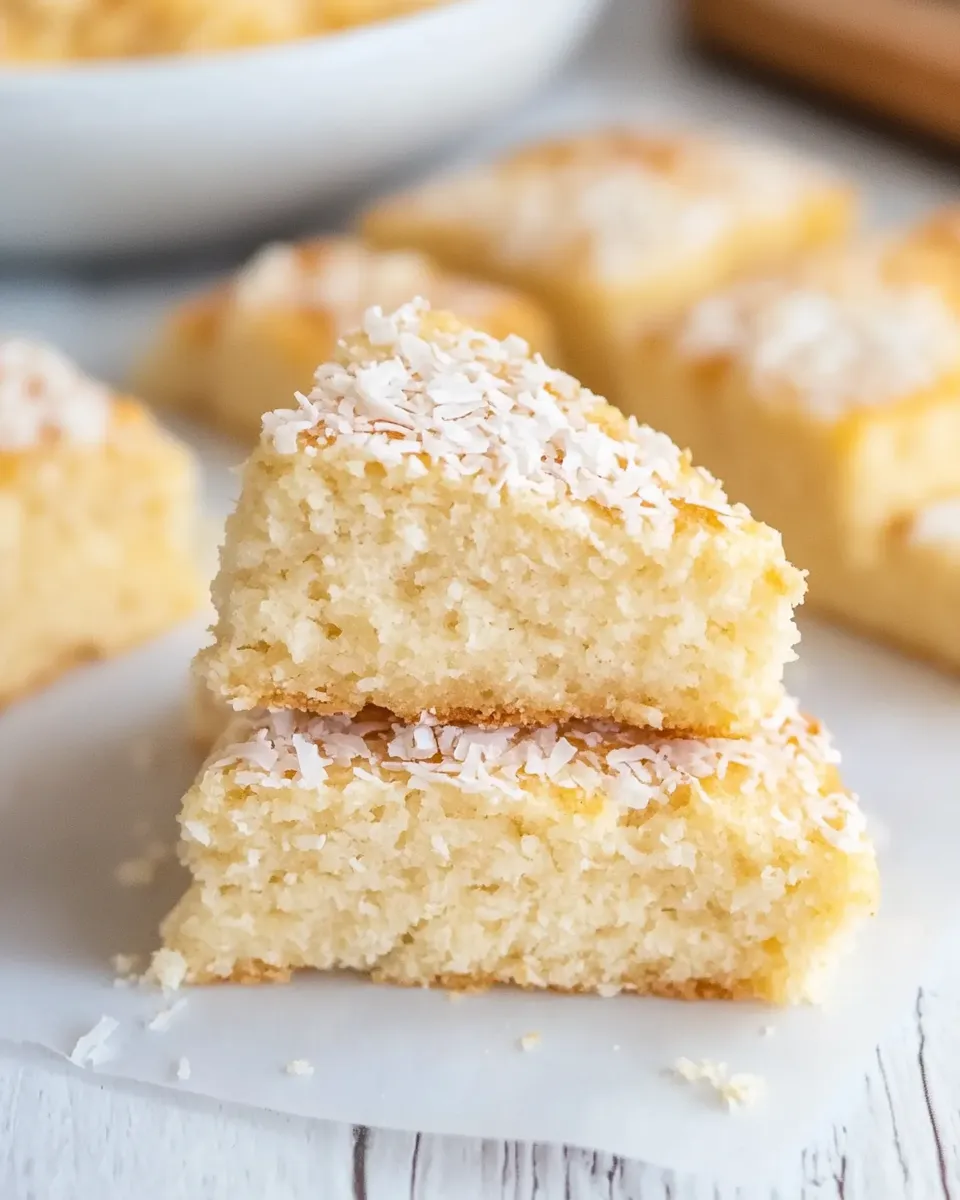
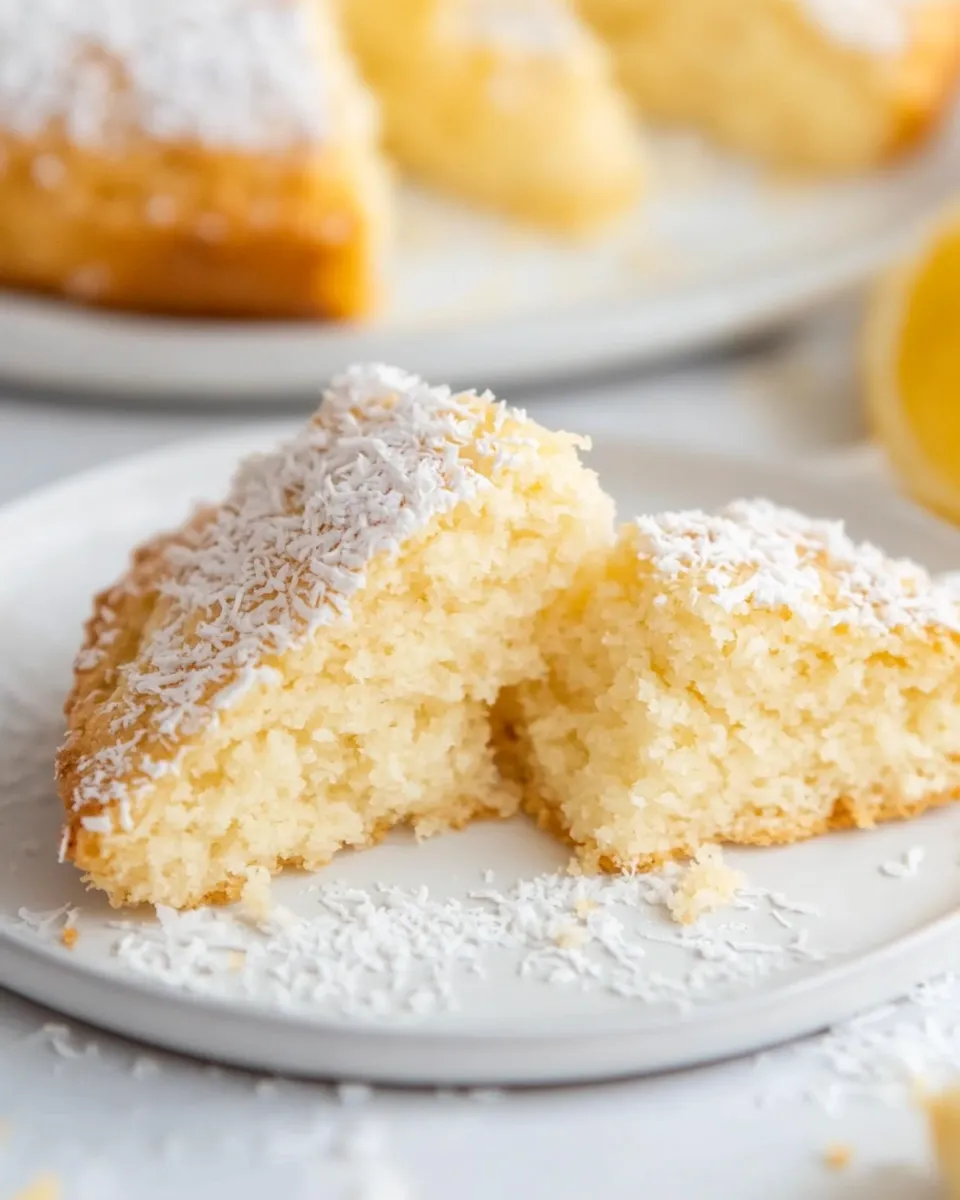
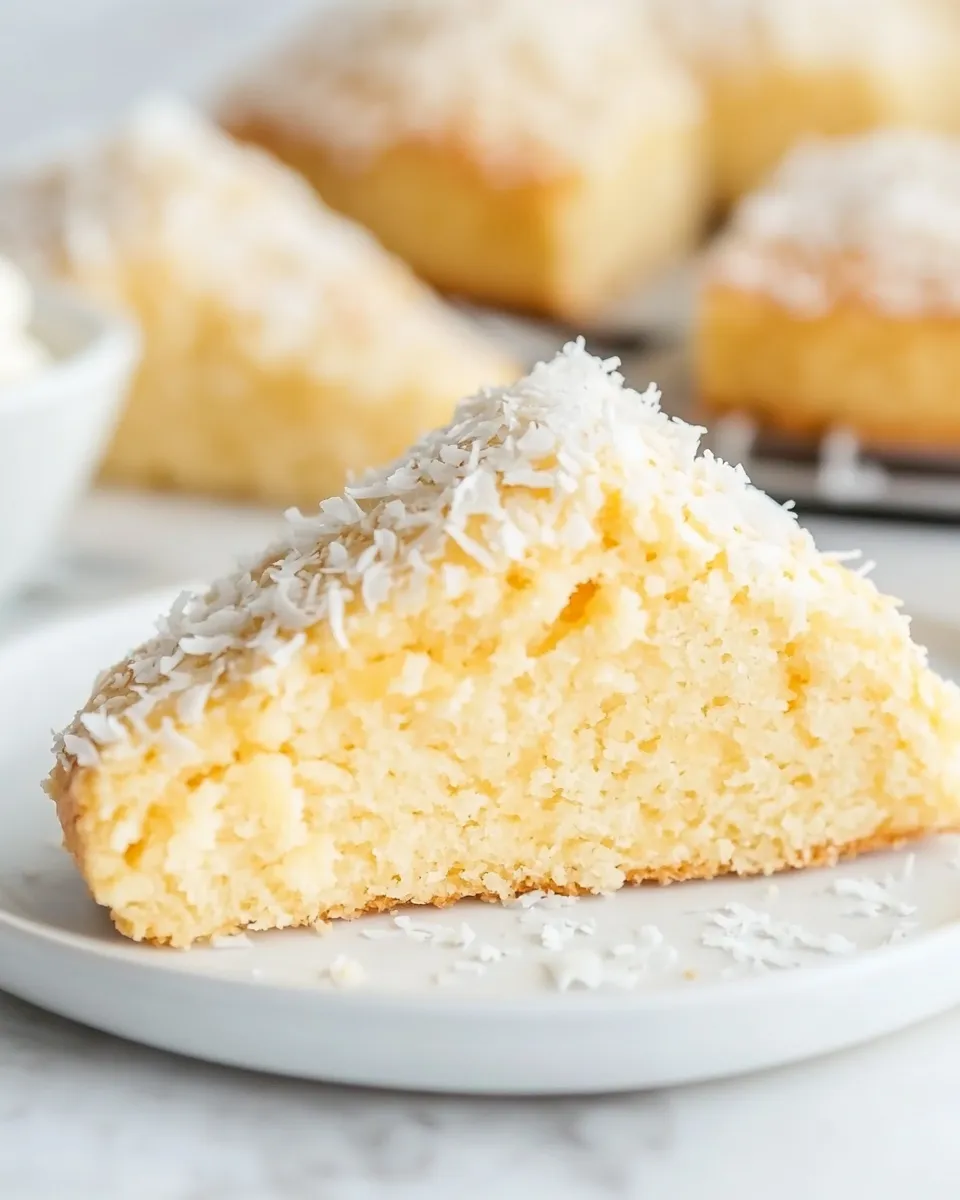
I make a lot of gluten-free bakes, and these coconut flour scones are the ones I reach for when I want something that feels indulgent but simple. They come together in one bowl, have a tender, slightly crumbly interior from the coconut flour and desiccated coconut, and a crisp, toasted top when you give them a quick brush of egg yolk and a sprinkle of shredded coconut. They’re excellent with coffee, tea, or a smear of butter and jam.
There’s a rhythm to making them: whisk the eggs until airy, fold in the dry mix, shape into a disc, and cut. Nothing fussy. The texture depends on a few small details, so I’ll walk you through each step, the tools that matter, and fixes for the common missteps—so your first batch turns out well.
These scones use coconut flour as the structural ingredient rather than wheat, so they behave a little differently. Read through the method once, have your ingredients ready at room temperature, and don’t overwork the dough. You’ll get scones with a pronounced coconut flavor and a pleasing bite every time.
Ingredient List
- ½ cup coconut flour (60 g) — measure with scales if possible; it’s the primary dry binder and absorbs a lot of liquid.
- 1 cup desiccated coconut (75 g) — adds texture and coconut flavor; helps give body to the crumb.
- ¼ cup granulated sweetener (50 g) — sweetens the scones; choose your preferred granulated sweetener one-to-one.
- 2 eggs (large, room temperature) — provide lift and structure; room temp eggs incorporate more easily when whisking.
- ⅓ cup butter (76 g, melted and cooled) — adds richness and tender crumb; cool it so it doesn’t cook the eggs when combined.
- 1 teaspoon vanilla extract — rounds out the sweetness and enhances the coconut flavor.
- 1.5 teaspoon baking powder — the leavening agent; ensure it’s fresh for the best rise.
- 1 egg yolk (beaten, you’ll only need a little) — for brushing the tops to promote browning and a glossy finish.
- shredded coconut — for sprinkling on top; toasts nicely and signals the flavor inside.
Stepwise Method: Coconut Flour Scones
- Preheat the oven to 180°C / 350°F (electric) or 160°C / 320°F (fan). Line a baking sheet with parchment paper.
- Place the 2 large room-temperature eggs in a bowl or the bowl of a food processor. Whisk or process on medium-high until the eggs are fluffy and have increased in volume, about 1.5–2 minutes.
- Add the melted and cooled 76 g (⅓ cup) butter and 1 teaspoon vanilla extract to the eggs. Continue whisking just until combined.
- In a separate bowl, stir together 60 g (½ cup) coconut flour, 75 g (1 cup) desiccated coconut, 50 g (¼ cup) granulated sweetener and 1.5 teaspoons baking powder until evenly mixed.
- Add the dry ingredients to the wet mixture. Mix with a spatula or on low speed until a crumbly dough forms, about 2–3 minutes. If using a food processor, pulse carefully—avoid over-blending so the desiccated coconut retains texture.
- Transfer the crumbly dough to the prepared baking sheet and gather into one large ball. Press the ball into a round disc about 3 cm thick.
- With a sharp knife, cut the disc into 6 equal triangles. If the dough crumbles when cutting, press the pieces together and reshape before cutting again.
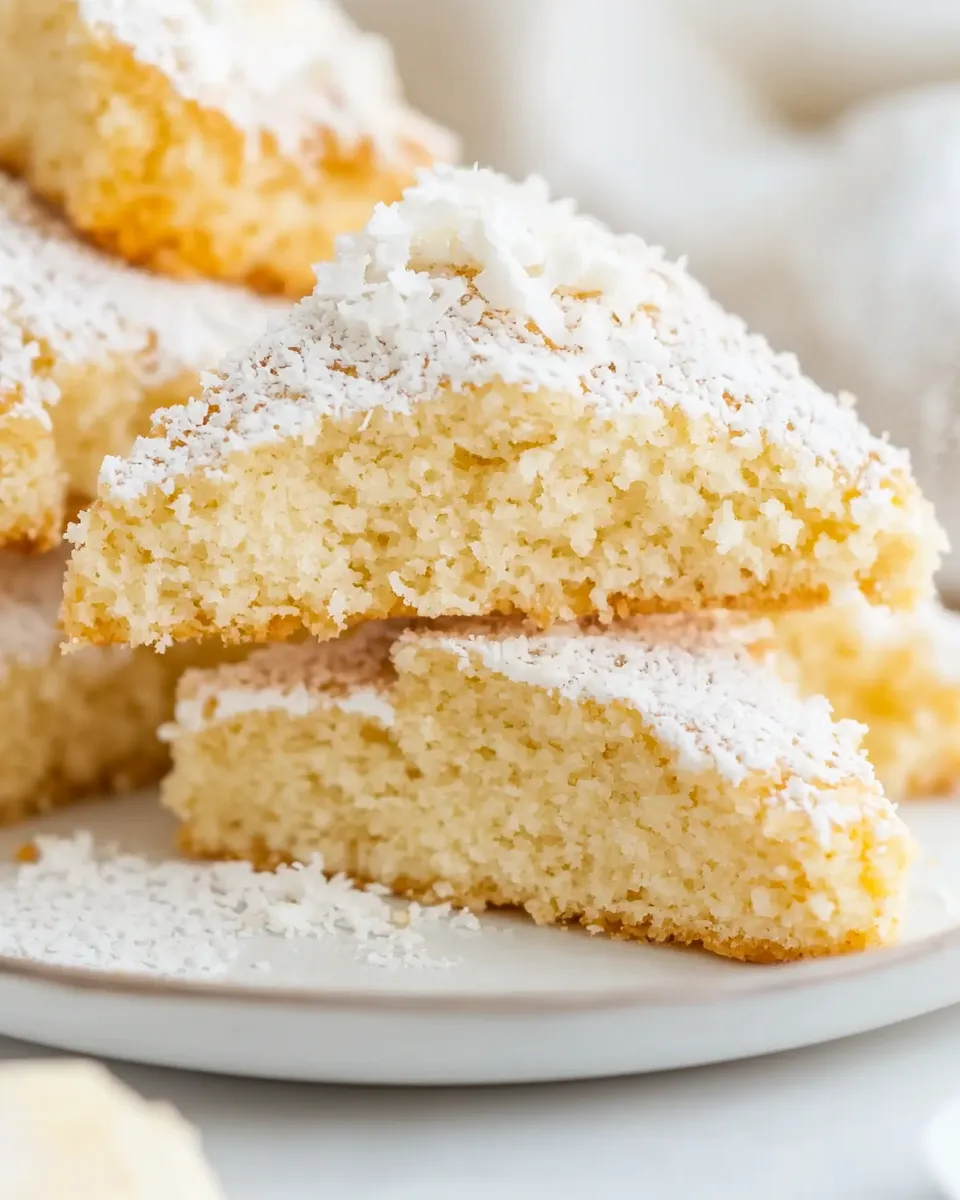
- Lightly beat the reserved egg yolk. Brush the tops of the triangles sparingly with a little of the beaten yolk (you do not need the whole yolk), then sprinkle shredded coconut on top as desired.
- Move the scones so they are not touching on the baking sheet to allow air to circulate.
- Bake for 16–17 minutes, or until the scones are golden on top. Remove from the oven and cool on the baking sheet for a few minutes before transferring to a wire rack to cool.
Why It’s Crowd-Pleasing
These scones hit familiar expectations—crisp outside, tender inside—but they’re different enough to spark interest. The coconut flour and desiccated coconut pair up to create a pronounced coconut profile that feels indulgent but not cloying. They’re naturally grain-free, which makes them popular with guests who avoid gluten or wheat without leaning on a heavy almond-flour texture.
The method is uncomplicated and fast, which appeals to busy people who still want homemade. And because the dough is shaped into one disc and cut into triangles, every piece bakes evenly and looks charming on a platter. The light egg wash and shredded coconut on top create a toasted, bakery-style finish that signals “freshly baked” before anyone takes a bite.
Smart Substitutions
- Butter: Swap with coconut oil (solid then melted) for a dairy-free option. Expect a slightly more coconut-forward flavor and a marginally different mouthfeel.
- Granulated sweetener: Use coconut sugar or a granulated erythritol blend in equal weight (50 g) if you prefer lower sugar. Taste the dough briefly—some alternatives are less sweet.
- Desiccated coconut: If unavailable, finely chopped unsweetened shredded coconut can work; keep the 75 g weight but note texture may be slightly coarser.
- Eggs: These are important for structure. If you must avoid eggs, a tested egg substitute (commercial binder) may work, but texture will change. I recommend testing small batches first.
Prep & Cook Tools
- Mixing bowl or food processor (for whipping eggs)
- Whisk (if not using a processor)
- Spatula for folding
- Baking sheet lined with parchment paper
- Kitchen scales (recommended for accurate measurement of the coconut flour and desiccated coconut)
- Sharp knife for scoring the disc into triangles
- Wire rack to cool the scones
Things That Go Wrong
Dry, crumbly scones
Cause: Coconut flour is extremely absorbent. If you under-measure liquids or over-measure the flour, the dough will be too dry.
Fix: Ensure your coconut flour measure is correct—using a scale is best. If dough seems excessively dry after mixing, you can gently add a teaspoon of water or an additional beaten egg, one teaspoon at a time, until the dough comes together. Be cautious: add minimal liquid so you don’t make the dough too wet.
Scones that spread too much or are dense
Cause: Over-beating the combined dough or adding too much melted butter can lead to spread and density.
Fix: Mix until just combined and keep the disc about 3 cm thick as instructed. Chill briefly for 5–10 minutes if your kitchen is very warm before cutting and baking.
Top browns unevenly
Cause: Too much egg wash or uneven oven temperature.
Fix: Brush sparingly with the reserved yolk and rotate the baking sheet halfway through baking if your oven has hot spots. Use the convection/fan temperature if instructed for your oven type.
Variations by Season
Spring: Stir in 1–2 teaspoons of lemon zest into the wet mixture and top with a light lemon glaze after baking. The bright acidity plays nicely with coconut.
Summer: Fold a few tablespoons of finely diced, well-drained pineapple or mango into the dough for a tropical variation—add sparingly so the dough doesn’t become too wet. Alternatively, serve with a berry compote.
Autumn: Add ½ teaspoon ground cinnamon and a pinch of nutmeg to the dry ingredients, and sprinkle toasted pecans on top with the shredded coconut.
Winter: Mix 1–2 tablespoons of orange zest and a tablespoon of finely chopped dried cranberries into the desiccated coconut for a festive touch. The fruit adds color and a pleasant chew.
Chef’s Rationale
Coconut flour’s role is different from wheat or almond flour: it soaks up moisture and forms a dense but tender crumb. That’s why the recipe uses a relatively small amount of coconut flour balanced with desiccated coconut—which contributes bulk and texture without extra absorbency. The whipped eggs introduce aeration; they’re intentionally fluffed to trap air, giving the scones lift without needing large amounts of liquid or multiple eggs.
Melted butter is whisked into the warmish eggs (but cooled) to add fat evenly so the dough distributes moisture uniformly. The brief shaping into a single disc minimizes handling; overworking would compress the air we just incorporated. Cutting the disc rather than forming individual rounds speeds the process and maintains even sizing and bake time.
Storage & Reheat Guide
Room temperature: Store in an airtight container for up to 2 days. Keep them in a single layer with parchment between layers to avoid sticking.
Refrigerator: Because these contain eggs and butter, refrigerate if keeping longer than 48 hours. They’ll hold for 4–5 days refrigerated. Bring to room temperature or warm slightly before serving.
Freezer: Wrap each cooled scone tightly in plastic wrap and freeze in a sealed bag for up to 3 months. Reheat from frozen at 160°C / 320°F for 10–12 minutes, or thaw overnight in the fridge and warm at 150–160°C for 6–8 minutes until just heated through.
Reheating tip: A quick 4–6 minute blast in a toaster oven or conventional oven at moderate heat refreshes the exterior and melts any butter; avoid microwaving for long periods, as it can make them gummy.
Ask & Learn
If you try these and something doesn’t look right, tell me what happened: oven temp, texture, or any substitution you used. Describe the dough consistency—was it crumbly, sticky, or soggy? I’ll help you adjust the next batch. I love troubleshooting small-batch bakes and sharing quick fixes that save time and ingredients.
Final Thoughts
These coconut flour scones are reliable, quick, and pleasantly coconutty. They reward attention to measurement and a gentle touch. Keep your tools simple, weigh where you can, and don’t rush the whisking step for the eggs—those minute or two make a noticeable difference in rise and texture. Whether you bake them for a weekday treat or a weekend brunch, they’re a satisfying alternative to traditional scones and a lovely way to highlight coconut without overwhelming sweetness.
The BEST Coconut Flour Scones
Ingredients
Equipment
Method
- Preheat the oven to 180°C / 350°F (electric) or 160°C / 320°F (fan). Line a baking sheet with parchment paper.
- Place the 2 large room-temperature eggs in a bowl or the bowl of a food processor. Whisk or process on medium-high until the eggs are fluffy and have increased in volume, about 1.5–2 minutes.
- Add the melted and cooled 76 g (⅓ cup) butter and 1 teaspoon vanilla extract to the eggs. Continue whisking just until combined.
- In a separate bowl, stir together 60 g (½ cup) coconut flour, 75 g (1 cup) desiccated coconut, 50 g (¼ cup) granulated sweetener and 1.5 teaspoons baking powder until evenly mixed.
- Add the dry ingredients to the wet mixture. Mix with a spatula or on low speed until a crumbly dough forms, about 2–3 minutes. If using a food processor, pulse carefully—avoid over-blending so the desiccated coconut retains texture.
- Transfer the crumbly dough to the prepared baking sheet and gather into one large ball. Press the ball into a round disc about 3 cm thick.
- With a sharp knife, cut the disc into 6 equal triangles. If the dough crumbles when cutting, press the pieces together and reshape before cutting again.
- Lightly beat the reserved egg yolk. Brush the tops of the triangles sparingly with a little of the beaten yolk (you do not need the whole yolk), then sprinkle shredded coconut on top as desired.
- Move the scones so they are not touching on the baking sheet to allow air to circulate.
- Bake for 16–17 minutes, or until the scones are golden on top. Remove from the oven and cool on the baking sheet for a few minutes before transferring to a wire rack to cool.
Notes
2.4g net carbs per scone. Makes 6 scones weighing 60g each.
The scones are gently sweet. Add more sweetener to taste for a sweeter scone.
Don't over-bake or flatten the scones too much (stick to the instructions above) or they can become dry. Check after 15 minutes. I baked mine for 17 minutes.
Let cool before slicing. The scones are fragile when hot and firm up as they cool.
Serve on their own or top with butter or clotted cream and
sugar free strawberry jam
.
Store in an airtight container at room temperature for up to 3 days, in the fridge for up to 5 days or freeze for up to 3 months.
Dairy-free option: Replace the butter with coconut oil.