The BEST Oatmeal Raisin Cookies
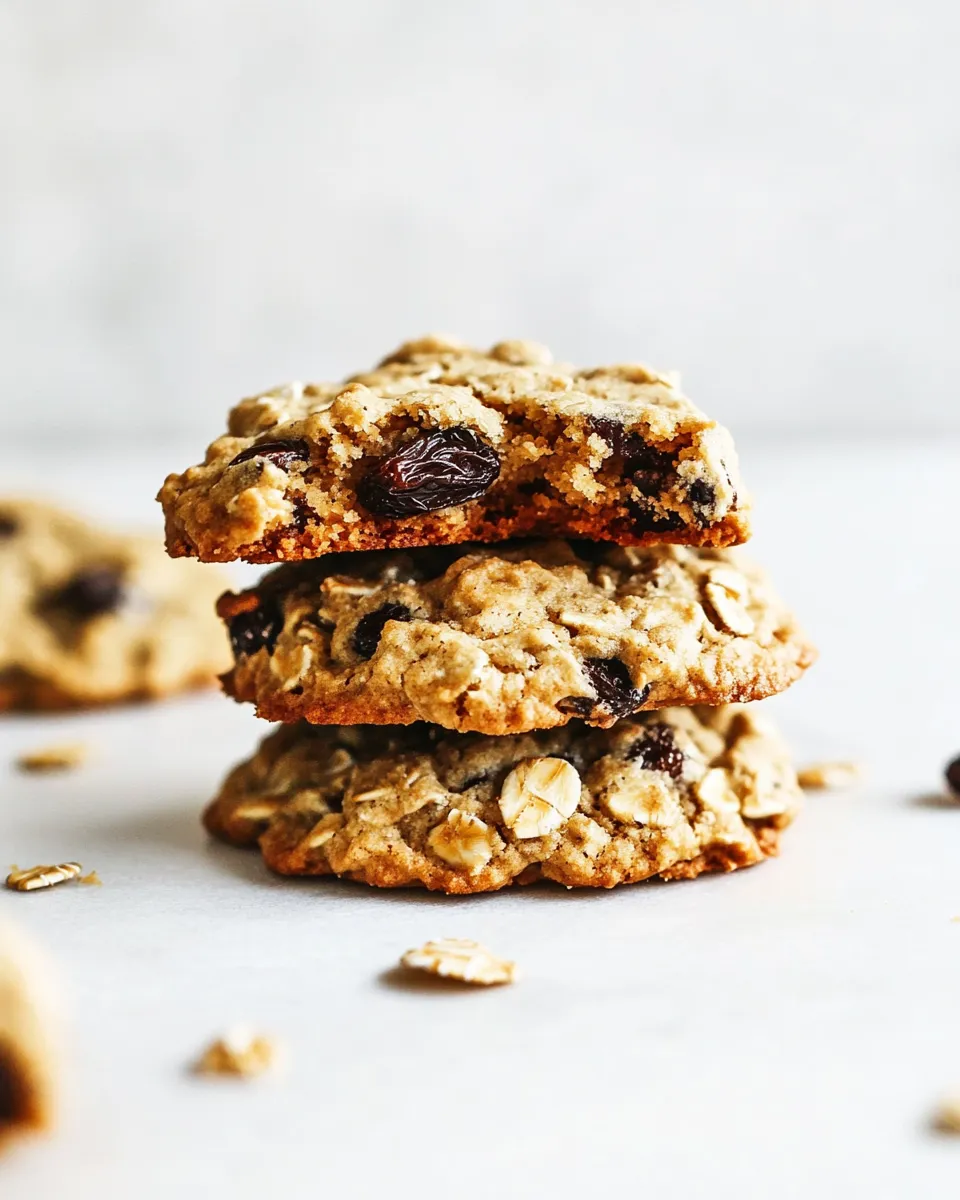
I bake a lot. These Oatmeal Raisin Cookies are the ones I reach for when I want something familiar, forgiving, and reliably chewy with warm cinnamon notes. They come together with straightforward ingredients and a process that rewards a little patience—especially the chill step—so the texture lands just right every time.
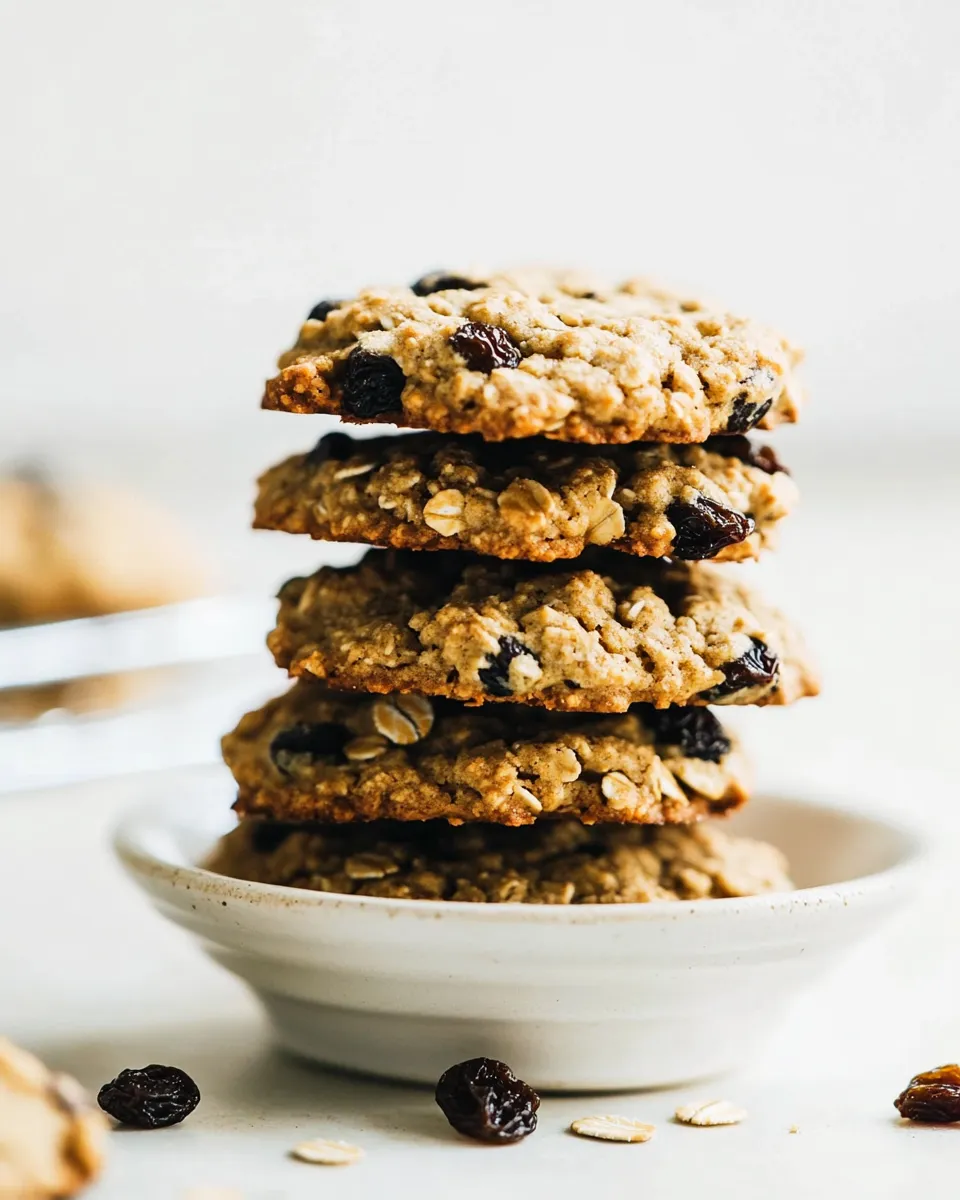
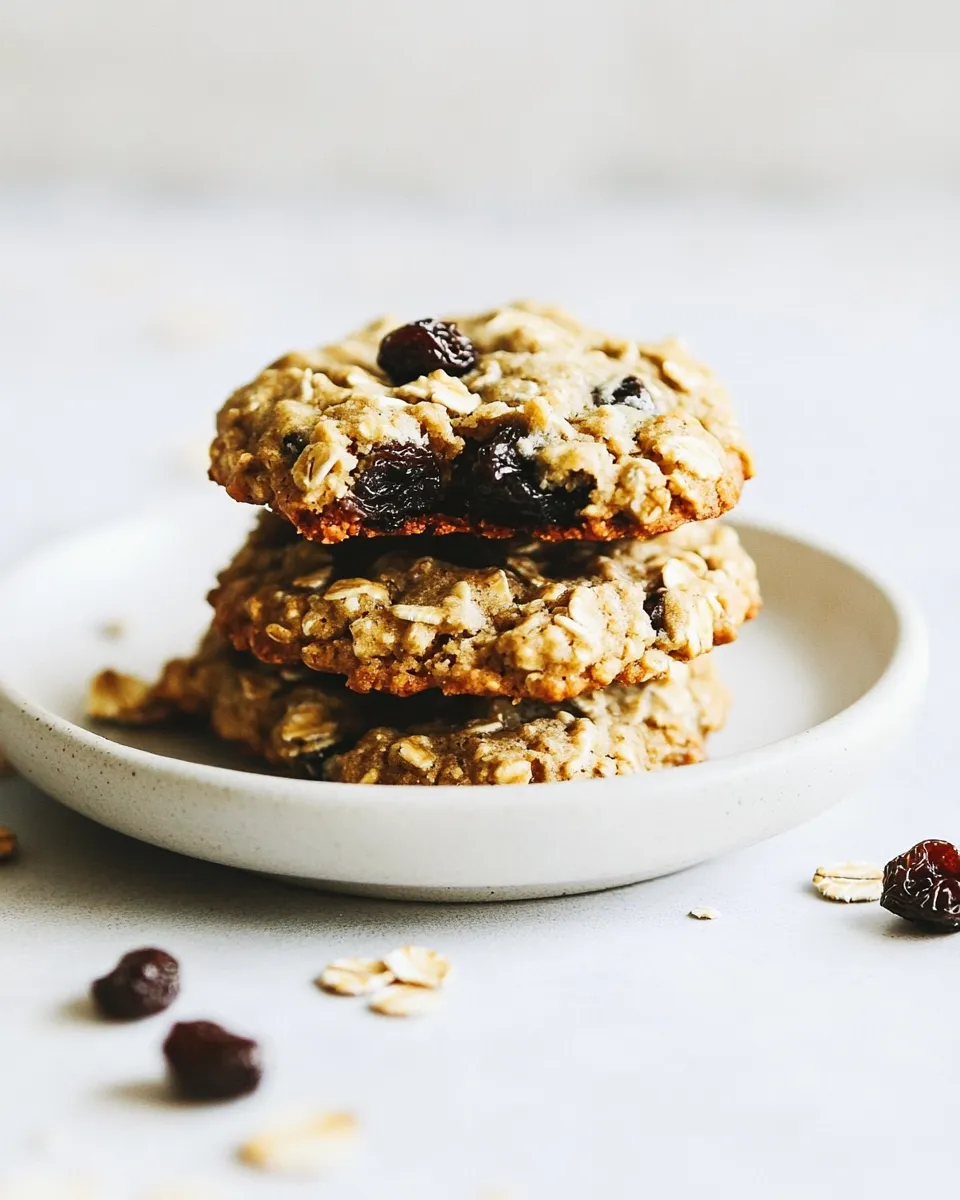
This is a practical, no-nonsense recipe that produces cookies with soft centers, lightly crisped edges, and plenty of raisin-studded chew. I’ll walk you through the ingredients, the exact steps, swaps that actually work, and ways to rescue a batch if something goes off track.
If you’re short on time, the method is still quick: the active work is maybe 15–20 minutes, and the baking is under ten. The rest is tiny waits that pay off. Let’s get straight to it so you can have a pan hot from the oven soon.
Ingredient Rundown
- 2 cups flour — provides structure for the cookie; measure by spooning into the cup and leveling for accuracy.
- 1 teaspoon cinnamon — adds warm spice; you can increase to 1 1/2 tsp for a bolder flavor.
- 1 teaspoon baking soda — the leavening that gives a slight lift and helps with spread.
- 1/2 teaspoon salt — balances sweetness and enhances overall flavor.
- 1 cup butter, softened — fat for tenderness and flavor; softened means workable but not melted.
- 1 cup brown sugar — brings moisture and molasses notes; key to chewiness.
- 1/2 cup sugar — adds sweetness and helps the edges caramelize.
- 2 large eggs — bind and add lift; room temperature eggs incorporate more evenly.
- 1 Tablespoon Vanilla — rounds and deepens flavor; use pure vanilla if you can.
- 2 Tablespoons honey — adds chew and a touch of floral sweetness; contributes to browning.
- 3 cups old fashioned oats — the heart of the cookie; old fashioned oats give the best texture (not instant).
- 1 heaping cup raisins — chewy pockets of sweetness; heaping means generous—don’t skimp.
Cooking (Oatmeal Raisin Cookies): The Process
- In a medium bowl, whisk together the flour, cinnamon, baking soda, and salt until evenly combined.
- In a large bowl, cream the softened butter with the brown sugar and sugar until light and fluffy (about 2–3 minutes with a mixer or longer by hand).
- Add the eggs one at a time, mixing well after each addition. Stir in the vanilla and honey until incorporated.
- Gradually add the dry flour mixture to the wet mixture and mix until just combined. Do not overmix.
- Fold in the old fashioned oats and the heaping cup of raisins until evenly distributed.
- Cover the dough and chill in the refrigerator for 30 minutes.
- When ready to bake, preheat the oven to 350°F (175°C) and line a baking sheet with parchment paper.
- Scoop out approximately 1 tablespoon of dough per cookie and place the portions on the prepared baking sheet about 2 inches apart.
- Bake for 8–10 minutes, or until the edges are golden brown.
- Remove the baking sheet from the oven and let the cookies cool on the sheet for 2–3 minutes, then transfer the cookies to a wire rack to cool completely.
The Upside of Oatmeal Raisin Cookies
These Oatmeal Raisin Cookies are forgiving and versatile. The combination of brown sugar and honey gives them a pronounced chew without being cloying. Old fashioned oats give structure and texture; they hold up in the baking and give a proper oat bite rather than dissolving into the dough.
They’re great hot from the oven, but they also travel well and keep their texture over a few days when stored correctly. If you bake a tray for a gathering, most people will reach for seconds. They’re also easy to scale: double the dough if you need a crowd-pleasing batch.
Substitutions by Category
- Flour — For a gluten-free version, substitute a 1-to-1 gluten-free blend formulated for baking and check that the blend contains xanthan or a binder to replace gluten’s structure.
- Sugars — You can swap part or all of the white sugar for additional brown sugar for more chew. If you want less sweetness, reduce the granulated sugar by a couple of tablespoons and expect slightly less crisping at the edges.
- Butter — Use a stick-for-stick dairy-free butter substitute labeled for baking if you need dairy-free. The texture will be similar, but chilling becomes more important.
- Eggs — Use a commercial egg replacer or a flax “egg” (1 tablespoon ground flax + 3 tablespoons water per egg, chilled 10 minutes) for a vegan option; expect a slightly denser cookie.
- Oats & Fruit — If you’d rather use dried cranberries, cherries, or chopped dates, swap them cup-for-cup with the raisins. Quick oats will work in a pinch but change the chew and may produce a softer, less textured cookie.
Tools of the Trade
- Stand mixer or hand mixer — speeds up creaming and ensures even mixing.
- Medium mixing bowl — for dry ingredients so you can whisk them thoroughly.
- Large mixing bowl — for creaming butter and sugar and combining the dough.
- Measuring cups & spoons — accuracy matters, especially with flour and leavening.
- Cookie scoop or tablespoon — keeps cookies uniform so they bake evenly.
- Baking sheet and parchment paper — parchment keeps bottoms from over-browning and makes cleanup easy.
- Wire rack — essential for cooling so cookies finish setting without getting soggy on the bottom.
Troubleshooting Tips
If the cookies spread too much: Your butter may have been too soft or the dough not chilled long enough. Pop the dough back in the fridge for 15–30 minutes and try again. Also check your flour measurement—too little flour will cause excess spread.
If the cookies are cakey instead of chewy: You may have overmixed once the flour went in. Mix until just combined and fold gently from now on. Also be mindful of bake time—removing them when the edges are golden (not fully brown) keeps the centers soft.
If they’re dry or crumbly: Double-check oven temperature with an oven thermometer. Overbaking will dry cookies out quickly. Also make sure you used the full amount of brown sugar indicated; brown sugar keeps cookies moist.
Make It Diet-Friendly
Want a lighter or allergy-friendly version? A few straightforward swaps work well:
- Lower sugar — reduce the granulated sugar slightly or replace part of it with an unrefined sugar alternative, but expect some change in texture.
- Gluten-free — use a certified gluten-free 1-to-1 flour blend. Double-check oats are certified gluten-free if cross-contamination is a concern.
- Vegan — replace eggs with flax or a commercial egg replacer and use a plant-based butter alternative. Texture will be slightly different but still satisfying.
- Reduced fat — this recipe relies on butter for structure and flavor; reducing fat will change texture noticeably. Consider making smaller cookies instead.
Insider Tips
Chill the dough. Thirty minutes makes a real difference. Chilled dough spreads less and holds more shape, which results in thicker, chewier cookies. If you want an even chewier middle, chill the dough for an hour or up to overnight.
Use old fashioned oats. Quick oats can make the dough denser and the texture less distinct. If you only have quick oats, consider using slightly less and watching the final texture.
Watch the first tray closely. Oven hot spots vary. Bake a single sheet first to dial in the perfect time for your oven. Pull them when the edges are golden and centers look set but still soft.
Leftovers & Meal Prep
Room temperature storage: Store cooled cookies in an airtight container for up to 3 days. Layer with a sheet of parchment to prevent sticking.
Freezing: Freeze baked cookies flat on a tray until solid, then transfer to a freezer bag for up to 3 months. Thaw at room temperature or warm for 5–10 seconds in the microwave to soften.
Dough freezing: Scoop dough onto a tray and freeze the portions. Once frozen, transfer dough portions to a bag and bake directly from frozen—add a minute or two to the baking time.
Common Questions
- Can I use quick oats instead of old fashioned? Yes, but the texture will be softer and the oat presence less pronounced. Old fashioned oats give a better chew.
- Can I make bigger cookies? Yes—use a larger scoop and increase the baking time by a few minutes. Watch the edges and pull when they’re golden.
- Do I have to chill the dough? The dough will still bake if you skip chilling, but chilling improves texture and limits spread. Thirty minutes is a good compromise.
- Why did my cookies come out flat? Likely too-soft butter, under-measured flour, or too warm dough. Chill the dough and measure carefully next time.
The Last Word
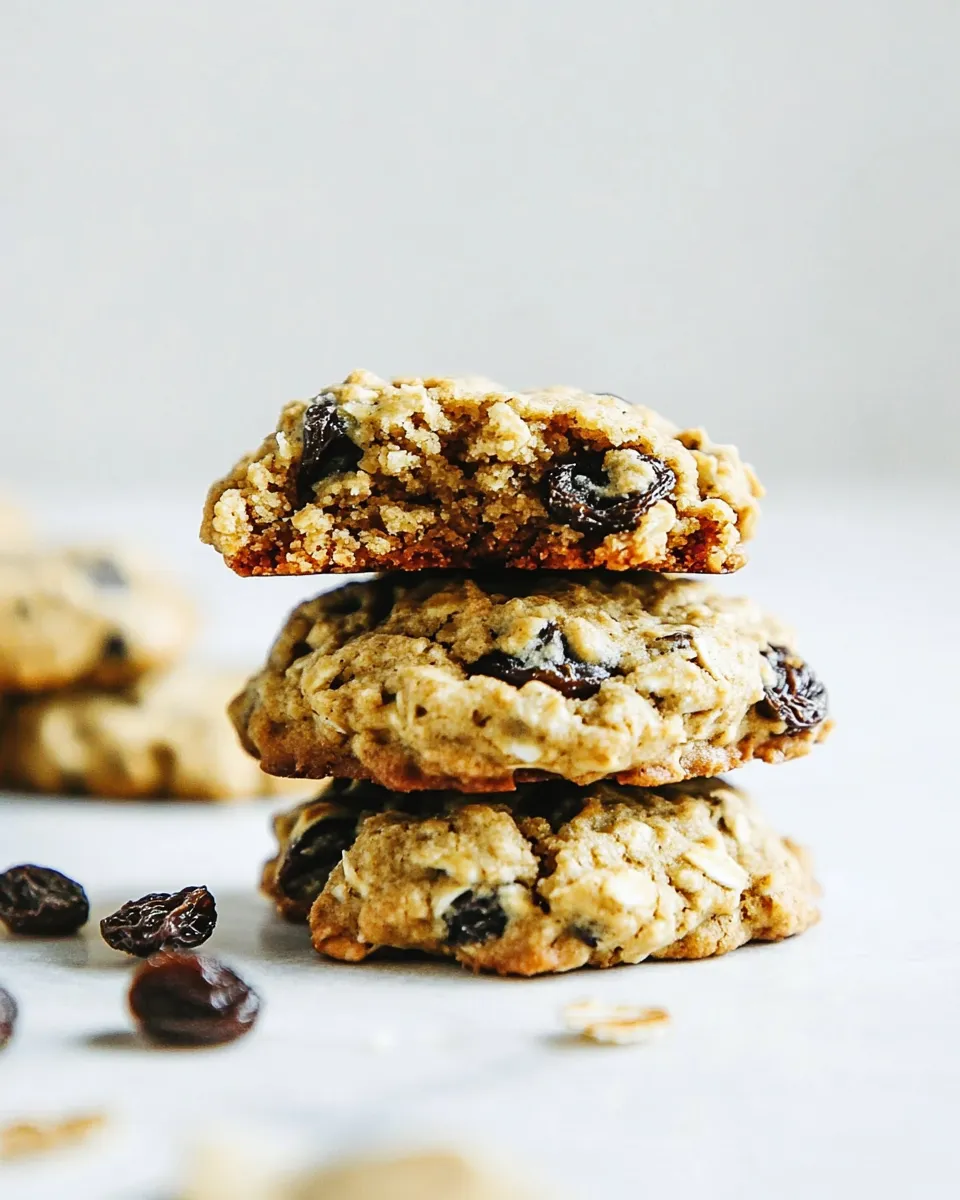
These Oatmeal Raisin Cookies are simple, dependable, and adaptable. With a few practical habits—measuring flour correctly, chilling the dough, and watching the first tray—you’ll get consistent results that are soft in the middle with satisfyingly crisp edges. Bake a small test batch if you’re adapting anything, and enjoy the process: these cookies are forgiving and meant to be shared.
The BEST Oatmeal Raisin Cookies
Ingredients
Equipment
Method
- In a medium bowl, whisk together the flour, cinnamon, baking soda, and salt until evenly combined.
- In a large bowl, cream the softened butter with the brown sugar and sugar until light and fluffy (about 2–3 minutes with a mixer or longer by hand).
- Add the eggs one at a time, mixing well after each addition. Stir in the vanilla and honey until incorporated.
- Gradually add the dry flour mixture to the wet mixture and mix until just combined. Do not overmix.
- Fold in the old fashioned oats and the heaping cup of raisins until evenly distributed.
- Cover the dough and chill in the refrigerator for 30 minutes.
- When ready to bake, preheat the oven to 350°F (175°C) and line a baking sheet with parchment paper.
- Scoop out approximately 1 tablespoon of dough per cookie and place the portions on the prepared baking sheet about 2 inches apart.
- Bake for 8–10 minutes, or until the edges are golden brown.
- Remove the baking sheet from the oven and let the cookies cool on the sheet for 2–3 minutes, then transfer the cookies to a wire rack to cool completely.