The best olive oil chiffon cake
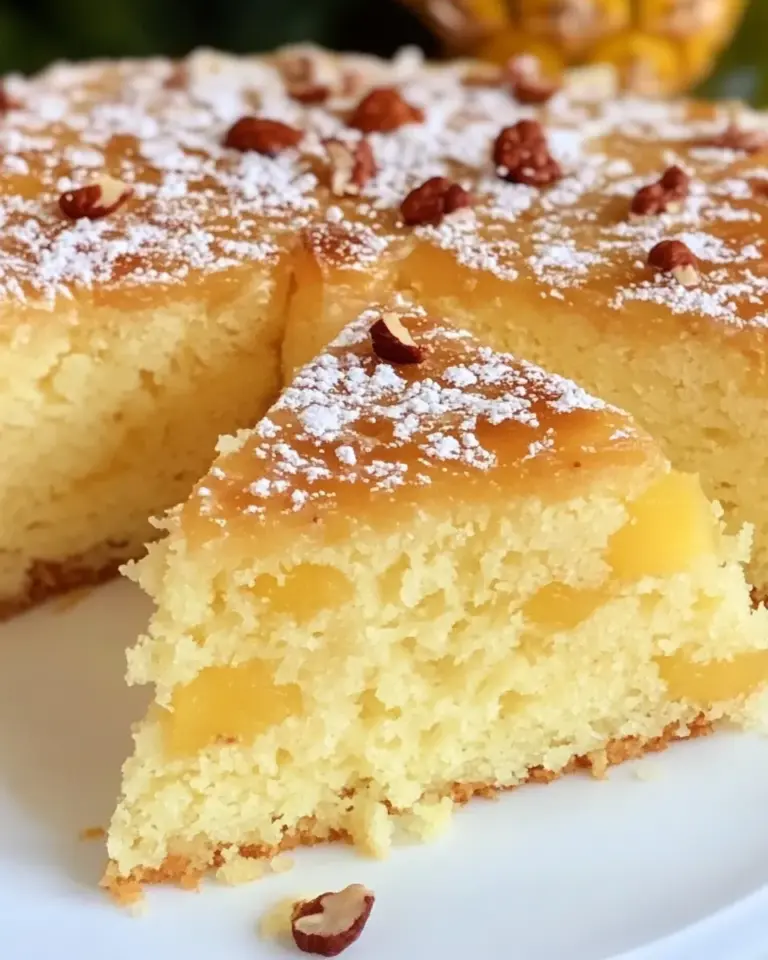
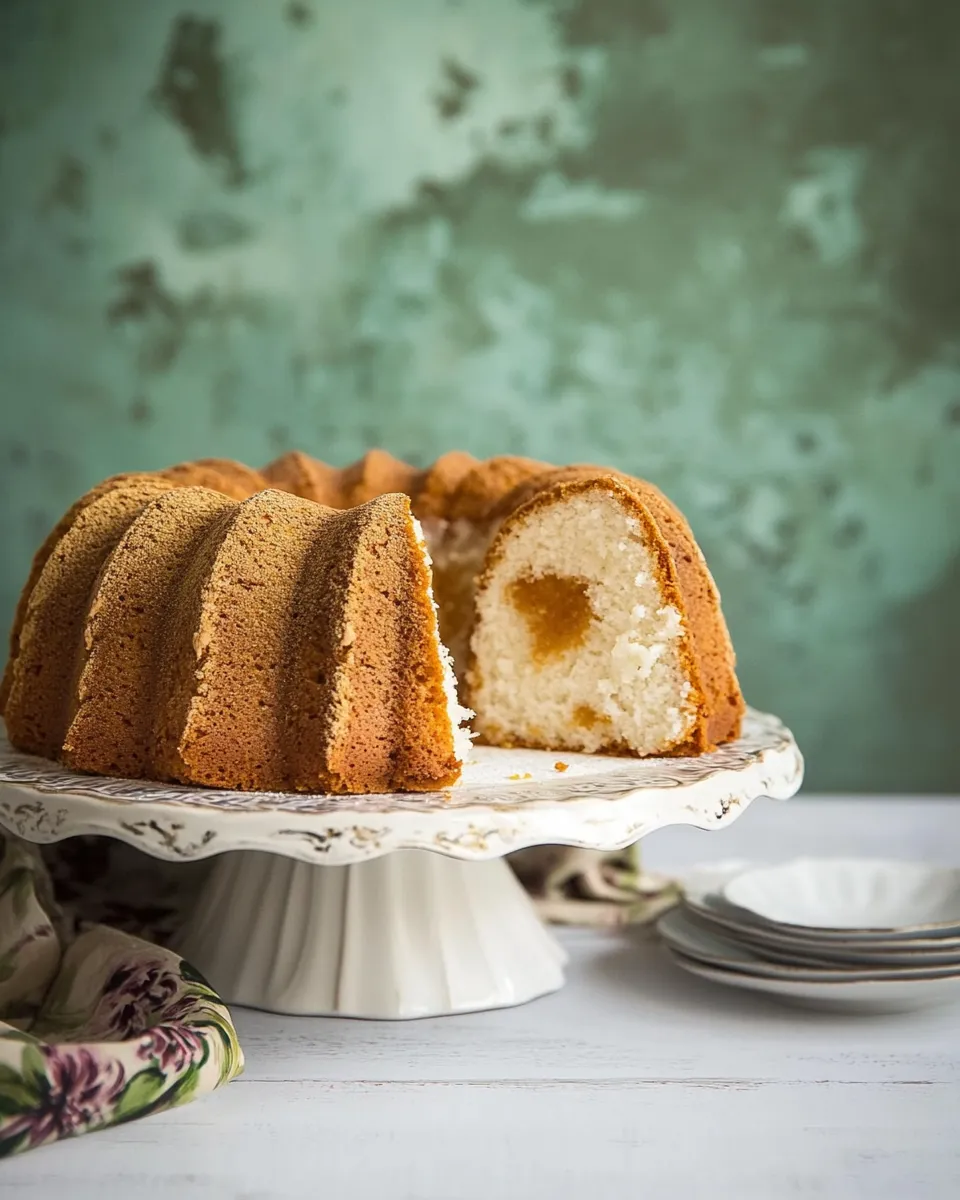
This chiffon cake is one of those reliably tender, light-as-air cakes that I make when I want something elegant without fuss. Olive oil keeps the crumb silkier than butter and adds a subtle, fruity background that pairs beautifully with citrus. It rises high, bakes to a pale golden top, and keeps its shape without being heavy.
You’ll notice this cake asks for restraint: no greasing of the pan, careful egg white folding, and a gentle hand overall. Those steps matter because they preserve the air we’ve whipped into the whites — and that air is the lift that makes this chiffon sing. The orange zest and juice brighten the olive oil instead of competing with it.
I wrote the recipe so you can follow every step without second-guessing. Timing, temperatures, and technique are all practical and tested; read through the full post before you begin, then work steadily. This cake is forgiving in flavor but sensitive in structure, so attention at a few key moments will reward you with a cake worth sharing.
The Ingredient Lineup
Ingredients
- 5 free-range eggs — separated; whites whipped to provide lift, yolks add richness.
- 250 g castor sugar — divided: 70 g for whites, 180 g for yolks; fine sugar dissolves quickly for stable meringue.
- 250 g cake flour — provides a tender, fine crumb; sifted with leavening for even distribution.
- 1 tsp baking soda / bicarb — helps the cake rise and gives a delicate spring.
- pinch of salt — balances sweetness and strengthens the egg proteins slightly.
- 125 ml Olive oil — use a mild, fruity olive oil for best flavor; it keeps the crumb moist.
- zest of one orange — adds bright citrus aromatic oils to complement the olive oil.
- 8 Tbsp squeezed orange juice — part of the liquid; adds acidity and flavor.
- 4 Tbsp milk — lightens the batter and contributes to the cake’s tenderness.
Mastering olive oil chiffon cake: How-To
- Preheat the oven to 180°C / 350°F. Have a large round bundt or tube pan ready (do not grease).
- Separate the 5 eggs into yolks and whites, placing the whites in a clean, dry bowl for whipping and the yolks in a separate bowl.
- Measure out the sugar: set aside 70 g for the egg whites and 180 g for the yolks.
- Using a stand mixer or hand whisk, beat the egg whites until soft peaks form. Gradually add the 70 g sugar while continuing to whisk until stiff, glossy peaks form. Transfer the whipped whites to a clean bowl and set aside.
- In the mixer bowl, beat the egg yolks with the remaining 180 g sugar for about 3 minutes, until the mixture is pale and creamy.
- In a separate bowl, sift together the 250 g cake flour, 1 tsp baking soda (bicarb), and a pinch of salt.
- In another small bowl, combine 125 ml olive oil, the zest of one orange, 8 Tbsp squeezed orange juice, and 4 Tbsp milk.
- Add the dry ingredients and the olive oil mixture to the egg yolk mixture alternately, beginning and ending with the dry ingredients (for example: one-third dry, half wet, one-third dry). Mix briefly after each addition until just smooth; do not overbeat.
- Gently fold the whipped egg whites into the batter in three additions. Use a spatula and fold carefully to keep as much air as possible; stop folding when no large white streaks remain.
- Pour the batter into the ungreased bundt or tube pan and smooth the top lightly.
- Bake for 45–50 minutes, until the cake is springy to the touch and a sharp knife or skewer inserted into the center comes out clean. If the top is browning too quickly, loosely tent with foil halfway through baking.
- Remove the cake from the oven and allow it to cool in the tin completely before unmolding.
Why I Love This Recipe
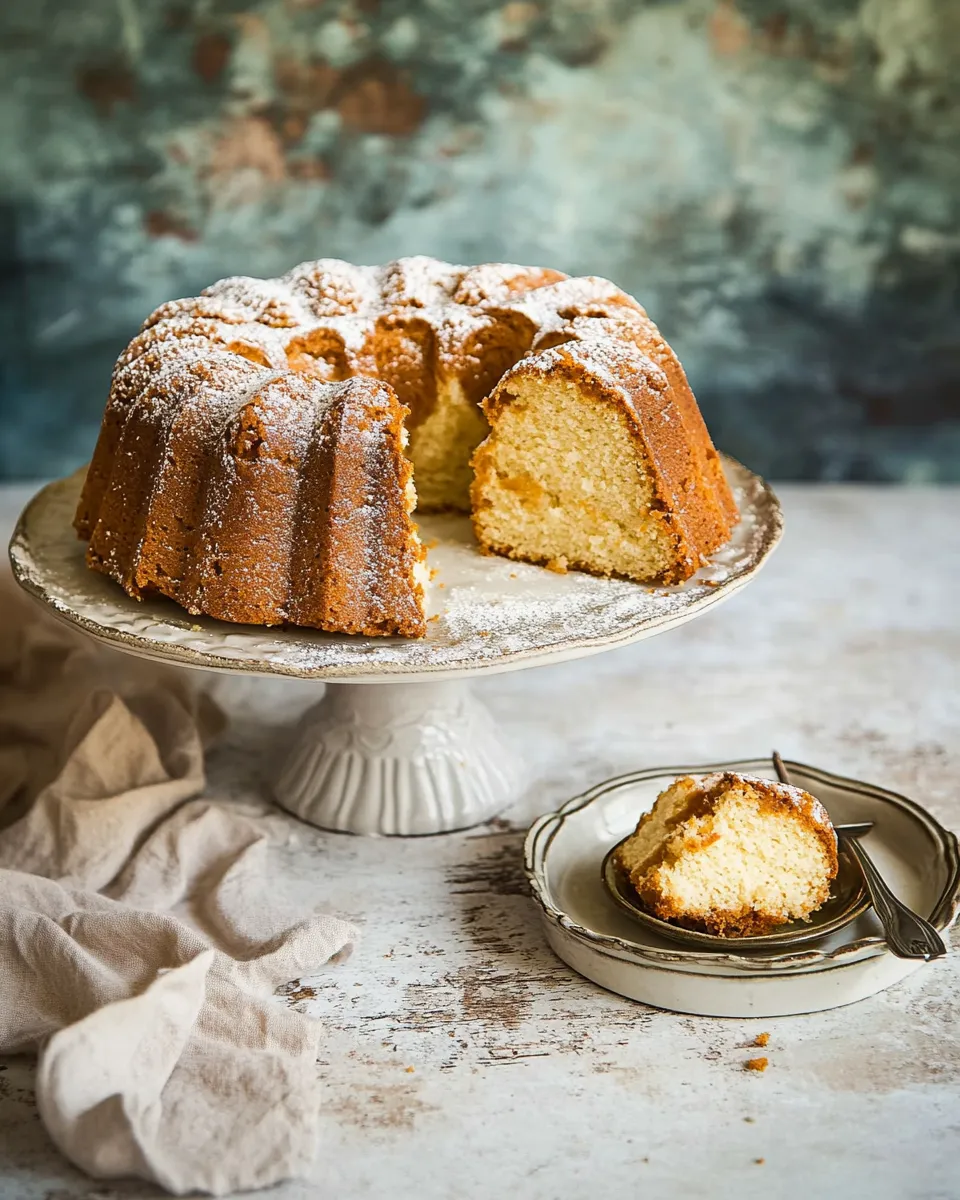
This olive oil chiffon cake lives in my rotation because it’s both simple and deceptively sophisticated. The technique is straightforward: whip egg whites, mix yolks with sugar, and fold. The result is a cake with a delicate crumb and a moisture level that stays consistent for days. Olive oil gives it an almost floral depth that neutral fats don’t provide, and the orange balances that richness with brightness.
It’s endlessly adaptable. Serve it plain with tea, dusted with powdered sugar, or with a light citrus glaze. The texture is light enough to hold up well to a thin layer of whipped cream and fruit, but not so dense that it becomes heavy. That makes it perfect for brunches, afternoon visitors, or a no-fuss celebration cake.
Vegan & Vegetarian Swaps
Vegetarian: This recipe is already suitable for lacto-ovo vegetarians as written (eggs included). No swaps needed unless you prefer not to use eggs.
Vegan: Converting a chiffon that relies on whipped egg whites for lift is challenging. I recommend experimenting with aquafaba (the liquid from canned chickpeas) or a commercial egg replacer designed for meringue when you want a vegan version. Note that texture and rise will differ from the original; expect a softer crumb and potentially a flatter rise. Use a tested vegan chiffon recipe if you need a guaranteed result.
Recommended Tools
- Stand mixer or electric hand whisk — for reliably whipped egg whites and creamed yolks.
- Large clean mixing bowls — one for whites, one for yolks, and one for dry ingredients.
- Sieve or fine mesh sifter — to aerate the cake flour with the baking soda and salt.
- Spatula — a flexible silicone spatula for gentle folding.
- Large round bundt or tube pan — do not grease the pan; its straight sides help the cake climb as it bakes.
- Sharp knife or skewer — to test doneness at the end of baking.
Troubleshooting Tips
Whites not whipping
If the egg whites don’t reach soft or stiff peaks, check the bowl and whisk for any fat residue—even a trace of yolk or oil will prevent proper aeration. Use a clean, dry metal or glass bowl and make sure the whites are at room temperature before whipping. Start at medium speed and only add the 70 g sugar once soft peaks begin to form.
Batter deflates after folding
Folding gently is the key. Use a wide spatula and the classic cut-and-fold motion: slide down the side of the bowl, across the bottom, and up through the center. Rotate the bowl between folds. Fold in three additions rather than stirring; stop when no large white streaks remain. Overfolding will knock too much air out and lead to a dense cake.
Top browning too quickly
If the exterior browns before the center is set, tent the cake loosely with foil halfway through baking. This lowers the surface temperature without dramatically changing the overall bake time.
Cake won’t come out of the pan
Because the recipe specifies an ungreased pan, unmolding is easiest after the cake has cooled completely in the tin. Run a thin knife around the inner tube gently if it resists, then invert and tap the pan. Patience here avoids tearing the crumb.
In-Season Swaps
Orange is already built into the batter via zest and juice, which keeps the flavor fresh and seasonal. In warmer months, consider folding in a small handful of fresh berries just before pouring the batter into the pan — but be careful not to weigh down the batter. In cooler months, a teaspoon of warm spices (cinnamon or cardamom) can pair well with olive oil and orange; add sparingly so the cake’s delicate flavor still shines.
Author’s Commentary
I started making this cake because I wanted a lighter dessert that still felt special. Olive oil seemed like an obvious choice for a chiffon: it brings moisture without heaviness and keeps the crumb tender for longer than butter. The orange juice and zest keep things bright and lift the olive oil’s fruitiness. Once I got the folding technique down, it became a go-to for gatherings where I want something homey but a little refined.
Over time I’ve learned that small details matter: clean bowls, room-temperature eggs, and the precise sugar split between yolks and whites. Those aren’t fussy rules; they’re simple steps that protect the airy structure and give you consistent results.
Prep Ahead & Store
Make the cake a day ahead if you like. It keeps very well at room temperature wrapped gently in a cake keeper or under a dome for 2–3 days. Because olive oil stays liquid at room temperature, the cake maintains moisture and doesn’t become greasy. If you need to store it longer, wrap tightly and refrigerate; bring to room temperature before serving for best texture.
Do not unmold until the cake has cooled completely in the pan; this can be done the day before serving. If you plan to add a glaze or whipped topping, add those only shortly before serving to avoid sogginess.
Reader Q&A
Q: Can I use extra virgin olive oil? A: Yes, but choose a milder extra virgin olive oil so the flavor isn’t overpowering. Robust or peppery oils can dominate the cake.
Q: Why not grease the pan? A: Chiffon cakes rise by clinging to the sides as the batter climbs. An ungreased pan provides the necessary friction. Greasing prevents the cake from gaining height properly.
Q: Can I substitute all-purpose flour? A: Cake flour gives a finer, softer crumb. If you only have all-purpose, the cake will still work but may be slightly denser. To approximate cake flour, remove 2 Tbsp of every 250 g of AP flour and replace with cornstarch, sifted together.
See You at the Table
Give this olive oil chiffon cake a try on a relaxed afternoon. Follow the steps, respect the folding, and enjoy how a few simple ingredients turn into something light and celebratory. Slice thinly with coffee or tea, or serve with a smear of softly whipped cream and a few segments of orange. Drop a note below if you try it—tell me how you served it and any little tweaks you made. I love hearing how a recipe becomes yours.
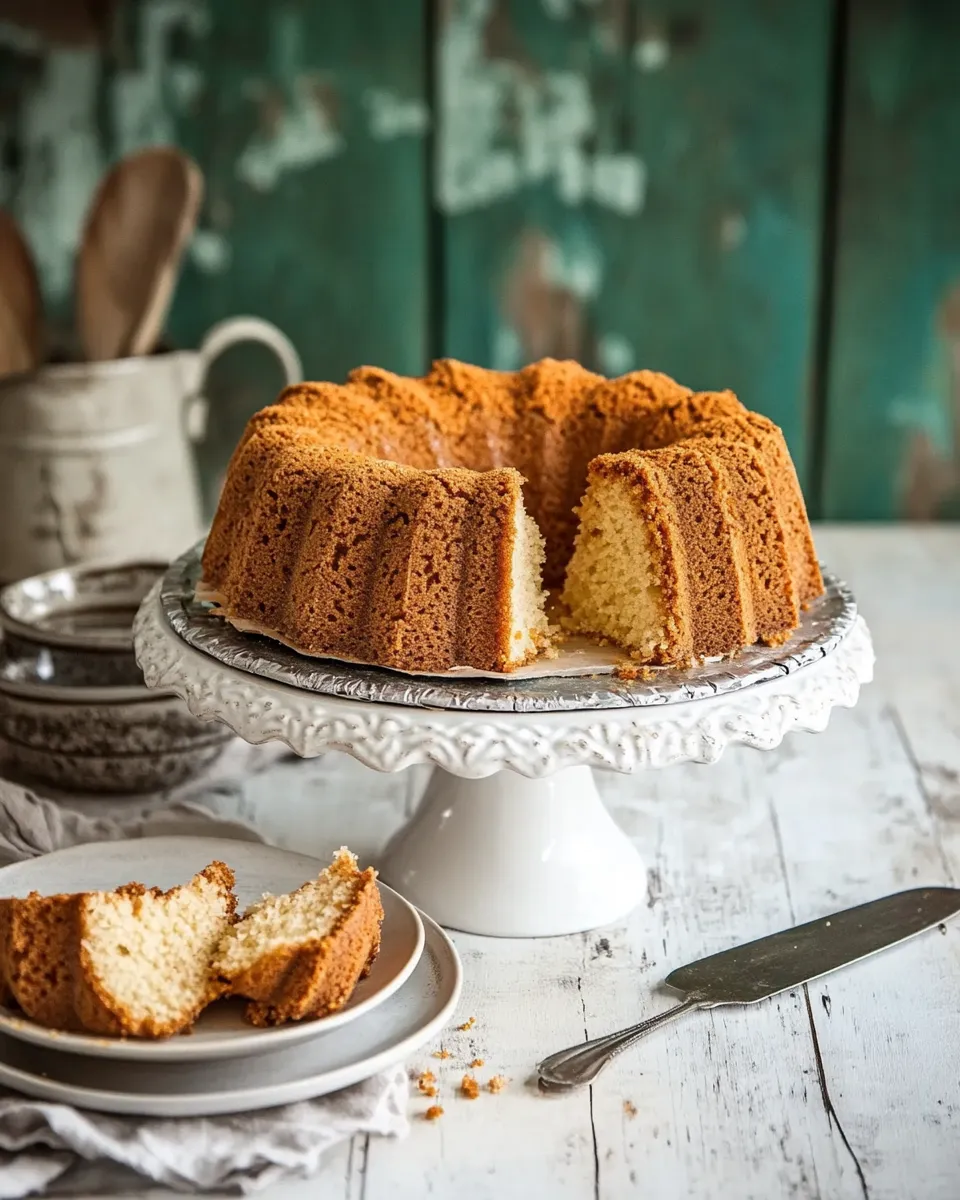
The best olive oil chiffon cake
Ingredients
Equipment
Method
- Preheat the oven to 180°C / 350°F. Have a large round bundt or tube pan ready (do not grease).
- Separate the 5 eggs into yolks and whites, placing the whites in a clean, dry bowl for whipping and the yolks in a separate bowl.
- Measure out the sugar: set aside 70 g for the egg whites and 180 g for the yolks.
- Using a stand mixer or hand whisk, beat the egg whites until soft peaks form. Gradually add the 70 g sugar while continuing to whisk until stiff, glossy peaks form. Transfer the whipped whites to a clean bowl and set aside.
- In the mixer bowl, beat the egg yolks with the remaining 180 g sugar for about 3 minutes, until the mixture is pale and creamy.
- In a separate bowl, sift together the 250 g cake flour, 1 tsp baking soda (bicarb), and a pinch of salt.
- In another small bowl, combine 125 ml olive oil, the zest of one orange, 8 Tbsp squeezed orange juice, and 4 Tbsp milk.
- Add the dry ingredients and the olive oil mixture to the egg yolk mixture alternately, beginning and ending with the dry ingredients (for example: one-third dry, half wet, one-third dry). Mix briefly after each addition until just smooth; do not overbeat.
- Gently fold the whipped egg whites into the batter in three additions. Use a spatula and fold carefully to keep as much air as possible; stop folding when no large white streaks remain.
- Pour the batter into the ungreased bundt or tube pan and smooth the top lightly.
- Bake for 45–50 minutes, until the cake is springy to the touch and a sharp knife or skewer inserted into the center comes out clean. If the top is browning too quickly, loosely tent with foil halfway through baking.
- Remove the cake from the oven and allow it to cool in the tin completely before unmolding.
Notes
When baking it is always advisable to weigh your ingredients as this is the only precise way of ensuring a positive outcome.
Choose a neutral-tasting olive oil so as not to overpower the flavour of this cake.