This Easy Kentucky Pound Cake Proves that Butter has Never Looked Better
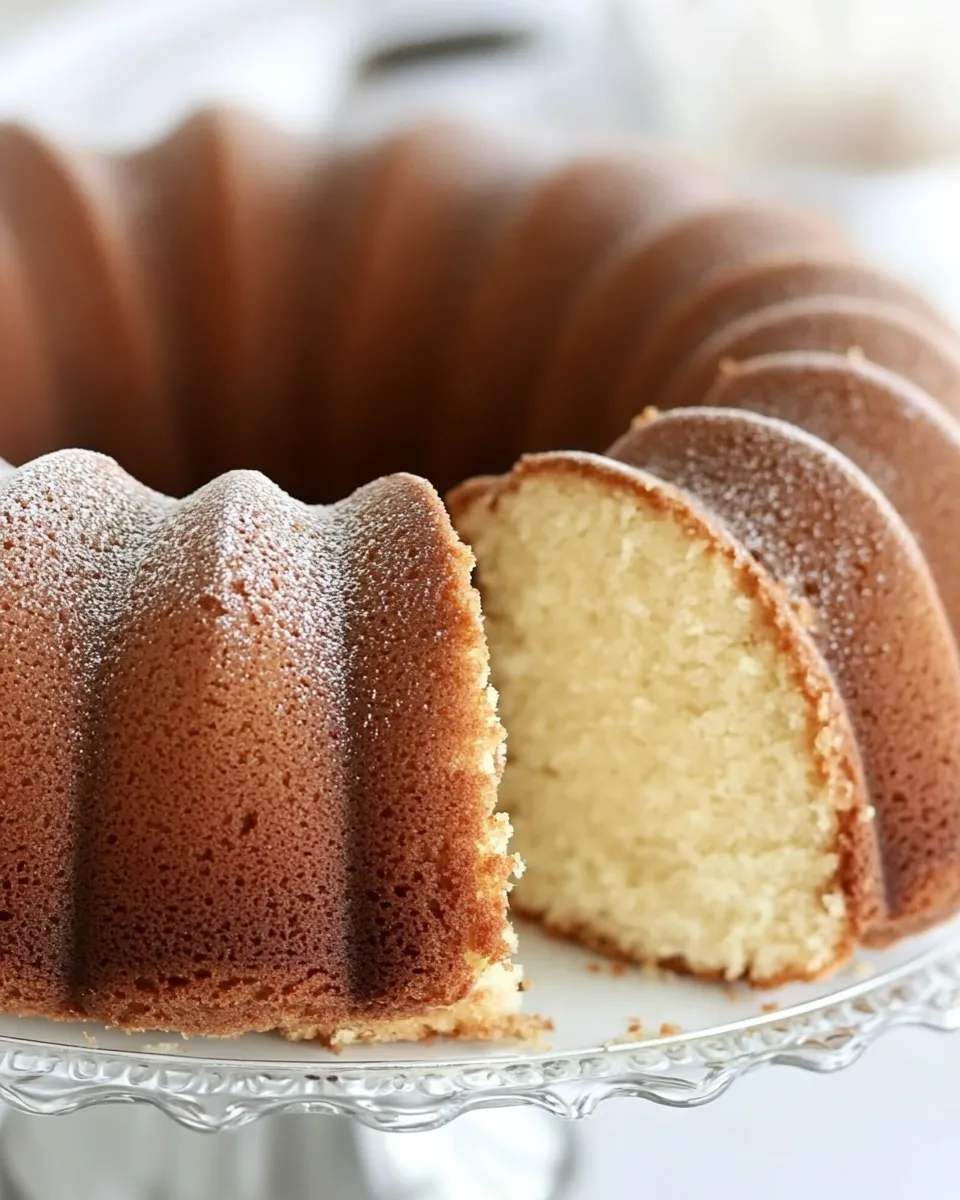
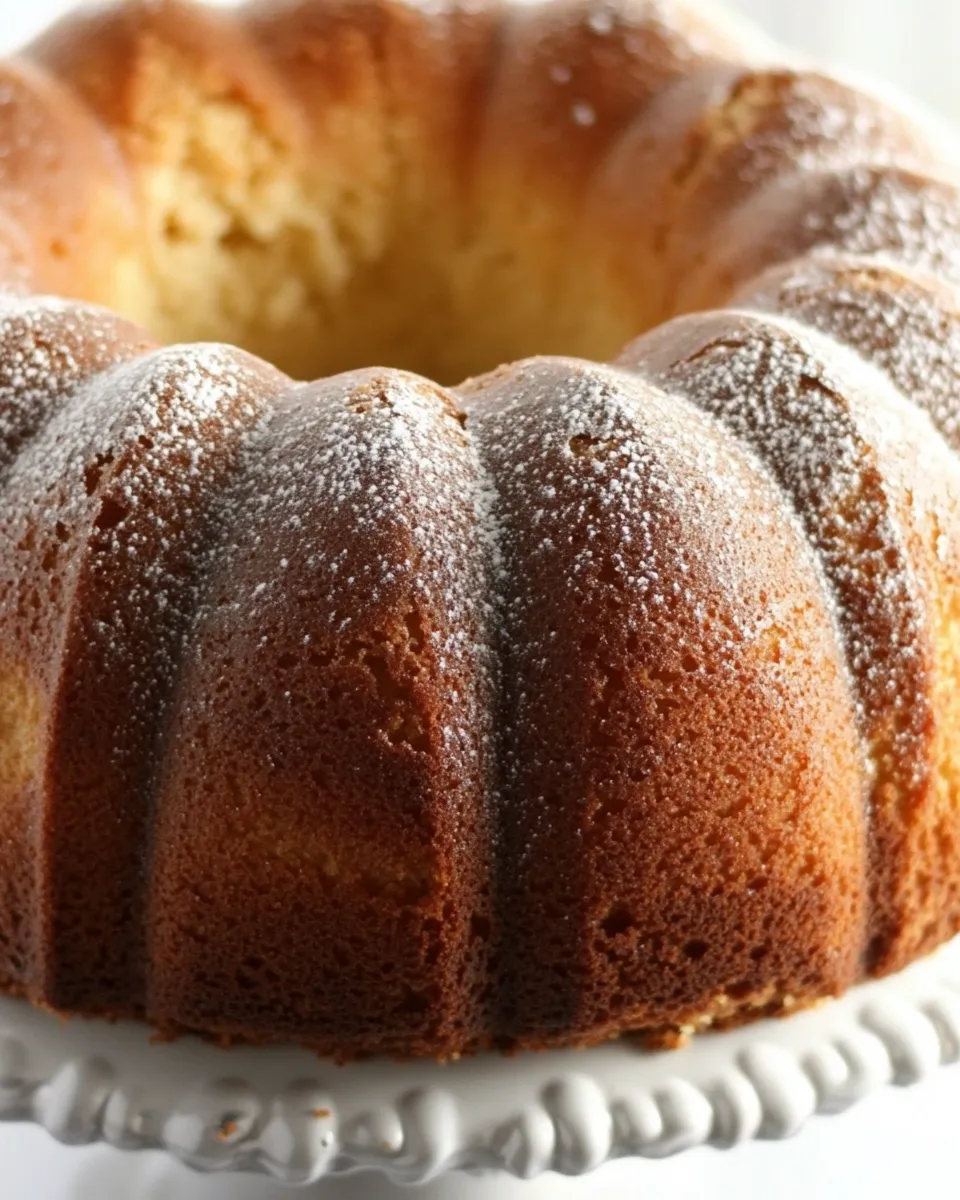
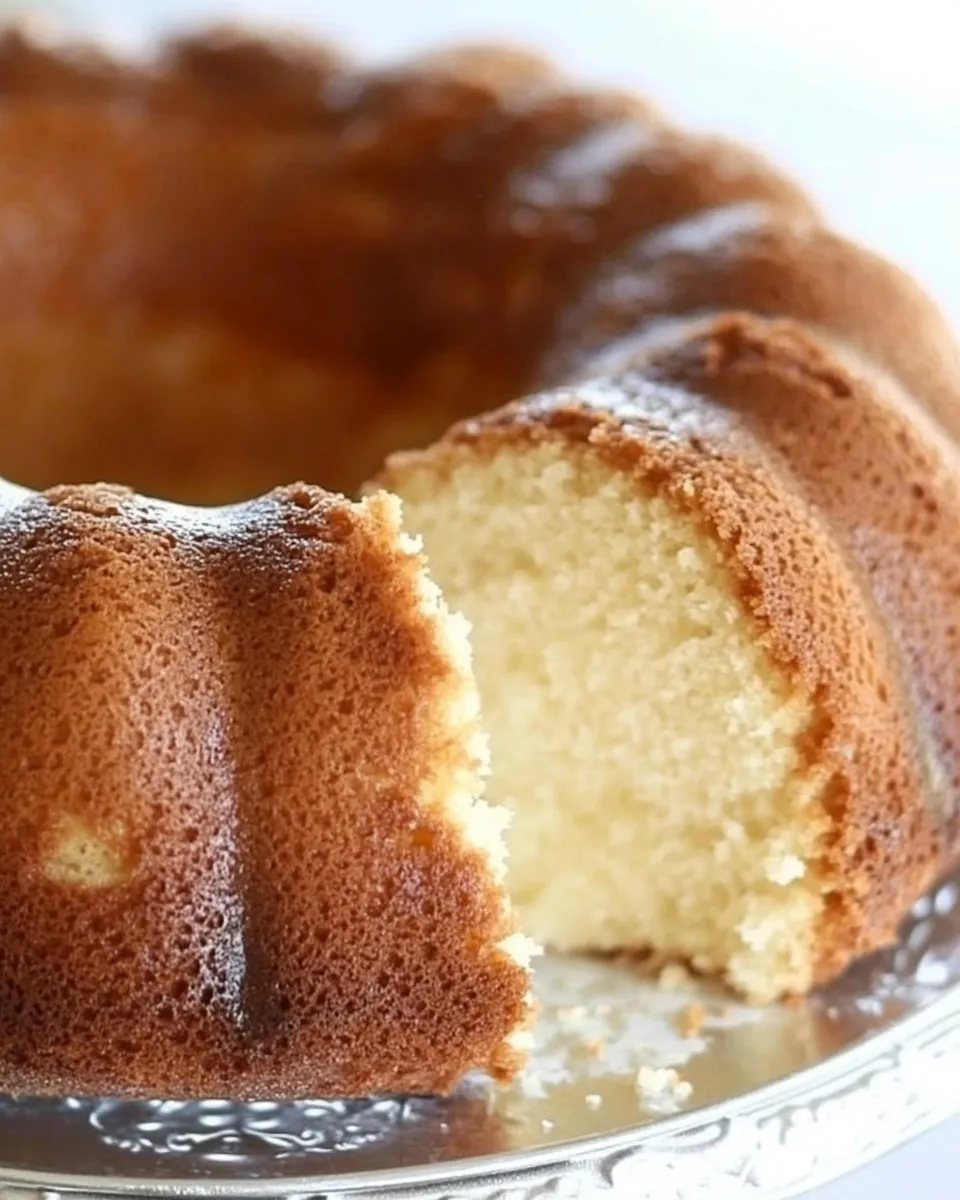
Butter is the star here — unapologetically. This Kentucky pound cake is a lesson in patience and technique: generous butter, careful creaming, and a warm buttery sauce that sinks into the crumb. The result is dense yet tender, richly flavored but not cloying. It’s the kind of cake that makes you close your eyes when you take the first bite.
I make this when I want something that’s both impressive and effortless. There’s no complicated folding, no tempering, and no glaze that should drip off the plate. The method is straightforward and forgiving, and the butter sauce that finishes the cake elevates every forkful. It also happens to travel well, which is why it’s become my go-to for potlucks and Sunday coffee.
This post gives you everything you need: precise ingredients, step-by-step directions that follow the recipe exactly, troubleshooting tips, sensible swaps, and storage advice so your cake stays as luscious as the first slice. Read it through once, then follow the steps — the payoff is worth the small investment of time.
Ingredients at a Glance
- 1 Cup sweet cream unsalted butter — cut into small cubes and at room temp; for the batter, makes the cake rich and tender.
- 2 Cups granulated white sugar — primary sweetener for the batter; helps create a fine crumb.
- 4 large eggs — structure, richness, and moisture; add one at a time for even incorporation.
- 1 Tbs real pure vanilla — batter flavoring; use a good-quality vanilla for depth.
- 1 teaspoon pure almond extract — a little goes a long way; adds the cake’s characteristic aroma.
- 3 Cups all purpose flour — the structure of the cake; measure carefully and whisk before adding.
- 1 teaspoon kosher salt — balances sweetness; if using table salt, use just a pinch (as noted).
- 1 teaspoon baking powder — provides lift; works with baking soda for proper rise.
- ½ teaspoon baking soda — reacts with the buttermilk for a tender crumb and light lift.
- 1 Cup buttermilk — acidity and moisture; it tenderizes the crumb and reacts with baking soda.
- ⅓ Cup sweet cream unsalted butter — for the butter sauce; melts into sweetness that soaks the cake.
- ¾ Cup granulated white sugar — sauce sweetener; dissolves into a glossy, pourable syrup.
- 2 Tbs water — thins the sauce slightly so it penetrates the cake.
- 2 teaspoon pure vanilla extract — sauce flavoring; complements the vanilla in the batter.
- 1 teaspoon real almond extract — sauce flavoring; echoes the almond note in the cake for harmony.
How to Prepare Kentucky Pound Cake
- Preheat the oven to 325°F. Prepare a 10-inch bundt pan by spraying with a flour-based cooking spray or by generously buttering and flouring the pan. Be liberal with the butter and flour.
- Fit a stand mixer with the paddle attachment. Place 1 cup (cubed, room-temperature) sweet cream unsalted butter and 2 cups granulated white sugar in the mixer bowl. Beat on medium speed until light and fluffy (about 3 minutes).
- With the mixer running on low, add the 4 large eggs one at a time, mixing briefly after each until incorporated. Add 1 tablespoon real pure vanilla and 1 teaspoon pure almond extract and mix on low just to combine.
- In a separate bowl, whisk together 3 cups all-purpose flour, 1 teaspoon kosher salt (or a pinch if using table salt), 1 teaspoon baking powder, and 1/2 teaspoon baking soda.
- With the mixer on low, add the dry ingredients to the butter mixture in three additions, alternating with the 1 cup buttermilk: add one-third of the dry ingredients, then one-third of the buttermilk, then another third of dry, then the next third of buttermilk, finishing with the remaining dry ingredients. Mix each addition only until just combined. Scrape the bowl and paddle as needed.
- Pour the batter into the prepared bundt pan and smooth the top. Bake at 325°F for about 1 hour and 5 minutes, then begin checking for doneness. A toothpick inserted into the center should come out clean or with a few moist crumbs. If not done, continue baking and check every 5–7 minutes. Remove from the oven when done and set the pan on a cooling rack; keep the cake in the pan.
- About 5–10 minutes before the cake is due to come out (or while the cake is baking so the sauce is ready when the cake is hot), make the butter sauce: combine 1/3 cup sweet cream unsalted butter, 3/4 cup granulated white sugar, 2 tablespoons water, 2 teaspoons pure vanilla extract, and 1 teaspoon real almond extract in a small saucepan. Heat over medium, stirring constantly until the butter melts and the sugar dissolves. Do not allow the mixture to boil. Remove from heat as soon as sugar is dissolved and the sauce is warm.
- While the cake remains in the bundt pan and is still warm, use a butter knife or skewer to poke holes evenly across the top and down the sides (about 20–30 holes, roughly 1 inch apart). Slowly pour the warm butter sauce over the cake in several passes, allowing the sauce to sink in between pours so it is absorbed evenly.
- Allow the cake to cool completely in the pan on the cooling rack (several hours or until room temperature) so the sauce fully soaks in. Once completely cool, invert the cake onto a serving plate and remove the pan. Slice and serve.
Why This Kentucky Pound Cake Stands Out
There are a few deliberate choices that make this cake special. First, the proportion of butter to flour and sugar is generous. That fat content creates a dense, velvety crumb that feels luxurious without being greasy. Second, the creaming step with plenty of butter and sugar introduces air early and gives the cake a tender texture even though it’s a pound cake.
The buttermilk and the small amount of baking soda work together for a subtle lift and a fine, moist crumb. But the finishing move — the warm butter sauce — is the real magic. Poking holes and letting that buttery syrup sink in keeps every slice moist and adds a glossy surface and extra flavor. Lastly, the pairing of vanilla and almond extracts gives the cake an unmistakable warming aroma. Played together, they read classic and familiar, but richer.
Quick Replacement Ideas
- Unsalted butter (in batter): If you only have salted butter, use it and omit or reduce the added salt.
- Almond extract: If you prefer not to use almond, increase the vanilla slightly or skip almond altogether — the cake will still be excellent.
- Buttermilk: If you don’t have cultured buttermilk on hand, use a store-bought substitute or soured milk (see notes below in Dietary Swaps), but be mindful the texture can shift slightly.
- Bundt pan: If you don’t have a 10-inch bundt, a tube pan with a similar volume will work. Baking time may vary; check for doneness as instructed.
Tools of the Trade
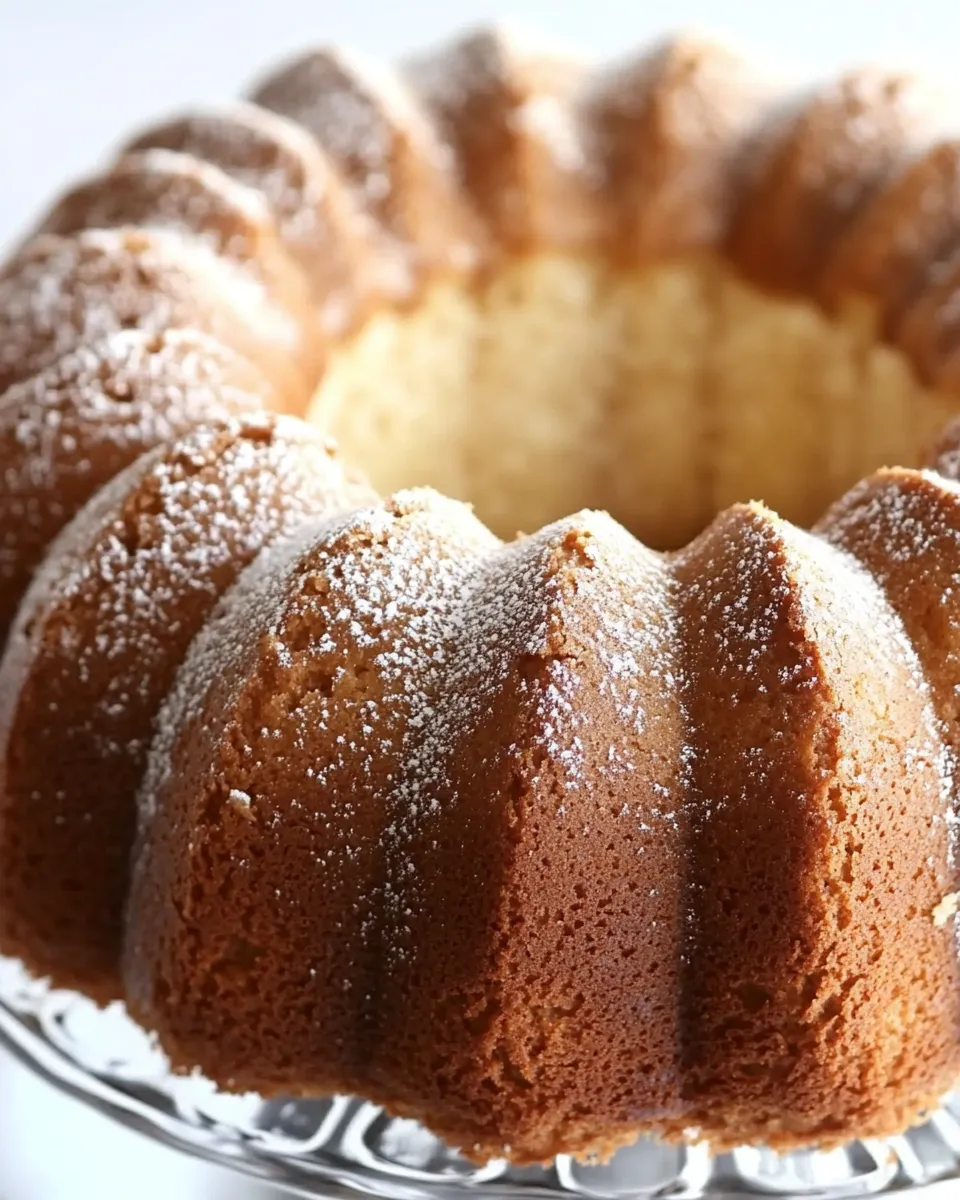
- 10-inch bundt pan — the central piece; the batter is designed for this shape and volume.
- Stand mixer with paddle attachment — makes the creaming and mixing effortless and consistent.
- Whisk and mixing bowls — for dry ingredients and quick whisking.
- Small saucepan — for the butter sauce; a heavy-bottomed pan helps control heat.
- Cooling rack and a skewer or long butter knife — to poke the cake and allow the sauce to sink in evenly.
Errors to Dodge
- Undergreasing the pan. A sticky bit of cake is never worth it. Be liberal with butter and flour or use a flour-based spray.
- Overmixing the batter after adding flour. Mix only until just combined; overworking develops gluten and yields a tougher cake.
- Baking at too high a temperature. This cake needs gentle heat for even rise; keep it at 325°F as directed.
- Pouring the sauce too quickly. If you dump the warm sauce in one pass, it pools. Pour slowly in passes and let it absorb so the cake soaks evenly.
- Rushing the cooling. Let the cake cool completely in the pan so the sauce settles and the crumb firms up; otherwise slicing can collapse the crumb or leak sauce.
Dietary Swaps & Alternatives
If you need to adapt this cake for diet or allergy reasons, there are workable options, but expect minor texture or flavor changes.
- Gluten-free: Use a reliable 1:1 gluten-free flour blend designed for cakes. The crumb will be slightly different but still tasty.
- Dairy: This recipe leans heavily on butter for texture and flavor; plant-based stick butters exist, but choose one formulated for baking. Note: sauce texture may vary.
- Egg-free: This recipe relies on eggs for structure. If you must avoid eggs, look for a tested vegan pound cake formula instead — substituting eggs here will require a tested alternative approach.
- Lactose/intolerance: Lactose-free butter and buttermilk alternatives exist. The sauce will still work if you can get a product that behaves like real butter when melted.
Little Things that Matter
Small steps make the difference between a good pound cake and a memorable one. Use room-temperature butter and eggs — they combine more smoothly and trap air when creamed. Measure flour by spooning and leveling rather than scooping directly from the bag; too much flour makes the cake dry. When you whisk the dry ingredients together, you’re distributing the leaveners and salt so every forkful is consistent. Finally, poke holes evenly and pour the sauce in passes so the cake absorbs it instead of letting it run off.
Keep-It-Fresh Plan
Keep the cake in an airtight container or wrapped loosely at room temperature for up to 2 days. For longer storage, refrigerate for up to 5 days; bring slices to room temperature before serving to soften the butter sauce. To freeze, wrap tightly in plastic and foil and freeze for up to 2–3 months. Thaw overnight in the refrigerator and then come to room temperature before serving. If you plan to freeze, consider freezing slices individually for easy thaw-and-serve portions.
Your Top Questions
Can I make this ahead? Yes. You can bake the cake a day ahead, let it cool completely, and store it covered. The sauce helps keep it moist. Rewarm slices gently if you prefer warmed butter sauce.
What if my cake isn’t cooked in the center? Continue baking and check every 5–7 minutes. Oven temperatures vary. The toothpick should come out clean or with a few moist crumbs.
Can I use a different pan? A similar-volume tube pan can work, but baking time may change. Start checking around the original bake time and adjust as needed.
Why two types of vanilla/almond amounts? The recipe uses a smaller amount of extracts in the batter and a second, matching set in the sauce so the flavors remain forward and harmonious throughout the cake rather than only on the surface.
Next Steps
Make this cake when you want something unfussy that still feels like a celebration. Follow the instructions exactly the first time — especially the order of mixing and the cake’s cooling — and you’ll be rewarded. When you’re ready to branch out, try serving slices with lightly whipped cream, fresh berries, or a scoop of vanilla ice cream. Take notes the first time you bake it so you can repeat what you loved or tweak what you didn’t. Then invite someone over and watch that buttery slice disappear.
This Easy Kentucky Pound Cake Proves that Butter has Never Looked Better
Ingredients
Equipment
Method
- Preheat the oven to 325°F. Prepare a 10-inch bundt pan by spraying with a flour-based cooking spray or by generously buttering and flouring the pan. Be liberal with the butter and flour.
- Fit a stand mixer with the paddle attachment. Place 1 cup (cubed, room-temperature) sweet cream unsalted butter and 2 cups granulated white sugar in the mixer bowl. Beat on medium speed until light and fluffy (about 3 minutes).
- With the mixer running on low, add the 4 large eggs one at a time, mixing briefly after each until incorporated. Add 1 tablespoon real pure vanilla and 1 teaspoon pure almond extract and mix on low just to combine.
- In a separate bowl, whisk together 3 cups all-purpose flour, 1 teaspoon kosher salt (or a pinch if using table salt), 1 teaspoon baking powder, and 1/2 teaspoon baking soda.
- With the mixer on low, add the dry ingredients to the butter mixture in three additions, alternating with the 1 cup buttermilk: add one-third of the dry ingredients, then one-third of the buttermilk, then another third of dry, then the next third of buttermilk, finishing with the remaining dry ingredients. Mix each addition only until just combined. Scrape the bowl and paddle as needed.
- Pour the batter into the prepared bundt pan and smooth the top. Bake at 325°F for about 1 hour and 5 minutes, then begin checking for doneness. A toothpick inserted into the center should come out clean or with a few moist crumbs. If not done, continue baking and check every 5–7 minutes. Remove from the oven when done and set the pan on a cooling rack; keep the cake in the pan.
- About 5–10 minutes before the cake is due to come out (or while the cake is baking so the sauce is ready when the cake is hot), make the butter sauce: combine 1/3 cup sweet cream unsalted butter, 3/4 cup granulated white sugar, 2 tablespoons water, 2 teaspoons pure vanilla extract, and 1 teaspoon real almond extract in a small saucepan. Heat over medium, stirring constantly until the butter melts and the sugar dissolves. Do not allow the mixture to boil. Remove from heat as soon as sugar is dissolved and the sauce is warm.
- While the cake remains in the bundt pan and is still warm, use a butter knife or skewer to poke holes evenly across the top and down the sides (about 20–30 holes, roughly 1 inch apart). Slowly pour the warm butter sauce over the cake in several passes, allowing the sauce to sink in between pours so it is absorbed evenly.
- Allow the cake to cool completely in the pan on the cooling rack (several hours or until room temperature) so the sauce fully soaks in. Once completely cool, invert the cake onto a serving plate and remove the pan. Slice and serve.
Notes
Allow the icing to cook slightly before pouring on the cake for it to adhere to the cake.