Toffee Recipe
I make toffee the way I learned in a rush one holiday afternoon: careful, a little impatient, and with more almond crumbs on the counter than I care to admit. This version is straightforward—sugar, butter, vanilla, a scatter of toasted almonds, and a glossy chocolate cap. It rewards attention and a steady hand; the payoff is that addictive snap and a buttery, caramelized flavor you can’t fake.
If you’re new to candy-making, don’t let the thermometer intimidate you. The steps are precise because the chemistry is exact: hit the hard‑crack stage and you get that satisfying break. Read through the ingredients and the method once, line up your tools, and accept that there’s a short window where speed matters but calm does too.
Below I keep things practical—what goes in, how to do it without drama, what to watch for, and how to store your batch so it still shines days later. I also include small variations for different diets and tastes. Let’s get to it.
What Goes Into Toffee Recipe
Ingredients
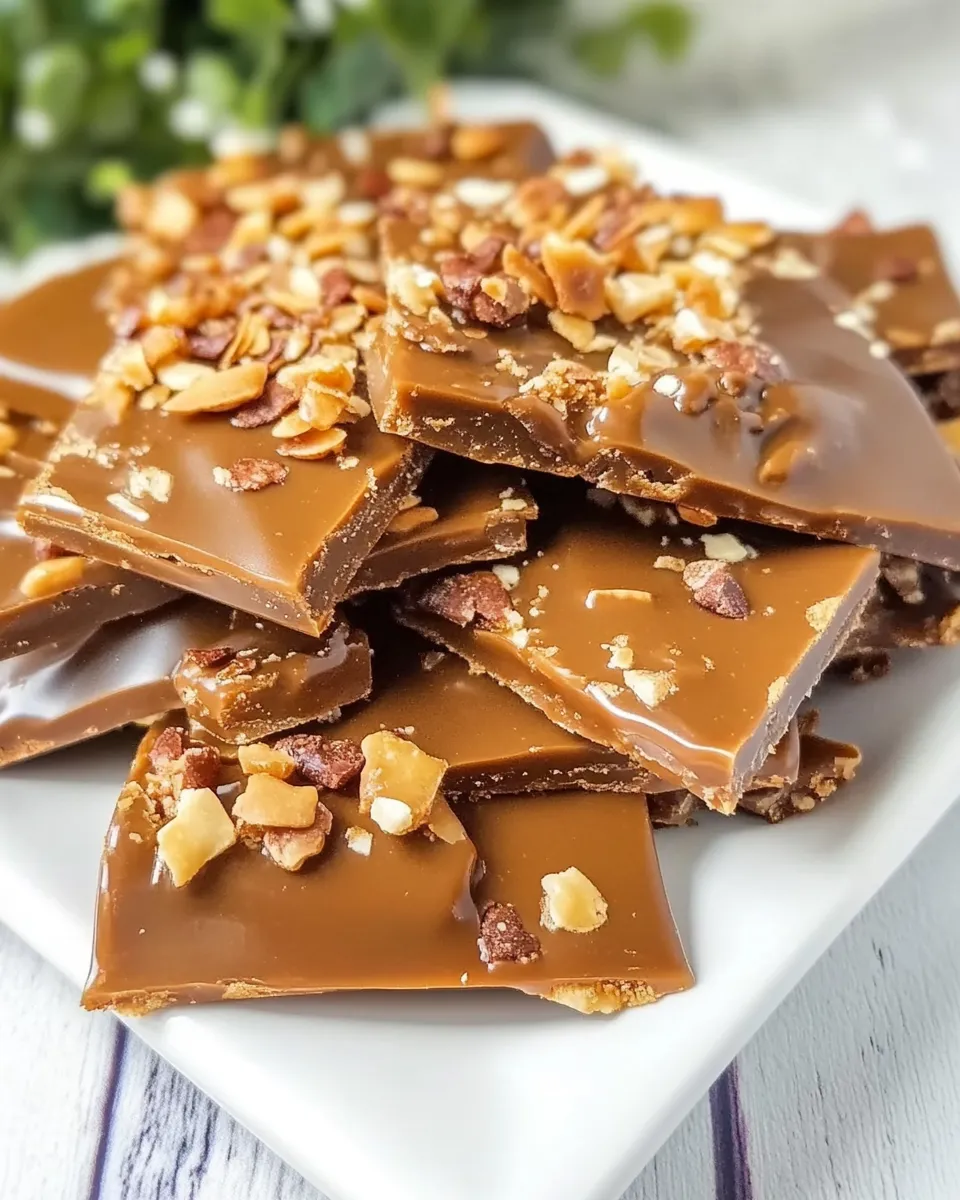
- 1 cup almonds, or your favorite nuts, toasted and coarsely chopped, divided (see notes below) — provides texture and a toasty counterpoint to the sweet toffee; reserve half for topping.
- 1 cup granulated sugar — the backbone of the toffee; heats to form the hard crack structure when combined with butter.
- 1/2 lb unsalted butter, 2 sticks or 1 cup — gives richness and helps the sugar caramelize evenly; unsalted lets you control salt levels.
- 1 tsp vanilla extract — brightens the caramel notes; add as directed in the method for best flavor distribution.
- 1/2 tsp fine sea salt — balances sweetness and enhances the toffee’s depth; use fine for even dispersion.
- 1 cup semi-sweet chocolate chips, or milk chocolate — melts into a shiny layer that contrasts the brittle toffee and binds the top almonds.
Step-by-Step: Toffee Recipe
- Grease a 9×12 or 9×9 metal baking dish, then line it with parchment paper, leaving an overhang for easy removal; do not grease the top side of the parchment paper.
- Toast the almonds and chop them: either (a) heat whole almonds in a dry skillet over medium heat for 5–7 minutes, stirring every 30 seconds, or (b) roast almonds on a baking sheet at 325°F for 10–15 minutes. Let cool, coarsely chop, then spread half of the chopped almonds evenly in the prepared pan and reserve the remaining half for topping.
- In a large heavy saucepan (3–4 quart minimum), combine 1 cup granulated sugar, 1/2 lb (2 sticks) unsalted butter, 1 tsp vanilla extract, and 1/2 tsp fine sea salt. Set the pan over medium heat. Stir constantly with a wooden spoon until the butter melts and the mixture comes to a boil.
- Continue stirring constantly and cook the mixture until it turns a deep caramel color and reaches 300–310°F on a candy thermometer (hard‑crack stage). This usually takes about 8–10 minutes over medium heat. Be very careful—the mixture is extremely hot. Do not taste.
- Immediately pour the hot toffee into the prepared pan over the layer of almonds. Tilt the pan to help the toffee spread evenly over the nuts; it does not have to reach the edges or be perfectly smooth.
- While the toffee is still hot, sprinkle 1 cup semi‑sweet chocolate chips (or milk chocolate) evenly over the surface. Let sit 2 minutes so the chips soften and glisten, then use an offset spatula to spread the melted chocolate into an even layer.
- Sprinkle the remaining chopped almonds over the melted chocolate and press them gently so they adhere.
- Let the toffee cool at room temperature for at least 2 hours, or until the chocolate is fully set. Break or cut into pieces to serve. Store in an airtight container at room temperature for up to one week.
Why Cooks Rave About It
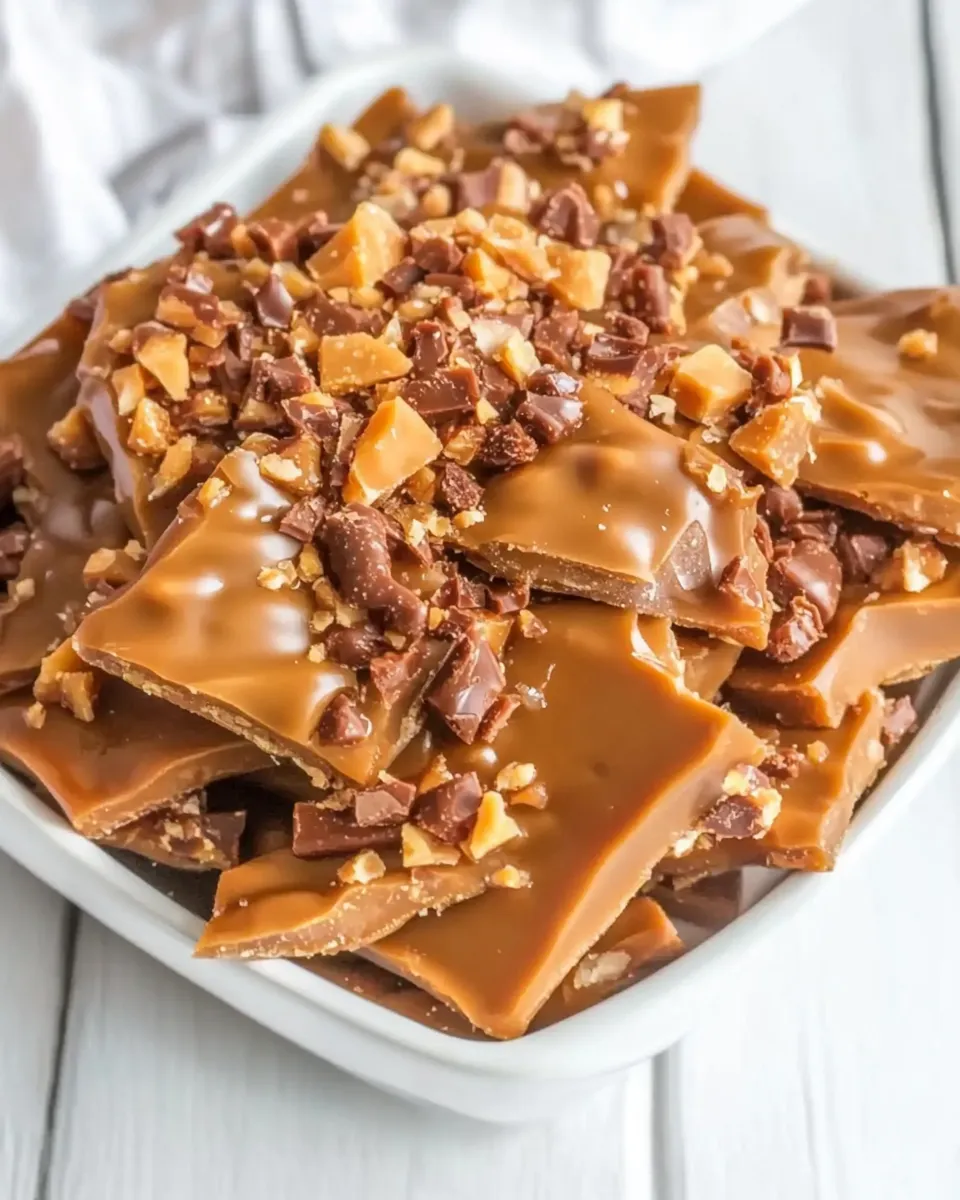
Toffee is a dessert that hits several satisfying notes at once: a buttery, caramel base; a brittle snap from hitting the hard‑crack stage; a smooth, glossy chocolate layer; and a crunchy nut finish. It’s deceptively simple—only a handful of pantry staples—but it delivers layered textures and concentrated butter-sugar flavor that feels indulgent without being fussy.
Cooks also love how forgiving the recipe is once you understand the critical moments. Toasting the nuts ahead and dividing them into base and topping keeps every bite balanced. Temperatures and timing matter, but there’s no templating or molding—just a sheet pan and a steady hand. That makes it ideal for holiday trays, gift boxes, or just keeping on hand for an afternoon treat.
International Equivalents
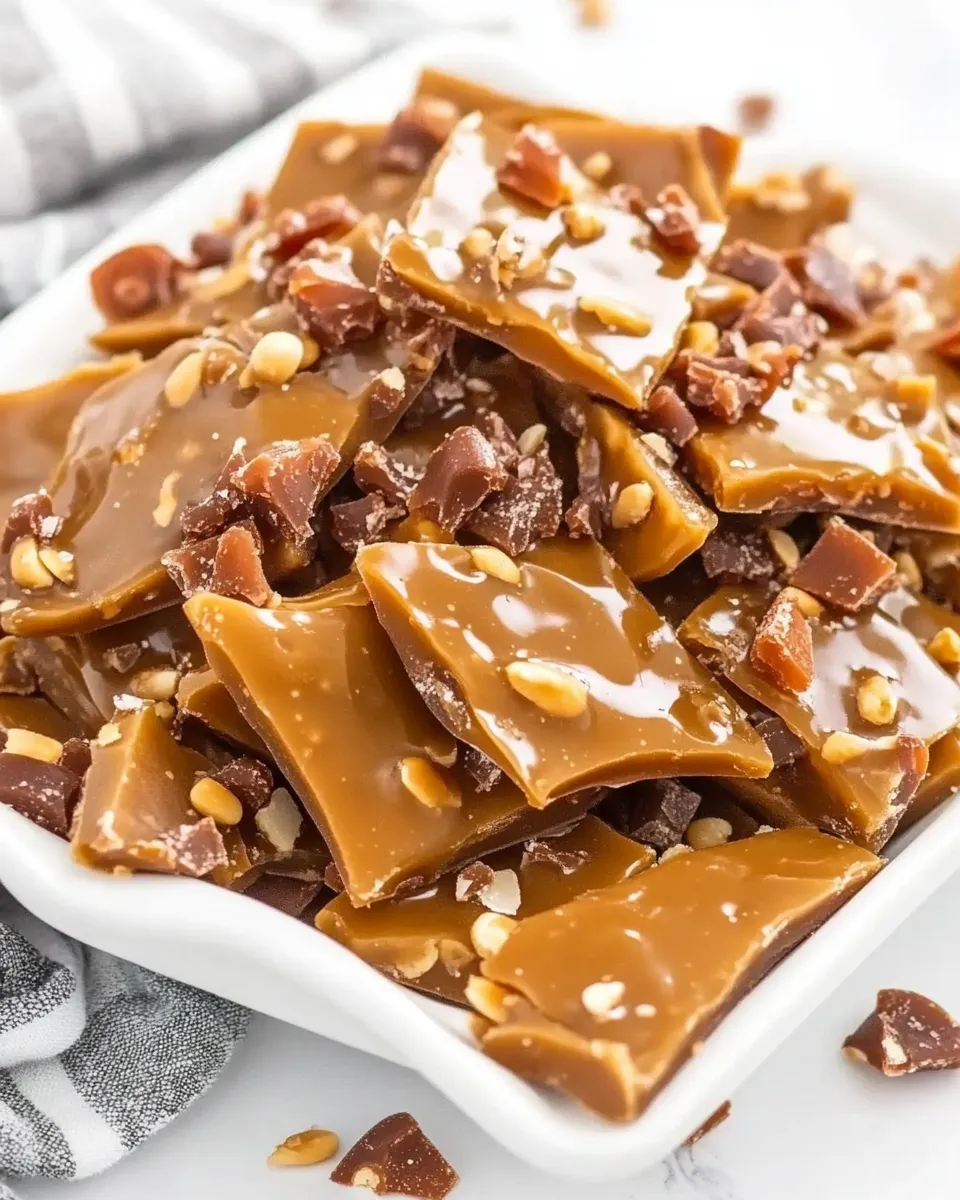
Toffee has close cousins around the world. English toffee and American toffee are often used interchangeably; both emphasize a rich, buttery caramelized sugar that becomes hard and brittle. The British variant sometimes leans toward a slightly thicker bar and may use almonds or pecans.
In some places you’ll find “buttercrunch” or “almond crunch,” which are essentially the same idea with regional naming differences. In Asia, similar crunchy confections appear with sesame or peanut additions instead of almonds. If you compare to European pralines, those are usually softer and often use cream and nuts; toffee is harder and more candy-like.
Cook’s Kit
- Heavy-bottomed saucepan (3–4 quart) — prevents hot spots so sugar cooks evenly.
- Candy thermometer — essential to reach the 300–310°F hard‑crack stage reliably.
- Wooden spoon or heatproof spatula — stir constantly; metal spoons get hot and cause splatter worries.
- Offset spatula — helps spread the melted chocolate smoothly.
- Metal baking dish (9×12 or 9×9) and parchment paper — metal cools faster and lets the toffee set properly; parchment with an overhang makes removal easy.
- Skillet or baking sheet for toasting nuts — you’ll toast on the stovetop or in the oven as directed.
Mistakes That Ruin Toffee Recipe
There are a few missteps that will wreck the batch and they’re easy to avoid with attention:
- Under‑ or over‑cooking the sugar — don’t guess the temperature. If you pull it early it won’t set; go too long and it tastes bitter or burns.
- Using a thin, lightweight pan — thin pans promote uneven heating and hot spots that can cause the sugar to scorch.
- Greasing the top of the parchment — the instructions warn not to grease the top side. Greasing can prevent the toffee from setting correctly against the paper and cause slipping or sogginess.
- Stirring while cooling the chocolate — once you’ve sprinkled the chips, let them sit 2 minutes before spreading so they melt uniformly. Rushing this makes a streaky, patchy top.
Make It Fit Your Plan
Looking to tweak for sweet level, texture, or diet? Here are practical swaps that preserve the method:
- Nuts — pecans, hazelnuts, or even chopped macadamia work in place of almonds; toast them the same way.
- Chocolate — use dark chocolate for a less sweet contrast or milk chocolate for a creamier top. White chocolate works but can be very sweet and delicate to spread.
- Salt — if you prefer a salted finish, use flaky sea salt sprinkled on the chocolate before it fully sets for a professional touch.
- Nut-free — omit the nuts and line the pan with a thin layer of crushed pretzel or toasted coconut for crunch, though this changes the flavor profile.
If You’re Curious
Candy chemistry in one line: as sugar and butter cook, water content drops and the sugar molecules rearrange. At the hard‑crack stage (around 300–310°F), the mixture forms a glassy, brittle structure when cooled. That’s why temperature matters so much—if you stop lower, you get chewier candy; higher and the sugar burns.
The chocolate layer adds more than flavor: it seals the surface, gives a glossy contrast, and helps the nuts adhere. Letting the chips sit briefly before spreading creates a mirror-like sheen because the chips melt gently from residual heat rather than being aggressively stirred.
Keep It Fresh: Storage Guide
Store the finished toffee in an airtight container at room temperature for up to one week. Keep pieces in a single layer or separate layers with parchment to prevent sticking. Avoid refrigeration: cool air can cause chocolate to bloom (a white, powdery surface) and the candy to lose some of its crispness.
If you need to keep it longer, freeze tightly wrapped pieces for up to two months; thaw at room temperature before serving. Note that freezing can slightly change texture, so I prefer to make what I’ll eat within a week.
Common Questions
Q: My toffee is sticky or soft—what went wrong?
A: It likely didn’t reach the hard‑crack temperature. Use a reliable candy thermometer and make sure your pan is heavy‑bottomed. Also, high humidity can make toffee softer; choose a dry day if possible.
Q: Why did my chocolate bloom?
A: Chocolate bloom (white streaks) is usually fat or sugar separation caused by temperature swings, moisture, or refrigeration. To minimize bloom, don’t refrigerate and let the chocolate set at room temperature away from direct sunlight or drafts.
Q: Can I skip the thermometer and do the cold-water test?
A: The classic cold-water test works (dropping a small amount into cold water to see if it hardens brittle), but a thermometer is faster and more reliable—especially for beginners.
Before You Go
Making toffee is one of those small, satisfying kitchen victories: simple ingredients, a clear technique, and a delicious result. Follow the method closely for that exact snap and glossy finish, and treat the candy thermometer as your best friend. Once you’ve made a batch or two, you’ll see where you can play—different nuts, a sprinkle of finishing salt, or darker chocolate for contrast.
If you wrap pieces for gifts, use parchment squares and a little cello bag tied with ribbon. It looks homemade and thoughtful, and people always appreciate a treat made by hand. Happy toffee making—be careful with the hot sugar, and enjoy the crunchy, buttery reward.
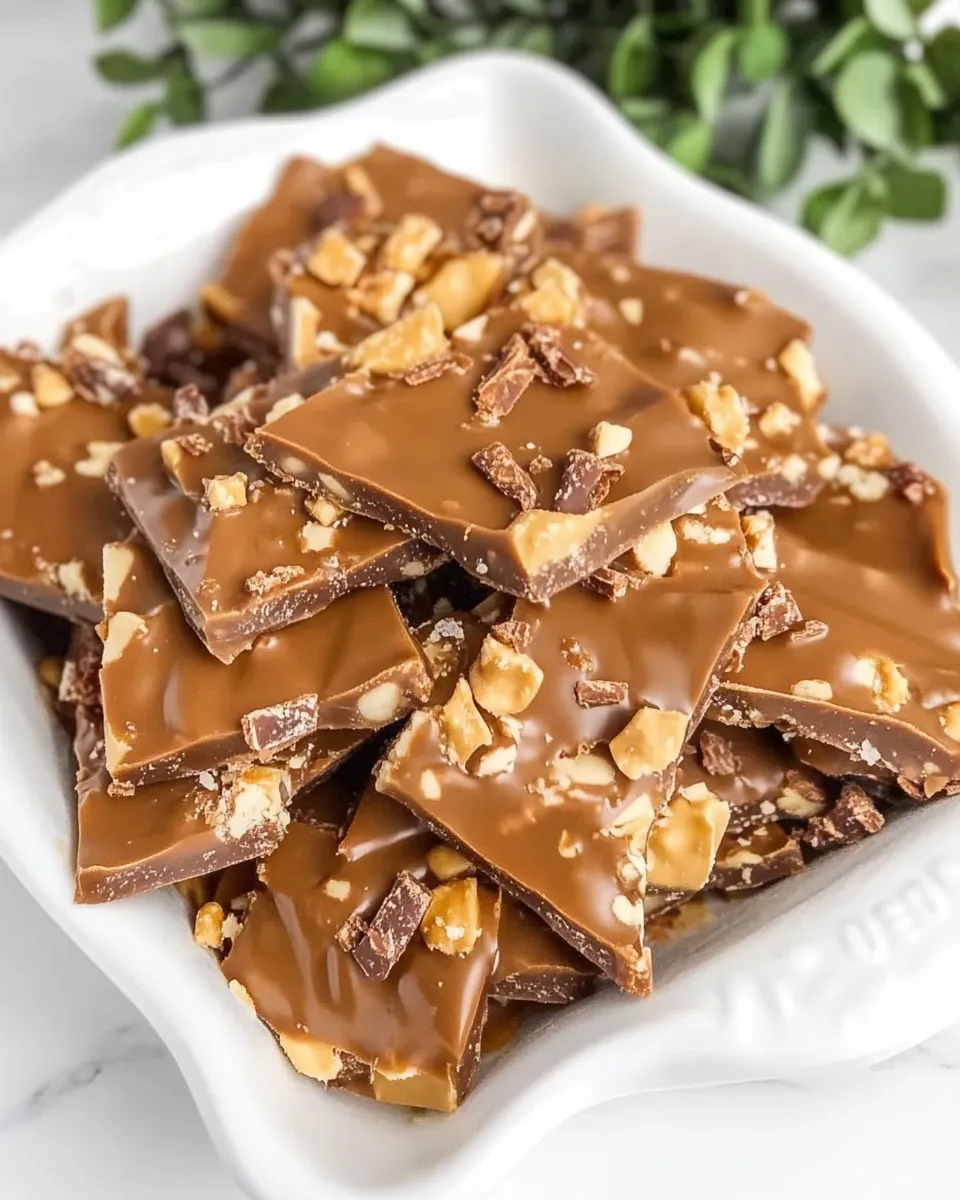
Toffee Recipe
Ingredients
Equipment
Method
- Grease a 9×12 or 9×9 metal baking dish, then line it with parchment paper, leaving an overhang for easy removal; do not grease the top side of the parchment paper.
- Toast the almonds and chop them: either (a) heat whole almonds in a dry skillet over medium heat for 5–7 minutes, stirring every 30 seconds, or (b) roast almonds on a baking sheet at 325°F for 10–15 minutes. Let cool, coarsely chop, then spread half of the chopped almonds evenly in the prepared pan and reserve the remaining half for topping.
- In a large heavy saucepan (3–4 quart minimum), combine 1 cup granulated sugar, 1/2 lb (2 sticks) unsalted butter, 1 tsp vanilla extract, and 1/2 tsp fine sea salt. Set the pan over medium heat. Stir constantly with a wooden spoon until the butter melts and the mixture comes to a boil.
- Continue stirring constantly and cook the mixture until it turns a deep caramel color and reaches 300–310°F on a candy thermometer (hard‑crack stage). This usually takes about 8–10 minutes over medium heat. Be very careful—the mixture is extremely hot. Do not taste.
- Immediately pour the hot toffee into the prepared pan over the layer of almonds. Tilt the pan to help the toffee spread evenly over the nuts; it does not have to reach the edges or be perfectly smooth.
- While the toffee is still hot, sprinkle 1 cup semi‑sweet chocolate chips (or milk chocolate) evenly over the surface. Let sit 2 minutes so the chips soften and glisten, then use an offset spatula to spread the melted chocolate into an even layer.
- Sprinkle the remaining chopped almonds over the melted chocolate and press them gently so they adhere.
- Let the toffee cool at room temperature for at least 2 hours, or until the chocolate is fully set. Break or cut into pieces to serve. Store in an airtight container at room temperature for up to one week.
Notes
If your toffee separates:
remove the pan from the heat and stir until the buttery layer mixes back in. You can also stir in 2 Tbsp of hot water which can help bring it back together then put it back over medium heat to bring it to 300˚F.