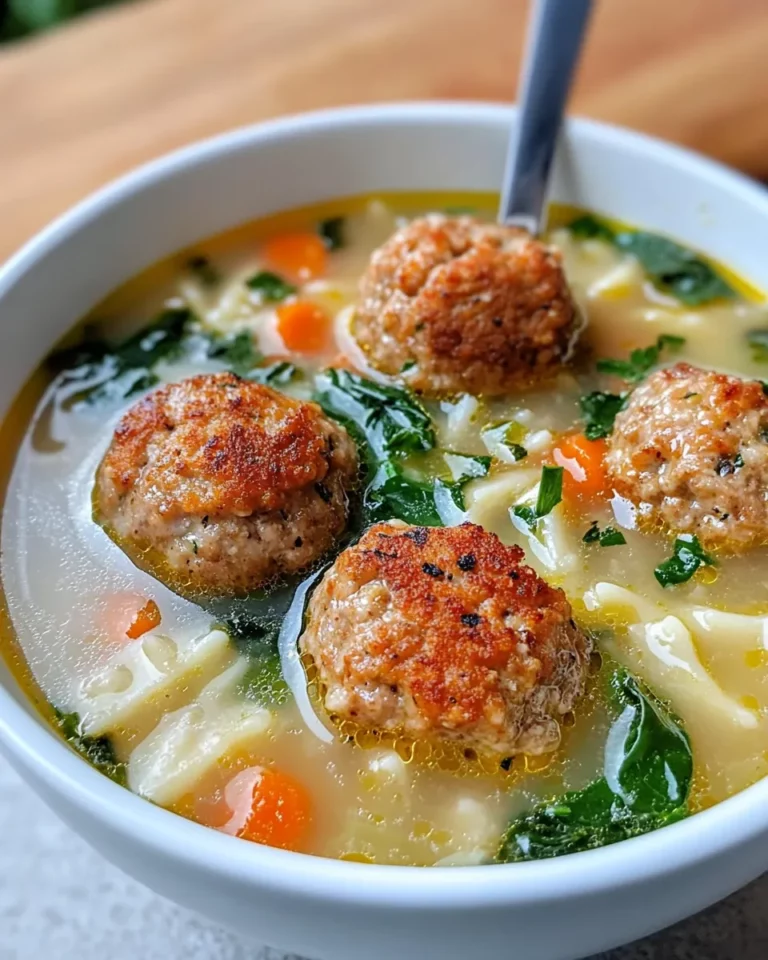
Turkey Meatball Curry (Paleo, Whole30)
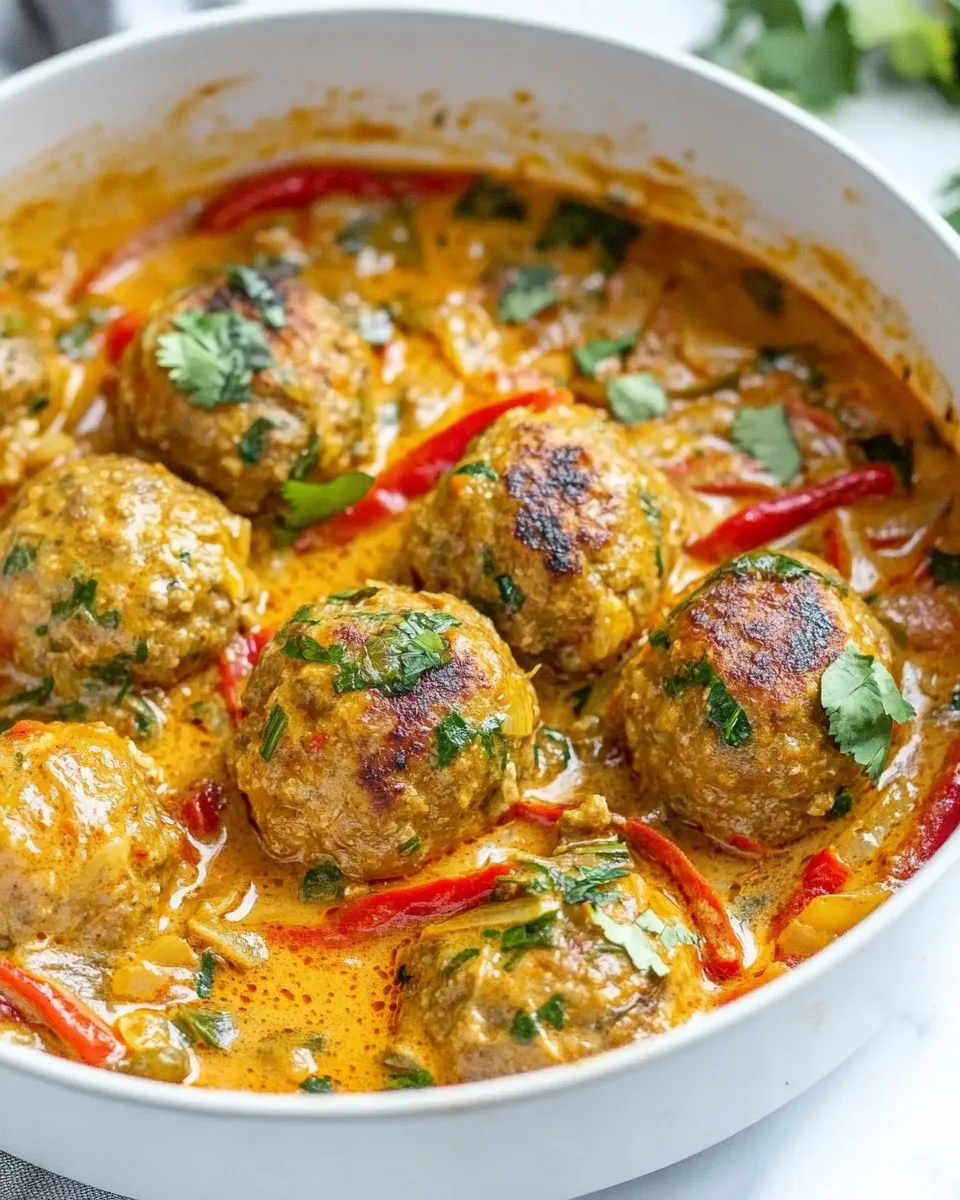
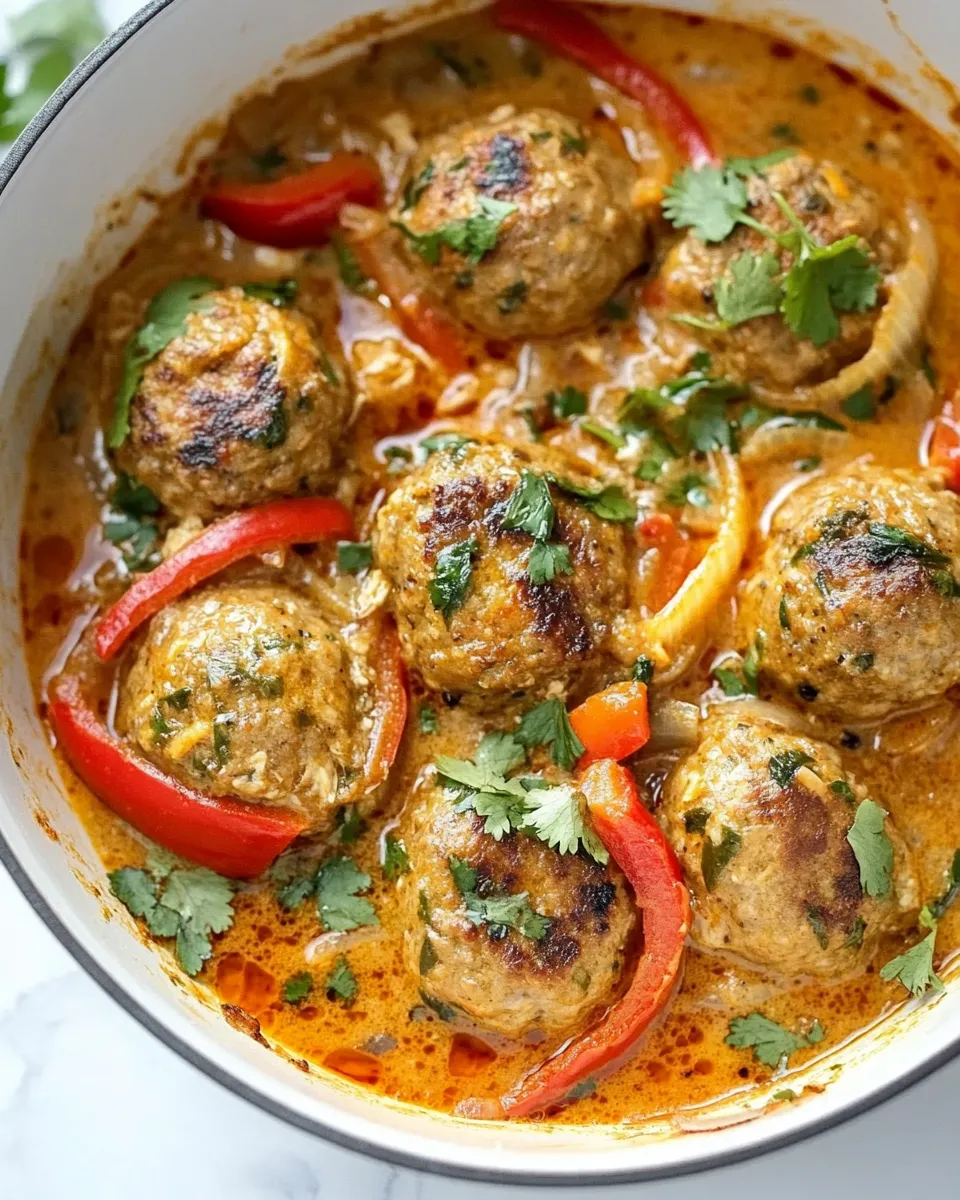
I test and cook a lot of weeknight dinners, and this Turkey Meatball Curry is one I turn to when I want something comforting, fast-ish, and reliably crowd-pleasing. It ticks the boxes: Paleo and Whole30 compliant with a coconut-milk‑based red curry that feels indulgent without the fuss. The flavors are straightforward—ginger, garlic, red curry paste—balanced by the richness of coconut milk and a touch of sweetness if you choose to add it.
The meatballs come together quickly and brown beautifully in a skillet before finishing in the sauce, which means you get a little texture from the crust and a silky sauce to spoon over whatever you like. I love that this recipe is pragmatic: you can mix the meatballs by hand, simmer the sauce in a single pan, and have dinner on the table without juggling a dozen steps.
Below I walk through exactly what I use and why, the trusted step-by-step method, sensible swaps, troubleshooting tips, storage and reheating advice, and a few seasonal ideas to vary the dish. If you like hands-on, practical cooking with dependable results, this one’s for you.
What We’re Using
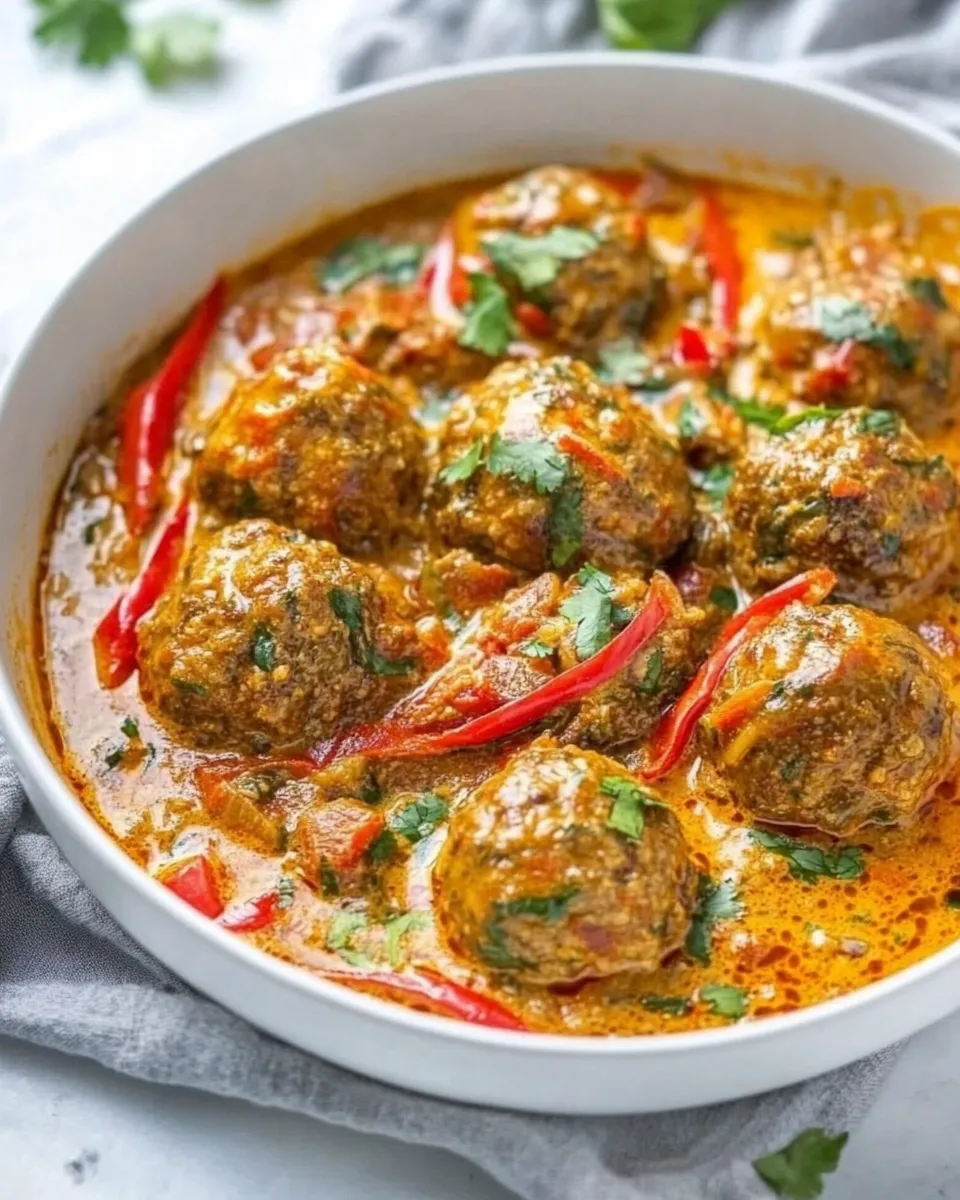
This section covers the core ingredients and what they do in the dish. I list each component exactly as in the recipe and add a short practical note so you know why it matters and how to handle it.
Ingredients
- 1lb ground turkey — lean protein base for the meatballs; keep it cold while shaping for easier handling.
- 1 egg well beaten — binder that helps the meatballs hold together.
- 2 Tbsp liquid aminos — savory seasoning in place of soy; adds depth and saltiness.
- 3 cloves garlic — minced for aromatic punch; press or finely mince for even distribution.
- 1 Tbsp fresh ginger peeled and grated — bright, warming note; grate finely so it blends into the meatballs.
- 2 green onions finely chopped — mild allium and texture; white and green parts both work.
- ¼ cup tapioca flour or more if needed* — light binder; add a tablespoon at a time if the mixture is too wet.
- ½ tsp sea salt — used in the meatball mixture; adjust if your liquid aminos are particularly salty.
- 2 to 3 Tbsp avocado oil for cooking meatballs — neutral, high-heat oil for browning.
- 1 can coconut milk — creates the creamy curry sauce; stir before measuring if separated.
- 2 Tbsp red curry paste — concentrated heat and flavor; taste your paste first—some are hotter than others.
- 1 Tbsp pure maple syrup or coconut sugar optional — a touch of sweetness to balance the curry; omit for stricter Whole30 if you prefer.
- ½ tsp sea salt to taste — for the sauce; add at the end after simmering to avoid over-salting.
- ½ red onion — mild sweetness and body in the sauce; slice or chop per your texture preference.
- ½ red bell pepper — color and crunch that softens during the simmer.
Turkey Meatball Curry — Do This Next
- Prepare the red curry sauce: in a saucepan combine 1 can coconut milk, 2 Tbsp red curry paste, 1 Tbsp pure maple syrup or coconut sugar (optional), and ½ tsp sea salt (or to taste). Bring to a full boil, then reduce heat to low so the sauce maintains a gentle simmer while you prepare the rest of the recipe. Stir occasionally.
- Make the meatball mixture: in a mixing bowl combine 1 lb ground turkey, 1 well-beaten egg, 2 Tbsp liquid aminos, 3 cloves garlic (minced), 1 Tbsp fresh ginger (peeled and grated), 2 green onions (finely chopped), ¼ cup tapioca flour (add more if needed), and ½ tsp sea salt. Use your hands or a stand mixer with the paddle attachment to mix until well combined. If the mixture feels too wet to form, add additional tapioca flour 1 Tbsp at a time until it holds together.
- Heat a large skillet over medium-high heat. Add 2 to 3 Tbsp avocado oil and heat until the oil is hot and shimmering.
- Form meatballs from the turkey mixture, compacting them lightly so they hold together. Place them in the hot skillet without overcrowding (work in batches if necessary).
- Brown the meatballs: let them cook untouched for 2 to 3 minutes to develop a crust, flip and brown the next side for 2 to 3 minutes, then roll or flip to an additional side and cook about 1 minute more. The meatballs should be browned on all sides but may not be fully cooked through. Transfer browned meatballs to a plate and set aside.
- In the same skillet, add the ½ red onion (sliced or chopped) and ½ red bell pepper (sliced or chopped). Sauté, stirring occasionally, until softened, about 4 to 5 minutes.
- Return the browned meatballs to the skillet with the onions and bell pepper. Pour the warmed red curry sauce over everything and stir gently to combine. Bring the mixture to a full boil, then reduce heat to low, cover, and simmer, stirring occasionally, for 15 to 20 minutes, until the meatballs are cooked through and the sauce has thickened.
- Taste and adjust seasoning if needed (add a little more sea salt to taste). Serve the meatball curry warm with your choice of side.
Why This Recipe Is Reliable
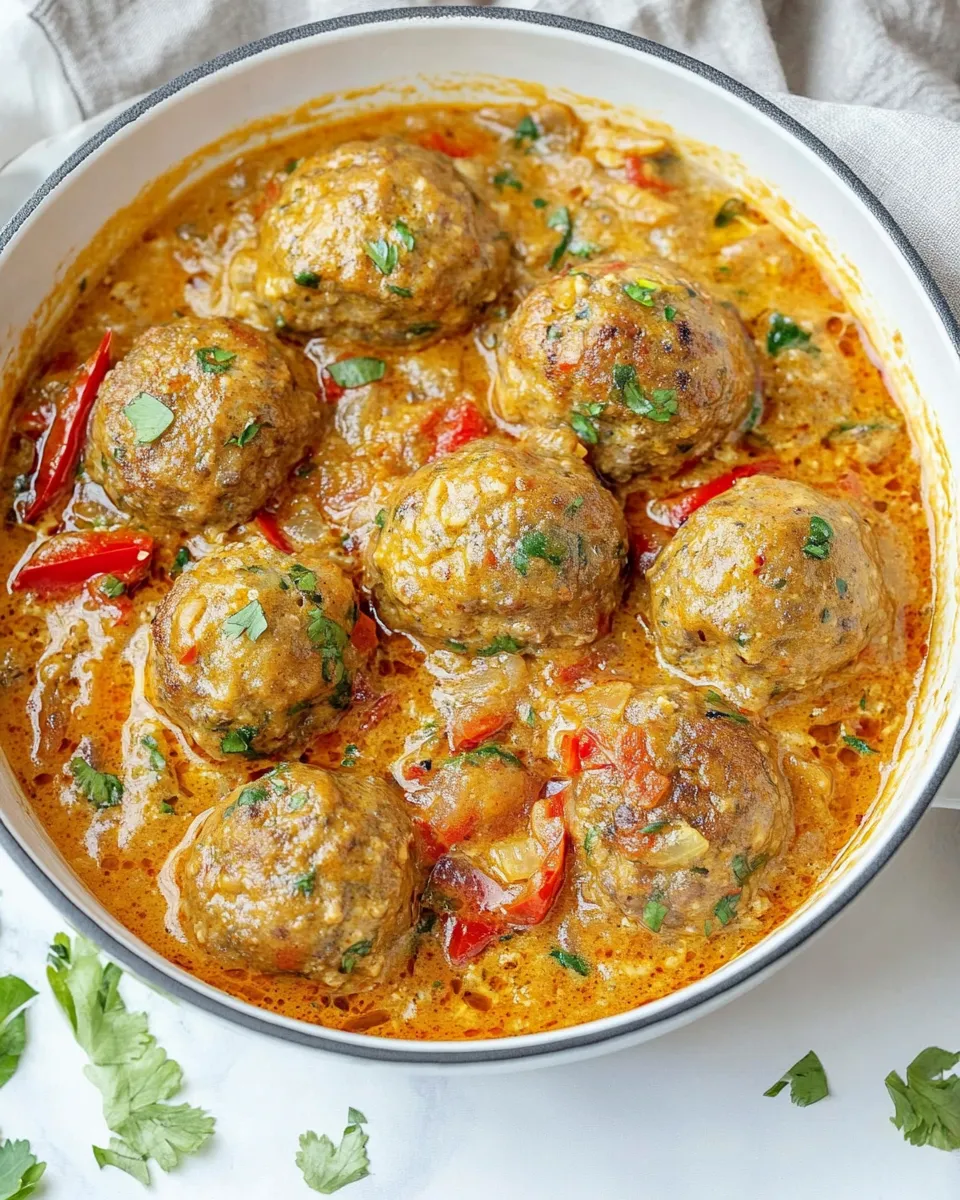
This recipe follows dependable technique: brown first, then finish in sauce. Browning develops flavor and texture; the final simmer cooks the interior gently while the sauce concentrates. The ingredient choices are purposely simple—ground turkey gives a neutral canvas, and tapioca flour is a light binder that keeps the meatballs tender instead of gummy.
The sauce ratio is forgiving. A whole can of coconut milk plus two tablespoons of red curry paste produces a balanced, silky sauce that won’t break or separate if you simmer gently. The optional sweetener is just that—optional. You can omit it or use the small amount suggested to round acidity or heat, which keeps the overall flavor consistent every time.
Smart Substitutions
- Ground turkey — swap for ground chicken if you prefer a similar neutral flavor; don’t substitute beef or pork without adjusting fat expectations.
- Tapioca flour — arrowroot can be used in an equal amount if you have an intolerance, but tapioca gives the lightest texture.
- Liquid aminos — use coconut aminos for a soy-free alternative with a milder sweetness, or low-sodium tamari if not strictly Paleo/Whole30.
- Red curry paste — use less if your paste is very spicy; add more toward the end if you want extra heat.
- Maple syrup/coconut sugar — omit entirely for a fully sugar-free, stricter Whole30 version.
- Avocado oil — any neutral, high-smoke-point oil like refined coconut oil or light olive oil will do in a pinch.
Hardware & Gadgets
No special tools are required. A sturdy skillet that holds heat well (cast iron or stainless steel) is ideal for browning the meatballs. A saucepan for the sauce keeps things tidy, but you can also make the sauce right in the skillet after removing the meatballs if you prefer one-pan cleanup.
Optional useful items: a stand mixer with paddle attachment for quicker mixing, a microplane for grating the ginger, and a slotted spoon to transfer meatballs between pan and plate without splashing oil.
Problems & Prevention
Meatballs falling apart while browning: the mixture may be too wet. Add tapioca flour 1 tablespoon at a time until it holds. Chill the mixture for 10–15 minutes to firm it up if you’re still having trouble.
Soggy or stewed vegetables: don’t overcrowd the skillet when sautéing the onion and pepper. Give them space and cook until they just soften, about 4–5 minutes—overcooking will make them lose texture.
Curdled or separated sauce: simmer gently on low after bringing to a boil. High heat and vigorous boiling can separate coconut milk. Stir occasionally and reduce heat if you see separation starting.
Year-Round Variations
Spring: add a handful of snap peas or blanched asparagus tips in the last 5 minutes of simmering for bright crunch. Summer: fold in halved cherry tomatoes right before serving for acidity and color. Fall/Winter: swap red bell pepper for roasted red peppers for a deeper, sweeter flavor; add a pinch of cinnamon for warmth.
For more protein variety while keeping the same flavors, try making smaller meatballs and serving them over roasted butternut squash in cooler months, or with a fresh cucumber and herb salad in summer for contrast.
Testing Timeline
I recommend the following quick checks during your first couple of runs so you learn how the recipe behaves with your equipment and ingredients:
- After mixing — do a wet-hand test: form a small ball and fry it for 60–90 seconds. If it falls apart, add tapioca flour 1 Tbsp and retest.
- After browning — ensure all sides have a deep, golden crust; that crust is flavor and texture insurance.
- During simmer — check at 12 minutes: meatballs should be nearly cooked through and sauce should start to thicken. Continue to 15–20 minutes as needed.
Leftovers & Meal Prep
Store cooled turkey meatball curry in an airtight container in the refrigerator for up to 3 days. Reheat gently on the stovetop over low heat with a splash of water or additional coconut milk to loosen the sauce, or microwave in short intervals, stirring in between.
For meal prep: portion into single-serving containers over steamed veggies, cauliflower rice, or zoodles. If freezing, freeze flat in freezer-safe containers or bags for up to 2 months; thaw overnight in the fridge before reheating.
Common Qs About Turkey Meatball Curry
Q: Can I make these meatballs ahead and freeze them before simmering?
A: Yes. Brown the meatballs, cool, then freeze on a sheet tray until firm. Transfer to a bag and when ready, simmer from frozen in the warmed curry sauce, adding a few extra minutes to cook through.
Q: Are these safe for Whole30?
A: The base ingredients align with Whole30, but note the optional 1 Tbsp pure maple syrup or coconut sugar—omit it to remain strictly compliant. Also confirm your red curry paste has no unwanted additives (some pastes include sugar or shrimp paste).
Q: How do I know when the meatballs are cooked through?
A: Cut one in half to check; the center should be opaque and reach 165°F if you use an instant-read thermometer. The 15–20 minute simmer step ensures thorough cooking after browning.
Q: My sauce is too thin—how do I thicken it?
A: Reduce it uncovered over medium-low heat for a few minutes to concentrate it, or mash a few meatballs into the sauce to naturally thicken it. Avoid high heat to prevent separation.
The Takeaway
This Turkey Meatball Curry is practical, adaptable, and built on reliable technique: quick browning followed by a gentle simmer in a coconut-based red curry sauce. It’s a great template for weeknight dinners, meal prep, and feeding a crowd without a lot of fuss. Stick to the simple order—make sauce, mix meatballs, brown, then finish in the sauce—and you’ll have a repeatable result that’s both comforting and bright.
If you try it, taste as you go and adjust the salt and spice to your preference. Small tweaks—extra green onion on top, a squeeze of lime, or a handful of fresh herbs—can elevate it without changing the core method. Enjoy, and come back and tell me how you served it.
Turkey Meatball Curry (Paleo, Whole30)
Ingredients
Equipment
Method
- Prepare the red curry sauce: in a saucepan combine 1 can coconut milk, 2 Tbsp red curry paste, 1 Tbsp pure maple syrup or coconut sugar (optional), and ½ tsp sea salt (or to taste). Bring to a full boil, then reduce heat to low so the sauce maintains a gentle simmer while you prepare the rest of the recipe. Stir occasionally.
- Make the meatball mixture: in a mixing bowl combine 1 lb ground turkey, 1 well-beaten egg, 2 Tbsp liquid aminos, 3 cloves garlic (minced), 1 Tbsp fresh ginger (peeled and grated), 2 green onions (finely chopped), ¼ cup tapioca flour (add more if needed), and ½ tsp sea salt. Use your hands or a stand mixer with the paddle attachment to mix until well combined. If the mixture feels too wet to form, add additional tapioca flour 1 Tbsp at a time until it holds together.
- Heat a large skillet over medium-high heat. Add 2 to 3 Tbsp avocado oil and heat until the oil is hot and shimmering.
- Form meatballs from the turkey mixture, compacting them lightly so they hold together. Place them in the hot skillet without overcrowding (work in batches if necessary).
- Brown the meatballs: let them cook untouched for 2 to 3 minutes to develop a crust, flip and brown the next side for 2 to 3 minutes, then roll or flip to an additional side and cook about 1 minute more. The meatballs should be browned on all sides but may not be fully cooked through. Transfer browned meatballs to a plate and set aside.
- In the same skillet, add the ½ red onion (sliced or chopped) and ½ red bell pepper (sliced or chopped). Sauté, stirring occasionally, until softened, about 4 to 5 minutes.
- Return the browned meatballs to the skillet with the onions and bell pepper. Pour the warmed red curry sauce over everything and stir gently to combine. Bring the mixture to a full boil, then reduce heat to low, cover, and simmer, stirring occasionally, for 15 to 20 minutes, until the meatballs are cooked through and the sauce has thickened.
- Taste and adjust seasoning if needed (add a little more sea salt to taste). Serve the meatball curry warm with your choice of side.
Notes
*Depending on the brand of ground turkey you use, you may need to add more tapioca flour to get the meatballs to hold together. Start with 1/4 cup and go up to 2/3 cup if needed. You can also use gluten-free all-purpose flour in place of tapioca flour.