Tuscan Chicken Thigh Skillet
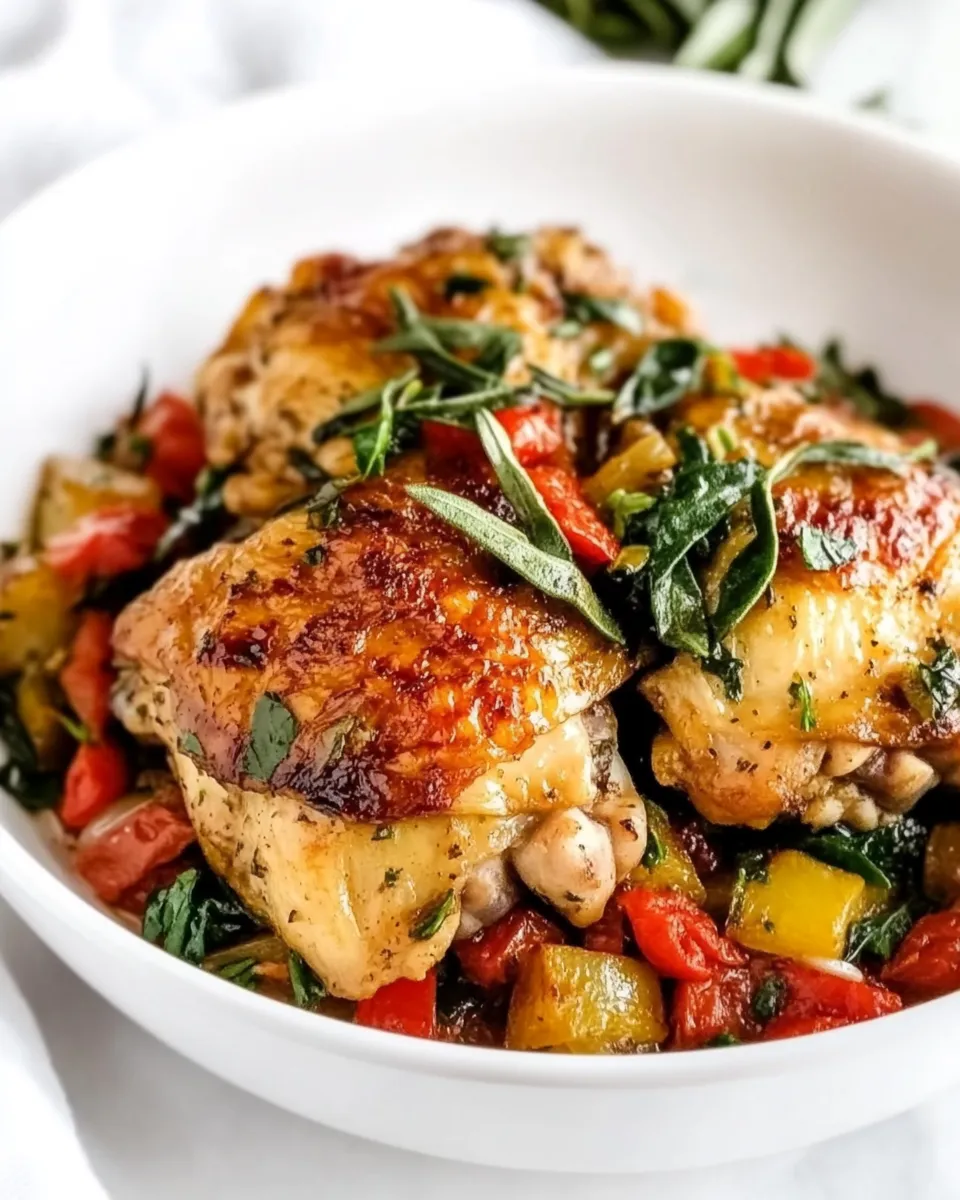
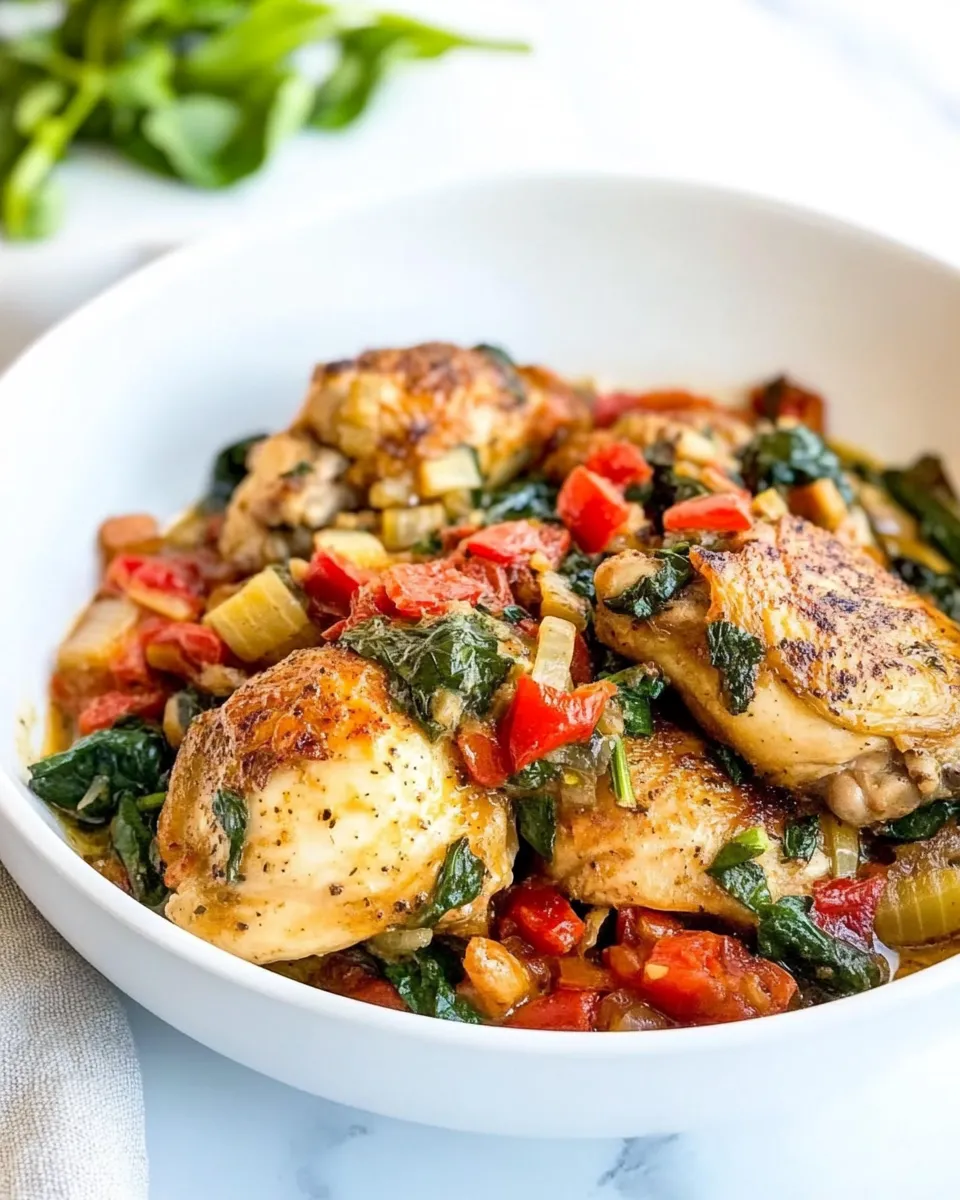
This Tuscan Chicken Thigh Skillet is the kind of weeknight dinner that feels special without asking for extra time or fanciness. It hits the staples: golden-browned chicken, a bright balsamic-honey sauce, juicy tomatoes, and a handful of tender spinach to finish. It’s straightforward and dependable, exactly what I reach for when I want something comforting but not heavy.
I like this recipe because it trusts basic technique—flour for a light crust, a hot skillet to build flavor, and a quick simmer to meld the sauce—rather than a long list of steps or a shopping list full of obscure items. It’s forgiving: the sauce will rescue the chicken if it’s a touch unlucky in the browning stage, and the spinach wilts into the glossy pan juices so nothing goes dry.
Below you’ll find the ingredients, the method in order, sensible gear, common errors to dodge, and practical swaps if you need them. Read through once, prep your mise en place, and this pan will sing in under 30 minutes from start to table.
The Ingredient Lineup
Ingredients
- 3 tablespoons flour — for a light coating that helps the chicken brown and thickens the sauce slightly.
- 1 teaspoon salt — seasons the dredge so the chicken is seasoned through.
- 1/2 teaspoon pepper — adds a touch of background heat to the crust.
- 1/2 teaspoon garlic powder — boosts the garlic flavor without burning in the pan.
- 2 pounds boneless skinless chicken thighs, (about 6-8 chicken thighs) — thighs stay juicy and are forgiving with high heat and short simmering.
- 2 tablespoons olive oil — you need enough oil for a hot, shimmering pan to brown the chicken evenly.
- 6 garlic cloves, pressed — fresh garlic gives the sauce a bright, savory backbone; pressing releases more flavor fast.
- 1/3 cup balsamic vinegar — adds tang and depth; it’s the palate anchor for the sauce.
- 1/4 cup chicken broth — stretches the balsamic into a spoonable sauce and adds savory balance.
- 3 tablespoons honey — tames the vinegar with a glossy sweetness and helps the sauce glaze the chicken.
- 2 roma tomatoes diced — they add fresh, juicy texture and a mild acidity that pairs with balsamic.
- 3 cups fresh baby spinach — wilts quickly into the sauce and adds color, nutrients, and a silky finish.
- shaved parmesan cheese — finish that brightens and rounds the dish with umami and a salty touch.
Step-by-Step: Tuscan Chicken Thigh Skillet
- In a shallow bowl, mix 3 tablespoons flour, 1 teaspoon salt, 1/2 teaspoon pepper, and 1/2 teaspoon garlic powder. Dredge each chicken thigh in the mixture, pressing to coat and shaking off any excess.
- Heat 2 tablespoons olive oil in a large skillet over medium-high heat until shimmering. Add chicken thighs in a single layer (work in batches if the skillet is crowded) and cook 2–3 minutes per side, until golden brown. Transfer browned chicken to a plate.
- Reduce heat to medium. Add 6 pressed garlic cloves to the skillet and cook, stirring, about 30 seconds (do not let the garlic burn).
- Pour in 1/3 cup balsamic vinegar, 1/4 cup chicken broth, and 3 tablespoons honey. Stir and scrape the browned bits from the bottom of the skillet to incorporate into the sauce.
- Add the 2 diced Roma tomatoes to the skillet and bring the sauce to a brief boil.
- Return the chicken thighs to the skillet, nestle them into the sauce, cover, reduce the heat to low, and simmer for 3–4 minutes.
- Add 3 cups fresh baby spinach, recover, and cook 2–3 minutes more, until the spinach is wilted and the chicken reaches an internal temperature of 165°F. If the chicken hasn’t reached 165°F, continue to simmer a few more minutes and recheck.
- Remove from heat, spoon sauce over the chicken, and sprinkle with shaved Parmesan cheese before serving.
What Sets This Recipe Apart
Three simple things: the balance of sweet and tangy from balsamic and honey, the quick sear that creates those browned bits (fond) for flavor, and the late addition of spinach so it keeps color and silkiness. It’s not overloaded with cream or heavy butter; instead it leans on the natural juices and a short, bright sauce to carry everything.
This approach keeps the thighs juicy while delivering a sauce that’s clingy but not gloopy. The tomatoes and garlic are minimal but purposeful—freshness and aromatics without diluting the main flavors. If you want a dish that tastes like effort without the effort, this one fits the brief.
Texture-Safe Substitutions
If someone at your table needs softer bites or crisper textures, here are safe swaps that won’t break the method:
- For a firmer bite, use skin-on thighs and brown for an extra minute per side, then lower the heat when simmering so the skin stays crisp.
- For a softer bite, cut thighs into large pieces before dredging to reduce cooking time and make each forkful tender.
- If wilted greens are a problem, replace baby spinach with arugula added off heat for a peppery leaf that softens only slightly.
- To avoid any crunch from the dredge, shake off more flour so the coating is thinner and the sauce softens it quickly.
What You’ll Need (Gear)
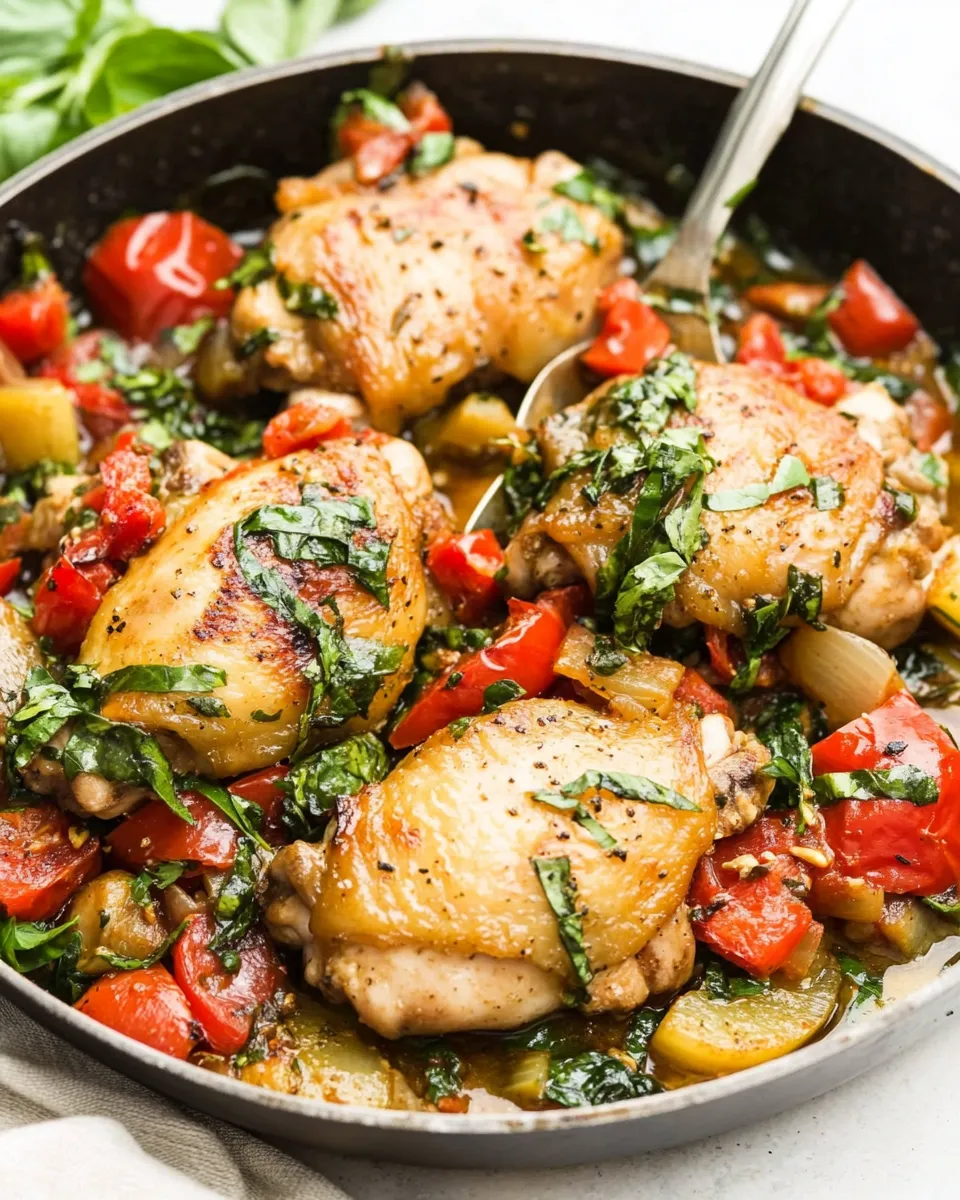
- Large skillet (10–12 inch) — roomy enough to hold chicken in a single layer for even browning.
- Shallow bowl or pie plate — for mixing the flour dredge.
- Tongs or a spatula — to turn chicken without tearing the coating.
- Instant-read thermometer — helpful to check chicken reaches 165°F without cutting into it.
- Wooden spoon or silicone spatula — for scraping up the fond and stirring the sauce.
Frequent Missteps to Avoid
Don’t rush the sear. If the pan isn’t hot enough or the chicken is crowded, you won’t get a golden crust and you’ll steam instead of brown. Work in batches if necessary.
Don’t let the garlic burn. It only needs about 30 seconds in medium heat to bloom; burned garlic turns bitter and will spoil the sauce.
Don’t overcook the chicken. Because thighs are forgiving, they tolerate a short simmer, but check with a thermometer. Remove the pan from heat once it hits 165°F and let carryover bring it perfectly to temperature if it’s close.
Substitutions by Diet
Here are straightforward swaps for common dietary needs. I’m not changing amounts—these are one-to-one ingredient-type swaps you can use as guidance.
- Lower-sugar: Replace honey with a sugar substitute like a 1:1 liquid sweetener, or reduce honey slightly and increase chicken broth to maintain volume.
- Gluten-free: Use a gluten-free all-purpose flour blend instead of regular flour for the dredge.
- Dairy-free: Omit the shaved Parmesan at the end or sprinkle a dairy-free, savory alternative if you keep one on hand.
- Higher-protein/low-carb: Serve the finished skillet over cauliflower rice or shredded cabbage instead of grains or potatoes.
Method to the Madness
This dish follows a simple flavor architecture: brown, aromatics, deglaze, build, finish. Browning the chicken creates the fond that we then lift with balsamic and chicken broth; this is where the deepest flavor lives. Honey balances the acidity, tomatoes add juiciness and texture, and spinach brings brightness and body without diluting the sauce.
Timing matters. The dish moves quickly once you start: sear, quick sauté of garlic, fast deglaze, and a short simmer. If you keep your mise en place—mise en skillet?—ready, the transitions are smooth and the final result is balanced.
Storage & Reheat Guide
Store leftovers in an airtight container in the refrigerator for up to 3 days. The sauce will thicken as it cools; that’s normal. To reheat, warm gently on the stovetop over low heat with a splash of chicken broth or water to loosen the sauce. Cover the pan to help the chicken warm through without drying out.
For freezer storage, place cooled chicken and sauce in a freezer-safe container for up to 2 months. Thaw in the refrigerator overnight before reheating slowly on the stovetop.
Your Questions, Answered
Can I use chicken breasts instead of thighs?
Yes. Use thin-cut breasts or butterfly thicker breasts so they brown quickly and don’t overcook during the short simmer. Watch the internal temp closely; breasts will hit 165°F faster than thighs.
Why press the garlic?
Pressing releases more surface area and oils quickly, which blooms flavor in a short saute. We only cook it about 30 seconds to avoid bitterness.
My sauce is too thin. How do I thicken it?
Simmer uncovered for a couple of minutes to reduce and concentrate the sauce. Alternatively, remove the chicken, increase heat briefly to reduce, then return the chicken to finish.
Bring It to the Table
Serve this skillet family-style right from the pan or spoon it over a bed of wide egg noodles, mashed potatoes, or crusty bread to soak up the sauce. A simple green salad and a bright lemon wedge on the side help cut the sweetness of the balsamic-honey sauce if you prefer more acidity.
Finish each portion with a few shards of shaved Parmesan and a quick grind of black pepper. It’s home cooking that looks and tastes like you stayed in the kitchen a little longer than you did—perfect for weeknights, small dinner parties, or any time you want a fuss-free, flavorful meal.
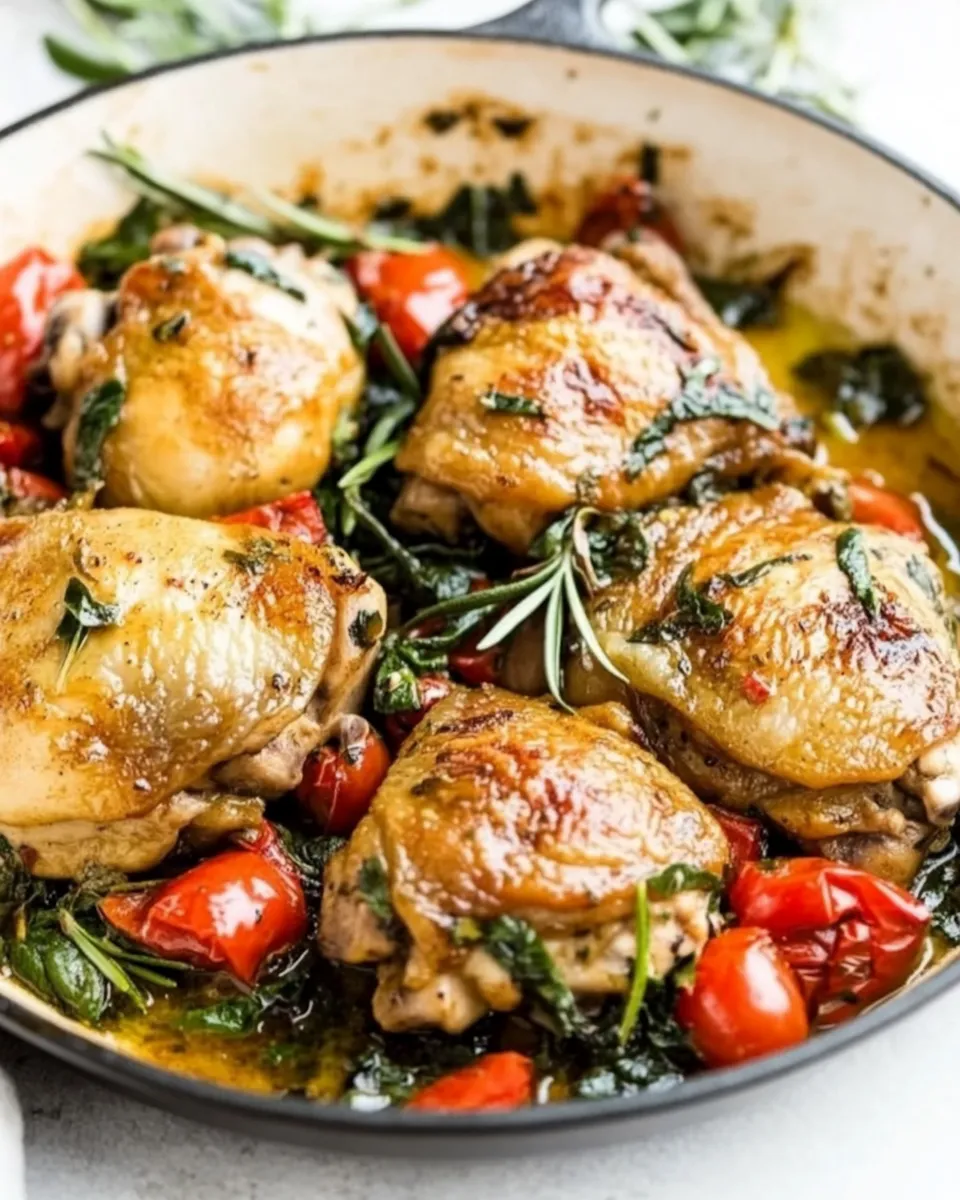
Tuscan Chicken Thigh Skillet
Ingredients
Method
- In a shallow bowl, mix 3 tablespoons flour, 1 teaspoon salt, 1/2 teaspoon pepper, and 1/2 teaspoon garlic powder. Dredge each chicken thigh in the mixture, pressing to coat and shaking off any excess.
- Heat 2 tablespoons olive oil in a large skillet over medium-high heat until shimmering. Add chicken thighs in a single layer (work in batches if the skillet is crowded) and cook 2–3 minutes per side, until golden brown. Transfer browned chicken to a plate.
- Reduce heat to medium. Add 6 pressed garlic cloves to the skillet and cook, stirring, about 30 seconds (do not let the garlic burn).
- Pour in 1/3 cup balsamic vinegar, 1/4 cup chicken broth, and 3 tablespoons honey. Stir and scrape the browned bits from the bottom of the skillet to incorporate into the sauce.
- Add the 2 diced Roma tomatoes to the skillet and bring the sauce to a brief boil.
- Return the chicken thighs to the skillet, nestle them into the sauce, cover, reduce the heat to low, and simmer for 3–4 minutes.
- Add 3 cups fresh baby spinach, recover, and cook 2–3 minutes more, until the spinach is wilted and the chicken reaches an internal temperature of 165°F. If the chicken hasn’t reached 165°F, continue to simmer a few more minutes and recheck.
- Remove from heat, spoon sauce over the chicken, and sprinkle with shaved Parmesan cheese before serving.
Notes
Substitutions:
You can substitute boneless skinless chicken breasts, but adjust the cooking time accordingly, as they’ll need less time in the skillet.
How to Store:
To save leftovers, separate into meal sized portions and then place in an airtight container and store in the refrigerator for 3-4 days.
How to Freeze:
Leftovers can be frozen in an airtight container or freezer bag for up to 1 month.
How to Reheat:
Thaw overnight in the refrigerator and reheat in the microwave or in a covered baking dish at 350ºF.