Ultimate Veggie Burger
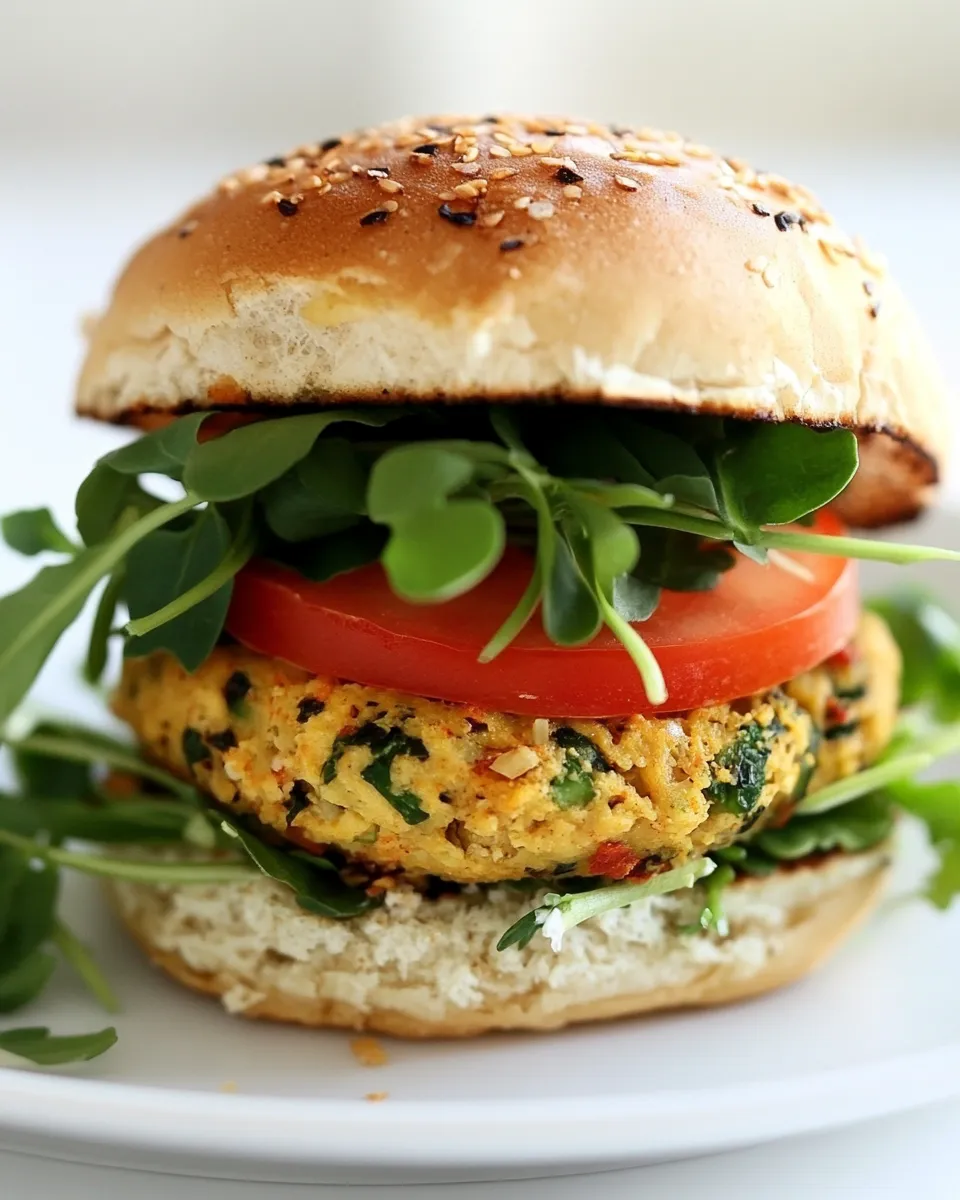
When I first tested this patty, I wanted something reliable: hearty, herb-bright, and capable of standing up to a toasted bun and my favorite toppings. The recipe leans on garbanzo beans for body and eggs to bind, with lemon zest and cilantro lifting the flavor so each bite feels fresh instead of dense. It’s straightforward, forgiving, and makes a dozen patties — perfect for feeding a crowd or building a weekly meal prep routine.
I write recipes I’ll actually cook on a weekday, not just admire in a glossy photo. That means clear timing, sensible tools, and real tips for rescuing a mixture that’s too wet or a skillet that won’t brown. Follow the method exactly for dependable results, then use the Chef’s Notes and Seasonal Spins to adapt the burger to what you have on hand.
Below you’ll find the ingredients (with role-notes), the step-by-step method exactly as tested, and practical advice for storage, substitutions, and common pitfalls. Read through once, then dive in — these patties come together quickly once the beans are processed and the skillet is hot.
What Goes Into Ultimate Veggie Burger
Ingredients
- 2 1/2 cups sprouted garbanzo beans (chickpeas) OR canned garbanzos, drained and rinsed — the primary protein and texture base; sprouted beans are slightly sweeter and tenderer.
- 4 large eggs — bind the mixture and add structure when forming and cooking the patties.
- 1/2 teaspoon fine-grain sea salt — seasons the whole mixture; adjust very slightly to taste if using salted ingredients.
- 1/3 cup chopped fresh cilantro — bright herb note to lift the bean base and cut richness.
- 1 onion, chopped — adds savory depth and some moisture; size and sharpness affect overall flavor.
- Grated zest of one large lemon — concentrated citrus aroma that keeps the patties tasting fresh.
- 1 cup micro sprouts, chopped (try broccoli, onion, or alfalfa sprouts) — small, crunchy bursts; they add texture and a peppery/green note.
- 1 cup toasted (whole-grain) bread crumbs — soaks up moisture and helps the patties hold their shape; toasting adds flavor.
- 1 tablespoon extra-virgin olive oil (or clarified butter) — for cooking; olive oil gives a clean flavor, clarified butter adds richness and higher smoke point.
Method: Ultimate Veggie Burger
- If using sprouted garbanzo beans: steam them until just tender, about 10 minutes. If using canned garbanzos: drain and rinse well. Transfer the cooked or drained garbanzos to a food processor.
- Add the 4 eggs and 1/2 teaspoon fine-grain sea salt to the food processor. Pulse and puree until the mixture is the consistency of a very thick, slightly chunky hummus, stopping to scrape down the sides as needed.
- Transfer the pureed garbanzo mixture to a large mixing bowl. Stir in 1/3 cup chopped fresh cilantro, the chopped onion, the grated zest of one large lemon, and 1 cup chopped micro sprouts.
- Add 1 cup toasted whole-grain bread crumbs and stir to combine. Let the mixture rest 2–3 minutes so the crumbs absorb moisture. The mixture should be moist but hold together.
- If the mixture is too loose to form patties, add additional bread crumbs a tablespoon at a time until it firms enough to hold shape. (Do not add other ingredients.)
- Divide the mixture into 12 equal portions and shape each portion into a patty, pressing gently to compact so each patty holds together.
- Heat 1 tablespoon extra-virgin olive oil in a heavy skillet over medium-low heat until hot but not smoking. Working in batches (about 4 patties per batch to avoid crowding), add patties to the skillet, cover, and cook 7 to 10 minutes, until the bottoms begin to brown. If there is no browning after 10 minutes, raise the heat slightly.
- Flip the patties and cook the second side about 7 minutes more, or until golden and cooked through. Transfer cooked patties to a wire rack while you cook the remaining batches.
- Let the patties rest briefly on the wire rack before serving.
Why This Recipe is a Keeper
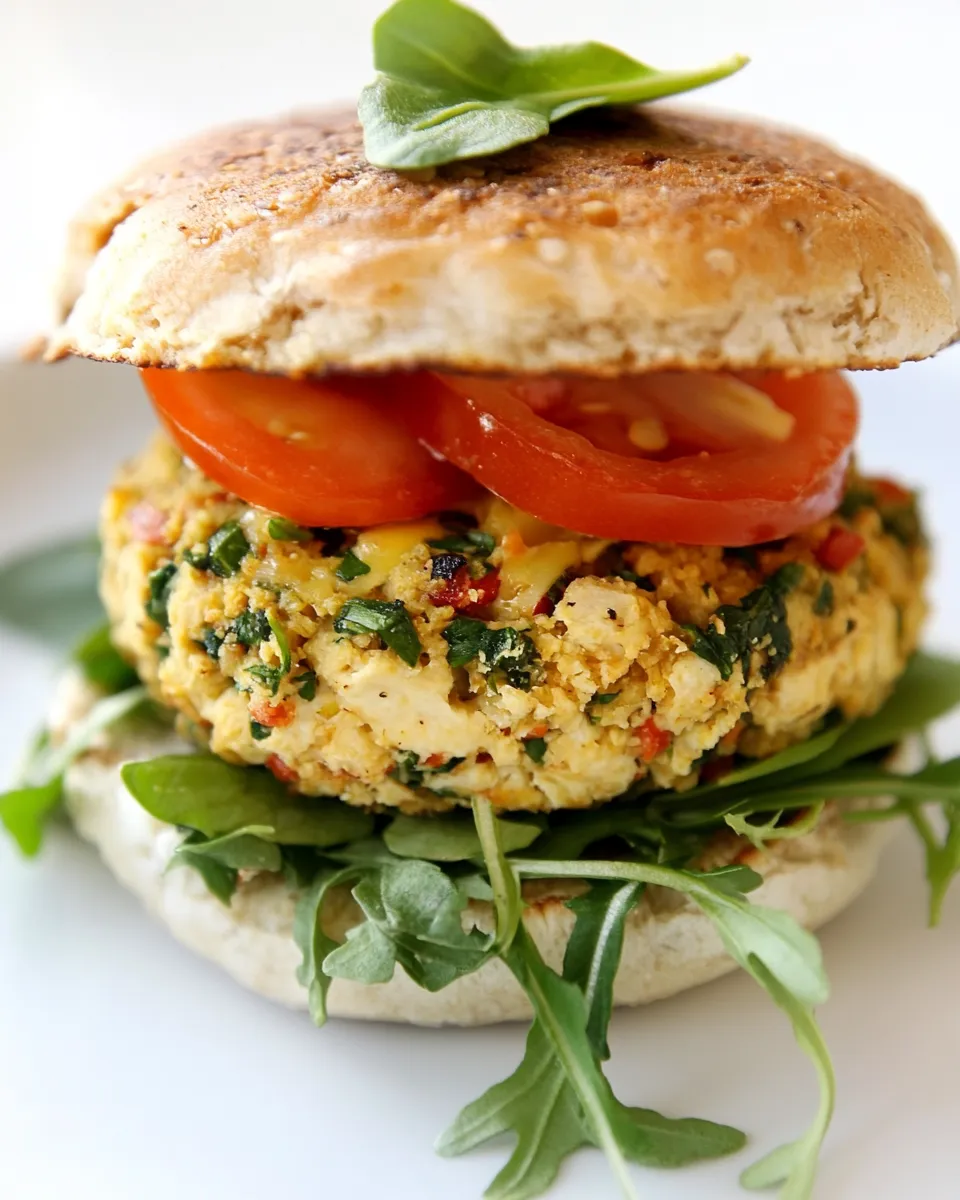
These patties strike a useful balance: they’re sturdy enough to be handled like a classic burger but bright enough to avoid that flat, one-note bean flavor. Using a food processor to puree the beans with eggs minimizes hands-on time and creates a uniform texture that holds together during cooking. The lemon zest and cilantro are small details that make a big difference — they turn a plain legume mash into something distinctly burger-like and craveable.
It’s also practical. The recipe yields 12 patties, so one cook-through sets you up for several meals — sandwiches, salad toppers, or freezer-ready dinners. The ingredient list is short and pantry-friendly. You’ll find the steps reliable because they account for common issues (too wet, not browning) and give simple, single-variable fixes.
Allergy-Friendly Substitutes
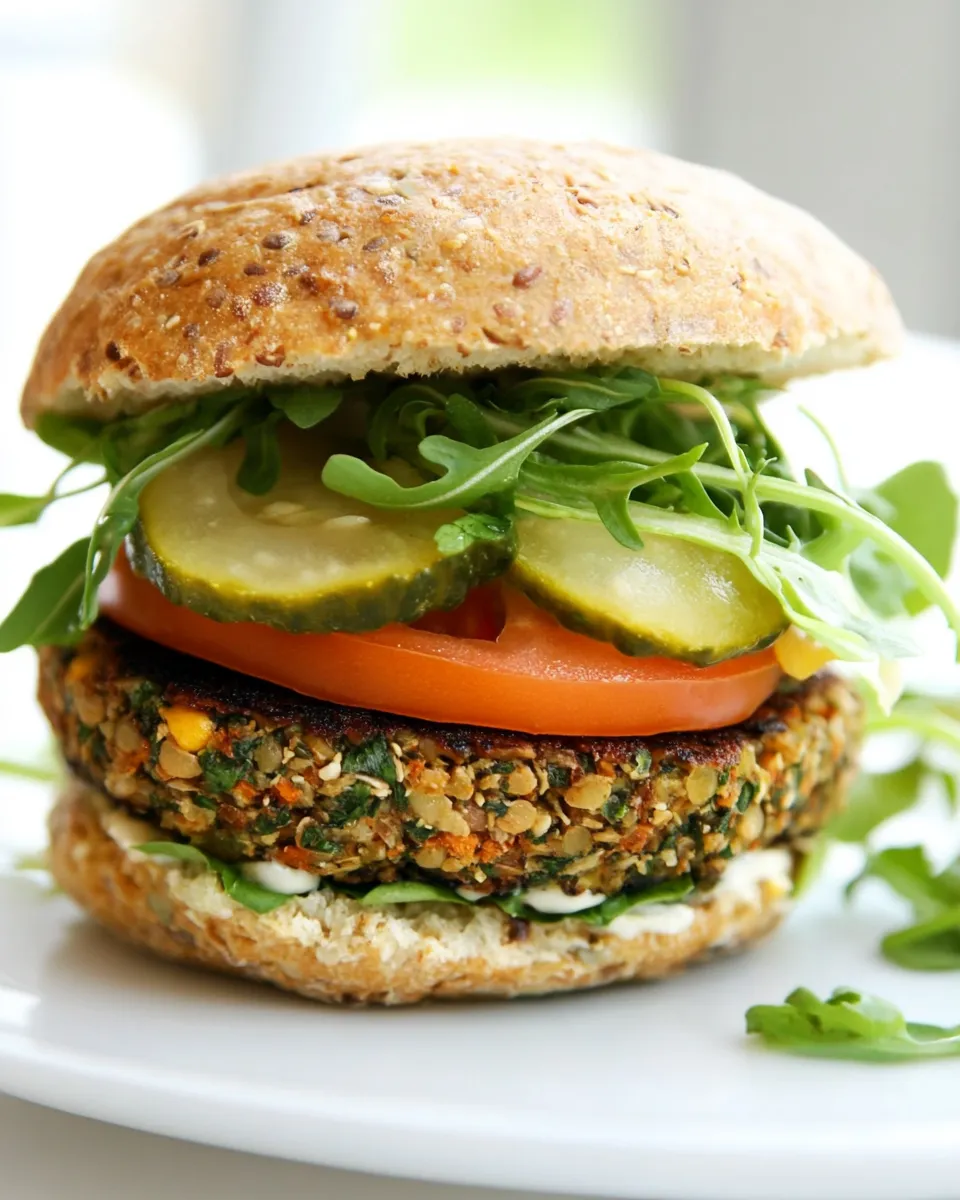
This particular recipe relies on eggs and breadcrumbs for binding and texture. If you, or someone you’re cooking for, have allergies, here are straightforward swaps and notes on how they affect the result.
- Egg allergy: I can’t recommend a perfect swap without changing texture. Aquafaba sometimes works as a binder, but I did not test it here. If you try aquafaba, expect a softer patty and test one batch first before shaping all 12.
- Gluten allergy: replace the whole-grain breadcrumbs with toasted gluten-free breadcrumbs or fine gluten-free rolled oats processed to a breadcrumb texture. Watch moisture absorption; you may need slightly less or more depending on the binder.
- Dairy allergy: the recipe already avoids dairy if you choose olive oil for cooking. If using clarified butter, switch to olive oil or another neutral oil instead.
- Nut-free: recipe is nut-free as written. When swapping breadcrumbs, avoid nut-based flours unless you know they’re safe for your kitchen.
Toolbox for This Recipe
Use tools that make the job cleaner and more repeatable. You don’t need fancy gadgets, but a few basic items will help:
- Food processor — for pulsing beans and eggs to the correct hummus-like texture.
- Large mixing bowl — for finishing the mixture and adding crumbs and herbs.
- Heavy skillet (cast iron preferred) — holds heat and produces the best browning.
- Wire rack — important to keep finished patties from steaming and getting soggy.
- Spatula or tongs — for flipping; use a thin-turner to ease under patties without breaking them.
- Measuring cups and spoons — accurate salt and crumbs make a consistent outcome.
Mistakes That Ruin Ultimate Veggie Burger
There are a few simple missteps that will sabotage these patties. Avoid them.
- Skipping the rest after adding breadcrumbs. If you don’t let crumbs absorb moisture for 2–3 minutes, the mixture won’t bind properly and the patties can fall apart during cooking.
- Over-processing the beans. If you puree too long the texture becomes pasty and dense. Aim for a thick, slightly chunky hummus consistency.
- Adding other ingredients to tighten a loose mixture. The source method says specifically: if too loose, add breadcrumbs a tablespoon at a time. Don’t add flour, extra egg, or other random thickeners — they change texture and flavor in unpredictable ways.
- Crowding the skillet. Trying to cook too many patties at once prevents browning. Work in batches (about 4 at a time) and give them room.
- High heat from the start. Browning comes from steady medium-low heat here. If you crank the heat to rush browning, the outsides will scorch before the centers set.
Seasonal Spins
These patties are a great blank slate for seasonality. Small swaps let you reflect produce at its best without changing the core method.
- Spring: add finely chopped mint or dill in place of some cilantro, and top burgers with quick-pickled radishes for peppery crunch.
- Summer: mix in a tablespoon of roasted red pepper purée or fold in diced charred corn for sweetness and color.
- Fall: stir in a small amount of grated roasted squash or sweet potato and a pinch of smoked paprika to introduce a warm, cozy note.
- Winter: use preserved lemon rind (finely minced) instead of zest for a stronger citrus-umami profile, and fold in some finely chopped roasted mushrooms for earthiness.
Chef’s Notes
Small details matter. Use these practical pointers to make every batch turn out the way you want.
- Beans: sprouted beans steam faster and taste lighter. If using canned garbanzos, rinse them thoroughly to remove canning liquid flavors and salt.
- Onion: if your onion is very sharp, soak the chopped pieces briefly in cold water and drain to soften the bite before mixing in.
- Breadcrumbs: toasting whole-grain crumbs concentrates flavor and reduces the chance of soggy centers. You can toast them in a dry skillet until just fragrant.
- Browning: if you’ve cooked a batch and the skillet accumulates browned bits, wipe it clean between batches or reduce heat briefly to avoid burning those bits onto the next patties.
- Serving: let patties rest on a wire rack (not paper towels) so air circulates and crispness is preserved.
Storage Pro Tips
One of the best things about this recipe is how well the patties keep. Here are several practical options depending on how long you want to store them.
- Short-term refrigerated: cool completely on a wire rack, then store in an airtight container for up to 4 days. Layer with parchment to prevent sticking.
- Freezing: flash-freeze patties on a tray until firm, then transfer to a freezer bag. They’ll keep well for 2–3 months. Reheat from frozen in a skillet over low heat, covered, to ensure even heating.
- Reheating: gently reheat in a skillet over low-medium heat with a splash of oil and a lid to warm through without drying. Avoid microwaving unless you’re in a hurry; it softens the exterior.
- Batching: because this yields 12 patties, plan portioning based on your week. Freeze in groups of 2–4 for easy sandwich assembly on busy nights.
Ask & Learn
If something didn’t behave the way you expected, here are quick diagnostics and fixes based on common reader questions I get.
- Patty falls apart while flipping — the mixture was too loose. Add breadcrumbs one tablespoon at a time until it firms, then chill briefly before forming again.
- No browning after 10 minutes — the heat was too low or the skillet crowded. Raise heat slightly and cook in smaller batches. A heavy skillet helps retain heat between flips.
- Too dry or crumbly — you over-added crumbs (or used an overly dry breadcrumb). Mix in a small beaten egg or a teaspoon or two of water, but only after testing a single patty.
- Flavor too flat — try more lemon zest and a sprinkle of flaky salt right before serving; herbs and acid brighten the whole thing.
The Last Word
This Ultimate Veggie Burger is one I rely on when I want a plant-forward, satisfying sandwich that doesn’t require exotic pantry items. It’s designed to be dependable: if you follow the method and pay attention to the moisture test after adding breadcrumbs, you’ll get twelve even, flavorful patties ready for buns, salads, or a freezer stash.
Make the recipe as written the first time. Once you’ve nailed the texture and timing, personalize it: change the herb, fold in seasonal add-ins, or swap breadcrumbs for a certified gluten-free option. Keep notes on what you change so your next batch is even better. Happy cooking — and enjoy that crisp edge and fresh lemon lift.
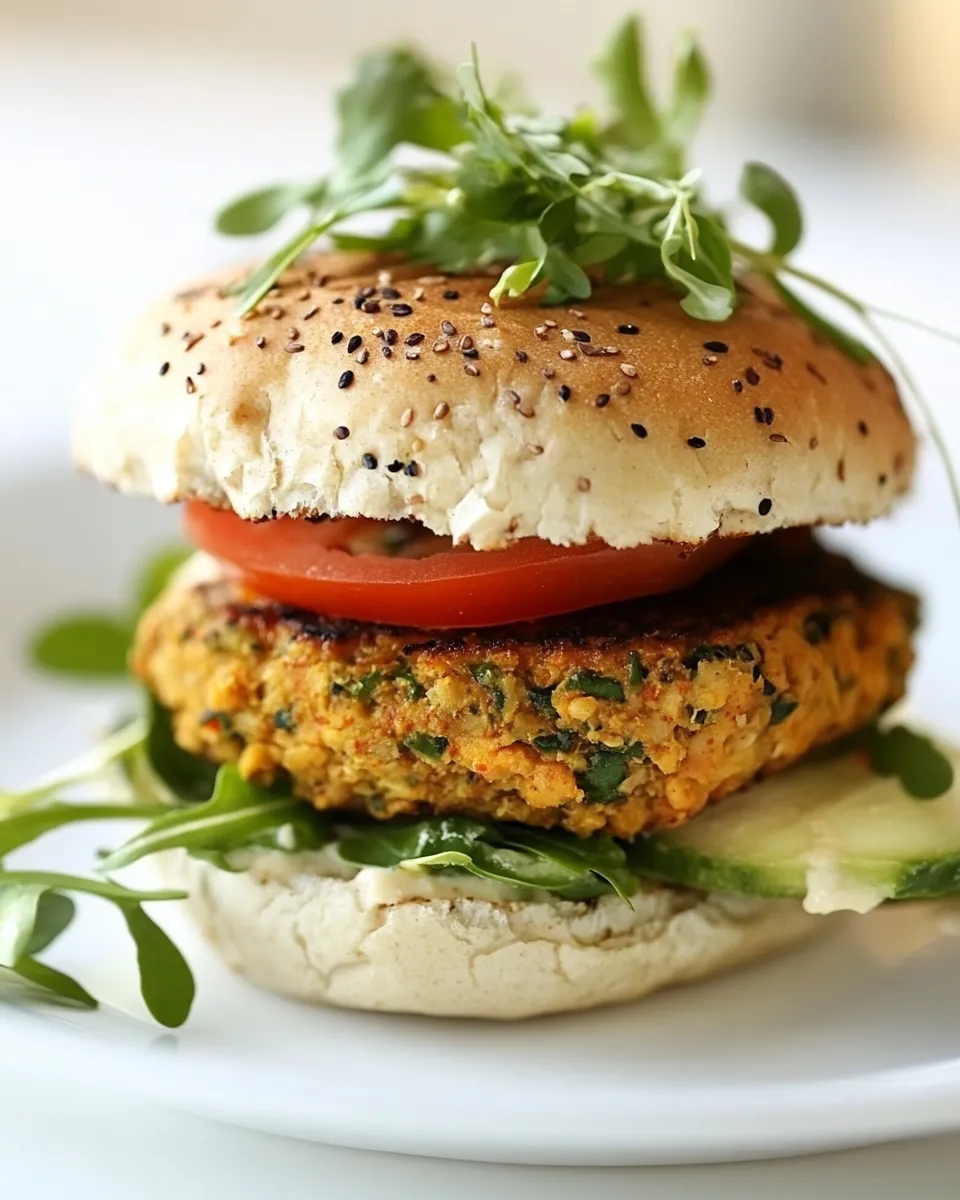
Ultimate Veggie Burger
Ingredients
Equipment
Method
- If using sprouted garbanzo beans: steam them until just tender, about 10 minutes. If using canned garbanzos: drain and rinse well. Transfer the cooked or drained garbanzos to a food processor.
- Add the 4 eggs and 1/2 teaspoon fine-grain sea salt to the food processor. Pulse and puree until the mixture is the consistency of a very thick, slightly chunky hummus, stopping to scrape down the sides as needed.
- Transfer the pureed garbanzo mixture to a large mixing bowl. Stir in 1/3 cup chopped fresh cilantro, the chopped onion, the grated zest of one large lemon, and 1 cup chopped micro sprouts.
- Add 1 cup toasted whole-grain bread crumbs and stir to combine. Let the mixture rest 2–3 minutes so the crumbs absorb moisture. The mixture should be moist but hold together.
- If the mixture is too loose to form patties, add additional bread crumbs a tablespoon at a time until it firms enough to hold shape. (Do not add other ingredients.)
- Divide the mixture into 12 equal portions and shape each portion into a patty, pressing gently to compact so each patty holds together.
- Heat 1 tablespoon extra-virgin olive oil in a heavy skillet over medium-low heat until hot but not smoking. Working in batches (about 4 patties per batch to avoid crowding), add patties to the skillet, cover, and cook 7 to 10 minutes, until the bottoms begin to brown. If there is no browning after 10 minutes, raise the heat slightly.
- Flip the patties and cook the second side about 7 minutes more, or until golden and cooked through. Transfer cooked patties to a wire rack while you cook the remaining batches.
- Let the patties rest briefly on the wire rack before serving.