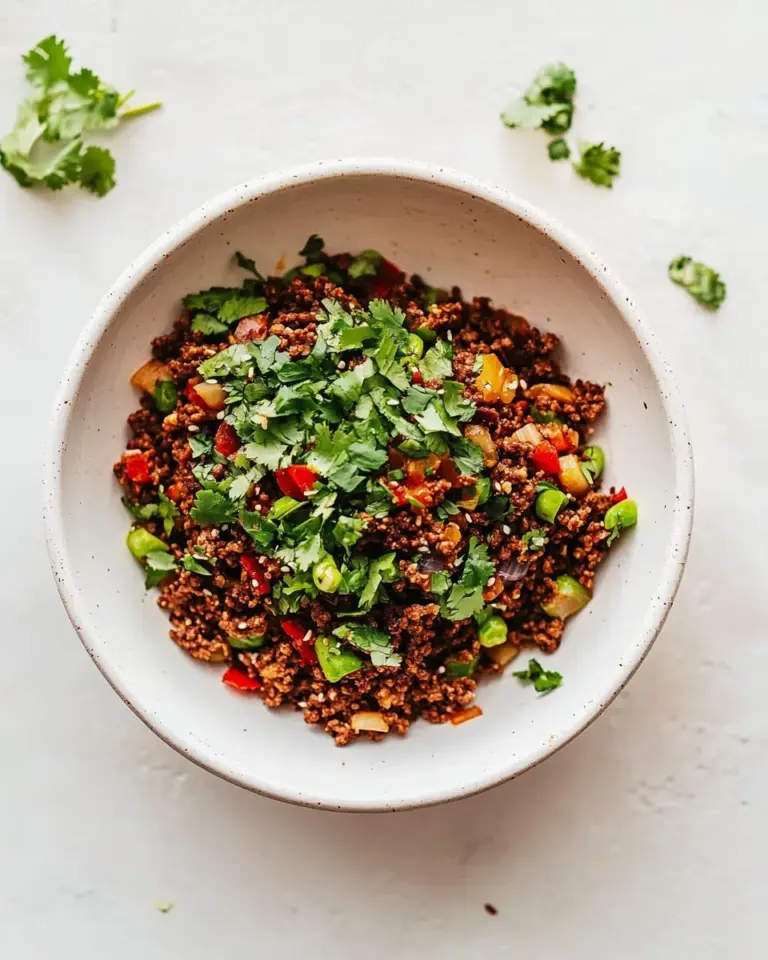
Veggie Stir Fry With Rice
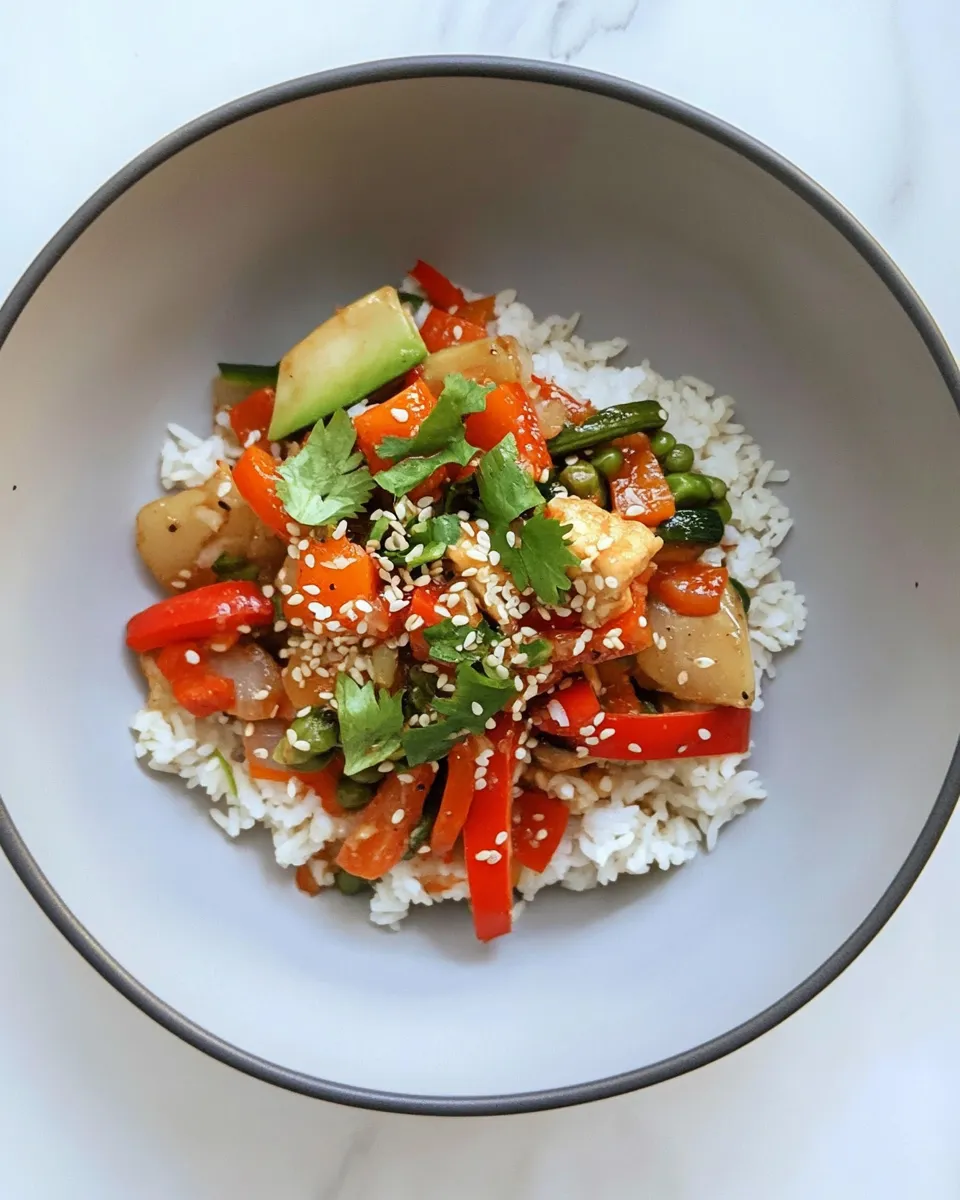
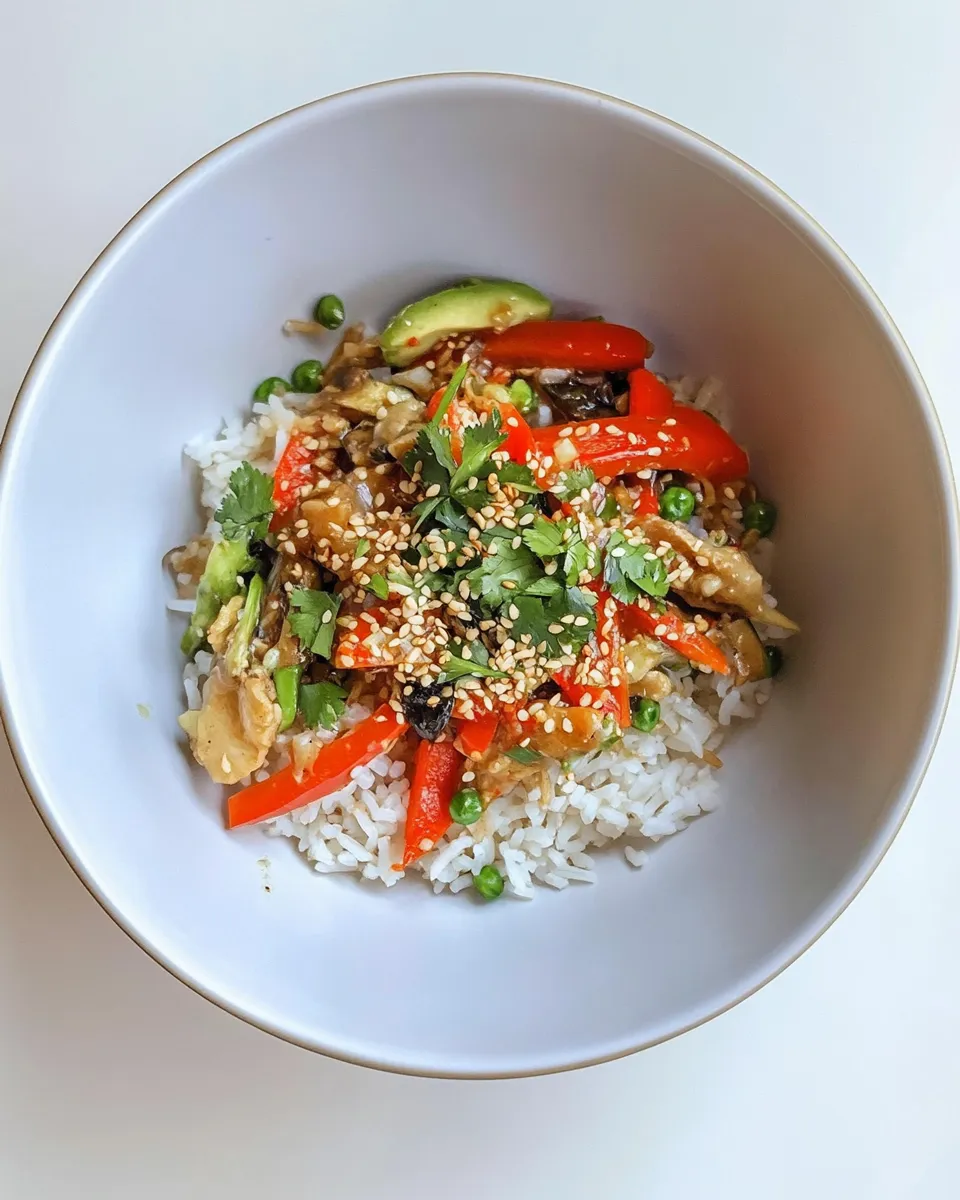
I put this Veggie Stir Fry With Rice on repeat when I need a fast, satisfying meal that doesn’t rely on a long grocery list or complicated steps. It’s built around pantry staples and a couple of fresh items, and it comes together quickly on a hot pan. I like it as a solo lunch, a cozy weeknight dinner, or a way to use up that small handful of rice and the half avocado in the fridge.
There’s practicality here: short prep, minimal cleanup, and flavors that actually matter — a hit of soy for umami, a whisper of sesame seeds for nuttiness, and sriracha if you want a lift. The texture balance matters too: tender-crisp vegetables, soft rice warmed through, and a creamy avocado finish. It’s simple, but it’s deliberate.
Below I lay out the ingredients as written, then walk you straight through the exact step-by-step method I use. Following the directions exactly will get you a reliably tasty plate every time. Read the swaps and tips to adapt without wrecking the balance.
Ingredient Checklist
Ingredients
- 1 tsp olive oil — for frying and coating the pan; substitute ghee if you prefer a richer note.
- 1 medium carrot — diced into 1” chunks; provides sweetness and bite.
- ¼ medium onion — diced into 1” chunks (yellow); builds savory depth.
- ¼ medium bell pepper — red, yellow, or green; cut into 1” chunks for color and texture.
- ¼ cup rice, cooked — white or brown; rice leftovers work perfectly here.
- 2 tbsp water — helps loosen and reheat the rice without drying out the pan.
- 1 tsp soy sauce — primary seasoning for the rice and vegetables.
- ½ small avocado — sliced or diced for a creamy finish.
- 1 tsp sesame seeds — garnish that adds a toasty crunch.
- 1 sprig parsley — finely chopped; freshens the dish (substitute cilantro if you prefer).
- 1 tsp sriracha sauce — optional; adds heat if you like it spicy.
Veggie Stir Fry With Rice: Step-by-Step Guide
- Prep: Dice the 1 medium carrot and ¼ medium yellow onion into 1″ chunks. Cut the ¼ medium bell pepper into 1″ chunks. Measure ¼ cup cooked rice, 2 tbsp water, 1 tsp soy sauce, 1 tsp sesame seeds, and 1 tsp sriracha (optional). Slice or dice ½ small avocado and finely chop the 1 sprig parsley (or cilantro).
- Heat the pan: Heat a medium or large wok or frying pan over medium-high heat until hot. Add 1 tsp olive oil (or ghee) and swirl to coat.
- Cook the vegetables: Add the diced carrot, onion, and bell pepper to the pan. Stir every 2 minutes and cook until the vegetables are softened and beginning to brown, about 8–10 minutes.
- Add rice and season: Add the ¼ cup cooked rice, 2 tbsp water, and 1 tsp soy sauce. Reduce the heat to medium and stir to combine, breaking up any rice clumps.
- Finish cooking: Cook, stirring occasionally, until the water has mostly evaporated and the rice is heated through, about 2–3 minutes. Taste and adjust by adding the sriracha if using.
- Serve: Remove from heat, transfer to a plate, and garnish with the ½ small avocado, 1 tsp sesame seeds, and the chopped parsley (or cilantro). Serve immediately.
Why It Works Every Time
This dish succeeds because it follows a few consistent rules: cook the vegetables long enough for sweetness and slight browning, use a splash of liquid to reheat and separate rice grains, and finish with fresh, contrasting textures. The olive oil (or ghee) quickly transfers heat and promotes browning. Stirring the veg every couple of minutes gives you tender centers and caramelized edges; those browned bits are where flavor lives.
The small measured amount of soy sauce seasons without drowning the dish, and 2 tablespoons of water are just enough to release steam and break up rice clumps without turning the pan into a stew. Topping with avocado and herbs adds a cool, bright counterpoint to the warm, savory stir fry. Sesame seeds bring the last, satisfying crunch.
Vegan & Vegetarian Swaps
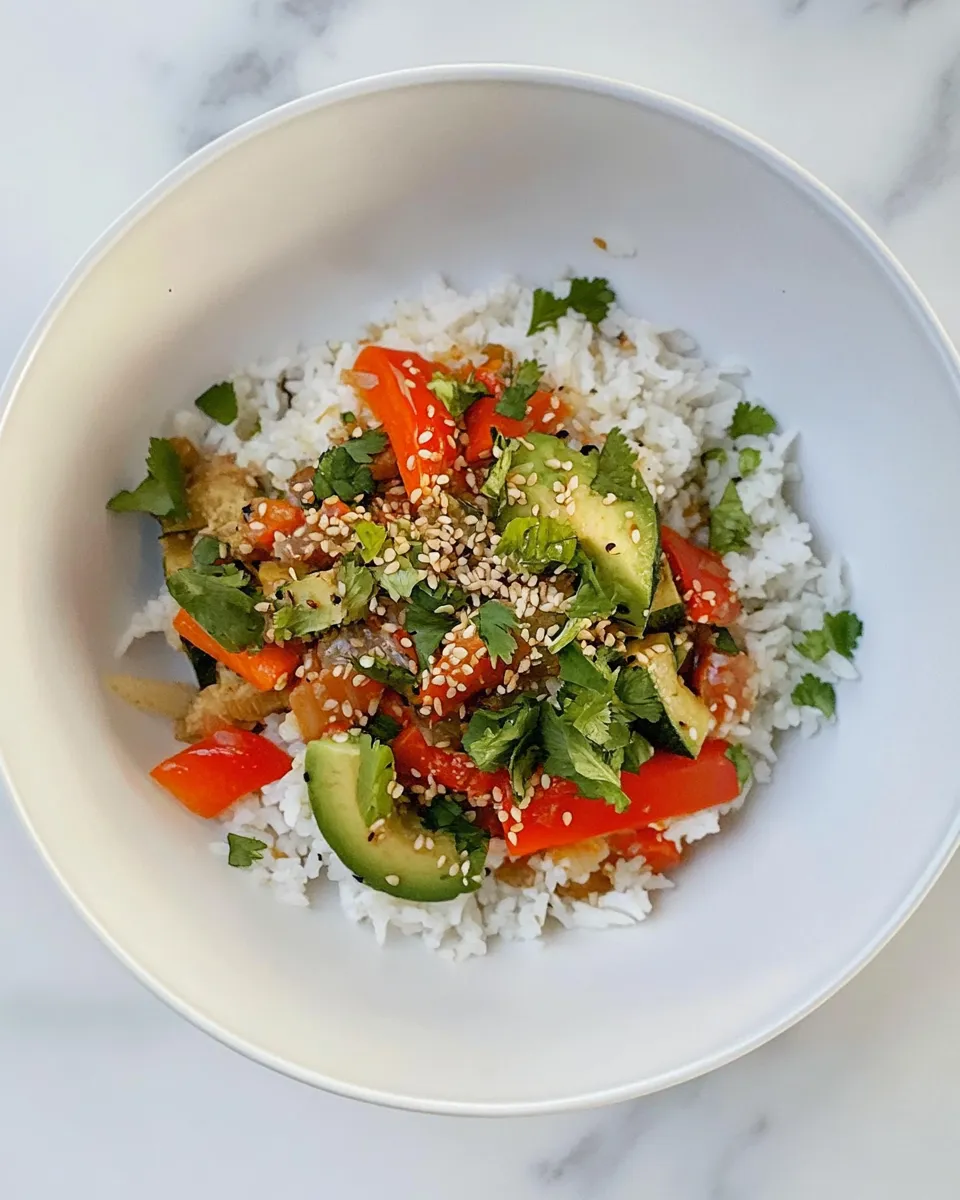
This recipe is already vegetarian, and it’s vegan-friendly as written if you use olive oil instead of ghee. The provided ingredient list explicitly notes ghee as a substitute for olive oil; choose olive oil to keep it fully plant-based.
Use cilantro instead of parsley if you want a sharper, citrusy herb note — the original list calls out that substitution. Sriracha is optional, so skip it for a milder plate. For rice, the ingredients allow white or brown rice; pick brown for extra fiber and chew or white for a softer texture.
Kitchen Gear Checklist
- Medium or large wok or frying pan — a roomy surface is key for even browning.
- Spatula or wooden spoon — for stirring without smashing the veg.
- Cutting board and sharp knife — for quick, consistent 1″ dice.
- Measuring spoons and a ¼-cup measure — the recipe uses small, exact amounts.
- Small bowl or plate for prepping garnishes — keeps the workflow smooth.
Don’t Do This
Don’t overcrowd the pan. If you pile in too many pieces at once the vegetables will steam instead of brown. Browning is part of the flavor profile here. Also, don’t skip preheating the pan — a hot pan is what allows the oil to sear the veg quickly.
Don’t dump the rice in cold or clumped; break up leftover rice with your fingers or the edge of a spoon before adding so it heats evenly. And don’t toss the avocado into the pan — it’s a finishing ingredient. Heat will turn it mealy and dull the color.
Seasonal Adaptations
This sketch of a stir fry is deliberately minimal so you can adapt with what’s in season. The method — brown, then steam briefly with a splash of water, then finish — works for spring greens, summer peppers, or autumn root vegetables. Stick to the same timing concept: denser vegetables need longer to soften, while tender ones are added later.
When seasons change, adjust the cooking time rather than quantities. If you’re using more delicate produce, cut pieces slightly larger so they won’t overcook; for dense veg, give a few extra minutes in the hot pan. The rest of the recipe’s components and amounts stay the same and keep the balance intact.
Pro Tips & Notes
Timing
Prep everything before you heat the pan. Once the oil is hot, the process moves quickly. Dice the carrot, onion, and pepper into uniform 1″ chunks so they cook evenly. Have the rice measured and any garnishes ready.
Temperature & Texture
Use medium-high to get a quick sear when you first add the vegetables, then drop to medium when you combine the rice and water so the rice warms through without burning. Stir every two minutes while the veg cooks; that rhythm ensures both color and tenderness.
Taste & Adjust
Taste after the rice has heated and the water has evaporated. The recipe gives you 1 tsp soy sauce for a modest salted backbone and 1 tsp sriracha if you want heat. Add the sriracha sparingly — it’s optional and concentrated, so small additions make a big difference.
Meal Prep & Storage Notes
This recipe is ideal for using up small amounts of leftover rice and vegetables. If you’re prepping ahead, cool the cooked stir fry to room temperature within an hour and store it in an airtight container in the refrigerator. It will keep well for 2–3 days.
When reheating, use a skillet over medium heat with a splash of water or a teaspoon of oil to loosen the rice and restore texture. Add the avocado and fresh parsley only after reheating; avocado doesn’t hold up well to reheating and will lose its fresh texture and bright color.
Reader Q&A
Q: Can I use leftover rice straight from the fridge?
A: Yes. Cold, day-old rice tends to separate better and break up easily in the pan. If your rice is clumped, break it apart before adding.
Q: What if I don’t have a wok?
A: A large frying pan works exactly the same for this method. The key is a hot surface with enough room to stir the vegetables without crowding.
Q: Can I skip the avocado?
A: Absolutely. The avocado is a finishing touch that adds creaminess. If you skip it, consider an extra sprinkle of sesame seeds for a little textural contrast.
Q: How spicy is this by default?
A: The recipe is mild unless you add the optional 1 tsp sriracha. Start with a little and taste; you can always add more.
Final Bite
This Veggie Stir Fry With Rice is about straightforward cooking that rewards small choices: a hot pan, even cuts, and a careful finish. It’s adaptable, forgiving, and honest — everything I want in a weeknight recipe. Follow the steps, respect the timing, and you’ll have a satisfying bowl in under thirty minutes that feels both thoughtful and effortless.
Make it your own slowly: try different rice types, choose parsley or cilantro, swap to ghee for a richer note — but keep the structure. That’s where the dependable, repeatable success lives. Enjoy.
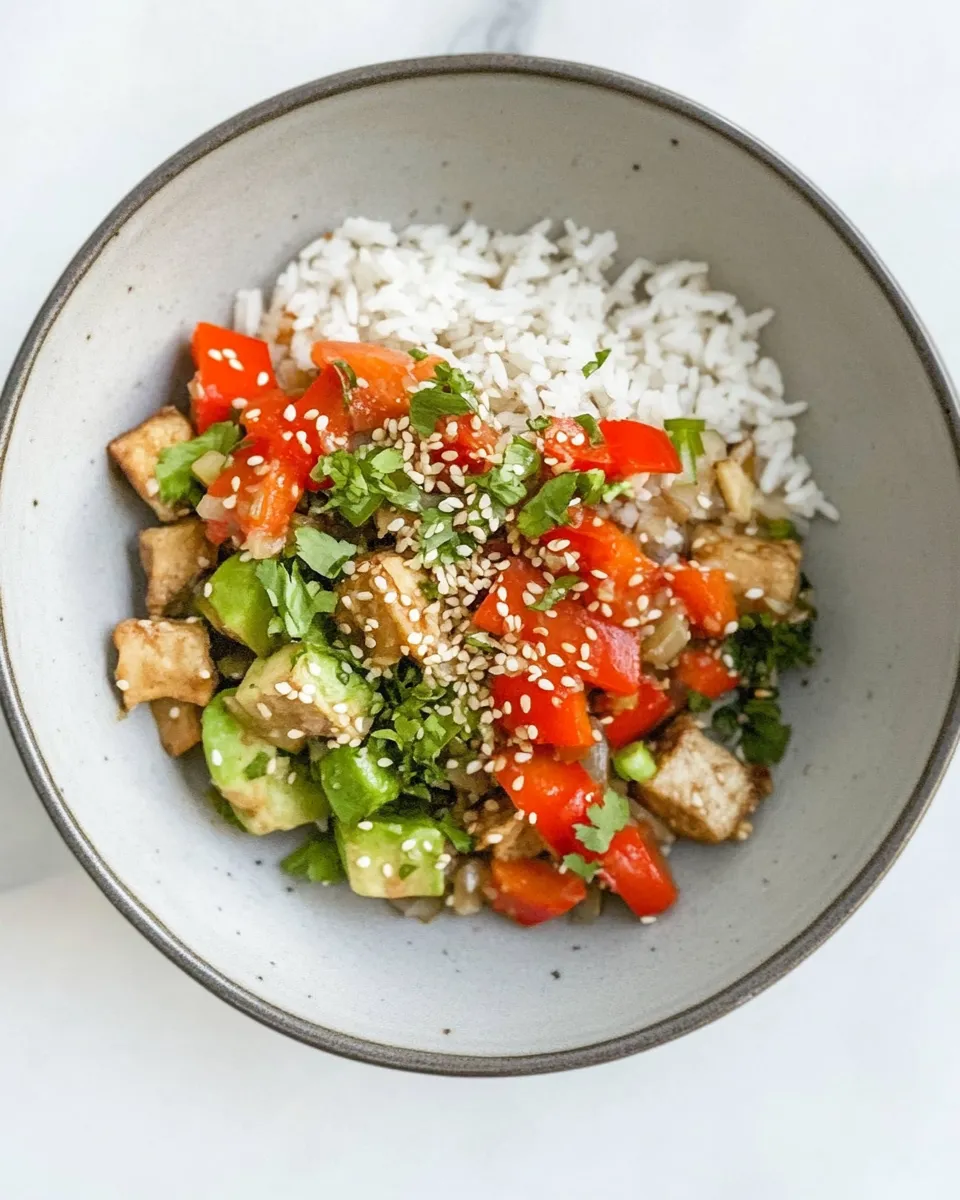
Veggie Stir Fry With Rice
Ingredients
Equipment
Method
- Prep: Dice the 1 medium carrot and ¼ medium yellow onion into 1" chunks. Cut the ¼ medium bell pepper into 1" chunks. Measure ¼ cup cooked rice, 2 tbsp water, 1 tsp soy sauce, 1 tsp sesame seeds, and 1 tsp sriracha (optional). Slice or dice ½ small avocado and finely chop the 1 sprig parsley (or cilantro).
- Heat a medium or large wok or frying pan over medium-high heat until hot. Add 1 tsp olive oil (or ghee) and swirl to coat.
- Add the diced carrot, onion, and bell pepper to the pan. Stir every 2 minutes and cook until the vegetables are softened and beginning to brown, about 8–10 minutes.
- Add the ¼ cup cooked rice, 2 tbsp water, and 1 tsp soy sauce. Reduce the heat to medium and stir to combine, breaking up any rice clumps.
- Cook, stirring occasionally, until the water has mostly evaporated and the rice is heated through, about 2–3 minutes. Taste and adjust by adding the sriracha if using.
- Remove from heat, transfer to a plate, and garnish with the ½ small avocado, 1 tsp sesame seeds, and the chopped parsley (or cilantro). Serve immediately.
Notes
See the recipe:
https://sipbitego.com/veggie-stir-fry-rice
See the recipe video for
making a veggie stir fry with leftover rice
on Sip Bite Go’s YouTube.