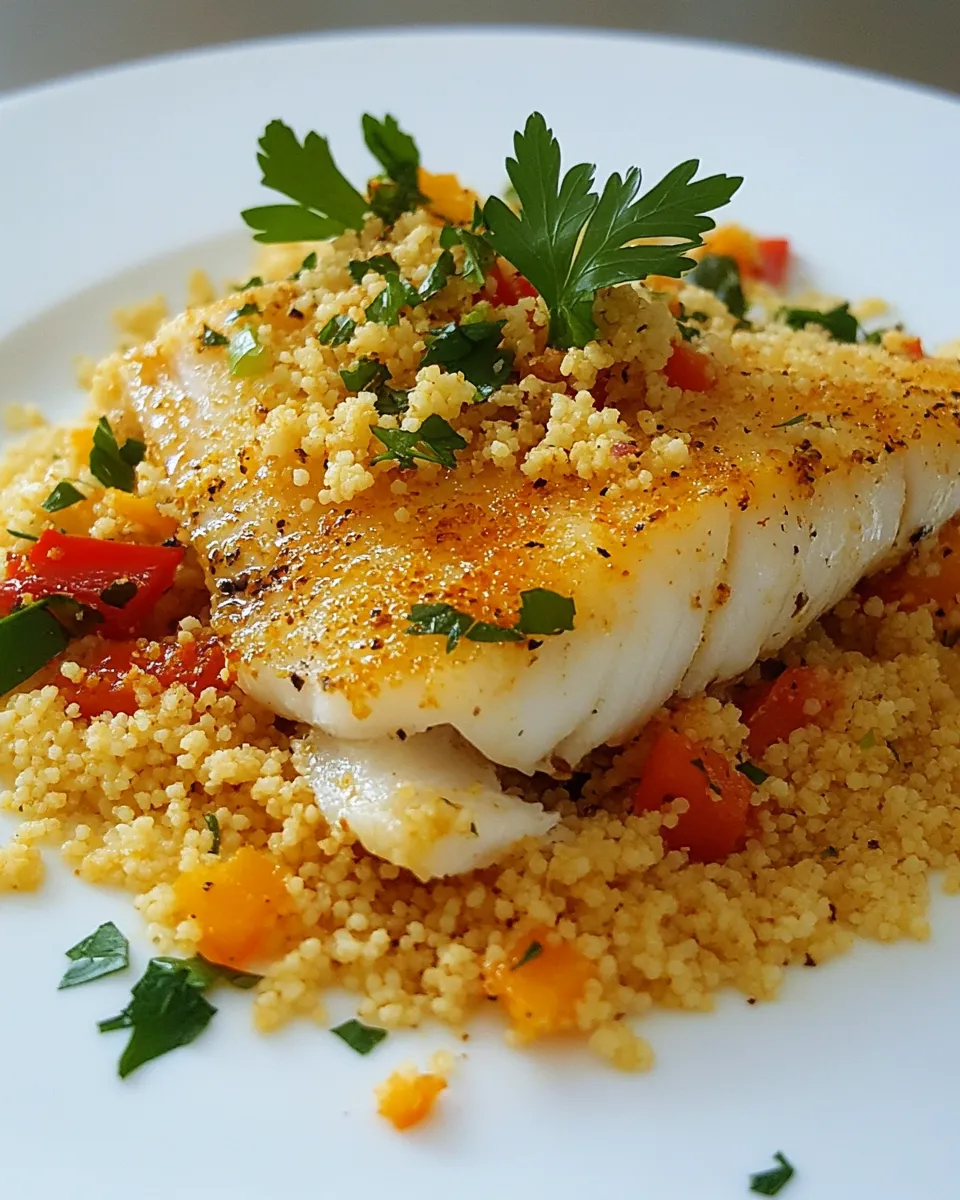
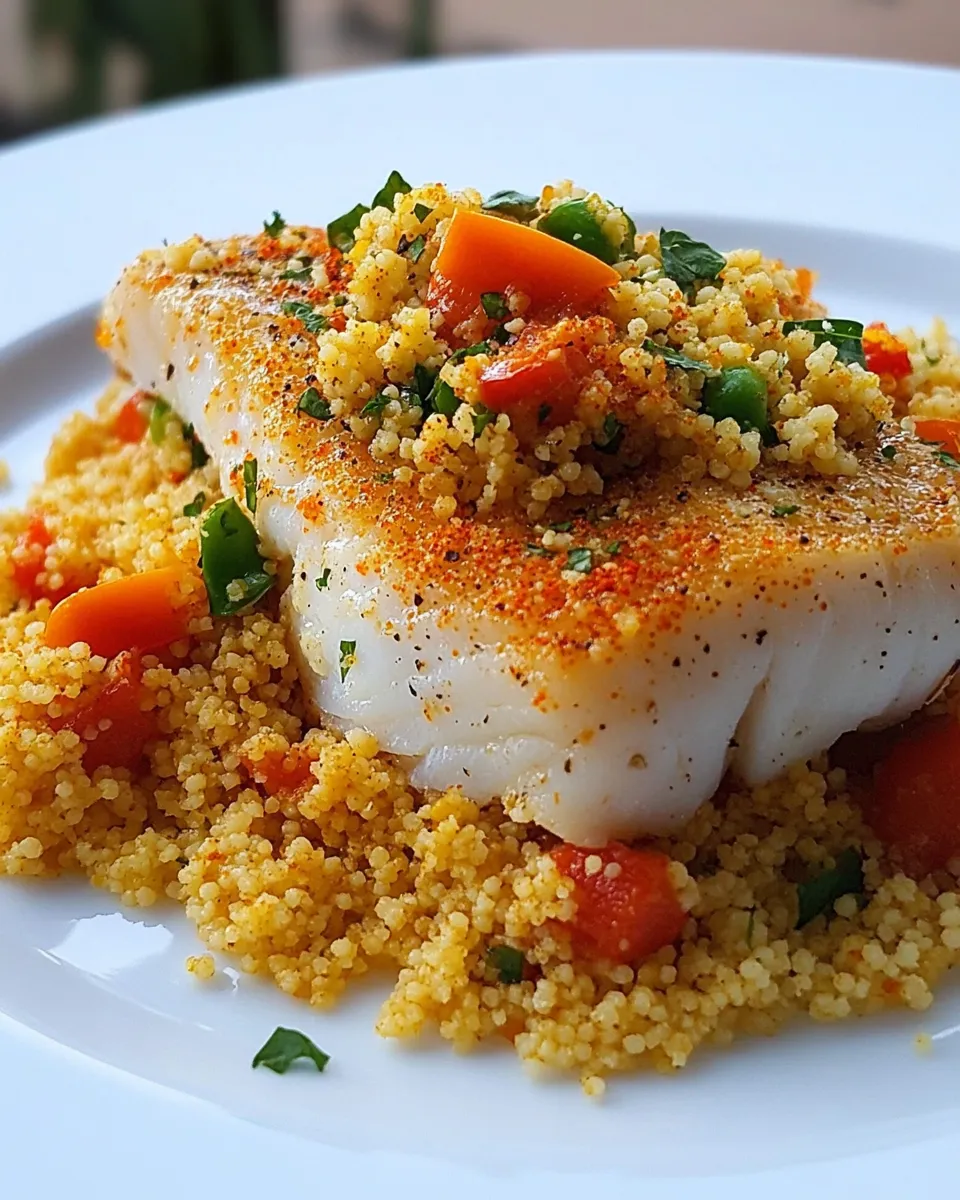
Wild Caught Cod with Moroccan Couscous
I love recipes that feel composed but don’t demand a whole afternoon in the kitchen. This Wild Caught Cod with Moroccan Couscous hits that sweet spot: bright, savory cod paired with a quick, spiced couscous cooked in tomatoes and a bit of broth. It’s a weeknight-friendly dish that still looks and tastes like you put in real effort.
The components are forgiving. The couscous soaks up tomato and chili flavor while the cod cooks fast in a hot skillet. A squeeze of lemon at the end wakes up the fish and ties the plate together. You’ll appreciate the clean flavors and the short list of steps.
Below you’ll find a clear ingredients list, the exact step-by-step directions, sensible gear recommendations, and practical troubleshooting tips. I aim for real-world advice you can use right away—no unnecessary fuss, just flavorful food.
Ingredients at a Glance
- 1/2 cup chicken broth — fat-free, low sodium; provides the liquid base and gentle savory depth for the couscous.
- 14 1/2 ounces diced tomatoes with green chilies — can; adds acidity, moisture, and a bit of heat to the couscous.
- 1 tablespoon plus 2 teaspoons extra virgin olive oil — used in two stages: 2 teaspoons go with the broth for the couscous and 1 tablespoon for pan-searing the cod.
- 3/4 cup Moroccan couscous — optional whole-wheat couscous; the small grains cook quickly and soak up the tomato juices.
- Kosher or sea salt — to taste; seasons both couscous and fish.
- Black pepper — to taste; freshly cracked if possible for the best flavor.
- 16 ounces wild-caught cod fillets — thawed (4 fillets); the mild, flaky fish is the centerpiece of the dish.
- 1 tablespoon lemon juice — freshly squeezed; brightens the fish and balances the tomatoes.
Directions: Wild Caught Cod with Moroccan Couscous
- In a medium saucepan combine 1/2 cup chicken broth, 2 teaspoons extra virgin olive oil, and the entire 14 1/2-ounce can of diced tomatoes with green chilies (including the juices).
- Bring the mixture to a boil over medium-high heat.
- Once boiling, stir in 3/4 cup Moroccan couscous and season with kosher or sea salt and black pepper to taste.
- Remove the saucepan from the heat, cover tightly, and let the couscous stand for 5 minutes.
- After 5 minutes, uncover and fluff the couscous with a fork; keep covered to stay warm while you cook the fish.
- Pat the 16 ounces of cod fillets dry with paper towels and season both sides with kosher or sea salt and black pepper to taste.
- Heat a large nonstick skillet over medium-high heat, add 1 tablespoon extra virgin olive oil, and let it shimmer.
- Add the cod fillets to the skillet (do not overcrowd; cook in batches if needed) and cook until opaque and the flesh flakes easily with a fork, about 2–3 minutes per side depending on thickness.
- Remove the fillets from the skillet, place on plates, and drizzle 1 tablespoon freshly squeezed lemon juice evenly over the fillets.
- Serve the cod fillets with the fluffed Moroccan couscous.
The Upside of Wild Caught Cod with Moroccan Couscous
This dish is fast, adaptable, and balanced. The couscous cooks in minutes and doubles as a light sauce when it absorbs the tomato juices. The cod cooks quickly and benefits from a hot pan, so total cook time is short.
The flavors are bright and layered: tomatoes and chilies give the couscous tang and subtle heat, while lemon lifts the cod. It’s a great option when you want something that feels composed but is ready in under 30 minutes from start to finish.
Portion-wise, 16 ounces of cod serves two generously or four modestly when paired with the couscous. It’s an efficient recipe for weeknights, dinner parties (scale up), or when you want a seafood-centered meal that doesn’t overwhelm the plate.
Healthier Substitutions
Small swaps make this dish even lighter or more nutrient-dense without changing the method.
- Swap the regular Moroccan couscous for whole-wheat couscous if you want more fiber—just use the same 3/4 cup volume and follow the same timing.
- Use low-sodium chicken broth (the recipe already calls for fat-free, low sodium) and taste before adding more salt. The canned tomatoes can add their own salt.
- If you prefer plant-based, swap cod for firm tofu or a hearty white bean—note that cooking times will differ for those proteins.
Gear Checklist
You don’t need fancy tools to make this, but the right gear speeds things and improves results.
- Medium saucepan with a tight-fitting lid — for the couscous to steam evenly.
- Large nonstick skillet — helps prevent the cod from sticking and tears the fillet less when flipping.
- Paper towels — for patting the fillets dry; dryness equals better browning.
- Fork — to fluff the couscous and check the fish for flakiness.
- Tongs or a fish spatula — useful for flipping delicate fillets without breaking them.
Pitfalls & How to Prevent Them
Cod and couscous are both quick to mishandle. Here are the most common problems and how to avoid them.
- Soggy couscous: If you uncover too soon or skip fluffing, the grains can clump. Remove from heat, cover tightly for exactly 5 minutes, then fluff with a fork.
- Underseasoned couscous: Taste the couscous after fluffing and adjust salt and pepper. Canned tomatoes vary in salt, so season after it absorbs the juices.
- Fish sticking to the pan: Make sure the skillet and oil are hot and shimmering before adding fillets. Pat the fish dry; excess moisture leads to sticking.
- Overcooked cod: Fish keeps cooking after you remove it from heat. Cook until opaque and just flaky—about 2–3 minutes per side—then remove promptly and rest briefly.
- Overcrowding the skillet: Crowding lowers pan temperature and steams the fish. Cook in batches if needed so each fillet gets direct contact with the hot surface.
Seasonal Flavor Boosts
Think about small seasonal additions if you want to nudge this dish toward a specific mood.
- Spring: Fold in chopped fresh parsley and a handful of peas into the couscous for brightness and color.
- Summer: Add diced fresh tomatoes or roasted red peppers for a sweeter, less acidic profile.
- Fall/Winter: Stir in a pinch of smoked paprika or a spoonful of harissa to warm up the flavor profile.
Pro Perspective
From a cook’s standpoint, this recipe balances speed and texture. The couscous acts both as a starch and as a vehicle for the tomato-chili flavors, so treat it like a short risotto: let it rest and then fluff.
With the cod, aim for a quick, hot sear. You don’t need a heavy crust—just a clean exterior and fully opaque flesh. Use the least amount of handling possible when flipping to keep fillets intact.
Finally, respect salt as the final touch. A light sprinkle on the couscous and a finishing squeeze of lemon on the fish will lift the entire plate more than adding more oil or butter ever would.
Storage & Reheat Guide
Store leftovers separately if possible: fish and couscous prefer different handling.
- Refrigeration: Place couscous in an airtight container for up to 3 days. Store cooked cod in a shallow airtight container for up to 2 days.
- Reheating couscous: Reheat gently in a microwave with a sprinkle of water, or warm in a saucepan over low heat, stirring to separate grains. A splash of broth restores moisture.
- Reheating cod: Reheat gently in a 300°F (150°C) oven for 8–10 minutes, or warm in a skillet over low heat with a lid for a few minutes. Avoid high heat—cod dries out quickly.
- Freezing: I don’t recommend freezing cooked cod; the texture suffers. Couscous freezes better but can become crumbly. If you must freeze, do so in airtight containers for up to one month and thaw overnight in the fridge before reheating.
Wild Caught Cod with Moroccan Couscous FAQs
Q: Can I use fresh tomatoes instead of canned?
A: Yes. If using fresh diced tomatoes, you may need to add a splash more broth to reach the same liquid level. Fresh tomatoes will give a brighter, sweeter flavor.
Q: Is Moroccan couscous the same as regular couscous?
A: Moroccan couscous typically refers to the small-grain variety commonly found in stores. If you use a larger pearl couscous (Israeli), adjust the cooking time and liquid because pearl couscous requires longer cooking.
Q: How do I know when the cod is done?
A: The flesh should turn opaque and flake easily with a fork. Cook time depends on thickness—about 2–3 minutes per side for typical fillets. Err on the side of slightly undercooked rather than overcooked; residual heat will finish it.
Q: Can I use a different fish?
A: Yes. Use firm white fish like halibut, haddock, or sea bass. Adjust cooking time as needed for thickness.
Let’s Eat
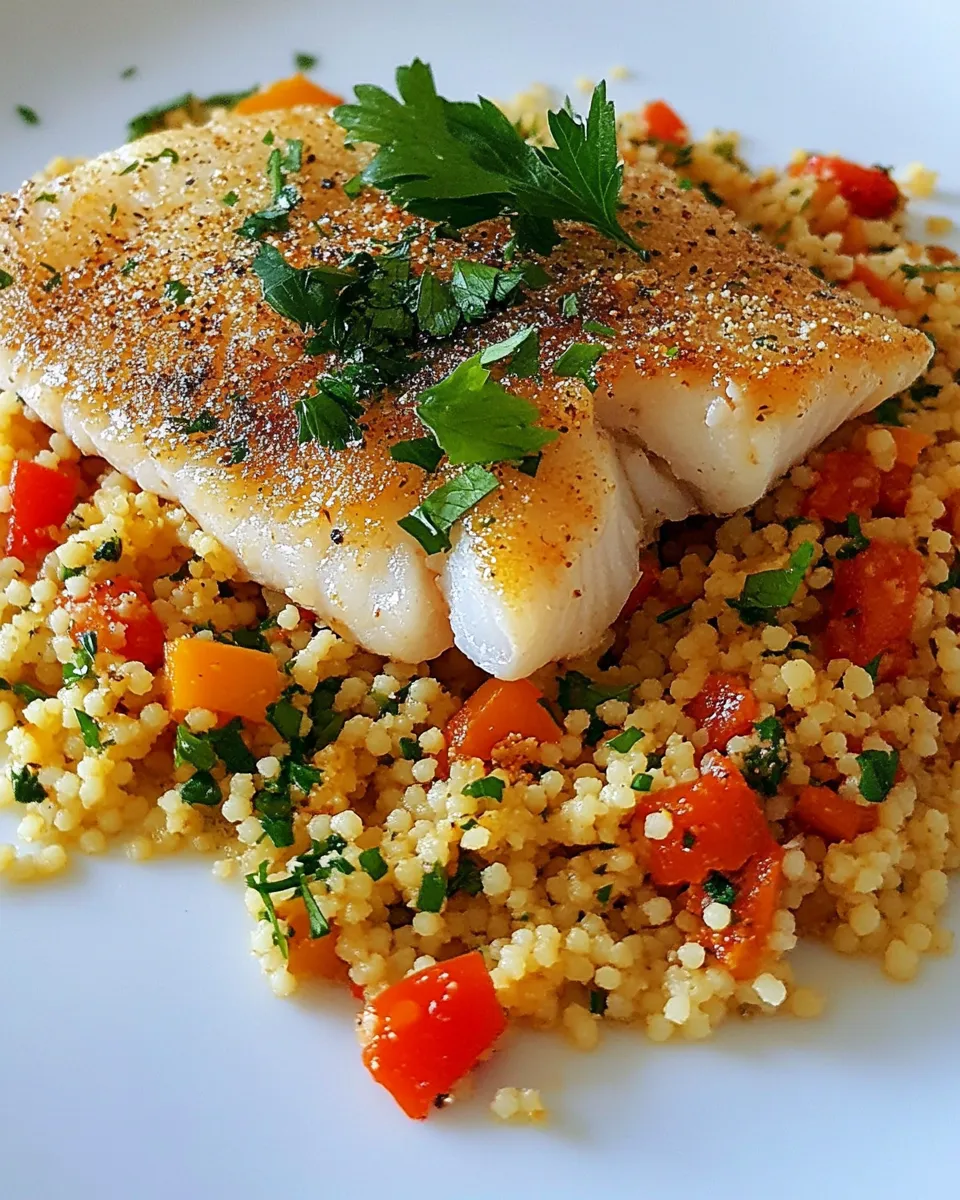
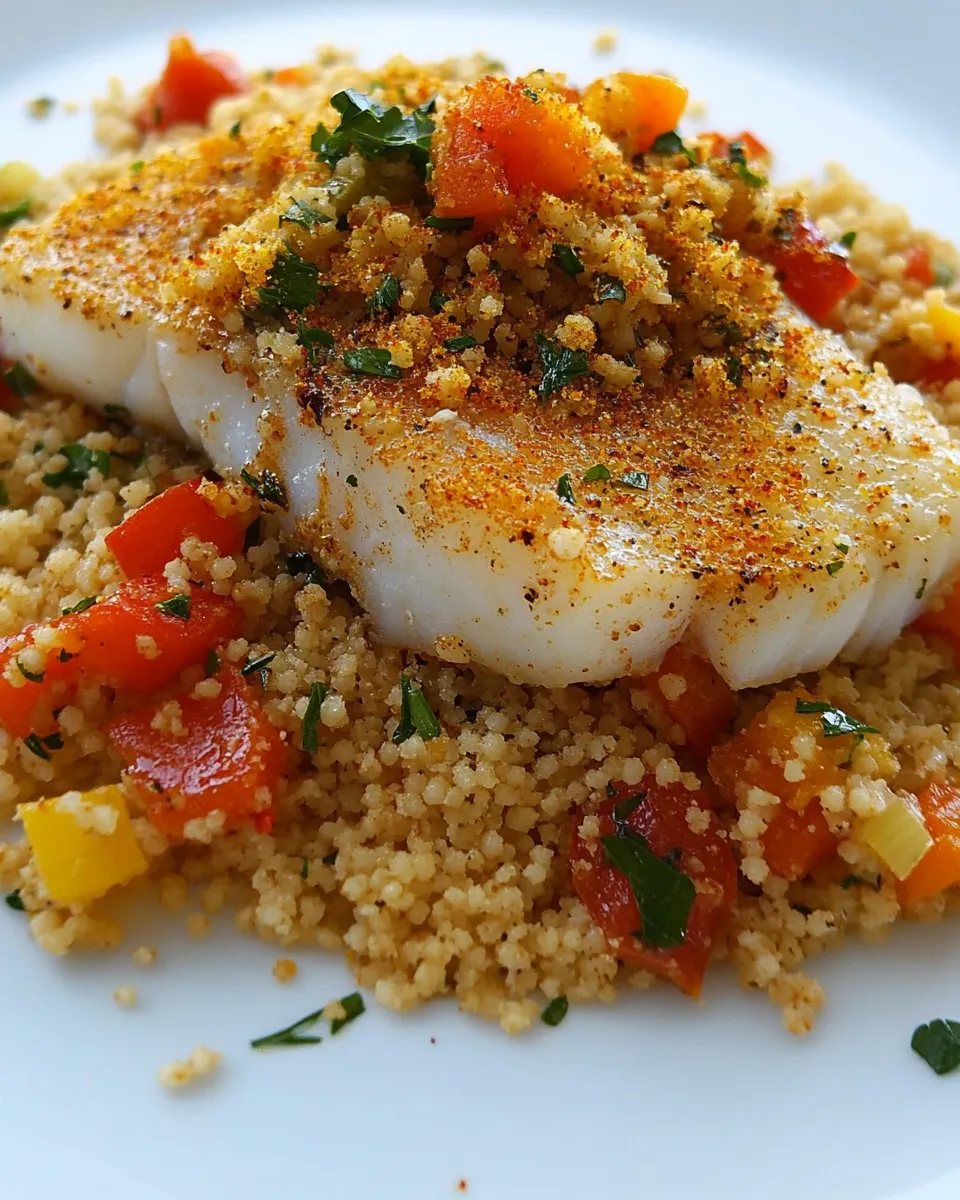
Plate a mound of the fluffed Moroccan couscous, set a seared cod fillet on top or beside it, and finish with a final squeeze of lemon. A simple green salad or steamed greens on the side keeps the meal light and balanced. The recipe’s pace and flavor profile make it a reliable weeknight winner, and it scales nicely for guests.
Keep a can of diced tomatoes with green chilies in the pantry and this becomes one of your go-to meals—quick, satisfying, and genuinely tasty. Enjoy the clean flavors and the ease of a well-made, no-fuss dinner.
Wild Caught Cod with Moroccan Couscous
Ingredients
Method
- In a medium saucepan combine 1/2 cup chicken broth, 2 teaspoons extra virgin olive oil, and the entire 14 1/2-ounce can of diced tomatoes with green chilies (including the juices).
- Bring the mixture to a boil over medium-high heat.
- Once boiling, stir in 3/4 cup Moroccan couscous and season with kosher or sea salt and black pepper to taste.
- Remove the saucepan from the heat, cover tightly, and let the couscous stand for 5 minutes.
- After 5 minutes, uncover and fluff the couscous with a fork; keep covered to stay warm while you cook the fish.
- Pat the 16 ounces of cod fillets dry with paper towels and season both sides with kosher or sea salt and black pepper to taste.
- Heat a large nonstick skillet over medium-high heat, add 1 tablespoon extra virgin olive oil, and let it shimmer.
- Add the cod fillets to the skillet (do not overcrowd; cook in batches if needed) and cook until opaque and the flesh flakes easily with a fork, about 2–3 minutes per side depending on thickness.
- Remove the fillets from the skillet, place on plates, and drizzle 1 tablespoon freshly squeezed lemon juice evenly over the fillets.
- Serve the cod fillets with the fluffed Moroccan couscous.