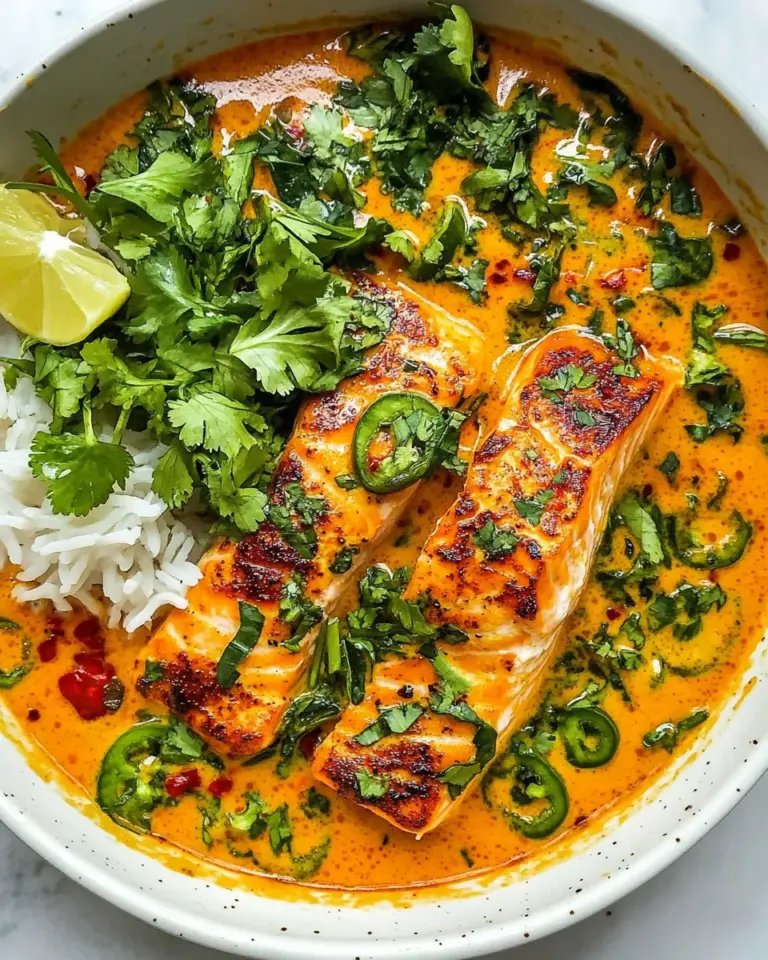
Yellow Curry
Yellow curry is one of those weekday heroes: bold enough to feel special, simple enough to make after work. This version uses pantry-friendly staples and an easy technique that builds good flavor fast. It’s forgiving, which makes it ideal for cooks who want a straightforward, comforting dinner without fuss.
I test recipes the way I live: practical and direct. The combination of coconut milk, yellow curry paste, potatoes, and chicken creates a silky, mildly spiced sauce that clings to rice. You get warm savory notes, a touch of sweetness from brown sugar, and a bright finish from lime.
Below I walk you through what to buy, the exact ingredients, step-by-step instructions, and real troubleshooting from the test kitchen. If you want a reliable weeknight curry that scales and adapts, this is the one to keep in your rotation.
What to Buy
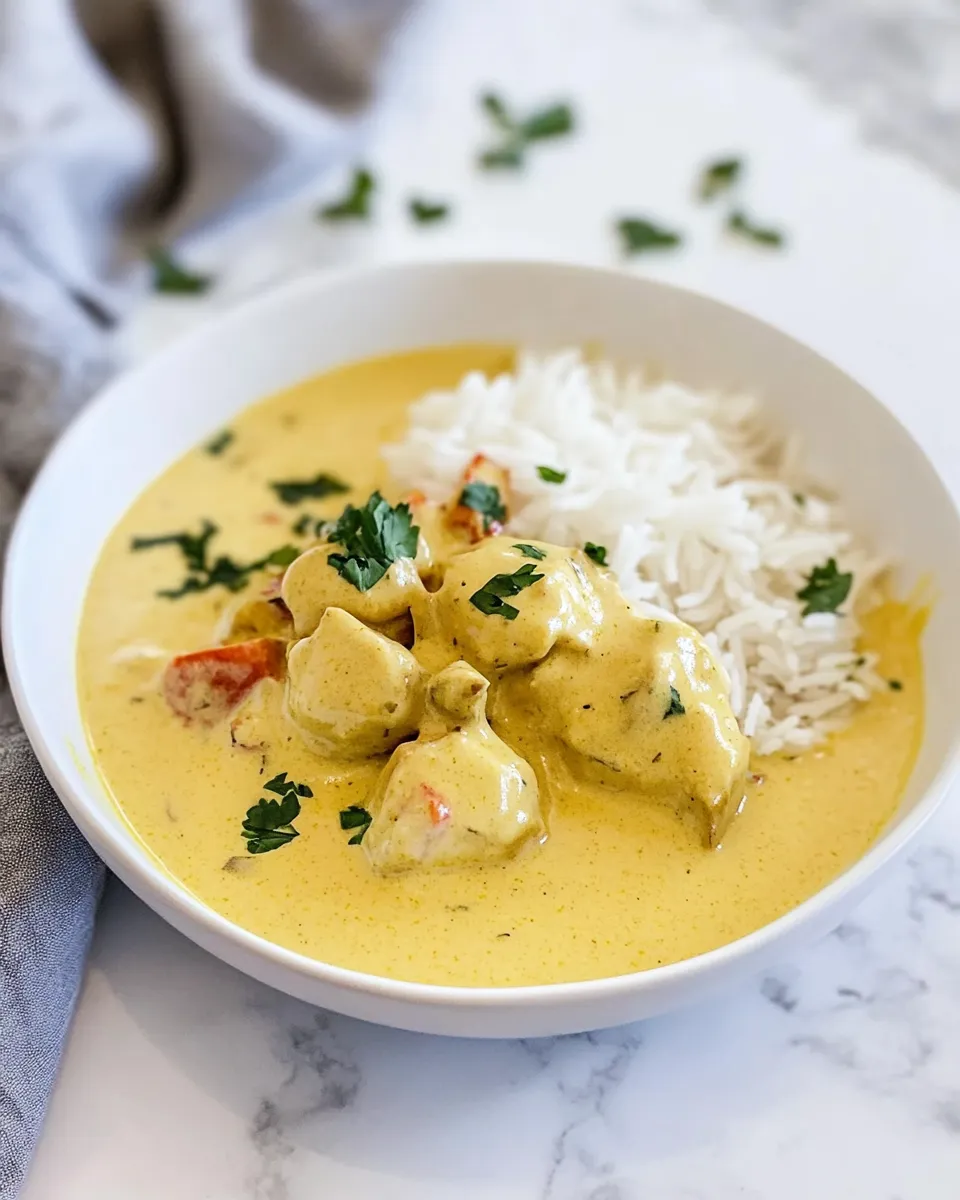
Shop with purpose: buy ingredients that will pull double duty in other meals. A jar of yellow curry paste will live in your pantry for weeks and can be used in soups, marinades, and stir-fries. Stock up on a couple of cans of coconut milk and ginger — they form the backbone of many quick Asian-inspired dishes.
Here’s a quick list for the store: chicken breasts (or your protein of choice), gold potatoes (or baby golds), a large onion, a carrot, yellow curry paste, fresh ginger, garlic, cornstarch, a couple of cans of full-fat coconut milk, brown sugar, lime, and optional fish sauce. Fresh cilantro and sriracha are nice finishing touches.
Yellow Curry, Made Easy
Ingredients
- 1tablespoonoil — for sautéing the aromatics and browning the chicken.
- 1/2largeonion, chopped — adds sweetness and body to the sauce.
- 1poundboneless skinless chicken breasts, cut into bite-sized pieces — main protein; cooks quickly in the simmering sauce.
- 2mediumgold potatoes(or about 10 baby gold) ½’’ cubed — hold up in the simmer and add comforting starch.
- 1largecarrot, thinly sliced — texture and a touch of natural sweetness.
- 3-4Tablespoonsyellow curry paste*or homemade curry paste — the driving flavor: adjust between 3–4 tbsp for heat and intensity.
- 2teaspoonsfreshly grated ginger — bright, peppery note that lifts the curry.
- 2clovesgarlic — base aromatic; mince for best distribution.
- 27ouncescoconut milk(2- 13.5 ounce cans) — creates the creamy sauce; reserve half a can for thickening.
- 2teaspoonscornstarch — used to thicken the sauce without cloudiness.
- 1teaspoonfish sauce(optional) — adds umami depth; use if you like savory complexity.
- 1Tablespoonlime juice — brightens and balances the richness.
- 1.5tablespoonsbrown sugar — rounds out the curry with gentle sweetness.
- Hot cooked rice, for serving (white, jasmine, brown) — the obvious vehicle for the curry; absorbs the sauce.
- Garnish with fresh cilantro and/or siracha and serve over rice — fresh cilantro adds herbaceous lift; sriracha gives heat on demand.
- Heat 1 tablespoon oil in a large pot over medium-low heat.
- Add the 1/2 large chopped onion and sauté until softened, about 3–4 minutes.
- Add the 1 pound bite-sized chicken pieces, the 2 medium gold potatoes (½” cubed), and the 1 large thinly sliced carrot. Cook, stirring occasionally, until the chicken is mostly opaque, about 3–4 minutes.
- Add 2 teaspoons freshly grated ginger, 2 cloves minced garlic, and 3–4 tablespoons yellow curry paste. Cook, stirring, for 2–3 minutes until fragrant.
- Pour in 1 1/2 cans of the coconut milk and bring the mixture to a gentle simmer. Reserve the remaining 1/2 can of coconut milk in a small bowl.
- Whisk 2 teaspoons cornstarch into the reserved 1/2 can of coconut milk until smooth, then add this mixture back into the pot and stir to combine.
- Bring the pot to a boil, then reduce heat to low and simmer, partially covered, for 20–30 minutes, or until the chicken and potatoes are cooked through and the sauce has thickened. Stir occasionally.
- Stir in 1 teaspoon fish sauce (optional), 1.5 tablespoons brown sugar, and 1 tablespoon lime juice. Simmer 5 more minutes.
- Serve the curry over hot cooked rice. Garnish with fresh cilantro and/or sriracha as desired.
Why I Love This Recipe
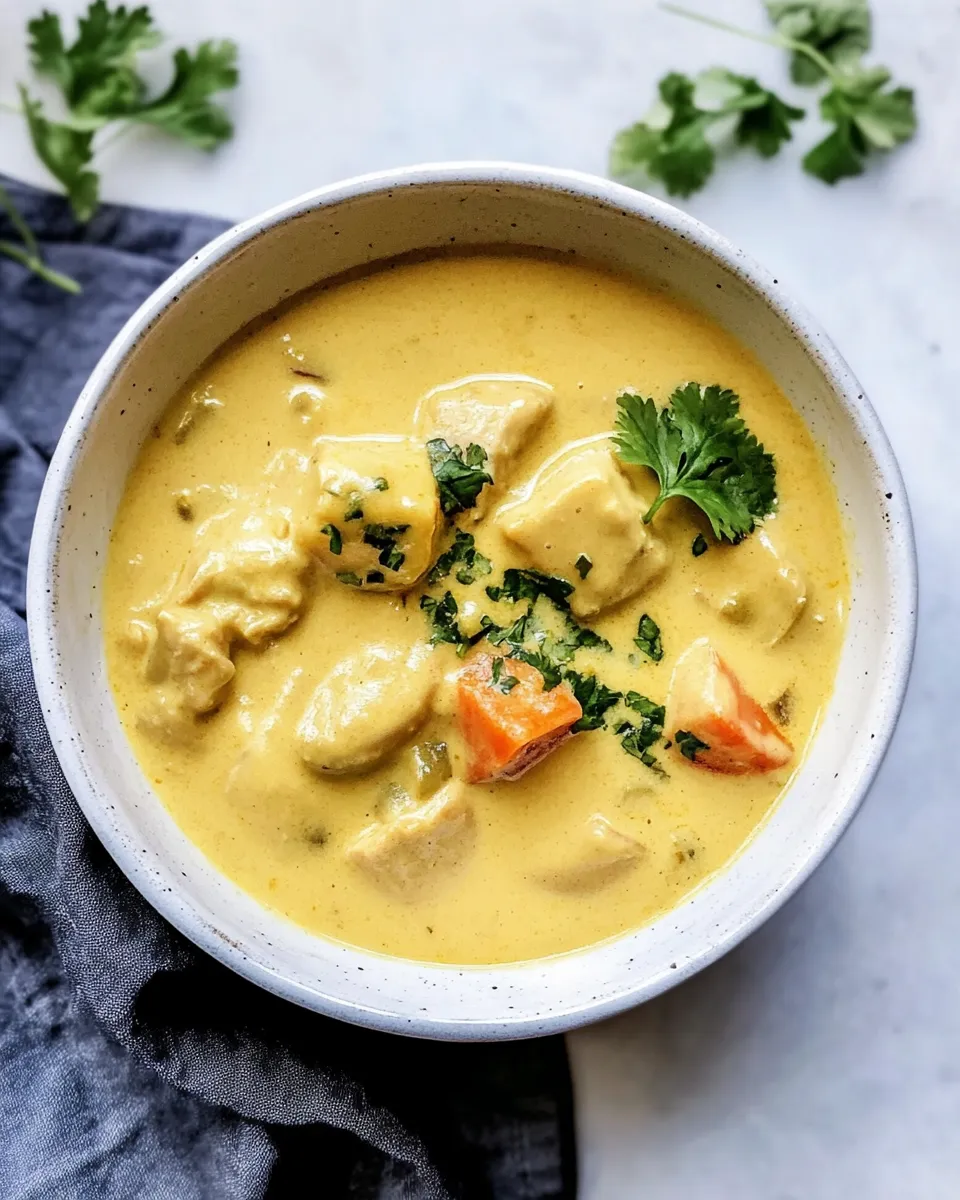
This recipe hits three important notes: flavor, speed, and approachability. The yellow curry paste gives the dish a warm, aromatic base without the intimidation of making a paste from scratch (though you can, if you want). Coconut milk smooths and balances the heat, while the cornstarch trick at the end yields a glossy, clingy sauce without long reductions.
It’s also flexible. The skillet stage is forgiving — you don’t need to perfectly brown the chicken. The long, gentle simmer gives potatoes time to soften and let their starch thicken the sauce alongside the cornstarch, creating a satisfying mouthfeel.
Easy Ingredient Swaps
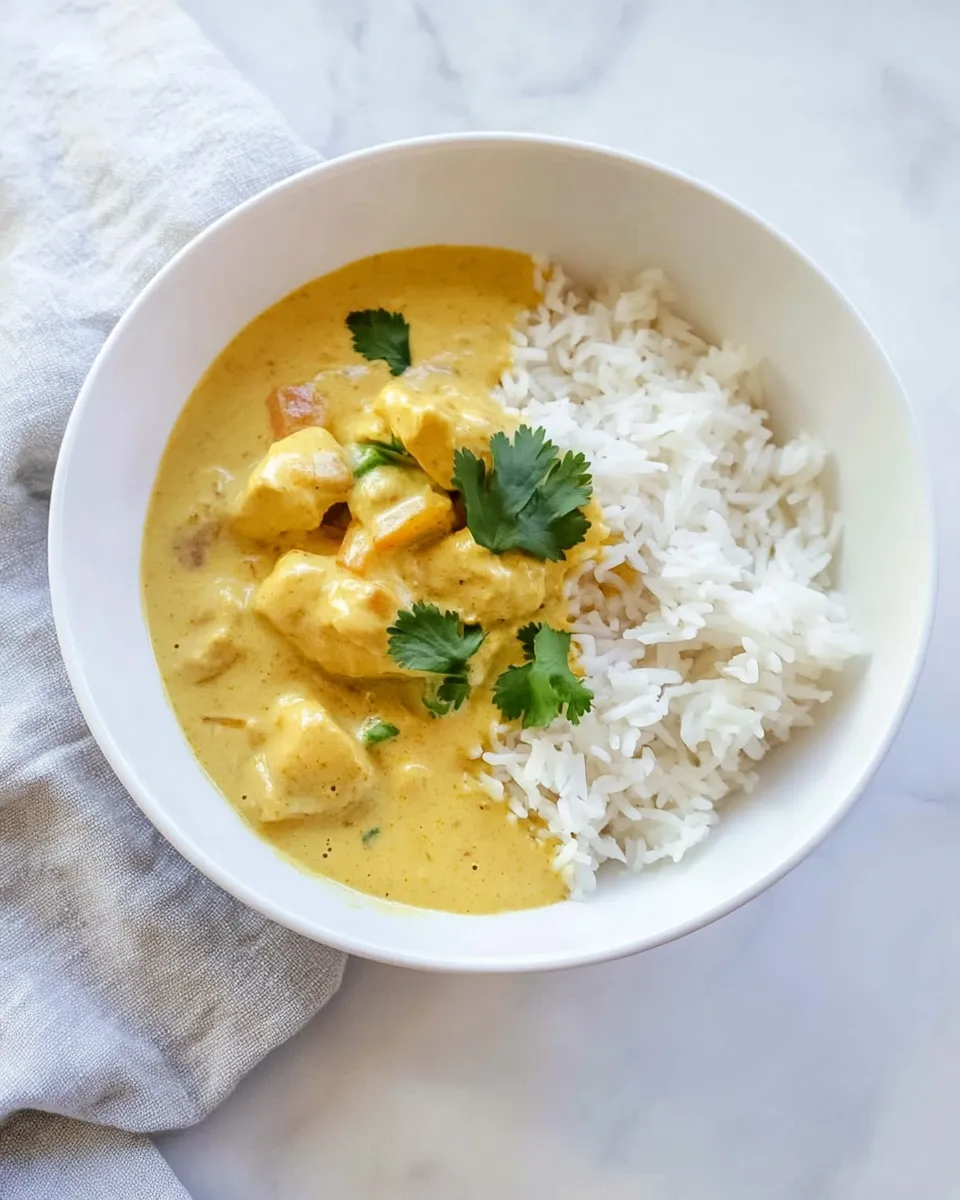
Swap ideas when you don’t have something on hand or to meet diets and preferences:
– Protein: Replace chicken with firm tofu for a vegetarian option (press and cube the tofu; add it in step 3). Use thinly sliced pork or shrimp, keeping an eye on shorter cook times.
– Potatoes: Use sweet potatoes for a sweeter, more fall-like version. If you prefer fewer carbs, skip potatoes and add extra carrot or bell peppers.
– Coconut milk: Light coconut milk will work, but the sauce will be thinner and less rich. If you need it even richer, use an extra half-can and reduce water content.
Must-Have Equipment
A few basic tools make this easier and safer: a large heavy-bottomed pot (or a wide Dutch oven) to give you room for stirring and simmering; a good chef’s knife for quick, uniform chopping; a fine microplane for grating ginger; and a sturdy wooden spoon or silicone spatula.
A bowl for reserving the coconut-cornstarch mix and a whisk are small but important: you want that slurry lump-free before it hits hot liquid. If you plan to scale up, use a larger pot so everything cooks evenly.
Missteps & Fixes
Here are common slip-ups and how to correct them without starting over.
– Sauce too thin: Whisk another 1/2–1 teaspoon cornstarch into a tablespoon of cold water or reserved coconut milk, then stir into the simmering curry and cook 2–3 minutes. Do this gradually until you reach the consistency you want.
– Sauce too thick: Stir in a splash of water or a bit more coconut milk and simmer a few minutes. Add liquid in small increments to avoid thinning too much.
– Bitter or too spicy from the curry paste: Add a teaspoon of brown sugar at a time and a squeeze of lime to balance and brighten. Coconut milk also tames heat — a bit more can help.
– Potatoes undercooked: Simmer longer, partially covered, until tender. If the sauce concentrates too much, add a splash of water or extra coconut milk and continue cooking until potatoes give easily with a fork.
Better Choices & Swaps
If you want to make smarter pantry or nutritional choices without losing flavor, try these swaps:
– Reduce sodium: Skip the fish sauce or use a low-sodium soy sauce alternative. Taste before adding fish sauce; the recipe calls it optional for a reason.
– Lower fat: Use light coconut milk and reduce the oil to 2 teaspoons. Be aware the sauce will be less silky; compensate with careful seasoning and a longer simmer.
– Add vegetables: Stir in spinach, green beans, or bell pepper toward the end of cooking for extra fiber and color. These add nutrition and bulk without much fuss.
Notes from the Test Kitchen
When I made this multiple times, timing mattered most. The onion should soften but not brown; that yields sweetness without caramelized notes that change the curry profile. I tested the recipe with 3 vs. 4 tablespoons of curry paste — 3 keeps it milder and very family-friendly; 4 is brighter and more assertive. Choose based on your household’s tolerance for spice.
The cornstarch-coconut trick is a small step that pays off. Mixed cold into the remaining coconut milk, it disperses evenly and thickens without clumps. Whisk it smooth and stir it in gently.
I also tried finishing with fish sauce and without. Fish sauce deepens the savory base but isn’t essential; lime juice and brown sugar are the true balancing act. If you use fish sauce, start with the teaspoon and taste before adding more.
Make Ahead Like a Pro
This curry stores and reheats well, which makes it ideal for meal planning. Make a big batch and refrigerate for up to 3 days. The sauce will thicken in the fridge — loosen with a splash of water or coconut milk when reheating.
Freeze in airtight containers for up to 2 months. Thaw overnight in the fridge before reheating. If using tofu instead of chicken, add the tofu at reheating to avoid a rubbery texture from freezing.
For best texture, cook rice fresh and store the curry separately. If you must meal-prep rice, keep it dry and separate from the sauce until serving to prevent sogginess.
Common Qs About Yellow Curry
Q: Can I use store-bought yellow curry paste? A: Yes. Good store-bought pastes are convenient and flavorful. Adjust the amount (3–4 tbsp) to taste.
Q: Is the fish sauce necessary? A: No. It adds umami. If you avoid fish products, omit it and make sure to season at the end with lime and sugar to achieve balance.
Q: How can I make this vegetarian? A: Substitute firm tofu (pressed and cubed) or chickpeas. Add tofu in step 3 or chickpeas with the potatoes so they warm through and absorb flavor.
Q: Why do you reserve half a can of coconut milk? A: It’s for mixing with cornstarch to make a smooth slurry. That trick gives the sauce a glossy finish without lumps.
Q: Can I use different starches to thicken? A: Yes — tapioca starch or arrowroot work similarly (use about the same amount), but add them at the end and avoid boiling with arrowroot for long periods as it can break down.
Ready to Cook?
If you’ve got the ingredients, this recipe will serve as a dependable weeknight main that also feels special for guests. Follow the steps above and adjust the curry paste amount to match your heat preference. Taste at the end and balance with lime and brown sugar — small adjustments make a big difference.
Make it tonight, and keep notes on what you changed. Little tweaks — more lime, less paste, extra potatoes — will turn this into your favorite version. Then next week, try a swap: tofu, sweeter sweet potato, or an extra handful of green beans. Simple, delicious, and reliably dinner-ready.
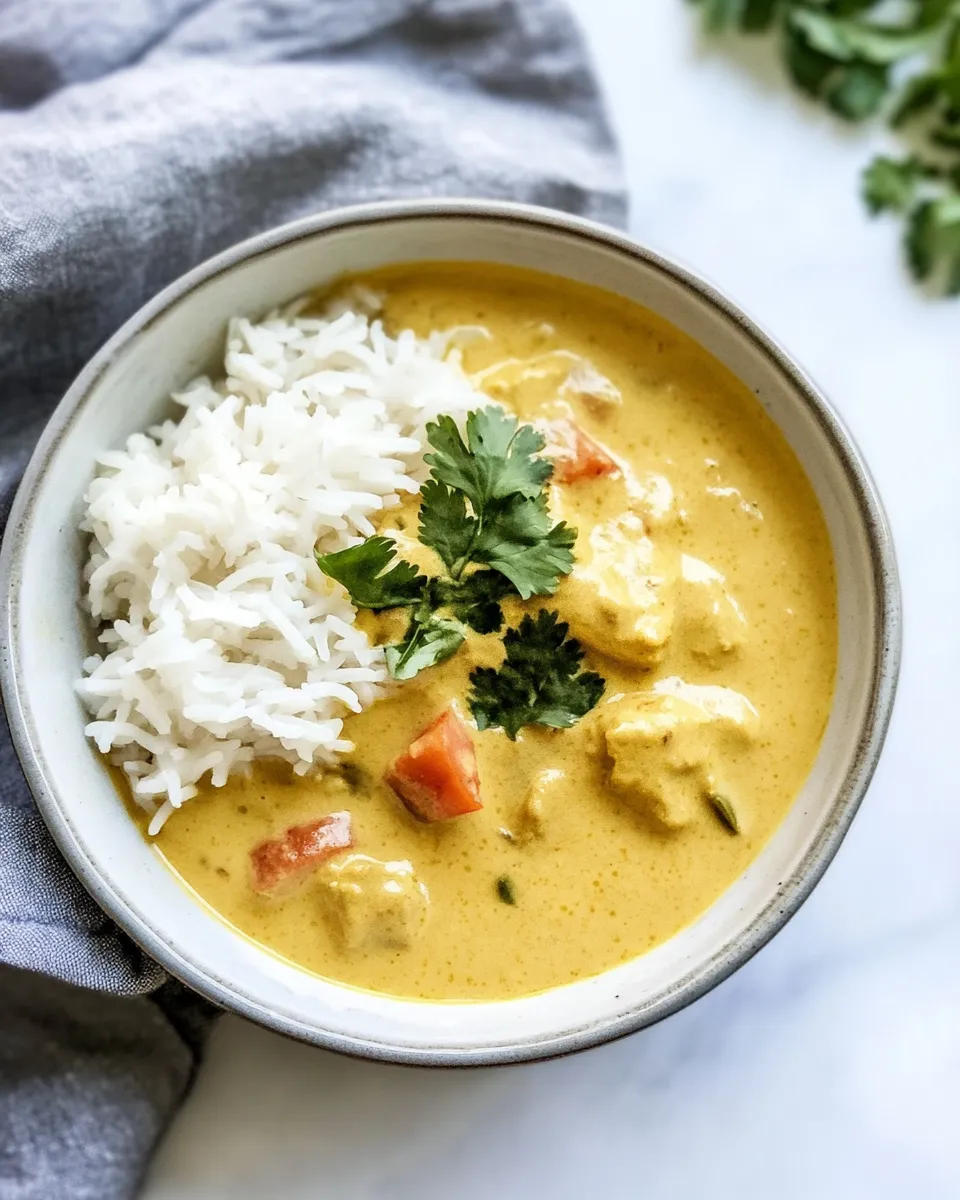
Yellow Curry
Ingredients
Equipment
Method
- Heat 1 tablespoon oil in a large pot over medium-low heat.
- Add the 1/2 large chopped onion and sauté until softened, about 3–4 minutes.
- Add the 1 pound bite-sized chicken pieces, the 2 medium gold potatoes (½" cubed), and the 1 large thinly sliced carrot. Cook, stirring occasionally, until the chicken is mostly opaque, about 3–4 minutes.
- Add 2 teaspoons freshly grated ginger, 2 cloves minced garlic, and 3–4 tablespoons yellow curry paste. Cook, stirring, for 2–3 minutes until fragrant.
- Pour in 1 1/2 cans of the coconut milk and bring the mixture to a gentle simmer. Reserve the remaining 1/2 can of coconut milk in a small bowl.
- Whisk 2 teaspoons cornstarch into the reserved 1/2 can of coconut milk until smooth, then add this mixture back into the pot and stir to combine.
- Bring the pot to a boil, then reduce heat to low and simmer, partially covered, for 20–30 minutes, or until the chicken and potatoes are cooked through and the sauce has thickened. Stir occasionally.
- Stir in 1 teaspoon fish sauce (optional), 1.5 tablespoons brown sugar, and 1 tablespoon lime juice. Simmer 5 more minutes.
- Serve the curry over hot cooked rice. Garnish with fresh cilantro and/or sriracha as desired.
Notes
Storing and Freeing Instructions:
For best results, store the yellow curry sauce in a separate container from the rice. Store both in air tight containers in the refrigerator for 3-4 days. Reheat in the microwave.
Freeze curry in a freezer-safe container for 2-3 months. Thaw overnight in the refrigerator and reheat on the stove or in the microwave. Cook rice fresh for serving.
*For homemade curry paste, check out
this recipe
.
Gluten-free Adaptations:
use gluten-free yellow curry paste.