7-UP Biscuits
These biscuits are the kind of thing I make when I want warm, buttery bread on the table fast. They’re unfussy: a few pantry staples, a bowl, and the oven. The magic is in the sour cream and the soda working together with a store-bought baking mix to give you tender, slightly sweet, golden-topped biscuits with buttery bottoms.
No trickery, no long proofing. You’ll be patting a sticky dough into a pan and cutting rounds before the oven has fully recovered from preheating. They’re forgiving, which is why they’re on regular rotation here when we need something quick to go with soup, eggs, or a roast chicken.
I’ll walk through everything from ingredients and exact steps to troubleshooting, storage, and a few easy ways to adapt the biscuits for different diets. Read the ingredient notes before you start—there are tiny choices that make a big difference to texture.
What You’ll Gather
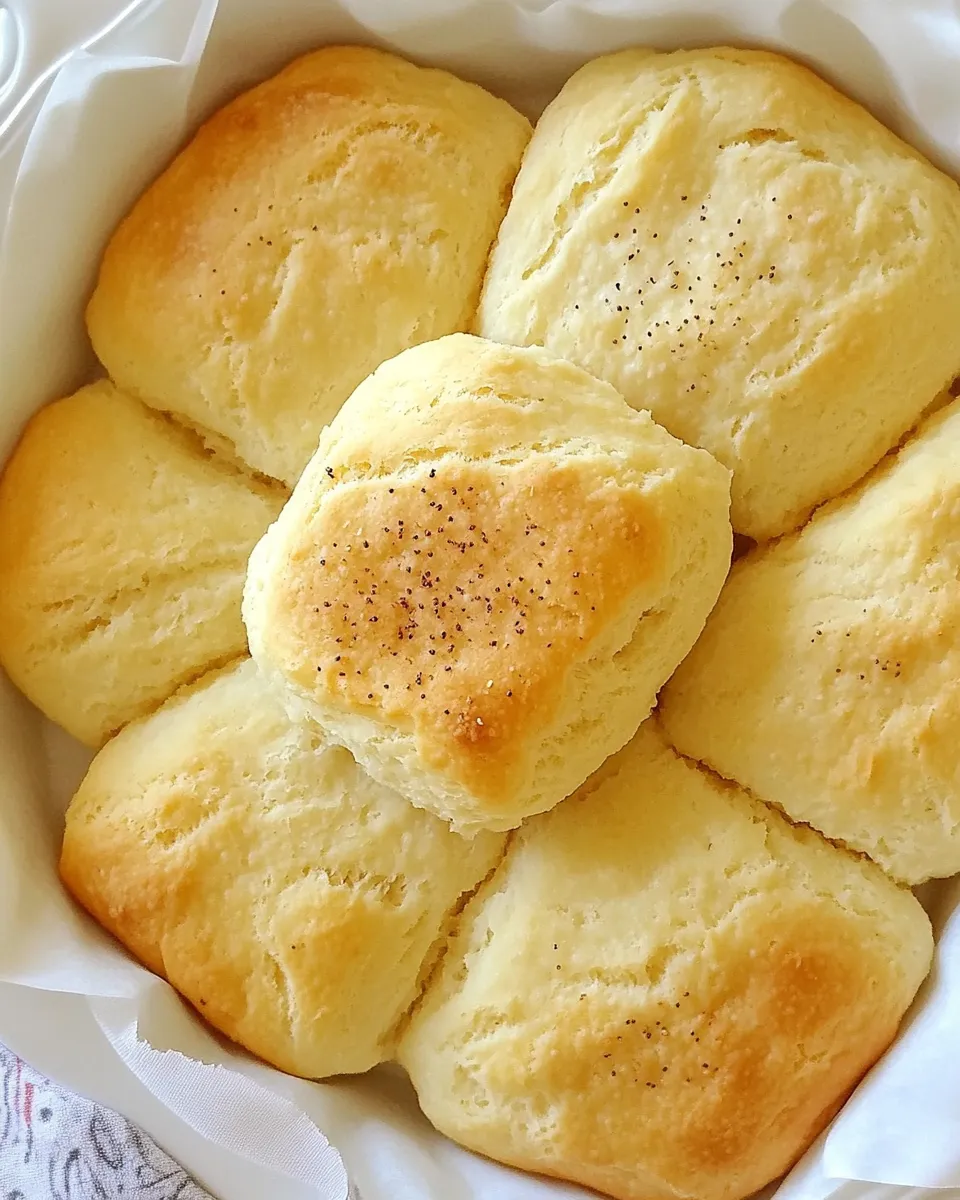
Before you pull out the mixer, gather the ingredients, and get your baking dish ready. The recipe is based on a baking mix, which simplifies the leavening and salt balance; sour cream brings moisture and a little acidity, and the 7-UP soda helps with lift and a light crumb. Keep a pinch of all-purpose flour handy to tame the sticky dough while you shape the biscuits.
Ingredients
- 1 stick butter, melted down — provides richness and creates a buttery base in the baking dish so bottoms brown and stay crisp.
- 4 cups Baking Mix (Bisquick or Jiffy Baking Mix) — the structured base and leavening; using a ready mix keeps this quick and consistent.
- 1 cup Sour Cream — adds fat and tang that tenderize the crumb; it’s the main moistening agent before the soda.
- 1 cup 7-Up Soda — carbonation and a touch of sweetness help the dough rise and lighten the texture; stir it in gently.
- All Purpose Flour — pinch to help with sticky dough – you can also use a bit of extra bisquick mix instead.
From Start to Finish: 7-UP Biscuits
- Preheat oven to 425°F.
- In a mixing bowl, combine 4 cups Baking Mix and 1 cup sour cream.
- Using a pastry blender, cut the sour cream into the baking mix until the mixture is well combined.
- Stir in 1 cup 7‑Up soda just until the dough comes together; do not overmix.
- Sprinkle a pinch of all‑purpose flour onto a clean work surface. Turn the sticky dough out onto the floured surface and sprinkle a little more flour on top so you can handle it.
- Pat the dough with your hands until it is about 1 inch thick.
- Melt 1 stick of butter and pour the hot melted butter into the bottom of a 9 x 13‑inch baking dish.
- Use a 3‑inch round biscuit cutter (or the bottom of a glass) to cut biscuits from the dough. If the cutter sticks, dust it with a little flour or a bit of extra baking mix. Place the cut biscuits into the prepared buttered dish.
- Bake the biscuits at 425°F for 20–25 minutes, checking at 20 minutes, until the tops are golden brown.
Why It Works Every Time
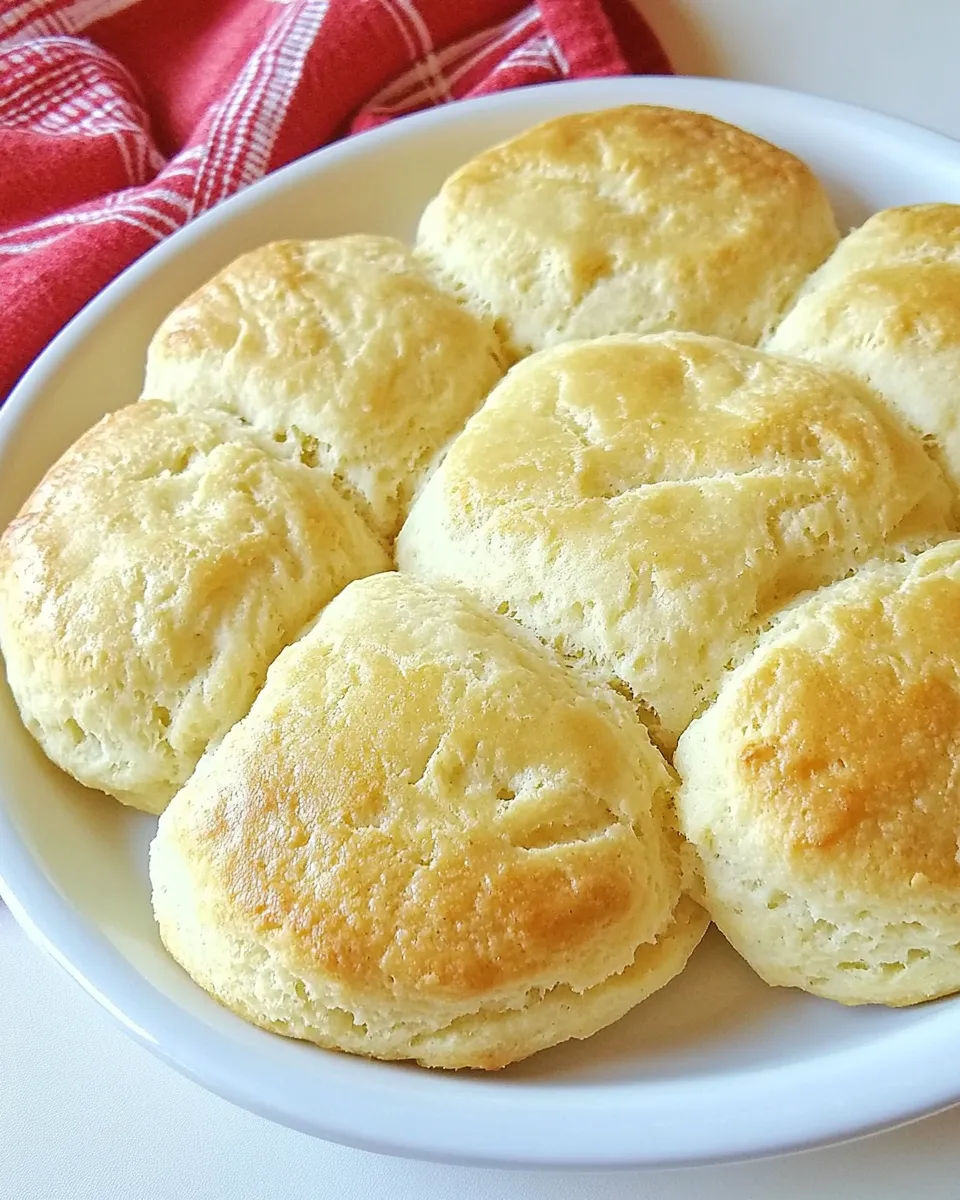
This recipe leans on a few reliable principles. First, the baking mix already contains leavening agents and a measured salt level, which removes the guesswork. The sour cream contributes both fat and acidity; that fat coats flour proteins, limiting strong gluten development so the biscuits stay tender. The acid also reacts with any baking soda in the mix to boost lift.
Adding carbonated soda—7‑Up—introduces extra bubbles and a slight sweetness. Those bubbles expand in the oven, helping to create an airy crumb without kneading. Finally, pouring melted butter into the pan before placing the biscuits gives you a crisp, flavorful bottom crust and seals some of the butter into the dough edges as they bake upright in the pan.
Low-Carb/Keto Alternatives
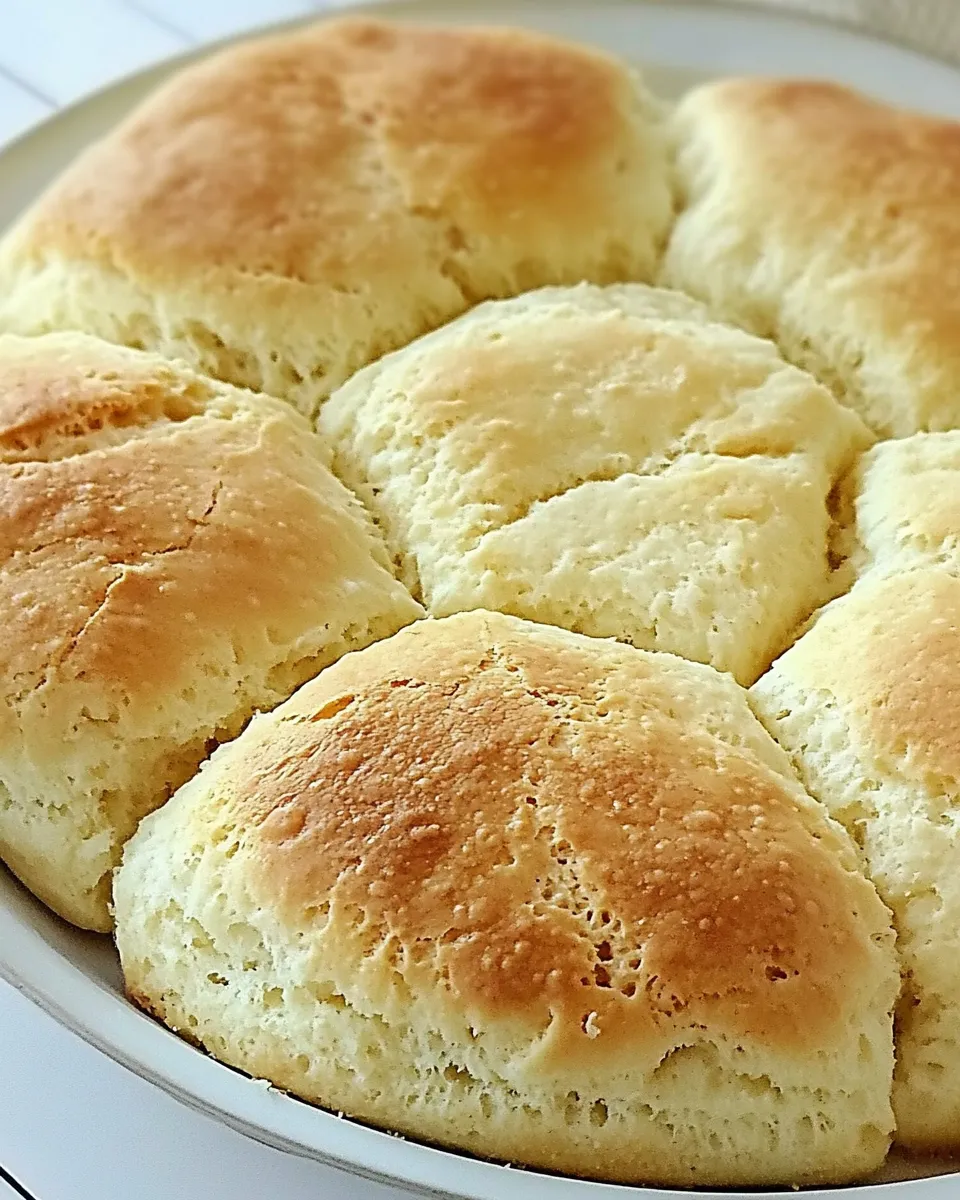
This recipe is built around a traditional baking mix and soda, so it isn’t low-carb as written. If you’re adapting it, the two parts to address are the baking mix and the soda. Look for a low-carb baking mix that’s designed to behave like a self-rising or all-purpose blend, or use a combination of almond flour and a small amount of a low-carb binder—just be aware textures will differ.
For the soda, choose a sugar-free lemon-lime soda; the carbonation still gives lift. Expect a denser crumb and a different browning behavior, and reduce any added sweeteners in other parts of a meal. Because proportions change significantly when you substitute low-carb flours, treat any adaptation as a test batch and adjust moisture gradually until the dough reaches a similar consistency to the original.
Gear Up: What to Grab
For these biscuits you don’t need fancy tools. A pastry blender is recommended for cutting the sour cream into the baking mix; it gives the dough a pebbled texture that flakes well. If you don’t have one, two forks or clean fingertips will work. Other useful items:
- Mixing bowl (medium or large)
- Pastry blender or two forks
- Measuring cups
- 3‑inch round biscuit cutter or sturdy glass
- 9 x 13‑inch baking dish
- Kitchen thermometer (optional) to verify oven temp if you’re uncertain
Problems & Prevention
Sticky dough: This is normal. The surface should be lightly floured to handle the dough. Resist the urge to add too much flour—over-flouring will make the biscuits dry and dense. Use only enough extra flour to prevent sticking while you pat and cut.
Flat biscuits: Overmixing after you add the soda knocks out the carbonation that helps lift. Stir just until the dough holds together. Also, make sure your oven is fully preheated; biscuits need that initial burst of heat for rise.
Gummy or underbaked interior: If the tops are brown but the middles are doughy, your oven may be running hot or the biscuits may be too tall in the pan. Rotate the pan at the 12‑minute mark. If you’re consistently seeing underbaked centers, drop the oven temperature 10–15°F and bake a few minutes longer so the center can cook without over-browning the tops.
Fit It to Your Goals
Weeknight dinner: Serve two biscuits per person alongside soup or a salad. They’re sturdy enough to sop up gravy or stew.
Brunch: Split warm biscuits and fill with scrambled eggs, ham, or smoked salmon and a sliver of extra butter. The slight sweetness from the 7‑Up balances salty fillings nicely.
Make them cheesy or herby: Without changing the main method, you can fold in a cup of shredded cheese or a couple of tablespoons of chopped fresh herbs when you first combine the baking mix and sour cream. Keep additions modest so the dough still holds together when cut.
Insider Tips
Texture and handling
Be gentle after you add the soda. Overworking the dough is the easiest way to lose the light lift you want from the carbonation and the baking mix. When you pat the dough to 1 inch thick, use your hands in a tapping motion rather than rolling aggressively; that preserves the little pockets of butter and air.
Cutting for height
When you press the cutter, press straight down—don’t twist. Twisting seals the edges and can prevent good rise. Place biscuits snugly in the buttered pan for taller sides, or space them apart for crisper edges all around.
Butter placement
Hot melted butter in the dish is intentional. It creates a shallow pool that the biscuits sit in as they bake, producing a golden, slightly fried bottom. If you prefer less butter, brush about half of the melted butter in the dish and reserve the rest to brush on the biscuits right after they come out of the oven.
Make-Ahead & Storage
Make-ahead: You can prepare the dough and keep it tightly covered in the fridge for up to 24 hours before cutting and baking. The dough will be slightly firmer when chilled, making it easier to cut neat rounds. Let it sit at room temperature for 10–15 minutes before cutting if very stiff.
Storing: Store cooled biscuits in an airtight container at room temperature for 2 days. For longer keeping, freeze in a single layer on a baking sheet until solid, then transfer to a freezer-safe bag for up to 2 months. Reheat from frozen on a baking sheet at 350°F for 10–12 minutes, or until warmed through.
Your Questions, Answered
Can I use plain club soda instead of 7‑Up? Yes. Club soda will give lift from carbonation but won’t add sweetness or lemon‑lime flavor. If you want a closer match to the original taste, use a lemon‑lime soda.
Can I substitute Greek yogurt for sour cream? Greek yogurt works in a pinch and will add tang, but it tends to be thicker and drier—use a full-fat plain Greek yogurt and monitor dough moisture. The texture may vary slightly.
What if I don’t have a biscuit cutter? Use the bottom of a sturdy glass with a 3‑inch rim, or shape the dough into squares and transfer them to the buttered pan; baking times will be similar.
That’s a Wrap
These 7‑UP Biscuits are a quick route to warm, buttery bread with minimal fuss. They’re forgiving, adaptable, and hit that balance of tender interior and golden, buttery exterior. Once you’ve done one batch, you’ll see how small adjustments—how you cut, whether you bake them close together, or how much butter you use in the pan—change the final texture. Make them once to get comfortable with the dough, then tweak to fit your table.
Light, fast, and reliably tasty—keep the baking mix on the shelf and this recipe will be your go-to when you need biscuits in a hurry.
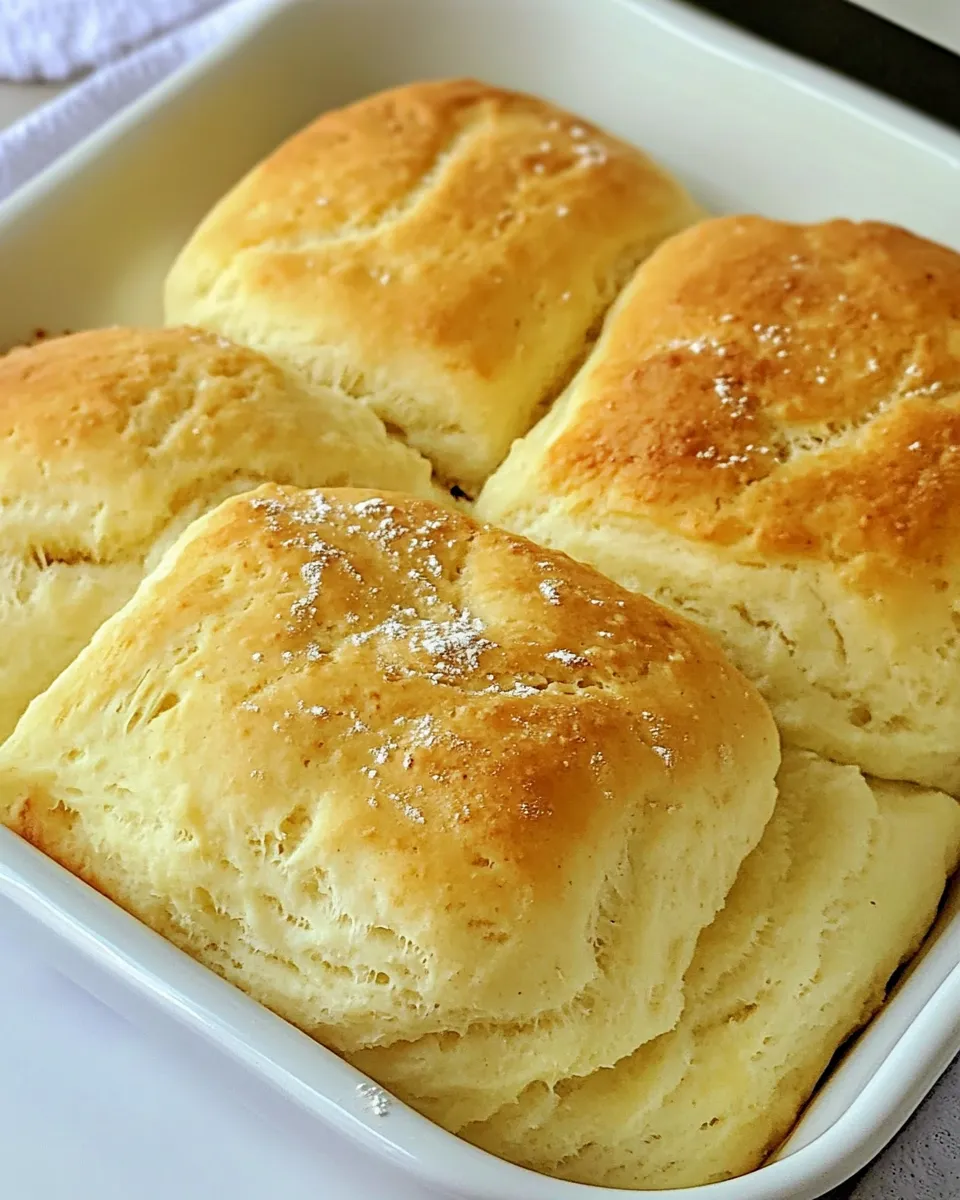
7-UP Biscuits
Ingredients
Equipment
Method
- Preheat oven to 425°F.
- In a mixing bowl, combine 4 cups Baking Mix and 1 cup sour cream.
- Using a pastry blender, cut the sour cream into the baking mix until the mixture is well combined.
- Stir in 1 cup 7‑Up soda just until the dough comes together; do not overmix.
- Sprinkle a pinch of all‑purpose flour onto a clean work surface. Turn the sticky dough out onto the floured surface and sprinkle a little more flour on top so you can handle it.
- Pat the dough with your hands until it is about 1 inch thick.
- Melt 1 stick of butter and pour the hot melted butter into the bottom of a 9 x 13‑inch baking dish.
- Use a 3‑inch round biscuit cutter (or the bottom of a glass) to cut biscuits from the dough. If the cutter sticks, dust it with a little flour or a bit of extra baking mix. Place the cut biscuits into the prepared buttered dish.
- Bake the biscuits at 425°F for 20–25 minutes, checking at 20 minutes, until the tops are golden brown.
Notes
Biscuits can also be placed into a cast iron pan by following the same instructions. Pour melted butter and add biscuits in a 12-inch round cast iron pan. Just note that cast iron pans heat up really hot, and the bottoms of the biscuits may brown quickly.
It’s also important to note that baking is not quite like cooking. Baking is more precise, so do not over-pour sour cream or 7-up. It should be measured as exactly as possible.
This dish uses a Bisquick baking mix (or Jiffy Baking Mix), and in some cases, you may want to add up to 1/4th more mix for a total of 4 1/4th cups. The dough is intended to be a bit sticky; add a tiny bit of flour as you mold it to 1-inch thickness and place into dish.