Sambal Eggplant
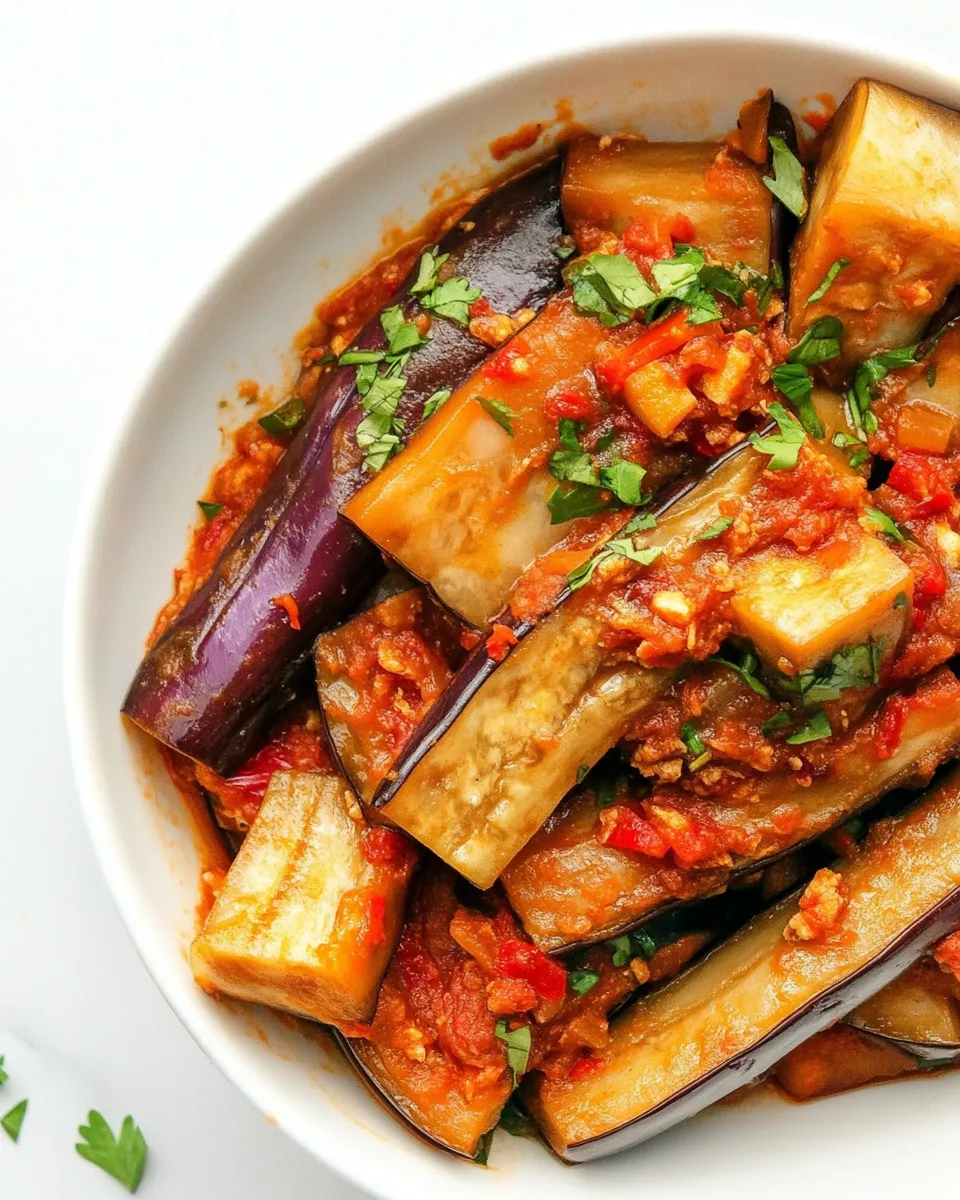
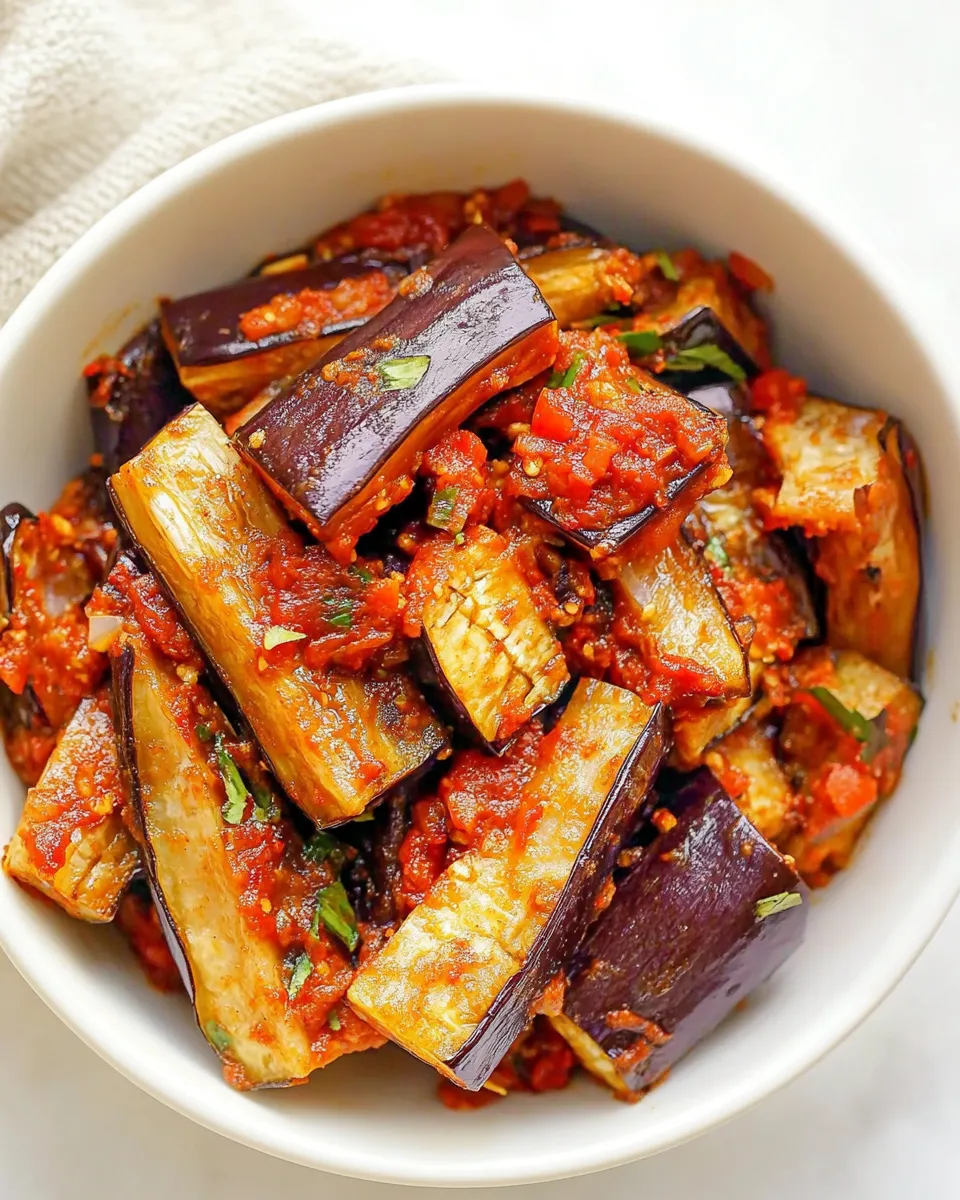
If you’re looking for a dish that packs a flavorful punch while being easy to prepare, look no further than Sambal Eggplant. This vibrant and spicy dish highlights the rich, earthy flavors of eggplant, beautifully complemented by the fiery kick of sambal, a traditional Indonesian chili paste. The combination of savory dried shrimp and a hint of sweetness from sugar creates a delightful balance that will leave your taste buds dancing. Perfect as a side dish or even as a main vegetarian meal, Sambal Eggplant is sure to become a new favorite in your kitchen.
Why I Love This Recipe
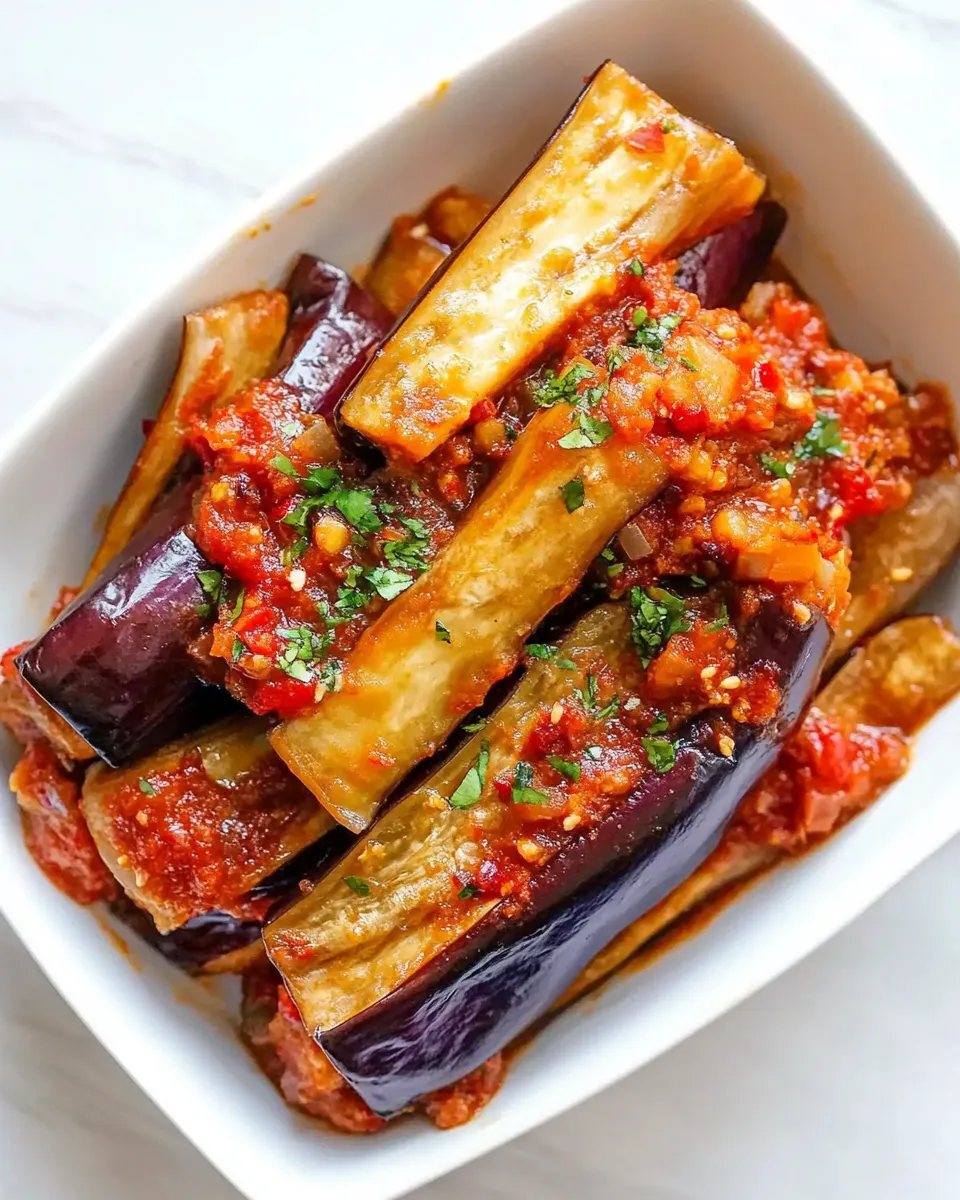
This Sambal Eggplant recipe is one of those dishes that not only satisfies cravings but also brings a sense of warmth and nostalgia. The spicy notes of sambal stir memories of family dinners and bustling markets filled with aromatic spices. It’s quick to whip up, making it ideal for weeknight dinners yet special enough to impress guests at a dinner party. Plus, eggplant is a versatile vegetable that soaks up flavors beautifully, ensuring every bite is bursting with deliciousness.
Ingredient Notes
- 2 tablespoons oil: Any neutral oil works, but I prefer sesame oil for added depth.
- 1 1/2 tablespoons dried shrimp: Soaked in warm water and drained, these add umami and a subtle ocean flavor.
- 1 1/2 – 2 tablespoons sambal: This chili paste is the star of the dish; adjust to your spice preference.
- 7 oz (200g) eggplant: Cut into rounds or long strips; choose a firm eggplant for the best texture.
- 1/2 teaspoon sugar: This helps balance the heat from the sambal; adjust to taste.
- 1 teaspoon fish sauce: Adds a depth of flavor; use a vegetarian alternative if desired.
Equipment & Tools
- Frying pan or wok: Essential for stir-frying the eggplant and other ingredients.
- Cutting board: For chopping and preparing the eggplant and shrimp.
- Knife: A sharp one for easy slicing of vegetables.
- Measuring spoons: To ensure accurate ingredient amounts.
- Spatula: For stirring and tossing the ingredients in the pan.
Method: Sambal Eggplant
Step 1: Prepare the Ingredients
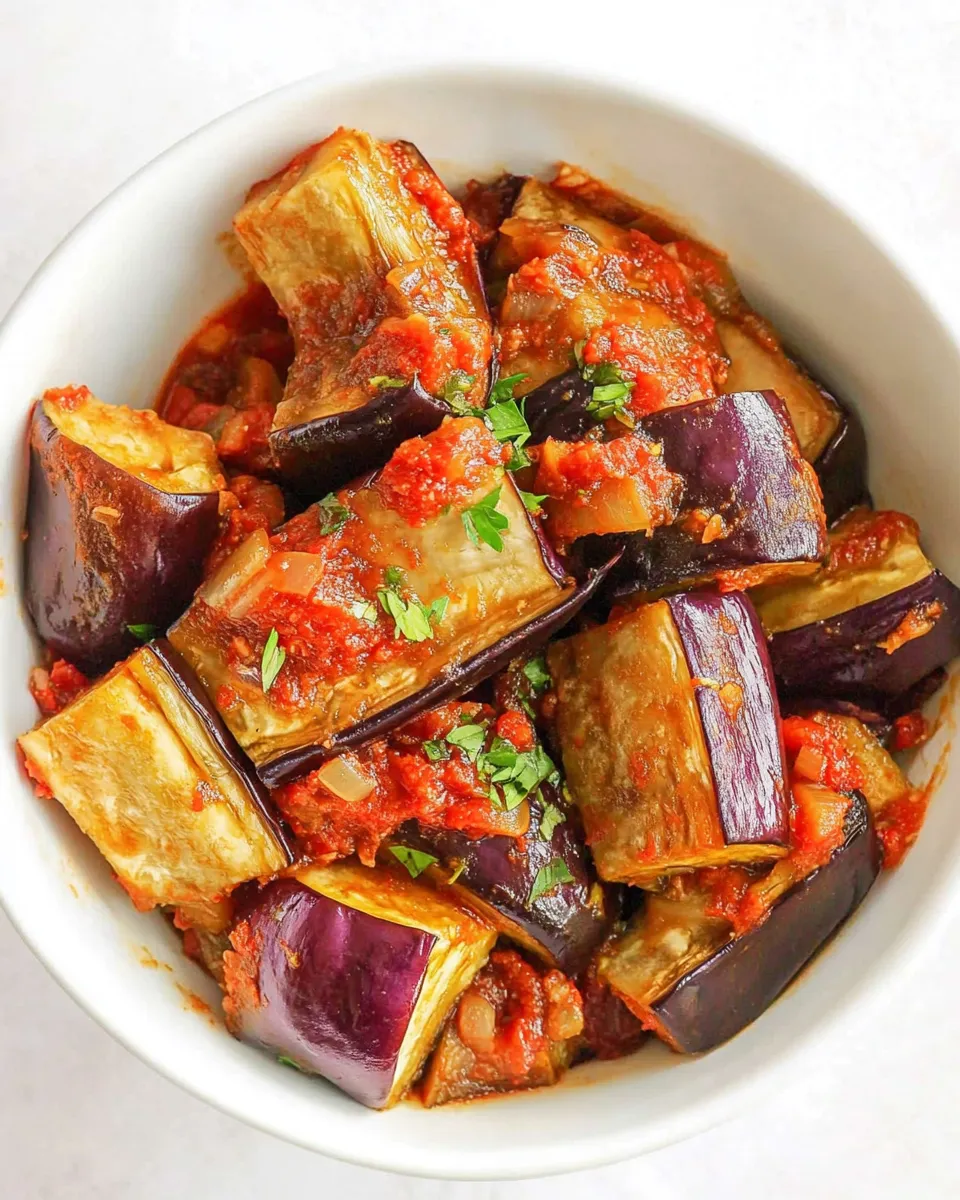
Start by soaking the dried shrimp in warm water for about 15 minutes. Drain them well. Meanwhile, wash the eggplant, slice it into rounds or long strips, and set it aside.
Step 2: Heat the Oil
In a frying pan or wok, heat the 2 tablespoons of oil over medium-high heat. Ensure the oil is hot before adding the eggplant, which will help prevent it from absorbing too much oil.
Step 3: Cook the Eggplant
Add the eggplant to the hot oil and stir-fry for about 5-7 minutes, or until it is tender and slightly golden. Make sure to stir frequently to ensure even cooking.
Step 4: Add the Shrimp and Sambal
Once the eggplant is cooked, add the drained dried shrimp to the pan along with the sambal. Stir well to combine, allowing the flavors to meld together for about 2-3 minutes.
Step 5: Season the Dish
Sprinkle in the sugar and fish sauce. Stir everything together, adjusting the seasoning to your taste. You can add more sambal if you prefer it spicier.
Step 6: Serve
Remove from heat and transfer the Sambal Eggplant to a serving dish. Enjoy it warm, either as a side dish or as a main course with rice or noodles.
Seasonal Flavor Boosts
- For a refreshing twist, add a squeeze of lime juice just before serving.
- Incorporate seasonal vegetables, such as bell peppers or zucchini, for added color and texture.
- Top with fresh herbs like cilantro or Thai basil for an aromatic finish.
- Drizzle with a bit of sesame oil for an extra nutty flavor.
What I Learned Testing
- Eggplant can soak up a lot of oil, so cooking it at a higher temperature helps create a nice sear without making it greasy.
- Adjusting the amount of sambal is key; start with less if you’re unsure about the heat level.
- Soaking the dried shrimp enhances their flavor and makes them more tender when cooked.
- Serving this dish with rice not only balances the spicy flavors but also makes for a hearty meal.
Store, Freeze & Reheat
To store leftover Sambal Eggplant, place it in an airtight container in the refrigerator for up to 3 days. For longer storage, you can freeze it in a freezer-safe container for up to 2 months. When you’re ready to enjoy it again, thaw it overnight in the refrigerator and reheat in a pan over low heat until warmed through. You may need to add a splash of water or oil to restore its moisture.
Quick Questions
Can I use fresh shrimp instead of dried shrimp?
Yes, you can use fresh shrimp, but be sure to cook them thoroughly and adjust the cooking time accordingly.
What can I substitute for fish sauce?
If you want a vegetarian option, you can use soy sauce or tamari for a similar umami flavor.
Is sambal very spicy?
The spice level of sambal can vary significantly depending on the brand. Taste it first and adjust the quantity according to your heat preference.
Can I make this dish vegan?
Absolutely! Simply omit the dried shrimp and fish sauce, and you’ll have a delicious vegan Sambal Eggplant.
More from the Kitchen
Wrap-Up
Sambal Eggplant is a dish that embodies the essence of comfort food while bringing a unique twist with its spicy undertones. This recipe is not only easy to make but also allows for great flexibility with ingredients. Whether you are cooking for yourself or a crowd, this dish is sure to impress. The combination of textures and flavors makes it a standout on any dinner table. So grab your ingredients and start cooking; your taste buds will thank you for it!
Sambal Eggplant
Ingredients
Equipment
Method
- Start by soaking the dried shrimp in warm water for about 15 minutes. Drain them well. Meanwhile, wash the eggplant, slice it into rounds or long strips, and set it aside.
- In a frying pan or wok, heat the 2 tablespoons of oil over medium-high heat. Ensure the oil is hot before adding the eggplant.
- Add the eggplant to the hot oil and stir-fry for about 5-7 minutes, or until it is tender and slightly golden.
- Once the eggplant is cooked, add the drained dried shrimp to the pan along with the sambal. Stir well to combine, allowing the flavors to meld together for about 2-3 minutes.
- Sprinkle in the sugar and fish sauce. Stir everything together, adjusting the seasoning to your taste.
- Remove from heat and transfer the Sambal Eggplant to a serving dish. Enjoy it warm, either as a side dish or as a main course with rice or noodles.
Notes
- For a refreshing twist, add a squeeze of lime juice just before serving.
- Incorporate seasonal vegetables for added color and texture.
- Top with fresh herbs like cilantro or Thai basil for an aromatic finish.