Cast Iron Salmon
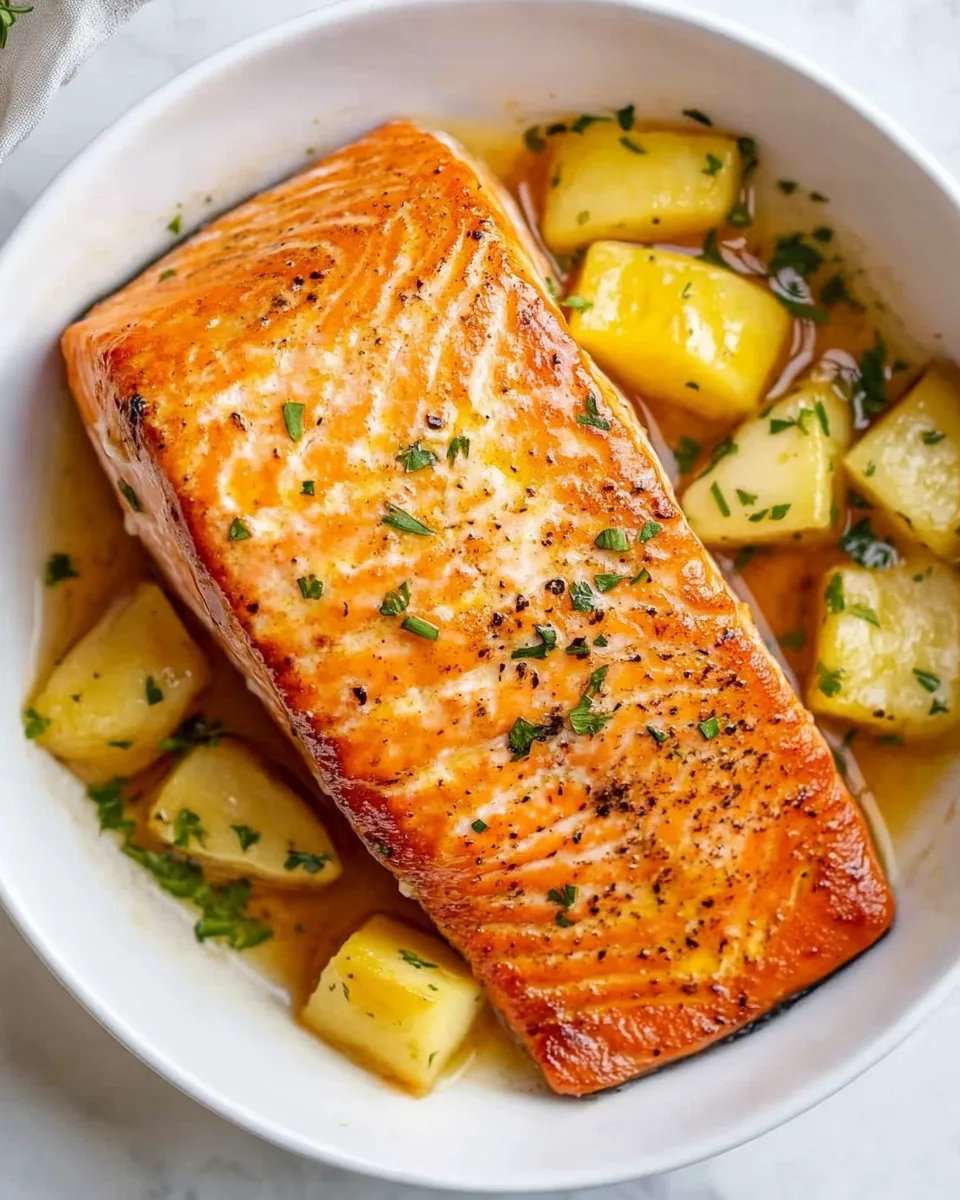
There’s something utterly delightful about cooking salmon in a cast iron skillet. The combination of a perfectly seared exterior with a tender, flaky interior creates a dining experience that’s hard to beat. This recipe for Cast Iron Salmon is not only simple but also incredibly satisfying, making it an excellent choice for both weeknight dinners and special occasions. With just a handful of ingredients, you’ll be able to whip up a dish that looks and tastes gourmet, all while enjoying the health benefits that come with salmon.
Why It’s Crowd-Pleasing
What makes this Cast Iron Salmon recipe a favorite among family and friends? Here are a few reasons:
- Flavorful and Moist: The cast iron retains heat exceptionally well, ensuring the salmon cooks evenly and remains juicy.
- Quick and Easy: With minimal prep and cook time, you can serve a delicious meal in under 30 minutes.
- Versatile: This dish pairs wonderfully with a variety of sides, from roasted vegetables to creamy risottos.
- Impressive Presentation: The golden crust achieved in a cast iron skillet gives the salmon an appealing look that impresses any guest.
Your Shopping Guide
Before you dive into this culinary adventure, here’s what you’ll need to gather from the grocery store:
- Salmon Fillets (4 fillets, 4-6 ounces each): Choose fresh salmon for the best flavor and texture.
- Olive Oil (1 tablespoon): A staple in many kitchens, it adds richness and helps with searing.
- Salt (1/2 teaspoon): Enhances the natural flavors of the salmon.
- Pepper (1/2 teaspoon): Adds a subtle spice that complements the dish beautifully.
- Butter (2 tablespoons): Provides a creamy richness and a delicious finish.
- Lemon (1/2 small, sliced): Brightens the dish with a zesty kick, balancing the richness of the salmon.
Kitchen Gear Checklist
To make your cooking experience seamless, here’s a list of essential kitchen gear you’ll need:
- Cast Iron Skillet: The star of the show, perfect for achieving that delicious sear.
- Spatula: A sturdy spatula will help you flip the salmon without breaking it apart.
- Measuring Spoons: For accurate measurements of oil, salt, and pepper.
- Tongs: Handy for turning the salmon fillets and serving.
- Cutting Board: For slicing the lemon and preparing your ingredients.
- Knife: A sharp knife is essential for slicing lemon and potentially portioning salmon.
Build Cast Iron Salmon Step by Step
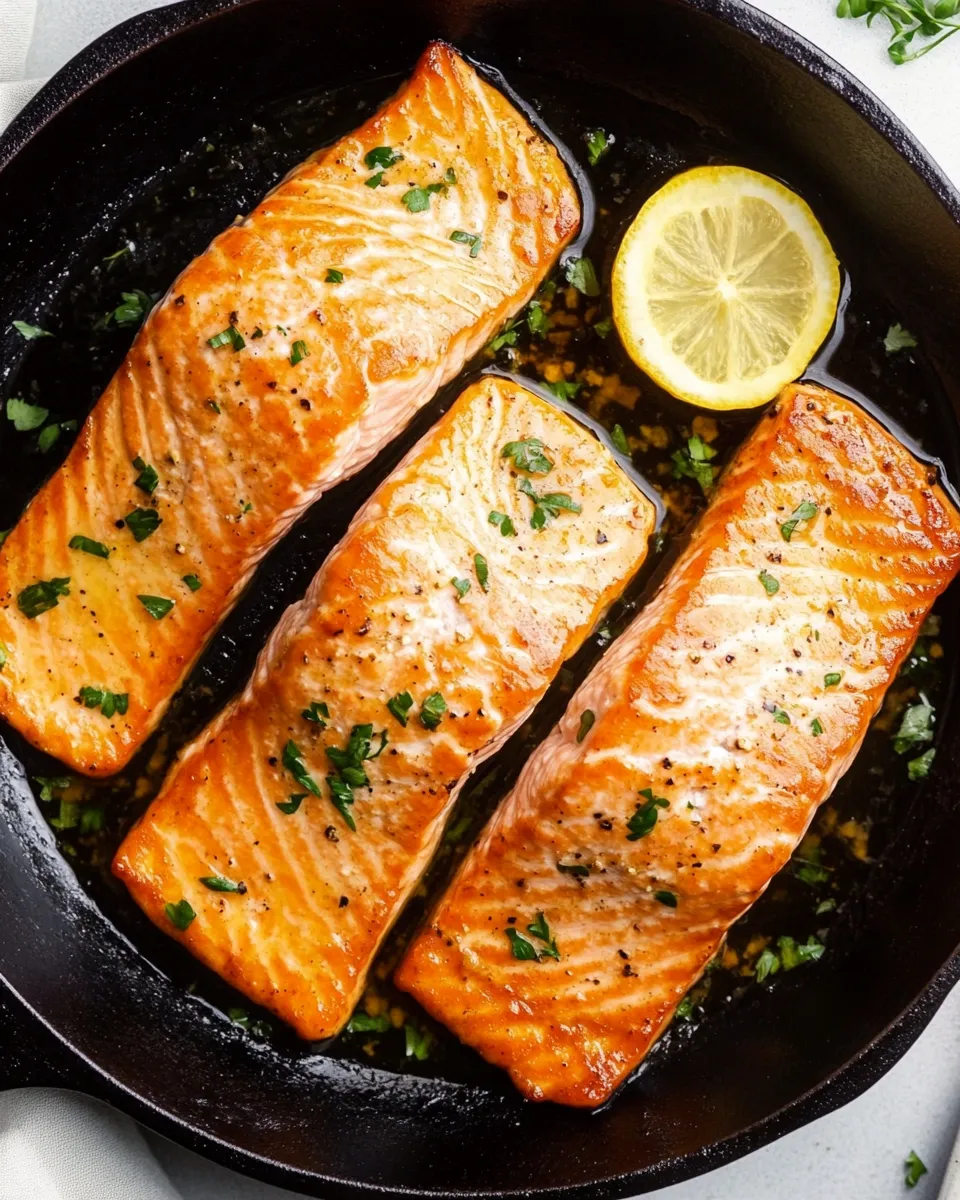
Cooking Cast Iron Salmon is straightforward and rewarding. Follow these steps to create a dish that’s sure to impress:
Step 1: Prepare the Salmon
Start by patting the salmon fillets dry with paper towels. This helps to get a nice sear. Season both sides of the fillets generously with salt and pepper.
Step 2: Heat the Skillet
Place your cast iron skillet on the stove over medium-high heat. Add the olive oil and allow it to heat until shimmering but not smoking. This usually takes about 1-2 minutes.
Step 3: Sear the Salmon
Carefully place the salmon fillets in the skillet, skin-side down if applicable. Let them cook undisturbed for about 4-5 minutes. This helps to form a beautiful crust.
Step 4: Flip the Fillets
Using a spatula, gently flip each salmon fillet. Add the butter to the skillet and let it melt, spooning the melted butter over the fillets for added flavor.
Step 5: Add Lemon
Toss in the lemon slices around the salmon. The heat will caramelize the lemons, adding a delightful sweetness to the dish.
Step 6: Finish Cooking
Continue cooking for an additional 3-4 minutes, or until the salmon is cooked through and flakes easily with a fork. The internal temperature should reach 145°F.
Step 7: Serve and Enjoy
Remove the skillet from heat. Plate the salmon and spoon some of the buttery lemon sauce over the top. Garnish with fresh herbs if desired, and serve immediately.
Holiday-Friendly Variations
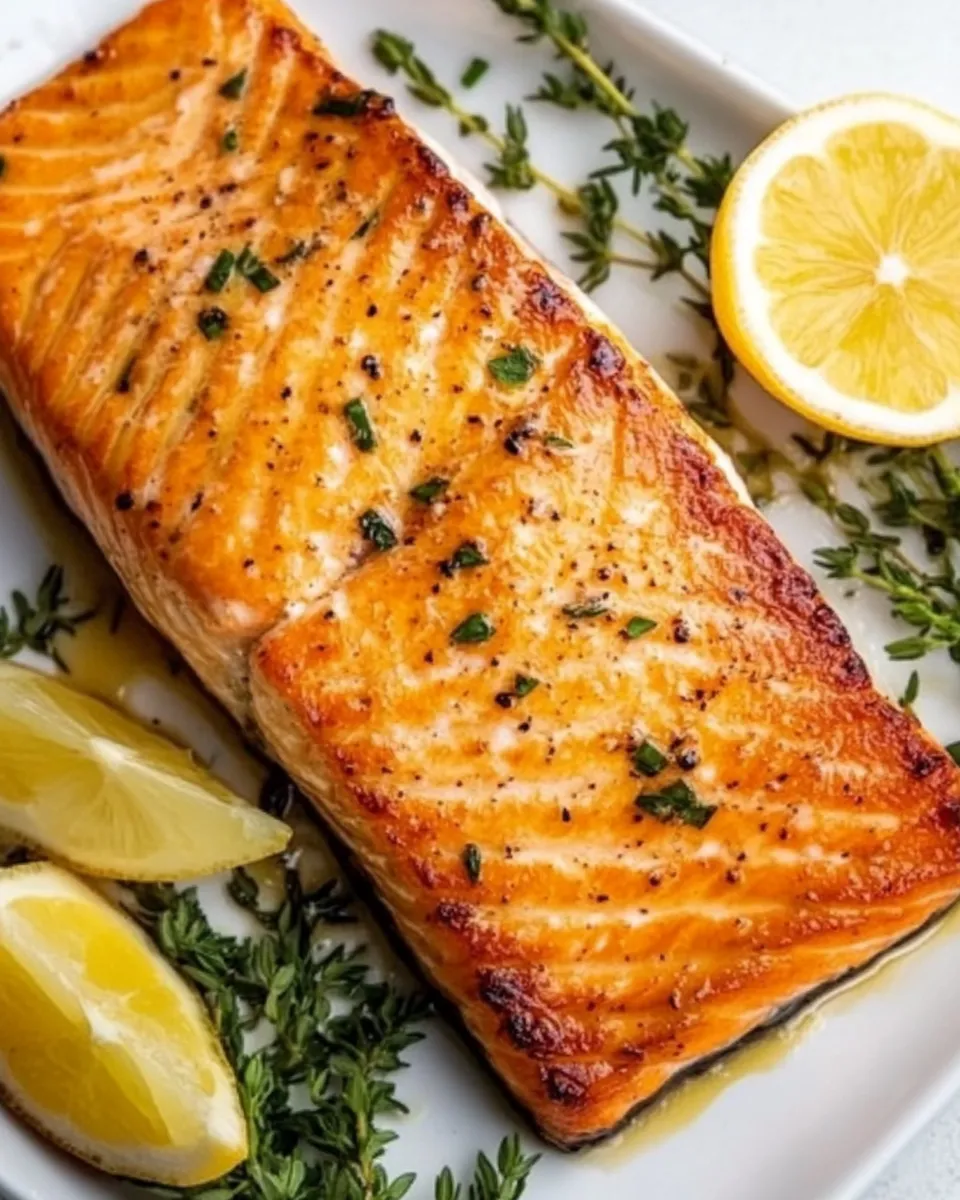
Want to switch things up for a special occasion? Here are some festive variations to consider:
- Herb Butter: Mix fresh herbs like dill, parsley, or thyme into the butter for an aromatic twist.
- Maple Glaze: Drizzle a little maple syrup over the salmon before cooking for a sweet and savory flavor.
- Spicy Cajun: Season the fillets with Cajun spice for a kick of heat that’s perfect for holiday gatherings.
- Garlic and Herb: Add minced garlic and a sprinkle of your favorite herbs when melting the butter for an extra layer of flavor.
Troubleshooting Tips
If you encounter any hiccups while making your Cast Iron Salmon, don’t worry! Here are some common issues and how to solve them:
- Salmon Sticking to the Pan: Make sure your skillet is properly preheated and well-oiled before adding the salmon.
- Uneven Cooking: Ensure your fillets are of uniform thickness for even cooking. Consider pounding thicker parts gently to even them out.
- Overcooked Salmon: Keep an eye on the cooking time and use a meat thermometer to check for doneness to avoid dryness.
- Flavor Too Mild: Amp up the seasoning before cooking or add a splash of lemon juice right before serving for extra brightness.
Keep It Fresh: Storage Guide
If you happen to have leftovers (which is rare with this delicious dish!), here’s how to store them properly:
Allow the salmon to cool completely before transferring it to an airtight container. It can be stored in the refrigerator for up to 2 days. When reheating, do so gently in a skillet or in the oven to avoid drying it out. If you want to keep it for longer, consider freezing the cooked salmon. Wrap it tightly in plastic wrap and then place it in a freezer-safe bag. It can be frozen for up to 3 months.
Reader Q&A
Can I use frozen salmon for this recipe?
Yes, you can use frozen salmon. Just make sure to thaw it completely in the refrigerator before cooking to ensure even cooking.
What sides go well with Cast Iron Salmon?
This dish pairs wonderfully with a variety of sides such as asparagus, quinoa salad, or a fresh garden salad. Roasted potatoes or a creamy risotto also make excellent companions.
How can I tell when the salmon is done cooking?
Salmon is done when it flakes easily with a fork and the internal temperature reaches 145°F. It should still have a slight translucency in the center.
Can I use other types of fish with this method?
Absolutely! This method works well with other fish like trout or halibut. Just adjust the cooking time based on the thickness of the fillets.
Next Up in Your Queue
Ready to dive into more delicious recipes? Check these out:
Next Steps
Now that you have the recipe for Cast Iron Salmon, it’s time to gather your ingredients and get cooking! Whether for a cozy weeknight meal or a gathering with friends, this dish is bound to impress. Don’t forget to share your creations and tag your favorite food blogger for inspiration. Happy cooking!
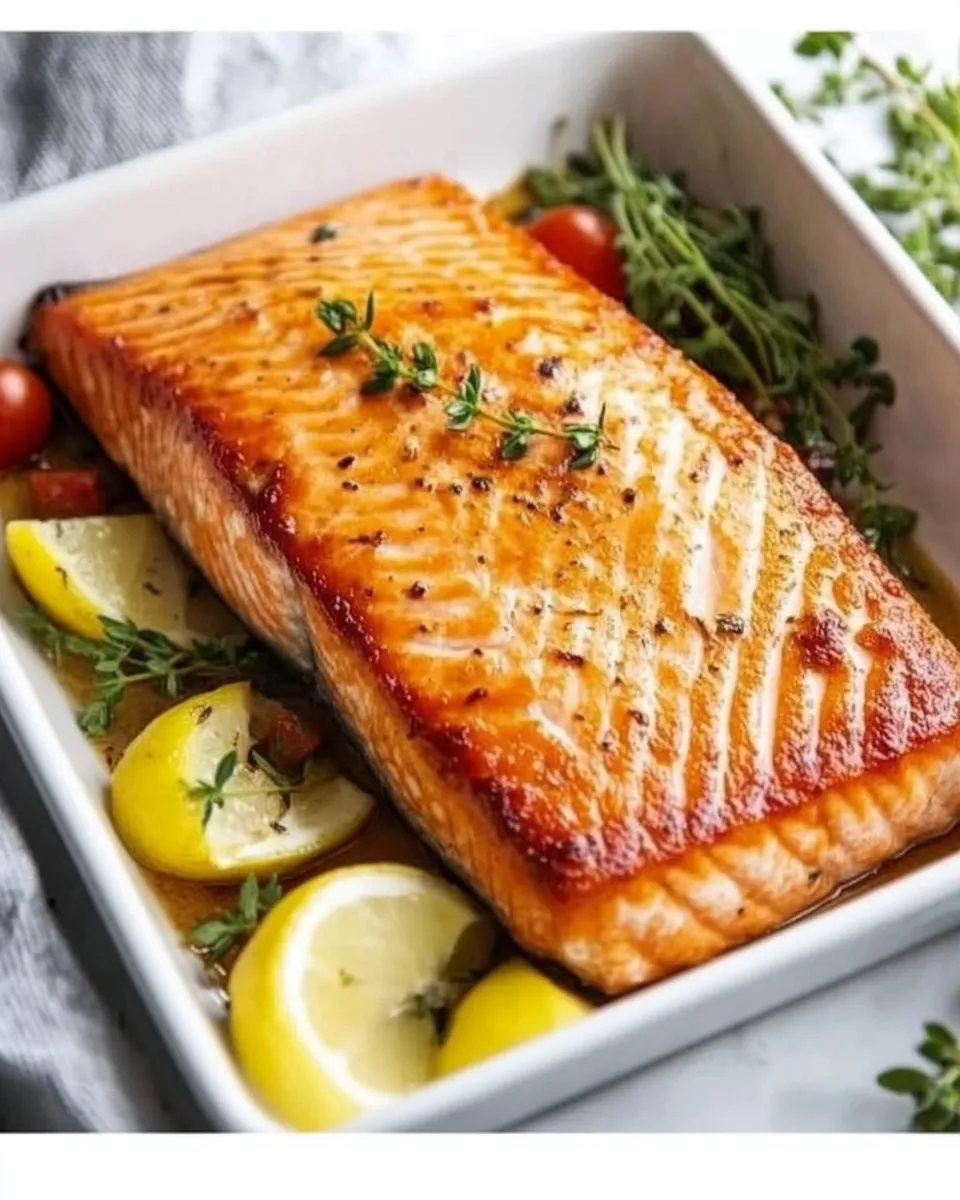
Cast Iron Salmon
Ingredients
Equipment
Method
- Step 1: Prepare the Salmon - Start by patting the salmon fillets dry with paper towels. Season both sides of the fillets generously with salt and pepper.
- Step 2: Heat the Skillet - Place your cast iron skillet on the stove over medium-high heat. Add the olive oil and allow it to heat until shimmering but not smoking.
- Step 3: Sear the Salmon - Carefully place the salmon fillets in the skillet, skin-side down if applicable. Let them cook undisturbed for about 4-5 minutes.
- Step 4: Flip the Fillets - Using a spatula, gently flip each salmon fillet. Add the butter to the skillet and let it melt, spooning the melted butter over the fillets.
- Step 5: Add Lemon - Toss in the lemon slices around the salmon. The heat will caramelize the lemons.
- Step 6: Finish Cooking - Continue cooking for an additional 3-4 minutes, or until the salmon is cooked through and flakes easily with a fork.
- Step 7: Serve and Enjoy - Remove the skillet from heat. Plate the salmon and spoon the buttery lemon sauce over the top. Garnish with fresh herbs if desired.
Notes
- Fresh salmon yields the best flavor and texture.
- Consider adding fresh herbs to the butter for extra aroma.
- Store leftovers in an airtight container for up to 2 days.