How to Cook Farro
Farro, an ancient grain packed with nutrients and a delightful chewy texture, has become a staple in many kitchens across the globe. Whether you’re a seasoned chef or a beginner, learning how to cook farro can elevate your meals and bring a wholesome touch to your everyday dishes. This versatile grain can be the base for salads, sides, or even a hearty main dish. Let’s dive into the world of farro and explore how to cook it to perfection.
Why Cooks Rave About It
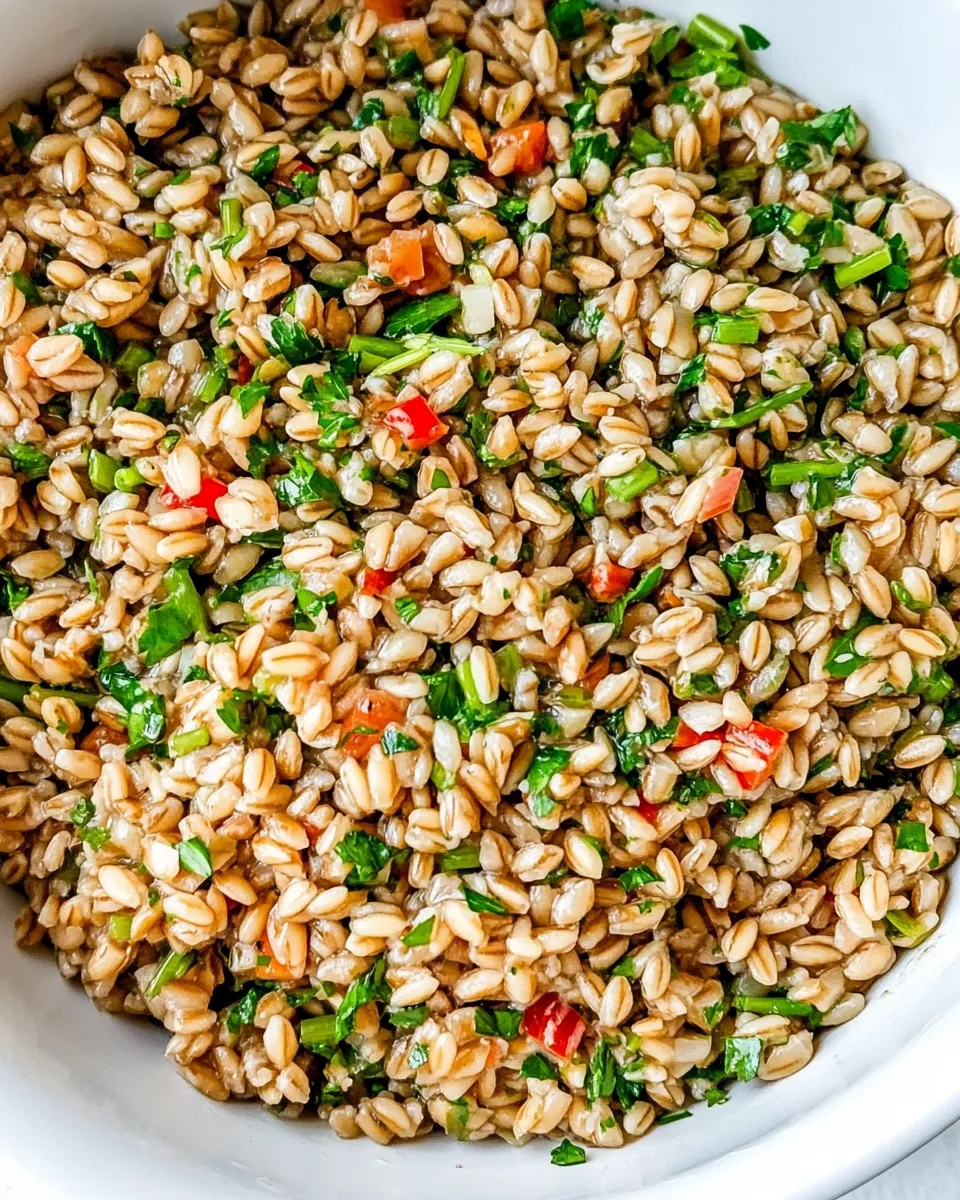
Cooks everywhere are embracing farro for its unique flavor and remarkable health benefits. Here are just a few reasons why farro deserves a spot in your pantry:
- Nutrient-Rich: Farro is loaded with fiber, protein, and essential vitamins and minerals.
- Versatile: It can be used in a variety of dishes, from salads to soups to grain bowls.
- Chewy Texture: Its nutty flavor and chewy bite make it a satisfying addition to any meal.
- Easy to Cook: With just a few simple steps, farro can be cooked perfectly every time.
What Goes In
To cook a delicious batch of farro, you will need the following ingredients:
- 1 cup uncooked farro, rinsed
- 1 tablespoon extra-virgin olive oil
- 1 tablespoon fresh lemon juice, plus more to taste
- 1 tablespoon fresh thyme leaves
- 1 garlic clove, grated
- 1 teaspoon Dijon mustard
- 1 teaspoon sea salt, plus more to taste
- Freshly ground black pepper
- ½ cup chopped fresh parsley
- Red pepper flakes, optional
Equipment Breakdown
Before you start cooking, gather the following kitchen tools:
- Medium saucepan: For cooking the farro.
- Measuring cups and spoons: For accurate ingredient measurements.
- Colander: To rinse the farro thoroughly.
- Wooden spoon: For stirring.
- Serving bowl: To mix and serve your farro dish.
Mastering How to Cook Farro: How-To
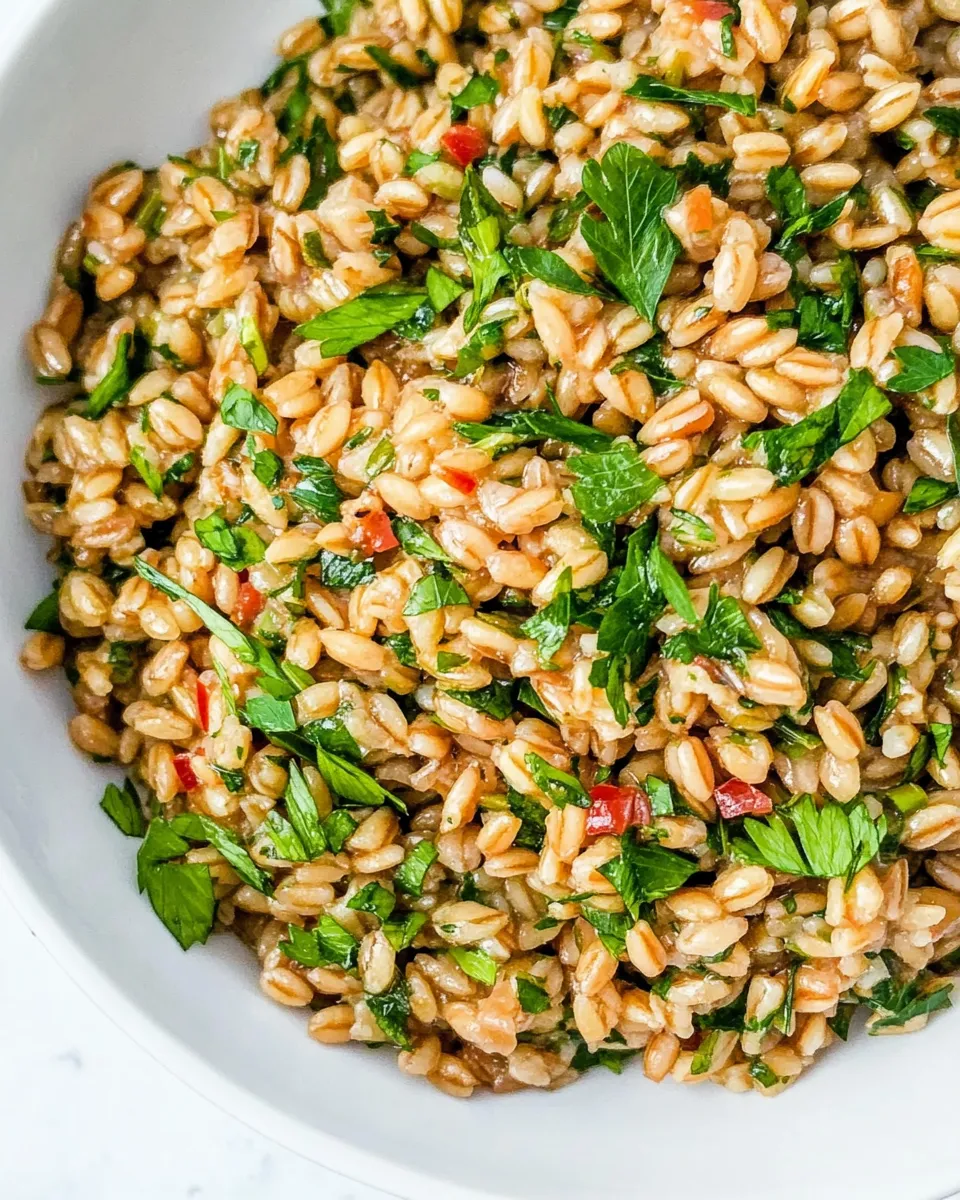
Cooking farro is straightforward and can be accomplished in just a few steps. Follow this detailed guide for perfectly cooked farro.
Step 1: Rinse the Farro
Start by rinsing 1 cup of uncooked farro under cold water in a colander. This step helps remove any dust or impurities.
Step 2: Boil Water
In a medium saucepan, bring 3 cups of water to a boil. You can also use vegetable broth for extra flavor.
Step 3: Add Farro
Add the rinsed farro to the boiling water. Stir gently to separate any grains that may be sticking together.
Step 4: Simmer
Reduce the heat to low and cover the saucepan. Let the farro simmer for about 25-30 minutes. Check for doneness; it should be tender but still chewy.
Step 5: Drain and Fluff
Once cooked, drain any excess water using a colander. Fluff the farro with a fork to separate the grains.
Step 6: Dress the Farro
In a serving bowl, combine the cooked farro with 1 tablespoon of extra-virgin olive oil, 1 tablespoon of fresh lemon juice, 1 tablespoon of fresh thyme leaves, 1 garlic clove (grated), 1 teaspoon of Dijon mustard, and 1 teaspoon of sea salt. Mix well to combine.
Step 7: Season to Taste
Taste the farro and adjust seasoning with more salt, lemon juice, freshly ground black pepper, and red pepper flakes, if desired.
Step 8: Garnish
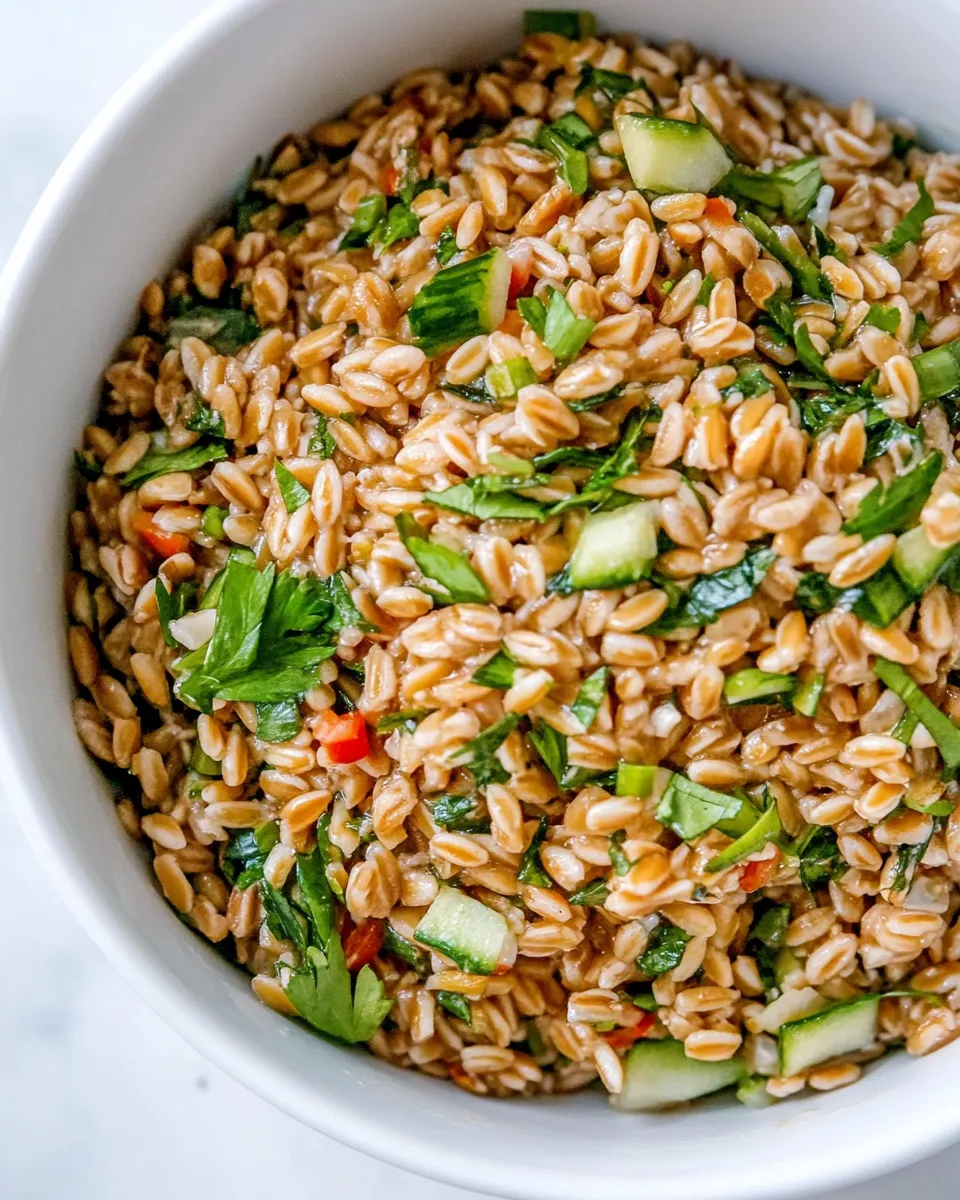
Finally, stir in ½ cup of chopped fresh parsley for a pop of color and flavor. Your farro is now ready to be served!
Spring to Winter: Ideas
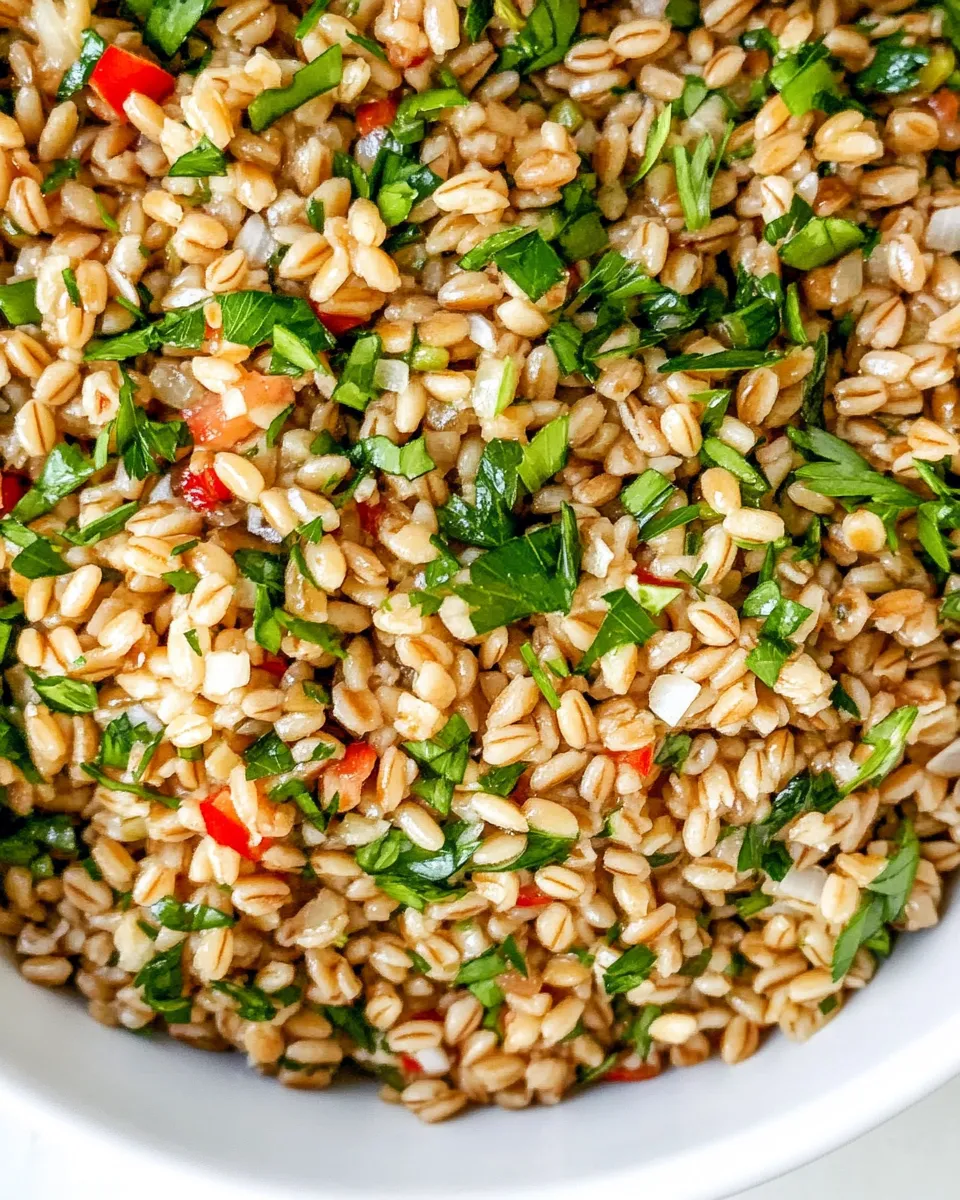
Farro is incredibly versatile and can be used in various seasonal dishes. Here are some ideas to inspire your culinary creativity:
- Spring Salad: Toss farro with roasted asparagus, cherry tomatoes, and a citrus vinaigrette.
- Summer Bowl: Combine farro with grilled zucchini, corn, avocado, and a lime dressing.
- Fall Harvest: Mix farro with roasted sweet potatoes, cranberries, and pecans for a hearty dish.
- Winter Comfort: Serve farro in a warm soup with kale, carrots, and white beans.
Pro Tips & Notes
To ensure your farro turns out perfectly every time, consider the following tips:
- Soak the farro overnight to reduce cooking time.
- Experiment with different herbs and spices to customize the flavor profile.
- For a nuttier flavor, toast the farro in the saucepan with a little olive oil before adding water.
- Use vegetable or chicken broth instead of water for added richness.
Meal Prep & Storage Notes
Farro is great for meal prep and can be stored for future use. Here are some storage tips:
- Cooked farro can be stored in an airtight container in the refrigerator for up to 5 days.
- Reheat cooked farro in the microwave or on the stovetop with a splash of water to restore moisture.
- Uncooked farro can be stored in a cool, dry place for several months.
How to Cook Farro FAQs
Can I use quick-cooking farro?
Yes, quick-cooking farro will reduce the cooking time significantly, usually to about 10-12 minutes. Be sure to check the package instructions for specific cooking times.
How do I know when farro is done cooking?
Farro is done cooking when it is tender but still has a chewy texture. Taste it to determine if it meets your preferred doneness.
Can I freeze cooked farro?
Absolutely! Cooked farro can be frozen in an airtight container for up to 3 months. Just thaw and reheat when you’re ready to enjoy it again.
What can I substitute for farro?
If you can’t find farro, you can substitute it with other grains like barley, quinoa, or bulgur, keeping in mind that cooking times may vary.
Weekend Projects
If you’re looking to spend some time in the kitchen, consider these fun weekend projects that pair well with farro:
- Sally’s Baking Addiction – Check out incredible dessert recipes to complement your meals.
- Pinch of Yum – Explore hearty grain bowls that can incorporate farro.
- Minimalist Baker – Discover simple and delicious vegan recipes that can be served with farro.
In Closing
Cooking farro is not just about preparing a meal; it’s about embracing a nutritious and delicious grain that can transform your dining experience. With its nutty flavor and chewy texture, farro serves as a perfect base for a myriad of dishes that can satisfy any palate. Whether you’re tossing it into a salad, pairing it with roasted vegetables, or enjoying it as a hearty soup, farro is a culinary gem that should not be overlooked. Now that you know how to cook farro, it’s time to get creative and enjoy the endless possibilities with this ancient grain!
How to Cook Farro
Ingredients
Equipment
Method
- Step 1: Rinse the Farro
Start by rinsing 1 cup of uncooked farro under cold water in a colander. This step helps remove any dust or impurities. - Step 2: Boil Water
In a medium saucepan, bring 3 cups of water to a boil. You can also use vegetable broth for extra flavor. - Step 3: Add Farro
Add the rinsed farro to the boiling water. Stir gently to separate any grains that may be sticking together. - Step 4: Simmer
Reduce the heat to low and cover the saucepan. Let the farro simmer for about 25-30 minutes. Check for doneness; it should be tender but still chewy. - Step 5: Drain and Fluff
Once cooked, drain any excess water using a colander. Fluff the farro with a fork to separate the grains. - Step 6: Dress the Farro
In a serving bowl, combine the cooked farro with 1 tablespoon of extra-virgin olive oil, 1 tablespoon of fresh lemon juice, 1 tablespoon of fresh thyme leaves, 1 garlic clove (grated), 1 teaspoon of Dijon mustard, and 1 teaspoon of sea salt. Mix well to combine. - Step 7: Season to Taste
Taste the farro and adjust seasoning with more salt, lemon juice, freshly ground black pepper, and red pepper flakes, if desired. - Step 8: Garnish
Finally, stir in ½ cup of chopped fresh parsley for a pop of color and flavor. Your farro is now ready to be served!
Notes
- Soak the farro overnight to reduce cooking time.
- Experiment with different herbs and spices to customize the flavor profile.
- For a nuttier flavor, toast the farro in the saucepan with a little olive oil before adding water.
- Use vegetable or chicken broth instead of water for added richness.