Air Fryer Hard-Boiled Eggs
These air fryer hard-boiled eggs are the little kitchen win you didn’t know you needed. They come out with reliably set whites and creamy-yolk centers, peel cleanly, and take almost no attention from you. If you want consistently great eggs without a pot on the stove, an air fryer makes the whole thing easier and less messy.
I tested this method until the timing and cool-down felt foolproof. The technique below uses 6 large eggs and a short ice bath to stop the cooking instantly. Whether you’re meal-prepping breakfasts, topping a salad, or making quick snacks, this is a dependable, fast routine.
Follow the steps exactly for repeatable results. I’ll walk you through shopping, setup, the exact how-to, troubleshooting, and smart serving ideas so you can use this method again and again.
Ingredients
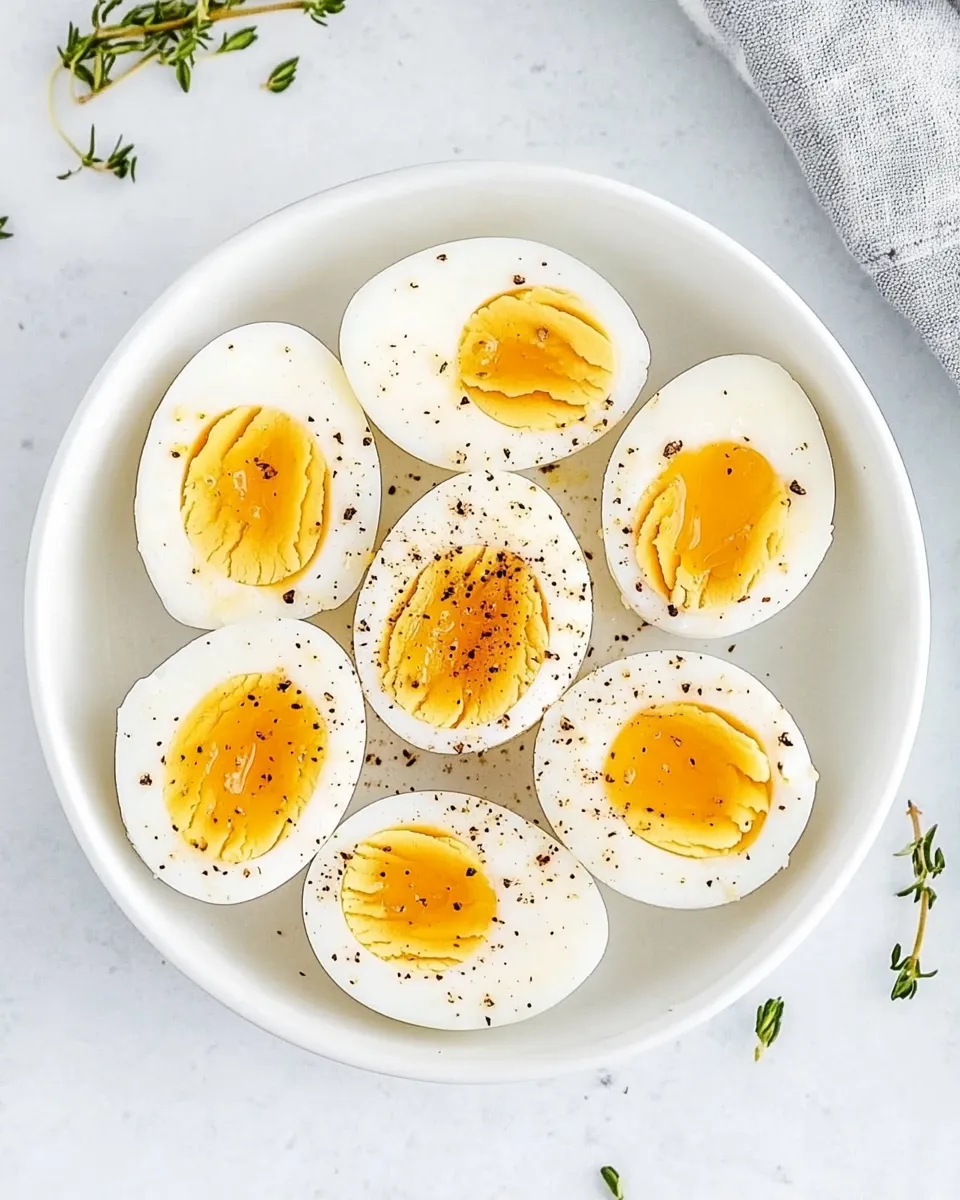
- 6 large eggs — the main ingredient; arrange in one layer in the air fryer basket for even cooking.
- 3 cups water — for the ice bath to stop the eggs cooking and make peeling easy.
- 8 to 9 ice cubes — added to the water to chill the eggs quickly.
Your Shopping Guide
Buy the freshest eggs you can find, but don’t worry about perfection. Very fresh eggs can be harder to peel when boiled, though this air-fryer + ice-bath method reduces that problem. Large eggs are listed in the recipe; if you only have medium or extra-large, the results will be similar but keep an eye on texture the first time you try it.
Check the capacity of your air fryer. The instructions use 6 large eggs in a single layer. If your basket holds fewer, plan to cook in batches. You don’t need special tools to follow this method—just a bowl for an ice bath and a pair of kitchen tongs or a slotted spoon to move hot eggs safely.
For the ice bath, standard ice from the freezer works fine. If you prefer a faster chill, add a few more cubes; the recipe calls for 8 to 9 so you can scale by a cube or two without changing the method.
Mastering Air Fryer Hard-Boiled Eggs: How-To
- Arrange the 6 large eggs in a single layer in the air fryer basket (cook in batches if they won’t fit in one layer).
- Set the air fryer to 250°F and cook for 17 minutes.
- During the last 2 minutes of cooking, make the ice bath: pour 3 cups water into a medium or large mixing bowl and add 8 to 9 ice cubes.
- When the 17-minute cycle finishes, use kitchen tongs to transfer the eggs immediately from the air fryer into the ice bath.
- Let the eggs sit in the ice bath for 8 to 10 minutes to cool completely.
- After cooling, roll each egg against the inside of the bowl to crack the shell, then peel the eggs—the shells should come off easily.
Why This Recipe Belongs in Your Rotation
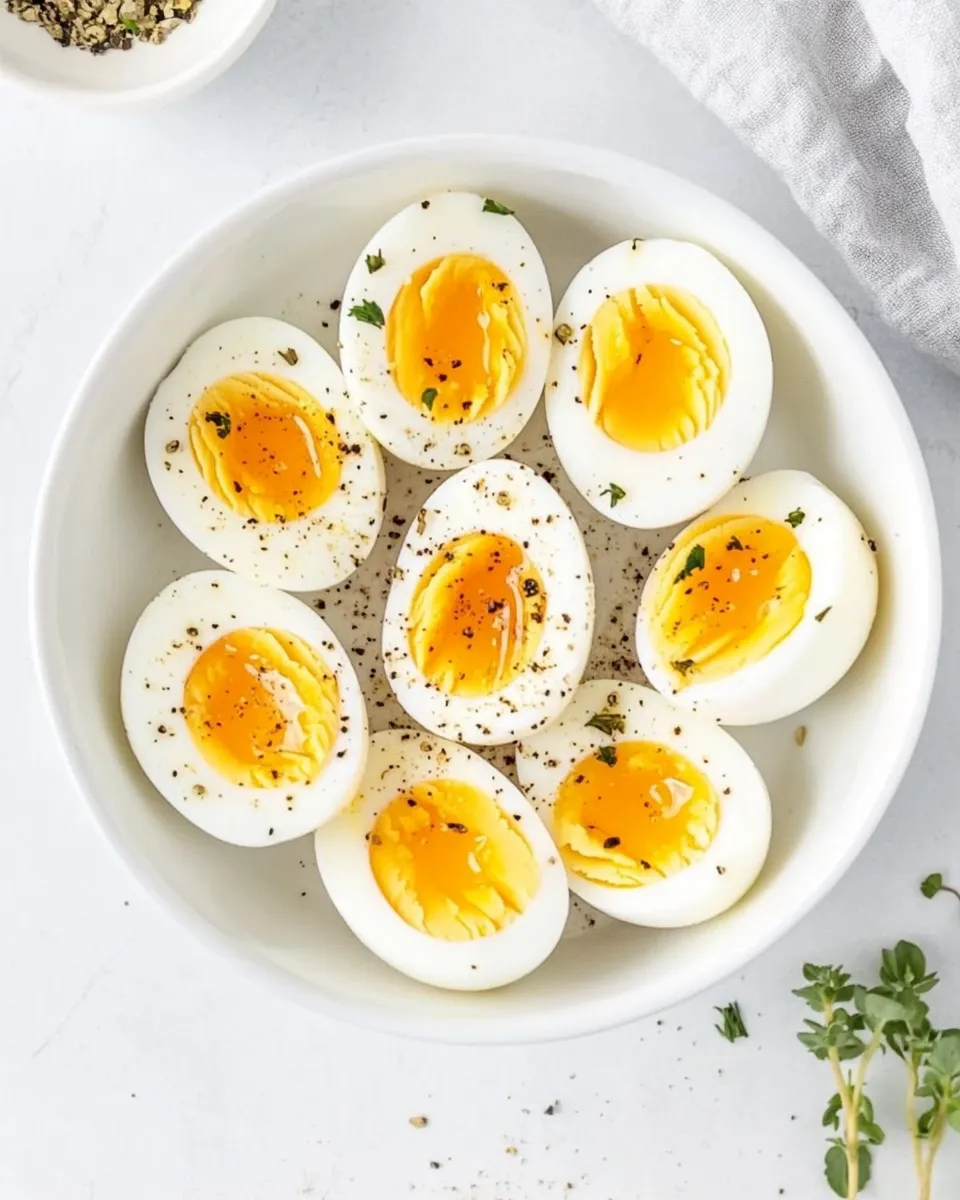
It’s fast and mostly hands-off. You set the timer and get consistent results every time. No boiling water to monitor, no stove to guard, and no steam or splatter on the countertop.
Peeling is typically easier with this method because the shock from the ice bath separates the membrane from the shell. That means fewer ragged whites and neater eggs for salads, egg sandwiches, or stacked breakfasts.
This technique also scales well. Once you know how many your air fryer fits in a single layer, you can plan batches for the week. Make a dozen or two at once, store them in the fridge, and grab a ready protein for quick meals.
Texture-Safe Substitutions
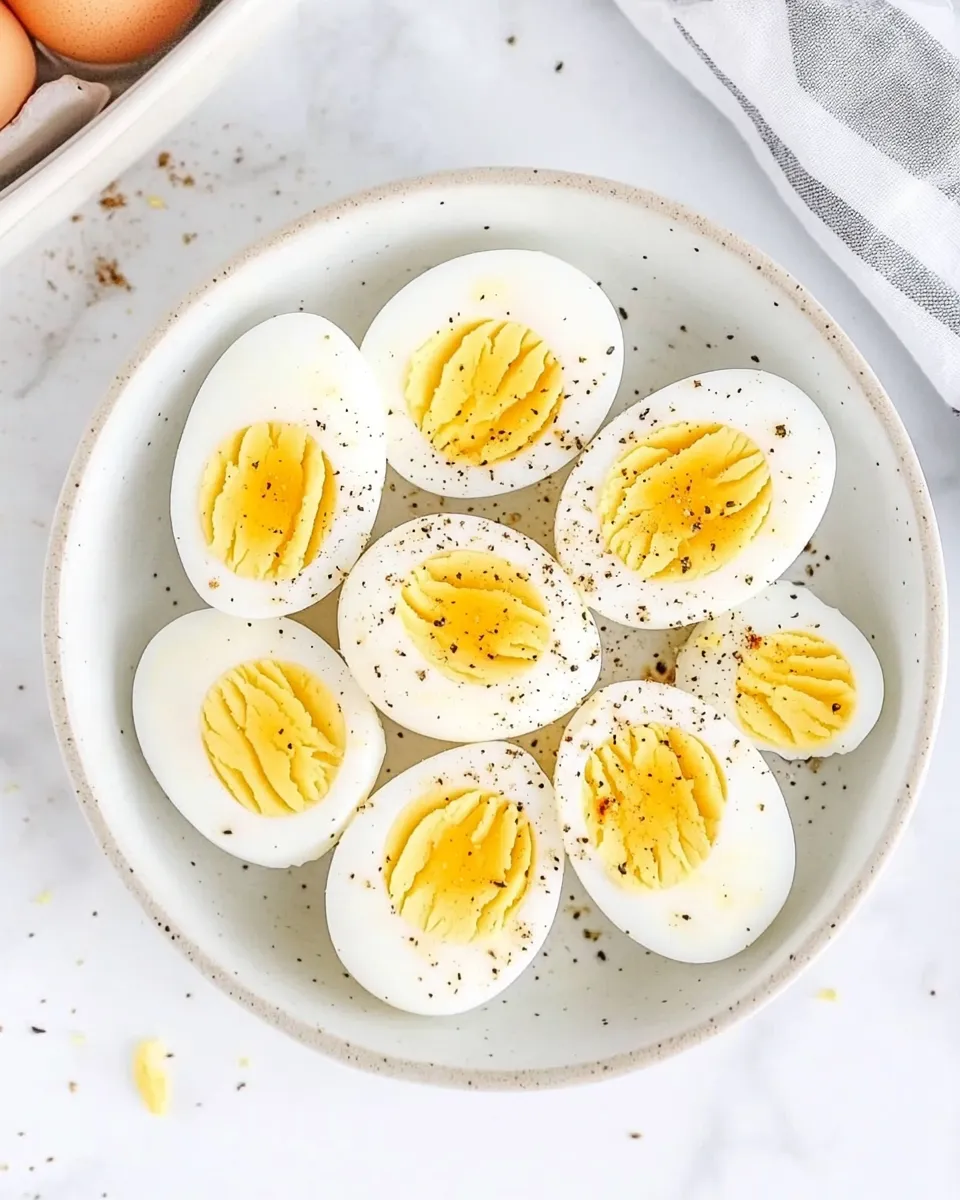
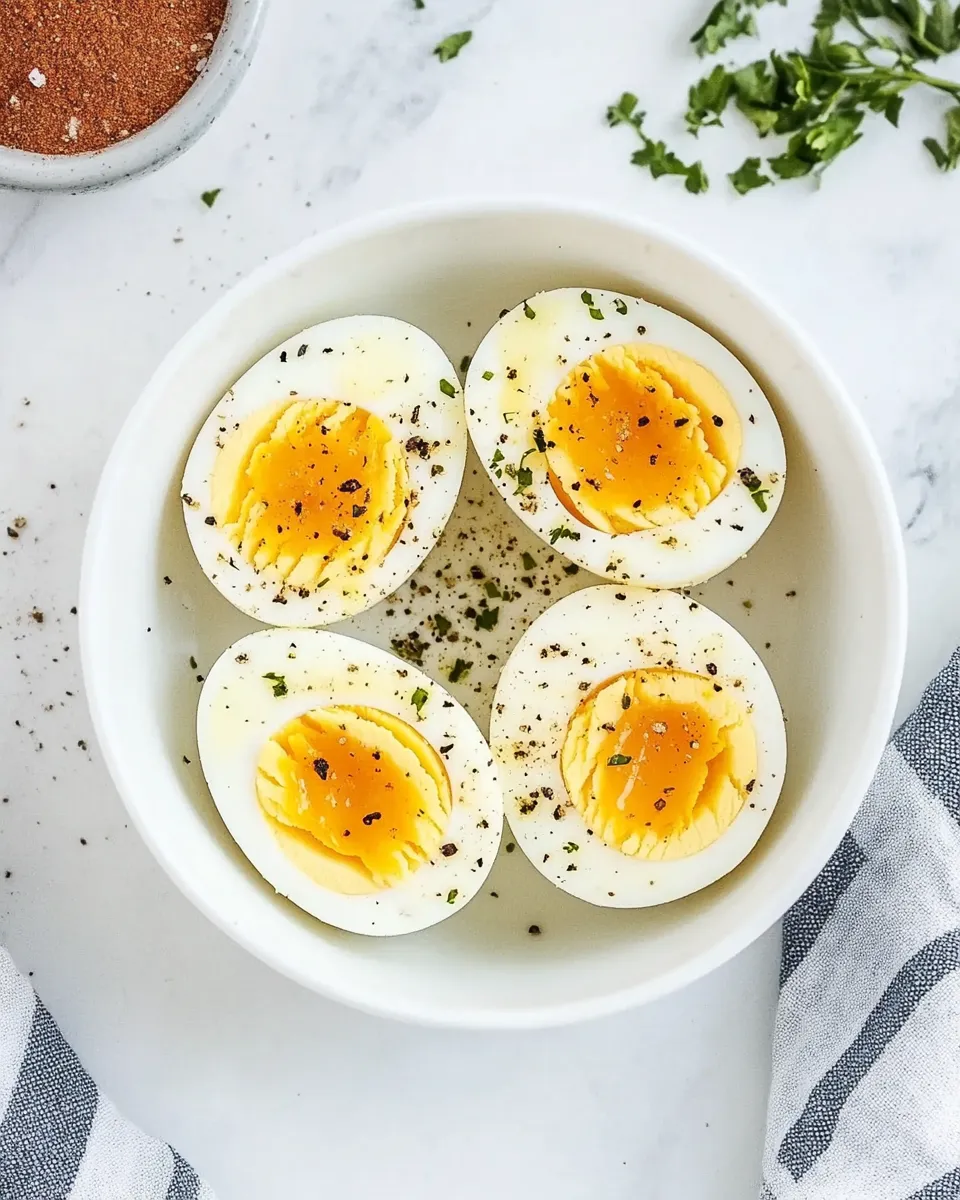
If you want a slightly softer yolk, shorten the cook time a minute or two and keep the ice bath step. For a firmer yolk, add a minute. Because the recipe uses a specific temperature and time for 6 large eggs, any change will modify texture. Test small adjustments with one or two eggs first before altering batches.
If your eggs are smaller or larger than “large,” expect small differences in doneness. Rather than changing water or ice quantities, tweak the cook time conservatively and observe the results.
Setup & Equipment
What you need:
- Air fryer — the recipe assumes a standard countertop model that reaches and maintains 250°F.
- Mixing bowl (medium or large) — for the ice bath; it should comfortably hold the eggs and water.
- Measuring cup — to portion 3 cups of water quickly.
- Ice — about 8 to 9 ice cubes as called for, plus extra if you want faster chilling.
- Tongs or slotted spoon — for transferring hot eggs safely into the ice bath.
Errors to Dodge
Common slip-ups and how to avoid them:
- Overcrowding the basket: If eggs touch or are stacked, they cook unevenly. Use a single layer.
- Skipping the ice bath: Don’t. Immediate chilling halts cooking and prevents overcooked yolks.
- Transferring eggs slowly: Move them from fryer to bath right away. Letting them cool slowly inside the fryer continues cooking.
- Using a damaged air fryer basket: If the basket has warped surfaces that cradle eggs unevenly, reposition them so each egg sits stable and flat.
Holiday & Seasonal Touches
Hard-boiled eggs produced this way are versatile for seasonal plating. For a fresh spring snack, halve and sprinkle with fresh herbs; for summer salads, quarter them into leafy greens. Over holidays, they make excellent bases for creative toppings—keep the egg itself plain and let seasonal garnishes do the talking.
If you’re assembling a festive platter, prepare a batch ahead and store chilled until just before serving. That way you can focus on presentation and garnishes rather than last-minute cooking.
Pro Tips & Notes
Batching
Know how many eggs fit in a single layer in your air fryer. Cook in consecutive batches if you need more than your basket holds. The timing stays the same per batch.
Peeling
After the ice bath, crack the shell all over and peel under running water if you like—this can help flush away small shell fragments. Rolling the egg gently against the bowl first helps loosen the membrane.
Storage
Unpeeled hard-boiled eggs store well in the refrigerator for up to a week. Keep them in their shells until you’re ready to eat for the best texture and freshness.
Freezer-Friendly Notes
Whole hard-boiled eggs do not freeze well; the whites become rubbery and watery after thawing. If you want to preserve the yolks for later use (for example, in sauces or fillings), remove the yolks and freeze them separately following a tested yolk-freezing method. For everyday meal prep, refrigeration is the recommended storage method.
Top Questions & Answers
Q: Can I use cold eggs straight from the fridge?
A: Yes. Cold eggs work fine in this process. This method’s timing is set to produce reliably cooked eggs from refrigerated eggs, so there’s no need to bring them to room temperature first.
Q: Will the shells always peel easily?
A: The ice bath is the key. It cools the eggs rapidly, shrinking the inner membrane away from the shell and making peeling much easier. Slight variations in shell quality and egg age will still affect peeling, but this method minimizes trouble.
Q: My air fryer is smaller—how do I adapt?
A: Cook in batches so the eggs stay in a single layer. Keep the same temperature and time per batch. Let the air fryer come back to temperature between batches if your unit drops noticeably.
Q: Can I soft-boil in the air fryer with this method?
A: This recipe is tuned for fully set whites and a firm yet creamy yolk typical of a hard-boiled egg. For softer yolks, shorten the cook time slightly and still use an ice bath. Test with one or two eggs first.
Before You Go
This air fryer method for hard-boiled eggs is honest, low-fuss, and repeatable. Follow the steps, use the ice bath, and you’ll get clean-peeling eggs with minimal effort. Try a small batch first to confirm your air fryer’s behavior, then scale up for weekly meal prep. If you love a simple, reliable shortcut in the kitchen, this one earns a regular spot in my routine.
Air Fryer Hard-Boiled Eggs
Ingredients
Equipment
Method
- Arrange the 6 large eggs in a single layer in the air fryer basket (cook in batches if they won't fit in one layer).
- Set the air fryer to 250°F and cook for 17 minutes.
- During the last 2 minutes of cooking, make the ice bath: pour 3 cups water into a medium or large mixing bowl and add 8 to 9 ice cubes.
- When the 17-minute cycle finishes, use kitchen tongs to transfer the eggs immediately from the air fryer into the ice bath.
- Let the eggs sit in the ice bath for 8 to 10 minutes to cool completely.
- After cooling, roll each egg against the inside of the bowl to crack the shell, then peel the eggs—the shells should come off easily.
Notes
You can store hard-boiled eggs in your fridge for up to 1 week.
If your air fryer does not go below 300 degrees F, try different settings than “air fry”. Many times the “bake” setting will let you set the temperature to 250 degrees.
Please note, that the nutrition value can vary depending on what product you use. The information below is an estimate. Always use a calorie counter you are familiar with.