Air Fryer Salmon with Maple Soy
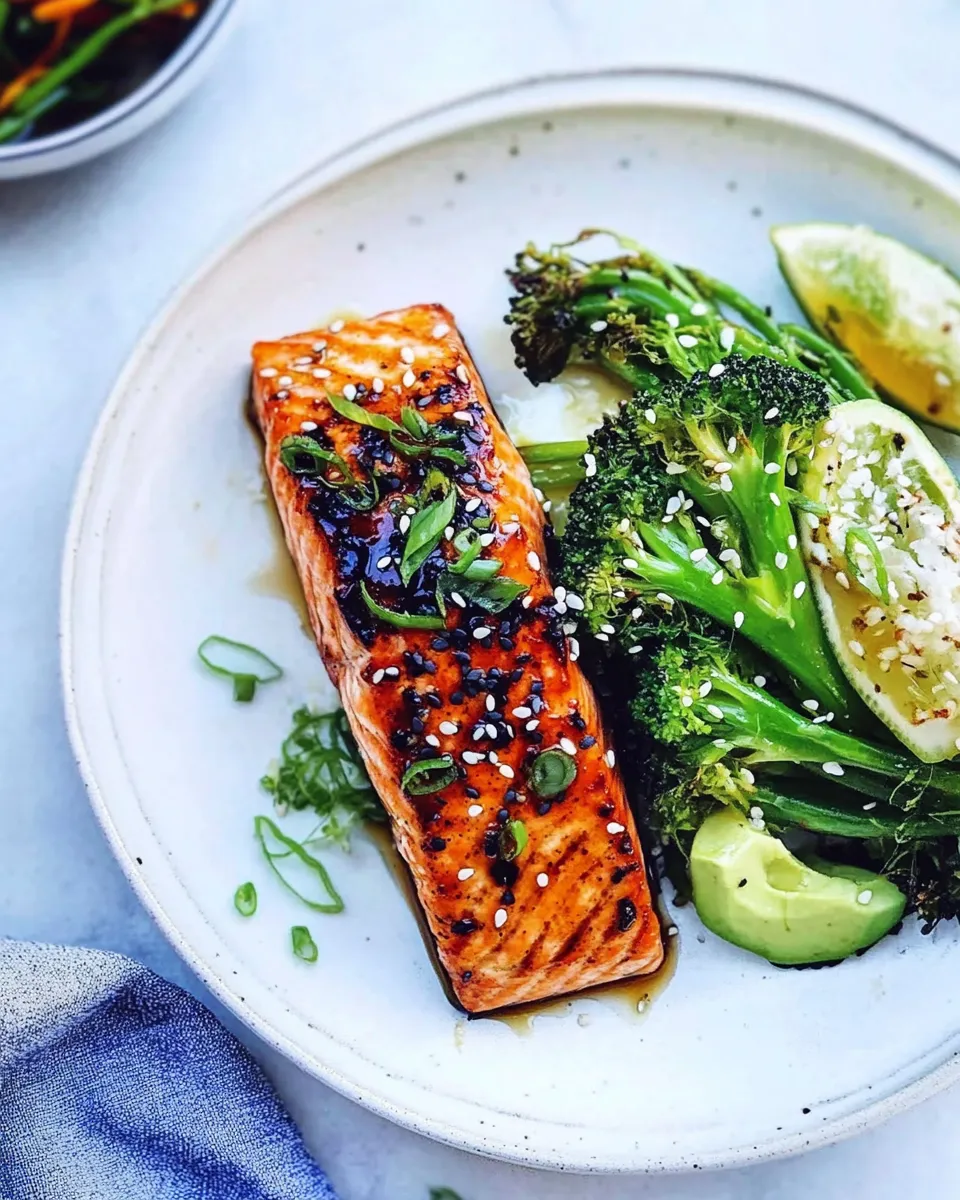
I fell for this glaze the first time I brushed it on a salmon fillet and smelled the maple deepen into soy-salty caramel. It’s the kind of simple sauce that looks fancy on a plate but takes almost no time to make. If you cook fish often, you’ll appreciate how the air fryer locks in moisture and gives a light exterior in minutes.
This recipe is honest and straightforward: a sweet-savory marinade, a quick sit in the bag, and then a short air-fry. No complicated steps. No long ingredient list. The glaze finishes the fillets so they shine on the plate and taste like you fussed, even when you didn’t.
Below you’ll find the exact ingredients and step-by-step instructions I follow in my kitchen. I’ll also share practical swaps, common traps to avoid, and storage tips so the next time salmon night rolls around, you can make it without second-guessing.
What’s in the Bowl
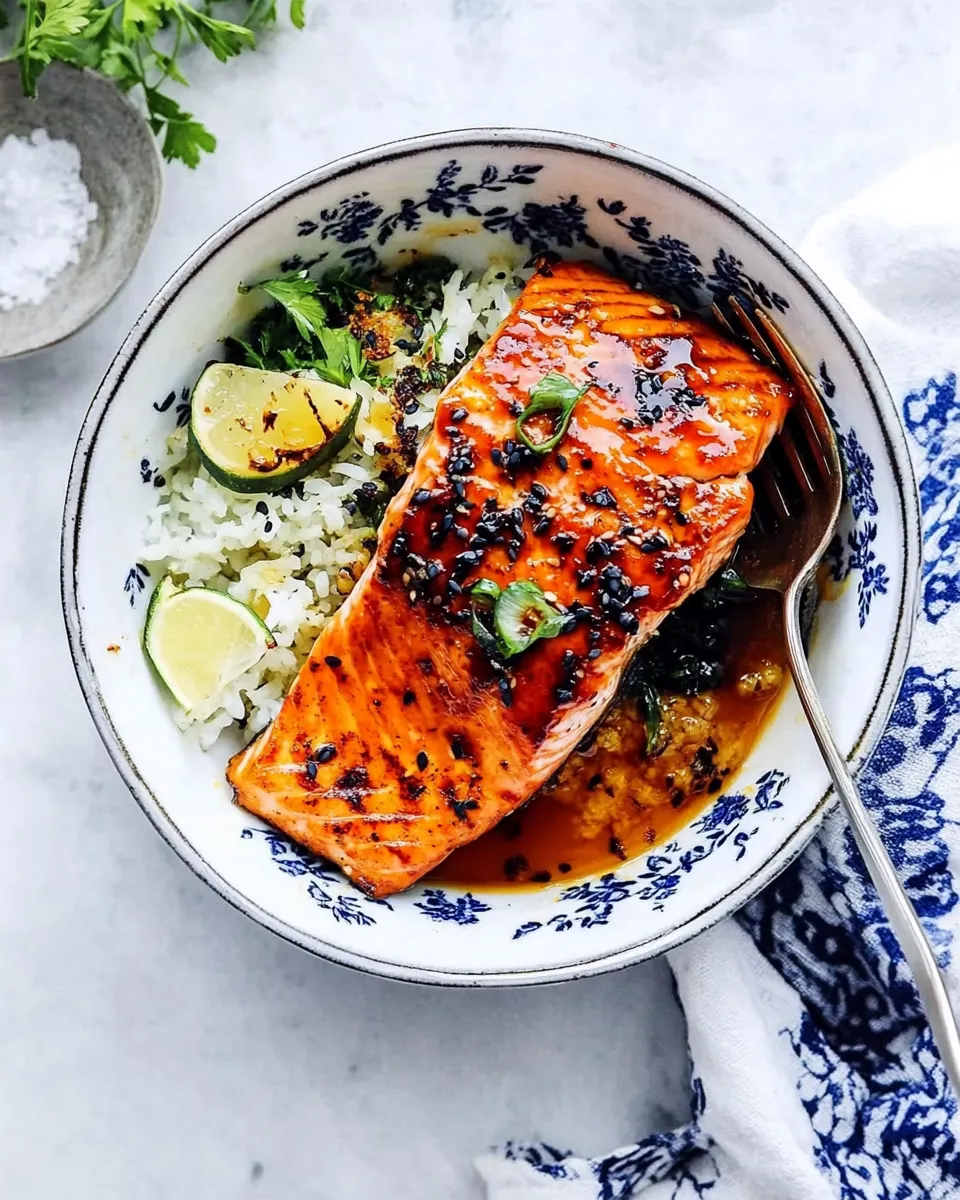
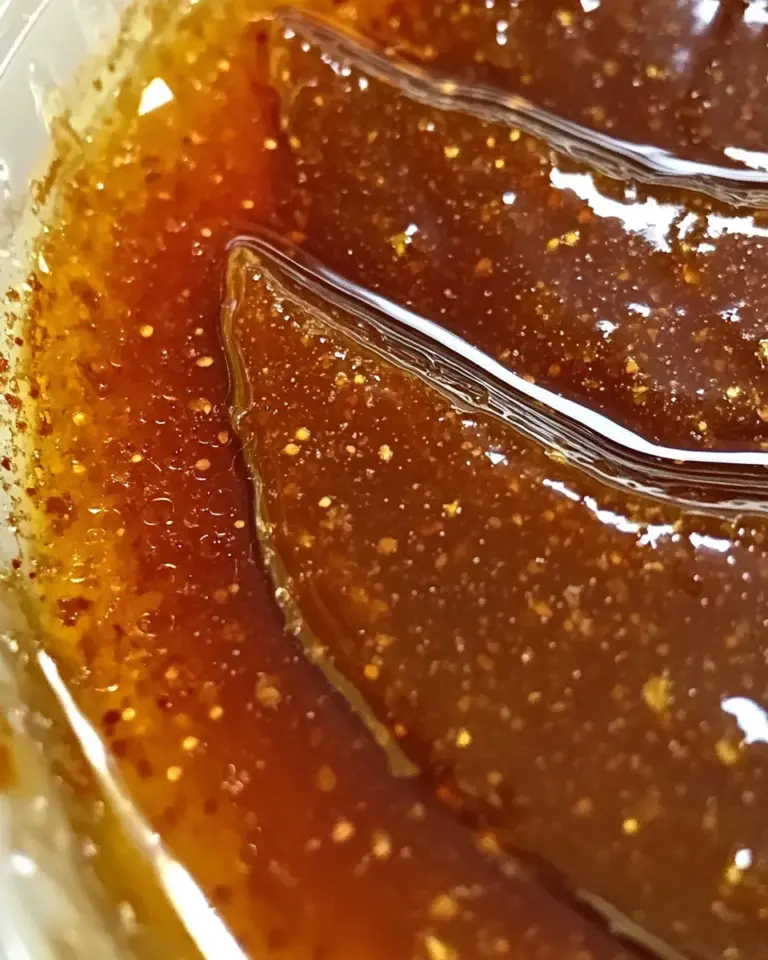
At the heart of this dish is a tiny bowl of bold, balanced flavor: pure maple syrup for sweetness and body, reduced-sodium soy sauce for salt and umami, sriracha for a touch of heat, and smashed garlic for aromatic lift. The combination coats the salmon, helping it caramelize in the air fryer while keeping the inside tender.
One small trick I use is reserving a portion of the marinade before the fish goes in. That reserved mixture becomes a glossy glaze after a quick simmer — concentrated flavor, no raw marinade on the plate. It’s the difference between “good” and “restaurant good.”
Ingredients
- 3 tbsp pure maple syrup — adds sweetness, helps with caramelization and glaze sheen.
- 3 tbsp reduced sodium soy sauce, or gluten-free soy sauce — provides salt and deep umami; the reduced-sodium option keeps it from becoming overly salty.
- 1 tbsp sriracha hot sauce, use less if you don’t like heat — brings a spicy kick and brightens the glaze; adjust to taste.
- 1 clove garlic, smashed — gives aromatic depth; smashing releases more flavor quickly.
- 4 wild salmon fillets, skinless (6 oz each) — the main ingredient; wild salmon has a firmer texture and a cleaner flavor for this preparation.
Air Fryer Salmon with Maple Soy: How It’s Done
- In a small bowl, combine the maple syrup, soy sauce, sriracha, and smashed garlic; whisk to blend.
- Reserve a small portion of this mixture in a separate bowl and set it aside for the glaze.
- Pour the remaining mixture into a gallon-sized resealable bag, add the salmon fillets, seal the bag, gently press out excess air, and turn the bag to coat the fish.
- Marinate the salmon 15 to 20 minutes, turning once or twice. If you’re short on time, 5 minutes will still be enough.
- Preheat the air fryer to 400°F. Lightly spray the basket with oil or line it with air-fryer parchment to prevent sticking.
- Remove the salmon from the bag, discard the used marinade, and pat the fillets dry with paper towels.
- Arrange the salmon in a single layer in the air fryer basket (cook in batches if needed so pieces don’t touch). Air-fry at 400°F for 7 to 8 minutes, or longer depending on the thickness of the fillets.
- While the salmon cooks, pour the reserved (unused) marinade into a small saucepan, bring to a simmer over medium-low heat, and reduce until it thickens into a glaze, about 1 to 2 minutes—watch carefully so it doesn’t dry out.
- Transfer the cooked salmon to plates and spoon the warmed glaze over the fillets just before serving.
- If you don’t have an air fryer, cook the salmon in a skillet using an appropriate stovetop method instead.
Why Air Fryer Salmon with Maple Soy is Worth Your Time
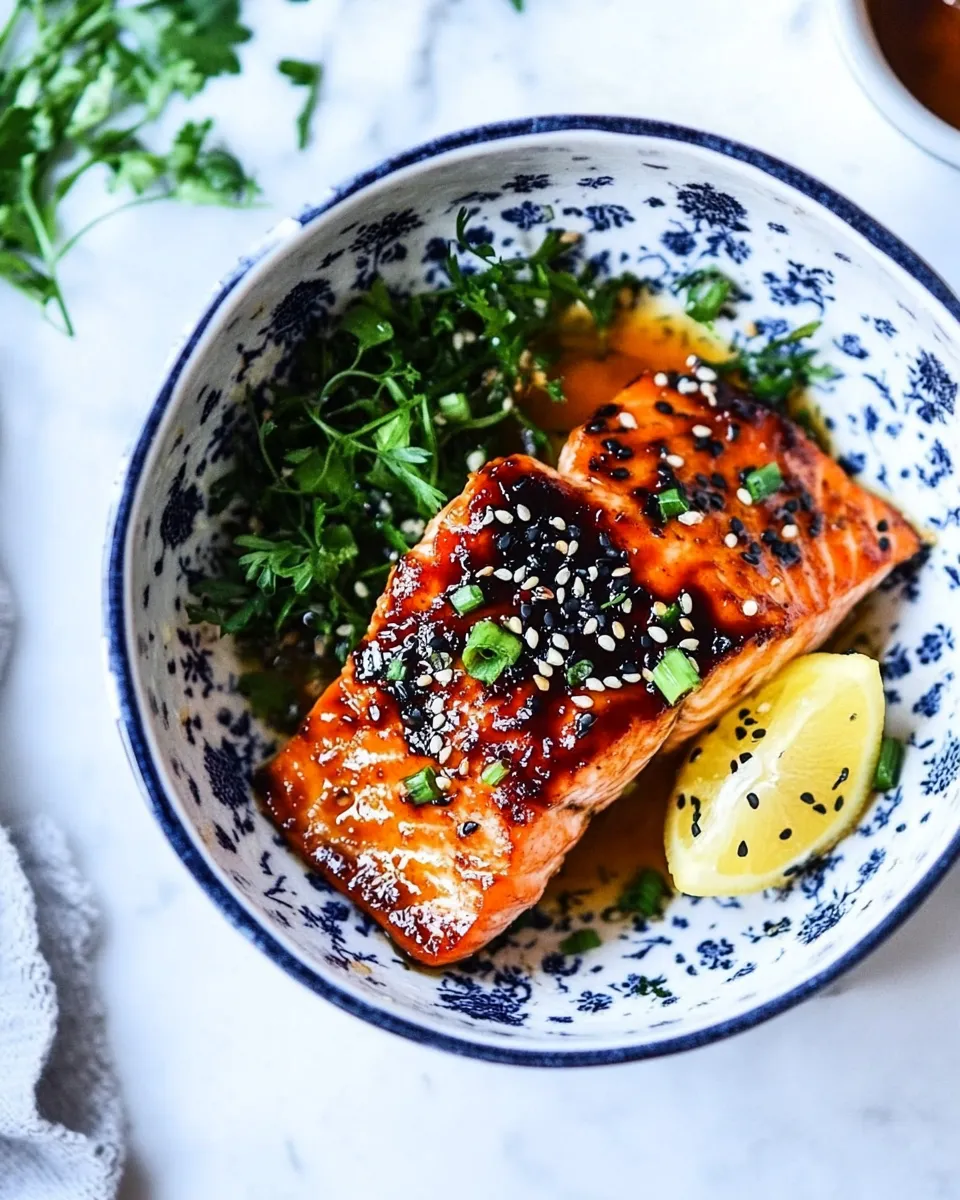
This recipe hits a few high notes: speed, flavor, and reliable results. The air fryer shortens cook time and reduces cleanup compared with oven roasting or pan-frying. You’ll get tender, flaky salmon with a lightly caramelized outside in under 10 minutes of cook time.
The flavor profile is also unexpectedly flexible. Sweet maple and salty soy sauce make a great base, and the small amount of sriracha adds life without overpowering the fish. Because the marinade is short — 15 to 20 minutes — you can put dinner together on a weeknight and still have time to set the table.
Finally, it scales well. If you’re cooking for two or for four, the process is the same; just work in batches in the air fryer so the fillets don’t touch and steam instead of crisping slightly.
What to Use Instead

If you’re out of something from the ingredient list or want a slightly different outcome, here are practical swaps that won’t break the technique:
- Swapping maple syrup: reduce the amount slightly if you prefer less sweetness, or brush the glaze sparingly after cooking to control sugar levels.
- Swapping soy sauce: the recipe already allows reduced-sodium or gluten-free soy sauce (tamari) — use whichever fits your diet.
- Sriracha alternatives: if you don’t have sriracha, a pinch of red pepper flakes or a dash of another chili sauce will work; just adjust the quantity to match your heat tolerance.
- Fish alternatives: other firm fish fillets like cod or halibut can be used, but cooking times will vary based on thickness. Keep an eye on the texture.
Kitchen Gear Checklist
Minimal gear makes this an easy weeknight recipe. Here’s what I use every time:
- Air fryer — the fastest, most consistent method here.
- Gallon-sized resealable bag — for quick, even marinating and easy cleanup.
- Small bowl and whisk — for mixing and reserving the glaze portion.
- Small saucepan — to reduce the reserved marinade into a glaze.
- Paper towels — to pat the fillets dry so they crisp and caramelize.
Avoid These Traps
There are a few common missteps I see, and they’re easy to avoid:
- Overcrowding the air fryer basket. If fillets touch, they steam instead of getting that slightly caramelized exterior. Cook in batches if necessary.
- Using the reserved marinade without heating it. Raw marinade should never be poured over cooked fish — reduce it in a pan first to kill any bacteria.
- Skipping the pat-dry step. Wet fillets won’t brown well and can stick. A few paper towels make a big difference.
- Letting the glaze reduce too long. It thickens fast; watch for it to coat the back of a spoon. If it gets too thick, add a splash of water to loosen it slightly.
Substitutions by Diet
Here are a few straightforward adjustments for common dietary preferences without changing the recipe’s spirit:
- Gluten-free: use a certified gluten-free soy sauce or tamari (already listed as an option in the ingredients).
- Lower sugar: cut the maple syrup to 2 tbsp and rely more on the soy umami; or brush the glaze on sparingly.
- Mild spice: halve the sriracha or omit it entirely; the maple-soy combo is still very flavorful on its own.
- Vegetarian alternatives: firm tofu or thick slices of roasted winter squash can take a similar treatment; watch cooking time and texture closely since these ingredients behave differently than fish.
Behind-the-Scenes Notes
I test this recipe with skinless wild salmon fillets around 6 ounces each because they cook evenly and fit most air fryer baskets. Skin-on fillets will also work but may need a little more time. If you use skin-on, try cooking skin-side down first to crisp it up.
The reserved marinade serves two purposes: it prevents raw juices from being used as-is, and it concentrates the flavors when reduced. Keep your simmer gentle — medium-low — and you’ll get a glossy glaze in a minute or two.
If you like a bit more texture, give the glaze a minute longer to brown in the pan, but don’t let it go dry. Remember the sugars in maple syrup can burn quickly at high heat.
Save It for Later
Leftover glazed salmon stores well in an airtight container in the refrigerator for up to 3 days. Reheat gently in a low-temperature oven (about 300°F) or in the air fryer for a few minutes to avoid drying it out. If the glaze has thickened in the fridge, warm it slightly before spooning over the fish.
If you want to meal-prep, cook the salmon and store portions separately from any sides to preserve texture. Add the warmed glaze just before serving.
Top Questions & Answers
Q: Can I marinate the salmon longer than 20 minutes?
A: You can, but with the high sugar content of maple syrup, extended marinating can start to cure the surface and change the texture. I recommend sticking to the times given (5 minutes if rushed, 15–20 for best flavor).
Q: How do I know when the salmon is done?
A: Look for opaque flesh that flakes easily with a fork. The times listed (7–8 minutes at 400°F) are guidelines; thicker fillets may need a minute or two more. If you use a thermometer, aim for about 125–130°F for medium-rare to medium texture.
Q: Can I double the recipe?
A: Yes. Double the marinade and work in batches in the air fryer so fillets don’t touch. Reserve a proportionate amount for the glaze.
Q: Is it safe to use honey instead of maple syrup?
A: Honey can work in a pinch, though it has a different flavor. If you swap, consider a slightly reduced amount and watch the glaze as it can brown faster.
See You at the Table
Maple-soy glazed salmon in the air fryer is one of those weeknight wins — quick to make, reliably tasty, and easy to scale. With a reserved glaze and a short, hot cook, you’ll get fillets that look and taste like you spent more time than you did.
Try it once as written. Then tweak the heat and sweetness until it feels like your signature salmon. I’ll be here with more practical recipes, ready to make dinner feel effortless.
Air Fryer Salmon with Maple Soy
Ingredients
Equipment
Method
- In a small bowl, combine the maple syrup, soy sauce, sriracha, and smashed garlic; whisk to blend.
- Reserve a small portion of this mixture in a separate bowl and set it aside for the glaze.
- Pour the remaining mixture into a gallon-sized resealable bag, add the salmon fillets, seal the bag, gently press out excess air, and turn the bag to coat the fish.
- Marinate the salmon 15 to 20 minutes, turning once or twice. If you’re short on time, 5 minutes will still be enough.
- Preheat the air fryer to 400°F. Lightly spray the basket with oil or line it with air-fryer parchment to prevent sticking.
- Remove the salmon from the bag, discard the used marinade, and pat the fillets dry with paper towels.
- Arrange the salmon in a single layer in the air fryer basket (cook in batches if needed so pieces don’t touch). Air-fry at 400°F for 7 to 8 minutes, or longer depending on the thickness of the fillets.
- While the salmon cooks, pour the reserved (unused) marinade into a small saucepan, bring to a simmer over medium-low heat, and reduce until it thickens into a glaze, about 1 to 2 minutes—watch carefully so it doesn’t dry out.
- Transfer the cooked salmon to plates and spoon the warmed glaze over the fillets just before serving.
- If you don’t have an air fryer, cook the salmon in a skillet using an appropriate stovetop method instead.
Notes
There’s no need to pre-heat to air fryer.
Don’t overcrowd the basket so you get decent air flow.
There is no need to flip the salmon, it will cook on both sides fine.
To know if salmon is ready, the fish will change from translucent (red or raw) to opaque (pink) as it cooks. Check for doneness after 6 to 8 minutes of cooking, by peeking into the thickest part with a sharp knife or fork. It should flake, but still has a little translucency in the center when it’s done.