Asian Rice
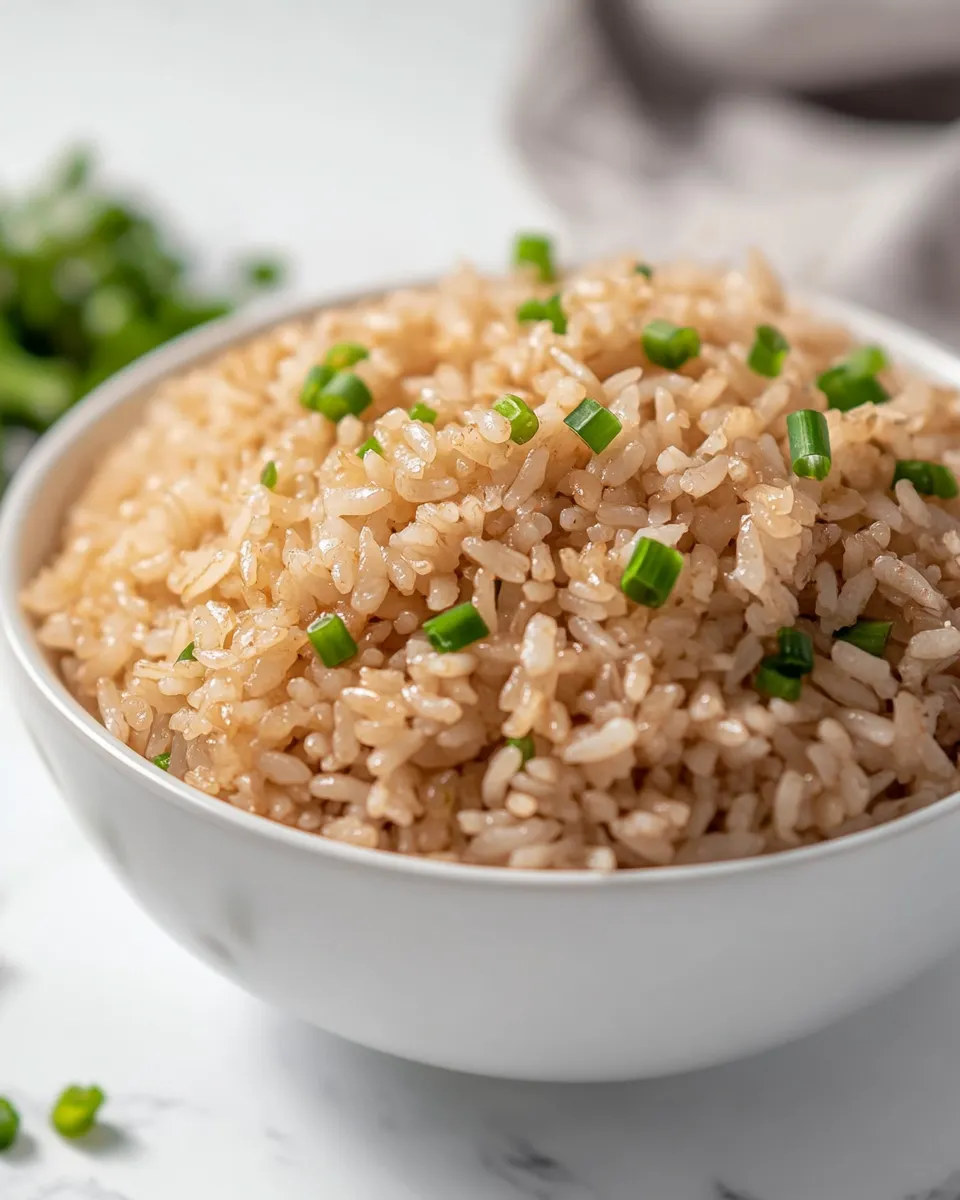
This Asian-style rice is my go-to side when I need something fast, comforting, and reliably delicious. It’s jasmine rice cooked simply, then finished with a splash of soy sauce and sesame oil so each fluffy grain carries a touch of savory, toasty flavor. No complicated steps, just dependable technique.
I love how a small handful of seasonings and a quick tip—rinsing the rice—can lift an otherwise plain pot. This recipe is about trusting the rice and keeping the finish clean: a little salt, a drizzle of sesame, and bright green onion for contrast.
Below you’ll find a tidy shopping list and a step-by-step method that follows the exact measurements and order I use. I also include practical gear notes, common mistakes to avoid, storage tips, and easy variations so you can use this as a weeknight staple or a simple base for bigger meals.
Shopping List
- 1 1/2 cups jasmine rice
- 3 cups water
- 1 tablespoon low-sodium soy sauce
- 1 teaspoon sesame oil
- 1/2 teaspoon kosher salt
- 2 green onions, thinly sliced
Ingredients
- 1 1/2 cups jasmine rice — fragrant, long-grain rice that gives a slightly sticky, fluffy texture; rinsing removes excess surface starch for separate grains.
- 3 cups water — the cooking liquid; precise ratio produces tender, fully cooked rice without being mushy.
- 1 tablespoon low-sodium soy sauce — adds umami and gentle color; low-sodium keeps the salt level balanced after the kosher salt is added.
- 1 teaspoon sesame oil — finishing oil for a toasty, aromatic note; a little goes a long way.
- 1/2 teaspoon kosher salt — rounds out the flavors; adjust to taste but keep this amount as the baseline.
- 2 green onions, thinly sliced — fresh garnish for crunch and a mild oniony lift.
Stepwise Method: Asian Rice
- Place 1 1/2 cups jasmine rice in a fine-mesh sieve and rinse under cold water until the water runs clear; drain well.
- In a medium saucepan, combine the rinsed rice and 3 cups water.
- Bring to a boil over high heat.
- Once boiling, reduce the heat to low, cover, and simmer undisturbed for 18 minutes.
- Remove the saucepan from the heat. Drizzle 1 tablespoon low-sodium soy sauce and 1 teaspoon sesame oil over the cooked rice, sprinkle 1/2 teaspoon kosher salt, then fluff gently with a fork to mix the seasonings evenly.
- Garnish with 2 green onions, thinly sliced, and serve.
Why It’s My Go-To
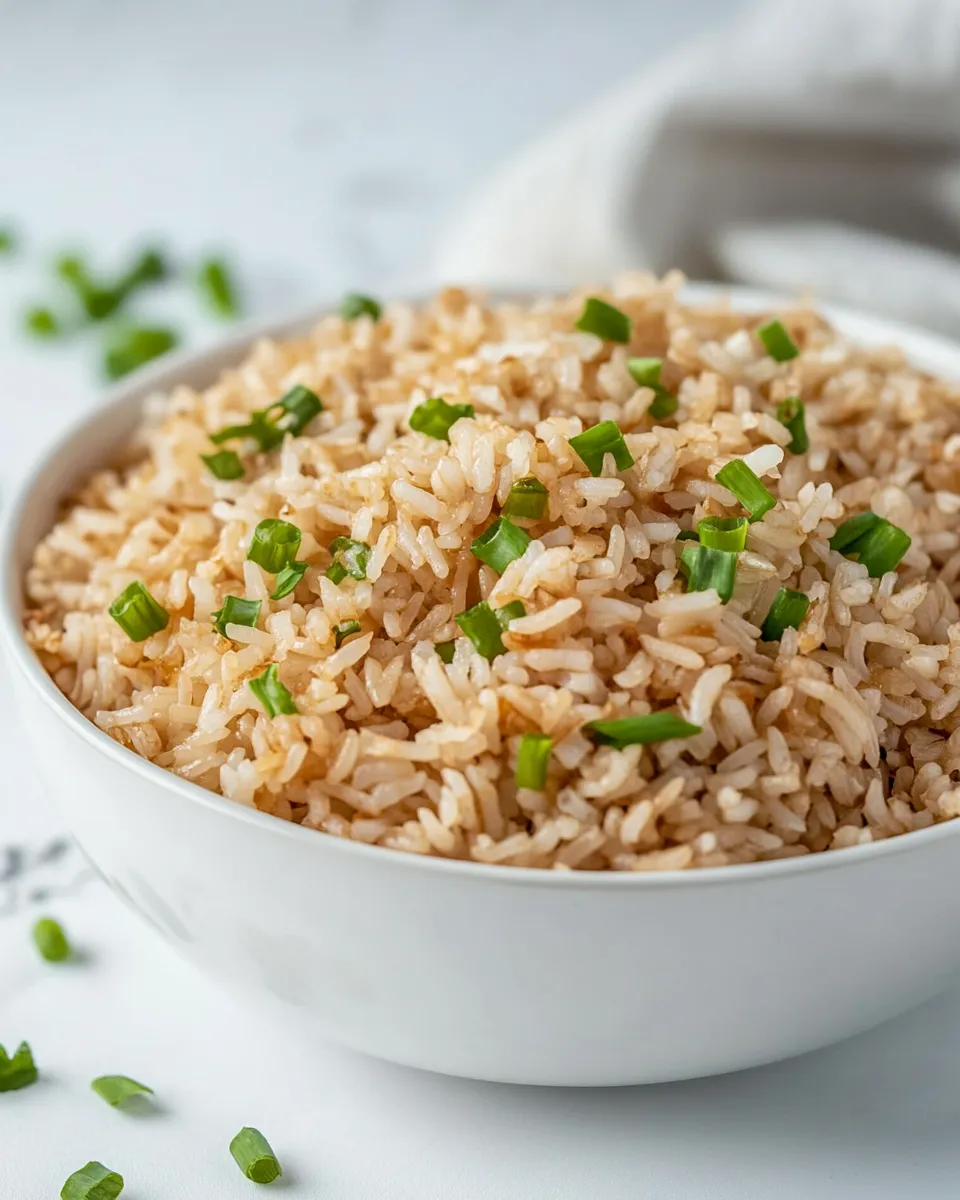
This recipe is straightforward and forgiving. The rinse-and-simmer method ensures clean-flavored grains that separate nicely instead of clumping. I often need a reliable rice to serve alongside stronger-flavored mains—think bold curries, stir-fries, or simply roasted vegetables—and this hits the mark without competing with the main dish.
It’s also fast: active time is minimal. The seasoning at the end—just soy sauce, sesame oil, and salt—makes the rice interesting without making it heavy. A tiny bit of sesame oil gives an impression of careful cooking even when you’ve been squeezed for time.
Dairy-Free/Gluten-Free Swaps
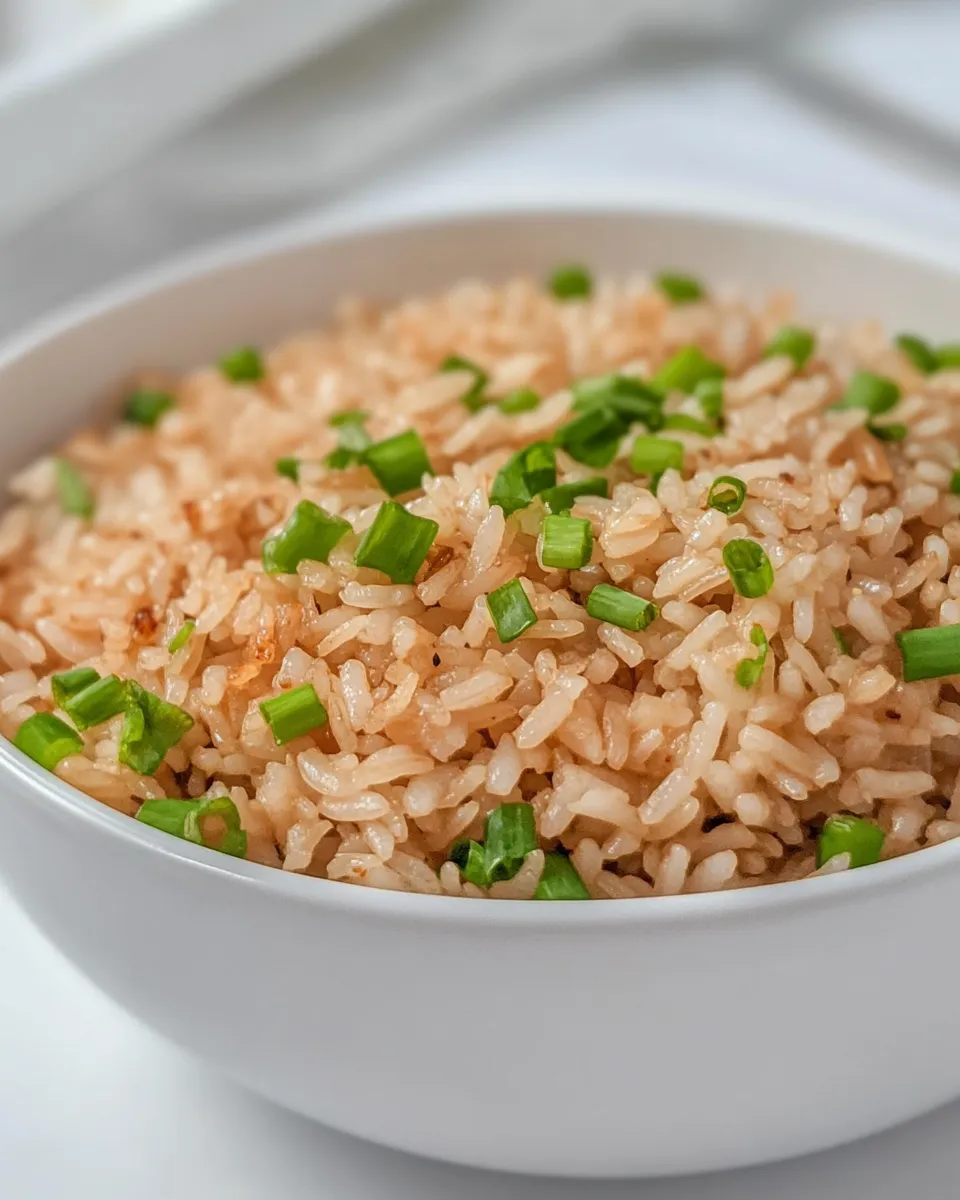
Dairy-free: This recipe is naturally dairy-free.
Gluten-free: If you need to avoid gluten, replace the low-sodium soy sauce with a gluten-free alternative such as tamari or coconut aminos. Those maintain the umami finish without gluten. Keep the same tablespoon amount and taste before adding more—gluten-free alternatives can vary in saltiness.
Gear Up: What to Grab
Use a medium saucepan with a tight-fitting lid; tight lids trap steam so the rice cooks evenly. A fine-mesh sieve or colander is essential for rinsing jasmine rice until the rinse water runs clear—this step prevents gummy rice. A fork for fluffing is better than stirring with a spoon; it separates grains without crushing them.
Avoid These Mistakes
1) Skipping the rinse: If you don’t rinse jasmine rice, extra surface starch makes it sticky and gluey. Rinse until the water runs clear.
2) Lifting the lid while it simmers: Peeking or stirring during the 18-minute simmer releases steam and interrupts cooking. Trust the time and keep the lid on.
3) Adding too much soy sauce or sesame oil upfront: Both are finishing touches. Add them after the rice cooks so you control the final flavor without over-salting or over-oiling.
4) Fluffing aggressively: Use a fork and be gentle—over-handling will mash grains together and reduce the light texture you want.
Year-Round Variations
Spring & Summer
Serve the rice with citrus-forward dishes or simple grilled proteins. Toss warm rice with a squeeze of lime and a scattering of thinly sliced herbs just before serving for brightness.
Fall & Winter
Make the rice a cozy base for heartier fare: pair with braised vegetables, roasted mushrooms, or a saucy stew. The sesame oil finish complements richer sauces.
Weeknight Boosts
If you want more texture, stir in a handful of toasted sesame seeds or a few slivers of charred scallion after fluffing. For a silkier mouthfeel, fold in a small pat of neutral oil or butter if you’re not dairy-free, but keep it minimal so the recipe remains light.
Author’s Commentary

I started leaning on this recipe when I wanted a reliable, simple rice to anchor meals without fuss. Its strength is humility: it does not try to be the star, but it makes everything around it better. The finishing step—soy sauce plus sesame oil—was a game-changer the first time I tried it. It adds depth so you don’t reach for sauces at the table.
Over time I’ve learned to respect small details: a proper rinse, the right water ratio, and the patience to let the rice rest off the heat for a minute before fluffing. Those small choices make a clear difference.
Storing Tips & Timelines
Cool rice quickly by spreading it in a thin layer on a baking sheet or shallow dish, then transfer to an airtight container. Store in the refrigerator for up to 4 days. Reheat gently—either in the microwave with a damp paper towel over the bowl, or in a skillet with a splash of water to re-steam the rice and revive the texture.
For longer storage, freeze portions in freezer-safe containers for up to 3 months. Thaw in the refrigerator overnight and reheat as above. Do not leave cooked rice at room temperature for more than 2 hours; cool it and refrigerate promptly to reduce the risk of bacterial growth.
Your Questions, Answered
Q: Can I scale this recipe up or down?
A: Yes. Keep the rice-to-water ratio consistent—this recipe uses 1 1/2 cups rice to 3 cups water (a 1:2 ratio). If you double the rice, double the water. Cooking time may remain similar, but ensure your pot is large enough and the lid seals well.
Q: Can I use a rice cooker or Instant Pot?
A: You can. For rice cookers, follow the manufacturer’s rice-to-water ratio (often similar) and add the soy sauce, sesame oil, and salt after cooking. For pressure cookers, use the cooker’s recommended method for jasmine rice and finish the same way. Timing and water may slightly differ by appliance.
Q: Why add the soy sauce and sesame oil after cooking?
A: They’re finishing flavors. Adding them after cooking ensures the rice texture and moisture are set; it also avoids steaming off volatile aromatics and prevents over-salting during cooking.
That’s a Wrap
Simple rice, done well, changes a meal. With just jasmine rice, water, a splash of soy, sesame oil, salt, and green onion, you get a versatile, fragrant side that fits many dinners. Keep the method in your rotation: rinse, simmer undisturbed, finish gently, and serve warm.
If you try it, tell me how you serve it—quick swaps or favorite pairings are always welcome. This recipe is a small foundation that makes busy nights taste like care and thought.

Asian Rice
Ingredients
Equipment
Method
- Place 1 1/2 cups jasmine rice in a fine-mesh sieve and rinse under cold water until the water runs clear; drain well.
- In a medium saucepan, combine the rinsed rice and 3 cups water.
- Bring to a boil over high heat.
- Once boiling, reduce the heat to low, cover, and simmer undisturbed for 18 minutes.
- Remove the saucepan from the heat. Drizzle 1 tablespoon low-sodium soy sauce and 1 teaspoon sesame oil over the cooked rice, sprinkle 1/2 teaspoon kosher salt, then fluff gently with a fork to mix the seasonings evenly.
- Garnish with 2 green onions, thinly sliced, and serve.