Baked Salmon Temperature Guide
Salmon is quick, forgiving, and one of those weeknight heroes that still feels a little special. This guide focuses on temperatures and timings so you end up with flaky, moist fillets every time — not dry, not raw, just perfectly cooked through. I’ll walk you through the exact oven method I use, the small choices that change texture, and how to troubleshoot the most common issues.
There’s no complicated sauce or long marinade here. Think simple seasoning, a hot oven, and the right internal temperature. I cook salmon enough to know what works, and I’ve condensed that into a clear, practical plan so you can follow one reliable method and adapt it for portions or flavor.
Follow the instructions below exactly for timing and temperature, and you’ll consistently land at a tender, slightly translucent center that flakes cleanly. If you want variations — bolder seasonings, citrus finishes, or weeknight sheet-pan sides — I’ve included season-by-season ideas and storage tips later on.
What Goes In
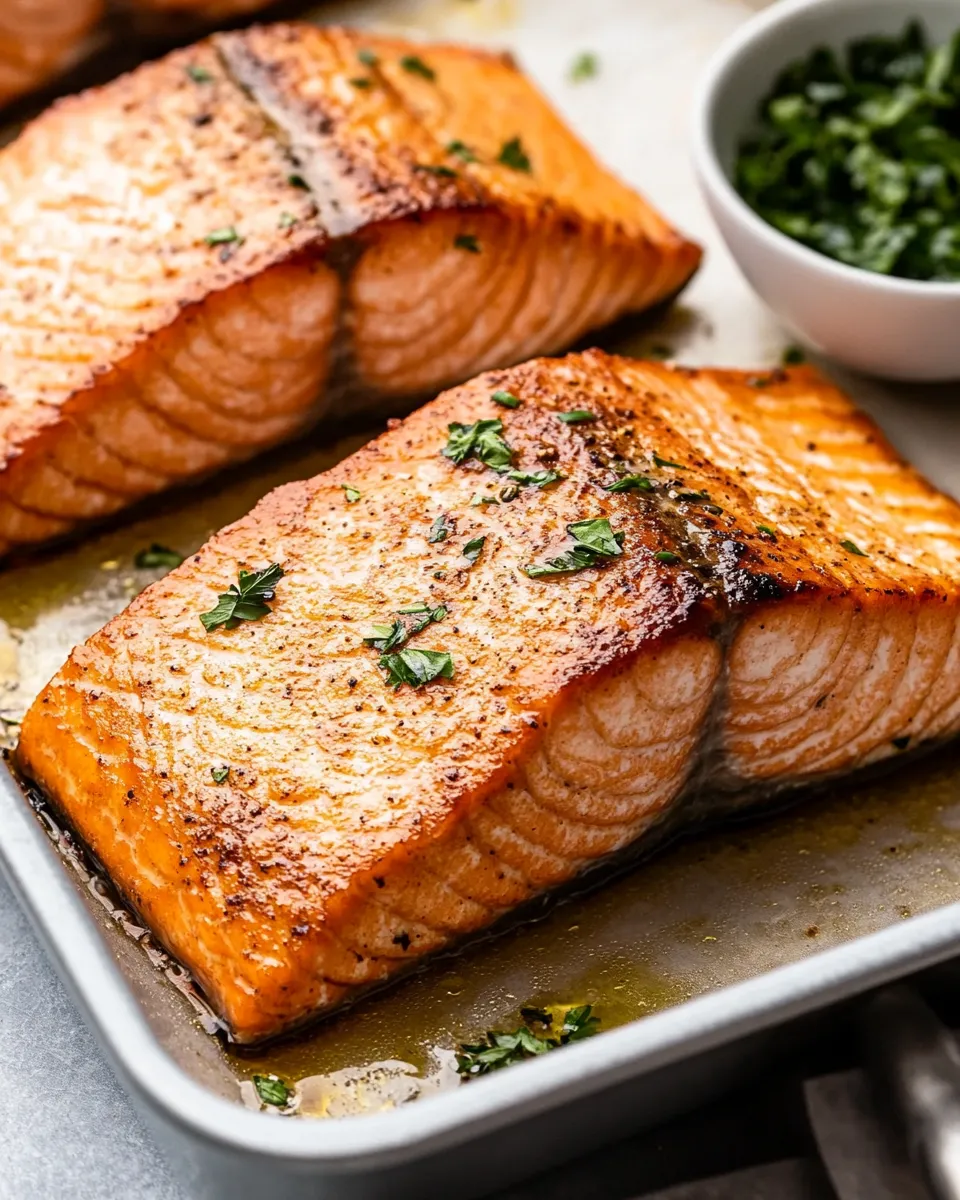
This section gives a quick sense of why each component matters. Salt brings out moisture and flavor. Olive oil promotes browning and keeps the surface glossy. Seasonings are flexible; they’re the part you personalize. Fresh herbs and lemon finish the dish with brightness after the oven does the heavy lifting.
Ingredients
- 1 ½ pounds salmon — 1 single portion (side of salmon) or 4 6-ounce fillet portions; choose even-thickness pieces for even cooking.
- 1 ½ tablespoons extra virgin olive oil — coats the flesh to promote browning and prevents sticking.
- Seasonings of choice — salt, pepper, seafood seasoning, Cajun seasoning, etc.; use what you like and season to taste.
- Fresh herbs, lemon wedges — optional for serving; add after resting to keep herbs bright and lemon juice fragrant.
Step-by-Step: Baked Salmon
- Place a rack in the center of the oven and preheat to 400°F. Line a 9×13-inch baking dish with parchment paper.
- Pat the 1 ½ pounds salmon dry with paper towels. Arrange the salmon in the center of the prepared pan; if using 6-ounce portions, space them so they do not touch.
- Drizzle all of the 1 ½ tablespoons extra virgin olive oil evenly over the salmon.
- Sprinkle seasonings of choice (salt, pepper, seafood seasoning, Cajun seasoning, etc.) over the salmon to taste.
- Bake in the preheated 400°F oven: 11 to 14 minutes for 6-ounce fillets, or 15 to 18 minutes for a single side, until an instant-read thermometer inserted into the thickest part reads 135°F.
- Remove the salmon from the oven and let it rest for 5 minutes before serving.
- Serve warm, optionally garnished with fresh herbs and lemon wedges.
Notes on timing: follow the times above for fillet size. The target internal temperature of 135°F gives you moist, slightly translucent salmon that flakes cleanly. If you prefer fully opaque and firmer salmon, add 1–2 minutes, but watch closely; fish can overcook fast.
Why It’s My Go-To
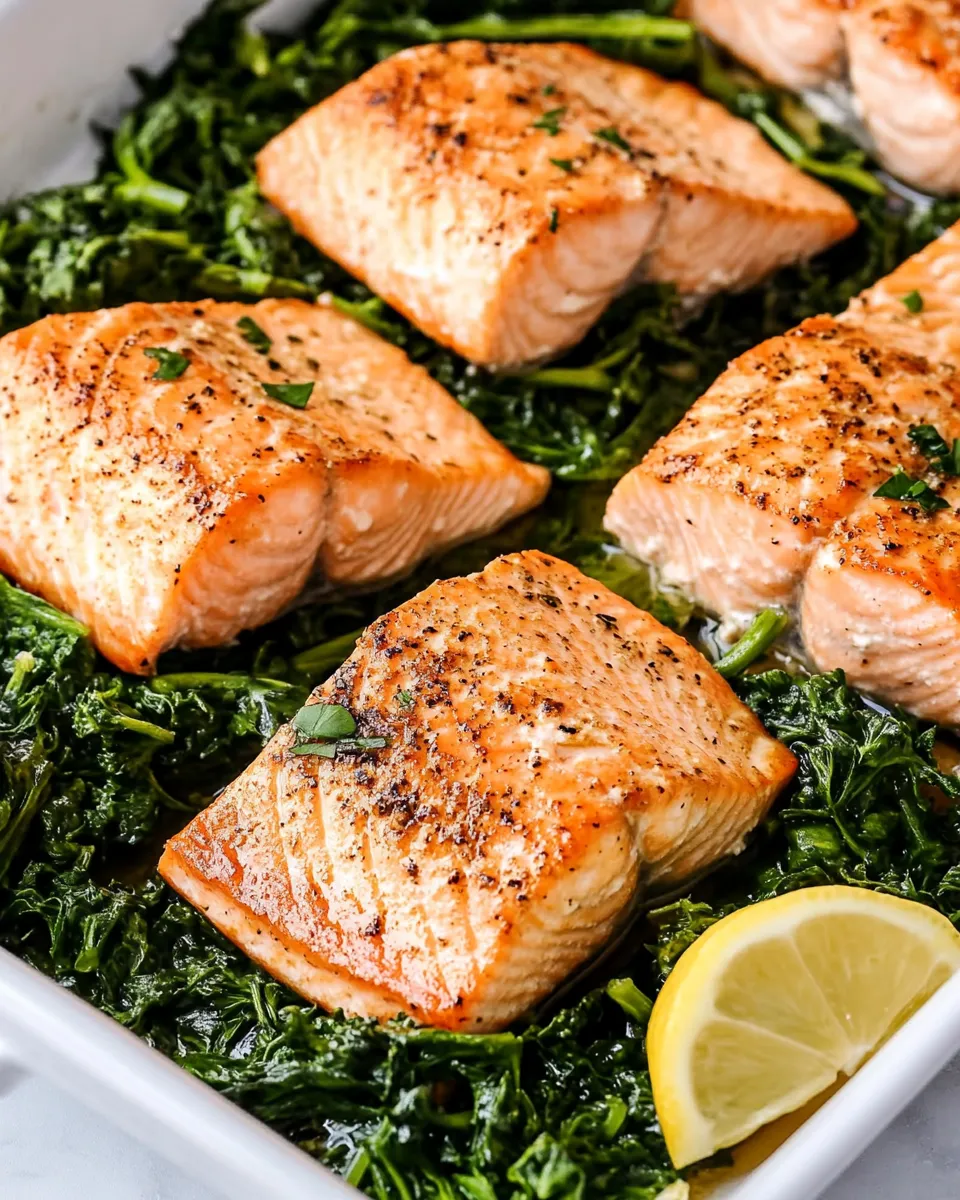
This method is fast and forgiving. Preheating to 400°F creates a short, hot bake that sets the surface quickly while letting the interior cook evenly. The olive oil and parchment paper reduce cleanup and keep the fish from drying. The internal temperature target removes guesswork: when the thermometer reads 135°F, you’re done.
It’s flexible. Use the same temperatures and timings for a single side or for several fillets. Swap seasonings for different cuisines. Finish with citrus and herbs for brightness or a quick glaze for a weeknight flavor boost. The foundation stays the same — reliable heat and a clear temperature target.
No-Store Runs Needed
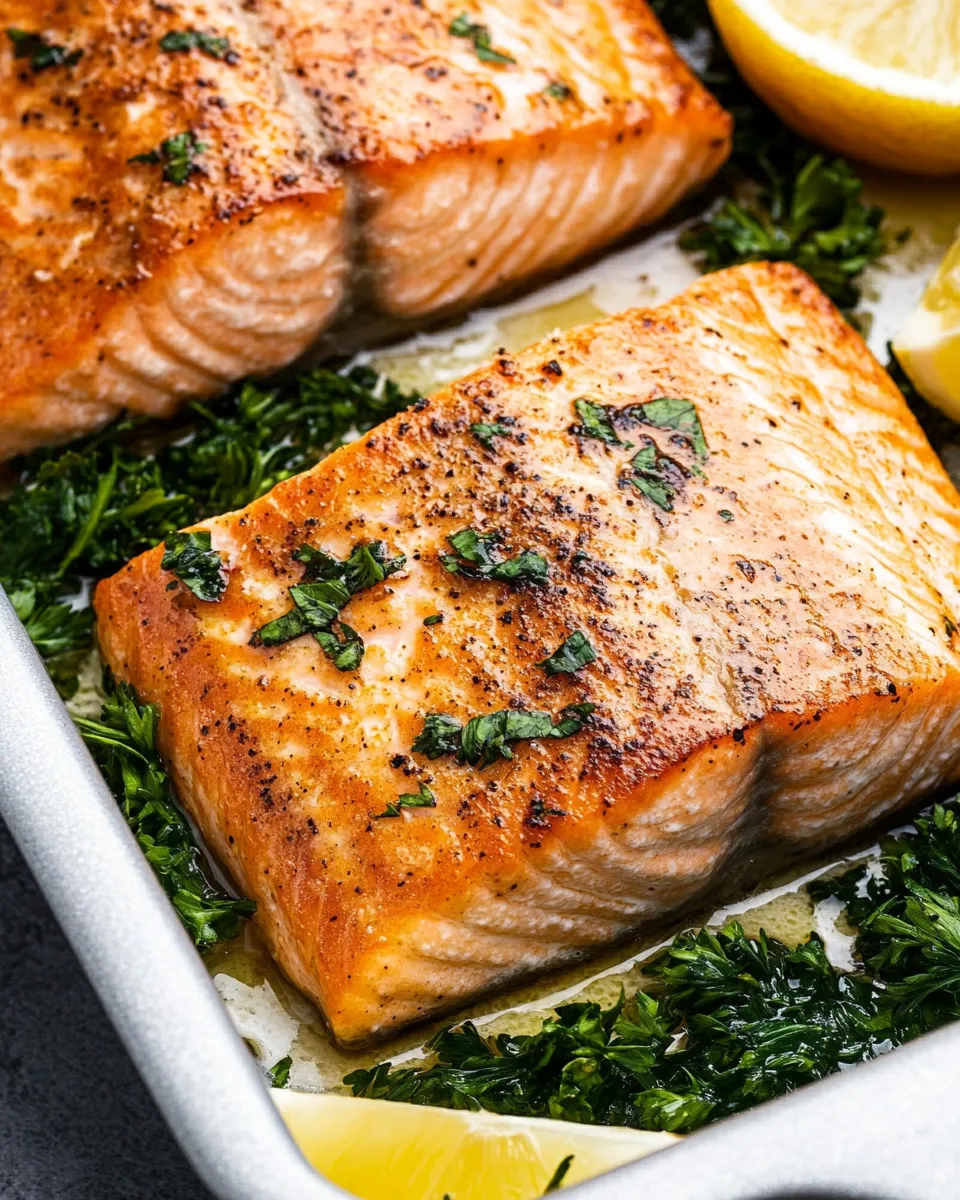
There’s a very good chance you already have what you need. At a minimum you need salmon, oil, salt, and pepper. If you have any pantry spice blend — garlic powder, smoked paprika, or a seafood seasoning — it will work. Lemon and herbs are optional but worth grabbing if you have them.
Short on olive oil? Use a neutral oil with a high smoke point, but I prefer extra virgin for flavor. No thermometer? You can rely on the bake times, but an instant-read thermometer removes the guesswork and helps avoid overcooking. If you must, look for visual cues: the flesh will become opaque around the edges and slightly translucent in the center; it should flake easily but not fall apart.
Equipment Breakdown
- Oven — set to 400°F; consistent heat matters more than convection vs. conventional for these times.
- Baking dish (9×13-inch) — roomy enough for a side of salmon or four fillets; lined with parchment for easy cleanup.
- Parchment paper — prevents sticking and helps lift the fillets out cleanly.
- Paper towels — for patting the salmon dry so seasoning sticks and browning improves.
- Instant-read thermometer — highly recommended to verify 135°F in the thickest part for best results.
- Tongs or spatula — gentle tools to transfer portions without breaking the fillet.
Mistakes That Ruin Baked Salmon
- Skipping the pat dry — leaving excess surface moisture prevents browning and can steam the fish, yielding soggy skin and weaker flavor.
- Overcrowding the pan — fillets touching each other trap steam and roast unevenly; give pieces breathing room.
- Relying only on time, not temperature — thickness varies; an instant-read thermometer avoids guessing and prevents a dry result.
- Cooking straight from refrigerator without a short tempering — very cold fish takes longer to reach doneness and can overcook on the outside; remove from the fridge 10–15 minutes before baking if you can.
- Applying acidic finishes before cooking — lemon or acidic marinades can “cook” the surface and change texture; add citrus and delicate herbs after resting.
Spring–Summer–Fall–Winter Ideas
Think seasons for accompaniments and flavors. Small changes make the same base method feel appropriate year-round.
Spring
Serve the salmon with steamed asparagus, peas, and a drizzle of lemony yogurt or a simple dill-mustard sauce. Fresh herbs like dill, chives, and parsley highlight the gentle flavor of spring produce.
Summer
Bright and grill-friendly sides fit here: tomato-cucumber salad, charred corn, or a chilled potato salad. Finish the salmon with chopped basil and a squeeze of lemon for a light, summery plate.
Fall
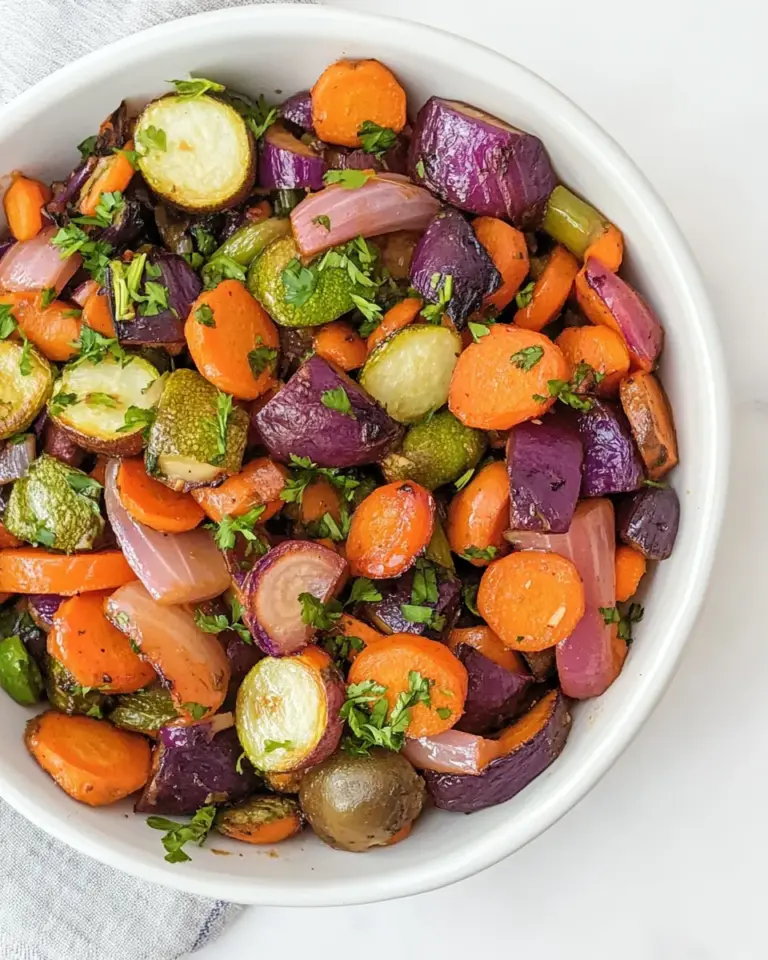
Root vegetables and warm grains pair nicely. Roast carrots, sweet potatoes, or beets while the salmon cooks. Add a maple-mustard glaze for a cozy, autumnal touch without changing the bake time or temperature.
Winter
Heartier sides like braised greens, mashed potatoes, or a lentil stew make the meal comforting. Use bolder seasonings — smoked paprika or a spice rub — to stand up to richer winter flavors.
Author’s Commentary
I come back to this method because it fits my life: fast, low-fuss, and reliable. Seafood can intimidate home cooks, but a simple set temperature and a short timer removes the fear. The 135°F target is my sweet spot — not raw, not dry, just silky and flaky. Cooking is often about confidence; when I know the numbers, I relax and experiment with flavors.
One tiny trick I use: if I want a brighter finish, I zest a lemon over the hot fillets immediately after they rest. The citrus oils bloom and lift the whole plate. If I’m serving guests, I arrange fillets on a warmed platter and let everyone squeeze a lemon wedge to taste.
Storing, Freezing & Reheating
Refrigerate cooked salmon in an airtight container within two hours of cooking. It will keep well for up to 3 days. To freeze, wrap portions tightly in plastic wrap and place in a freezer bag; use within 2 months for best texture.
To reheat, thaw overnight in the refrigerator if frozen. Gentle reheating works best: bring to room temperature for 15–20 minutes, then heat in a 275°F oven for 10–12 minutes or until warmed through. You can also flake cold salmon into salads or mixes without reheating; the texture is still delicious in salads, spreads, and bowls.
Questions People Ask
What internal temperature should I aim for? I aim for 135°F in the thickest part for moist, slightly translucent salmon that flakes cleanly. If you prefer fully opaque flesh, cook to 140–145°F but expect a firmer texture.
Can I use frozen salmon? Yes. Thaw in the refrigerator overnight. Pat dry thoroughly before seasoning and baking. If you try to bake from frozen, increase the bake time and use a thermometer to check doneness.
Is skin-on better than skinless? Skin-on protects the flesh and crisps when exposed to higher direct heat. For this recipe, skin-on or skinless will both work; if you keep the skin on, place the fillet skin-side down and remove the skin after cooking if you prefer.
Do I need to marinate? No. A simple oil and seasoning rub is enough for a clean, bright salmon. Marinating is optional if you want a specific flavor profile, but avoid acidic marinades for long times; they change texture.
Before You Go
Follow the temperature and timing steps here for a reliable, everyday baked salmon. Keep an instant-read thermometer close; it’s the single best tool to elevate your results. Once you’re comfortable with the baseline method, experiment with spice blends, glazes, and sides seasonally.
Serve the salmon warm after a short rest, squeeze a lemon wedge, and eat while it’s still tender. I hope this becomes your quick reference for perfect oven-baked salmon — practical, repeatable, and always satisfying.
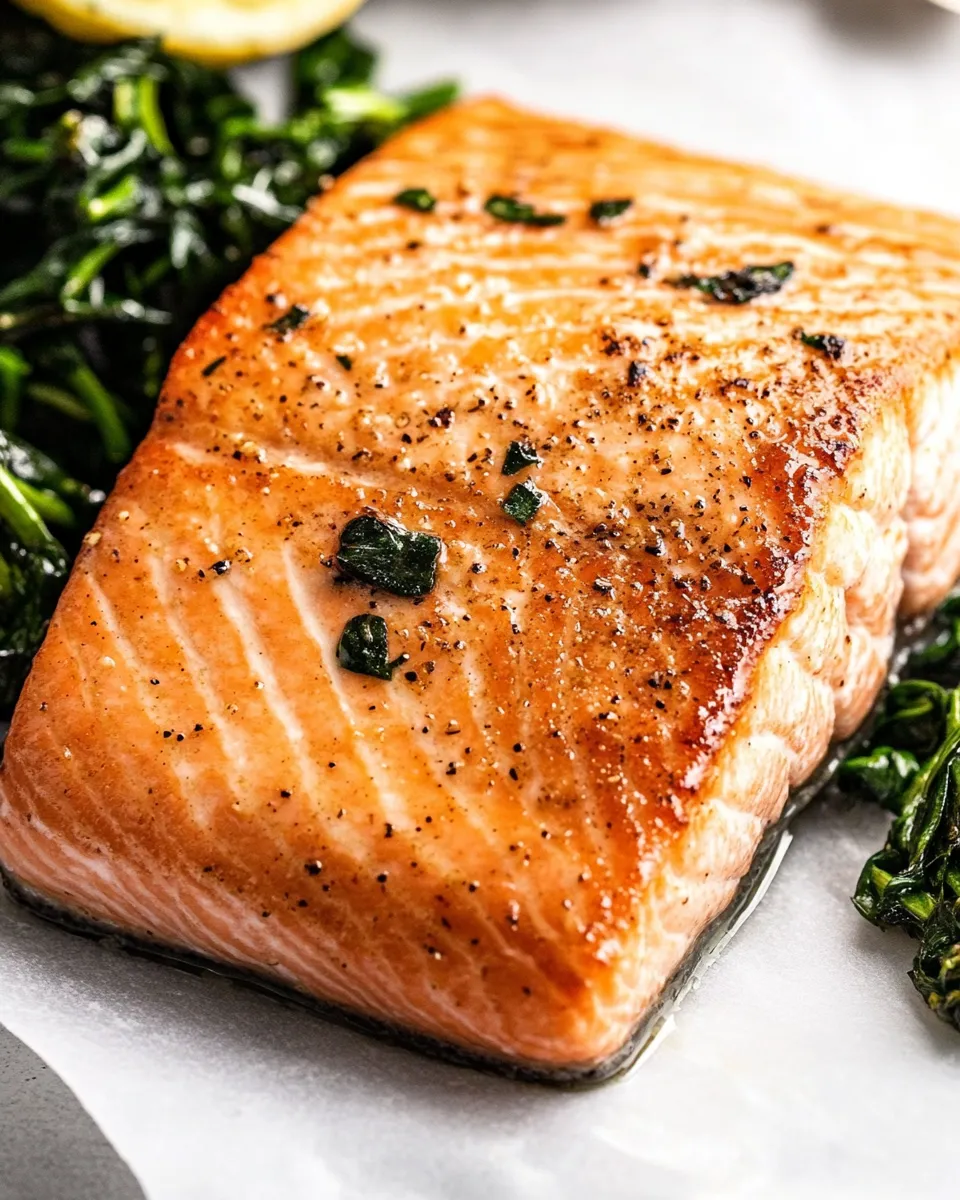
Baked Salmon Temperature Guide
Ingredients
Equipment
Method
- Place a rack in the center of the oven and preheat to 400°F. Line a 9×13-inch baking dish with parchment paper.
- Pat the 1 ½ pounds salmon dry with paper towels. Arrange the salmon in the center of the prepared pan; if using 6-ounce portions, space them so they do not touch.
- Drizzle all of the 1 ½ tablespoons extra virgin olive oil evenly over the salmon.
- Sprinkle seasonings of choice (salt, pepper, seafood seasoning, Cajun seasoning, etc.) over the salmon to taste.
- Bake in the preheated 400°F oven: 11 to 14 minutes for 6-ounce fillets, or 15 to 18 minutes for a single side, until an instant-read thermometer inserted into the thickest part reads 135°F.
- Remove the salmon from the oven and let it rest for 5 minutes before serving.
- Serve warm, optionally garnished with fresh herbs and lemon wedges.
Notes
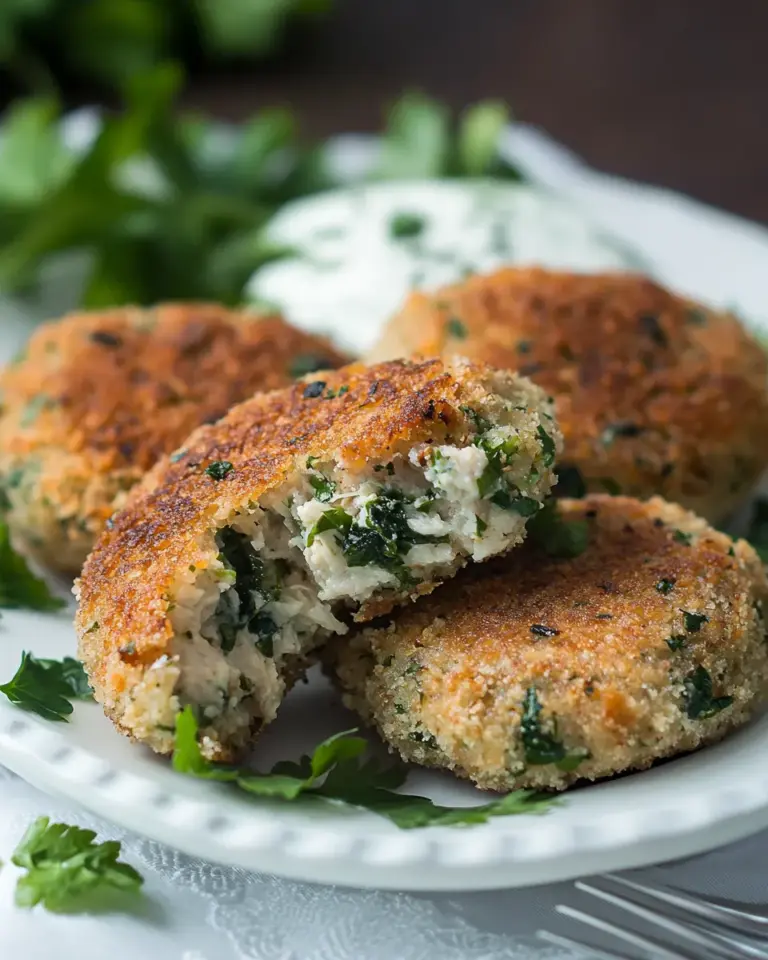
TO REHEAT:Salmon dries out easily when reheated, so try it room temperature in a salad, add it toHomemade Fried Rice, scramble it with eggs, or use it to makeSalmon Patties.