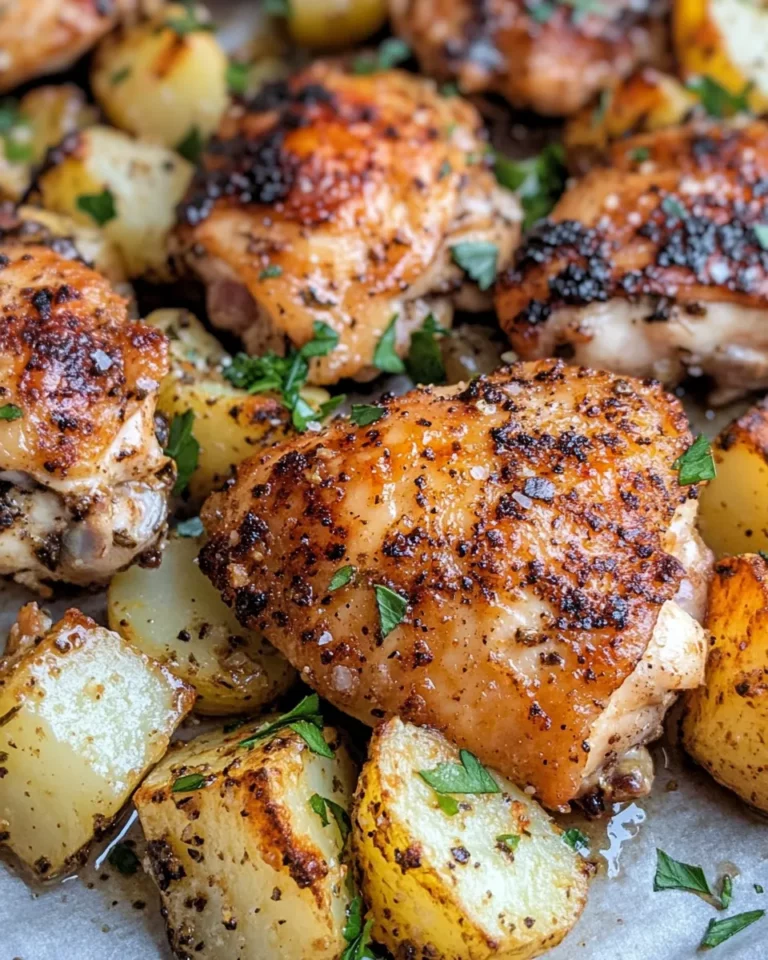
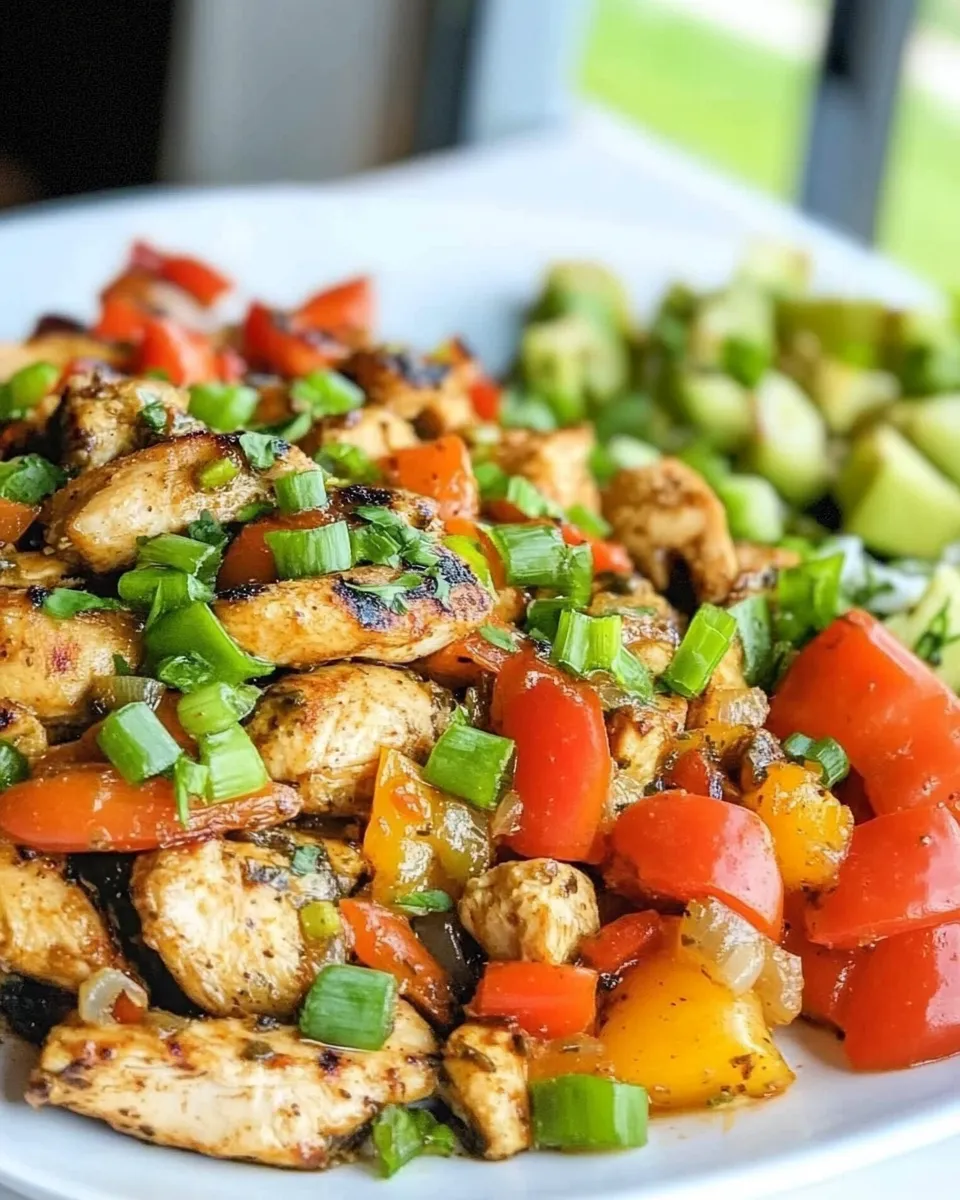
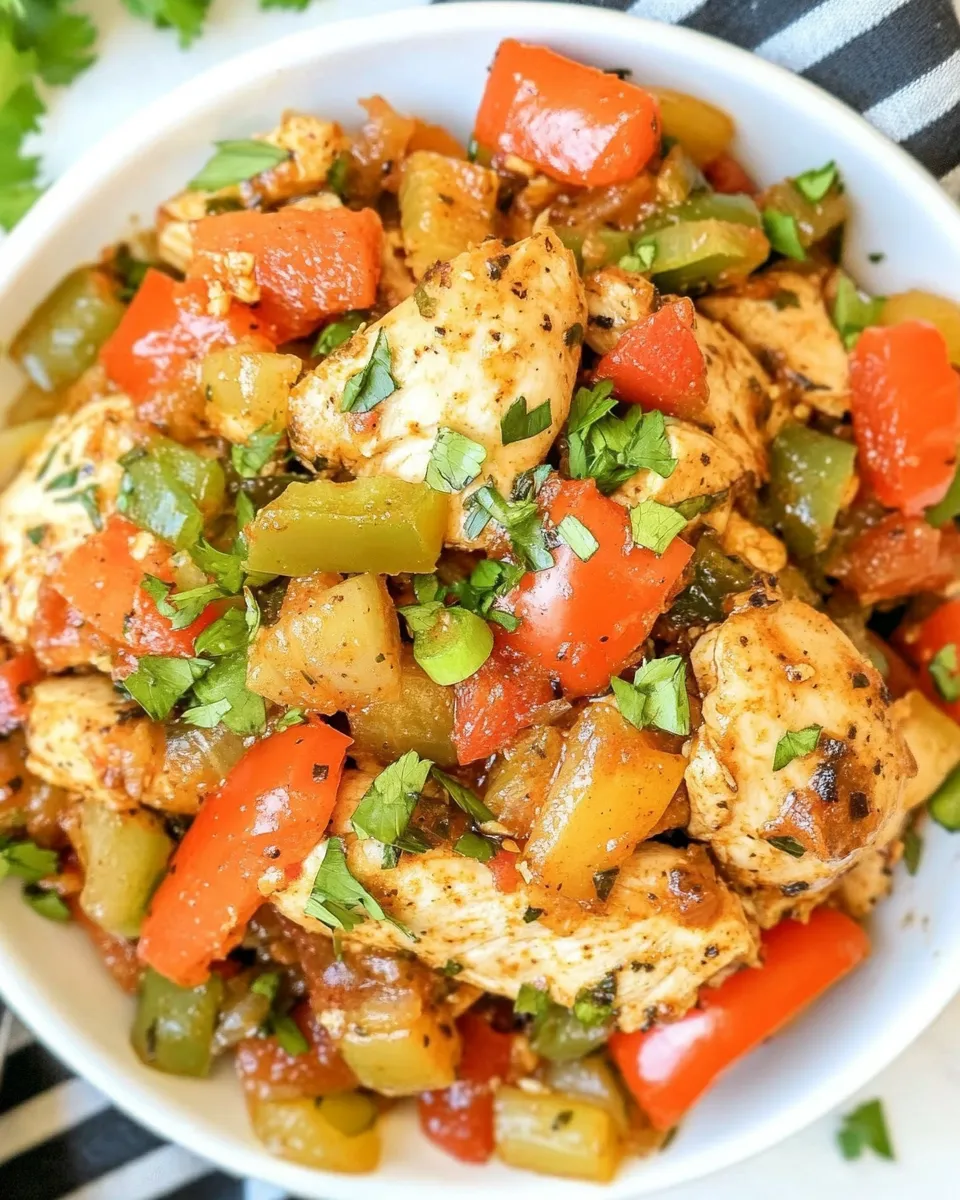
Cajun Chicken Skillet
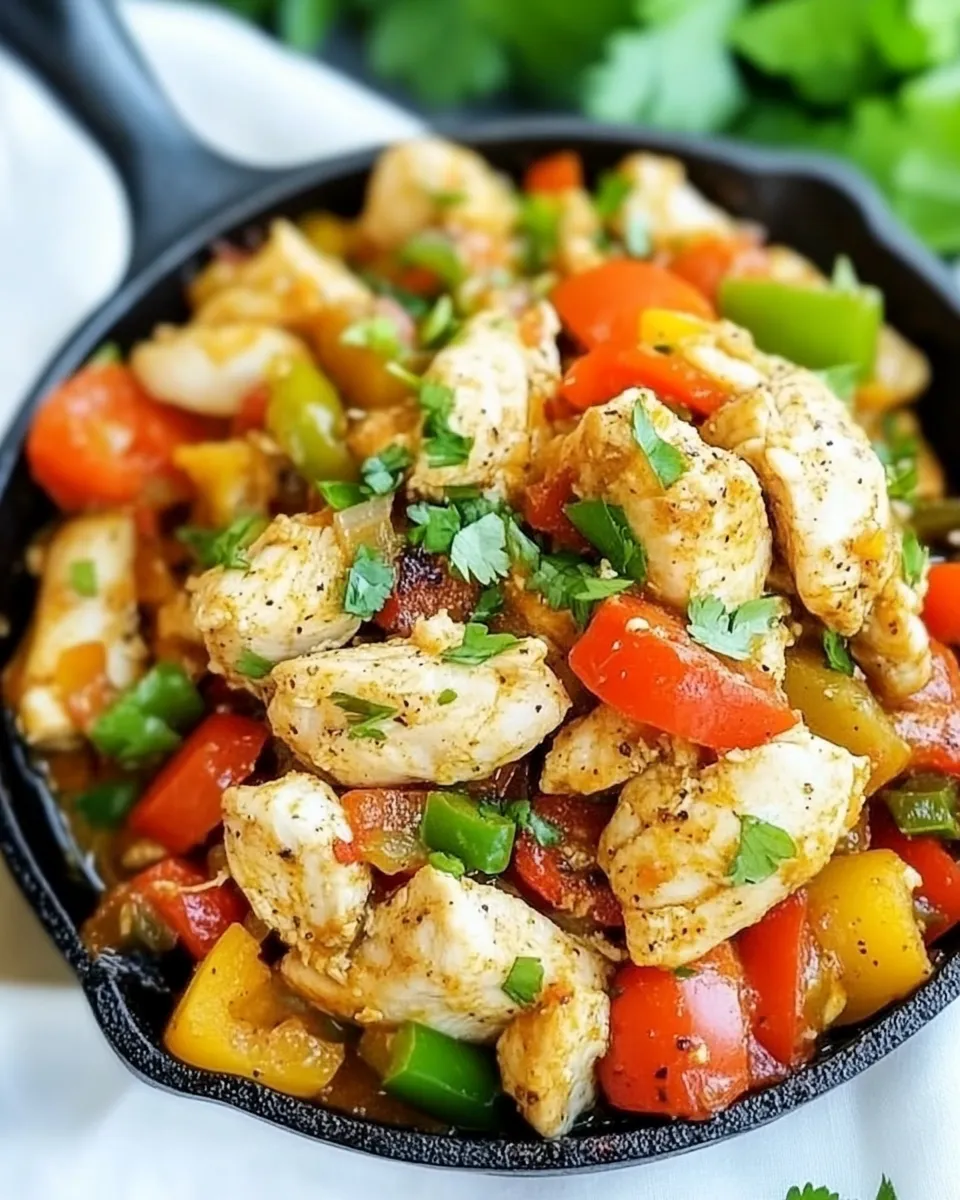
This skillet is one of my go-to weeknight dinners: fast, bold, and forgiving. It turns simple chicken breasts and a couple of bell peppers into a plate that feels like a real meal — spicy, bright, and mostly hands-off once everything hits the pan. If you like food that’s full of personality but doesn’t demand a long ingredient list or complicated technique, you’ll love this.
I write this from the kitchen where I test recipes repeatedly until they’re reliable. The method below focuses on getting a good sear on the chicken, keeping the peppers tender-crisp, and layering in garlic and green onion at the end so their flavors stay fresh. The whole thing comes together in about 20 minutes, including a short marinate while you prep the vegetables.
Follow the steps in order, keep the pan hot, and don’t overcrowd the skillet — that’s the single most important practical tip. Beyond that, this is a forgiving recipe you can lean on when you want something fast, tasty, and a little spicy.
Shopping List
- 2 lbs chicken breast, boneless, skinless
- 2 bell peppers (1 red, 1 green)
- 2 tbsp Cajun seasoning
- 2 tbsp olive oil
- 3 cloves garlic, pressed
- 1/4 cup green onion, chopped
Ingredients
- 2 lbs chicken breast, boneless, skinless — the main protein; cut into 1-inch chunks so pieces cook quickly and evenly.
- 2 bell peppers (1 red, 1 green) — add color, texture, and a sweet balance to the spice.
- 2 tbsp Cajun seasoning — provides the bold, smoky, spicy profile; evenly coats the chicken during the short marinate.
- 2 tbsp olive oil — used both in the marinade and for frying; heats quickly and helps get a good sear.
- 3 cloves garlic, pressed — added near the end for bright, aromatic flavor without burning.
- 1/4 cup green onion, chopped — sprinkled on at the end for freshness and a mild onion bite.
Cooking (Cajun Chicken Skillet): The Process
- Cut the 2 lbs chicken breast into 1-inch chunks. Place the chicken in a zip-top bag with 1 tbsp olive oil and 2 tbsp Cajun seasoning. Seal the bag and massage it so all pieces are evenly coated. Let the chicken marinate for at least 10 minutes while you prepare the vegetables.
- Core and seed the 2 bell peppers (1 red, 1 green) and cut them into bite-sized pieces. Press the 3 cloves garlic and chop the green onion to make 1/4 cup; set both aside.
- Heat a large skillet over medium-high to high heat. Add the remaining 1 tbsp olive oil and heat until shimmering.
- Add the chicken and the chopped bell peppers to the skillet in a single layer. If they cannot fit in a single layer, cook in batches to avoid overcrowding.
- Cook the chicken and peppers without stirring for 3–4 minutes to brown the first side.
- Use tongs to flip each chicken piece and continue cooking for 2 minutes on the second side.
- Add the pressed garlic, stir to combine, and cook for 1 additional minute, or until the chicken reaches an internal temperature of 165°F and the peppers are tender-crisp.
- Remove the skillet from the heat, sprinkle the chopped green onion over the chicken, and serve immediately.
Why This Recipe Belongs in Your Rotation
It’s fast. From cutting the chicken to plating, you’re looking at about 20 minutes of active time. The short marinate infuses the chicken just enough to make a difference without requiring planning a day ahead. That makes it perfect for busy weeknights.
It’s flexible. You’re working with basic ingredients that most people keep on hand. The flavors are bold enough to satisfy without needing side dishes that add extra time or effort. Plus, the skillet format means cleanup is minimal.
It hits good dinner criteria: protein, vegetables, and a bright finish. It’s also highly adaptable for different palates — mild for kids or amped up for spice lovers — without changing the technique.
Substitutions by Category
Protein
- Chicken thighs can be used instead of breast for a juicier result; cut into similar-sized pieces so they cook evenly.
- For a lower-fat option, use the same method with thin-cut turkey breast (adjust cooking time as needed).
Vegetables
- If you don’t have two bell peppers, use a single pepper and add an onion sliced into strips to keep volume and texture similar.
- Other quick-cooking veg like snap peas or sliced zucchini can be stirred in near the end to keep them crisp.
Fat & Seasoning
- Swap olive oil for avocado oil if you want a higher smoke point.
- If Cajun seasoning isn’t available, a mix of smoked paprika, garlic powder, onion powder, and cayenne will play a similar role; keep proportions in mind to avoid over-spicing.
Aromatics & Garnish
- If you prefer a milder onion note, use thinly sliced white or yellow onion sautéed with the peppers and reserve green onion for garnish.
Recommended Tools
- Large heavy skillet (cast iron or stainless steel) — holds heat and gives a reliable sear.
- Sharp chef’s knife — for quick, uniform cutting of chicken and peppers.
- Meat thermometer — the fastest way to be sure chicken is cooked to 165°F without overcooking.
- Zip-top bag — makes the short marinate foolproof and cleanup easy.
- Tongs — essential for flipping pieces individually and keeping that crust intact.
Don’t Do This
- Don’t overcrowd the pan. If the chicken and peppers are jammed together, they’ll steam instead of sear; cook in batches if needed.
- Don’t add the garlic too early. Pressed garlic burns quickly over high heat and turns bitter; add it in the final minute.
- Don’t skip the short marinate. Even 10 minutes with the seasoning and a little oil improves flavor and helps the spice adhere.
- Don’t walk away while searing. High heat moves fast; stay nearby to flip pieces at the right time.
Fit It to Your Goals
Want lower carbs? Serve the skillet over a bed of greens or cauliflower rice instead of grains. Need extra calories for athletes or hungry teens? Stir in a knob of butter or a splash of cream at the end and serve with rice or crusty bread.
Cooking for picky eaters? Keep the peppers slightly milder by using only the red pepper (sweeter) and reduce the seasoning by a spoonful for a gentler spice level. For meal prep, double the recipe and refrigerate portions for 3–4 days or freeze as described below.
Behind the Recipe
The idea here is simple: good sear, high heat, and a finish that preserves fresh flavors. Cajun seasoning brings a mix of heat and depth — typically a blend of paprika, garlic, onion, cayenne, and herbs — and works beautifully with quick-cooking chicken. The method borrows from pan-sear techniques used for steaks and chops: get a hot surface, don’t fuss, flip once or twice, and finish with aromatics and fresh herbs to keep the profile lively.
I tested timing to make sure 1-inch chunks brown well without drying. The peppers are added at the same time so they soften while the chicken gets its crust. Adding the garlic only at the end keeps it bright and fragrant rather than bitter.
Freezer-Friendly Notes
Freeze cooked portions rather than raw for best texture after reheating. Cool the skillet completely, portion into airtight containers, and freeze for up to 3 months. Thaw overnight in the refrigerator and reheat gently in a skillet over medium heat — adding a splash of water or broth helps restore moisture if it seems dry.
If you prefer to freeze raw, portion the marinated chicken (without the green onions) into freezer bags and freeze for up to 1 month. Thaw in the fridge before cooking; peppers lose some crunch after freezing, so add fresh peppers when reheating for better texture.
Reader Questions
- Can I make this spicy for heat lovers? Yes — increase the Cajun seasoning slightly or add a pinch of cayenne when you toss the chicken. Taste as you go and remember you can always add more but you can’t remove heat once it’s in.
- What if my peppers are too thick? Cut them a bit smaller so they cook at the same speed as the chicken. Aim for bite-sized pieces that are roughly the same thickness as the chicken chunks.
- How do I keep the chicken from sticking? Make sure the oil is hot and the pan well preheated. Don’t move the pieces for the first 3–4 minutes so a crust forms; that crust releases naturally from the pan.
- Can I use pre-sliced peppers to save time? Absolutely. If they’re already sliced, just toss them in with the chicken as directed and watch for tenderness.
The Takeaway
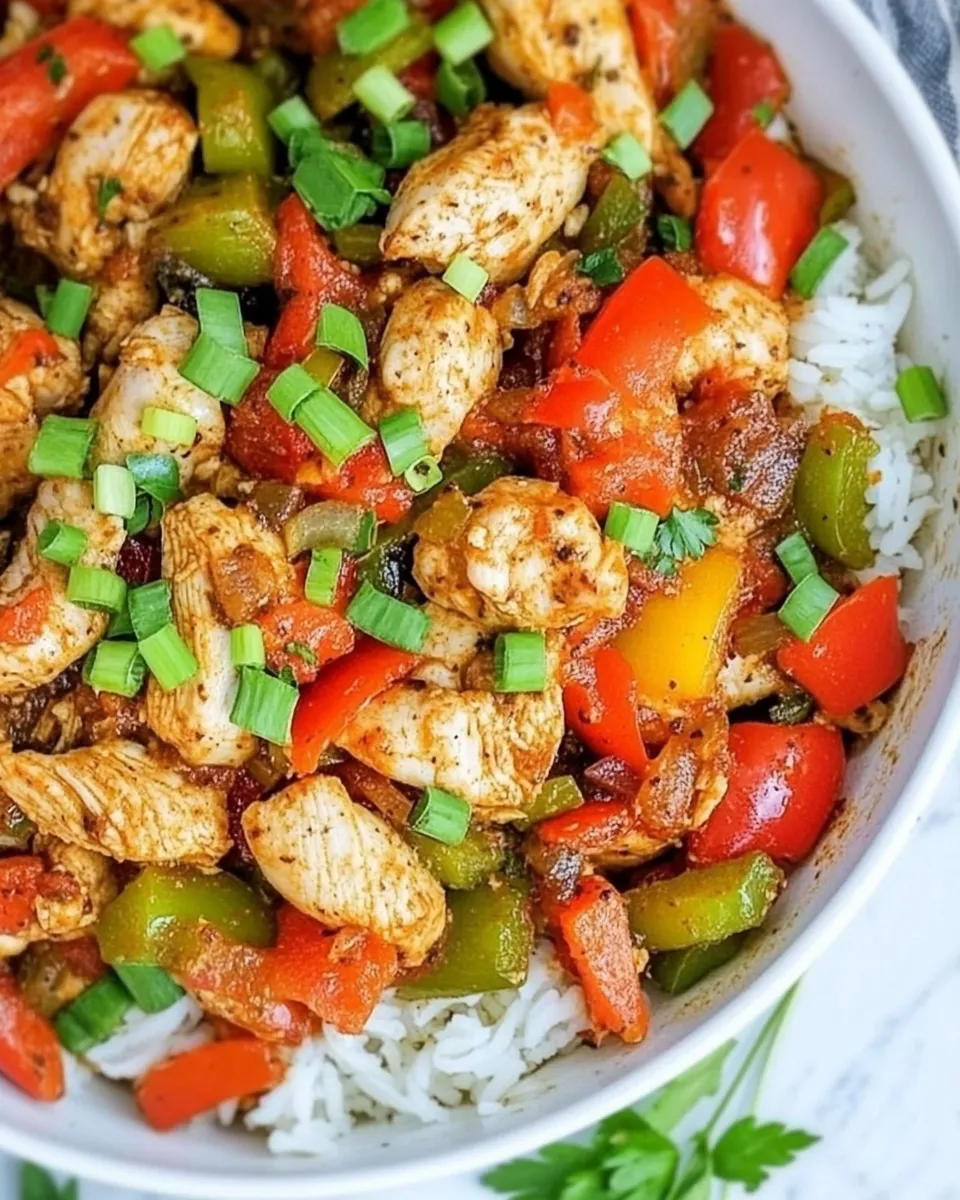
Cajun Chicken Skillet is a practical, flavor-forward weeknight recipe that delivers big on taste with minimal fuss. Keep the pan hot, don’t overcrowd it, and add garlic at the end. Use the short marinate to your advantage and you’ll have a dependable, fast dinner that scales easily for families or meal prep. Simple ingredients, bold result — one skillet, lots of reliable dinner wins.
Cajun Chicken Skillet
Ingredients
Equipment
Method
- Cut the 2 lbs chicken breast into 1-inch chunks. Place the chicken in a zip-top bag with 1 tbsp olive oil and 2 tbsp Cajun seasoning. Seal the bag and massage it so all pieces are evenly coated. Let the chicken marinate for at least 10 minutes while you prepare the vegetables.
- Core and seed the 2 bell peppers (1 red, 1 green) and cut them into bite-sized pieces. Press the 3 cloves garlic and chop the green onion to make 1/4 cup; set both aside.
- Heat a large skillet over medium-high to high heat. Add the remaining 1 tbsp olive oil and heat until shimmering.
- Add the chicken and the chopped bell peppers to the skillet in a single layer. If they cannot fit in a single layer, cook in batches to avoid overcrowding.
- Cook the chicken and peppers without stirring for 3–4 minutes to brown the first side.
- Use tongs to flip each chicken piece and continue cooking for 2 minutes on the second side.
- Add the pressed garlic, stir to combine, and cook for 1 additional minute, or until the chicken reaches an internal temperature of 165°F and the peppers are tender-crisp.
- Remove the skillet from the heat, sprinkle the chopped green onion over the chicken, and serve immediately.
Notes
Leftovers can be stored in an airtight container for 3-4 days in the refrigerator or in the freezer for up to a month.
Dietary Considerations:
This recipe is naturally gluten free, low carb, and friendly for low carb and keto diets. Please check all packages of products bought to ensure compliance.
Nutrition facts provided based on my best estimation for the recipe and may not be accurate depending on what brands you use or modifications you make to the recipe. I recommend using a nutrition calculator with the exact brands and measurements you use for the most accurate calculation.
©2018 Easy Family Recipes