Cajun Shrimp
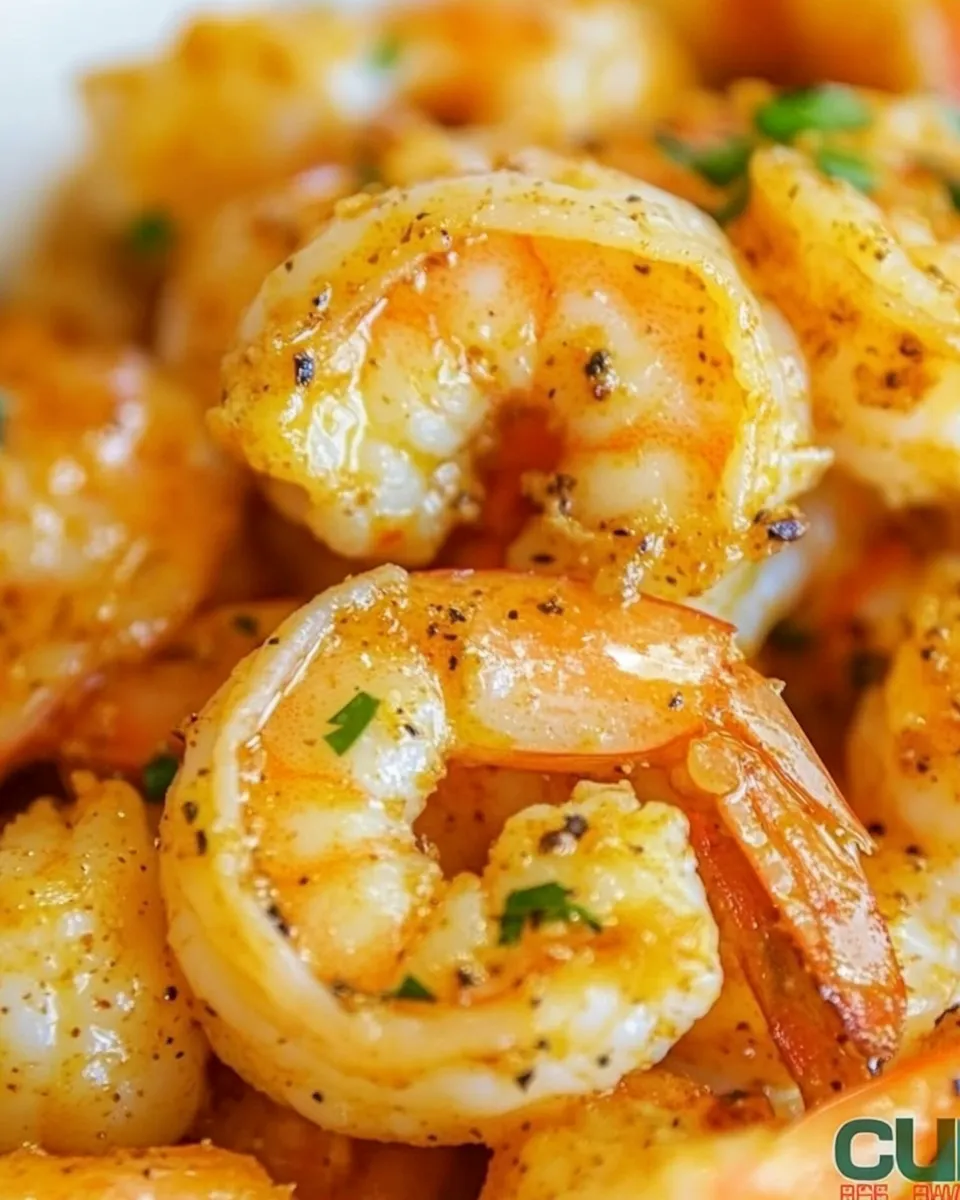
I love this Cajun Shrimp recipe because it’s fast, bold, and genuinely reliable on weeknights when time is short but flavor still matters. The seasoning is the star, and a few pantry staples turn ordinary shrimp into something you want to eat straight from the skillet. Crisp edges, juicy centers, a hit of citrus and fresh parsley: it all comes together in under ten minutes.
This version keeps things simple and honest. There’s no marinading marathon, no long ingredient list, and no special equipment. If you can melt butter and sauté, you can make this. The technique focuses on quick, high-heat cooking so the shrimp stays tender and doesn’t overcook.
I’ll walk you through the ingredients, every step in the pan, why it works, and smart swaps for different diets. I’ll also cover the small mistakes people make (and how to avoid them) so your shrimp consistently comes out perfect.
The Ingredient Lineup
Ingredients
- 1 lb large or jumbo shrimp, peeled, deveined, tails on or off — Quick-cooking protein; large shrimp give a meatier bite and stand up well to high heat.
- 2 tbsp butter — Provides a rich cooking medium and helps the seasoning cling to the shrimp; butter browns quickly, so watch the heat.
- 3 medium garlic cloves, minced — Brightens the dish; mince finely so it cooks evenly and infuses the butter fast.
- 1 tbsp Cajun seasoning — The main flavor driver; choose a blend you like or make your own if you prefer it saltier, smokier, or hotter.
- 1 tbsp lemon juice — Adds acidity to balance richness and lift the spices; add at the end to preserve brightness.
- 1 tbsp chopped parsley — Fresh herb finish for color and a clean herbal note that rounds the dish.
Step-by-Step: Cajun Shrimp
- Melt 2 tbsp butter in a large skillet over medium-high heat.
- Add 1 lb large or jumbo shrimp (peeled and deveined, tails on or off), 3 minced garlic cloves, and 1 tbsp Cajun seasoning. Cook, stirring often, for 3–4 minutes or until the shrimp are opaque, firm, and just cooked through.
- Remove the skillet from the heat. Stir in 1 tbsp lemon juice and 1 tbsp chopped parsley until combined, then serve immediately.
Why This Recipe is a Keeper
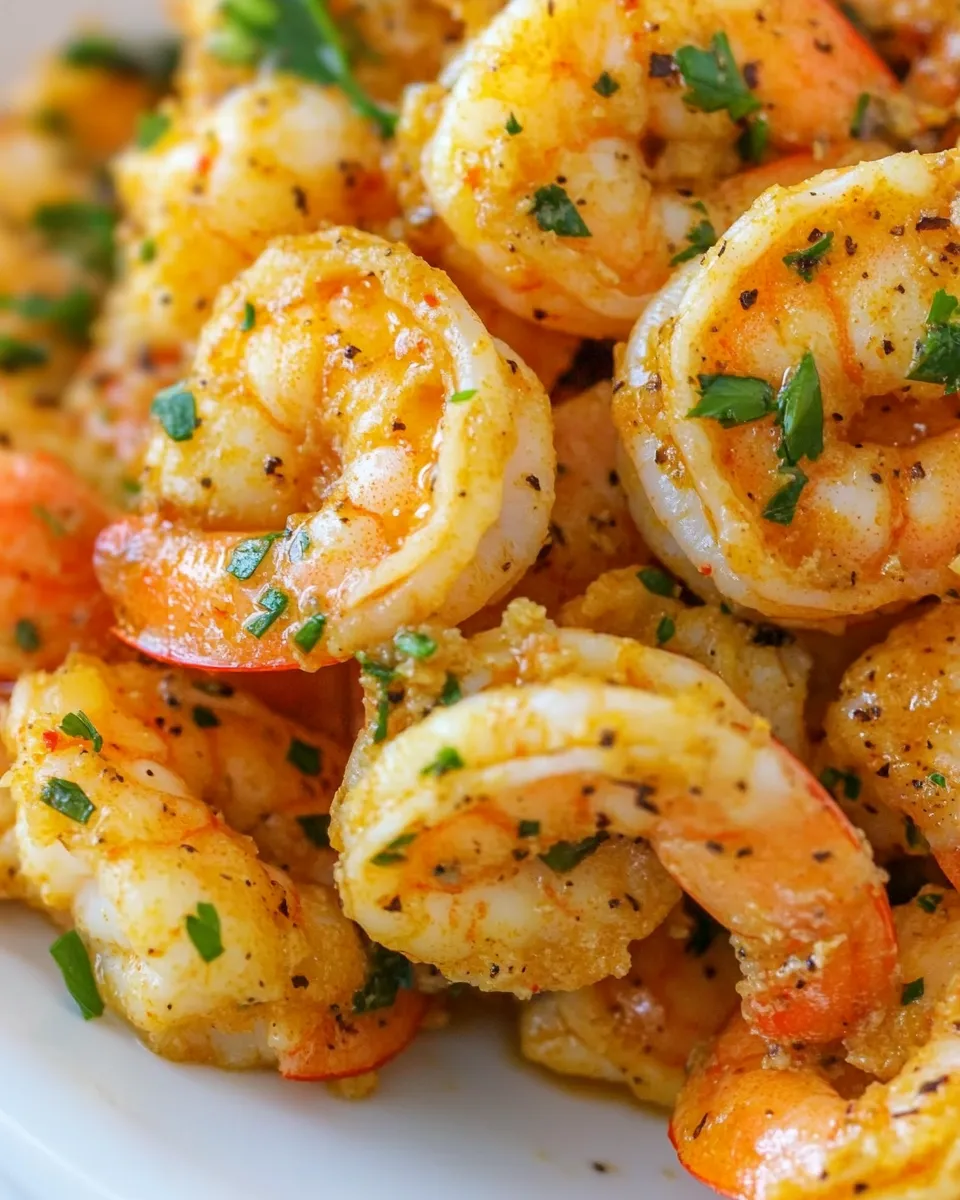
This recipe works because it respects shrimp’s one big rule: don’t overcook it. A short, high-heat sear buys you texture and caramelization without turning the shrimp rubbery. The Cajun seasoning does most of the heavy lifting — it’s salty, spicy, and aromatic — while butter gives it a silky mouthfeel and garlic gives it depth.
It’s also ridiculously adaptable. Serve the shrimp over rice, pasta, grits, or tuck it into tacos or a salad. The whole thing takes minutes, yet it looks and tastes like you put in much more effort. That makes it ideal for dinner guests or a quick solo feast.
Finally, the finishing lemon and parsley are small steps with a big payoff. The acid cuts through fat and spice, and parsley gives a fresh contrast. Those two additions make the dish pop in a way people notice, even if they can’t name why.
Vegan & Vegetarian Swaps
If you want the flavors without seafood, you can mimic the texture and bold seasoning with plant-based options. Firm tofu (extra-firm, pressed) works well: cube it, pat it dry, and pan-sear in a little oil until edges are crisp. Toss in the Cajun seasoning and minced garlic toward the end and finish with lemon and parsley.
For a vegetable-forward option, use large oyster mushrooms, king oyster slices, or cauliflower florets. Roast or sauté until caramelized, then add the garlic and Cajun seasoning. Finish with the lemon juice and parsley exactly as the recipe directs to preserve that same bright finish.
If you use vegan butter or a neutral oil, the cooking technique is identical. Be mindful that plant proteins often need slightly longer to develop color, so give them a couple extra minutes in the pan.
Before You Start: Equipment
– Large skillet: A roomy skillet (cast iron or stainless steel) gives even heat and enough surface area for the shrimp to sear rather than steam. Crowding the pan is the enemy here.
– Spatula or wooden spoon: For stirring and turning the shrimp without tearing them.
– Small bowl and lemon squeezer (optional): Make the finishing step easier if you prep the lemon and parsley before you cook.
– Tongs: Helpful if you prefer flipping shrimp individually; they’re quick and precise.
You don’t need anything fancy. A well-heated, heavy-bottomed pan and basic tools will deliver consistent results.
Troubles You Can Avoid
– Overcrowding the pan: If you toss too many shrimp in at once, they’ll steam and never develop color. If your skillet is small, cook in two batches.
– Overcooking: Shrimp go from perfect to rubbery in a heartbeat. Look for opaque flesh and a slight curl. As soon as they’re opaque and firm, take them off the heat.
– Garlic burning: Minced garlic burns fast at high heat. Add it with the shrimp so it cooks briefly, or add it slightly after the shrimp start to color if your pan runs hot.
– Underseasoning: The Cajun seasoning is the backbone, but taste as you go. If your blend is very mild, a pinch of salt at the end corrects it. Be careful with salt if your seasoning already contains it.
– Cold shrimp in a hot skillet: Pat shrimp dry before cooking. Excess moisture forces the pan temperature down and encourages steaming. A paper towel makes a big difference.
Adaptations for Special Diets
– Gluten-free: This recipe is naturally gluten-free as long as your Cajun seasoning has no additives with gluten. Check labels.
– Low sodium: Use a low-sodium Cajun blend or reduce the amount by half and add salt sparingly at the end. Fresh lemon also brightens flavors so you can rely less on salt.
– Dairy-free: Swap the butter for a neutral oil or vegan butter. The flavor profile changes slightly, but the texture and spice remain strong.
– Keto/Low-carb: This recipe is already low-carb; serve over zucchini noodles, cauliflower rice, or a bed of greens.
When making swaps, keep technique consistent: hot pan, dry shrimp, quick cook.
Behind the Recipe
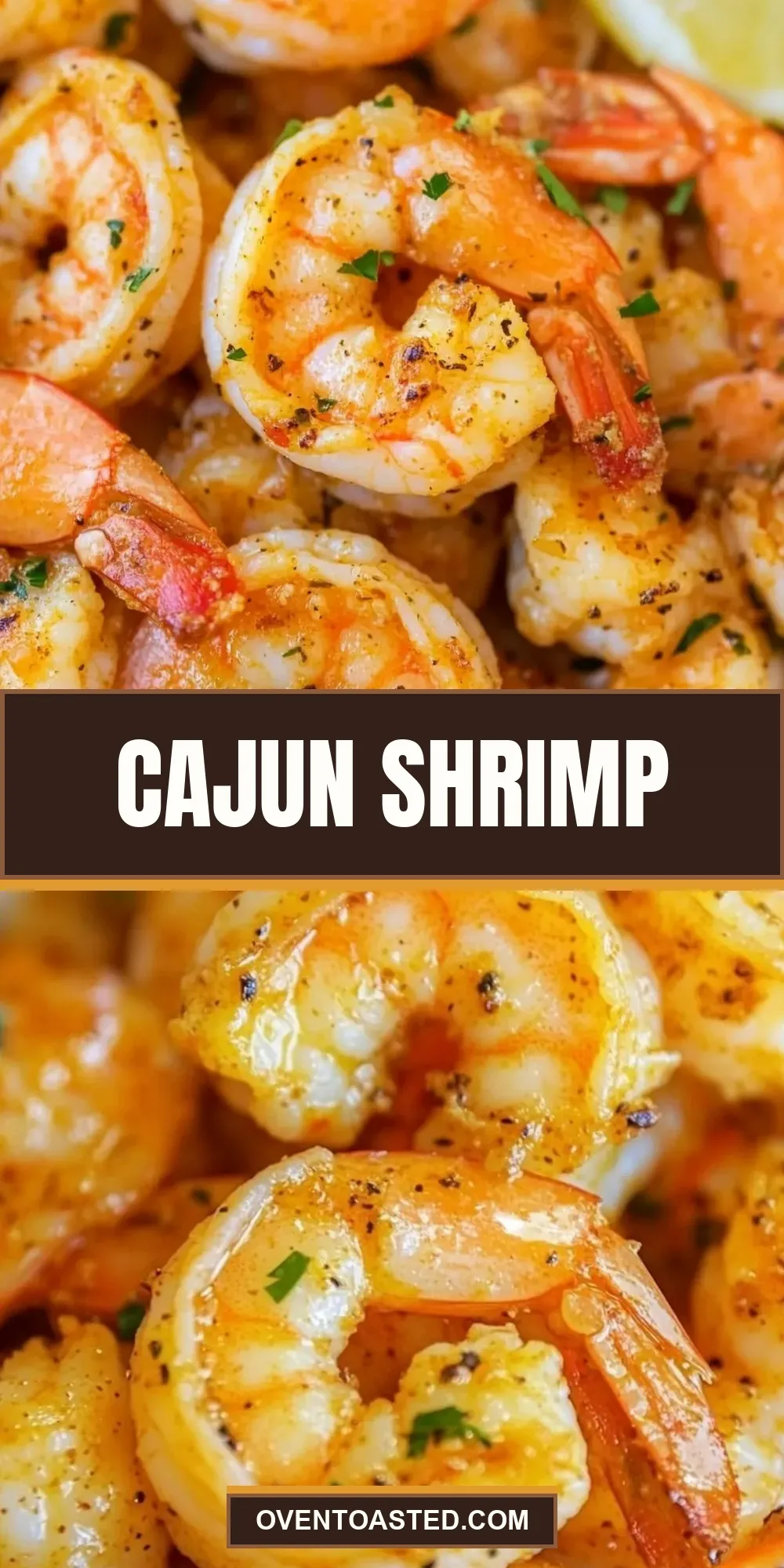
I started making this kind of shrimp when simple weeknight dinners needed a lift. The original idea came from a desire to pair bold spice with quick cook time. Cajun seasoning is essentially a shortcut for complexity: paprika, garlic, onion, cayenne, oregano, and thyme — depending on the blend — give you layered flavors without dozens of separate spices.
This method borrows from classic New Orleans-style cooking in its use of bold seasoning and butter but keeps things minimalist. The technique is intentionally short and sharp. The goal is high heat, fast caramelization, and a bright finish so you get all the character without a long recipe.
Over time I learned to trust small finishing touches: a squeeze of lemon and a scattering of fresh parsley elevate the dish from “solid” to “memorable.” That’s the kind of tweak that feels like a secret but is really just disciplined finishing.
Leftovers & Meal Prep
Leftover shrimp keeps well in the fridge for 1–2 days. Store it tightly covered and reheat gently — too much heat will toughen the shrimp. Reheat briefly in a hot skillet for 30–60 seconds, just until warmed through. Alternatively, chop leftover shrimp and fold into salads, grain bowls, or pasta dishes cold.
For meal prep, cook the shrimp and keep the lemon and parsley separate until serving. That keeps the herbs bright and the lemon fresh. If you plan to freeze, shrimp texture changes, so I don’t recommend freezing this finished dish. Instead, freeze raw shrimp and cook fresh when you’re ready.
If you intend to repurpose the shrimp into other meals, think about pairing flavors: a dollop of aioli, a smear of garlicky butter, or a quick pan-sauce with white wine and tomato all work well.
Cajun Shrimp Q&A
Q: Can I use frozen shrimp?
A: Yes. Thaw fully in the fridge overnight or under cold running water. Pat dry before cooking. Excess moisture leads to steaming instead of searing.
Q: My shrimp came out rubbery — why?
A: Most likely overcooked. Reduce your cooking time, and remember shrimp continue to cook slightly off the heat. Remove from the pan as soon as they’re opaque and firm.
Q: Can I make the seasoning from scratch?
A: Absolutely. If you want to mix your own, combine paprika, cayenne (to taste), garlic powder, onion powder, dried oregano, dried thyme, and a little black pepper. But using a good pre-made blend saves time and keeps the recipe fast.
Q: Should I remove tails?
A: Tails on look nicer and add flavor while cooking; tails off is easier to eat. Either is fine. If serving as an appetizer, you might leave the tails on for presentation.
Q: How do I scale the recipe?
A: Multiply ingredients proportionally. Be careful about pan size; increase skillet space or cook in batches to avoid overcrowding.
In Closing
This Cajun Shrimp recipe is one of those dependable go-tos: fast, bold, and flexible. It’s perfect for busy nights, last-minute guests, or when you want a restaurant-level flavor with minimal fuss. Keep the core technique in mind — hot pan, dry shrimp, quick cook, bright finish — and you’ll get consistent results every time.
If you try it, consider what you served it with and how you adjusted the seasoning. Small notes help next time. And if you’re feeding a crowd, double the recipe and cook in batches; it’s worth the little extra effort to keep each shrimp perfectly cooked. Enjoy.
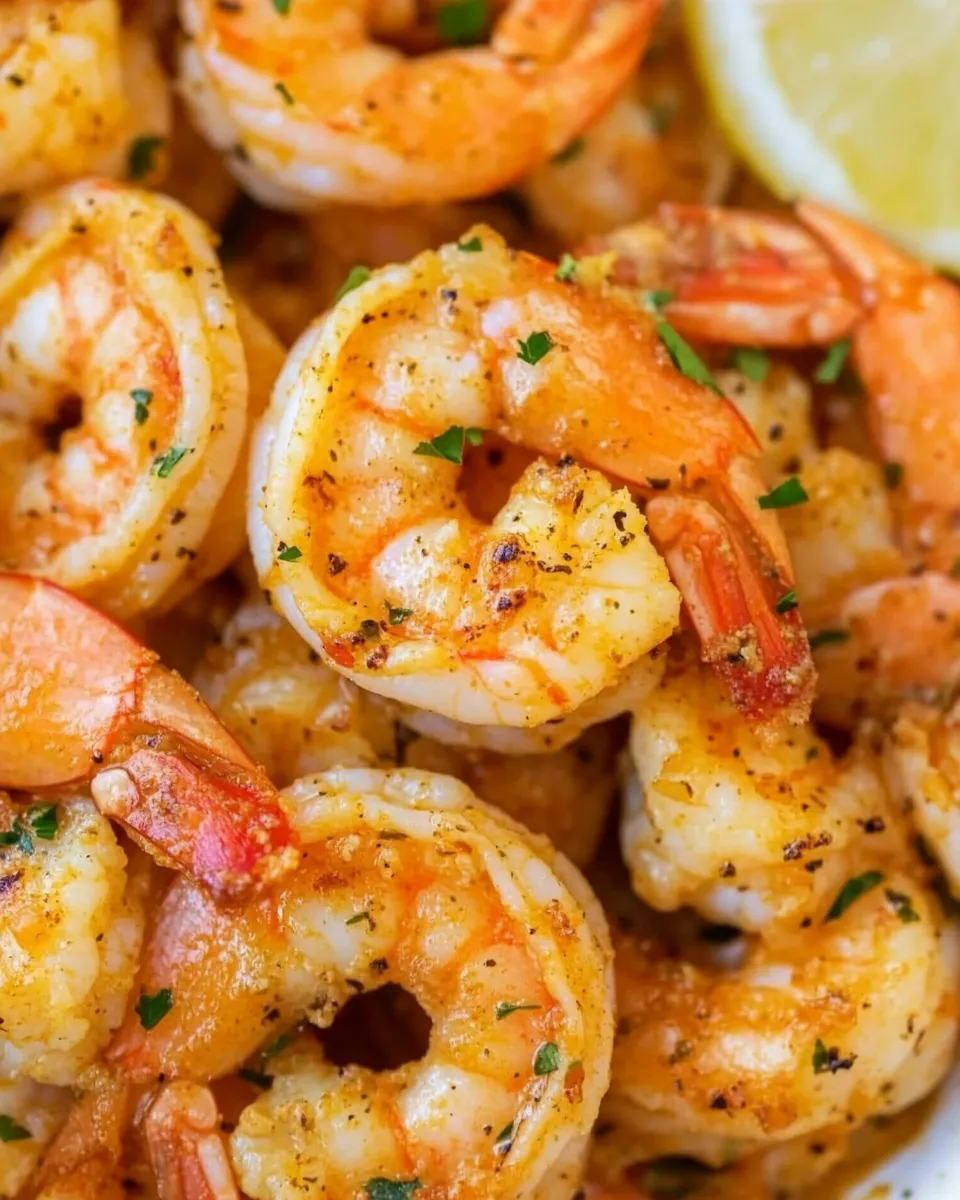
Ingredients
Equipment
Method
- Melt 2 tbsp butter in a large skillet over medium-high heat.
- Add 1 lb large or jumbo shrimp (peeled and deveined, tails on or off), 3 minced garlic cloves, and 1 tbsp Cajun seasoning. Cook, stirring often, for 3–4 minutes or until the shrimp are opaque, firm, and just cooked through.
- Remove the skillet from the heat. Stir in 1 tbsp lemon juice and 1 tbsp chopped parsley until combined, then serve immediately.
Notes
2 teaspoons sea salt
2 teaspoons garlic powder
1 ½ teaspoons dried oregano
1 ½ teaspoons dried thyme
1 teaspoon ground black pepper
1 teaspoon cayenne pepper