Cauliflower Crust Pizza
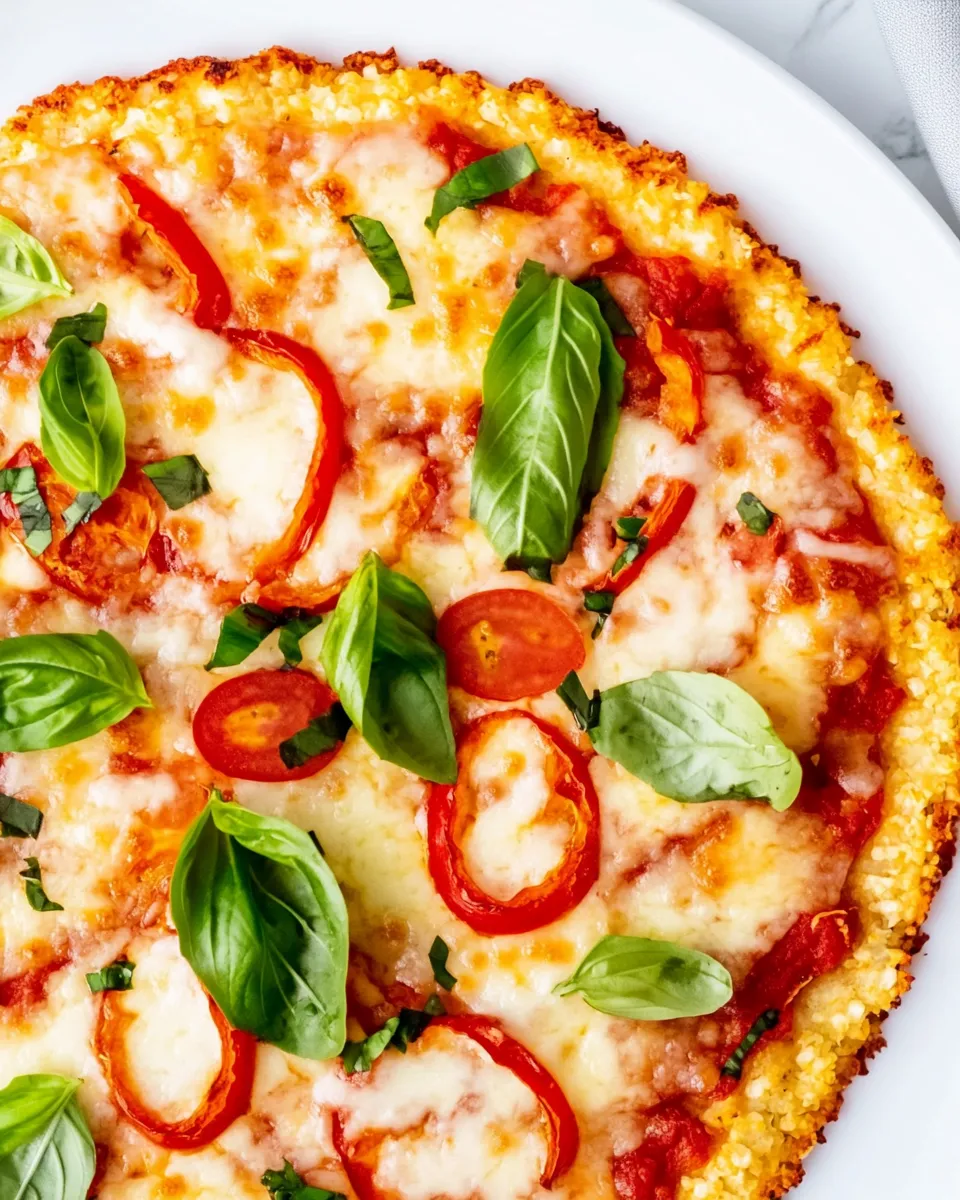
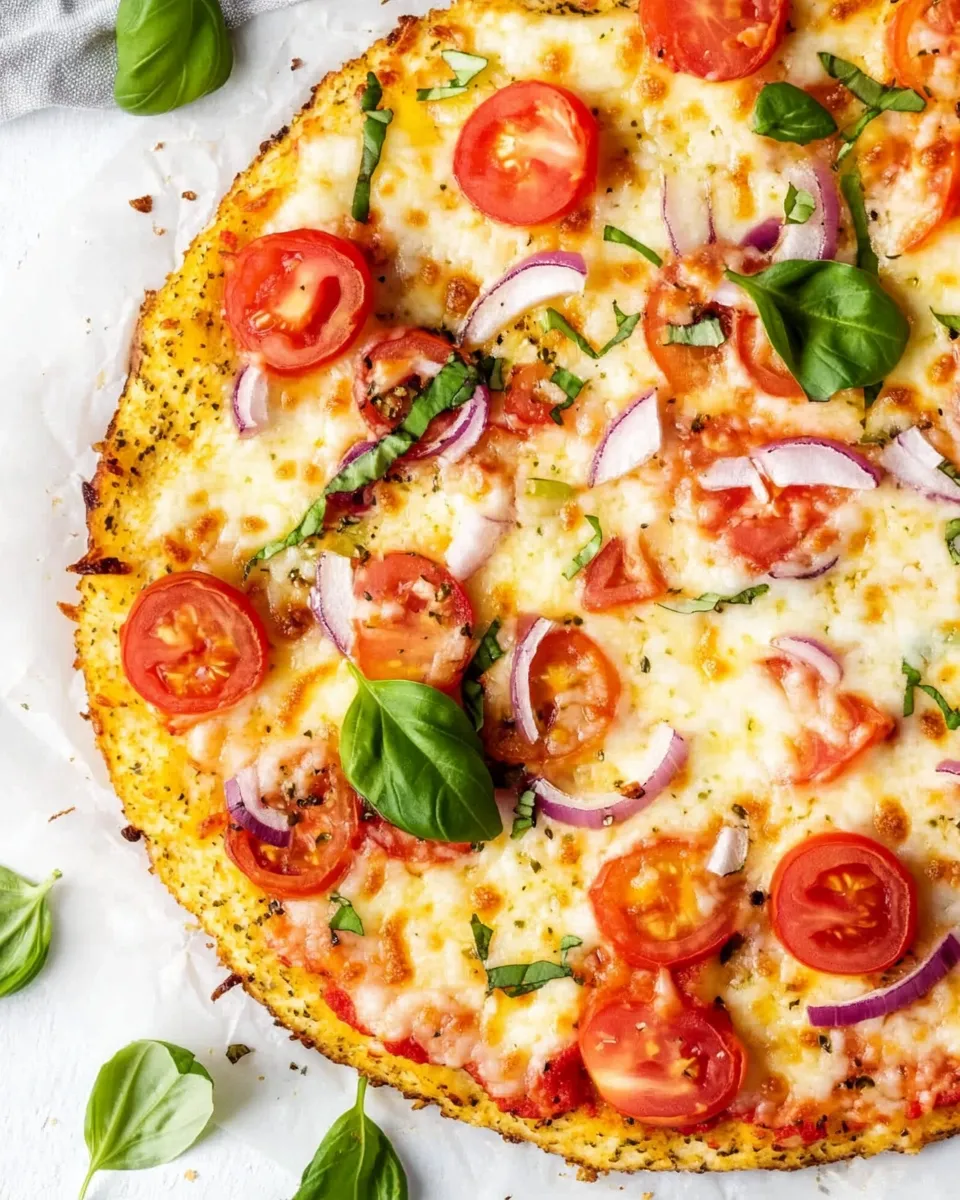
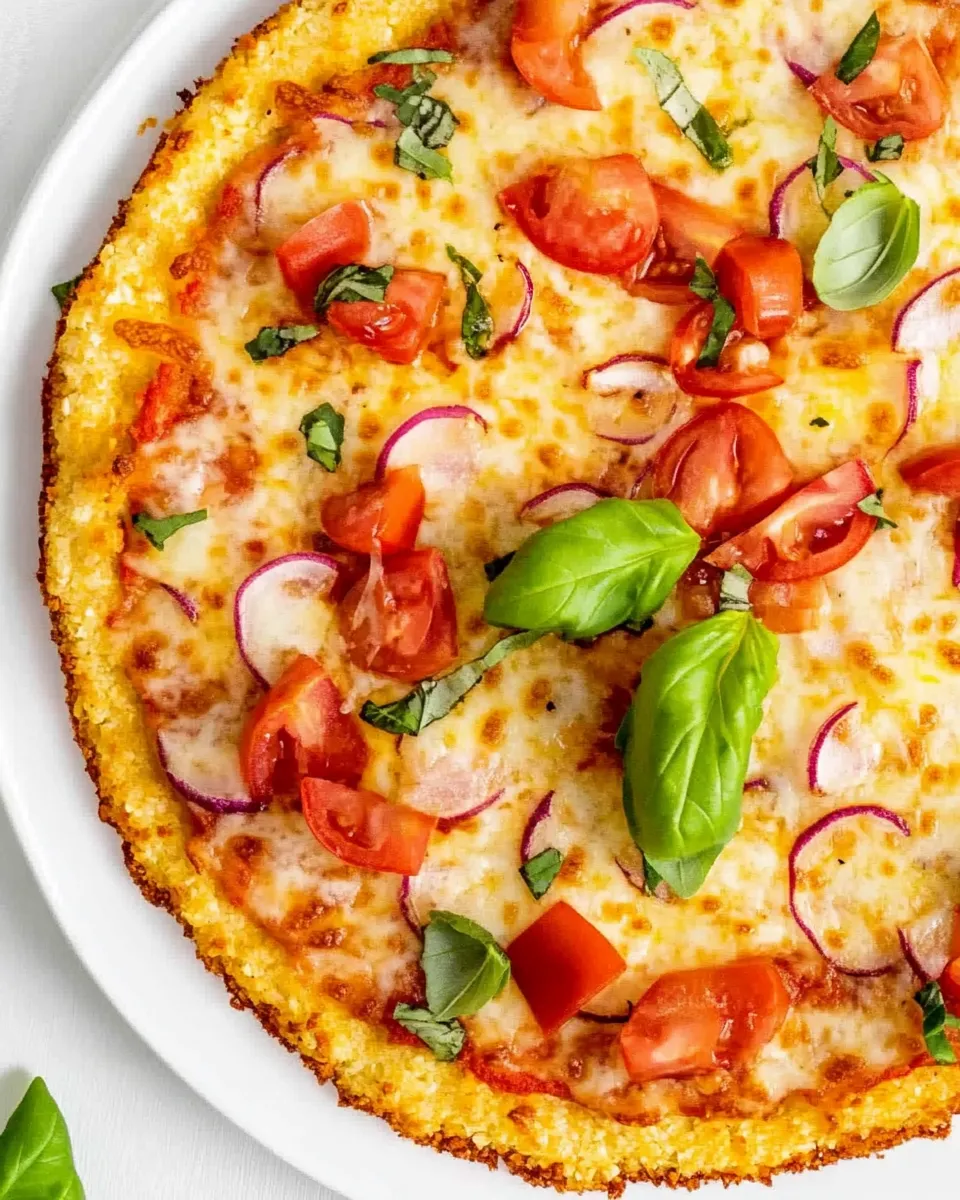
I remember the first time I tried a cauliflower crust pizza: I wanted the comfort of a slice without the heavy, doughy aftermath. This version is straightforward, forgiving, and genuinely satisfying. It crisps up nicely, holds toppings, and still feels like a treat.
No special flours, no mystery binders—just a handful of ingredients and a little patience with drying the cauliflower. The technique is the key: remove moisture, add cheese and eggs, press tight, and bake. Follow the steps and you’ll end up with a golden, sturdy crust that stands up to your favorite toppings.
Below I walk you through the exact ingredient list, the step-by-step directions, swaps for common allergies, what to avoid, and how to store or reheat leftovers. Practical tips live throughout—because this is a recipe I use on repeat, and I want yours to work the first time, too.
The Ingredient Lineup
- 1 medium cauliflower, chopped — the base: pulse into rice in the food processor. Dry thoroughly to avoid a soggy crust.
- 3 cloves garlic, minced — adds savory depth; press or finely mince so it distributes evenly.
- 1 tablespoon Italian seasoning — provides herb balance; stir into the cauliflower so it’s in every bite.
- 1 2/3 cups mozzarella cheese, low moisture — the primary binder and flavor; low-moisture melts cleaner and helps structure the crust.
- 1/2 cup parmesan cheese, grated — adds salt, umami, and helps the crust brown.
- 2 large eggs — the glue that holds everything together; room temperature eggs mix more evenly.
From Start to Finish: Cauliflower Crust Pizza
- Preheat the oven to 220°C / 440°F. Line a large pizza stone or baking sheet with parchment paper and set aside.
- Place the chopped cauliflower in a food processor and pulse until finely ground (rice-like). Transfer the ground cauliflower to a large bowl.
- Add the minced garlic and the 1 tablespoon Italian seasoning to the cauliflower and mix to combine.
- Transfer the cauliflower mixture into a clean cheesecloth or kitchen towel, gather the cloth, and squeeze firmly to remove as much moisture as possible. Return the dried cauliflower to the bowl.
- Add 1 2/3 cups low-moisture mozzarella, 1/2 cup grated Parmesan, and 2 large eggs to the cauliflower. Mix until evenly combined and a cohesive mixture forms.
- Transfer the mixture onto the prepared parchment and shape it into a 12-inch circle, pressing and compacting the surface so it holds together.
- Bake the crust in the preheated oven for 12–15 minutes, until it is lightly golden and set.
- Remove the crust from the oven, add your favorite toppings if desired, and return to the oven. Bake about 10 minutes more, or until any added cheese has melted and toppings are heated through.
- Remove the pizza from the oven, let cool briefly, slice, and serve.
Why I Love This Recipe
This cauliflower crust hits the sweet spot between health-conscious and satisfying. It’s not pretending to be traditional dough; it’s its own thing—lighter, vegetable-forward, and quick to throw together. The flavor is mild and adaptable: the garlic and Italian seasoning give a familiar pizza aroma, while the cheeses bring the structure and the melty comfort we all want.
It’s also forgiving in small ways. If your cauliflower has a bit more moisture, extra baking time and firm pressing will help. The technique—processing, squeezing, and compacting—is what turns loose riced cauliflower into a sliceable crust. Once you get that rhythm, this becomes one of those go-to weeknight recipes that doesn’t require a trip to the store for fancy ingredients.
Allergy-Friendly Substitutes

- If you can’t do dairy: swap the mozzarella and parmesan for plant-based melting cheeses labeled “low moisture” or high-moisture counterparts that melt well. Keep in mind structure may change; you might need an extra egg or a vegan binder (like a commercial egg replacer) to firm the crust.
- If you need an egg-free option: try a flax “egg” (1 tablespoon ground flaxseed + 3 tablespoons water per egg, let sit until gelled). The crust will be slightly denser and requires firm pressing when shaping.
- If you can’t eat cauliflower: this specific recipe relies on cauliflower’s texture. Consider using grated zucchini (squeezed dry) as an alternative base, but reduce moisture further and expect a softer, more delicate crust.
- Gluten and grain-free: this recipe is naturally gluten-free as written—just confirm your cheeses and seasonings don’t have additives with gluten.
Must-Have Equipment
- Food processor — essential for turning cauliflower into rice quickly and evenly.
- Clean cheesecloth or a sturdy kitchen towel — the dehydration step is critical; you’ll need something that lets you wring out moisture effectively.
- Parchment paper — prevents sticking and helps transfer the crust to a baking surface.
- Large baking sheet or pizza stone — a pizza stone crisps the base more, but a sheet works fine; preheat the stone if you have one.
- Spatula or bench scraper — helpful for shaping and lifting the crust.
Don’t Do This
- Don’t skip wringing the cauliflower. Excess moisture is the number one reason the crust falls apart or becomes soggy. Squeeze until the cauliflower feels nearly dry.
- Don’t skimp on compacting. If the crust isn’t pressed firmly into a cohesive disk, it will crack or crumble when you lift it or slice it.
- Don’t overload with wet toppings before the second bake. Tomatoes and fresh vegetables can release moisture; pre-cook or dry them slightly, or use a light hand so the crust stays crisp.
- Don’t assume all mozzarella behaves the same. Use low-moisture if you can. High-moisture fresh mozzarella adds flavor but extra wetness; if using fresh, pat it dry first.
Seasonal Adaptations
Cauliflower is surprisingly versatile across seasons. In winter, when heads are tight and dry, the riced texture is perfect and easy to drain. In spring and summer, you can top the crust with lighter, fresh produce that complements the milder base.
Ideas by season:
- Spring: Baby arugula after baking, thinly sliced radishes, a drizzle of lemon olive oil.
- Summer: Fresh tomatoes (lightly salted and drained) and basil; add after the second bake to keep them bright.
- Fall/Winter: Roasted mushrooms, caramelized onions, or sautéed greens added before the final bake for a cozy, savory pizza.
Flavor Logic
Think of the crust as neutral scaffolding. The garlic and Italian seasoning are there to anchor that mild cauliflower flavor so the pizza feels intentional, not bland. The mozzarella gives elasticity and melt, while the parmesan contributes salt and browning, which is crucial for a pleasing crust color and bite.
Texture comes down to moisture control and heat. A hot oven—220°C / 440°F—sets the crust quickly and encourages browning. Pressing the mixture tightly and making a uniform thickness ensures even baking. If you want extra crunch, slide the crust onto a preheated pizza stone for the first bake.
Store, Freeze & Reheat
Leftover slices will keep in the fridge, tightly wrapped or in an airtight container, for up to 3 days. Reheat in a 200°C / 400°F oven for 6–8 minutes on a baking sheet to revive crispness. Avoid the microwave if you care about texture; it makes the crust limp.
Freezing is possible: bake the crust fully (including a minimalist topping layer if you like), cool completely, then wrap tightly in plastic and foil. Freeze up to 1 month. Reheat from frozen at 200°C / 400°F for 12–15 minutes, or until heated through. If reheating thawed, use the shorter oven time and check frequently.
Popular Questions
- Can I make the crust ahead of time? Yes. Bake the crust through the first bake, cool, then store loosely wrapped in the fridge for up to 24 hours. Add toppings and finish baking when ready.
- Why is my crust soggy? Most likely you didn’t remove enough moisture from the cauliflower. Also check topping moisture and oven temperature—both can cause sogginess.
- Can I make smaller personal-sized crusts? Absolutely. Divide the mixture and shape two 8–10 inch crusts; reduce the baking time slightly and watch for color and firmness.
- Can I use frozen cauliflower? You can, but thaw fully and squeeze out extra water before processing or the texture will be too wet.
Next Steps
Start simple the first time: follow the recipe exactly, bake the plain crust, and finish with a modest topping like tomato sauce, a sprinkle of extra mozzarella, and a few basil leaves after baking. Once you’re comfortable, experiment with toppings and techniques—try a crispier base on a preheated stone, or add a sprinkle of chili flakes for heat.
Keep notes on what you change: oven times, cheese brands, or added vegetables. Small tweaks make a big difference. If one method produces a crust you love—stick with it. This recipe is meant to be practical and adaptable, so make it yours and enjoy a lighter slice of pizza any night of the week.
Cauliflower Crust Pizza
Ingredients
Equipment
Method
- Preheat the oven to 220°C / 440°F. Line a large pizza stone or baking sheet with parchment paper and set aside.
- Place the chopped cauliflower in a food processor and pulse until finely ground (rice-like). Transfer the ground cauliflower to a large bowl.
- Add the minced garlic and the 1 tablespoon Italian seasoning to the cauliflower and mix to combine.
- Transfer the cauliflower mixture into a clean cheesecloth or kitchen towel, gather the cloth, and squeeze firmly to remove as much moisture as possible. Return the dried cauliflower to the bowl.
- Add 1 2/3 cups low-moisture mozzarella, 1/2 cup grated Parmesan, and 2 large eggs to the cauliflower. Mix until evenly combined and a cohesive mixture forms.
- Transfer the mixture onto the prepared parchment and shape it into a 12-inch circle, pressing and compacting the surface so it holds together.
- Bake the crust in the preheated oven for 12–15 minutes, until it is lightly golden and set.
- Remove the crust from the oven, add your favorite toppings if desired, and return to the oven. Bake about 10 minutes more, or until any added cheese has melted and toppings are heated through.
- Remove the pizza from the oven, let cool briefly, slice, and serve.
Notes
Freezing pre-baked crust
: P
rep the crust as instructed.
Bake the crusts then l
et them cool completely.
Wrap each crust in parchment paper, followed by saran wrap and s
tore in the freezer for up to 2 months.
When you’re ready to cook a pizza, let the crust sit at room temperature for 30 minutes before adding toppings and baking it in a preheated oven.
TO STORE:
Store the leftover cooled pizza in an airtight container for up to 3 days.
TO FREEZE:
Wrap leftover pizza in plastic wrap, place it in a freezer bag, and freeze for up to 2 months. Let it thaw overnight before reheating.
TO REHEAT:
Reheat pizza slices in a 325F/162C oven until warm.