Chinese Stir Fry Sauce Recipe
Quick sauces win weeknight dinners. This Chinese stir fry sauce is built to be forgiving, fast, and reliably flavorful — the kind you mix while your wok heats. It takes pantry staples and turns them into a glossy, savory coating that clings to vegetables, chicken, beef, tofu, or shrimp.
I like a sauce that ends the stir-fry, not the whole cooking conversation. It should be bright enough to lift vegetables, sweet enough to balance soy, and thick enough to give every bite a finishing hug. That balance is exactly what this recipe delivers, with clear measurements and a straightforward method.
Below you’ll find the ingredient list, a precise step-by-step using the exact amounts, tips for timing and heat, troubleshooting notes, storage guidance, and practical swaps. Read once, save it, then come back when you need a dependable sauce that finishes a stir fry in under a minute.
The Ingredient Lineup
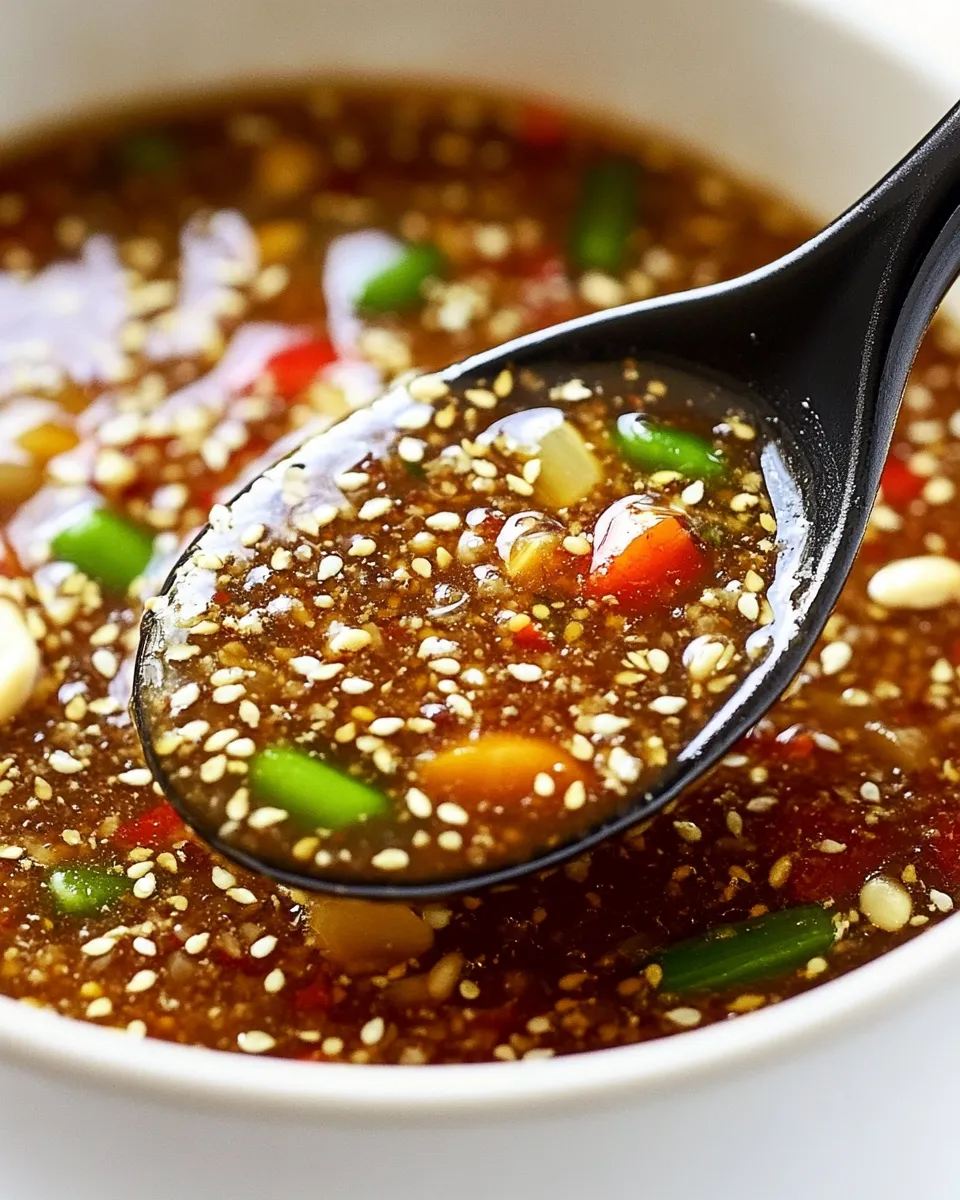
Ingredients
- 1/4 cup soy sauce — regular or low-sodium; the salty, umami backbone.
- 3/4 cup broth — kind of broth is dependent on the protein you’re using in your stir fry; adds depth and thins the sauce for even coating.
- 2 tablespoons brown sugar — balances the salt and brightens savory notes.
- 1 tablespoon cornstarch — thickener that gives the sauce body and sheen when heated.
- 1 tablespoon sesame oil — toasted flavor; add to taste for aroma and richness.
- 1/2 teaspoon ginger — fresh, grated; offers warm, sharp brightness.
- 1 tablespoon garlic — fresh, minced; builds savory complexity.
- salt — to taste*; use sparingly if using regular soy sauce.
- black pepper — to taste; simple heat and contrast.
Chinese Stir Fry Sauce: Step-by-Step Guide
- In a small bowl, measure and add 1/4 cup soy sauce, 3/4 cup broth, 2 tablespoons brown sugar, 1 tablespoon cornstarch, 1 tablespoon sesame oil, 1/2 teaspoon grated fresh ginger, 1 tablespoon minced fresh garlic, and black pepper to taste.
- Whisk thoroughly until the cornstarch is fully dissolved and the mixture is smooth and lump-free.
- Taste the sauce and add salt to taste if needed; whisk again to combine.
- Stir-fry your vegetables and protein on high heat until cooked to your liking. Keep the pan hot.
- Pour the prepared sauce over the stir-fried ingredients and stir immediately to distribute it evenly.
- Continue stirring for about 1 minute, until the sauce thickens and coats the ingredients, then remove from heat and serve.
What You’ll Love About This Recipe
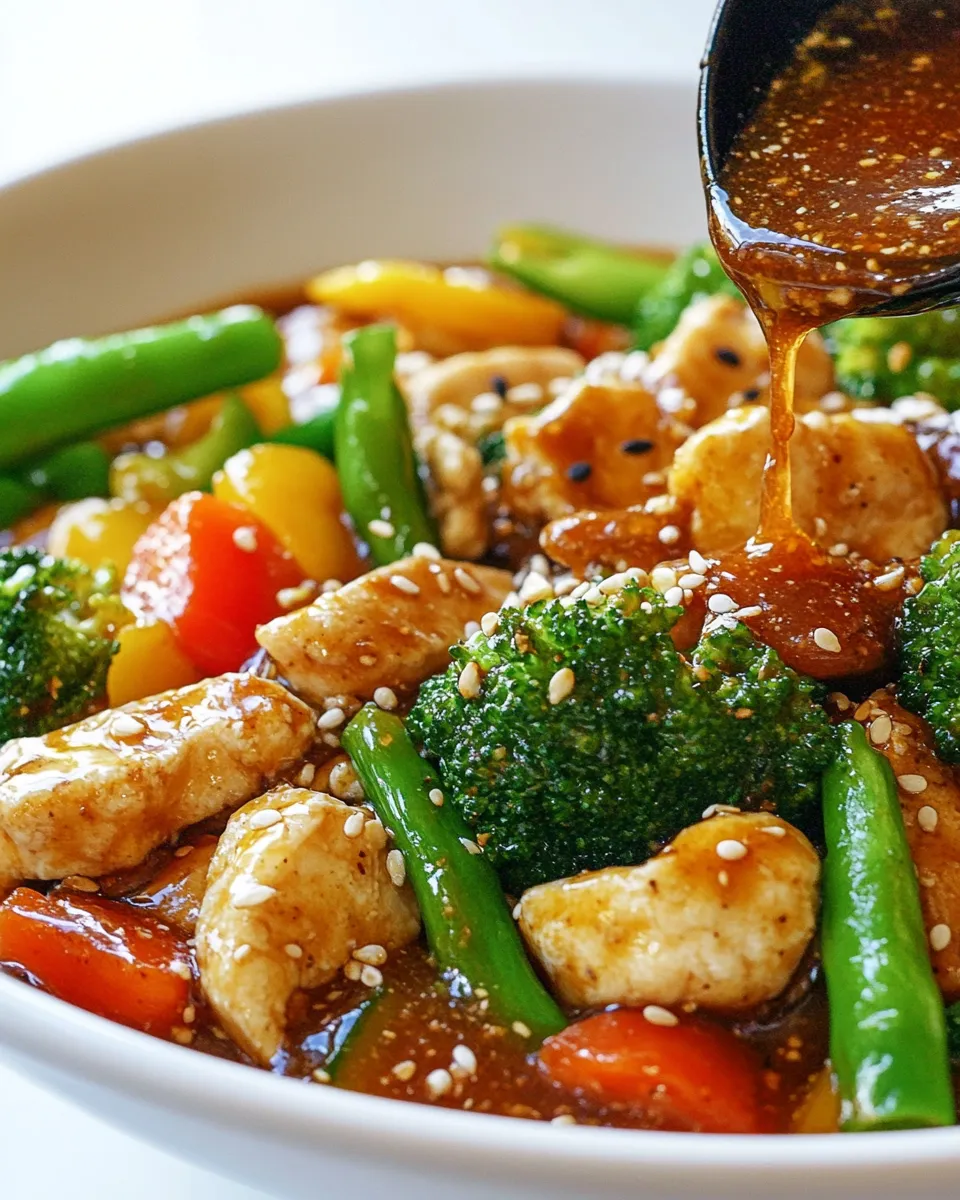
This sauce hits the basic tastes without fuss: salty from the soy, sweet from brown sugar, aromatic from sesame oil, and fresh-snap from ginger and garlic. It comes together in minutes and finishes a hot wok perfectly. The cornstarch gives a glossy texture that clings to every floret and slice, so a little sauce goes a long way.
It’s also predictable. The measurements are intentionally clear, so your results are repeatable. Once you’ve mixed it, the only technique left is timing: pour it onto a very hot pan and stir until the sauce thickens. That single minute makes the difference between a watery coating and a lacquered stir-fry.
Flavor-Forward Alternatives
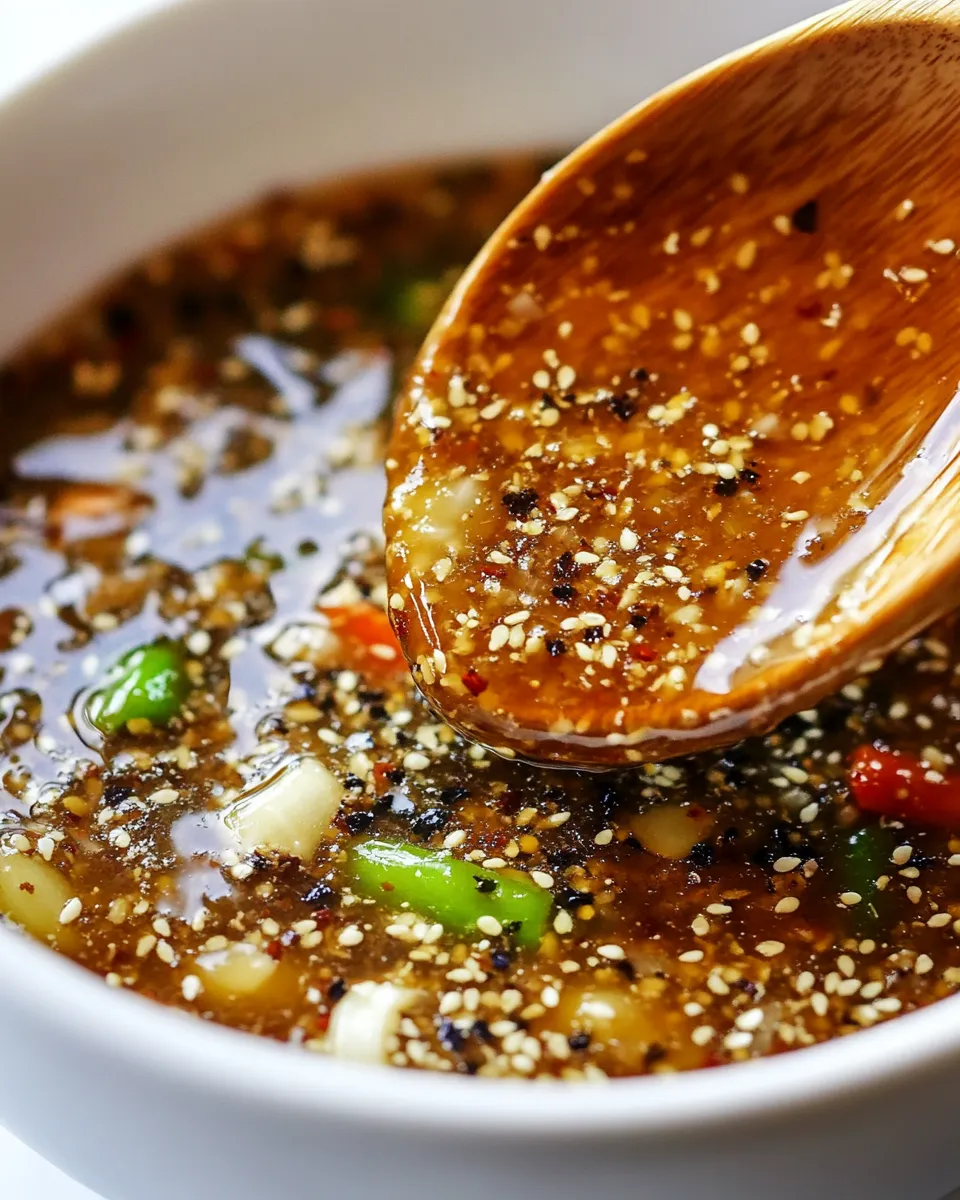
If you want to nudge this sauce in a different direction while keeping the same structure, tweak one element at a time. Reduce the brown sugar slightly for less sweetness. Use low-sodium soy sauce if your protein’s cooking liquid adds salt. Increase the grated ginger by another 1/4 teaspoon for a sharper bite. A few drops of the sesame oil at the end keep the aroma vibrant without overwhelming the pan.
For a smokier feel, briefly toast the sesame oil in the empty pan before adding your protein; watch closely so it doesn’t burn. If you prefer citrus brightness, finish with a small squeeze of fresh citrus just after removing the pan from heat (no specific amounts given here so you can taste as you go).
Essential Tools for Success
- Wok or large skillet — allows high heat and quick movement; essential for even searing.
- Small mixing bowl — mix the sauce and dissolve the cornstarch ahead of time.
- Whisk or fork — to get the sauce smooth and lump-free before it hits the pan.
- Spatula or wooden spoon — for fast, continuous stirring so the sauce coats everything.
- Sharp knife and cutting board — prep ingredients uniformly so they cook at the same rate.
Troubles You Can Avoid
Lumpy Sauce
If the cornstarch isn’t fully dissolved, you’ll get bits and clumps when the sauce hits heat. Whisk until the mixture is smooth and check the bottom of the bowl for undissolved cornstarch before you pour.
Watery Finish
Pour the sauce only when the pan and ingredients are hot. If the pan is cool, the sauce won’t reduce enough and will remain thin. Also, avoid adding too much additional liquid (extra broth or water) while finishing; keep it concentrated so the cornstarch can thicken properly.
Bitter or Overly Salty
Sesame oil is potent. Use the measured tablespoon as a benchmark and add small amounts later if you want more aroma. Taste the sauce before adding salt — soy sauce already brings saltiness. If it tastes off, check that none of the browned bits in the pan burned; burnt bits can add unwanted bitterness.
Dietary Swaps & Alternatives
Working around dietary needs is straightforward with this sauce because it builds from simple parts. Use the low-sodium soy sauce option if you need to cut salt. Choose a vegetable broth when keeping the dish vegetarian, or a light chicken broth for poultry—broth choice is already noted in the ingredients.
If you avoid sesame flavor, omit the sesame oil; the sauce will still thicken and glaze, but it loses that nutty finish. For a lower-sugar plate, reduce the brown sugar by taste and lean on the natural sweetness of vegetables like carrots or bell peppers to balance the sauce.
Recipe Notes & Chef’s Commentary
Timing Is Everything
Prep the sauce and have it ready before you start cooking. Stir-frying moves fast; when your protein and vegetables are cooked, you have one short window to add the sauce and get that glossy finish. Think of the sauce as the final step, not a stage to fuss over.
Texture Tips
Cornstarch thickens quickly and holds at a glossy sheen. Stir for about a minute as instructed — overcooking the sauce at very high heat for longer can make it gum up. If the sauce tightens too quickly, remove the pan from direct heat while you stir to slow the thickening and keep an even coat.
Scaling Notes
This sauce works well for a single pan serving size. If you’re scaling up, keep the cornstarch proportionate to maintain the same final thickness; the relationship between liquid and thickener is what matters most.
Best Ways to Store
Store any leftover sauce in an airtight container in the refrigerator for up to 3–4 days. Because the sauce contains cornstarch, it may settle or separate slightly. Rewarm gently in a small saucepan over low heat, whisking to recombine. If it’s gotten thicker than you like, add a splash of the same broth used originally to loosen it, then bring it back to a gentle simmer to reactivate the thickening.
For longer storage, the sauce can be frozen for up to 2 months. Thaw overnight in the refrigerator and reheat gently. Note that texture after freezing may change slightly; whisk or reheat slowly to regain a smooth consistency.
Reader Q&A
- Q: Can I make the sauce ahead and use it later? A: Yes. Mix it, store chilled, and add at the end of cooking. Whisk before pouring to recombine any settled cornstarch.
- Q: What if my sauce doesn’t thicken? A: Make sure the cornstarch was fully dissolved before you added it. Also, the pan needs to be hot; the thickening activates with heat. If needed, return the pan to medium heat and stir until it thickens.
- Q: Can I skip sesame oil? A: You can. The sauce will be less aromatic but still functional. Add a small finishing drizzle later if you want the flavor without heating it down.
Bring It to the Table
When you finish the stir-fry, let the sauce be the glue that brings everything together. Toss once, transfer to a warm serving dish, and serve immediately with steamed rice or noodles. The glossy coating clings best when hot, so keep the timing tight: hot pan, quick pour, continuous stir, and you’ll have a restaurant-style finish at home.
Keep this recipe bookmarked. It’s a small, reliable formula that improves whatever you throw in the pan — crisp vegetables, quick-cooked proteins, and any weeknight scramble that needs a dependable finish.
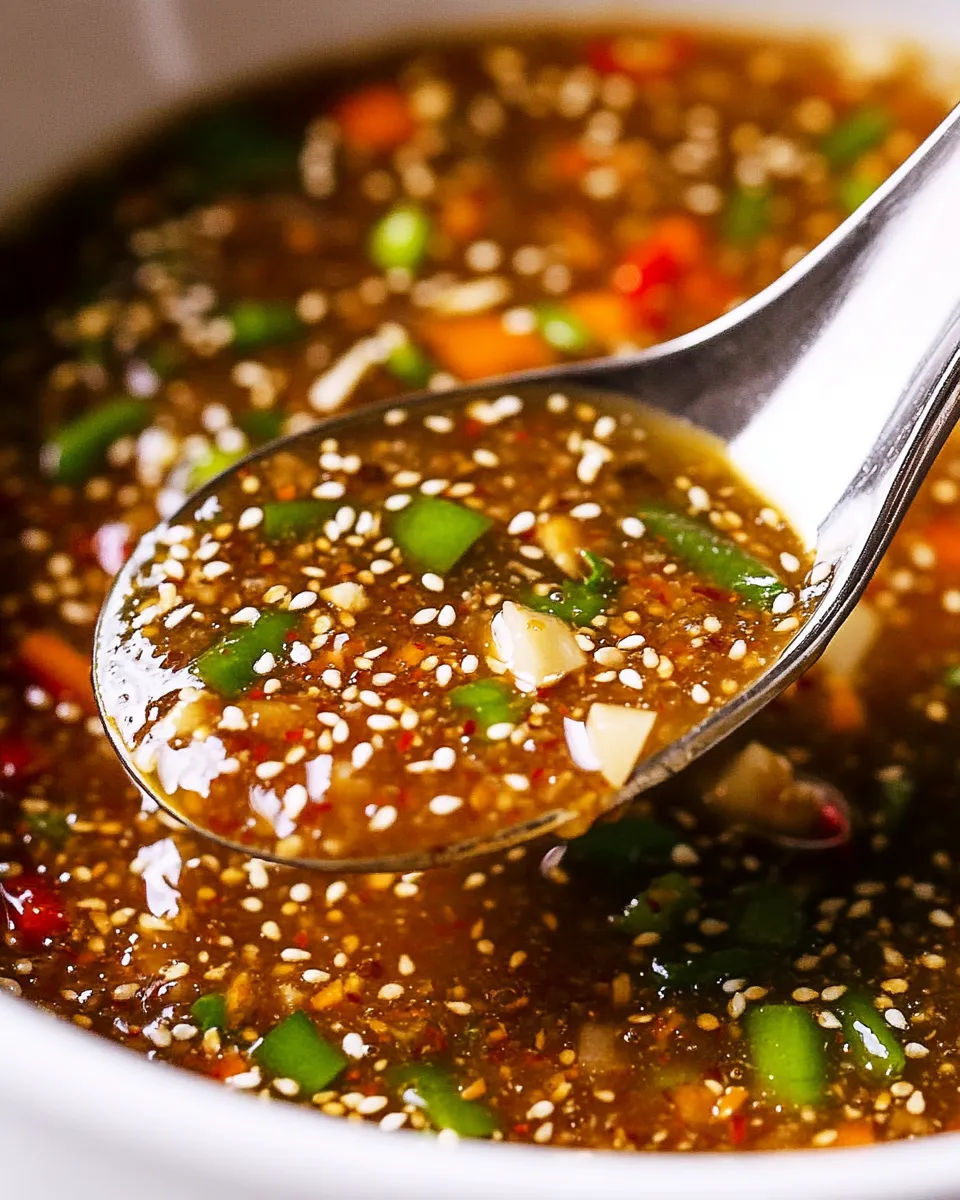
Chinese Stir Fry Sauce Recipe
Ingredients
Equipment
Method
- In a small bowl, measure and add 1/4 cup soy sauce, 3/4 cup broth, 2 tablespoons brown sugar, 1 tablespoon cornstarch, 1 tablespoon sesame oil, 1/2 teaspoon grated fresh ginger, 1 tablespoon minced fresh garlic, and black pepper to taste.
- Whisk thoroughly until the cornstarch is fully dissolved and the mixture is smooth and lump-free.
- Taste the sauce and add salt to taste if needed; whisk again to combine.
- Stir-fry your vegetables and protein on high heat until cooked to your liking. Keep the pan hot.
- Pour the prepared sauce over the stir-fried ingredients and stir immediately to distribute it evenly.
- Continue stirring for about 1 minute, until the sauce thickens and coats the ingredients, then remove from heat and serve.
Notes
*Before adding salt to the sauce, be sure to taste your sauce as soy sauce is quite salty. Opt for a low-sodium soy sauce if you want to have more control over the saltiness.