Chipotle Salmon
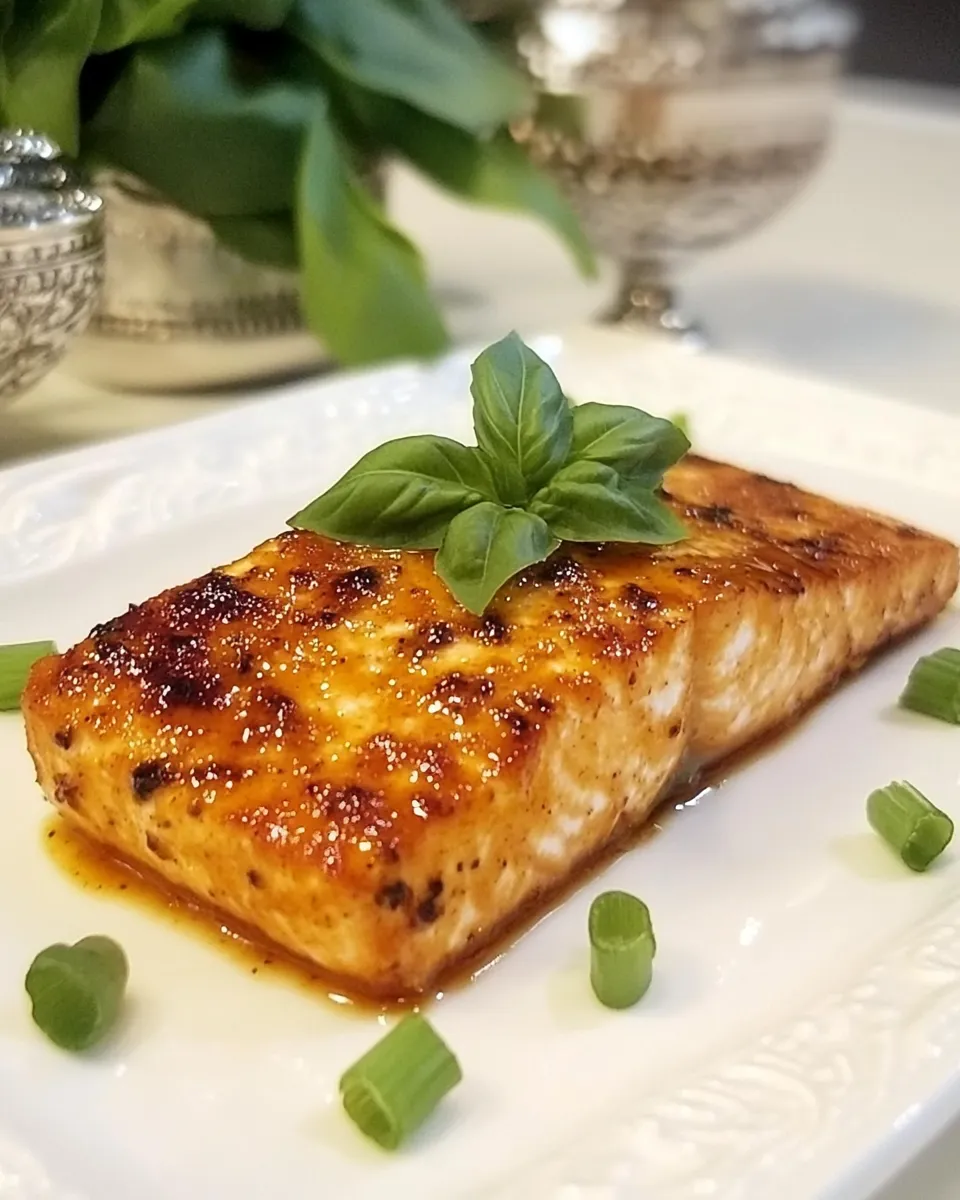
I love a dinner that feels thoughtful but doesn’t eat up my evening. This chipotle salmon is one of those reliable dishes: bold, slightly sweet, and finished in less than half an hour from start to finish. The glaze melts into the surface of the fillets, creating a caramelized top that still yields tender, flaky fish underneath.
It’s forgiving, too. The recipe is short on steps and long on flavor, which makes it a perfect weeknight anchor or a simple option when you want to impress without stress. The combo of brown sugar and adobo sauce gives you smoky heat and a glossy finish — all with pantry-friendly ingredients.
I’ll walk you through exactly what to gather, how to roast it, and a handful of practical tips to avoid the small mistakes that can turn a great salmon into a dry one. No fluff. Just clear steps, useful swaps, and storage notes so you can make this again and again.
What You’ll Gather
- 2 tablespoons brown sugar — provides sweetness and helps form a caramelized crust when baked.
- 3 tablespoons adobo sauce, see Note — concentrated smoky, spicy component; stir into the sugar to make the glaze.
- 1/4 teaspoon kosher salt — seasons the fish and balances the glaze.
- 4 (6-ounce) salmon fillets (1 1/2 inches thick) — the main ingredient; choose even-thickness fillets so they cook uniformly.
- 2 tablespoons chopped green onions — fresh garnish that adds color and a bright oniony finish.
Make Chipotle Salmon: A Simple Method
- Preheat the oven to 450°F.
- In a small bowl, stir together 2 tablespoons brown sugar, 3 tablespoons adobo sauce, and 1/4 teaspoon kosher salt until combined.
- Line a baking sheet with aluminum foil and arrange the 4 (6-ounce) salmon fillets (about 1 1/2 inches thick) on the foil.
- Brush the brown sugar–adobo mixture evenly over the top of each fillet.
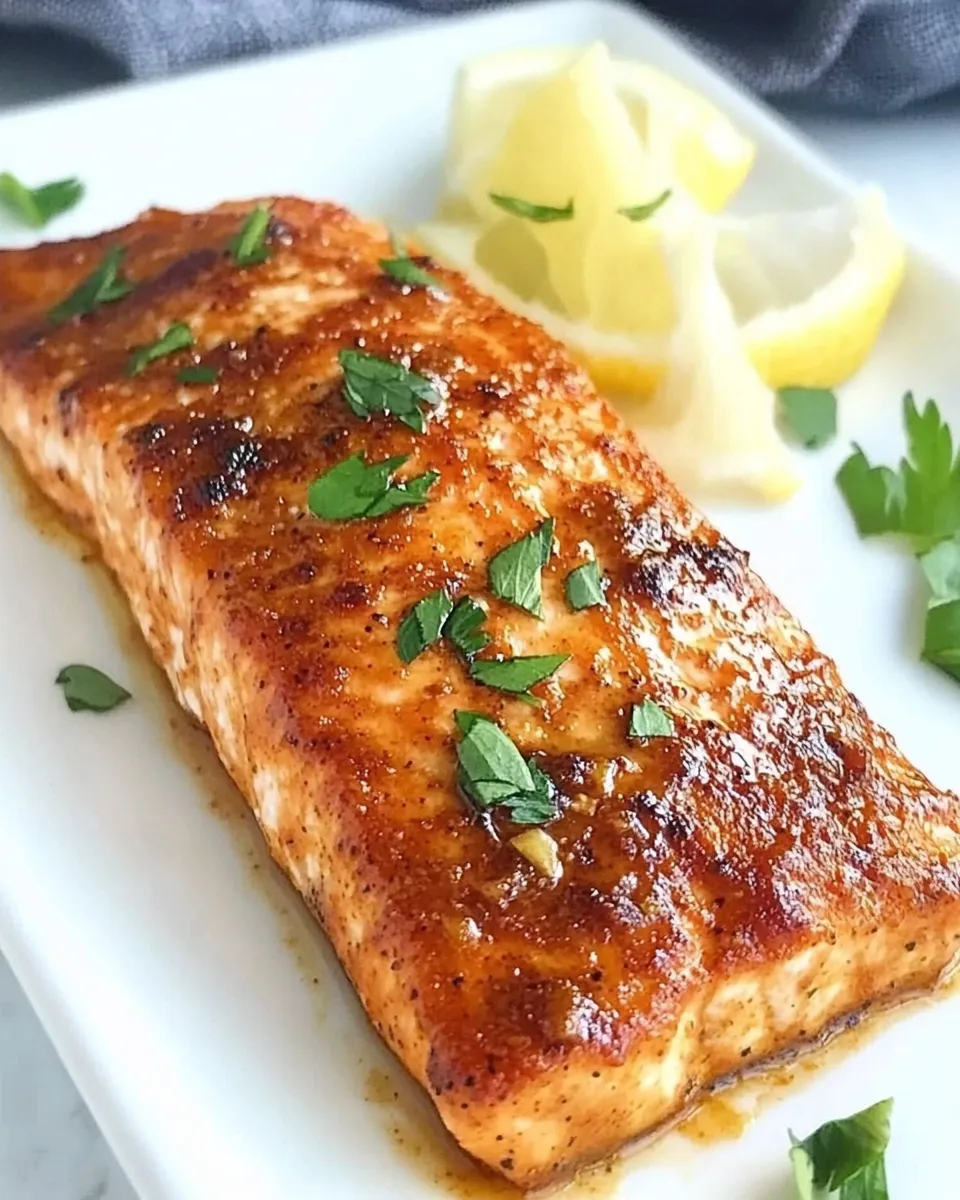
- Bake in the preheated oven for 13 minutes, or until the salmon flakes easily when tested with a fork.
- Remove the salmon from the oven and sprinkle with 2 tablespoons chopped green onions before serving.
Why It’s My Go-To
This dish hits a satisfying trifecta: fast, flavorful, and flexible. It takes a handful of minutes to prep, and a short blast in a hot oven finishes it off. The glaze does the heavy lifting on flavor — smoky, slightly sweet, and with a background heat that doesn’t overwhelm the salmon’s natural richness.
I also reach for this recipe when I want something that pairs well with lots of sides. It complements simple roasted vegetables, a bright salad, or a bowl of steamed rice equally well. And because the method relies on a sheet pan and a broiler-friendly temperature, cleanup is minimal, which is always a win on busy nights.
Dairy-Free/Gluten-Free Swaps
Good news: as written, this recipe is naturally dairy-free and — in most cases — gluten-free. The core ingredients are just sugar, adobo sauce, salt, salmon, and green onions.
That said, not all adobo sauces are created equal. If you need to be strict about gluten, double-check the label on the can of adobo sauce to ensure there are no hidden additives or cross-contamination warnings. For dairy-free diners, this recipe is ready without any swaps needed.
Hardware & Gadgets
- Baking sheet — big enough to lay all fillets in a single layer.
- Aluminum foil — for easy cleanup and to protect the pan from glaze drips.
- Small bowl and spoon — to mix the brown sugar, adobo sauce, and salt.
- Basting brush or spoon — to spread the glaze evenly over each fillet.
- Oven thermometer (optional)
Easy-to-Miss Gotchas
- Uneven fillet thickness — takes longer for thick parts to cook; try to pick fillets that are similarly thick so everything finishes at the same time.
- Too much glaze early — if you pile on the glaze too thickly, the sugar can burn rather than caramelize. A single even coat is all you need.
- Overbaking — salmon goes from moist to dry quickly. The recipe’s 13 minutes at 450°F is calibrated for 1 1/2-inch-thick fillets. Check doneness at the minimum time and trust the fork test.
- Not scraping the pan — glaze can stick; lining with foil makes cleanup easier and prevents sticky, burned patches.
Better-for-You Options
If you want to keep the flavor but reduce sugar, you can dial back the brown sugar slightly. Start by using 1 tablespoon instead of 2; the adobo sauce still brings a lot of punch, so you won’t lose the profile entirely. Another option is to pair the salmon with high-fiber sides — a big leafy salad, cauliflower rice, or roasted Brussels sprouts — to round the plate without adding caloric sides.
For a lower-sodium version, use a reduced-sodium canned adobo or omit added table salt, relying on the adobo’s own seasoning. Taste the adobo first; many canned chipotle preparations are already quite salty.
Insider Tips
Buy fillets that are as uniform in size as possible. Uniformity is the easiest way to get consistent cooking without babysitting the oven. Skin-on fillets work fine; if the fillets have skin, place them skin-side down on the foil. The glaze goes on the flesh side.
Doneness, the easy way
There are two reliable ways to know the salmon is done. First, the fork test: insert a fork at the thickest part and twist gently — the flakes should separate easily but still look moist. Second, use an instant-read thermometer: 125–130°F is a good target for medium to medium-well salmon if you prefer a slightly firmer texture.
Serving ideas
Finish with the chopped green onions right off the oven so they stay bright and crisp. A squeeze of fresh lime brightens the dish if you like an acidic contrast. If you want a cooling element, a quick yogurt-dill sauce or avocado slices work well with the smoky-sweet glaze.
Shelf Life & Storage
Leftover cooked salmon stores well. Refrigerate within two hours of cooking in an airtight container. It will keep in the fridge for 3–4 days. To freeze, wrap tightly in plastic wrap and place in a freezer bag or airtight container; frozen cooked salmon is best used within 2–3 months for quality.
When reheating, do it gently to preserve moisture. Warm in a 300°F oven for 8–10 minutes or until heated through, or microwave in short bursts at medium power, covered with a damp paper towel to trap steam and prevent drying. Avoid high, direct heat which will overcook the flesh and dull the glaze.
Common Questions
- Can I use fresh chipotle peppers instead of adobo sauce? — You can use minced chipotle peppers, but keep the ratio modest. The 3 tablespoons of adobo is a concentrated mix of pepper and sauce; if using peppers only, start with 1 pepper minced and mix with a tablespoon of any neutral liquid (tomato sauce or a splash of water) to mimic the original texture.
- What if I only have thinner fillets? — Reduce the baking time. Thinner fillets will cook faster; check them at 8–10 minutes. The fork test will tell you when they flake easily.
- Can I broil instead of bake? — You can, but watch closely. Broiling will caramelize the glaze faster and can burn the sugar if you leave it unattended. If you broil, place the rack 6–8 inches from the element and broil 4–6 minutes, checking frequently.
- Is this spicy? — The level of heat depends on the adobo sauce you use. It tends to be smoky with medium heat. If you’re sensitive, use a smaller amount of sauce or choose a milder canned chipotle product.
Ready, Set, Cook
Gather your ingredients, preheat the oven to 450°F, and mix the glaze. Once you’ve brushed the fillets and popped them into the oven, the hardest part is waiting 13 minutes. Use that time to steam a green vegetable, heat rice, or toss a quick salad.
When the timer dings, check for flakiness, top with the chopped green onions, and plate. This chipotle salmon is simple, punchy, and consistent — a weeknight champion that’s easy to repeat and tweak to your tastes. Make it tonight and note the small adjustments that suit your oven and your palate; you’ll have a new go-to before dessert.
Note: “adobo sauce” here refers to the sauce that accompanies canned chipotle peppers. If you aren’t sure about the brand or heat level, taste a small spoonful before adding it to the glaze so you can adjust to your preferred spice level.
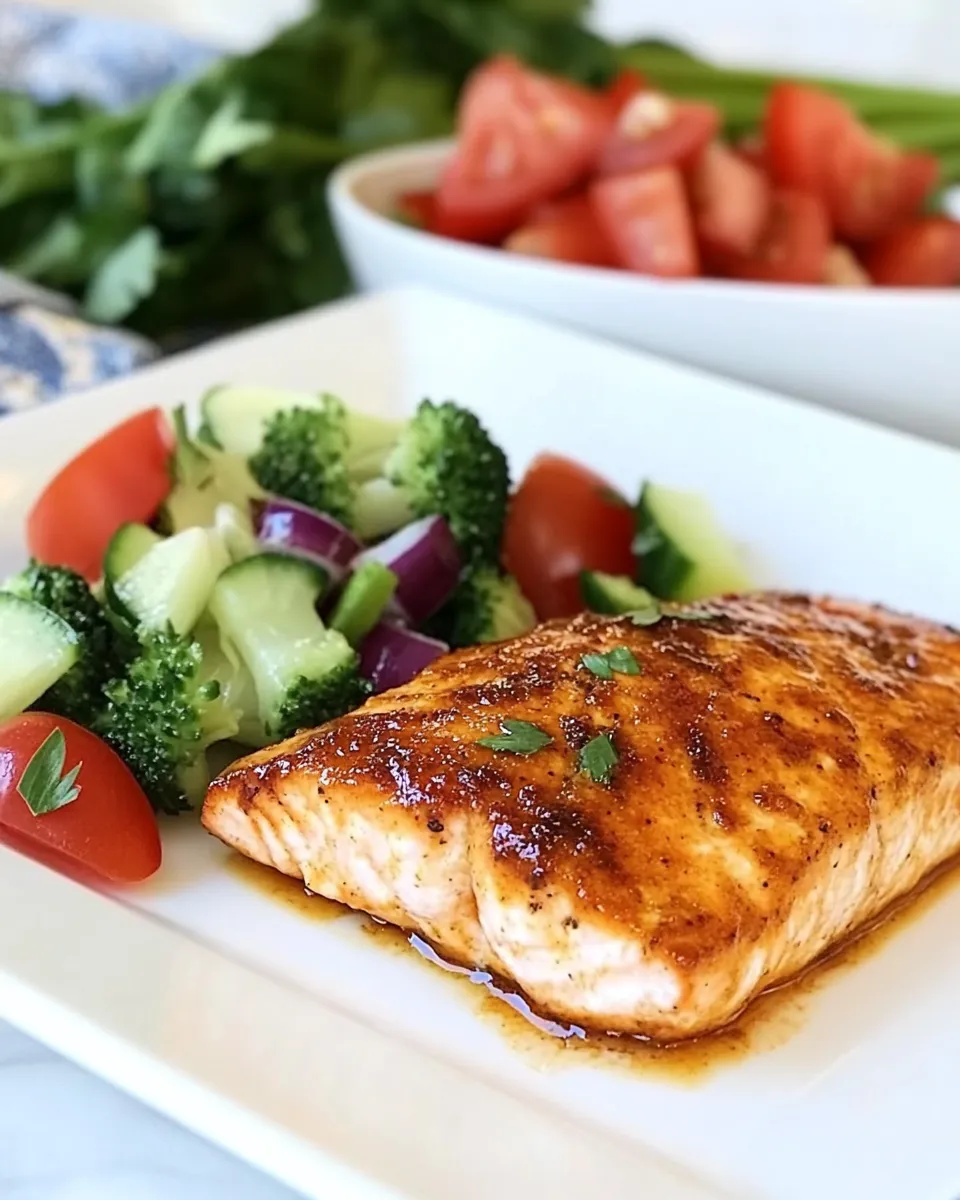
Chipotle Salmon
Ingredients
Equipment
Method
- Preheat the oven to 450°F.
- In a small bowl, stir together 2 tablespoons brown sugar, 3 tablespoons adobo sauce, and 1/4 teaspoon kosher salt until combined.
- Line a baking sheet with aluminum foil and arrange the 4 (6-ounce) salmon fillets (about 1 1/2 inches thick) on the foil.
- Brush the brown sugar–adobo mixture evenly over the top of each fillet.
- Bake in the preheated oven for 13 minutes, or until the salmon flakes easily when tested with a fork.
- Remove the salmon from the oven and sprinkle with 2 tablespoons chopped green onions before serving.
Notes
Note: Adobo sauce comes from a can of chipotle chilies. Chipotle chilies can usually be found in the Mexican aisle. You can store the remaining chipotle chilies and sauce in an airtight container for up to one month. Also, I like to use the salmon fillets from Costco because they are prepacked into perfect serving sizes and have the skin removed.
Source: Weight Watchers 5-Ingredient Cookbook