Chocolate Peanut Butter Souffle
This souffle is one of those desserts that feels fancy but is honestly approachable when you break it down. Chocolate and peanut butter are a classic pairing; here they meet in a light, airy souffle that’s rich without being heavy. I’ll walk you through the reliable steps so you get the lift and the texture you want every time.
I keep my baking straightforward: clear technique, minimal fuss, and a few small rituals that protect volume and flavor. If you’ve hesitated at souffles because they seem fragile, this version is forgiving—especially if you follow the cooling and chilling step at the end. You’ll be rewarded with a silkier center and clean slices that hold.
Read through the whole post once, then gather your ingredients and tools. Timing matters for the egg whites and for folding, so having a plan will make the process calm and predictable.
What Goes Into Chocolate Peanut Butter Souffle
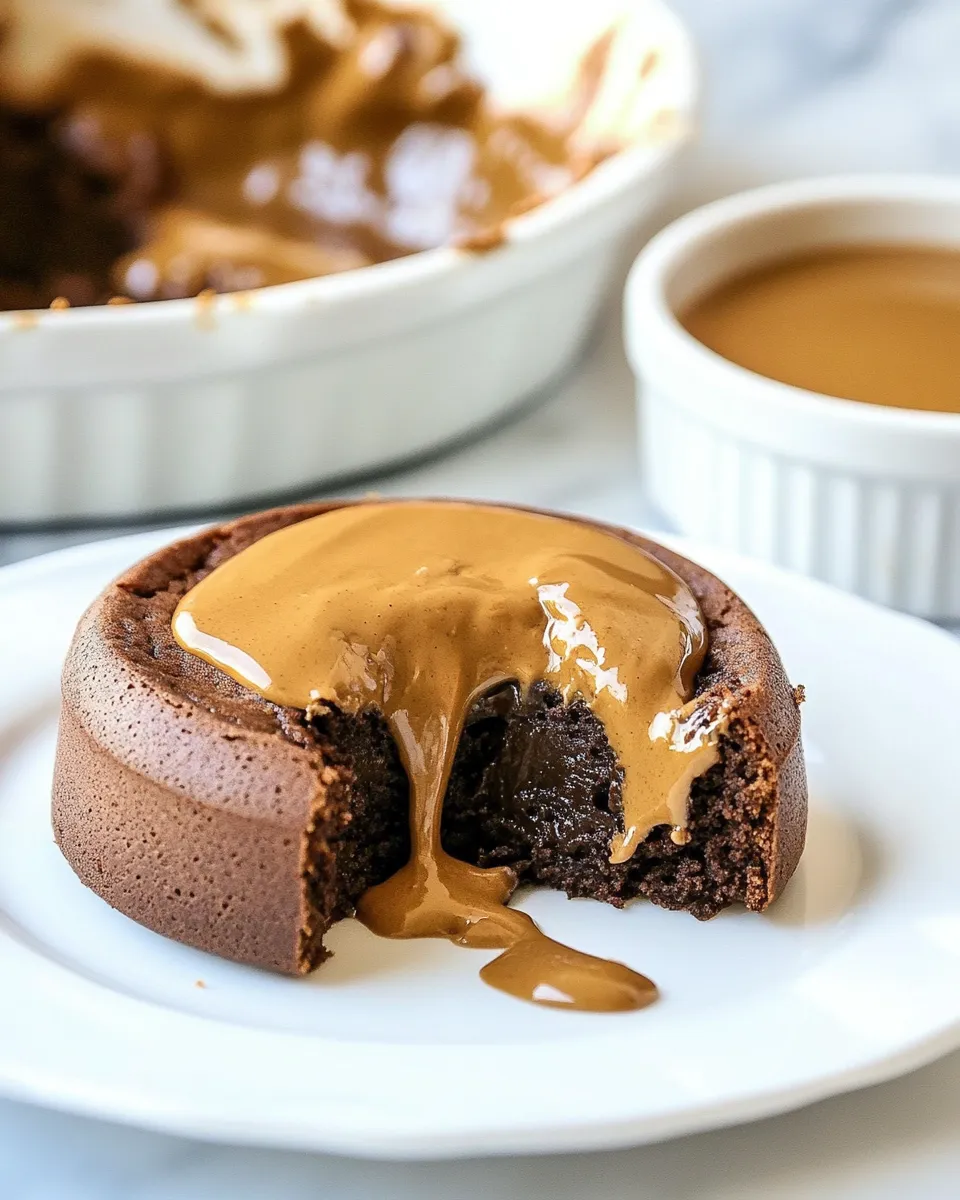
The flavor here comes from three main things: semisweet chocolate, creamy peanut butter, and the butter that carries them. Eggs provide the structure—yolks enrich the batter, whites aerate it. Sugar helps stabilize and sweeten, and the rest is technique: proper melting, timing, and gentle folding.
Ingredients
- 3/4cupunsalted butter,(12 tablespoons) — provides richness and helps the chocolate melt smoothly; use unsalted to control overall seasoning.
- 10(1-ounce)squares semisweet chocolate, chopped,(like Bakers chocolate) — the primary chocolate flavor; chopped helps it melt evenly.
- 1/2cupcreamy peanut butter — adds nuttiness and creaminess that balances the chocolate; creamy gives the most even texture.
- 1 1/2cupssugar — sweetens and slightly stabilizes the batter; granulated sugar is what the original method expects.
- 6largeeggs, separated — yolks enrich the base; whites are whipped to provide lift and the souffle’s signature lightness.
Make Chocolate Peanut Butter Souffle: A Simple Method
- Preheat the oven to 325°F. Spray a 9-inch round cake pan with cooking spray, line the bottom with a circle of parchment paper, and spray the parchment and sides of the pan.
- Chop the 10 (1‑ounce) squares of semisweet chocolate if not already chopped.
- In a medium saucepan over medium‑low heat, combine the 3/4 cup (12 tablespoons) unsalted butter, the chopped semisweet chocolate, and the 1/2 cup creamy peanut butter. Stir constantly until the mixture is completely melted and smooth. (Alternatively, melt in a microwave‑safe bowl in 30‑second intervals, stirring between each interval, until smooth.)
- Remove the pan from heat. Whisk the 1 1/2 cups sugar into the warm chocolate mixture until fully incorporated, about 2 minutes. Let the mixture cool briefly (about 1–2 minutes) so it is warm but not hot.
- Add the 6 egg yolks to the chocolate mixture one at a time, whisking well after each addition until each yolk is fully incorporated.
- In a clean medium bowl, beat the 6 egg whites on high speed with a mixer until stiff peaks form. (Ensure no yolk is in the whites.)
- Gently fold the beaten egg whites into the chocolate mixture: first fold in about one‑third of the whites to lighten the batter, then fold in the remaining whites in two additions until combined. Use gentle folding motions to preserve as much volume as possible; stop when no large streaks of white remain.
- Pour the batter into the prepared pan and smooth the top with a spatula.
- Bake in the preheated 325°F oven for 45–60 minutes, until the top is set and the center is slightly underdone (a gentle jiggle in the center is acceptable). Do not overbake.
- Remove the souffle from the oven and cool on a rack for 1 hour. After it has cooled, refrigerate for at least 4 hours before serving. You may serve cold or warm (reheat briefly if desired).
Why Chocolate Peanut Butter Souffle is Worth Your Time
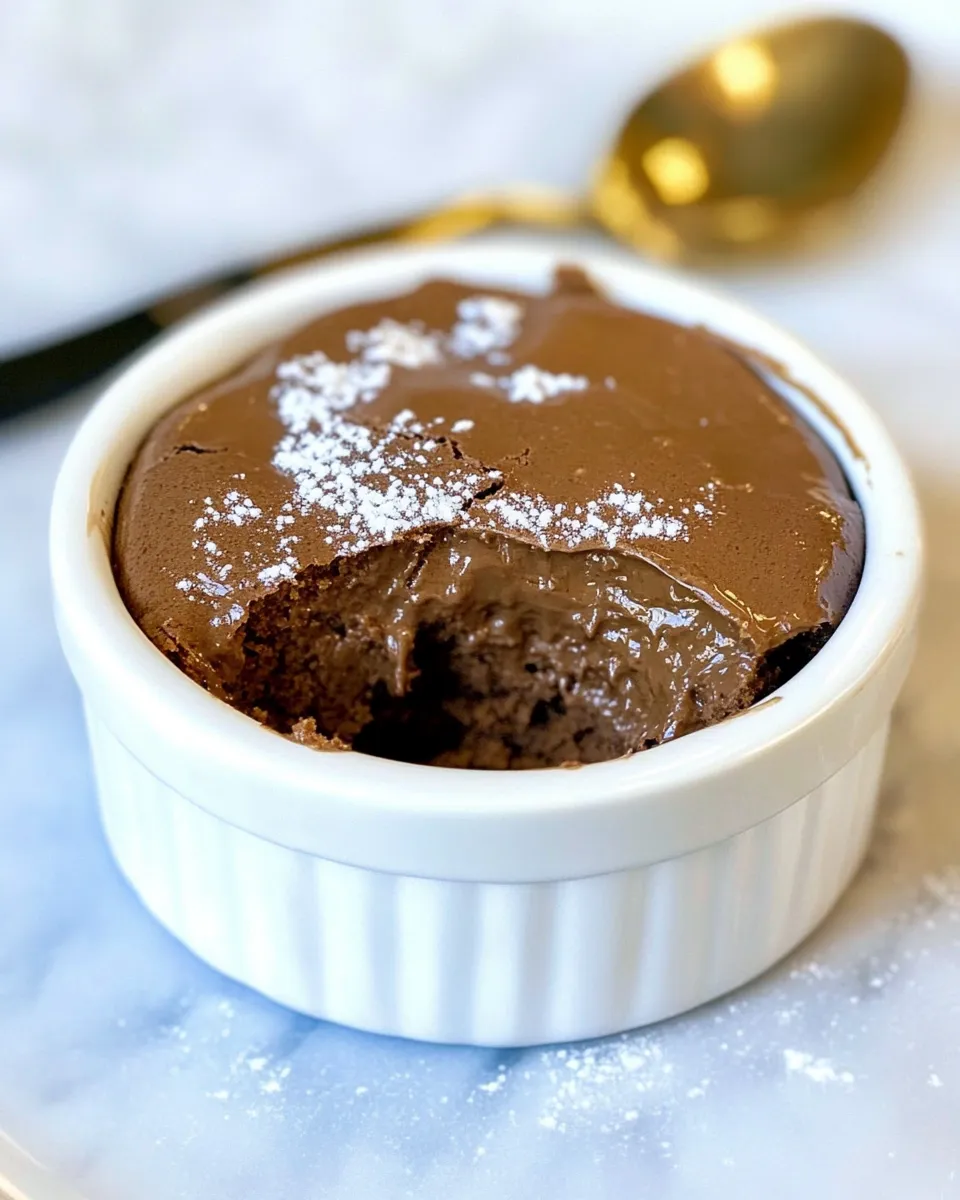
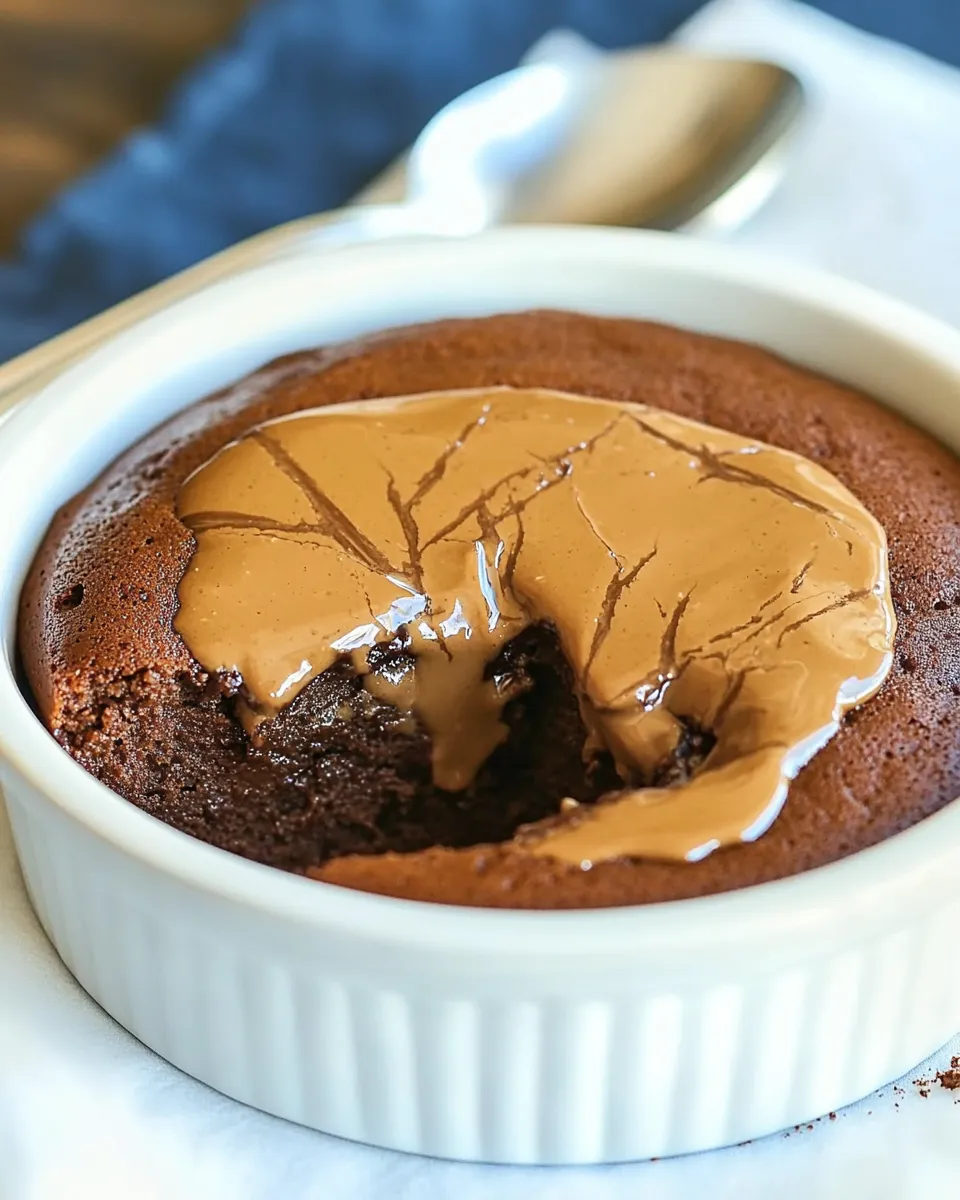
First, the texture: it’s a contrast of delicate airiness and molten richness. The whipped whites create lift and give the top a light, almost ethereal crumb while the yolk-enriched chocolate-peanut base stays tender. Second, flavor—peanut butter deepens the chocolate without weighing it down, so you get intensity without greasiness.
Finally, this souffle travels well through time: the post-bake cooling and refrigeration step tightens the structure so you can serve neat slices instead of the runny center you might worry about. That chilling step also concentrates flavors, so it’s great made ahead for dinner parties.
What to Use Instead
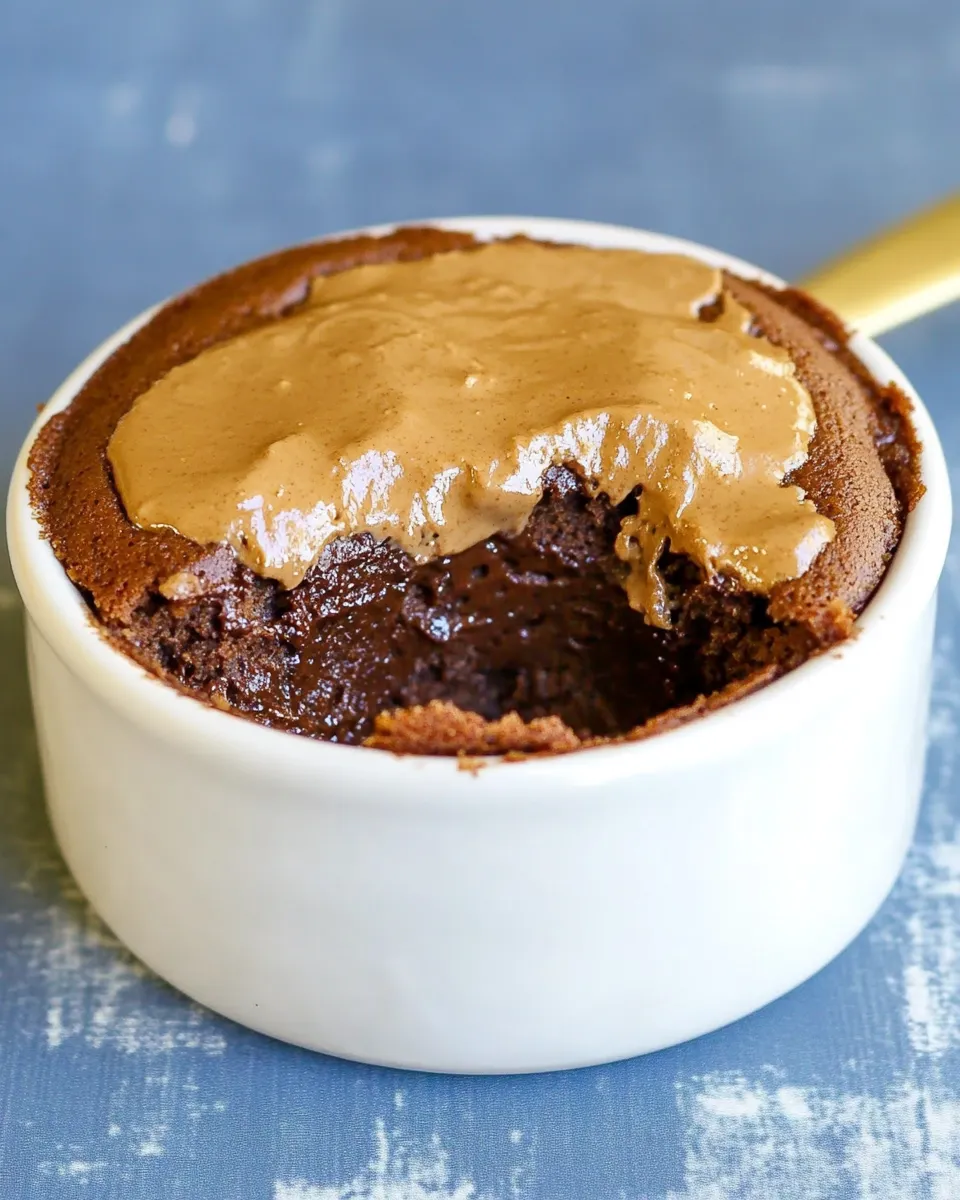
If you’re choosing between chocolate options, a slightly darker semisweet will make the finished dessert less sweet and more chocolate-forward; a standard semisweet (like the recipe calls for) keeps it balanced. With the peanut butter, creamy varieties give the smoothest result—stirred natural peanut butter with oil separation can be incorporated, but it may change texture slightly and require more stirring to be homogeneous.
As for the butter, the recipe specifies unsalted so you can control seasoning. If your butter is very cold, let it soften slightly before combining; it should melt evenly with the chocolate to avoid graininess.
Setup & Equipment
Must-haves
- Oven that holds 325°F reliably — temperature accuracy matters for consistent rise.
- 9-inch round cake pan — the recipe is built around this size for proper depth and baking time.
- Electric mixer or stand mixer — you need high-speed power to get stiff egg white peaks.
- Medium saucepan and heatproof bowl or microwave-safe bowl — for melting chocolate and butter smoothly.
- Spatula and whisk — a rubber spatula for folding is essential to keep the whites airy.
Nice-to-haves
- Instant-read thermometer — helpful if you want to be precise when checking the warm‑not‑hot stage before adding yolks.
- Wire rack — for even cool-down after baking.
Mistakes Even Pros Make
- Not drying egg whites fully: any trace of fat or yolk will prevent stiff peaks. Use a clean, dry bowl and beaters.
- Folding too aggressively: stirring instead of folding knocks out air. Fold with broad, gentle strokes and rotate the bowl.
- Adding yolks while the chocolate is too hot: if the chocolate is hot, the yolks can cook or scramble. Let the chocolate cool for a minute or two so it’s warm, not hot, before whisking in yolks.
- Overbaking: the center should be slightly underdone when you remove it. Overbaking dries the souffle and ruins the contrasting textures.
- Skipping the chill: serving right out of the oven often leaves a loose texture. The hour cool plus refrigeration step firms the structure for clean slices.
Make It Fit Your Plan
Timing: this recipe has focused active steps that take about 30–40 minutes, then 1 hour cooling and at least 4 hours of refrigeration. Make it the day before; it improves in stability and flavor after chilling.
Batching: the recipe is sized for a 9-inch pan and six eggs. Scaling up or down requires proportional changes and adjustment to baking time, so unless you’re comfortable with conversions, stick with this quantity for predictable results.
Serving ideas: serve slightly warmed with a dusting of cocoa or a drizzle of warmed chocolate if you want a molten effect. If you prefer a cold slice, bring it out of the fridge 10–15 minutes before serving so the texture softens slightly.
If You’re Curious
Why refrigerate after baking? The initial bake sets the outer structure, but the center remains slightly underdone. Cooling and chilling complete the set without overbaking, and the chilled mousse-like center slices more cleanly.
Why separate eggs? Yolks add fat and richness that produce a smooth, flavorful base. Whites, when whipped, incorporate air and create lift. If you combine them prematurely you’ll lose the aeration you need for a souffle.
Can you make this gluten-free? Yes—the recipe contains no flour. The texture will be souffle-like and tender as written.
Storing, Freezing & Reheating
Storing: keep the souffle covered in the refrigerator for up to 3 days. Tightly wrap the pan with plastic wrap or transfer slices to an airtight container. Chilled slices will hold shape and texture better than room-temperature leftovers.
Freezing: you can freeze slices for up to 1 month. Wrap individual slices in plastic and then in foil to prevent freezer burn. Thaw overnight in the refrigerator rather than at room temperature to preserve texture.
Reheating: for a warm serving, reheat gently. Use a low oven (about 300°F) for 5–8 minutes for slices, or microwave briefly—10–15 seconds at a time—just until warmed. Avoid long, high-heat reheats; they dry out the delicate structure.
Frequently Asked Questions
How many does this serve? The 9-inch pan typically serves 6–8 people, depending on portion size. It’s rich, so small slices go a long way.
Can I use chocolate chips instead of squares? Yes—use semisweet chocolate of good quality. Chips can work but may contain stabilizers; chopping a bar usually melts more smoothly.
What if my souffle falls after baking? A small amount of settling is normal. Avoid drafts when the souffle is cooling. If it collapses significantly, the flavor will still be excellent; consider serving it as a chilled chocolate-peanut butter mousse impressed with the baked top.
Can I make it ahead? Yes. The recipe’s refrigeration step is designed for make-ahead service. Bake, cool, then refrigerate at least 4 hours or overnight. Serve chilled or briefly rewarm if you prefer it warm.
Let’s Eat
Serve this with confidence. For a classic finish, dust with a little cocoa or powdered sugar just before serving, or add a cold spoonful of lightly sweetened whipped cream on the side. If you’re hosting, slice and plate in advance so guests get a composed dessert without fuss.
Trust the steps—temperatures and timing are forgiving if you respect the key moments: dry whites, warm-not-hot base, gentle folding, and the cool-down. Make a pot of coffee or brew a bold tea; this souffle pairs beautifully with something bright to cut the richness. Enjoy.
Chocolate Peanut Butter Souffle
Ingredients
Equipment
Method
- Preheat the oven to 325°F. Spray a 9-inch round cake pan with cooking spray, line the bottom with a circle of parchment paper, and spray the parchment and sides of the pan.
- Chop the 10 (1‑ounce) squares of semisweet chocolate if not already chopped.
- In a medium saucepan over medium‑low heat, combine the 3/4 cup (12 tablespoons) unsalted butter, the chopped semisweet chocolate, and the 1/2 cup creamy peanut butter. Stir constantly until the mixture is completely melted and smooth. (Alternatively, melt in a microwave‑safe bowl in 30‑second intervals, stirring between each interval, until smooth.)
- Remove the pan from heat. Whisk the 1 1/2 cups sugar into the warm chocolate mixture until fully incorporated, about 2 minutes. Let the mixture cool briefly (about 1–2 minutes) so it is warm but not hot.
- Add the 6 egg yolks to the chocolate mixture one at a time, whisking well after each addition until each yolk is fully incorporated.
- In a clean medium bowl, beat the 6 egg whites on high speed with a mixer until stiff peaks form. (Ensure no yolk is in the whites.)
- Gently fold the beaten egg whites into the chocolate mixture: first fold in about one‑third of the whites to lighten the batter, then fold in the remaining whites in two additions until combined. Use gentle folding motions to preserve as much volume as possible; stop when no large streaks of white remain.
- Pour the batter into the prepared pan and smooth the top with a spatula.
- Bake in the preheated 325°F oven for 45–60 minutes, until the top is set and the center is slightly underdone (a gentle jiggle in the center is acceptable). Do not overbake.
- Remove the souffle from the oven and cool on a rack for 1 hour. After it has cooled, refrigerate for at least 4 hours before serving. You may serve cold or warm (reheat briefly if desired).
Notes
If you're not a huge peanut butter fan you can definitely leave it out and it will not affect the cake.